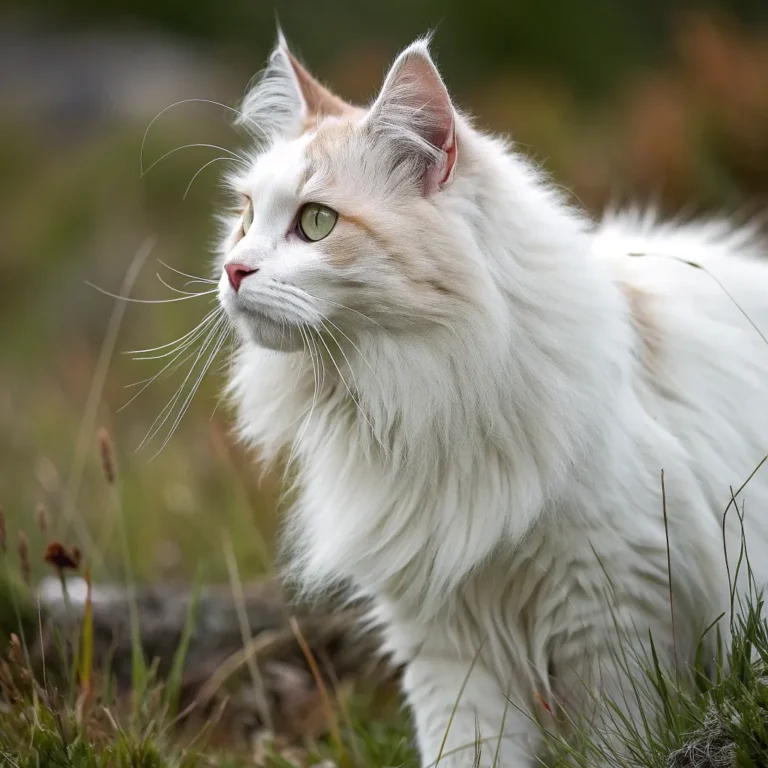
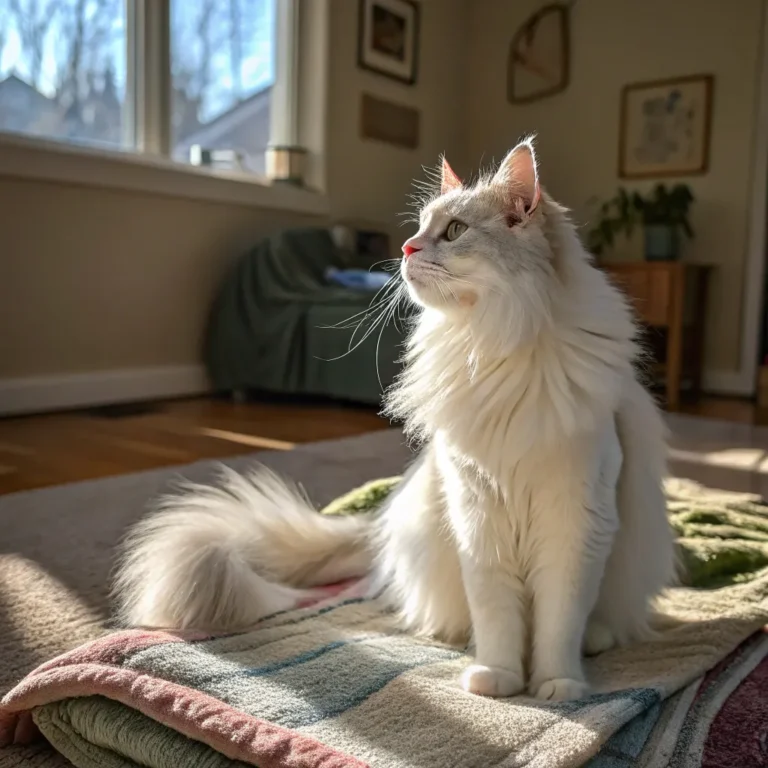
Ultimate Guide to Norwegian Forest Kitten Nutrition: Best Foods, Diets, and Feeding Tips for 2025
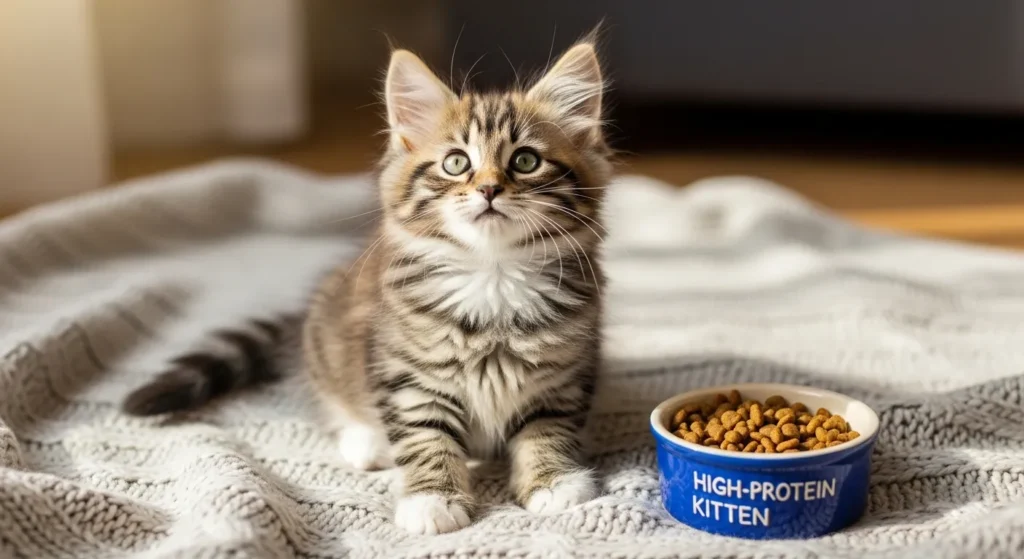
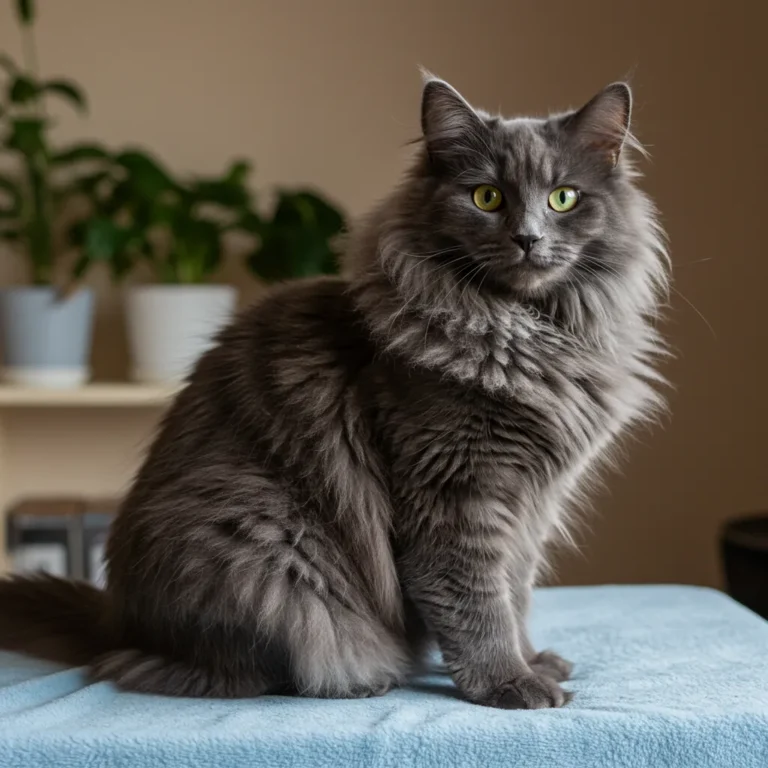
Norwegian Forest kittens are majestic little explorers, with their fluffy coats and boundless energy echoing their Viking heritage. But as these future giants grow—reaching up to 20 pounds as adults—their diet plays a pivotal role in healthy development. From managing Norwegian Forest Cat weight to preventing Norwegian Forest Cat obesity, getting nutrition right early can mean the difference between a playful Wegie and one prone to joint issues or heart concerns. In this comprehensive guide, we’ll cover the Norwegian Forest kitten diet, essential Norwegian Forest kitten nutrition, and a step-by-step Norwegian Forest kitten feeding guide. We’ll also dive into the best food for Norwegian Forest kittens, top Norwegian Forest kitten food brands, and trending options like grain-free kitten food and organic kitten food. Whether you’re eyeing high protein diet for kittens or debating wet food vs dry food for kittens, we’ve got you covered with vet-backed advice.
Key Takeaways
- Growth Focus: Norwegian Forest kittens need a high protein diet for kittens to support their slow maturation (up to 5 years), with animal-based protein for kittens as the star ingredient.
- Calorie Balance: Meet the caloric needs of kittens (around 200-250 kcal/day for a 2-lb kitten) to fuel play without overfeeding dangers in kittens, which can lead to lifelong Norwegian Forest Cat obesity.
- Nutrient Essentials: Prioritize healthy fats for kittens, vitamins and minerals for kitten growth, and DHA for brain development.
- Food Choices: Opt for quality kitten food with clear labels; brands like Royal Canin Norwegian Forest kitten food shine for breed-specific needs.
- Pro Tip: Always consult a veterinarian for kitten diet to tailor portions and monitor progress—regular weigh-ins keep your Wegie on track.
The Unique Dietary Needs of Norwegian Forest Kittens
Norwegian Forest kittens aren’t your average fluffballs. Descended from hardy Norwegian farm cats, they grow large and muscular, often weighing 8-20 pounds as adults. This slow growth spurt demands a nutrient-dense Norwegian Forest kitten diet to build strong bones, a thick water-repellent coat, and an adventurous spirit. Unlike smaller breeds, these kittens require more calories and protein to support their climbing prowess and cold-weather resilience, but portion control is key to avoiding Norwegian Forest Cat obesity later in life.
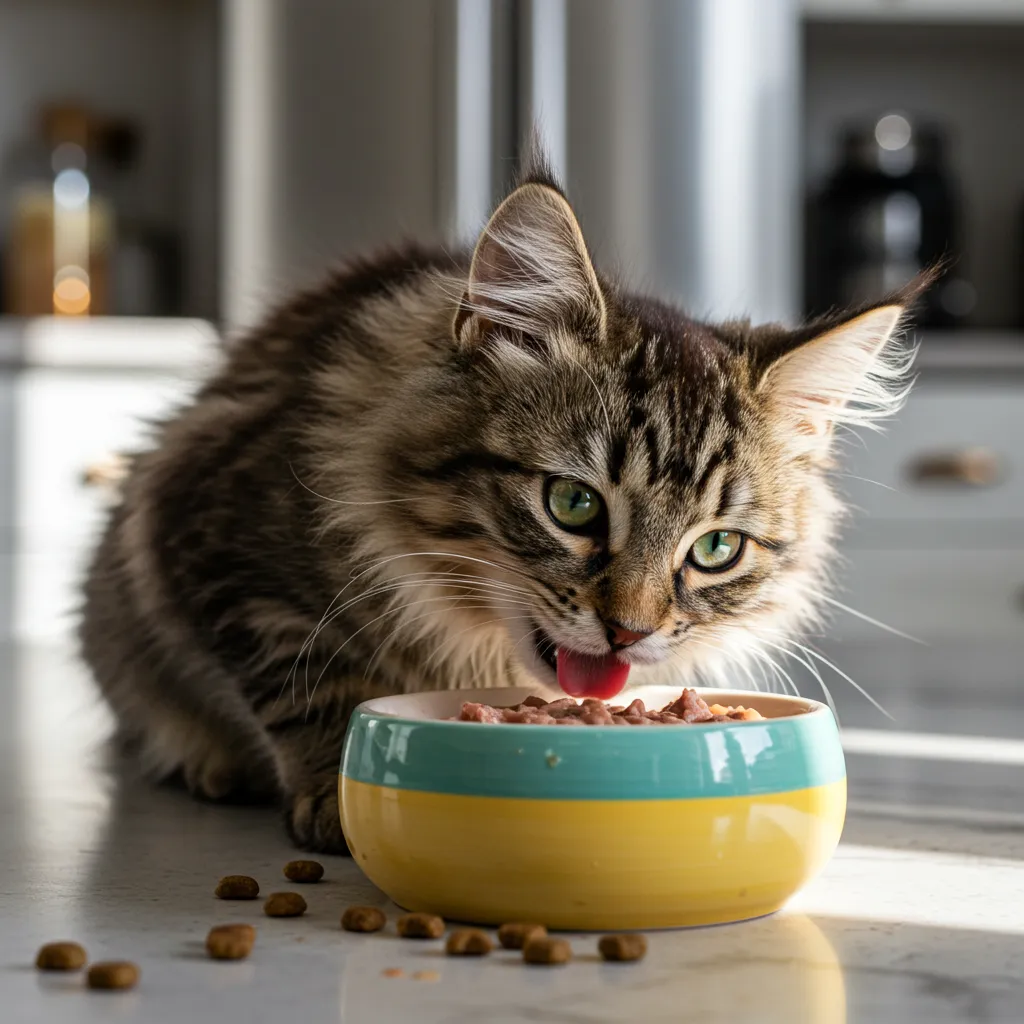
A balanced intake prevents issues like hip dysplasia or hypertrophic cardiomyopathy, common in large breeds. Focus on fresh water alongside meals to aid hydration, especially since their dense fur can mask weight gain—regular Norwegian Forest Cat weight checks (aim for steady 0.5-1 lb/month early on) are essential.
High Protein Requirements
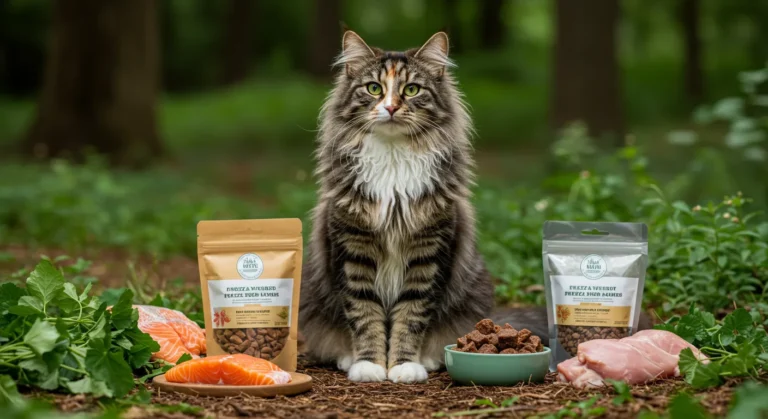
Protein is the backbone of a high protein diet for kittens, making up at least 30-40% of calories for muscle and energy. Norwegian Forest kittens thrive on animal-based protein for kittens like chicken, turkey, or fish, which provide complete amino acids for coat health and vitality. Skip plant fillers; opt for recipes with deboned meats to mimic their wild ancestors’ prey.
Caloric Needs
The caloric needs of kittens vary by age and activity—expect 100 kcal per pound of body weight daily for active Wegies. A 4-month-old (around 4-5 lbs) might need 400-500 kcal, split into 3-4 meals to sustain zoomies without overfeeding dangers in kittens like fatty liver. Track intake to maintain ideal Norwegian Forest Cat weight curves.
Top Nutrients for Growing Norwegian Forest Kittens
A stellar Norwegian Forest kitten nutrition plan packs in essentials for robust growth. Beyond protein, emphasize healthy fats for kittens (like omega-3s from fish oil) for brain development and shiny fur, plus vitamins and minerals for kitten growth to fortify bones and immunity.
An Essential Nutrient: Animal-Based Protein
Animal-based protein for kittens fuels enzyme production and tissue repair. Aim for 50%+ of the diet from meats—think turkey liver or salmon for taurine, vital for heart health in this breed. Deficiencies risk poor growth; quality sources ensure your kitten hits milestones.
Importance of Healthy Fats
Healthy fats for kittens, at 20-30% of calories, support energy and absorption of fat-soluble vitamins. Sources like chicken fat or menhaden fish oil provide DHA for sharp eyes and cognition—crucial for a breed known for intelligence.
Vitamins and Minerals
Vitamins and minerals for kitten growth include calcium (for bones), vitamin E (antioxidant), and zinc (skin health). Kitten growth supplements can fill gaps, but whole foods like organ meats often suffice—consult a vet to avoid excess.
What Are the Best Foods for Norwegian Forest Kittens?
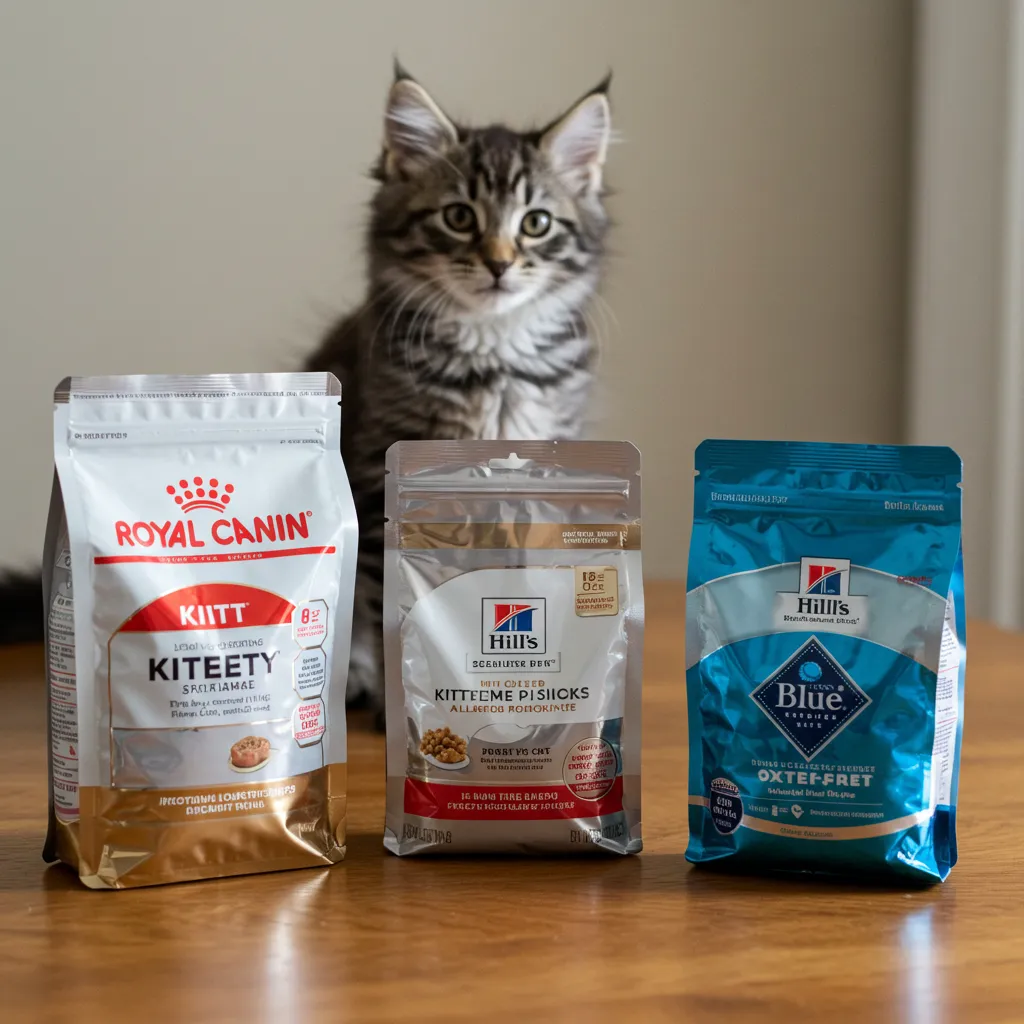
The best food for Norwegian Forest kittens meets AAFCO growth standards, prioritizing high-protein, low-carb formulas. Look for healthy kitten food options with real meat first, no by-products, and added DHA. Trending picks for 2024 include high-protein kitten kibble and best wet food for kittens like grain-free pates. For Norwegian Forest specifics, breed-tailored blends excel.
Wet vs. Dry Food: Which is Better?
Wet food vs dry food for kittens? Both shine, but a mix maximizes benefits. Wet food hydrates (78% moisture) and eases chewing for tiny teeth, while dry promotes dental health via crunching. For Wegies, wet curbs obesity risks; dry suits free-feeding. Start with 70% wet, 30% dry, adjusting for palatability.
Benefits of Wet Food
Best wet food for kittens like stews boosts hydration, reducing urinary issues, and delivers concentrated nutrients without fillers.
Benefits of Dry Food
High-protein kitten kibble offers convenience and tartar control, ideal for active kittens.
Norwegian Forest Kittens Feeding Guide
Follow this Norwegian Forest kitten feeding guide: 3-4 meals/day up to 4 months, then 2-3. Use measured portions based on weight—e.g., 1/4-1/2 cup dry or 3-5 oz wet daily for a 3-lb kitten. Transition slowly (7-10 days) to new foods. Choosing quality kitten food? Prioritize AAFCO labels and reading cat food labels for protein >30%, fat 9-20%.
Healthy Food for Norwegian Forest Kittens
Healthy kitten food options emphasize whole ingredients: organic kitten food for purity, grain-free kitten food for digestion, and homemade kitten food diet sparingly (with vet oversight due to risks like imbalances). Benefits include customization, but pitfalls like nutrient gaps loom—stick to tested recipes.
Avoiding Common Feeding Mistakes
Overfeeding dangers in kittens top the list, spiking Norwegian Forest Cat obesity risks. Free-feeding dry can lead to excess; measure instead.
Overfeeding Dangers
Rapid weight gain strains joints—monitor via rib palpation.
The Pitfalls of Low-Quality Foods
Fillers cause allergies; always choosing quality kitten food.
How to Choose the Best Diet for Norwegian Forest Kittens
Consulting veterinarian for kitten diet is non-negotiable—personalize based on health. Reading cat food labels? Seek named meats, avoid “meal” vagueness.
Reading Food Labels
Guaranteed analysis: Protein min 30%, no artificial additives.
Consulting Your Veterinarian
Tailor for growth; add kitten growth supplements if needed.
Recommended Brands for Norwegian Forest Kittens
Top Norwegian Forest kitten food brands for 2024-2025 deliver breed-specific perks.
Royal Canin Options
Royal Canin Norwegian Forest kitten food, with tailored kibble for strong jaws and omega fatty acids, earns rave reviews for coat shine and digestibility. Ideal for controlled growth.
Hill’s Science Diet
Hill’s Science Diet for kittens offers balanced, vet-recommended formulas with DHA for brain health—great for active Wegies.
Blue Buffalo Choices
Blue Buffalo kitten food, grain-free with real chicken, supports muscle via high animal-based protein—perfect for trending high-protein kitten kibble.
FAQ
What are the high protein requirements of Norwegian Forest Kittens?
At least 30-40% from animal sources for muscle and energy.
How do I manage the caloric needs of my Norwegian Forest Kitten?
100 kcal/lb body weight, split into meals; adjust via vet checks.
Why are animal-based proteins essential for Norwegian Forest Kittens?
They supply taurine for heart and eye health, absent in plants.
What is the significance of healthy fats in my kitten’s diet?
They aid DHA absorption for brain/coat development.
How do vitamins and minerals support my Norwegian Forest Kitten’s health?
Calcium builds bones; zinc boosts immunity against breed risks.
What are the best foods for Norwegian Forest Kittens?
High-protein, AAFCO-approved like Royal Canin or Wellness CORE.
What’s better for Norwegian Forest Kittens: wet food or dry food?
A mix—wet for hydration, dry for teeth; 70/30 ratio ideal.
How should I feed my Norwegian Forest Kitten to ensure a healthy diet?
3-4 small meals/day, measured portions, with vet monitoring.
What healthy food options should I consider for my Norwegian Forest Kitten?
Grain-free, organic like Blue Buffalo or Ziwi Peak.
How do I avoid common feeding mistakes with my Norwegian Forest Kitten?
Measure food, avoid free-feeding, read labels diligently.
How can I choose the best diet for my Norwegian Forest Kitten?
Vet consult + AAFCO label; prioritize protein and moisture.
What are some recommended food brands for Norwegian Forest Kittens?
Royal Canin, Hill’s, Blue Buffalo—vet-favorites for 2024