Are Norwegian Forest Cats Hypoallergenic? A Comprehensive Guide
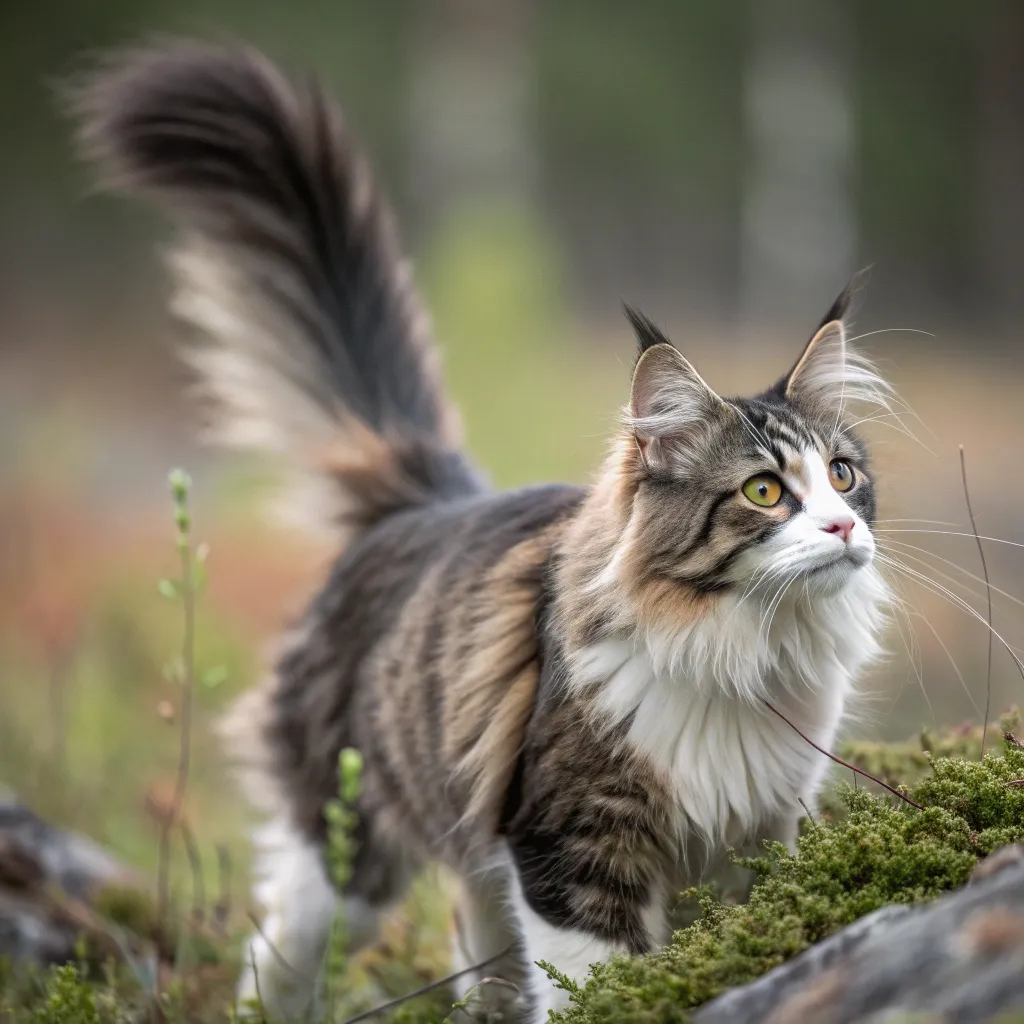
Norwegian Forest Cats, with their majestic appearance and lush double coats, are a favorite among cat lovers. But for those with allergies, a key question arises: Are Norwegian Forest Cats hypoallergenic? This article dives deep into Norwegian Forest Cat allergies, shedding and dander, and how they compare to other hypoallergenic cat breeds. We’ll also cover cat allergy symptoms, dander control strategies, and grooming needs for Norwegian Forest Cats to help you decide if this breed is right for you.
Key Takeaways
- Norwegian Forest Cats are not considered hypoallergenic due to their thick double coat and moderate shedding.
- Proper grooming and dander control strategies can reduce allergens produced by cats for allergy sufferers.
- Comparing hypoallergenic cat breeds shows alternatives like the Siberian or Sphynx may be better for severe allergies.
- Preventative care for cats and regular grooming can minimize Norwegian Forest Cat shedding and dander.
Understanding Cat Allergies
Cat allergies affect millions worldwide, often triggered by proteins in a cat’s saliva, skin, or urine. These allergens produced by cats—primarily the Fel d 1 protein—can cause cat allergy symptoms like sneezing, itchy eyes, or respiratory issues. For those considering a Norwegian Forest Cat, understanding these allergens is key to managing living with cats if you have allergies.
Common Cat Allergy Symptoms
Cat allergy symptoms vary in severity and may include:
- Sneezing and nasal congestion
- Itchy, watery eyes
- Skin rashes or hives
- Coughing or wheezing
For some, symptoms are mild, but for others, they can significantly impact daily life, making hypoallergenic cat breeds comparison essential.
Allergens Produced by Cats
The primary culprit behind cat allergies is the Fel d 1 protein, found in cat dander, saliva, and urine. Even Norwegian Forest Cats produce this protein, meaning they are not inherently hypoallergenic. However, dander control strategies and proper care can reduce allergen exposure.
Are Norwegian Forest Cats Hypoallergenic?
So, are Norwegian Forest Cats hypoallergenic? Unfortunately, no. Their thick double coat in cats produces moderate levels of dander, which carries allergens. While no cat is 100% hypoallergenic, some breeds produce less Fel d 1, making them better suited for allergy sufferers.
What Does Hypoallergenic Mean?
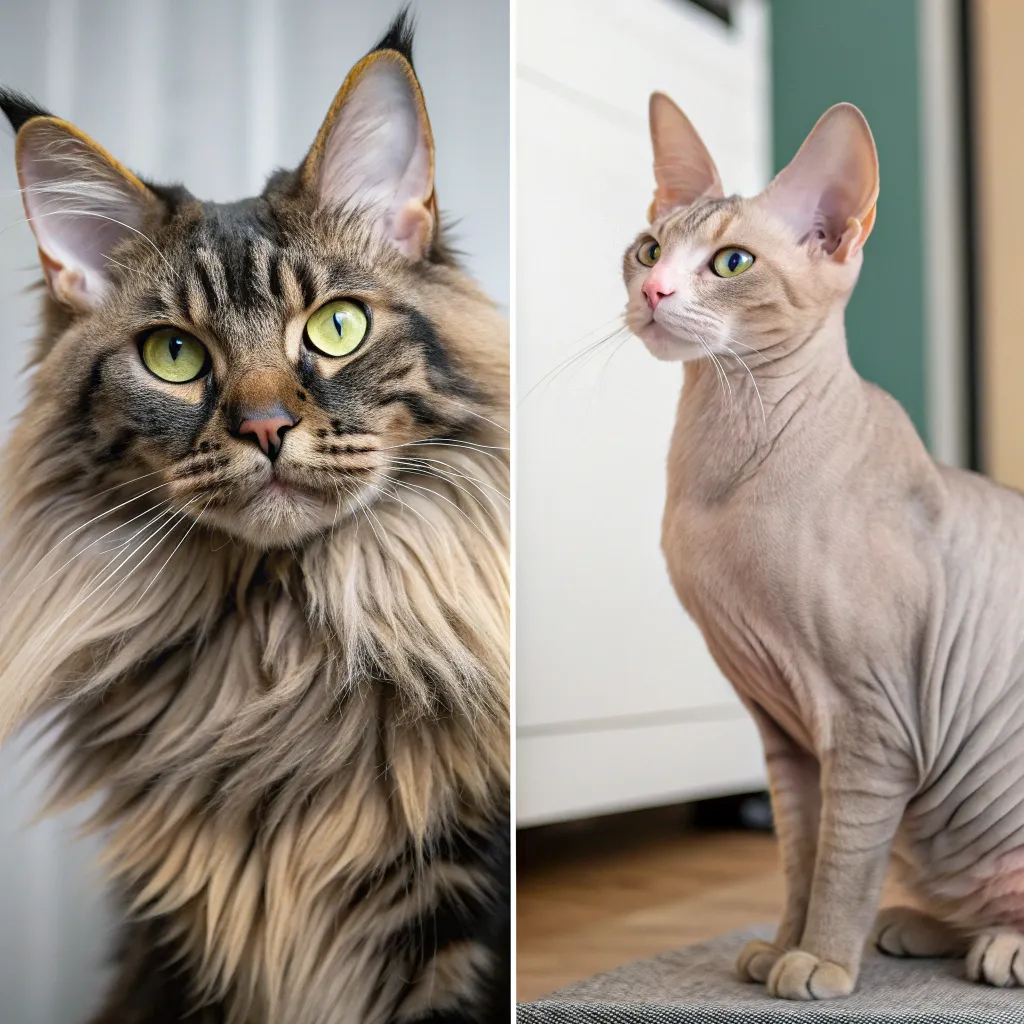
A hypoallergenic cat breed produces fewer allergens or sheds less, reducing the spread of dander. Breeds like the Siberian, Balinese, or Sphynx are often recommended in hypoallergenic cat breeds comparison due to lower Fel d 1 levels or minimal shedding. Norwegian Forest Cats, with their heavy shedding, don’t fit this category.
Comparison with Other Hypoallergenic Breeds
When comparing Norwegian Forest Cat allergies to other breeds:
- Siberian: Lower Fel d 1 production, despite a thick coat.
- Sphynx: Hairless, reducing dander spread.
- Balinese: Long-haired but lower allergen levels.
Norwegian Forest Cats, while stunning, are less ideal for those seeking hypoallergenic cat breeds.
The Norwegian Forest Cat’s Coat and Shedding
The Norwegian Forest Cat shedding and dander profile is tied to their signature double coat, which consists of a dense undercoat and a water-repellent topcoat. This luxurious fur is beautiful but contributes to allergen spread.
Characteristics of the Double Coat
The double coat in cats like the Norwegian Forest Cat is designed for harsh climates. The undercoat insulates, while the outer coat protects against moisture. This dense fur traps dander, which can exacerbate Norwegian Forest Cat allergies if not managed properly.
Shedding Patterns
Cat shedding patterns for Norwegian Forest Cats follow a seasonal cycle, with heavier shedding in spring and fall. Regular grooming can minimize loose fur and dander, making living with cats if you have allergies more manageable.
Allergy Precautions for Norwegian Forest Cat Owners
If you’re set on a Norwegian Forest Cat but have allergies, don’t despair. Dander control strategies and proactive measures can help.
Dander Control Strategies
To reduce allergens produced by cats:
- Vacuum and clean regularly to remove dander from surfaces.
- Use HEPA air purifiers to capture airborne allergens.
- Wash your hands after petting your cat to avoid spreading allergens.
- Keep your cat out of bedrooms to create an allergen-free zone.
Tips for Reducing Allergens at Home
Reducing allergens at home involves:
- Washing pet bedding weekly in hot water.
- Using allergen-proof mattress and pillow covers.
- Maintaining low humidity to prevent dander buildup.
These steps can make living with cats if you have allergies more comfortable.
The Grooming Needs of Norwegian Forest Cats
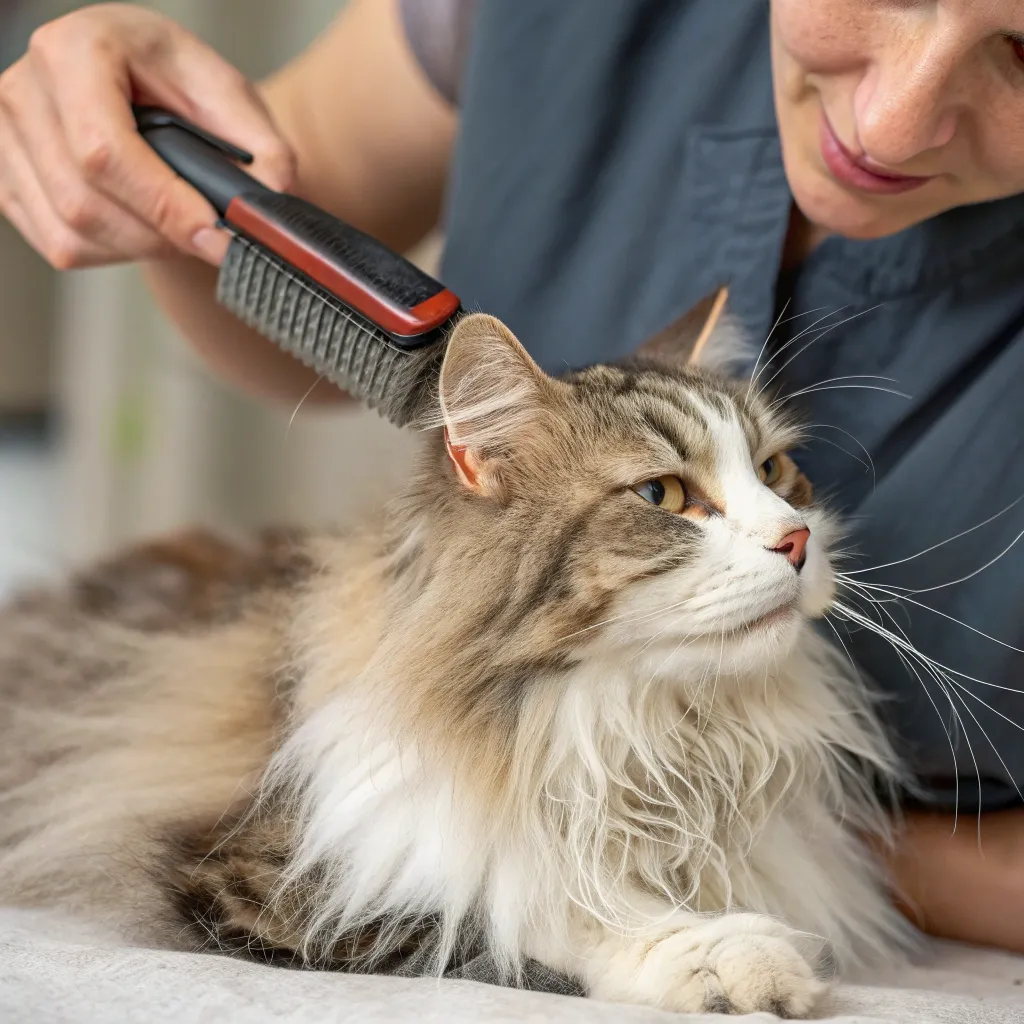
Grooming needs for Norwegian Forest Cats are significant due to their thick fur. Regular brushing (2–3 times per week) prevents matting and reduces loose fur and dander. Use a stainless-steel comb or slicker brush for best results. Bathing occasionally with a cat-safe shampoo can further control Norwegian Forest Cat shedding and dander.
Why Some People Might Have Allergies to Norwegian Forest Cats
Allergies to Norwegian Forest Cats stem from their dander and the Fel d 1 protein. Factors like genetics (individual sensitivity to allergens) and environment (poor ventilation or infrequent cleaning) can worsen reactions. Regular preventative care for cats and a clean home can mitigate these issues.
Other Hypoallergenic Cat Breeds to Consider
If Norwegian Forest Cat allergies are a concern, consider these hypoallergenic cat breeds comparison options:
- Siberian: Known for lower allergen production.
- Sphynx: Minimal shedding due to hairlessness.
- Russian Blue: Short coat with less dander spread.
These breeds may be better suited for allergy sufferers.
The Appeal of Norwegian Forest Cats
Despite not being hypoallergenic, Norwegian Forest Cats are beloved for their charm.
Personality Traits
Norwegian Forest Cats are friendly, intelligent, and playful. They bond closely with owners and adapt well to families, making them a joy despite Norwegian Forest Cat allergies.
Physical Attributes
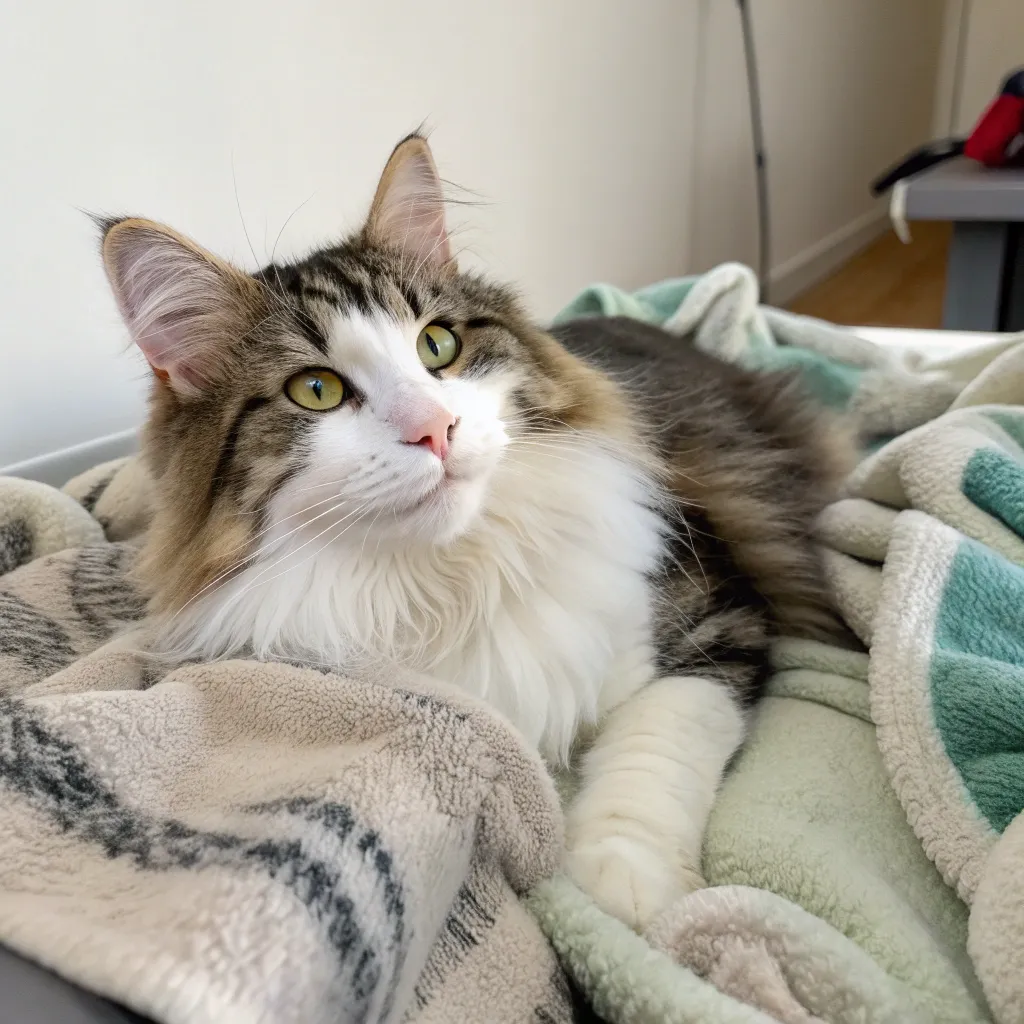
Their large, muscular bodies, tufted ears, and bushy tails give them a regal look. Their double coat in cats is both functional and stunning, though it requires diligent grooming.
Health Considerations for Norwegian Forest Cats
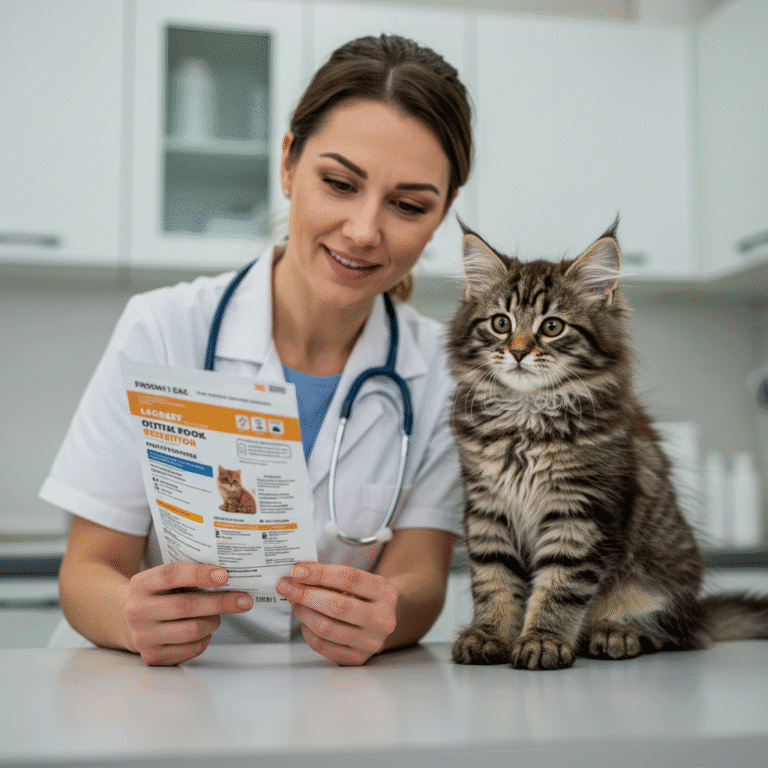
Common ailments in Norwegian Forest Cats include hypertrophic cardiomyopathy (HCM) and hip dysplasia. Regular vet checkups and preventative care for cats—like a balanced diet and exercise—can keep them healthy and reduce shedding-related allergen spread.
Common Ailments
- HCM: A heart condition common in the breed.
- Hip Dysplasia: Joint issues that may require monitoring.
- Glycogen Storage Disease IV: A rare genetic disorder.
Preventative Care
Preventative care for cats includes:
- Annual vet visits for early detection of issues.
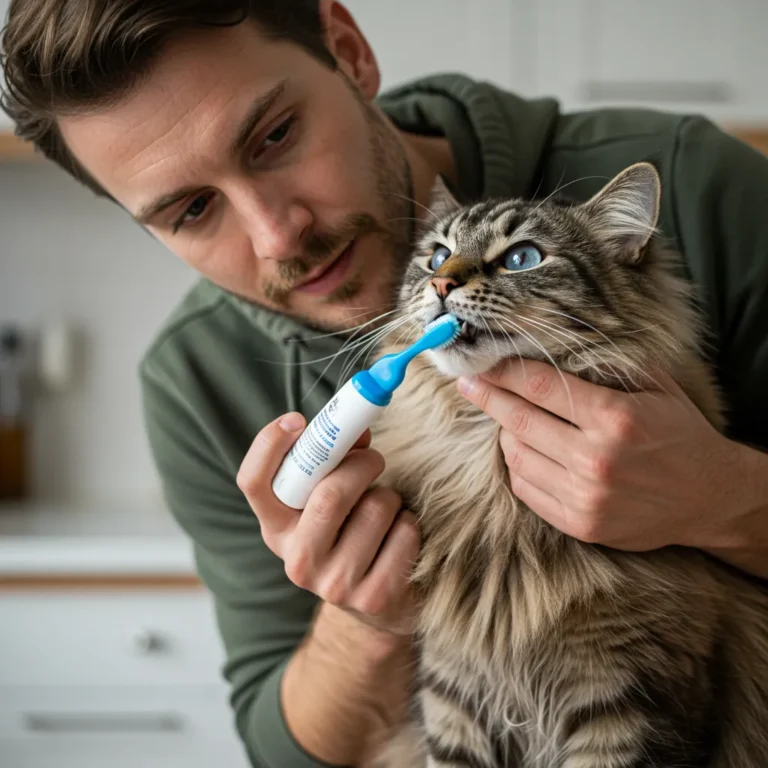
- Dental care to prevent oral diseases.
- A high-quality diet to support coat and overall health.
Conclusion
While Norwegian Forest Cats are not hypoallergenic, their stunning appearance and affectionate nature make them a popular choice. For allergy sufferers, dander control strategies, regular grooming needs for Norwegian Forest Cats, and reducing allergens at home can make coexistence possible. If allergies are severe, consider exploring hypoallergenic cat breeds comparison for alternatives like the Siberian or Sphynx. With the right precautions, you can enjoy the companionship of a Norwegian Forest Cat while managing cat allergy symptoms.
FAQ
Are Norwegian Forest Cats hypoallergenic?
No, Norwegian Forest Cats are not hypoallergenic due to their double coat and moderate shedding, which spreads dander.
What makes a cat hypoallergenic?
Hypoallergenic cats produce less Fel d 1 protein or shed less, reducing allergen spread.
How do Norwegian Forest Cats compare to other hypoallergenic breeds?
Compared to breeds like the Siberian or Sphynx, Norwegian Forest Cat allergies are more likely due to higher shedding and dander.
What are common cat allergy symptoms?
Symptoms include sneezing, itchy eyes, rashes, and respiratory issues.
What allergens do cats produce?
Cats produce Fel d 1, a protein in dander, saliva, and urine, causing allergies.
What are the characteristics of a Norwegian Forest Cat’s double coat?
The double coat in cats has a dense undercoat for warmth and a water-repellent topcoat.
What are the shedding patterns of Norwegian Forest Cats?
They shed heavily in spring and fall, with regular grooming reducing loose fur.
What precautions should Norwegian Forest Cat owners take for allergies?
Use dander control strategies like HEPA filters, frequent cleaning, and grooming.
What are the grooming needs of Norwegian Forest Cats?
Brush 2–3 times weekly and bathe occasionally to manage Norwegian Forest Cat shedding and dander.
What strategies can help control dander if you have cat allergies?
Vacuum regularly, use air purifiers, and wash pet bedding to reduce allergens.
Why might some people have allergies to Norwegian Forest Cats?
Their dander and Fel d 1 protein, combined with environmental factors, trigger allergies.
What other hypoallergenic cat breeds should allergy sufferers consider?
Siberian, Sphynx, and Russian Blue are better for hypoallergenic cat breeds comparison.
What are the personality traits of Norwegian Forest Cats?
They are friendly, intelligent, and playful, bonding well with families.
What are the physical attributes of Norwegian Forest Cats?
They have large, muscular bodies, tufted ears, and a bushy tail with a double coat.
What are common ailments that Norwegian Forest Cats are prone to?
Common ailments in Norwegian Forest Cats include HCM, hip dysplasia, and rare genetic disorders.
What preventative care do Norwegian Forest Cats require?
Regular vet visits, dental care, and a balanced diet ensure their health.