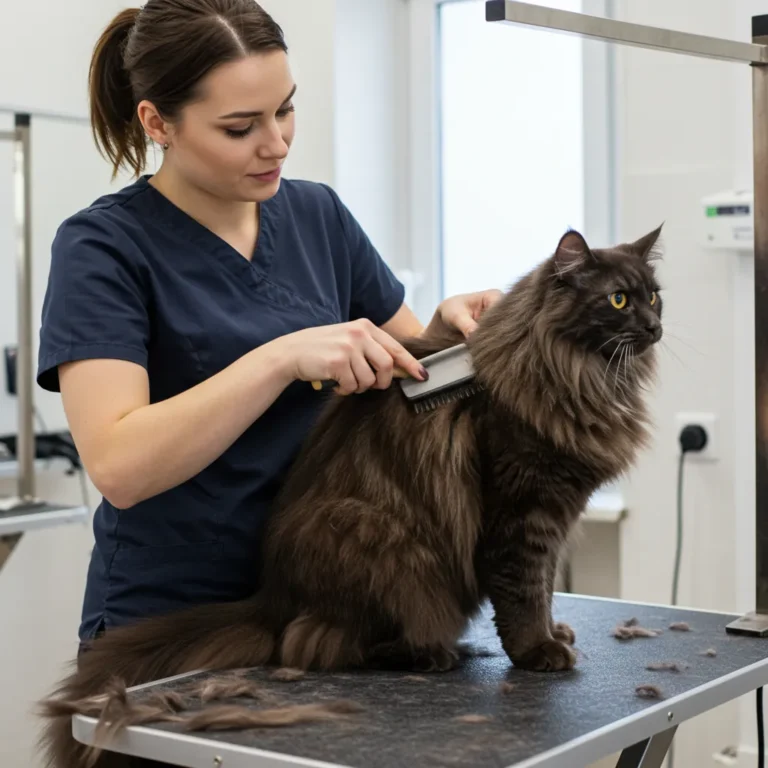
Keep Your Norwegian Forest Cat Fit, Not Fat!
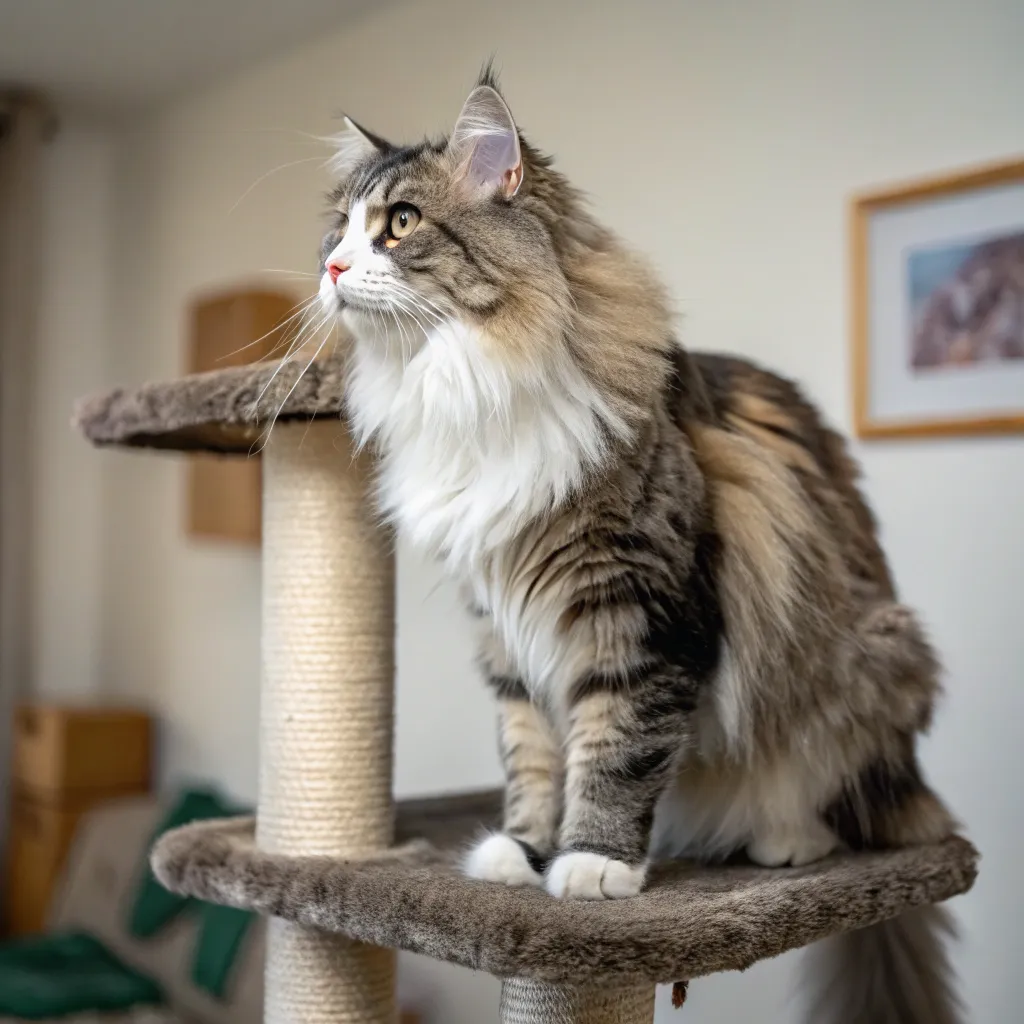
Norwegian Forest Cats, with their majestic builds and fluffy coats, are natural adventurers straight out of Norse folklore. But even these hardy “Wegies” can pack on extra pounds in a cozy indoor life. If you’re dealing with a Norwegian Forest Cat weight that’s creeping up, or spotting signs of an overweight Norwegian Forest Cat, don’t worry—this guide has you covered. From understanding the typical weight range for Norwegian Forest Cats to nailing the ideal diet for Norwegian Forest Cats, we’ll help you craft a plan for long-term health. Proper weight management isn’t just about aesthetics; it’s key to preventing Norwegian Forest Cat obesity and boosting their playful spirit.
Key Takeaways
- Typical Weight Range: Males: 12–20 lbs (5.4–9 kg); Females: 9–15 lbs (4–6.8 kg). Aim for the lower end to avoid health risks.
- Obesity Signs: Difficulty feeling ribs, no waistline, lethargy, or reluctance to jump—early detection via physical check-up for cats at home is crucial.
- Diet Essentials: High-protein, low-carb options like grain-free cat food for weight loss keep them satisfied while cutting calories.
- Feeding & Exercise: Stick to a Norwegian Forest Cat feeding schedule of 2–3 meals daily with portion control; add daily exercise for cats like climbing to burn energy.
- Prevention Tips: Regular vet check-ups for cats, smart feeders for portion control, and interactive toys for overweight cats can make all the difference in cat obesity prevention tips.
Understanding Norwegian Forest Cat Weight Standards
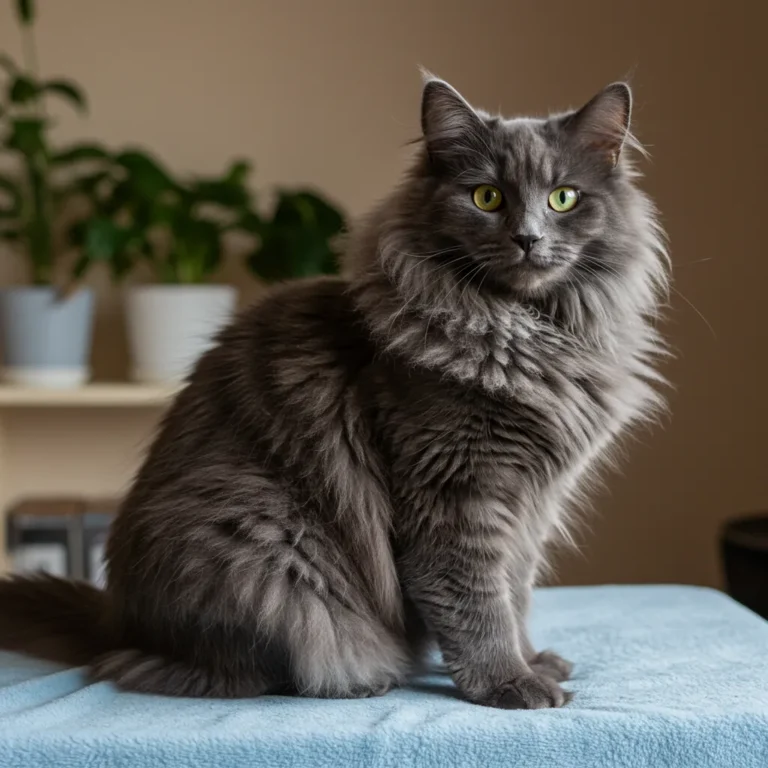
These Viking descendants are built big and strong, but knowing the benchmarks helps spot when your cat’s tipping the scales. The typical weight range for Norwegian Forest Cats varies by gender and maturity—males often hit 12–20 pounds, while females range from 9–15 pounds, fully maturing around age 5. Genetics play a big role, but so does lifestyle.
Typical Weight Ranges for Norwegian Forest Cats
A healthy adult male Norwegian Forest Cat typically weighs 12–20 pounds (5.4–9 kg), while females are lighter at 9–15 pounds (4–6.8 kg). Kittens start small but grow steadily, reaching full size by 3–5 years. Track progress monthly to stay in the sweet spot—anything over 20% above ideal signals overweight territory.
Factors Affecting Weight Variations
Several elements influence a Norwegian Forest Cat’s weight, from genetics to spay/neuter status. Neutered cats can gain up to 10% more due to slowed metabolism, while age and activity levels amplify risks—indoor life often means fewer calories burned. Diet quality matters too; high-carb foods sneak in empty calories, while factors like breed purity and early-life nutrition shape their frame.
Why Weight Management is Crucial
The importance of weight management in cats can’t be overstated—obesity shortens lifespans by up to 2 years and hikes risks for diabetes, joint issues, and heart disease. For Norwegian Forest Cats, extra pounds strain their powerful joints, leading to hip dysplasia. Keeping them lean means more zoomies, healthier hearts, and a happier, longer life.
Signs Your Norwegian Forest Cat May Be Overweight
Catching Norwegian Forest Cat obesity early saves heartache. Beyond the scale, look for subtle cues in their daily vibe.
Performing a Physical Check-Up
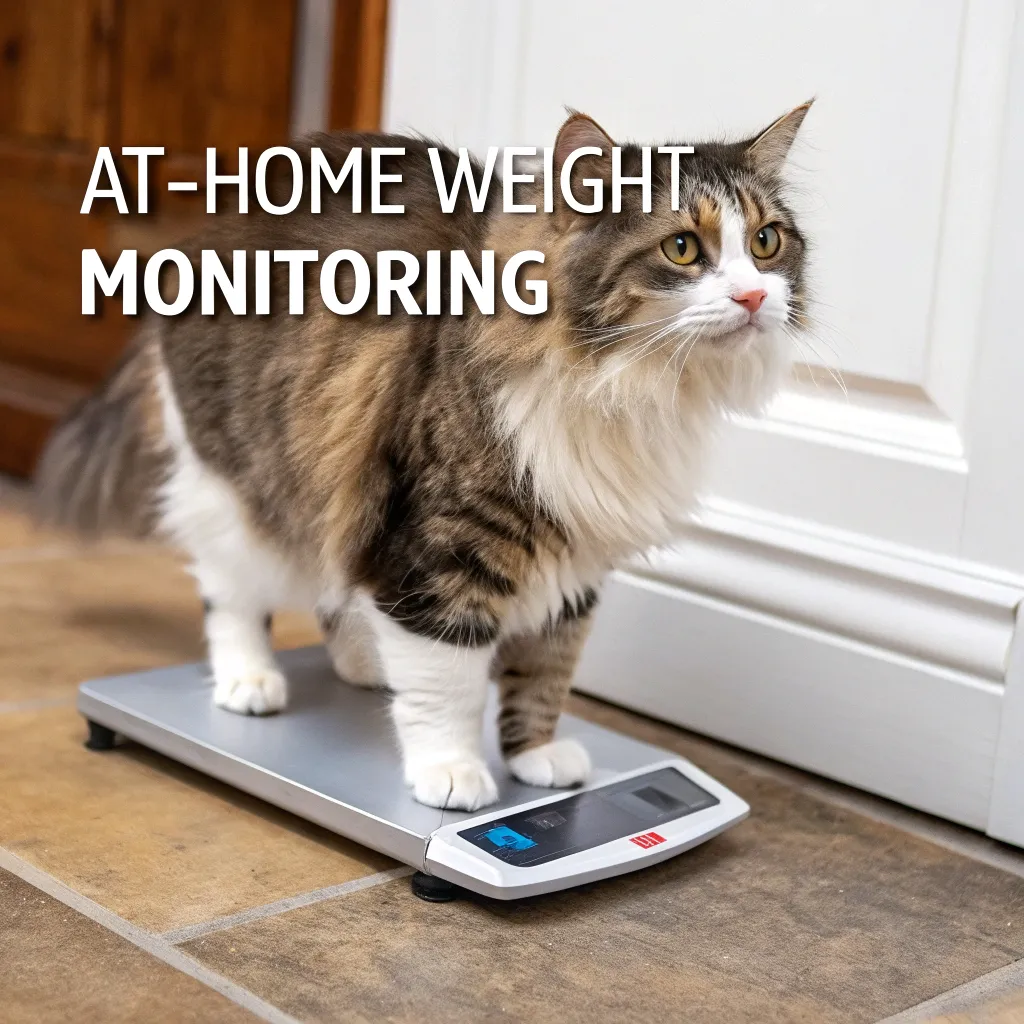
Start with a hands-on physical check-up for cats at home: Gently run your fingers along the ribs—they should feel like the keys on a piano, not buried under padding. Check for a visible waist from above and a tummy tuck from behind. If you can’t easily feel the spine or hips, or if there’s a swing in their belly, it’s time to reassess. Weighing your cat at home weekly with a baby scale keeps tabs accurate.
Behavioral Indicators of Obesity
Watch for behavioral indicators of obesity in cats: Less enthusiasm for play, reluctance to jump on counters, or excessive sleeping (over 16 hours daily). Overweight kitties might pant after short chases or groom less, leading to matted fur. These shifts signal energy drain from excess weight—address them before they worsen.
Consulting Your Veterinarian
If signs persist, book regular vet check-ups for cats. Pros use body condition scores (BCS) to pinpoint issues and rule out thyroid problems or meds causing gain. They’ll tailor a plan, perhaps starting with bloodwork to confirm it’s lifestyle-driven.
How to Prevent Norwegian Forest Cat Obesity?
Proactive steps keep your Wegie woodland-ready. Focus on balanced intake and fun movement to sidestep the bulge.
The best diet for overweight cats 2023/2024 emphasizes high-protein, low-carb formulas—think 40%+ protein to maintain muscle while trimming fat. Brands like Hill’s Science Diet Perfect Weight shine here, blending fiber for fullness. Avoid free-feeding; use portion control for cats to cap calories at 20–25 per pound of ideal body weight daily.
Importance of High-Protein Diet
A high-protein cat diet fuels their carnivore souls without the crash. Aim for 40–50% protein from real meat like chicken or salmon— it curbs hunger and preserves lean mass during trims. Skip fillers; opt for low-carb cat food to stabilize blood sugar and prevent spikes.
Avoiding Carbs and Sugars
Ditch grains where possible—grain-free cat food for weight loss like Nulo Freestyle Trim cuts carbs to under 10%, mimicking their wild prey diet. Sugars? A hard no—they’re empty and addictive. Focus on whole proteins for steady energy.
Essential Nutrients to Include
Pack in omega-3s for joints, taurine for hearts, and fiber (psyllium or inulin) for satiety. L-carnitine aids fat burn, while glucosamine supports their climbing frames. A multivitamin topper ensures balance without overdoing calories.

Feeding Schedule and Portion Control
Consistency is key— a solid Norwegian Forest Cat feeding schedule prevents begging and overeating.
How Often to Feed Your Cat
Feed 2–3 times daily: Breakfast, lunch, dinner. This mimics natural hunts, stabilizing energy and curbing midnight munchies. Puppies need more (4–6x), but adults thrive on measured meals.
Measuring out Portions
Portion control for cats is non-negotiable—use scoops calibrated to your food’s calories. Smart feeders for portion control like Petlibro Granary dispense exact grams via app, ideal for multi-cat homes. Track intake; adjust down 10–20% for weight loss, but never below 70% of maintenance to avoid fatty liver.
Healthy Treat Options
Treats should be 10% max of calories—go for healthy cat treat options that reward without wrecking the plan.
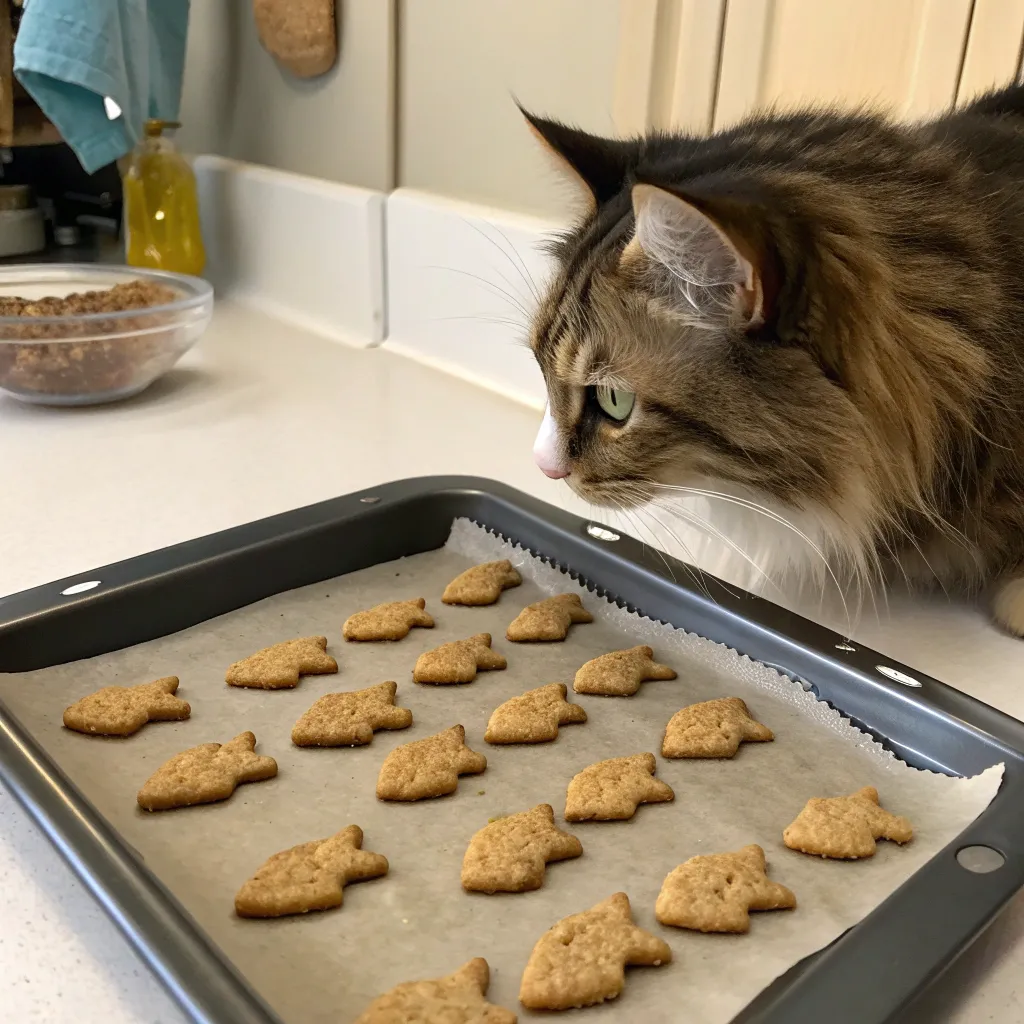
Homemade healthy cat treats shine: Bake tuna bites (canned tuna, egg, oat flour) or freeze chicken broth cubes for low-cal chews. Commercial picks like freeze-dried salmon keep it simple and nutrient-dense.
Incorporating Exercise and Play
These climbers need outlets—daily exercise for cats keeps muscles toned and pounds off.
Daily Exercise Requirements
Aim for 15–30 minutes twice daily: Chasing, climbing, pouncing. Norwegian Forests love vertical space—cat trees mimic forest perches, burning calories while satisfying instincts.
Fun Playtime Activities
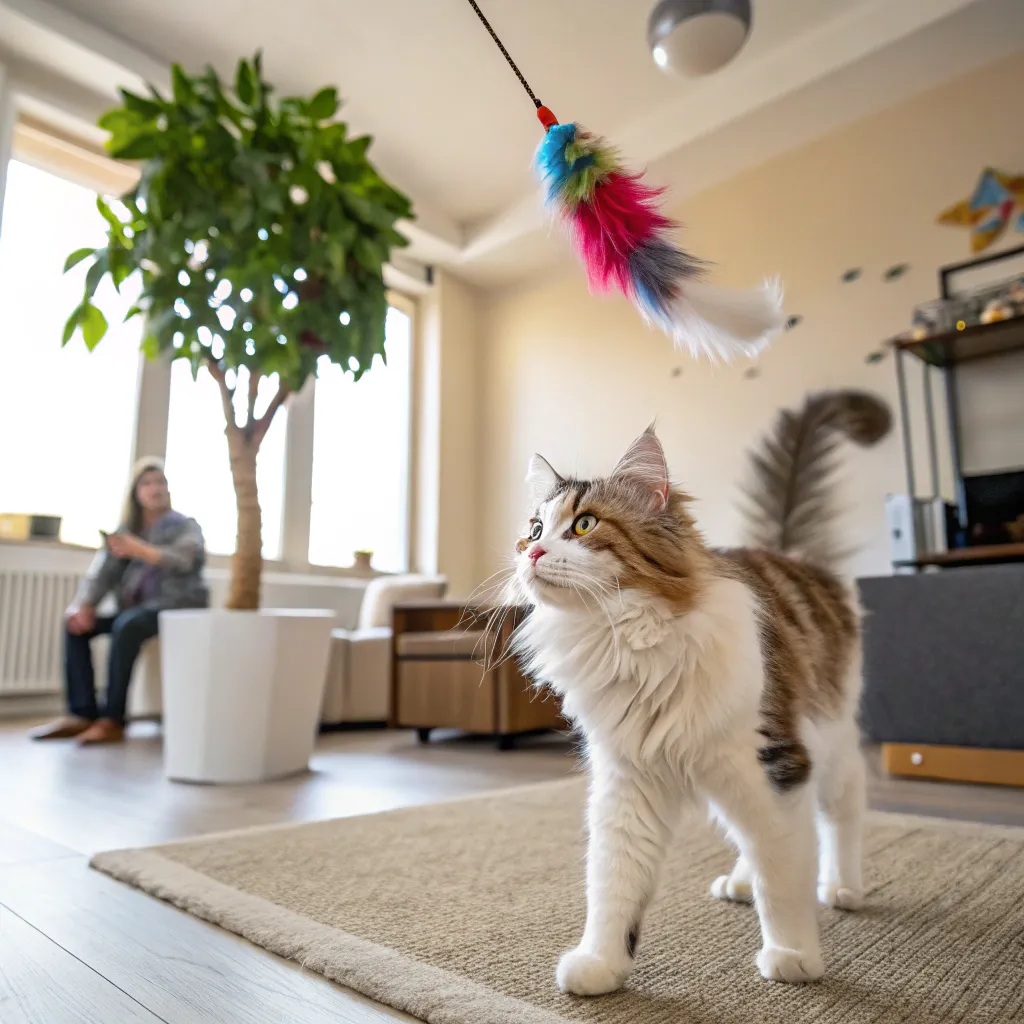
Playtime ideas for indoor cats: Hide-and-seek with crinkly tunnels or DIY puzzles (treat-stuffed socks). Rotate toys weekly to spark curiosity—laser pointers or feather wands ignite hunts.
Toys That Encourage Movement
Interactive toys for overweight cats like rolling treat balls or puzzle feeders double as workouts. Fitness tracker for cats (e.g., Tractive) monitors activity, gamifying romps. Brands like PetSafe SlimCat roll out kibble, turning meals into motion.
Monitoring Weight and Health Regularly
Stay vigilant—prevention beats cure.
Weighing Your Cat at Home
Weighing your cat at home: Use a postal scale under a towel for stress-free reads. Log weekly; aim for 1–2% loss max to safely shed.
Regular Vet Check-Ups
Annual regular vet check-ups for cats catch creepers early. Discuss trends, tweak diets, and screen for issues like diabetes.
FAQ
What is the typical weight range for a Norwegian Forest Cat?
Males: 12–20 lbs; females: 9–15 lbs, maturing by age 5.
What factors affect the weight of a Norwegian Forest Cat?
Genetics, neuter status, activity, and diet—neutering can add 10%.
Why is it essential to manage my Norwegian Forest Cat’s weight?
Prevents diabetes, joint strain, and shortens life by up to 2 years.
How can I tell if my Norwegian Forest Cat is overweight?
Ribs hard to feel, no waist, lethargy—use BCS at home.
How can I prevent my Norwegian Forest Cat from becoming obese?
High-protein diet, portioned feeds, daily play, and vet monitoring.
What is the ideal diet for a Norwegian Forest Cat?
High-protein (40%+), low-carb/grain-free with omegas for joints.
How often should I feed my Norwegian Forest Cat?
2–3 meals daily, portioned to calories.
What are some healthy treat options for my Norwegian Forest Cat?
Homemade tuna bites or freeze-dried salmon—under 10% calories.
How much exercise does a Norwegian Forest Cat need daily?
15–30 minutes twice, focusing on climbing and chasing.
How do I monitor my Norwegian Forest Cat’s weight at home?
Weekly scale checks and monthly BCS feels.