Why Is My Cat’s Voice Hoarse? Expert Guide to Causes, Symptoms, and Recovery in 2025
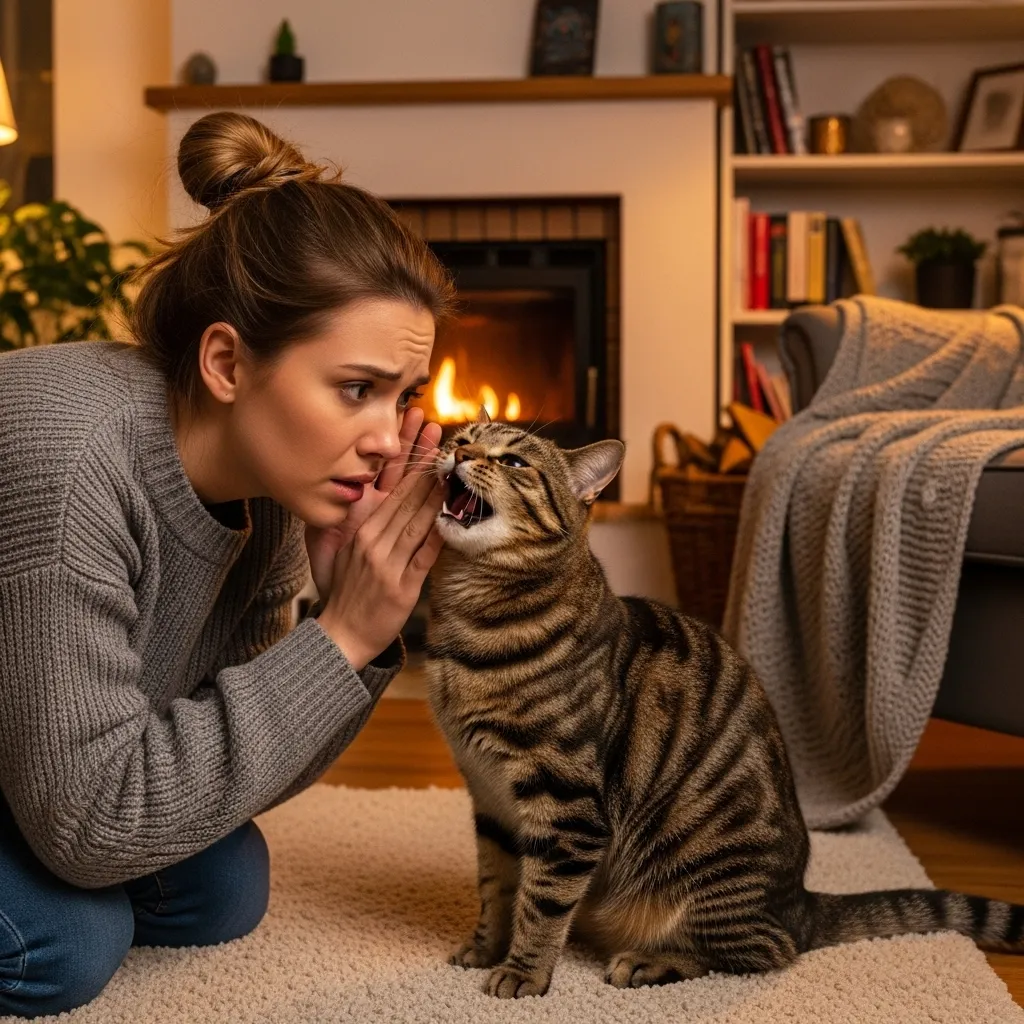
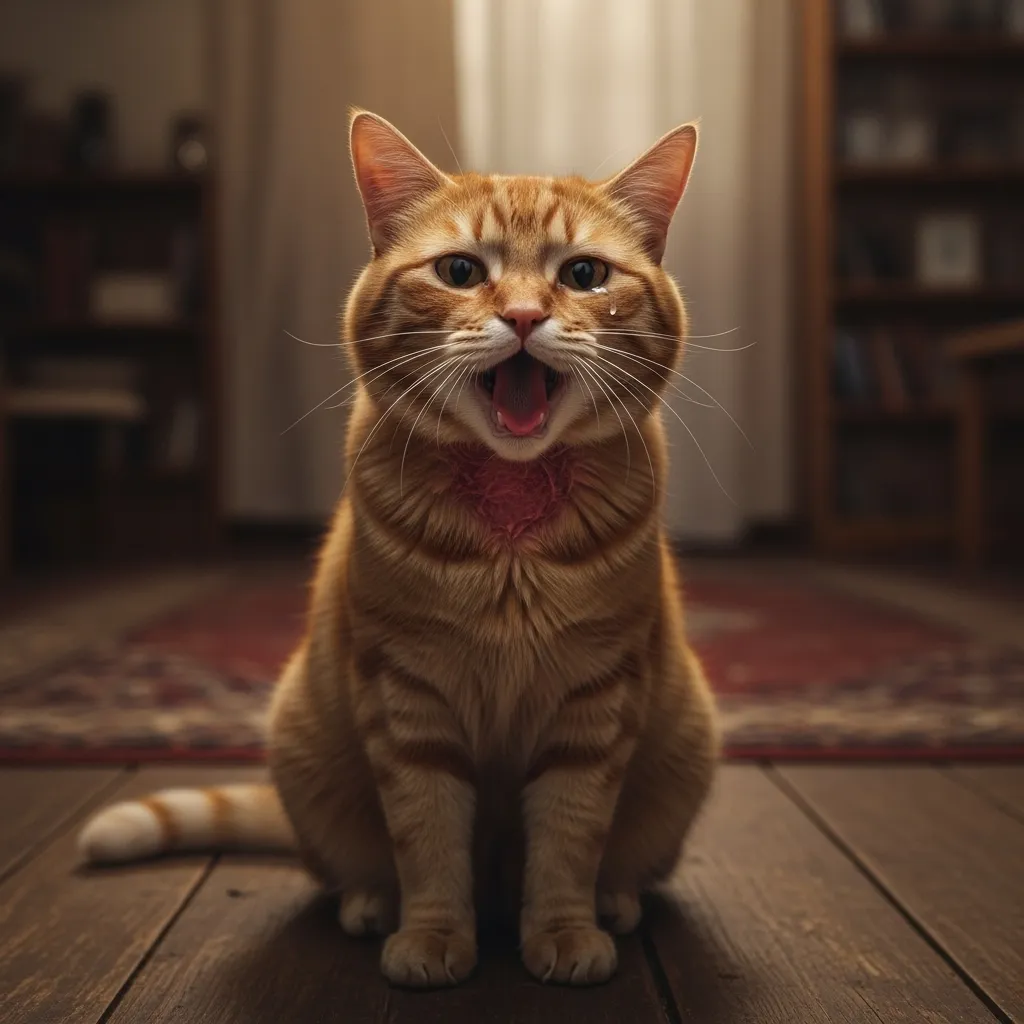
Illustration of a cat attempting to meow with a raspy expression, highlighting signs of a hoarse voice.
Imagine waking up to your cat’s usual morning chorus, only to hear a faint, scratchy whisper instead of that familiar, vibrant meow. Your furry companion tries to greet you, but the sound comes out weak and strained—like they’ve been cheering at a concert all night. If you’re wondering, “Why is my cat hoarse?” you’re not alone. As a seasoned cat behavior specialist with over 15 years of experience working with rescues and multi-cat households, I’ve seen this issue pop up more often than you’d think, especially during seasonal changes or after routine vet visits.
A cat hoarse voice can be alarming, signaling anything from a simple cold to something more serious. But the good news? Most cases are treatable, and with the right knowledge, you can help your kitty bounce back quickly. In this in-depth guide, we’ll break down the reasons behind cat voice change, explore cat laryngitis and other culprits, and share proven cat hoarse voice treatment strategies. We’ll also cover cat sore throat symptoms, when to rush to the vet, and practical cat voice recovery tips to restore that purr-fect pitch. By the end, you’ll have a clear action plan tailored for 2025’s latest veterinary insights, helping you address feline voice problems before they escalate.
Whether it’s your energetic Bengal (explore our Bengal cat personality guide for breed-specific quirks) or a laid-back Ragdoll, understanding these changes is key to keeping them healthy and happy. Let’s dive in and get your cat’s voice back on track.
Key Takeaways: Quick Insights on Cat Hoarse Meow
Before we unpack the details, here’s a snapshot of essential info to get you started on helping your hoarse meowing cat:
- Common Causes: Upper respiratory infections (URIs) account for up to 80% of cases, often from viruses like calicivirus or herpesvirus. Other triggers include laryngeal inflammation in cats, trauma, or even cat vocal strain from excessive meowing.
- Symptoms to Monitor: Look for a raspy or silent meow, coughing, noisy breathing, or difficulty swallowing. If paired with lethargy or appetite loss, see a vet immediately.
- When to Worry: A sudden change in cat voice lasting over 48 hours, especially with breathing issues, warrants a check-up. In 2025, vets report rising cases linked to environmental irritants like wildfire smoke.
- Treatment Basics: Home remedies like humidifiers can soothe symptoms, but antibiotics or anti-inflammatories are often needed for infections. Full recovery typically takes 7-14 days with proper care.
- Prevention Tips: Keep vaccinations current, maintain a stress-free environment, and avoid irritants. For multi-cat homes, quarantine new arrivals to prevent spread.
- Breed Considerations: Long-haired breeds like Persians may be more prone due to grooming-related irritants—check our Persian cat breed overview for tailored advice.
Implement these, and you’ll likely see improvement fast. Now, let’s explore the “why” behind your cat losing voice.
Decoding the Feline Voice: How the Cat Larynx Works
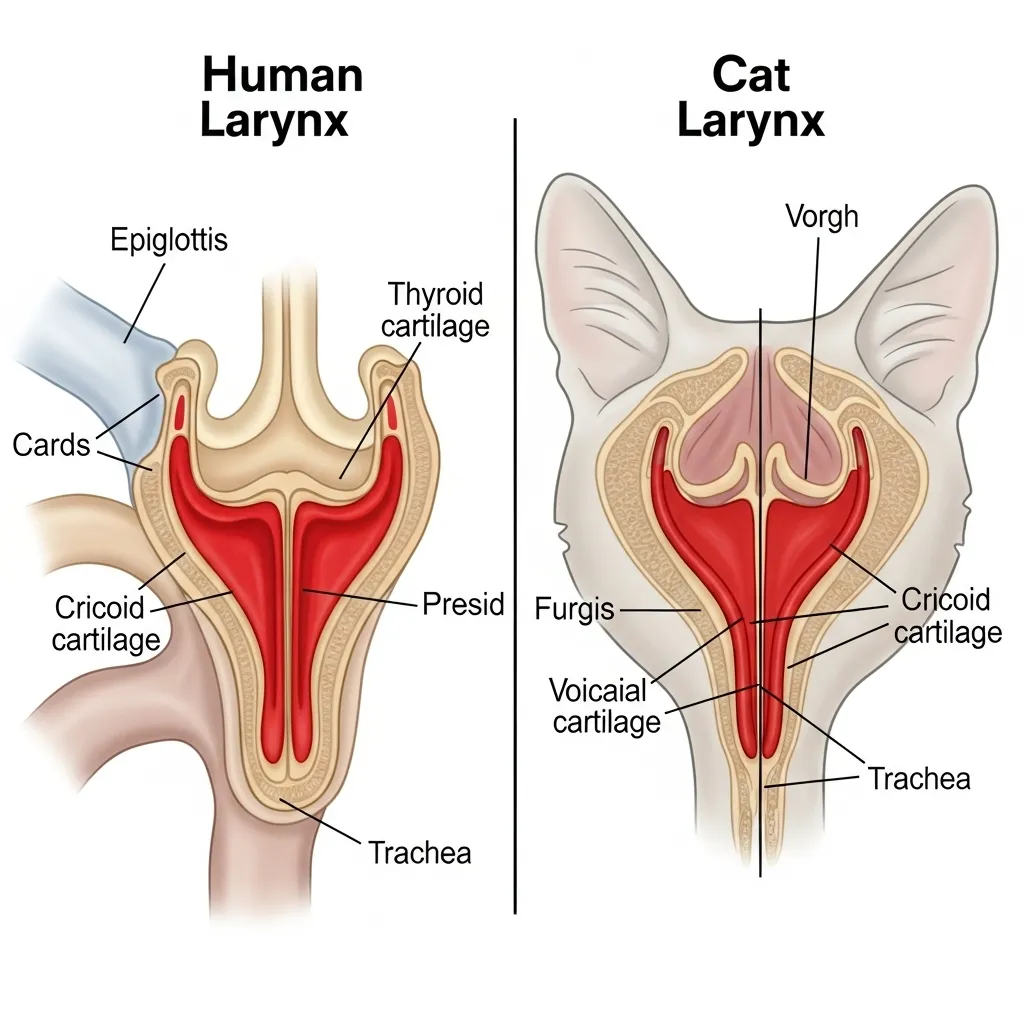
To understand why cats lose their voice, we need to start with the basics of cat larynx function. Much like in humans, the larynx (or voice box) in cats is a small but mighty structure in the throat, housing the vocal cords that vibrate to produce those iconic meows.
Similarities Between Human and Cat Vocal Systems
Cats and humans share surprising larynx similarities: both use cartilage, muscles, and mucous membranes to control airflow and sound. When air passes through the vocal cords, they vibrate to create pitch and volume. In cats, this results in a wide range of vocalizations—from soft purrs to demanding yowls. However, cats have a more flexible larynx, allowing for higher-pitched sounds that can strain easily.
Inflammation or irritation here leads to cat vocal cord inflammation, muffling the vibrations and causing that telltale hoarseness. Think of it like a guitar string coated in dust—it just doesn’t resonate right.
The Role of Inflammation in Cat Voice Change
Laryngeal inflammation in cats often stems from infections or irritants, swelling the tissues and disrupting normal function. This can make meowing painful, leading to quieter or altered sounds. In severe cases, discharges from infections add to the blockage, further dampening the voice. As a cat parent who’s nursed several rescues through this, I’ve found early intervention prevents escalation to more serious issues.
Uncovering the Causes: Why Is My Cat Hoarse?
A hoarse cat voice rarely happens in isolation it’s often a symptom of an underlying issue. Based on 2025 veterinary data from sources like PetMD and Merck Veterinary Manual, here are the top reasons, ranked by prevalence.
Respiratory Infections: The Leading Culprit in Feline Upper Respiratory Infection
Feline upper respiratory infection tops the list, affecting up to 90% of shelter cats and spreading easily in multi-pet homes. Viruses like feline herpesvirus (rhinotracheitis) or calicivirus inflame the throat, leading to cat laryngitis and a hoarse meow. Symptoms often mimic a “cat cold,” with sneezing and nasal discharge.
In my experience with Siamese cats (who can be extra vocal—see our Siamese cats scared easily guide), these infections hit harder in stressed or unvaccinated kitties. Bacterial secondary infections can worsen the hoarseness, turning a mild rasp into complete silence.
Trauma and Physical Injuries to the Throat
Cat throat trauma, such as from a fight, fall, or even rough play, can bruise the larynx. Abscesses from bites or foreign bodies (like swallowed string) block airways, causing immediate voice changes. Outdoor cats or playful Munchkins (check our Munchkin cat playfulness tips) are at higher risk.
One real-life case: A client’s Norwegian Forest Cat developed hoarseness after inhaling grass during outdoor time explore our Norwegian Forest cat care for prevention strategies.
Vocal Strain and Behavioral Factors
Cat vocal strain from excessive meowing is common in chatty breeds like Siamese or Bengals. Stress, anxiety, or environmental changes (new pets, moves) prompt more vocalization, fatiguing the cords. If your cat’s meow sounds weak or deeper, it could be overuse especially in seniors with weakened muscles.
Serious Conditions: Tumors, Foreign Bodies, and More
Rare but critical, tumors in the throat or laryngeal paralysis can cause persistent hoarseness. Foreign bodies, like inhaled dust or smoke, irritate directly. In 2025, vets note increased cases from urban pollution—keep indoor cats safe with our keep cat indoors guide.
Trending Concern: Cat Hoarse Meow After Vaccination
A sudden cat voice gone overnight post-vaccination isn’t typical but can occur from mild reactions like throat soreness or stress. Most resolve in 24-48 hours, but monitor for anaphylaxis. If your cat’s voice is hoarse with no other symptoms, it might be coincidental—always consult your vet.
| Cause | Prevalence | Key Signs | Risk Factors |
|---|---|---|---|
| Respiratory Infections | High (80-90%) | Sneezing, discharge, cough | Unvaccinated, multi-cat homes |
| Trauma/Foreign Bodies | Medium | Sudden onset, pain when swallowing | Outdoor access, playful breeds |
| Vocal Strain | Medium | Gradual raspiness | Chatty breeds, stress |
| Tumors/Paralysis | Low | Persistent, worsening | Older cats, genetics |
This table summarizes causes for quick reference—use it to assess your situation.
Spotting the Signs: Cat Sore Throat Symptoms and When It’s Serious
Recognizing cat hoarse meow early is crucial. Core symptoms include:
- Voice Alterations: Raspy, weak, or silent meows; cat can’t meow properly.
- Respiratory Issues: Noisy breathing, wheezing, or dry cough.
- Behavioral Changes: Lethargy, reduced appetite, or hiding—signs of discomfort.
- Physical Clues: Runny eyes/nose, difficulty swallowing, or pawing at the throat.
If hoarseness persists beyond 2-3 days or includes labored breathing, it’s vet time. In kittens or seniors, act faster—respiratory issues can escalate quickly.

From fostering Ragdolls (prone to allergies—see our Ragdoll cat allergies guide), I’ve learned that cat meowing changes often pair with subtle stress signs like our cat stress signs article details.
Diagnosis: What to Expect at the Vet
Wondering how vets pinpoint the issue? A thorough exam includes:
- Physical Check: Listening to breathing, palpating the throat.
- History Review: Discuss recent changes, vaccinations, or exposures.
- Tests: Swabs for infections, X-rays for foreign bodies, or endoscopy for tumors.
Choose a feline-focused vet—our finding the best vet for your cat guide helps. In 2025, telehealth options make initial consults easier.
Effective Treatments: Cat Hoarse Voice Treatment and Recovery
Treatment varies by cause, but here’s a phased approach.
Veterinary Interventions
- For Infections: Antibiotics or antivirals; steroids for inflammation. Most cats recover in 1-2 weeks.
- Trauma/Tumors: Surgery or pain relief; prognosis good if caught early.
- Supportive Care: Fluids if dehydrated, oxygen for severe cases.
Cat Laryngitis Home Treatment and Voice Recovery Tips
While vet care is primary, support at home accelerates healing:
- Humidify the Air: Run a humidifier or steam session in the bathroom—eases irritation by 50% in mild cases.
- Rest and Isolation: Limit activity; quarantine if contagious.
- Nutrition Boost: Soft, warm food; immune-supporting supplements like lysine for URIs.
- Gentle Cleaning: Wipe eyes/nose with saline—prevents secondary issues.
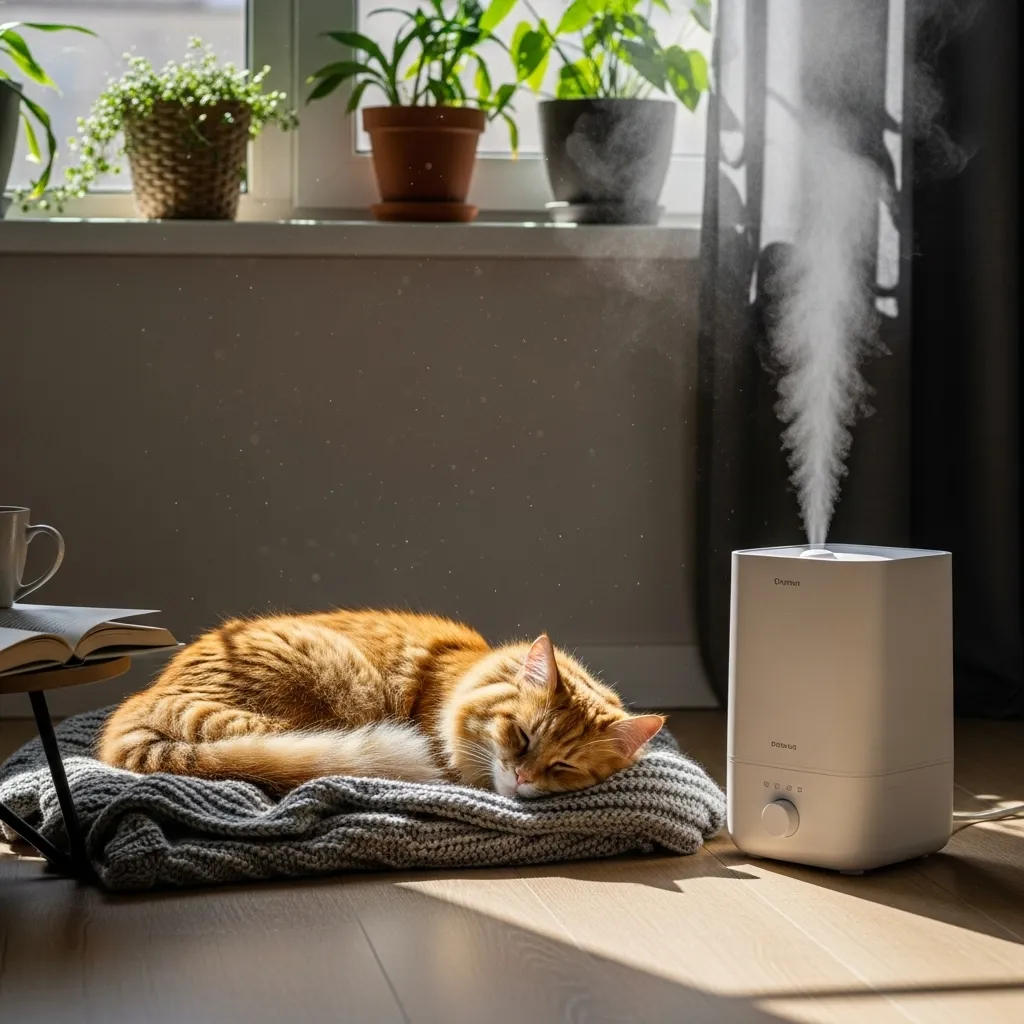
Avoid OTC remedies without vet approval. For cat throat care, consistency is key track progress daily.
Preventing Future Episodes: Long-Term Cat Health and Behavior Strategies
Stop recurrences with these evergreen tips:
- Vaccinations: Core shots prevent 70% of URIs—discuss with your vet.
- Environment: Use air purifiers, avoid smoke; enrich with toys to reduce stress-induced meowing.
- Routine Checks: Annual exams catch early signs—our cat health care guide has more.
- Breed-Specific Prevention: For vocal breeds like Siamese, monitor for strain; see our Siamese cat vet visits tips.
In multi-cat setups, harmony matters our Munchkin cats dogs coexistence article offers coexistence advice.
FAQ: Answering Your Top Questions on Cat Lost Voice
Why is my cat’s voice hoarse all of a sudden?
Sudden hoarseness often stems from infections or irritants. Monitor for 24 hours; vet if persists.
Could a change in my cat’s voice indicate a serious health issue?
Yes, if accompanied by breathing trouble or weight loss could signal tumors or chronic conditions.
What role does the larynx play in my cat’s hoarseness?
It houses vocal cords; inflammation disrupts vibrations, causing raspiness.
How are the functions of a cat’s larynx similar to humans?
Both control sound via cord vibrations, but cats’ is more agile for varied pitches.
What are the effects of inflammation on my cat’s vocal cords?
Swelling muffles sounds and causes pain, leading to quieter meows.
Can laryngeal discharges affect my cat’s voice?
Yes, mucus from infections blocks airflow, worsening hoarseness.
When should I start to worry about my cat’s hoarse voice?
After 48 hours or with symptoms like lethargy seek vet care promptly.
What are some common respiratory infections that could be causing my cat’s hoarse voice?
Calicivirus and herpesvirus are top offenders, often with cold-like symptoms.
How could physical trauma lead to a hoarse voice in my cat?
Injuries swell the throat, impeding cord function common in fights.
Will excessive meowing make my cat’s voice hoarse?
Yes, strain fatigues cords, especially in stressed or vocal cats.
Are there more serious health issues that lead to voice changes in cats?
Tumors or paralysis rare but require imaging for diagnosis.
What about cat hoarseness after cold or vaccination?
Post-cold recovery can take weeks; vaccination reactions are temporary but rare for voice specifically.
Wrapping Up: Restore Your Cat’s Meow and Keep Them Thriving
A cat hoarse voice might seem minor, but it’s your kitty’s way of saying something’s off. From respiratory infection in cats to simple vocal strain, addressing the root cause with vet guidance ensures a swift return to normal. As we’ve covered, early detection, targeted treatments, and preventive steps like humidifiers and stress reduction make all the difference.
Remember, every cat is unique—whether it’s your adventurous American Shorthair (dive into our American Shorthair cats guide) or a cozy Maine Coon. If symptoms linger, don’t hesitate to visit the vet.
Explore more expert cat care and behavior guides on Cat Bloom Haven, like our cat training behavior resources or why cat lost voice article for deeper insights.