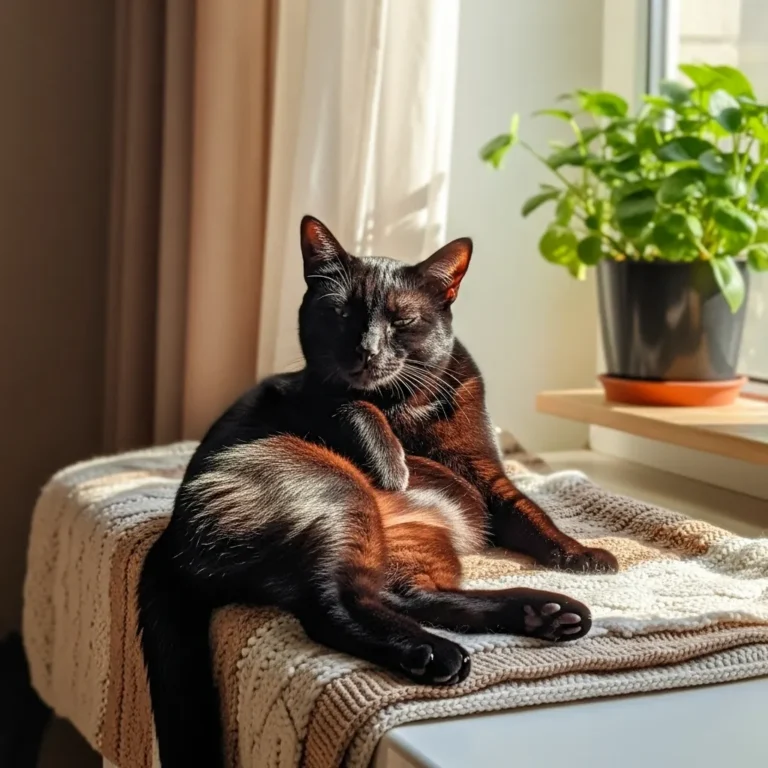
How Does My Cat See Me? Exploring the Feline Perspective on Our Bond

Cats have a mysterious way of looking at the world, and as a cat owner, you’ve probably wondered: How does my cat see me? From their curious stares to their gentle purrs, cats communicate a lot about their perception of us. This article dives into the feline perspective, exploring how cats view humans, their emotions toward us, and the unique cat-owner relationship that makes our bond so special.
What Is the Feline Perspective on Humans?
Cats don’t see the world the way we do. Their vision and understanding are shaped by biology and instinct. Cats rely heavily on their senses—sight, smell, and sound—to interpret their surroundings, including their human companions. While humans use verbal language, cats lean on body language, scent, and subtle cues to form their view of us.
Research suggests cats may not see humans as entirely separate from their own kind. Instead, they might view us as larger, non-hostile cats who provide food, shelter, and affection. This feline perspective explains why your cat might rub against you or bring you “gifts” like a toy or, occasionally, something less pleasant—it’s how they interact with their own species.
Do Cats Recognize Their Owners?
Yes, cats can recognize their owners, but not in the way humans do. Studies show cats distinguish familiar people through scent, voice, and behavior patterns. Your cat knows you by the way you smell, the sound of your voice, and even your daily routines. This recognition builds trust and strengthens the cat-human connection over time.
How Cats View Humans Through Their Unique Vision
Cat vision is fascinatingly different from ours. Their eyes are designed for hunting, with a wider field of view and better night vision. However, they see fewer colors and less detail at a distance compared to humans. When your cat gazes at you, they’re likely picking up on your movements and body language more than your facial features.
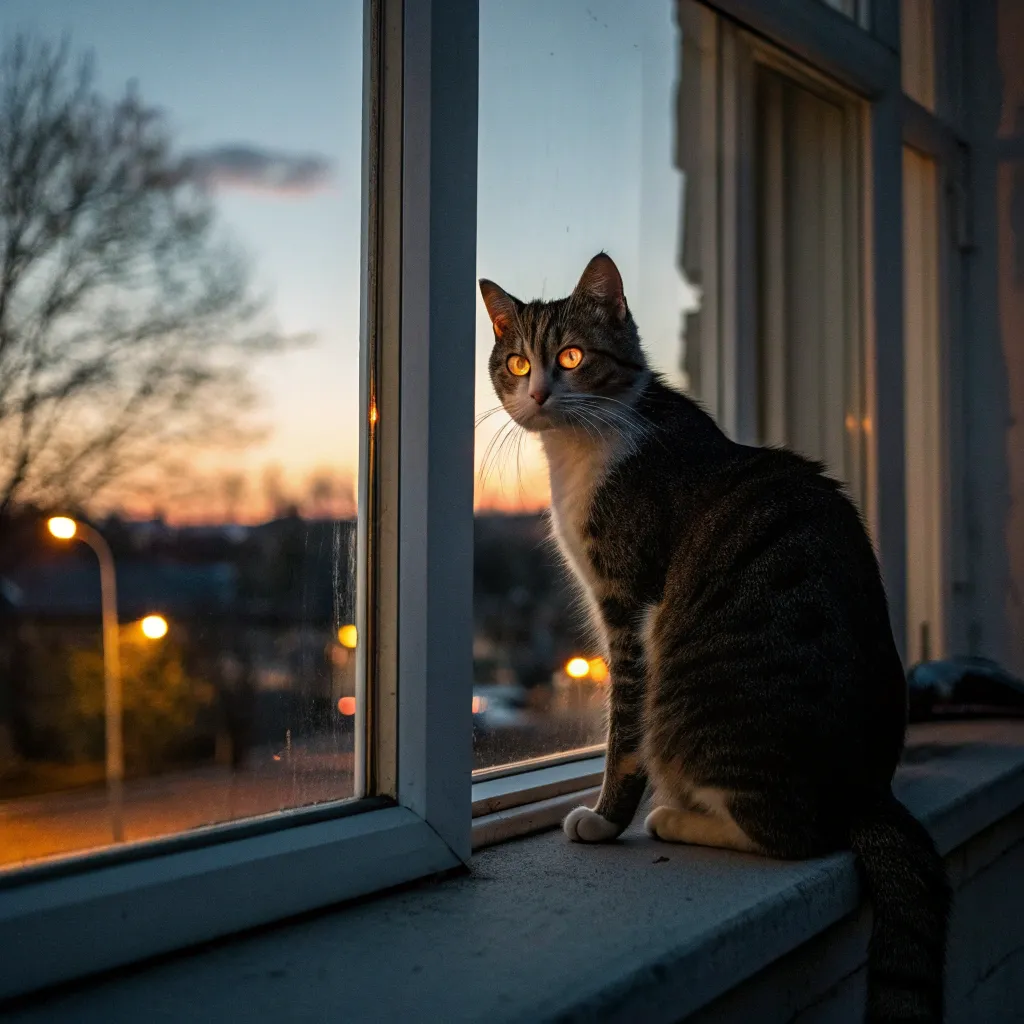
This unique vision influences how cats perceive humans. They notice your gestures—like reaching to pet them or picking up their food bowl—and associate these actions with outcomes, like affection or a meal. Over time, this builds a mental map of you as a reliable, caring presence in their world.
The Cat-Owner Relationship: A Bond Like No Other
The cat-owner relationship is built on mutual trust and affection. Cats show their feelings through behaviors like purring, kneading, or slow blinking—signs of comfort and love. These actions reveal the feline psychology behind their bond with you. Unlike dogs, cats are more independent, so their affection feels like a hard-earned privilege.
Cat Bonding Behavior: Signs of Trust
Ever notice your cat head-butting you or curling up in your lap? These are key cat bonding behaviors. Head-butting, or bunting, is how cats mark you with their scent, claiming you as part of their family. Slow blinks are another sign of trust, like a feline version of saying, “I feel safe with you.” Understanding these behaviors helps deepen the cat-human connection.
Cat Emotions Toward Owners
Cats do feel emotions, though they express them differently. Research indicates cats form attachments similar to those of human infants, viewing their owners as a source of security. When you’re around, your cat might feel calm or content, especially if you’ve built a routine of care and play. Their purring or relaxed posture often signals these positive emotions.\

Decoding Cat Communication with Humans
Cats are masters of subtle communication. From a flick of the tail to a specific meow, they’re constantly “talking” to you. Understanding cats’ perception of you involves learning their language. For example:
- Meows: Cats primarily meow to communicate with humans, not other cats. A short meow might mean “hello,” while a loud one could signal hunger or attention-seeking.
- Tail movements: A raised tail shows confidence and happiness, while a swishing tail might indicate agitation.
- Purring: Usually a sign of contentment, though cats may also purr when stressed or unwell.
By paying attention to these cues, you can better understand how your cat sees you and what they’re trying to convey.
Feline Psychology: What’s Going On in Your Cat’s Mind?
Feline psychology is a blend of instinct and learned behavior. Cats are territorial, so they view you as part of their safe space. They also learn from experience—if you consistently provide food, play, or comfort, they associate you with positive outcomes. This builds trust and affection over time.
Interestingly, cats don’t see you as an authority figure in the way dogs might. Instead, they view you as a partner in their environment. This explains why your cat might “ignore” your commands but still seek you out for cuddles or play—it’s all about mutual respect in their world.
Strengthening the Cat-Human Connection
Want to make your cat see you as their ultimate companion? Here are a few tips to boost your bond:
- Respect their space: Cats value independence. Let them come to you for affection.
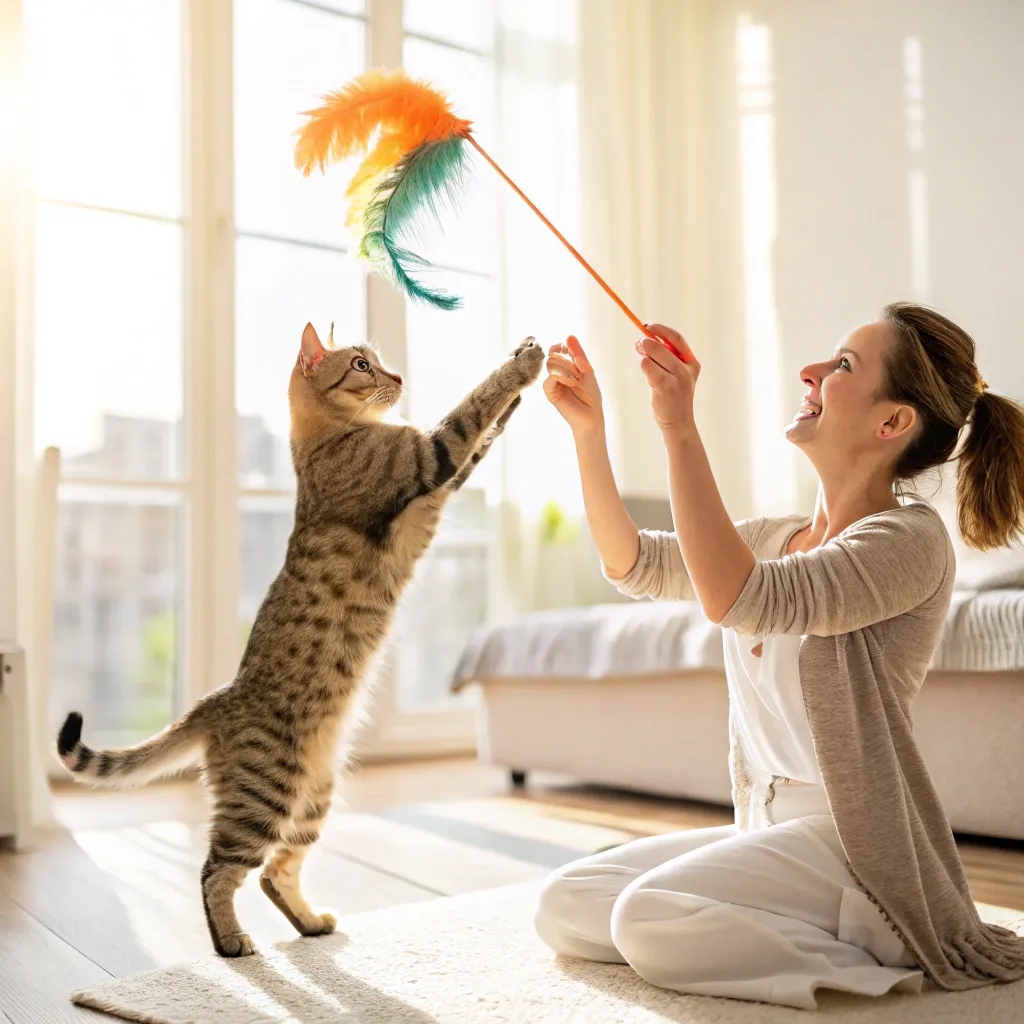
- Engage in play: Mimic hunting with toys like feather wands to satisfy their instincts.
- Learn their cues: Pay attention to their body language to understand their needs.
- Create a safe environment: A comfortable home with hiding spots and perches makes your cat feel secure.
These actions reinforce the cat-owner relationship, showing your cat you’re a trusted ally.
FAQs About How Cats See Their Owners
How does my cat see me?
Your cat likely sees you as a larger, non-hostile cat who provides care and safety. They recognize you through scent, voice, and routines.
Do cats recognize their owners?
Yes, cats identify their owners using scent, sound, and behavior patterns, forming a unique bond over time.
Can cats feel emotions toward their owners?
Cats experience emotions like trust and affection, shown through behaviors like purring, kneading, or slow blinking.
How can I understand my cat’s behavior?
Watch for body language like tail movements, ear positions, and vocalizations to decode what your cat is feeling or communicating.
How do I strengthen my bond with my cat?
Spend quality time playing, respect their boundaries, and create a safe, stimulating environment to build trust and affection.
Wrapping Up: Your Cat’s Unique View of You
So, how does your cat see you? As a trusted companion, a provider of safety, and maybe even a big, quirky cat in their world. By understanding the feline perspective, decoding their communication, and nurturing the cat-owner relationship, you can deepen the bond with your furry friend. Pay attention to their subtle cues, engage in play, and create a loving environment to make your cat feel truly at home with you.