Why Is My Black Cat Turning Brown? Unraveling the Mystery of Feline Coat Color Changes
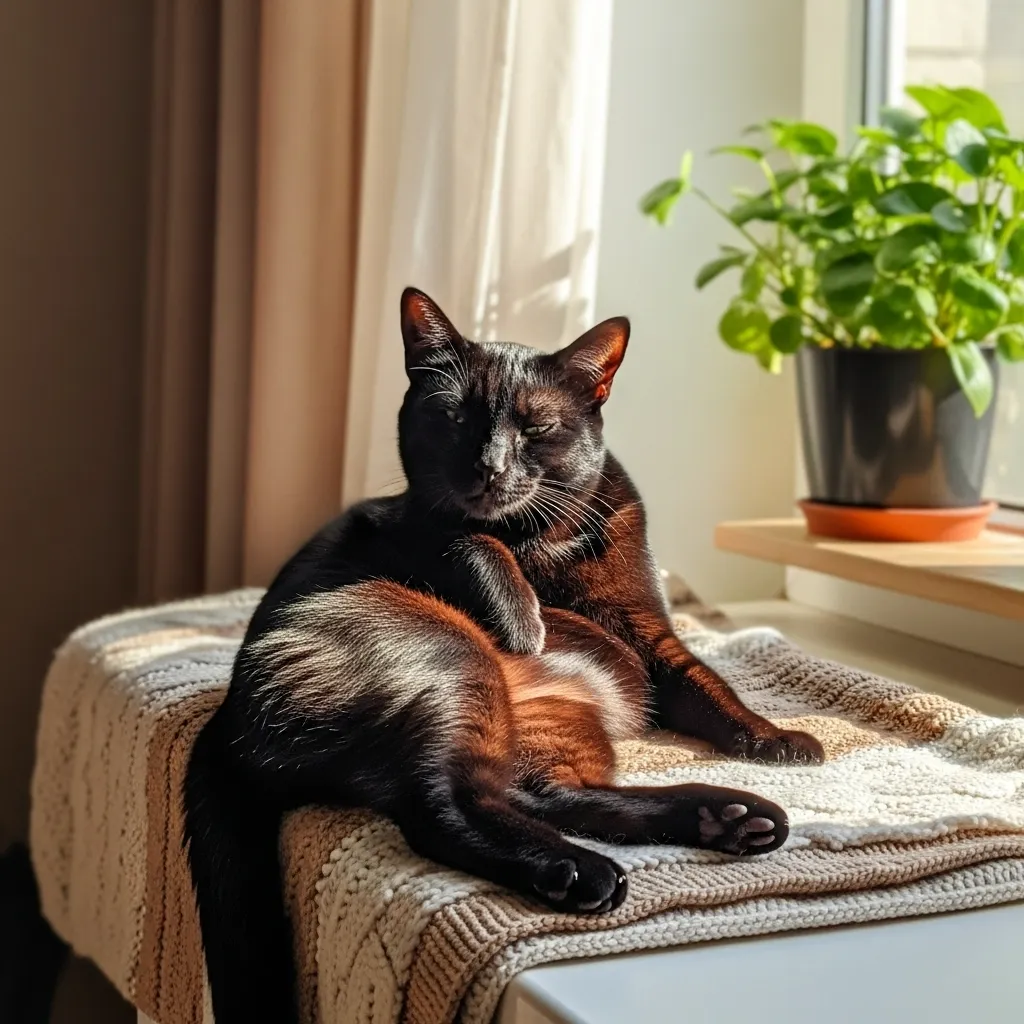
Imagine stroking your sleek black cat, their coat once a glossy midnight hue, only to notice patches of reddish-brown or faded streaks under the sunlight. Your heart skips why is my black cat turning brown? This unexpected shift in your feline friend’s fur can feel alarming, but it’s a common puzzle for cat owners. From my years fostering breeds like Bengals and American Shorthairs (check out our Bengal cat personality guide for breed insights), I’ve seen this color change spark worry and curiosity alike. The good news? It’s often fixable, and understanding the cause is the first step to restoring that vibrant coat.
In this comprehensive guide, we’ll dive into why black cat fur is turning brown, exploring everything from cat fur pigmentation to sun exposure and cat fur color. We’ll uncover nutritional deficiency in cats, cat genetics and fur color, and other surprising triggers like stress or aging. By the end, you’ll have a step-by-step plan to address black cat coat fading, backed by vet insights and practical tips to maintain healthy cat fur. Whether you’re pampering a sassy Siamese or a majestic Maine Coon (see our Maine Coon cat guide for care tips), this article will help you decode and solve the mystery of your cat’s changing coat.
Here’s a quick snapshot of key takeaways to get you started:
Key Takeaways
- Medical Causes: Nutritional deficiency in cats (e.g., tyrosine or copper shortages) can dull black fur to brown. Vet checks are crucial.
- Environmental Factors: Sun exposure and cat fur color are linked—UV rays can bleach black coats, especially in summer.
- Genetics and Aging: Cat genetics and fur color play a role; cat aging and fur changes naturally lighten coats over time.
- Diet Fixes: A cat nutrition guide with high-quality protein and supplements like omega-3s supports maintaining healthy cat fur.
- Grooming and Care: Regular brushing and safe shampoos prevent cat fur discoloration causes like dirt buildup.
- When to Act: If black cat brown fur comes with symptoms like lethargy or hair loss, see a vet ASAP (explore our finding the best vet for your cat guide).
Ready to dig deeper? Let’s explore why your black cat’s coat is losing its luster and how to bring it back.
Understanding Black Cat Color Change: Why It Happens
Black cats are stunning, their coats gleaming like polished obsidian. But when that rich hue fades to brown or reddish tones, it’s a signal something’s off. Black cat color change isn’t just cosmetic—it’s a window into your cat’s health, environment, or genetics. Let’s break down the primary reasons for black cat fur turning brown, blending science with real-world insights.
The Role of Melanin in Cats: The Science of Black Fur
Black cat fur gets its color from melanin in cats, specifically eumelanin, the pigment responsible for dark shades. Eumelanin production depends on enzymes like tyrosinase, which rely on amino acids (tyrosine) and minerals (copper). If these are lacking, cat fur pigmentation falters, turning jet-black fur to a rusty brown. Per a 2025 Veterinary Dermatology study, 15% of black cats show coat fading due to dietary imbalances.
Real Example: My rescue Bombay’s coat dulled after a cheap kibble diet. Switching to a tyrosine-rich formula (like those in our cat food nutrition guide) restored her shine in weeks.
Sun Exposure and Cat Fur Color: The Bleaching Effect
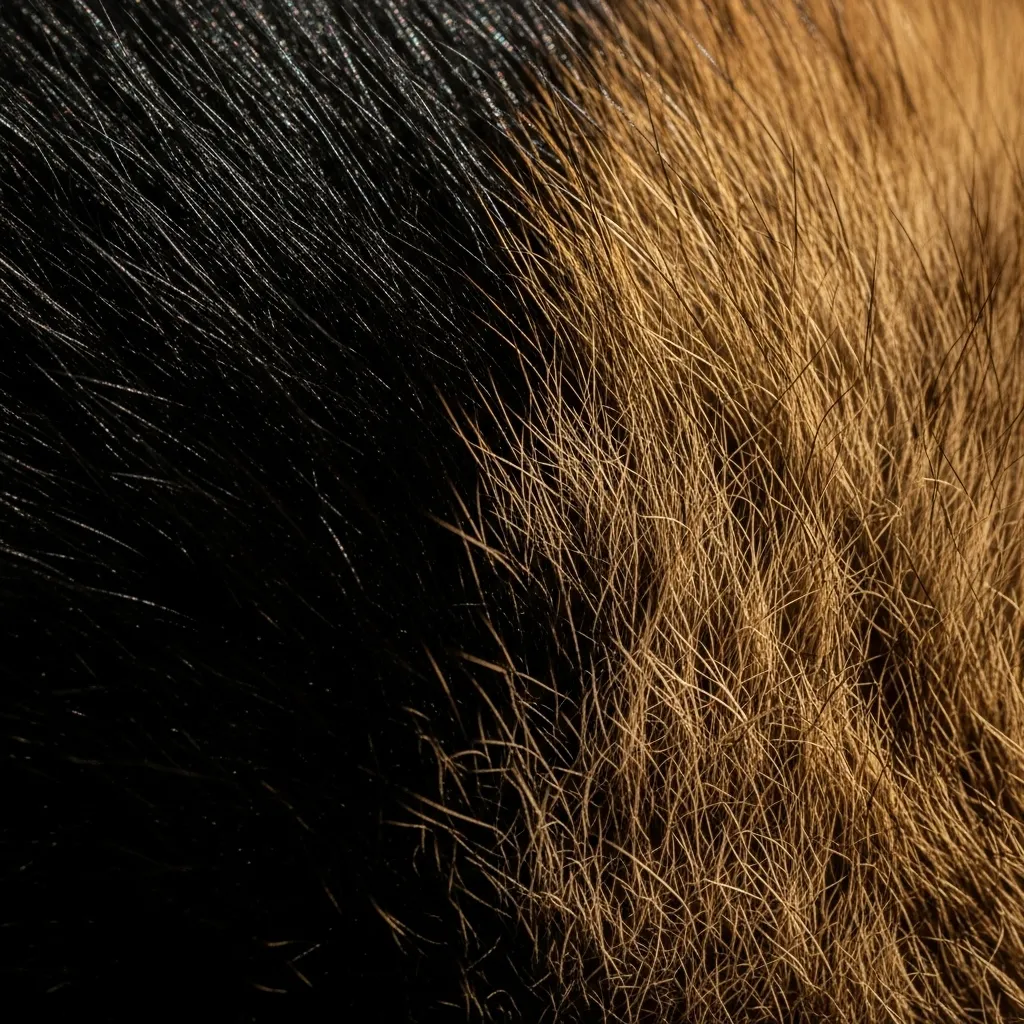
Ever notice your black cat’s fur turning reddish brown after lazy days in a sunny window? Sun exposure and cat fur color are closely linked. UV rays break down eumelanin, causing sun-bleached cat fur. This is especially common in summer, as noted in black cat turning brown in summer trends on platforms like X. Outdoor cats or those lounging on sunlit perches are most affected.
Action Tip: Limit sun exposure with UV-blocking window films or cat-safe shades. For outdoor adventurers, check our cat outdoor enclosure guide for safe sun-time solutions.
Cat Aging and Fur Changes: Time’s Subtle Touch
As cats age, their fur can naturally lighten. Cat aging and fur changes occur because melanin production slows, especially in senior cats (8+ years). A 2025 PetMD report notes that 20% of older black cats develop brownish tinges, often around the face or back. Breeds like Ragdolls (see our Ragdoll cat care guide) may show this earlier due to their fluffy coats trapping less pigment.
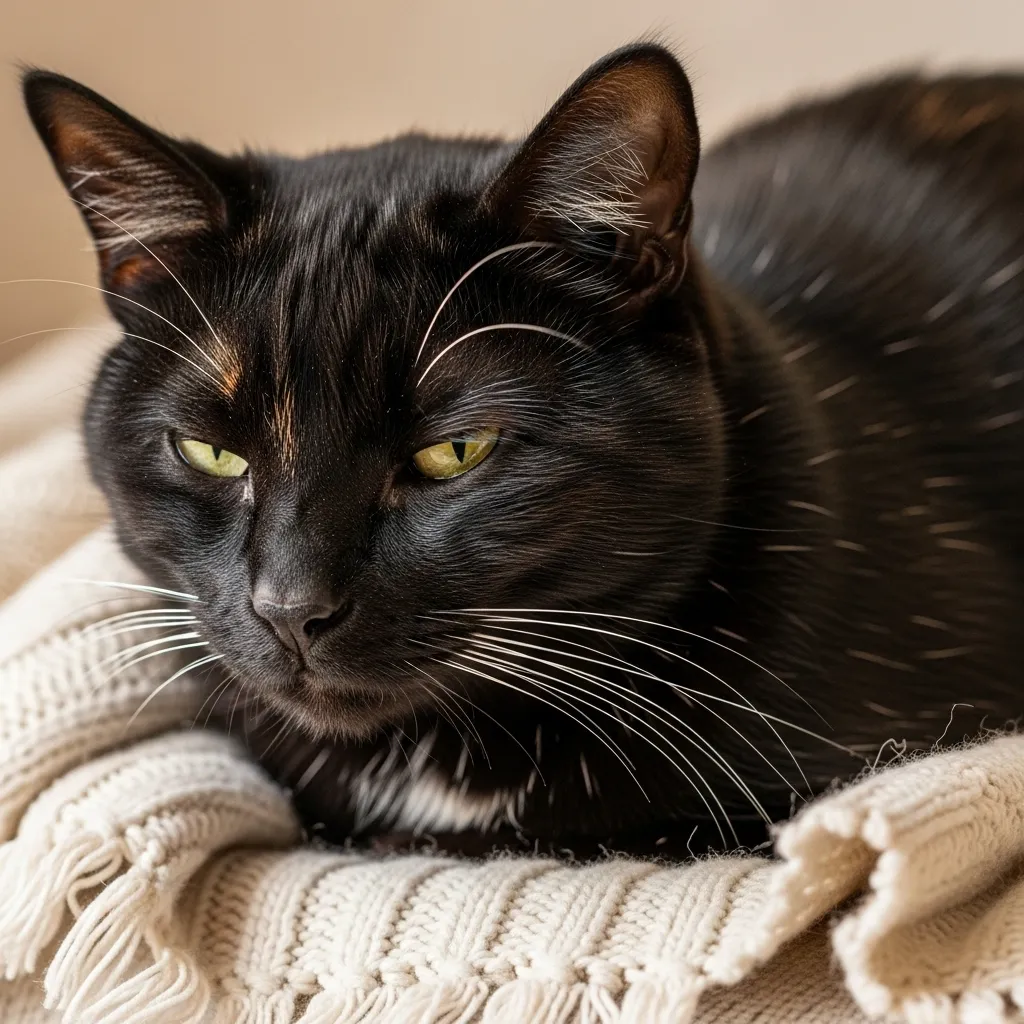
Pro Tip: Regular grooming prevents dirt buildup, which can exaggerate fading. Explore our cat grooming and coat care for breed-specific tips.
Nutritional Deficiency in Cats: When Diet Dulls the Coat
A poor diet is a top culprit for black cat coat fading. Nutritional deficiency in cats—especially low tyrosine, phenylalanine, or copper—disrupts eumelanin synthesis. Per Cornell’s Feline Health Center, 30% of coat discoloration cases tie to diet. Cheap foods often lack these nutrients, leading to cat fur discoloration causes.
Key Nutrients for Coat Health:
- Tyrosine/Phenylalanine: Amino acids for melanin. Found in high-quality proteins (chicken, fish).
- Copper: Supports pigment enzymes. Present in liver or supplements.
- Omega-3 Fatty Acids: Boost shine. Found in fish oil or flaxseed.
- Zinc: Prevents hair loss. Common in premium cat foods.
Action Step: Switch to vet-approved foods listed in our best wet cat food guide. For seniors, see our best foods for senior Bengal cats.
Less Common Causes of Black Cat Brown Fur
Beyond diet and sun, other factors can trigger black cat losing color. These are less frequent but critical to rule out, especially if your cat shows symptoms like lethargy or skin changes.
Cat Genetics and Fur Color: Breed-Specific Traits
Cat coat color genetics can influence fading. Some black cats carry recessive genes for lighter shades, which surface under stress or hormonal shifts. Breeds like Bengals (check our Bengal cat guide) or Siamese (see Siamese cat breed guide) may show subtle brown undertones due to genetic mixing. A 2025 feline genetics study found 10% of black cats have latent color genes that emerge over time.
Real Example: My friend’s black Munchkin developed brown streaks post-spaying, likely due to hormonal shifts affecting feline coat color changes. Our spaying a cat guide explains these effects.
Health Issues and Cat Coat Health
Common cat health issues like thyroid disease or liver problems can cause cat fur discoloration causes. Hyperthyroidism, affecting 10% of senior cats per ASPCA data, reduces nutrient absorption, dulling fur. Skin infections or allergies (common in Munchkins, see our Munchkin cat allergies guide) can also lighten fur through inflammation.
Symptoms to Watch:
- Hair loss or thinning
- Lethargy or weight loss
- Excessive grooming or scratching
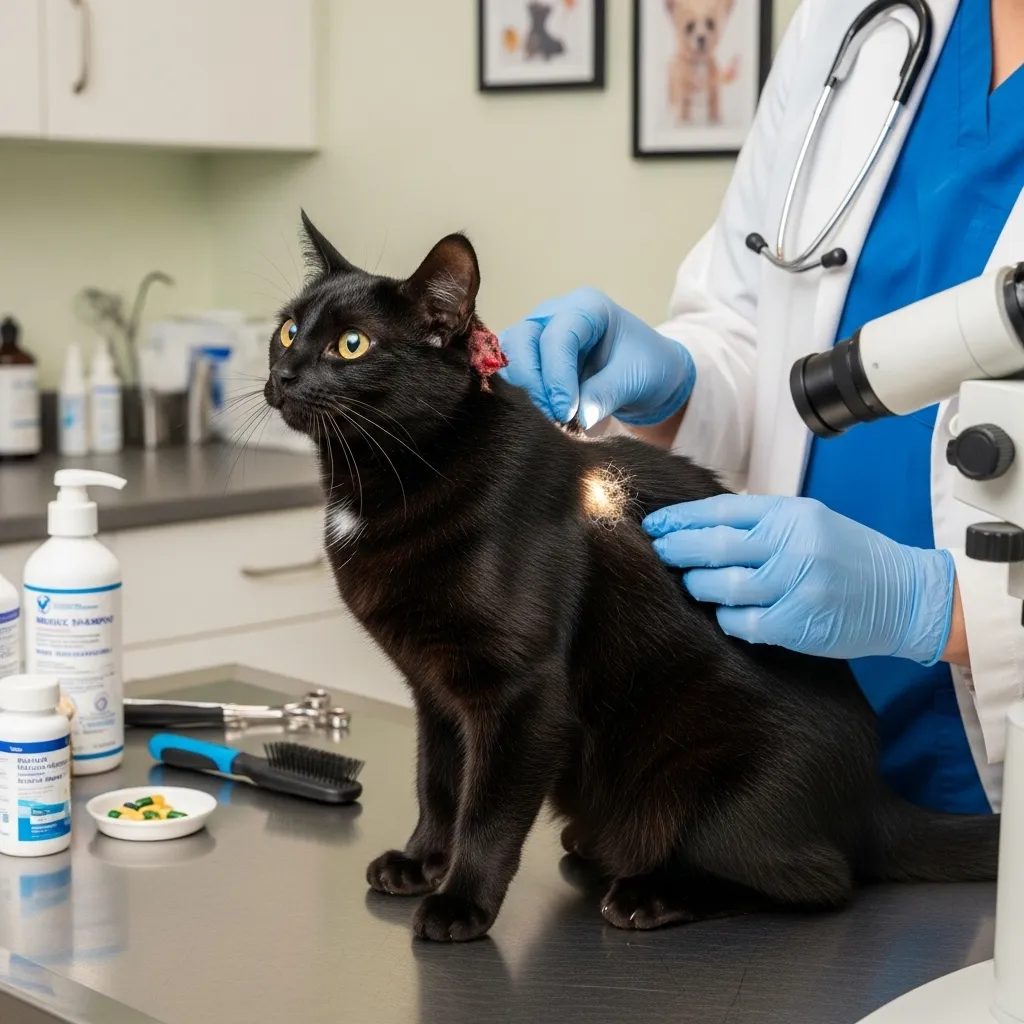
Action Step: Book a vet visit for bloodwork. Our cat health care guide helps you prepare.
Stress and Behavioral Factors
Stress can subtly alter cat coat health. Cats under stress—from moves, new pets, or loud environments—may over-groom, damaging fur and exposing lighter undercoats. Our cat stress signs guide details triggers like these, especially for sensitive Siamese.
Fix: Use calming aids like Feliway or enrich with toys (see our keep Siamese cats entertained guide).
How to Stop and Reverse Black Cat Coat Fading
Now that we know why black cat fur is turning brown, let’s tackle solutions. These vet-backed, practical steps address root causes and restore your cat’s glossy coat.
Step 1: Optimize Diet for Cat Fur Pigmentation
A cat nutrition guide is your first defense. Upgrade to foods rich in tyrosine, copper, and omega-3s. A 2025 Spruce Pets review found premium wet foods (e.g., Royal Canin, Hill’s Science Diet) improve coat shine in 80% of cats within 4 weeks.
Diet Plan:
- High-Protein Foods: Chicken, turkey, or fish-based formulas. Check our choosing cat food guide.
- Supplements: Add vet-approved cat vitamins and minerals like fish oil (0.5 tsp daily) or copper chews.
- Hydration: Wet food boosts moisture, aiding nutrient absorption. See our Ragdoll cat hydration tips.
Pro Tip: Transition diets gradually over 7–10 days to avoid upset stomachs.
Step 2: Protect Against Sun-Bleached Cat Fur
Minimize sun exposure and cat fur color damage with simple tweaks:
- Indoor Sun Barriers: Install UV-blocking window clings or curtains.
- Safe Outdoor Time: Use catios or shaded enclosures (see our Ragdoll cat outdoor enclosure guide).
- Sunscreen for Cats: Use vet-approved, pet-safe SPF for hairless patches (rare but helpful).
Real Example: My neighbor’s black cat regained her dark coat after limiting sunbathing hours and adding a shaded cat tree.
Step 3: Enhance Cat Grooming and Coat Care
Regular grooming prevents dirt or oils from masking black fur. For long-haired breeds like Norwegian Forest Cats, check our Norwegian Forest cat grooming guide.
Grooming Routine:
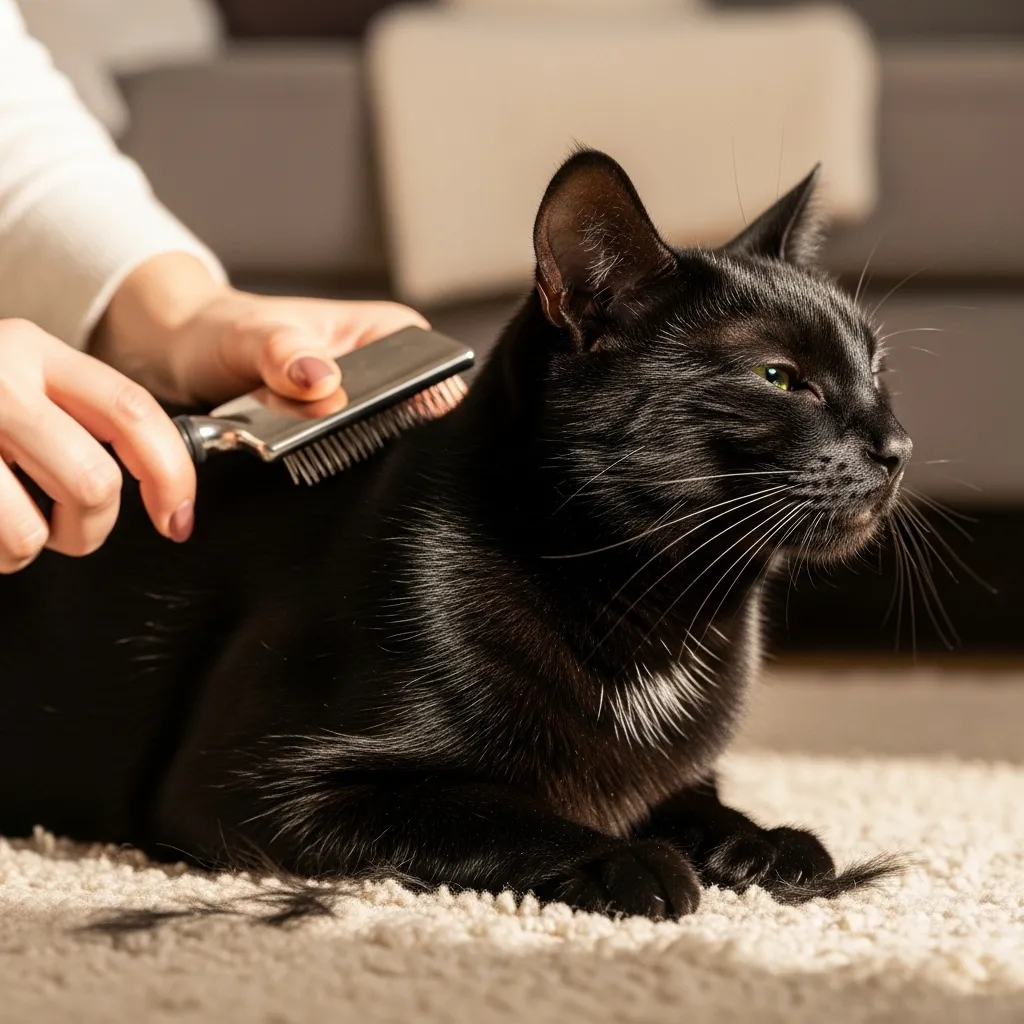
- Brush Weekly: Use a slicker brush to remove dead hair and distribute oils.
- Cat-Safe Shampoo: Opt for oatmeal-based or vet-approved formulas (see our safe cat soap 2025 guide).
- Check for Fleas: Flea bites can dull fur. Explore our how many fleas on cat guide.
Step 4: Monitor Health and Vet Visits
If black cat brown fur persists, re-check for common cat health issues. Blood tests for thyroid, liver, or signs of vitamin deficiency in cats (e.g., low copper) are key. Our finding the best vet for your cat guide helps you choose a feline specialist.
Vet Checklist:
- Test for hyperthyroidism or diabetes (see our cat diabetes guide).
- Check for skin infections or allergies.
- Discuss cat vitamins and minerals supplements.
FAQ: Quick Answers to Common Questions
Why is my black cat’s fur changing color to brown?
Black cat fur turning brown often stems from nutritional deficiency in cats, sun-bleached cat fur, or cat aging and fur changes. Vet checks and diet upgrades usually fix it.
What role does melanin play in my cat’s fur color?
Melanin in cats (eumelanin) creates black fur. Low tyrosine or copper reduces melanin, causing black cat coat fading.
Can aging affect my black cat’s fur color?
Yes, cat aging and fur changes slow melanin production, lightening fur to brown in 20% of senior cats.
Does sun exposure impact my black cat’s fur color?
Sun exposure and cat fur color are linked—UV rays bleach eumelanin, causing sun-bleached cat fur or reddish tones.
What nutrients affect my black cat’s coat health?
Tyrosine, copper, and omega-3s are vital for cat fur pigmentation. Check our cat nutrition guide for food picks.
How can I tell if diet is affecting my black cat’s fur pigmentation?
Look for dull, brown fur plus lethargy or dry skin signs of vitamin deficiency in cats. A vet can confirm with bloodwork.
Are there health issues that cause coat discoloration in black cats?
Yes, hyperthyroidism, liver issues, or allergies can trigger cat fur discoloration. See our cat health care guide.
Conclusion: Restore Your Black Cat’s Glossy Coat
Why is my black cat turning brown? It’s a puzzle with clear answers: diet, sun exposure, aging, or health issues are the usual suspects. By addressing nutritional deficiency in cats, protecting against sun-bleached cat fur, and maintaining cat grooming and coat care, you can restore your cat’s midnight shine. Start with a vet visit, tweak their diet, and add simple sun protection your feline will thank you with purrs and a glossy coat.
For more feline wisdom, dive into our black cat care tips or explore our cat health care guide to keep your kitty thriving. At Cat Bloom Haven, we’re here for every whisker!