Munchkin Cat Allergies: Understanding and Managing Feline Sensitivities
Munchkin cats, with their adorable short legs and playful personalities, are a beloved breed. However, like all cats, they can suffer from cat allergies that impact their health and comfort. This article dives into Munchkin cat allergies, exploring common cat allergies, cat sensitivities, and how to manage allergies in Munchkin cats to keep your feline friend happy and healthy.
Key Takeaways
- Munchkin cat allergies can stem from environmental, food, or skin-related triggers.
- These cats are not hypoallergenic, despite common myths.
- Recognizing signs of feline allergies early can improve your cat’s quality of life.
- Proper management includes vet visits, diet adjustments, and allergy-proofing your home.
What Are Munchkin Cat Allergies?
Munchkin cat allergies refer to hypersensitive immune responses to specific substances, known as allergens. These can cause discomfort, ranging from mild itching to severe health issues. Understanding cat health issues related to allergies is crucial for Munchkin owners, as their unique physiology may influence how allergies manifest.
The Hypoallergenic Myth
A common misconception is that Munchkin cats are hypoallergenic. No cat breed, including Munchkins, is truly hypoallergenic. The Fel d 1 protein, found in cat saliva, dander, and urine, is a primary allergen for humans, not the cats themselves. However, Munchkins can still experience cat sensitivities to other triggers, which we’ll explore below.
Common Allergies in Munchkin Cats
Common cat allergies affecting Munchkins fall into three main categories: environmental, food, and skin-related. Identifying the type of allergy is key to effective management.
Environmental Allergies
Environmental allergens like pollen, dust mites, mold, or grass can trigger feline allergies in Munchkins. These allergies often lead to symptoms like sneezing, watery eyes, or itchy skin. Seasonal changes may worsen cat sensitivities, especially in spring or fall.
Food Allergies
Cat allergies to food are common in Munchkins, with proteins like beef, dairy, or fish being frequent culprits. Food allergies can cause gastrointestinal issues, such as vomiting or diarrhea, as well as skin problems like itching or redness.
Skin Allergies
Munchkin cat skin allergies, often tied to environmental or food triggers, manifest as dermatitis, hot spots, or excessive grooming. Fleas, grooming products, or even household cleaners can exacerbate these issues.
Signs of Allergies in Munchkin Cats
Recognizing the signs of allergies in Munchkin cats is essential for early intervention. Symptoms vary depending on the allergen and the cat’s sensitivity.
Physical Symptoms
- Itchy skin, redness, or scabs
- Excessive scratching or licking
- Hair loss or bald patches
- Sneezing, coughing, or wheezing
- Watery eyes or nasal discharge
- Vomiting or diarrhea (food-related)
Behavioral Changes
- Increased irritability or restlessness
- Reduced appetite or lethargy
- Hiding or avoiding interaction
If you notice these signs, consult a veterinarian to address potential cat health issues.
Testing for Munchkin Cat Allergies
Diagnosing feline allergies requires a combination of professional and at-home approaches.
Veterinary Allergy Tests
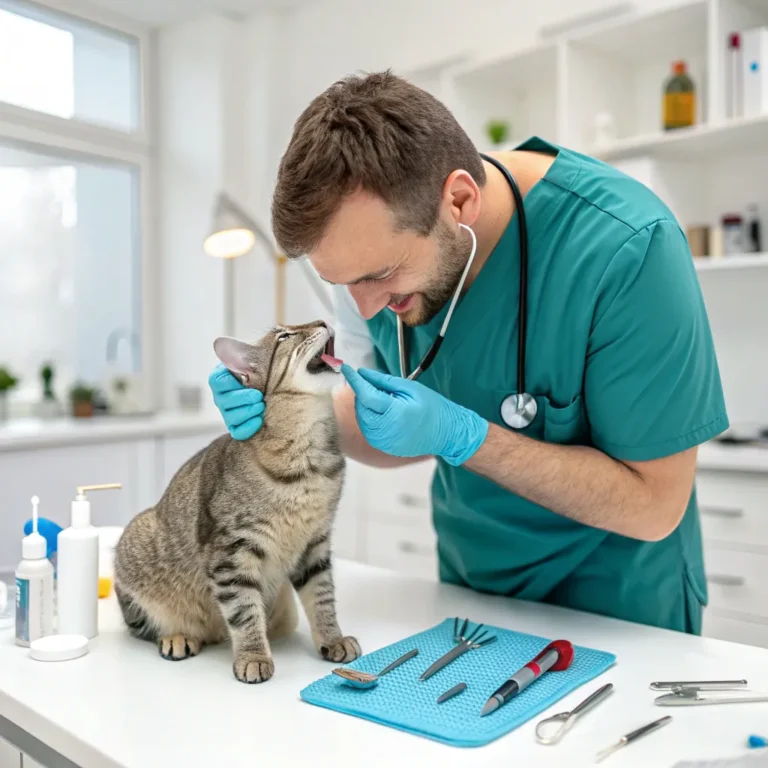
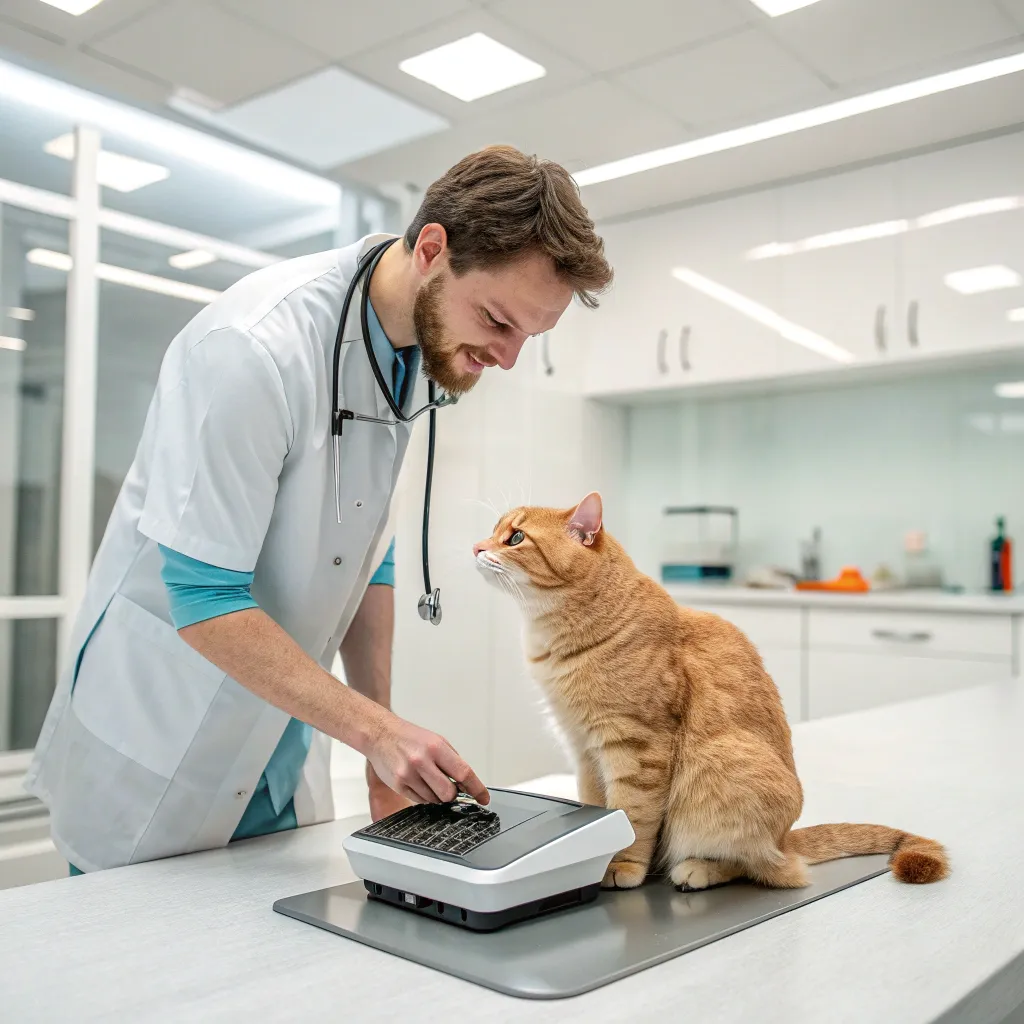
Vets may use skin or blood tests to identify specific allergens. Intradermal testing, where small amounts of allergens are injected under the skin, is common for environmental allergies. For food allergies, an elimination diet may be recommended to pinpoint triggers.
Home Observation Tips
Monitor your Munchkin’s symptoms closely. Keep a journal of when symptoms occur, what your cat eats, and environmental changes. This helps your vet narrow down potential causes of cat allergies.
Managing Munchkin Cat Allergies at Home
Managing allergies in Munchkin cats involves creating a safe, allergen-free environment and addressing symptoms promptly.
- Clean Environment: Regularly wash bedding, vacuum carpets, and use air purifiers to reduce dust and pollen.
- Grooming: Bathe your Munchkin with vet-approved shampoos to soothe skin and remove allergens.
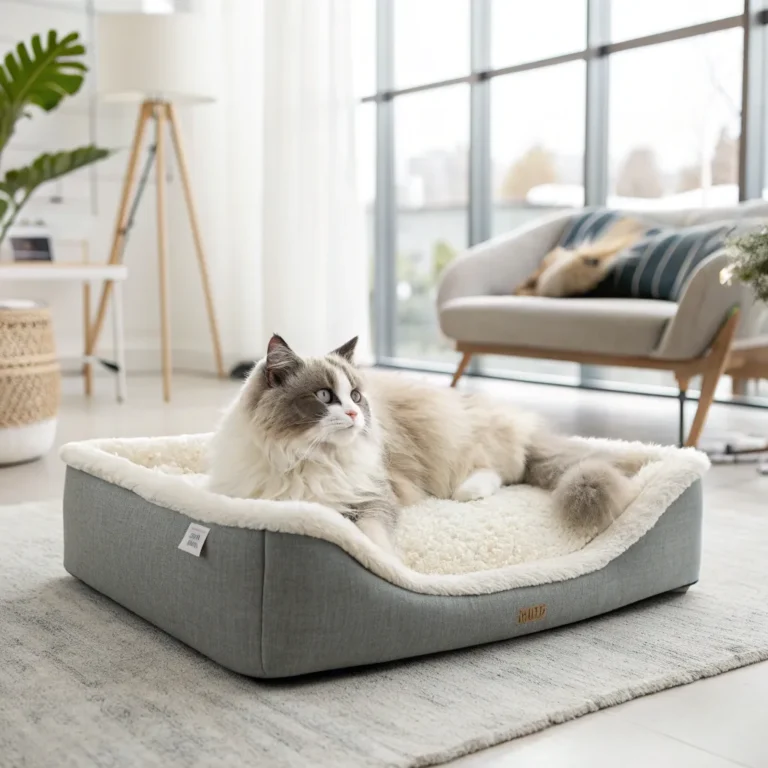
- Hypoallergenic Bedding: Use materials that resist dust mites and are easy to clean.
Effective Treatments for Munchkin Cat Allergies
Treating Munchkin cat allergies depends on the type and severity of the condition.
Medications
- Antihistamines to reduce itching and inflammation
- Steroids for severe allergic reactions (short-term use)
- Immunotherapy (allergy shots) for long-term management
Diet Changes
Switching to hypoallergenic or limited-ingredient diets can help with food-related cat allergies. Always consult a vet before making dietary changes.
Preventing Allergies in Munchkin Cats
While not all allergies can be prevented, proactive steps can minimize risks:
- Use high-quality, hypoallergenic cat food.
- Keep your home free of dust, mold, and other allergens.
- Avoid exposing your Munchkin to known irritants like cigarette smoke or harsh chemicals.
Long-Term Care for Munchkin Cats with Allergies
Ongoing care ensures your Munchkin lives comfortably despite cat sensitivities.
Regular Vet Visits
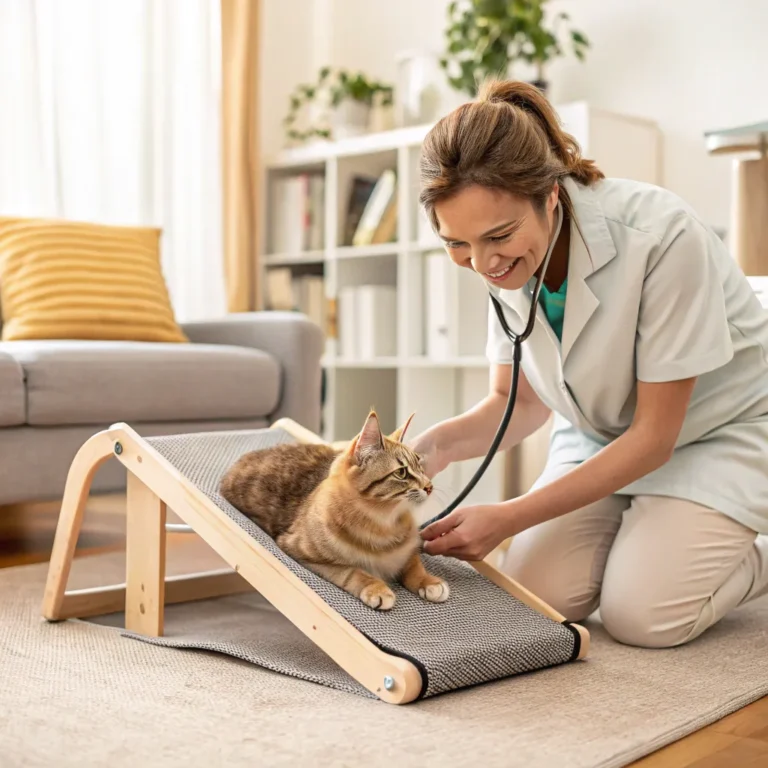
Schedule check-ups to monitor your cat’s health and adjust treatments as needed. Regular exams catch cat health issues early.
Allergy-Proofing Your Home
Invest in HEPA filters, wash pet bedding weekly, and avoid scented products that could trigger reactions.
Conclusion
Munchkin cat allergies can be challenging, but with proper understanding and care, you can manage common cat allergies effectively. By recognizing symptoms, testing for triggers, and implementing treatments, you’ll help your Munchkin lead a healthier, happier life. Always work with a veterinarian to tailor solutions to your cat’s needs.
FAQ
Are Munchkin Cats Hypoallergenic?
No, Munchkin cats are not hypoallergenic due to the Fel d 1 protein in their dander and saliva.
What Are the Most Common Allergens Affecting Munchkin Cats?
Pollen, dust mites, certain foods (like beef or dairy), and fleas are common triggers for cat allergies.
What Are the Signs of Environmental Allergies in Munchkin Cats?
Sneezing, itchy skin, watery eyes, and excessive grooming are typical signs.
What Are Common Food Allergens for Munchkin Cats?
Beef, dairy, fish, and grains are frequent culprits in feline allergies.
How Can I Test for Allergies in My Munchkin Cat?
Veterinary tests like skin or blood tests, or an elimination diet, can identify allergens.
How Can I Manage My Munchkin Cat’s Allergies at Home?
Maintain a clean environment, use hypoallergenic products, and follow vet-recommended treatments.