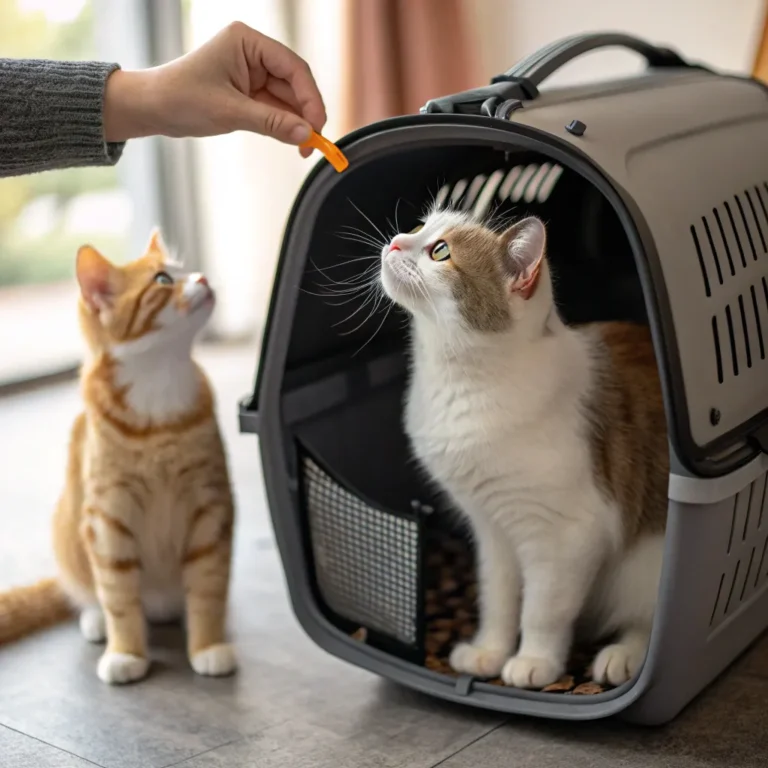
Munchkin Cats: What Health Issues Should You Watch For?
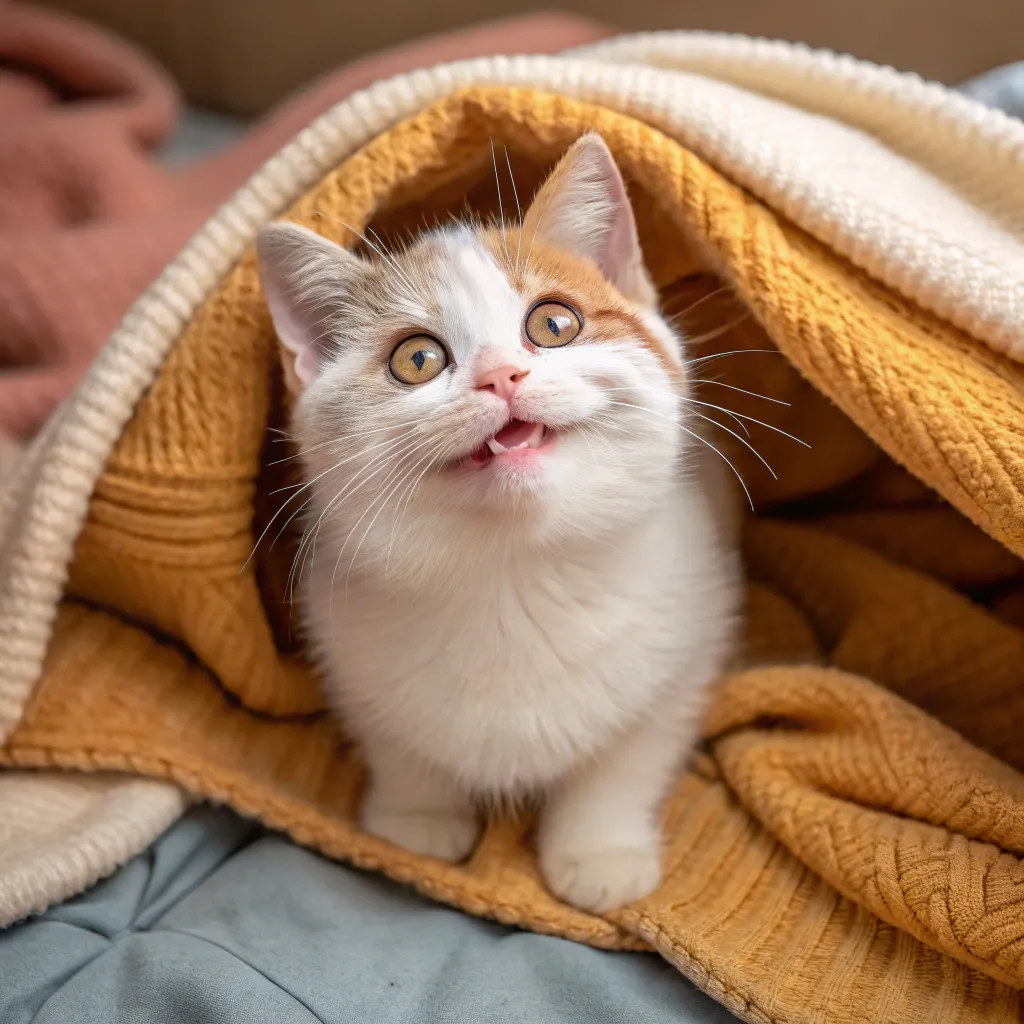
Munchkin cats, with their adorable short legs and playful personalities, are a unique breed that captures hearts. However, their distinctive traits come with specific health considerations. This article explores the health issues Munchkin cats may face, offering insights into their care to keep them happy and healthy.
Key Takeaways
- Munchkin cats are prone to bone, joint, and spinal issues due to their genetic dwarfism.
- Regular veterinary check-ups and early diagnosis are crucial for managing health problems.
- Proper weight management and a tailored diet can prevent obesity-related complications.
- Understanding breed-specific conditions like lordosis and pectus excavatum helps owners provide better care.
Overview of the Munchkin Cat Breed
History and Origin
Munchkin cats emerged in the 1980s in Louisiana, USA, when a stray cat with naturally short legs was discovered. Breeders developed the Munchkin by selectively breeding for this trait, leading to their recognition by The International Cat Association (TICA) in 1995. Despite controversy over their genetic mutation, Munchkins have become a beloved breed.
Unique Physical Characteristics
Munchkins are known for their short legs, caused by a genetic mutation affecting bone growth. Their bodies are otherwise normal-sized, with a variety of coat colors and patterns. Their compact stature gives them a dachshund-like appearance, earning them the nickname “sausage cats.”
Personality and Temperament
Munchkin cats are playful, outgoing, and affectionate. They love to explore, chase toys, and interact with their owners. Their curious nature and adaptability make them great companions, though their short legs may limit some physical activities.
Genetic Mutation Leading to Short Legs
Understanding Dwarfism in Munchkin Cats
The Munchkin’s short legs result from a dominant gene causing dwarfism, specifically achondroplasia. This mutation affects cartilage development, leading to shorter-than-normal limbs. While it’s the hallmark of the breed, it also contributes to potential health issues.
Impact on Mobility and Daily Life
Despite their short legs, Munchkins are generally agile and can jump, though not as high as other cats. Their mobility may be affected over time, especially if joint or spinal issues develop, making regular monitoring essential.
Common Health Issues in Munchkin Cats
Munchkin cats are prone to several health conditions, primarily due to their genetic mutation. Understanding these issues helps owners take proactive steps to ensure their cat’s well-being.
Bone and Joint Problems
Osteoarthritis in Munchkin Cats
Osteoarthritis, a degenerative joint disease, is common in Munchkins due to the stress their short legs place on joints. Symptoms include stiffness, limping, or reluctance to move. Early detection through veterinary exams can help manage this condition.
Preventing Joint Degeneration
To reduce joint stress, maintain a healthy weight and provide a low-impact environment. Avoid high jumps by offering ramps or low furniture. Supplements like glucosamine may support joint health, but consult your vet first.
Managing Pain and Mobility
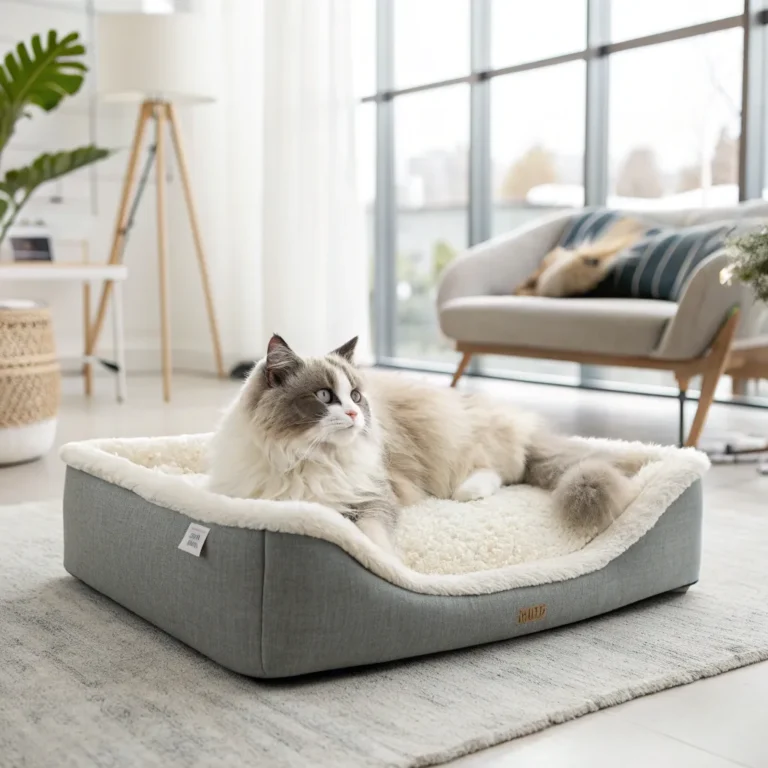
Pain management may involve anti-inflammatory medications or physical therapy. Creating a comfortable living space with soft bedding and easy access to necessities can improve your Munchkin’s quality of life.
Spinal Concerns
Lordosis: Symptoms and Management
Lordosis, an excessive inward spinal curvature, is a concern in some Munchkins. Symptoms include a swayed back, discomfort, or difficulty moving. Severe cases may affect breathing or organ function. Veterinary intervention, including imaging, is key to managing lordosis.
Preventative Care and Monitoring
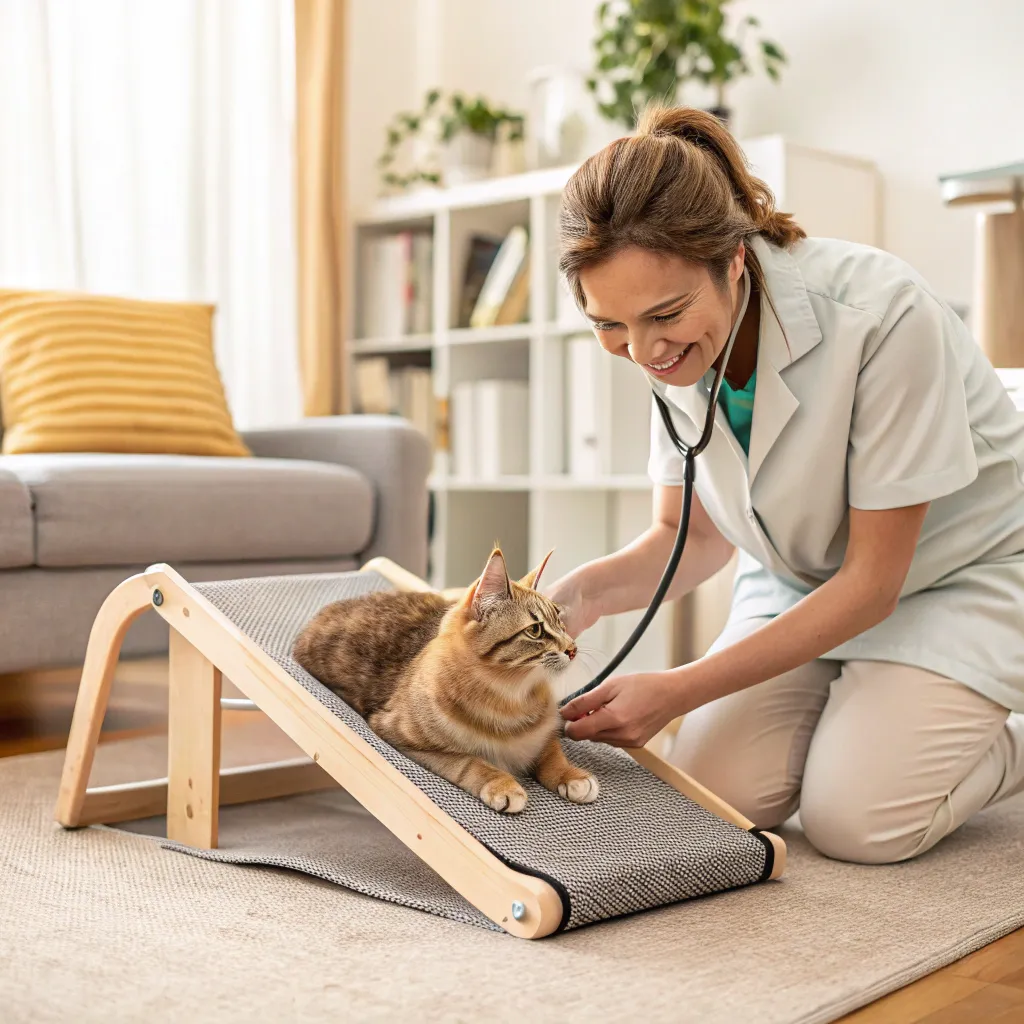
Regular vet visits and X-rays can catch spinal issues early. Avoid activities that strain the spine, and ensure your cat maintains a healthy posture during play.
Pectus Excavatum in Munchkin Cats
Identifying the Condition
Pectus excavatum is a congenital chest deformity where the breastbone is sunken, potentially compressing the heart and lungs. Signs include difficulty breathing, fatigue, or a visibly indented chest. A vet can diagnose it through physical exams or imaging.
Treatment Options and Outcomes
Mild cases may require monitoring, while severe cases might need surgical correction. Outcomes vary, but early intervention improves prognosis. Always consult a veterinary specialist for tailored advice.
Munchkin Cat Weight Management
Risks of Obesity
Obesity exacerbates joint and spinal issues in Munchkins, as excess weight puts additional strain on their short legs and spine. It can also lead to diabetes or heart problems, making weight control critical.
Diet and Exercise Recommendations
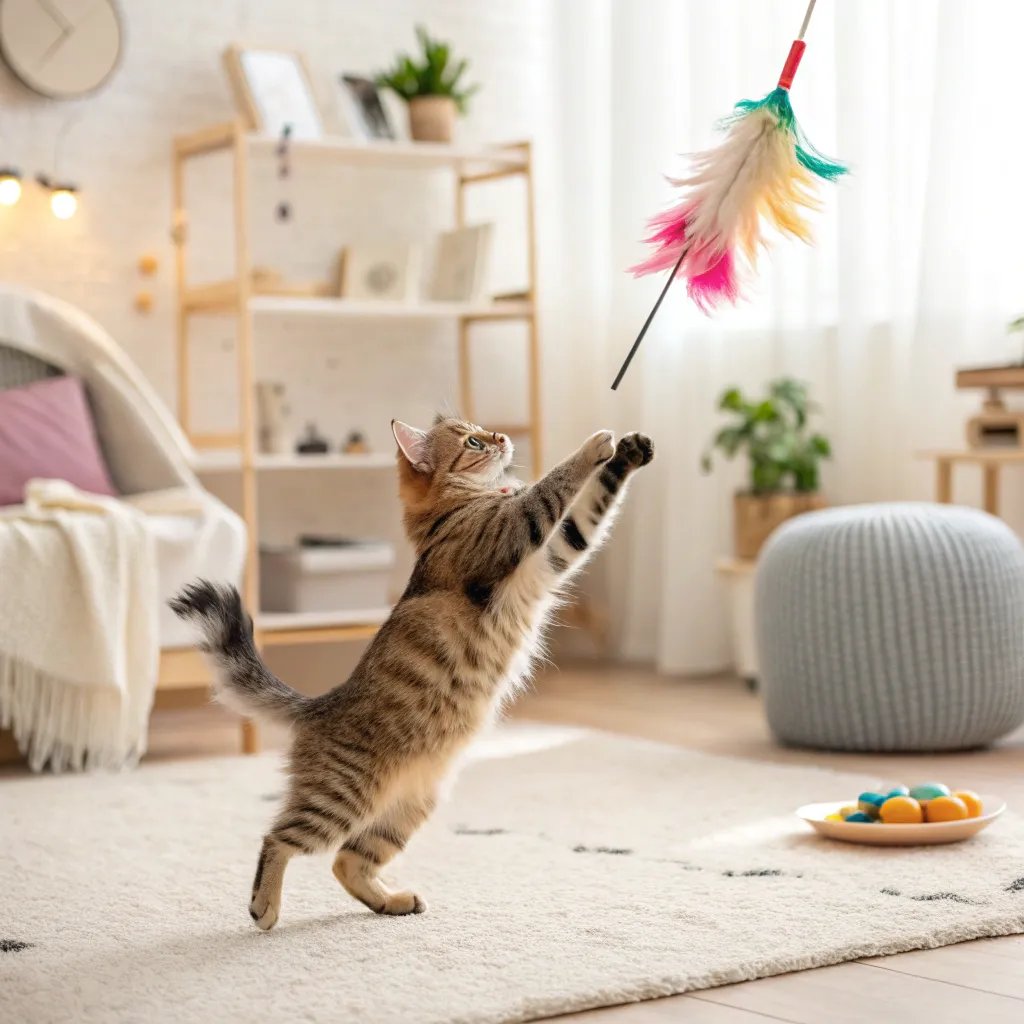
Feed your Munchkin a balanced, portion-controlled diet recommended by your vet. Encourage low-impact play with toys like feather wands or laser pointers. Avoid overfeeding treats, and ensure fresh water is always available.
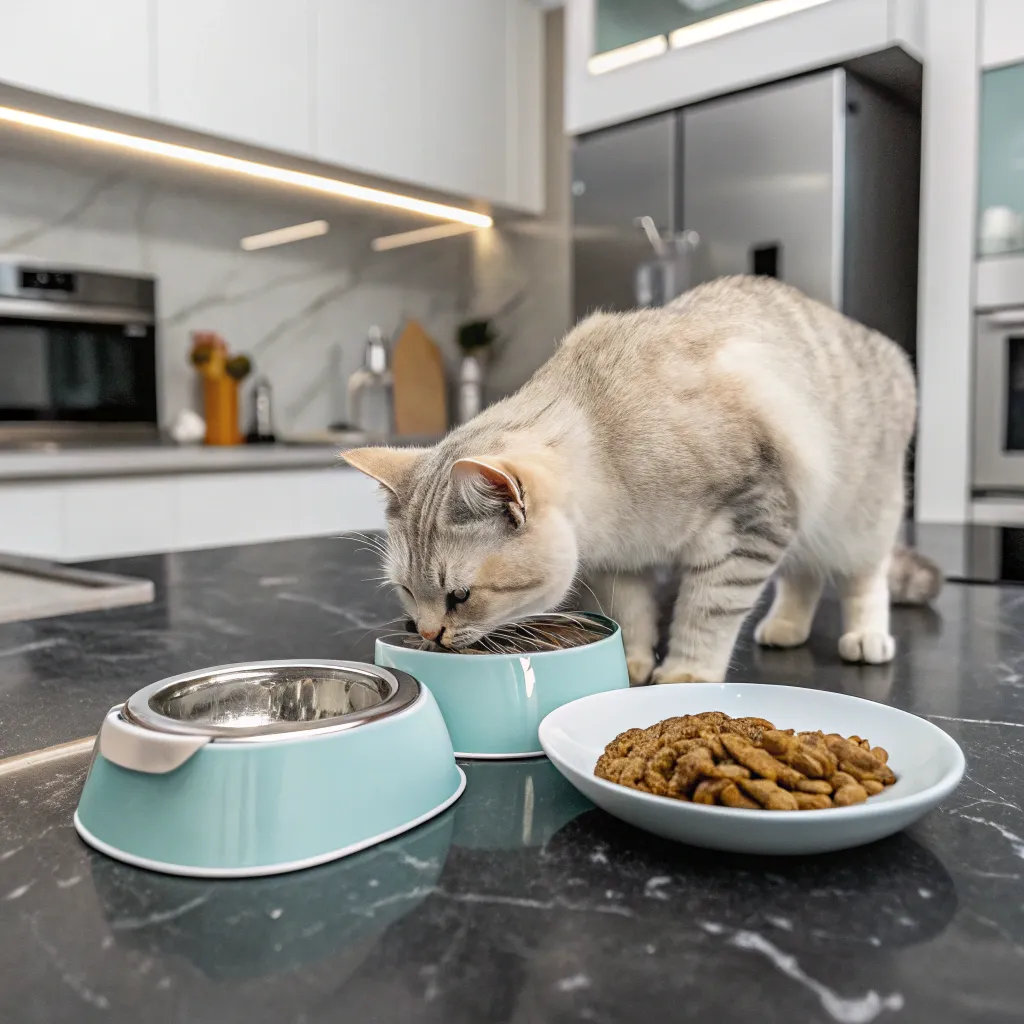
Munchkin Cat Health Tips
- Provide a Safe Environment: Use ramps or low furniture to minimize jumping.
- Monitor Behavior: Watch for signs of discomfort, like reduced activity or vocalizing pain.
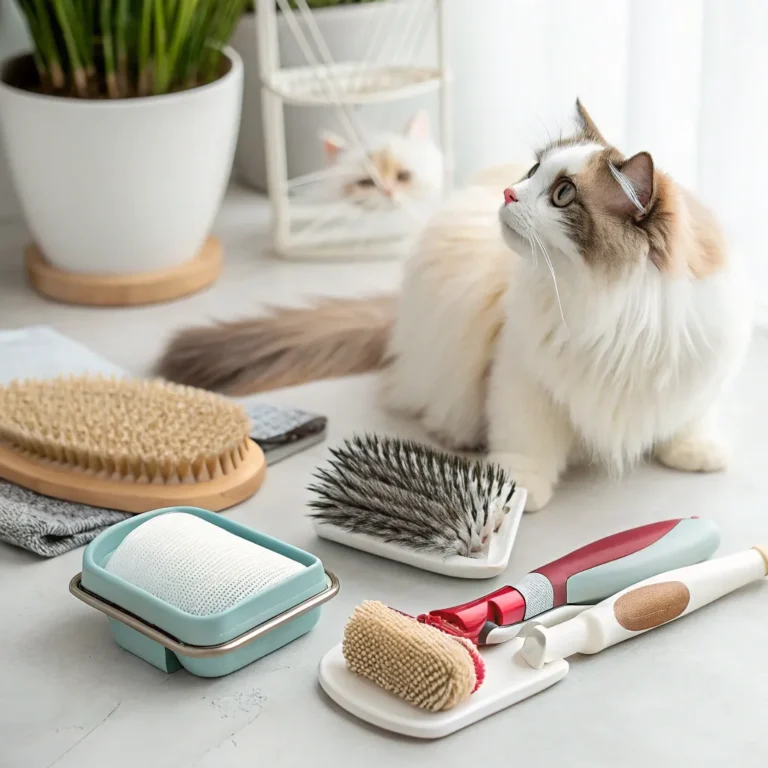
- Groom Regularly: Munchkins’ coats vary, so brush as needed to prevent matting.
- Spay/Neuter: This can reduce certain health risks and improve behavior.
Veterinary Care for Munchkin Cats
Regular Check-ups
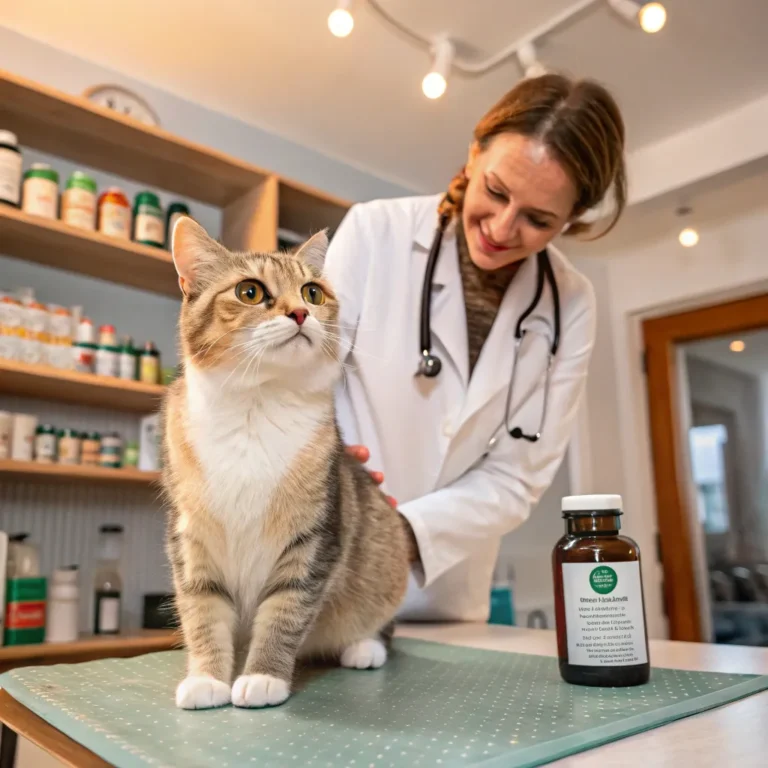
Schedule vet visits at least annually, or biannually for older Munchkins. These check-ups can detect issues like osteoarthritis or lordosis early, improving treatment outcomes.
Diagnostic Procedures
X-rays, blood tests, and physical exams are essential for monitoring Munchkin health. Discuss genetic screening with your vet to understand your cat’s specific risks.
FAQ
What are common health issues in Munchkin cats?
Munchkins are prone to osteoarthritis, lordosis, pectus excavatum, and obesity-related issues due to their dwarfism.
Are Munchkin cats prone to specific diseases?
Yes, they’re susceptible to bone, joint, and spinal conditions, as well as obesity-related diseases like diabetes.
How does dwarfism affect Munchkin cats?
Dwarfism causes short legs, which can lead to mobility issues, joint stress, and spinal abnormalities.
What are the symptoms of osteoarthritis in Munchkin cats?
Look for stiffness, limping, or reluctance to jump or play.
How can I prevent joint degeneration in my Munchkin cat?
Maintain a healthy weight, provide joint supplements (if vet-approved), and create a low-impact environment.
What is lordosis and how does it affect Munchkin cats?
Lordosis is an inward spinal curvature that may cause discomfort or breathing issues in severe cases.
How do I identify pectus excavatum in my Munchkin cat?
Watch for a sunken chest, breathing difficulties, or fatigue, and consult a vet for confirmation.
What are the treatment options for pectus excavatum in Munchkin cats?
Treatment ranges from monitoring to surgery, depending on severity.
Why is weight management important for Munchkin cats?
It reduces strain on joints and spine, preventing obesity-related health issues.
What are some diet and exercise recommendations for Munchkin cats?
Feed a vet-recommended diet, control portions, and encourage low-impact play.
What health tips should I follow for my Munchkin cat?
Regular vet visits, a safe environment, and proactive monitoring are key.
How often should my Munchkin cat have regular check-ups?
At least once a year, or twice for older cats or those with known issues.
What diagnostic procedures are important for Munchkin cats?
X-rays, blood tests, and physical exams help monitor their unique health risks.
By understanding and addressing these health concerns, you can ensure your Munchkin cat lives a long, happy life. Always consult a veterinarian for personalized advice tailored to your pet.