Munchkin Cats and Dogs: Can They Live Happily Together?
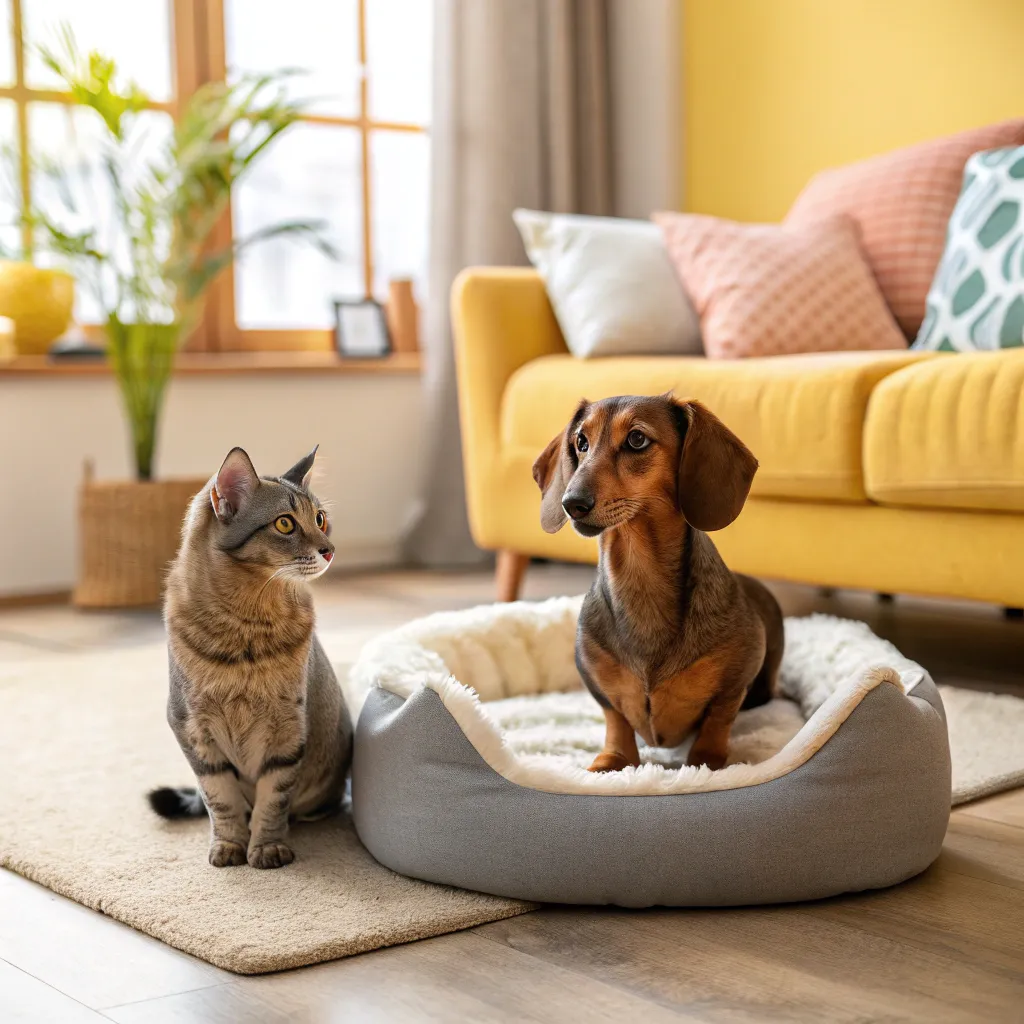
Munchkin cats, with their adorable short legs and playful personalities, are a unique breed that captures hearts. But what happens when you want to bring a Munchkin cat into a home with a dog—or vice versa? Can these pets coexist peacefully? This guide dives into Munchkin cats, Munchkin dogs (a common misnomer for small dog breeds often paired with Munchkins), cats and dogs coexistence, and pet compatibility to help you create a harmonious multi-pet household. Let’s explore how to foster a strong cat and dog relationship while addressing pet behavior challenges.
Why Consider a Multi-Pet Household?
Living with both Munchkin cats and dogs can be incredibly rewarding. These pint-sized pets bring unique traits that can complement each other, creating a lively and loving home. But pet compatibility is key to ensuring a peaceful cat and dog relationship. Understanding their behaviors and needs sets the foundation for success.
Key Takeaways
- Munchkin cats have distinct traits that influence their interactions with dogs.
- Proper introductions and positive reinforcement are critical for cats and dogs coexistence.
- Creating safe spaces and monitoring pet behavior ensures a happy multi-pet household.
- Gradual integration builds trust for a lasting cat and dog relationship.
Understanding Munchkin Cats: Unique Traits and Behaviors
Munchkin cats are known for their short legs, curious nature, and playful demeanor. Despite their small stature, they’re confident and social, often making them great candidates for living with cats and dogs. However, their pet behavior can vary:
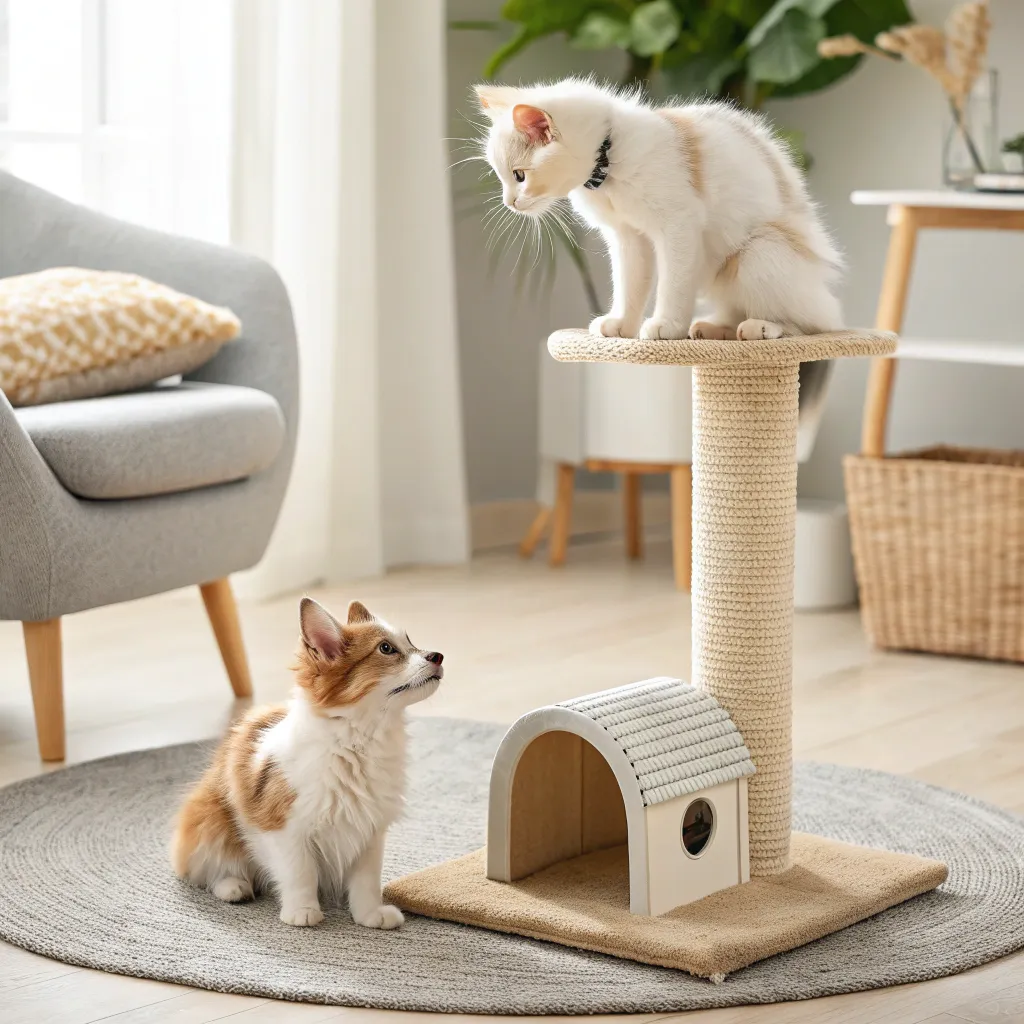
- Playful but cautious: Munchkins love to explore but may be wary of larger dogs.
- Territorial tendencies: Like most cats, they value their space, which is crucial in a multi-pet household.
- Adaptable: With proper introductions, Munchkins can form strong bonds with dogs.
Understanding these traits helps you anticipate how a Munchkin cat might react in a cat and dog relationship.
Can Munchkin Cats and Dogs Coexist?
Absolutely, Munchkin cats and dogs can thrive together, but pet compatibility depends on careful planning. While there’s no breed called “Munchkin dogs,” small dog breeds like Dachshunds or French Bulldogs are often paired with Munchkins due to their similar size and energy levels. The key is introducing them thoughtfully to avoid stress and ensure a smooth cats and dogs coexistence.
Benefits of Munchkin Cats and Dogs Living Together
- Companionship: Both pets can keep each other entertained, reducing boredom.
- Social growth: A multi-pet household encourages socialization and adaptability.
- Shared playtime: Munchkins’ playful nature can match a dog’s energy, fostering a strong cat and dog relationship.
Potential Challenges
- Size differences: Even small dogs may intimidate a Munchkin cat.
- Behavioral clashes: Dogs’ boisterous energy can overwhelm a cat’s need for calm.
- Territorial disputes: Both pets may compete for space, requiring careful management.
Steps for Introducing Munchkin Cats to Dogs
Creating a successful multi-pet household starts with proper introductions. Here’s how to ensure cats and dogs coexistence works for your Munchkin cat and dog.
Step 1: Create Safe Spaces for Both Pets
A multi-pet household needs designated areas where each pet feels secure.
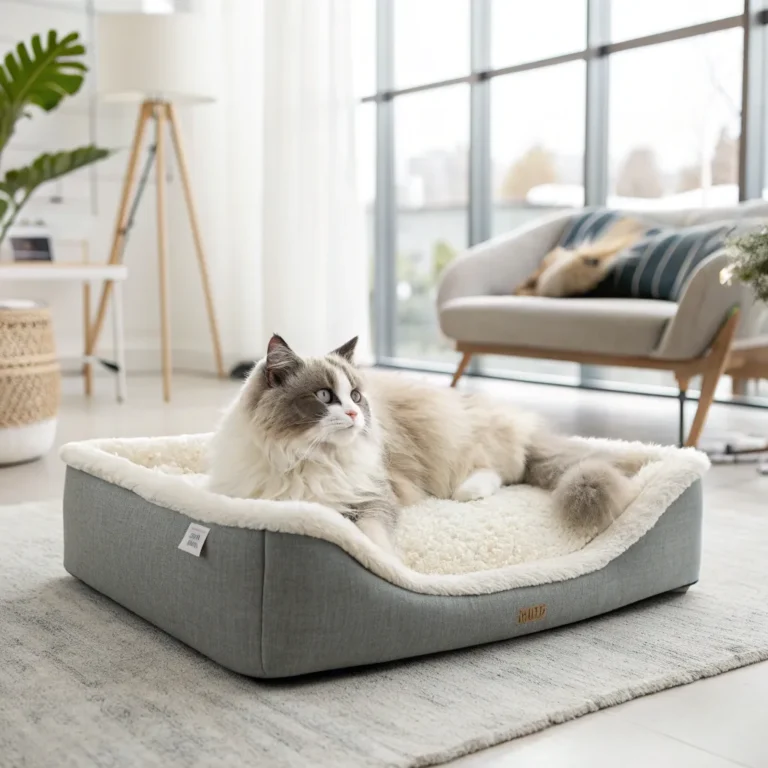
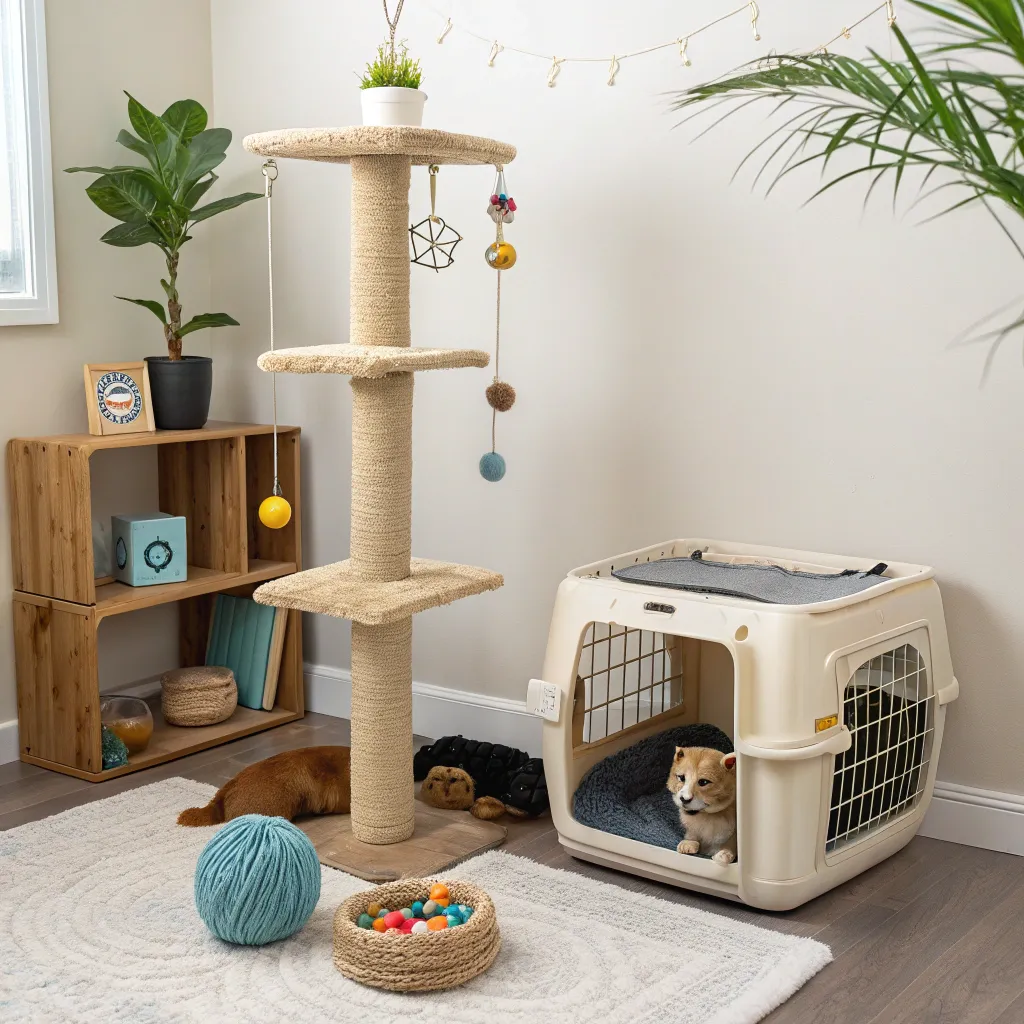
- Separate zones: Set up a quiet space for your Munchkin cat with a litter box, bed, and toys, and a separate area for your dog.
- Safe havens: Use cat trees or high perches for your Munchkin to escape if needed, and a crate or bed for your dog.
- Gradual exposure: Allow each pet to explore the other’s space without direct contact to build familiarity.
Step 2: Familiarize Pets with Each Other’s Scents
Scent is a powerful tool for pet compatibility. Before face-to-face meetings, help your pets get used to each other’s smells.
- Swap bedding or toys: Exchange blankets or toys between your Munchkin cat and dog to introduce their scents.
- Use pheromone diffusers: Products like Feliway for cats or Adaptil for dogs can reduce stress during introductions.
Step 3: Supervised Face-to-Face Introductions
Once your pets are comfortable with each other’s scents, it’s time for controlled meetings.
- Start small: Use a barrier like a baby gate to let them see each other without direct contact.
- Keep it calm: Ensure both pets are relaxed—avoid high-energy moments like feeding time.
- Short sessions: Limit initial meetings to a few minutes, gradually increasing time as they adjust.
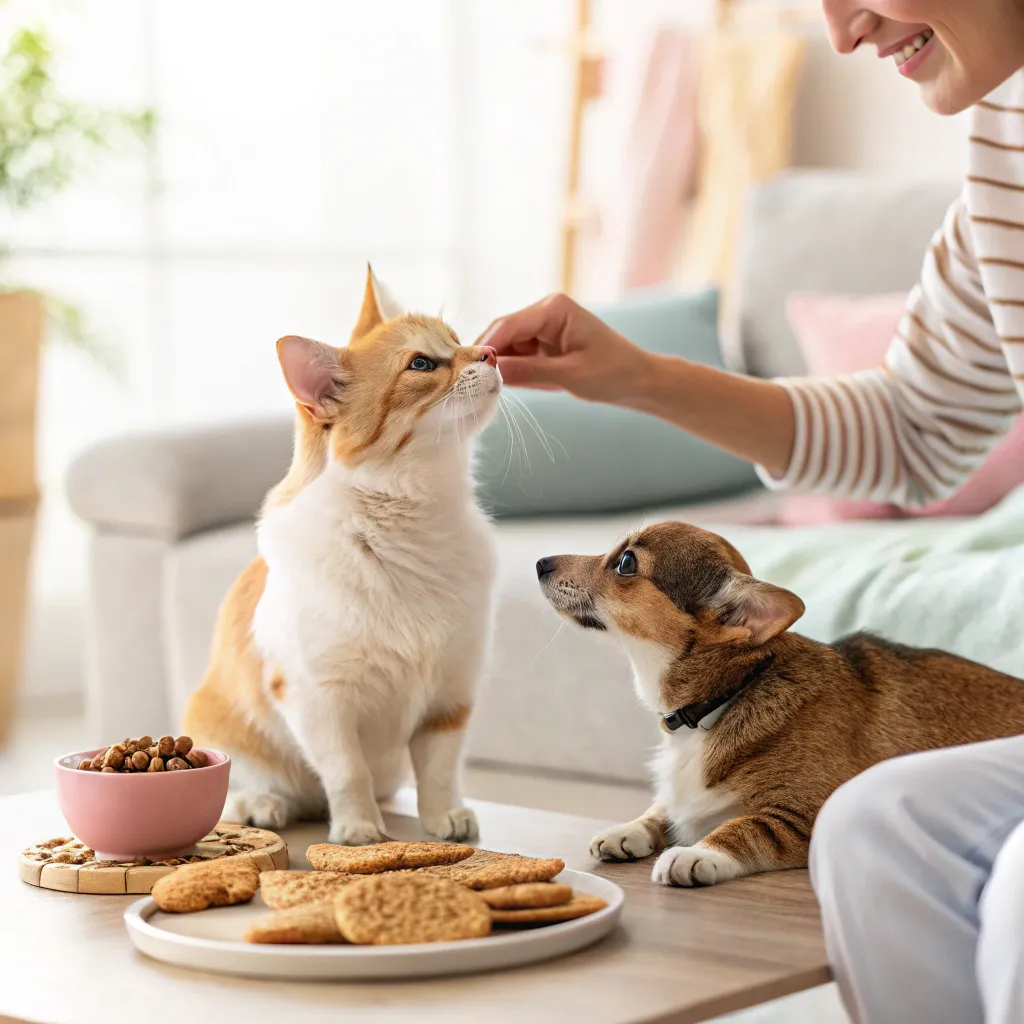
Step 4: Use Positive Reinforcement
Positive reinforcement is crucial for building a strong cat and dog relationship.
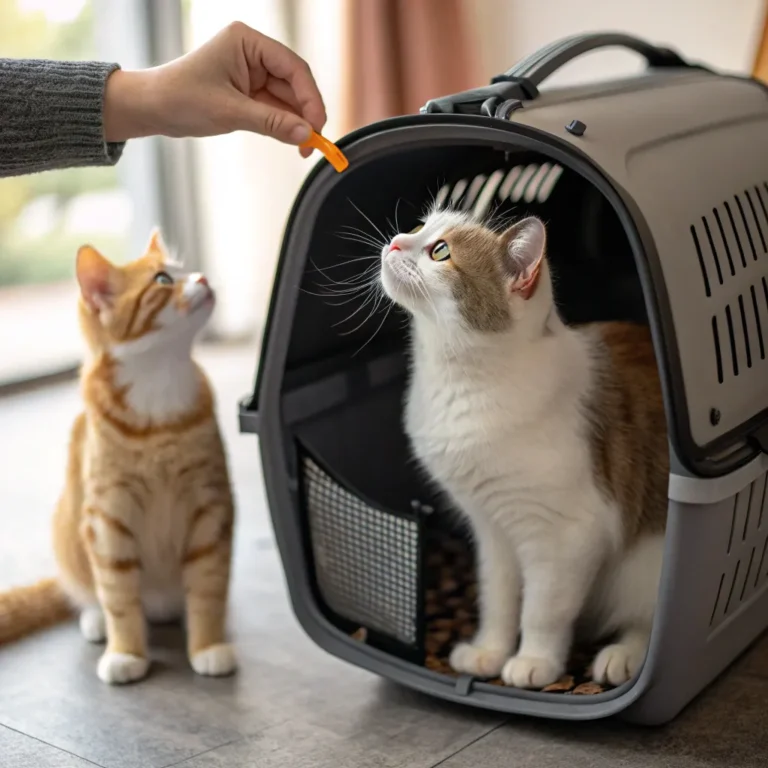
- High-value treats: Reward calm behavior with treats both pets love.
- Clicker training: Use a clicker to mark positive interactions, reinforcing good pet behavior.
- Praise calm moments: Verbally reward your Munchkin cat and dog when they’re relaxed around each other.
Understanding Pet Behavior in a Multi-Pet Household
Monitoring pet behavior is essential for cats and dogs coexistence. Here’s what to watch for:
Common Behavioral Traits
- Munchkin cats: Playful but may hide if overwhelmed. They’re curious but need personal space.
- Dogs: Small breeds may be excitable or territorial, requiring training to stay calm.
Signs of Stress or Comfort
- Stress signals: Hissing, swatting, or hiding (cats); growling or excessive barking (dogs).
- Comfort signs: Relaxed body language, playful interactions, or mutual grooming.
If you notice stress, slow down the introduction process and consult a professional trainer if needed.
Tips for Long-Term Harmony in a Multi-Pet Household
Maintaining a peaceful cat and dog relationship requires ongoing effort. Here are best practices for living with cats and dogs:
- Regular monitoring: Watch interactions to catch any signs of tension early.
- Adjust arrangements: If conflicts arise, tweak feeding or sleeping areas to reduce competition.
- Equal attention: Ensure both your Munchkin cat and dog get love and playtime to prevent jealousy.
- Routine check-ins: Revisit training or introductions if new behaviors emerge.
Avoiding Common Pitfalls
- Rushing introductions: Take time to build trust for true pet compatibility.
- Ignoring stress signs: Address discomfort immediately to prevent escalation.
- Unequal treatment: Balance attention to keep both pets happy.
Real-Life Success Stories
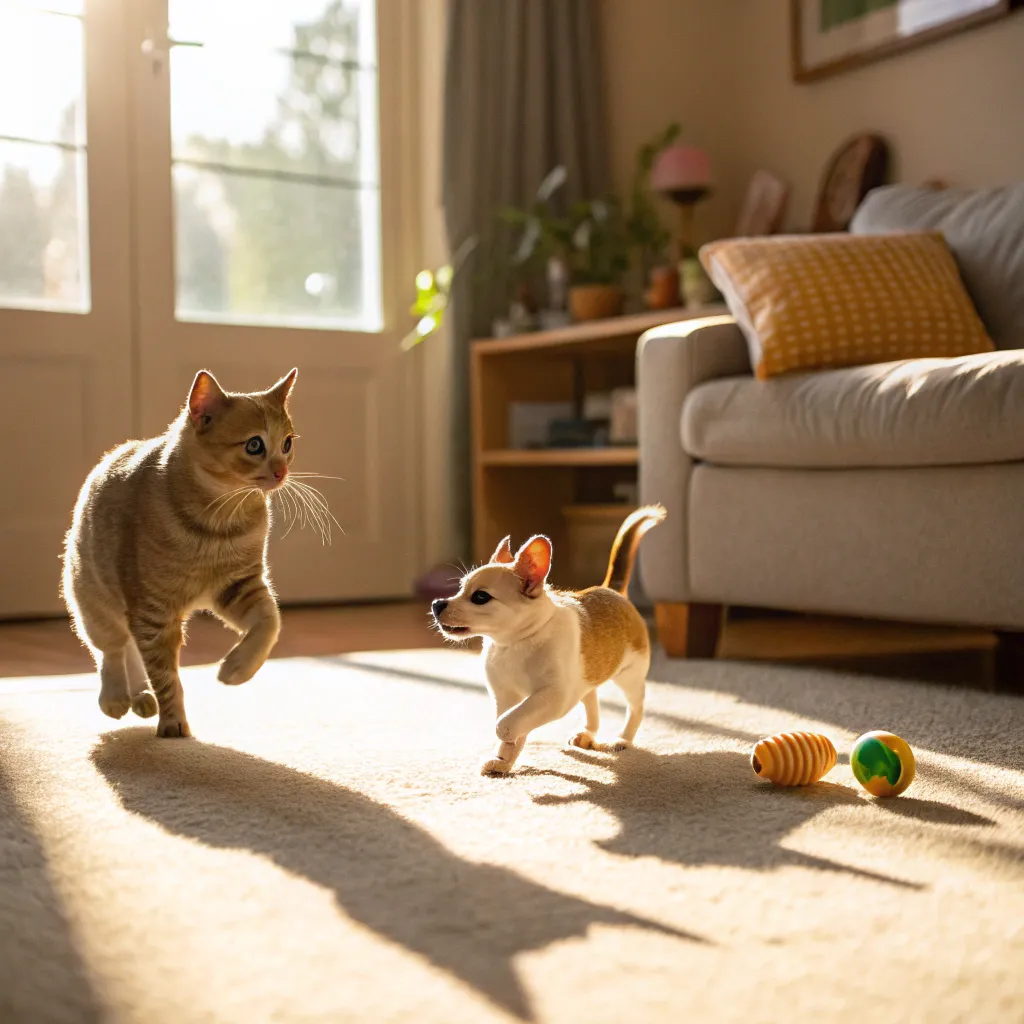
Many pet owners have successfully created a multi-pet household with Munchkin cats and dogs. For example, Sarah from California shared how her Munchkin cat, Muffin, and her Dachshund, Max, became best friends after gradual introductions over two months. By using positive reinforcement and scent-swapping, they now cuddle and play together daily. Experts, like certified pet behaviorist Dr. Jane Lee, emphasize that patience and consistency are key to a thriving cat and dog relationship.
When to Seek Professional Help
If pet behavior issues persist, consider consulting a professional:
- Signs to intervene: Persistent aggression, excessive stress, or refusal to share space.
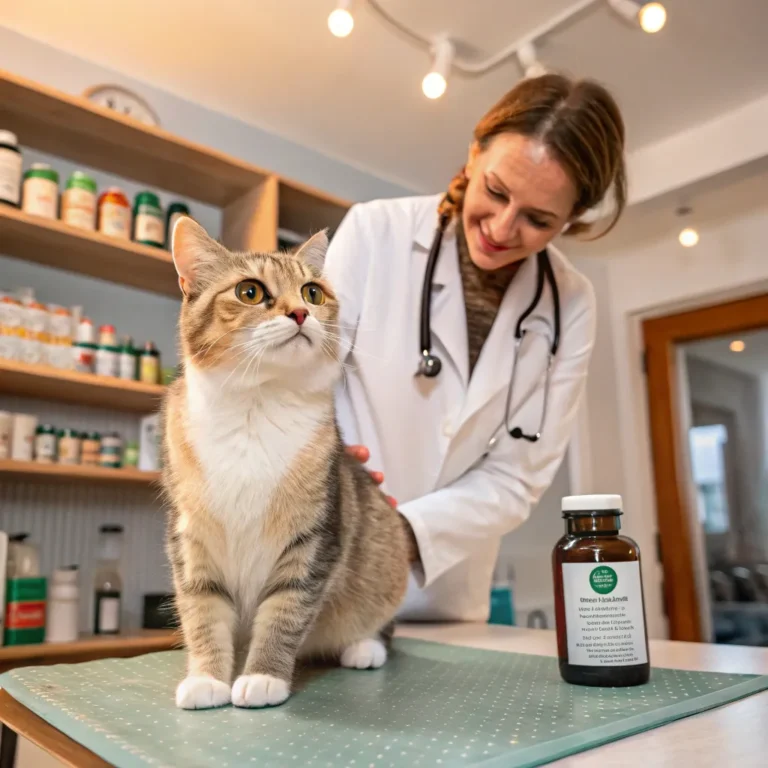
- Professional trainers: A certified animal behaviorist can tailor strategies for your multi-pet household.
Conclusion
Munchkin cats and dogs can absolutely coexist, creating a joyful multi-pet household. By understanding pet behavior, using positive reinforcement, and following gradual introduction steps, you can foster a strong cat and dog relationship. With patience and care, your home can be a haven for cats and dogs coexistence, where pet compatibility shines.
FAQ
What makes Munchkin cats unique in a multi-pet household?
Their short legs and playful yet cautious nature make them adaptable but sensitive to larger dogs.
How do I introduce a Munchkin cat to my dog?
Use scent swapping, safe spaces, supervised meetings, and positive reinforcement for smooth cats and dogs coexistence.
What are the benefits of living with cats and dogs together?
Companionship, social growth, and shared playtime enhance the cat and dog relationship.
What challenges might arise in a multi-pet household?
Territorial disputes or stress from size differences can occur but can be managed with proper planning.
How can I ensure pet compatibility?
Gradual introductions, monitoring pet behavior, and creating safe spaces promote harmony.
Why is scent familiarization important?
It reduces stress and builds familiarity, easing the path to a strong cat and dog relationship.