Why Does My Cat Lick Me? Understanding Feline Behavior and Bonding
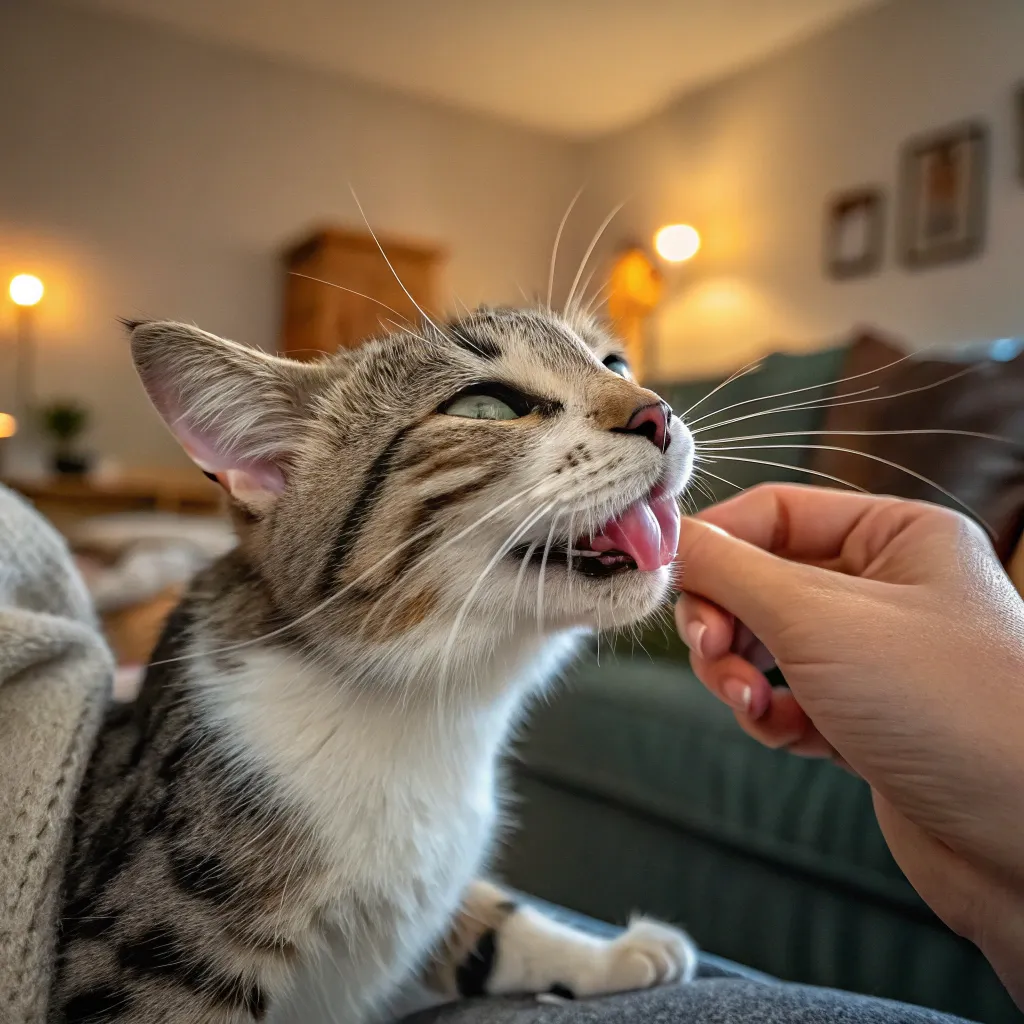
Have you ever been snuggled up with your cat, enjoying a cozy petting session, only to feel that sandpaper-like tongue swipe across your hand? If you’re wondering, why does my cat lick me, you’re not alone. This quirky feline behavior often leaves cat owners curious, amused, or even a little puzzled. At Cat Bloom Haven, we know how much you love decoding your cat’s actions, and licking is one of the most fascinating. Whether it’s a sign of affection, a grooming instinct, or something deeper, this article dives into the reasons behind cat licking behavior, backed by expert insights and practical tips to strengthen your bond with your furry friend.
In this comprehensive guide, we’ll explore the science of cat grooming habits, decode feline affection and communication, and address when licking might signal health or behavioral concerns. You’ll also find actionable advice on managing excessive licking and fostering a happy, healthy relationship with your cat. Let’s unravel the mystery of why your cat licks you and what it means for your bond.
Key Takeaways: Why Cats Lick Their Owners
- Affection and Bonding: Licking is often a cat’s way of showing love, trust, or marking you as family.
- Grooming Instinct: Cats lick to groom themselves and may extend this to you as a social behavior.
- Communication: Licking can signal attention-seeking, stress, or even medical issues.
- Cat Tongue Anatomy: A cat’s rough tongue is designed for grooming, making licking a natural instinct.
- Actionable Steps: Use positive reinforcement and environmental enrichment to manage unwanted licking.
The Science Behind Cat Licking: Why It’s More Than Just a Tongue Swipe
Cats are mysterious creatures, and their licking behavior is rooted in biology, instinct, and emotion. To understand why your cat licks you when you pet her, let’s start with the basics of cat grooming science and cat tongue anatomy.
The Unique Anatomy of a Cat’s Tongue
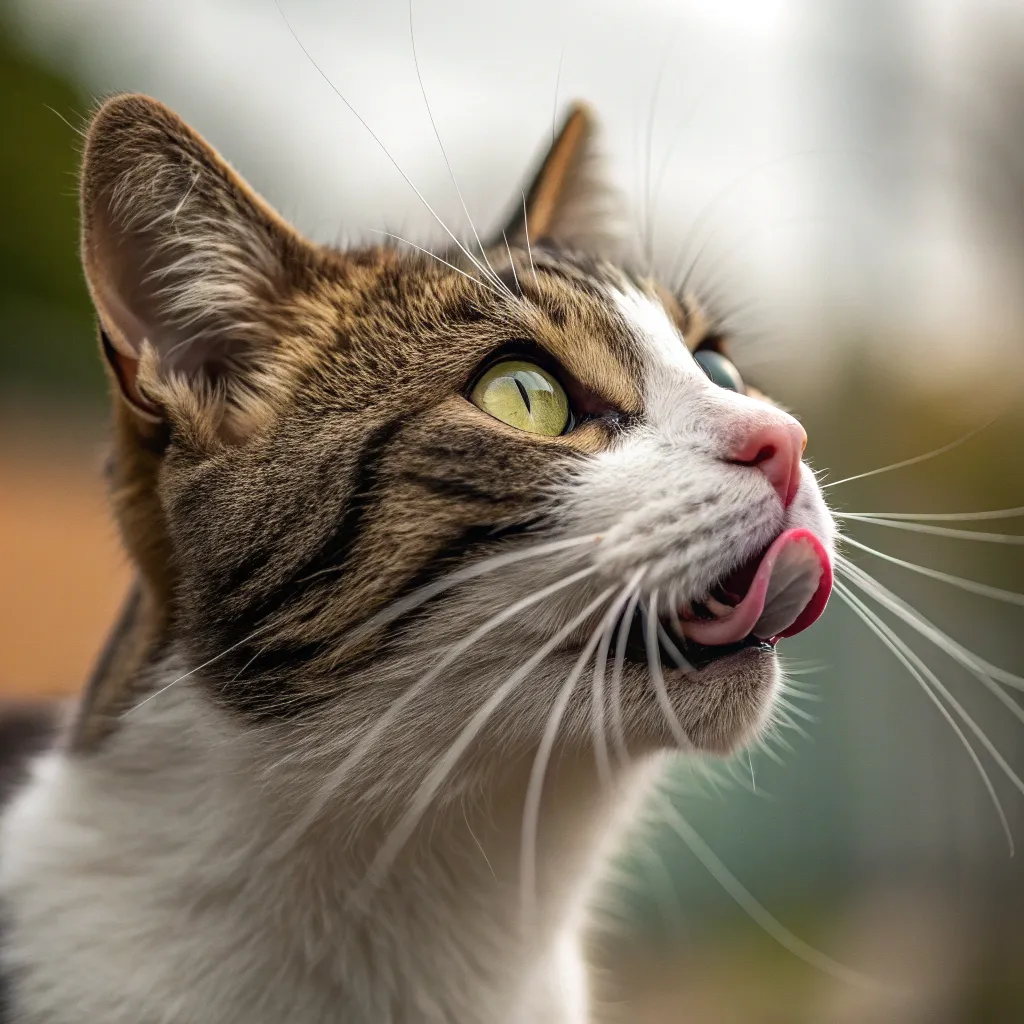
A cat’s tongue is a marvel of nature, perfectly designed for grooming. It’s covered in tiny, backward-facing spines called papillae, made of keratin—the same material as their claws. These papillae act like a natural comb, helping cats remove dirt, loose fur, and parasites from their coat. When your cat licks you, they’re using this same grooming tool, which explains the rough, sandpaper-like sensation.
- Why It Matters: The texture of a cat’s tongue makes licking an efficient way to clean or bond, but it can feel intense on human skin.
- Fun Fact: Studies show a cat’s tongue can hold water like a spoon, aiding in drinking and grooming efficiency.
The Grooming Instinct: Why Cats Are Obsessed with Cleanliness
Cats are meticulous groomers, spending up to 50% of their waking hours licking themselves. This cat grooming habit isn’t just about staying clean—it’s a survival mechanism. In the wild, grooming removes scents that could attract predators. When your cat licks you, they might be treating you like an extension of their family, “grooming” you to strengthen social bonds.
- Social Grooming (Allogrooming): Cats in colonies groom each other to reinforce group bonds. Licking you could mean your cat sees you as part of their tribe.
- Explore More: Learn about cat grooming habits in our detailed guide.
Why Does My Cat Lick Me When I Pet Her? Decoding Feline Affection
One of the most common moments cat owners notice licking is during petting sessions. So, why does my cat lick me when I pet her? Let’s break down the top reasons behind this behavior.
A Sign of Love and Trust
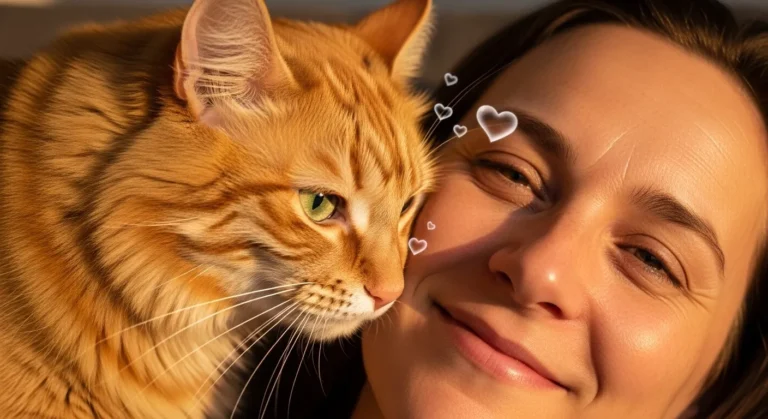
Licking is often a heartfelt display of feline affection and communication. When your cat licks you, they’re likely saying, “You’re my person!” This behavior mimics how kittens interact with their mothers, who lick them to bond and provide comfort.
- Marking You as Family: Cats have scent glands in their mouths, and licking transfers their scent, marking you as part of their trusted circle.
- Real-Life Example: Sarah, a cat owner from Seattle, noticed her Siamese cat, Luna, only licks her during quiet cuddle sessions, a clear sign of trust. Discover more about Siamese cat behavior.
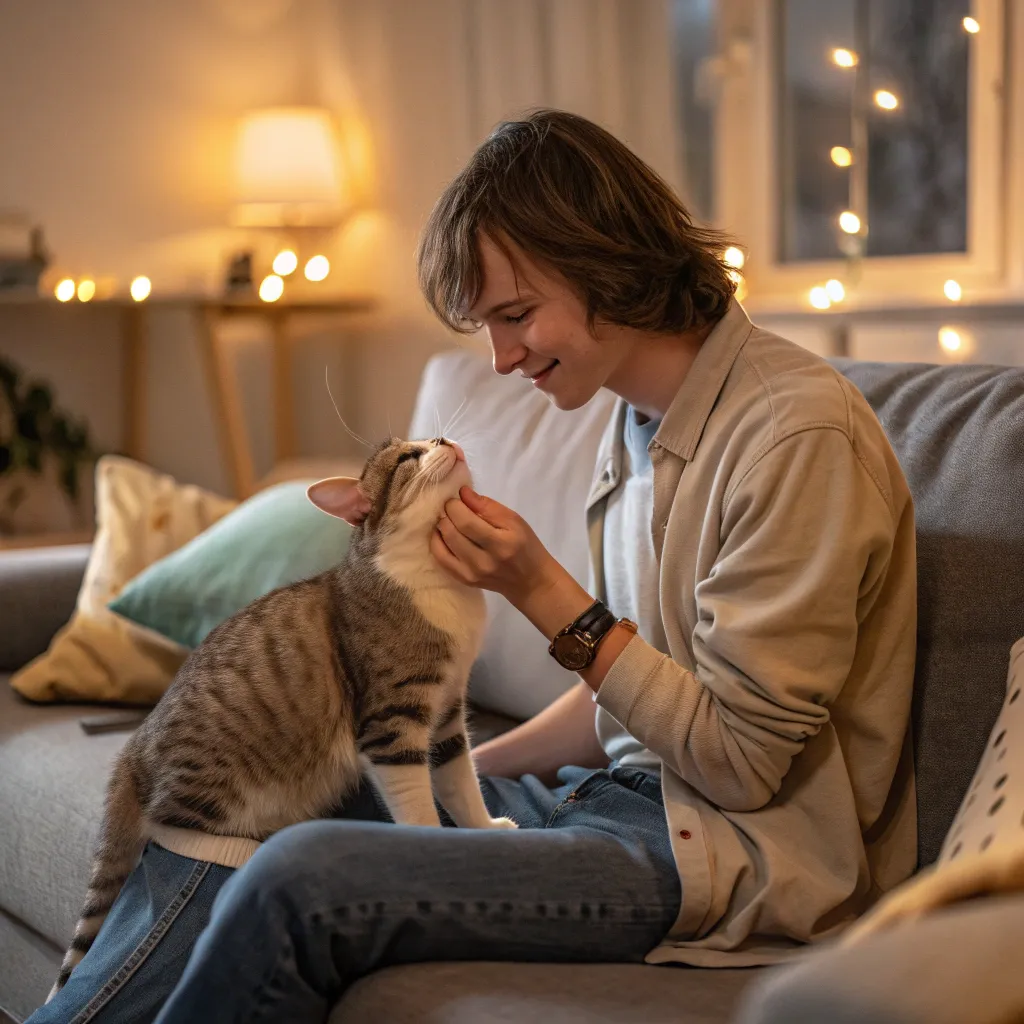
Seeking Attention or Reciprocity
Sometimes, licking is your cat’s way of saying, “Keep petting me!” or “Pay attention!” Cats learn that licking gets a reaction—whether it’s more scratches or a surprised laugh. This attention-seeking behavior is common in breeds like the Maine Coon or Siamese, known for their vocal and social personalities.
- Tip: Respond with gentle petting or verbal praise to reinforce positive cat bonding behavior.
Mimicking Your Actions
When you pet your cat, they may interpret it as grooming. In return, they lick you to reciprocate the affection, creating a mutual grooming session. This is especially common in cats with strong cat bonding and affection instincts, like Ragdolls.
Cat Communication Through Licking: What’s Your Cat Trying to Say?
Licking is a key part of cat communication signals. Beyond affection, it can convey a range of emotions or needs. Here’s what your cat might be expressing:
- Stress or Anxiety: Excessive licking can be a feline stress and anxiety sign. Cats may lick you to self-soothe during changes like moving or new pets. Learn about cat stress signs.
- Hunger or Comfort: Some cats lick to signal they’re hungry or seeking comfort, especially if they associate you with feeding time.
- Dominance or Territory: In multi-cat households, licking can be a way to establish hierarchy or claim you as “theirs.” Explore multi-cat dynamics.
Why Does My Cat Lick Me and Then Bite Me?
If your cat licks you and then gives a gentle nip, it’s often a mixed signal. This cat licking and purring meaning combo can indicate:
- Overstimulation: Your cat loves the attention but gets overwhelmed, leading to a playful or warning bite.
- Playful Instincts: Breeds like Bengals may lick and bite as part of their high-energy play.
- Affectionate Communication: A lick-bite combo can mimic how cats interact with each other in affectionate play.
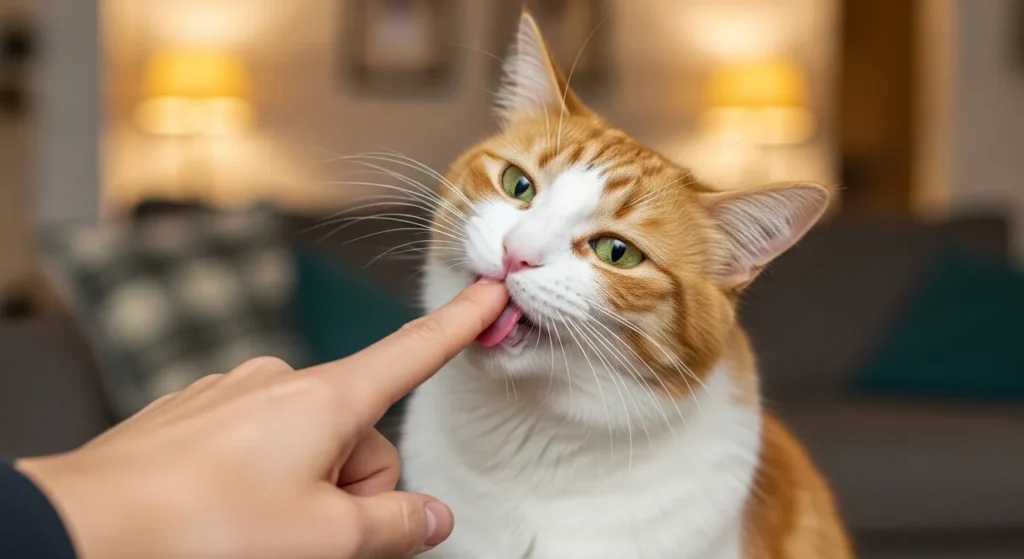
Tip: Watch for signs like flattened ears or a twitching tail to avoid overstimulation. Learn how to calm an overstimulated cat.
When Licking Signals a Problem: Health and Behavioral Concerns
While licking is usually harmless, excessive or obsessive licking can point to abnormal licking in cats. Here’s how to spot when it’s more than just affection.
Health Issues Causing Cat Licking
Certain health issues causing cat licking may require a vet’s attention. Common culprits include:
- Skin Allergies: Itchy skin from fleas, food allergies, or environmental triggers can lead to excessive licking. Read about cat allergies.
- Dental Problems: Pain from tooth issues or stomatitis may cause your cat to lick you or themselves excessively. Learn about cat dental care.
- Pain or Discomfort: Cats in pain may lick to self-soothe, especially around joints or injuries. Explore cat wound care.
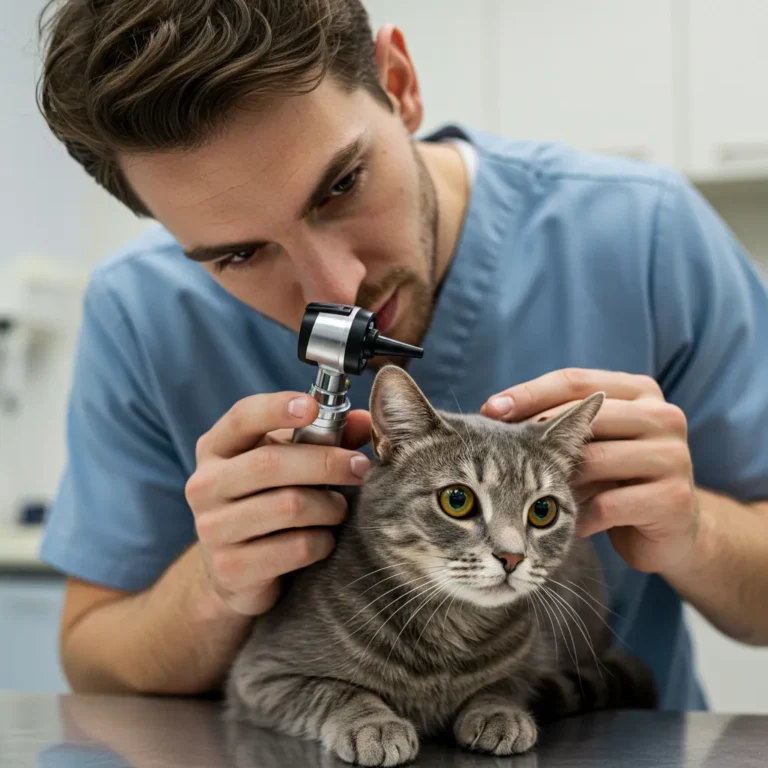
Vet Tip: If your cat’s licking is paired with hair loss, skin redness, or changes in appetite, schedule a vet visit. Find the best vet for your cat.
Stress and Anxiety: Is Your Cat Overwhelmed?
Licking can be a coping mechanism for feline anxiety and stress. Common triggers include:
- Loud noises or new environments.
- Changes in routine, like a new pet or family member.
- Lack of mental stimulation.
Example: Jenna noticed her Munchkin cat started licking her excessively after a move. Adding a cat tree and interactive toys reduced the behavior.
Actionable Tip: Create a stress-free environment with hiding spots, toys, and routines. Discover cat stress solutions.
How to Manage Unwanted Cat Licking: Practical Solutions
If your cat’s licking is becoming too much, don’t worry—there are ways to redirect this behavior without hurting their feelings. Here’s how to stop cat licking while keeping your bond strong.
Positive Reinforcement for Cats
Use positive reinforcement for cats to encourage alternative behaviors:
- Reward Desired Actions: Offer treats or praise when your cat stops licking on cue.
- Redirect Attention: Engage your cat with toys like feather wands or laser pointers when they start licking.
- Example: Try a treat-dispensing toy to shift focus. Explore cat behavior training.
Environmental Enrichment
A bored cat may lick excessively for stimulation. Enrich their environment with:
- Interactive Toys: Puzzle feeders or balls to keep them engaged.
- Scratching Posts: Redirect energy to appropriate surfaces. Learn how to stop cats scratching furniture.
- Safe Spaces: Provide cozy beds or perches for relaxation. Check out the best beds for cats.
When to Seek Professional Help
If licking persists despite changes, consult a vet or cat behaviorist. They can assess for underlying health issues or recommend behavior modification plans. Learn about vet visits for cats.
Signs Your Cat Loves You: Licking as a Bonding Tool
Licking is one of many signs your cat loves you. Other behaviors that show cat bonding and affection include:
- Purring: A happy cat often purrs while licking. Learn about cat purring.
- Headbutting: This is another way cats mark you with their scent. Discover why cats headbutt.
- Following You: Cats that trail you around the house are showing trust and affection.
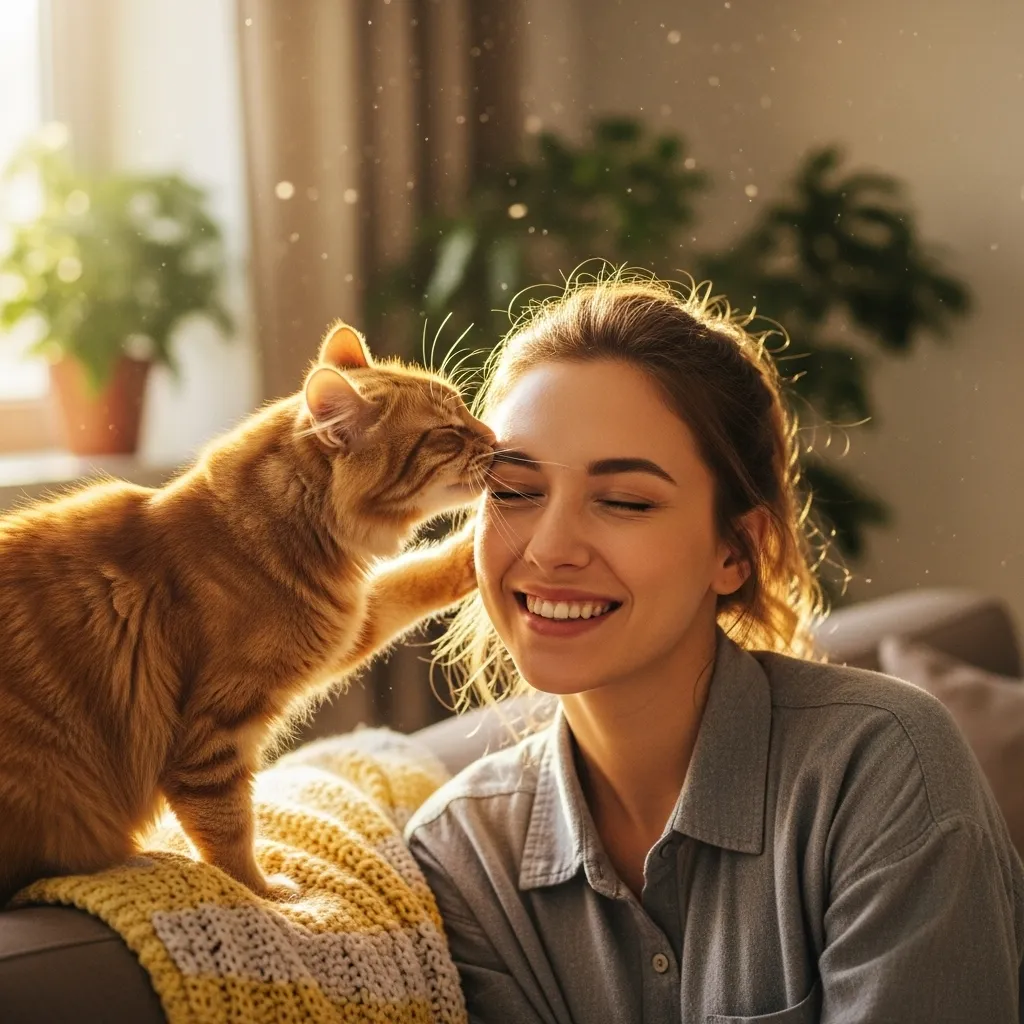
Fun Fact: A 2023 study in Journal of Feline Medicine found that cats who lick their owners regularly are more likely to exhibit other affectionate behaviors, like kneading. Read about kneading.
Cat Licking Trends: What’s Popular on Social Media?
The cat licking owner meaning TikTok trend has pet owners buzzing about what their cats’ licks mean. Videos often show cats licking their owners’ faces, hands, or even beards, sparking curiosity about why cats groom their owners. On platforms like YouTube and Pinterest, searches for why does my cat lick me and then bite me and how to know if your cat trusts you are trending, reflecting a growing interest in decoding cat communication.
Example: TikTok user @CatMomVibes shared a viral video of her Bengal cat licking her hand, captioned, “Is this love or is she just hungry?” The answer? Probably both!
FAQ: Quick Answers to Common Cat Licking Questions
Why does my cat lick me when I pet her?
It’s often a sign of affection, trust, or grooming behavior, as your cat sees you as family.
What does cat licking mean scientifically?
Licking is rooted in grooming instincts, with a cat’s rough tongue designed to clean and bond. It can also release endorphins, calming your cat.
Is my cat’s licking a sign of anxiety or stress?
Excessive licking, especially with other signs like hiding or aggression, could indicate stress. Check for environmental changes or consult a vet.
Can licking indicate health issues in my cat?
Yes, excessive licking may signal allergies, dental issues, or pain. Monitor for hair loss or skin changes and seek vet advice.
How can I stop my cat from licking me too much?
Use positive reinforcement, redirect with toys, and enrich their environment to reduce boredom or stress-driven licking.
Why does my cat lick me and then bite me?
This could be overstimulation, playful behavior, or a way to communicate boundaries. Watch their body language to avoid overwhelming them.
What are some signs my cat trusts me?
Licking, purring, headbutting, and slow blinking are all signs of trust and affection. Learn more about cat bonding.
Conclusion: Embrace Your Cat’s Licks and Build a Stronger Bond
Understanding why your cat licks you opens a window into their world of feline affection and communication. Whether it’s a sign of love, a grooming instinct, or a subtle call for attention, licking is a powerful way cats connect with their owners. By recognizing the reasons behind cat licking behavior—from bonding to potential health concerns—you can respond with care and strengthen your relationship.
At Cat Bloom Haven, we’re passionate about helping you decode your cat’s quirks and provide the best care. Explore more expert guides on cat grooming habits, cat behavior training, and understanding cat behavior to keep your feline friend happy and healthy.