Why My Cat Can’t Pee: Causes, Solutions, and Vet Advice
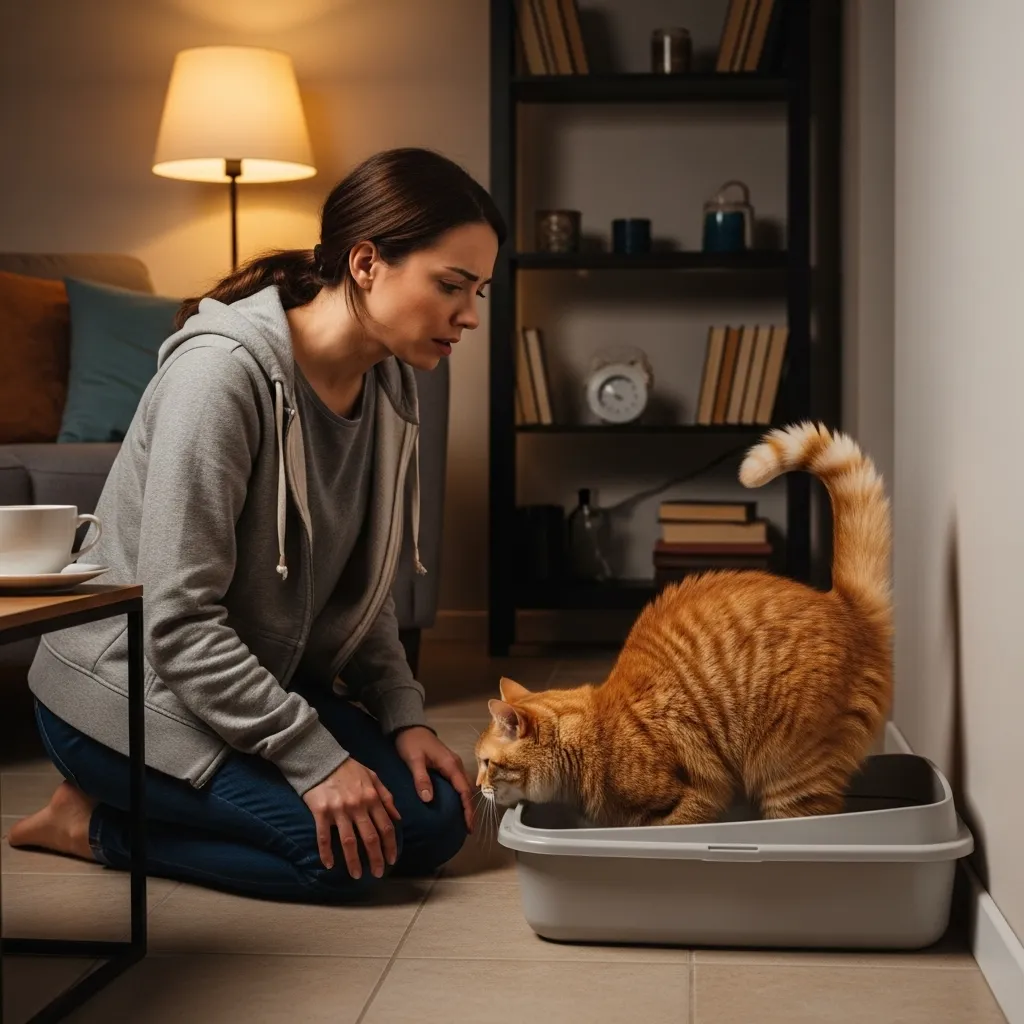
Is your cat straining in the litter box, producing little to no urine, or acting distressed? If you’re wondering, “Why can’t my cat pee?” you’re not alone and this is a critical issue that demands immediate attention. A cat not peeing can signal serious health problems like feline urinary tract disease (FLUTD), cat urinary blockage, or bladder issues that could become life-threatening if untreated. At Cat Bloom Haven, we’re here to guide you through the causes, warning signs, and actionable steps to help your feline friend get back to healthy urination.
In this comprehensive guide, you’ll discover the reasons behind cat urinary issues, how to spot emergencies, practical tips for prevention, and when to rush to the vet. Whether it’s a urinary tract infection, kidney stones, or a male cat urinary blockage, we’ve got you covered with expert-backed advice to keep your cat healthy and happy.
Key Takeaways for Cat Owners
- Urgent Issue: A cat unable to pee may have a urinary blockage, especially in male cats, which is a medical emergency requiring immediate vet care.
- Common Causes: Feline urinary tract disease (FLUTD), urinary tract infections (UTIs), kidney stones, or urethral obstructions can prevent urination.
- Warning Signs: Straining in the litter box, small urine amounts, blood in urine, or peeing outside the litter box are red flags.
- Prevention Tips: Proper hydration, a balanced urinary diet, and regular vet checkups can reduce risks.
- Action Plan: Monitor symptoms, avoid unproven home remedies, and consult a vet promptly for diagnosis and treatment.
Explore more about cat urinary health to keep your feline thriving.
Understanding Normal Cat Urination Patterns
Before diving into why your cat can’t pee, let’s establish what’s normal. Healthy cats typically urinate 2–4 times daily, producing small, consistent amounts of clear or pale yellow urine. The frequency and volume depend on factors like diet, water intake, and activity level.
What Influences Normal Urination?
- Diet: Wet food promotes hydration, leading to more frequent urination compared to dry kibble.
- Water Intake: Cats drinking plenty of water produce more urine, which flushes out toxins.
- Age and Size: Kittens urinate more frequently, while larger breeds like Maine Coons may produce more volume.
- Environment: Stress or dirty litter boxes can disrupt normal urination habits.
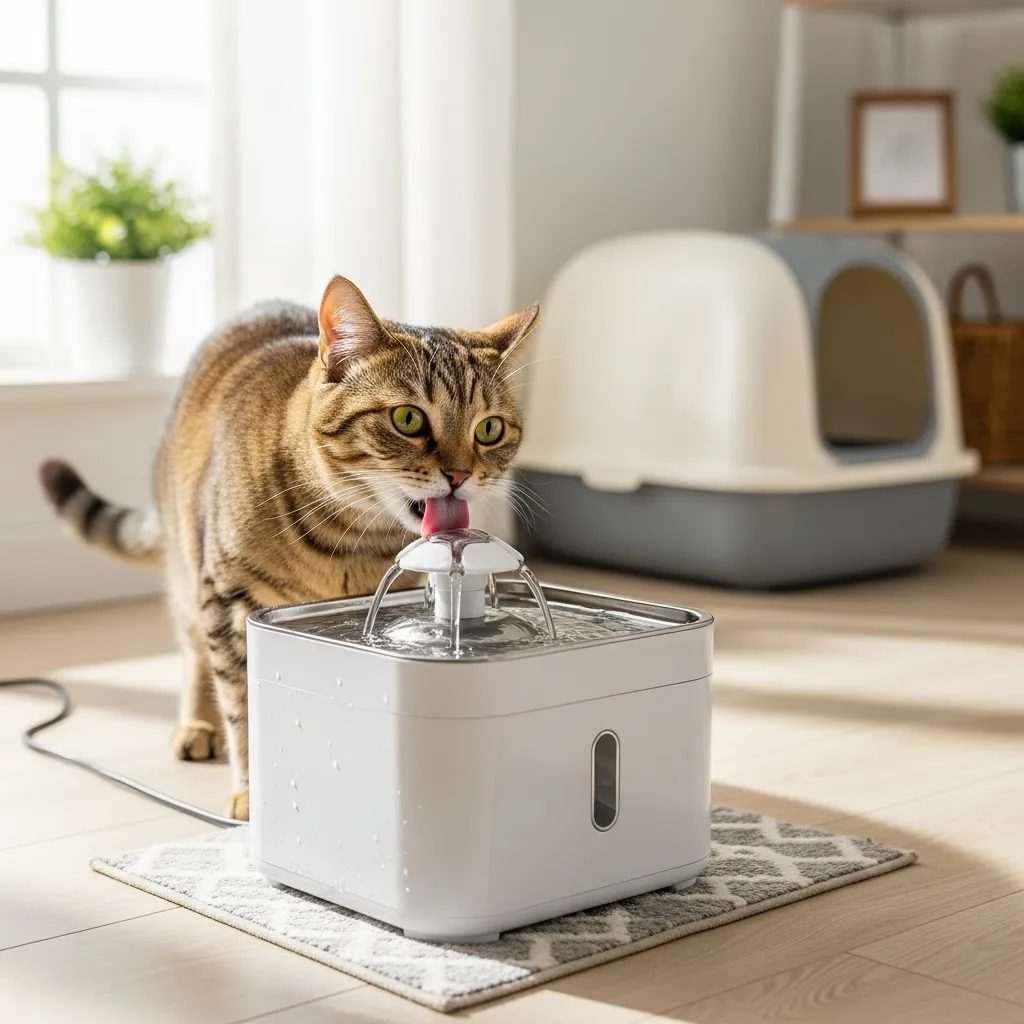
A healthy, hydrated cat shows no signs of straining or discomfort. If your cat’s urination habits change, it’s time to investigate. For more on maintaining hydration, check our cat hydration tips.
Why Can’t My Cat Pee? Spotting the Red Flags
If your cat can’t urinate or is struggling to do so, it’s a sign something’s wrong. Cats may show subtle or dramatic symptoms, so knowing what to look for is crucial.
Common Symptoms of Cat Urinary Issues
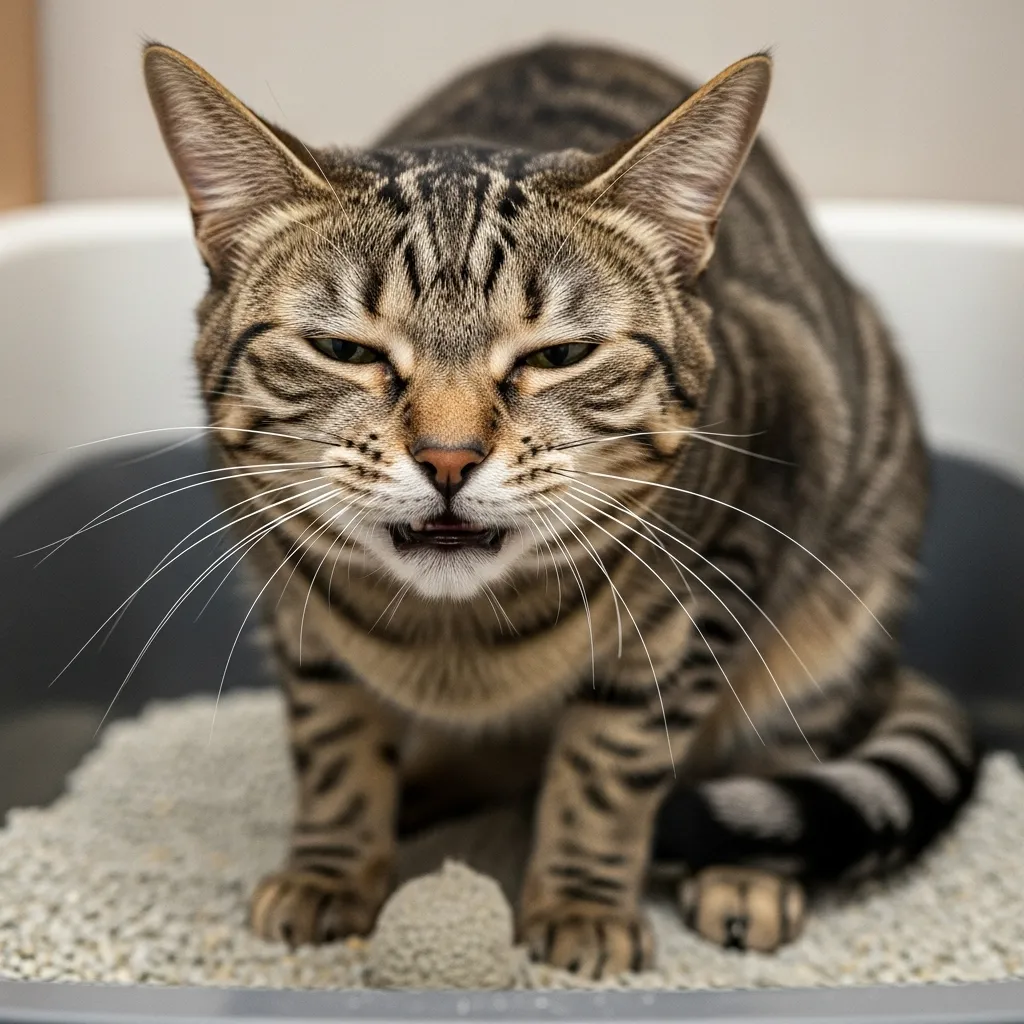
- Straining in the Litter Box: Your cat may crouch for long periods with little to no urine output.
- Peeing Small Amounts Frequently: Tiny dribbles or frequent trips to the litter box suggest irritation or blockage.
- Blood in Urine: Pink or red-tinged urine indicates inflammation or infection.
- Peeing Outside the Litter Box: Cats may urinate on cool surfaces like tiles if the litter box becomes painful.
- Vocalizing or Distress: Yowling while trying to pee signals discomfort or pain.
- Lethargy or Appetite Loss: These can accompany severe urinary issues like blockages.
- Cat Can’t Pee but Acting Normal: Some cats hide pain, making early detection tricky.
If your cat shows these signs, don’t wait. A vet visit is essential to diagnose the issue. Ignoring symptoms could lead to serious complications.
Common Causes of a Cat Not Peeing
Several conditions can prevent your cat from urinating normally. Below, we break down the most common culprits, from feline urinary tract disease to kidney stones.
1. Feline Urinary Tract Disease (FLUTD)
FLUTD is an umbrella term for disorders affecting the bladder and urethra. It’s one of the top reasons cats struggle to pee, affecting up to 3% of cats annually, according to veterinary studies.
- Causes: Stress, diet, infections, or bladder inflammation (cystitis).
- Symptoms: Straining, blood in urine, or peeing outside the litter box.
- Who’s at Risk?: All cats, but especially those under stress or on dry-food-only diets.
Learn more about cat health care to spot FLUTD early.
2. Cat Urinary Blockage
A urinary blockage, or urethral obstruction, is a life-threatening condition where the urethra becomes blocked, preventing urine flow. Male cats are more prone due to their narrower urethras.
- Causes: Mucus, crystals, or stones clogging the urethra.
- Symptoms: Complete inability to pee, vocalizing, or abdominal pain.
- Emergency Action: Rush to the vet immediately—blockages can be fatal within 24–48 hours.
For male cat owners, our guide on male cat neutering changes explains how neutering may reduce blockage risks.
3. Cat Urinary Tract Infection (UTI)
UTIs are bacterial infections in the bladder or urethra, causing inflammation and discomfort.
- Symptoms: Frequent urination, small urine amounts, or straining.
- Risk Factors: Dehydration, stress, or underlying conditions like diabetes.
- Treatment: Antibiotics prescribed by a vet after a urine test.
4. Cat Kidney Stones or Urinary Crystals
Kidney stones or bladder crystals (like struvite or calcium oxalate) can obstruct urine flow or irritate the bladder.
- Symptoms: Blood in urine, straining, or peeing small amounts frequently.
- Diagnosis: X-rays or ultrasounds to detect stones.
- Treatment: Dietary changes, medication, or surgery in severe cases.
5. Cat Bladder Problems
Bladder issues, like inflammation (cystitis) or tumors, can disrupt urination.
- Causes: Stress, infection, or genetics.
- Symptoms: Straining, vocalizing, or peeing outside the litter box.
- Breeds at Risk: Persians and Siamese may be more prone to bladder issues.
Discover more about breed-specific care in our Persian cat breed guide or Siamese cat guide.
6. Dehydration
Dehydration reduces urine output and concentrates urine, increasing the risk of crystals or infections.
- Signs: Dry gums, sunken eyes, or lethargy.
- Solution: Encourage water intake with fountains or wet food. See our cat hydration tips.
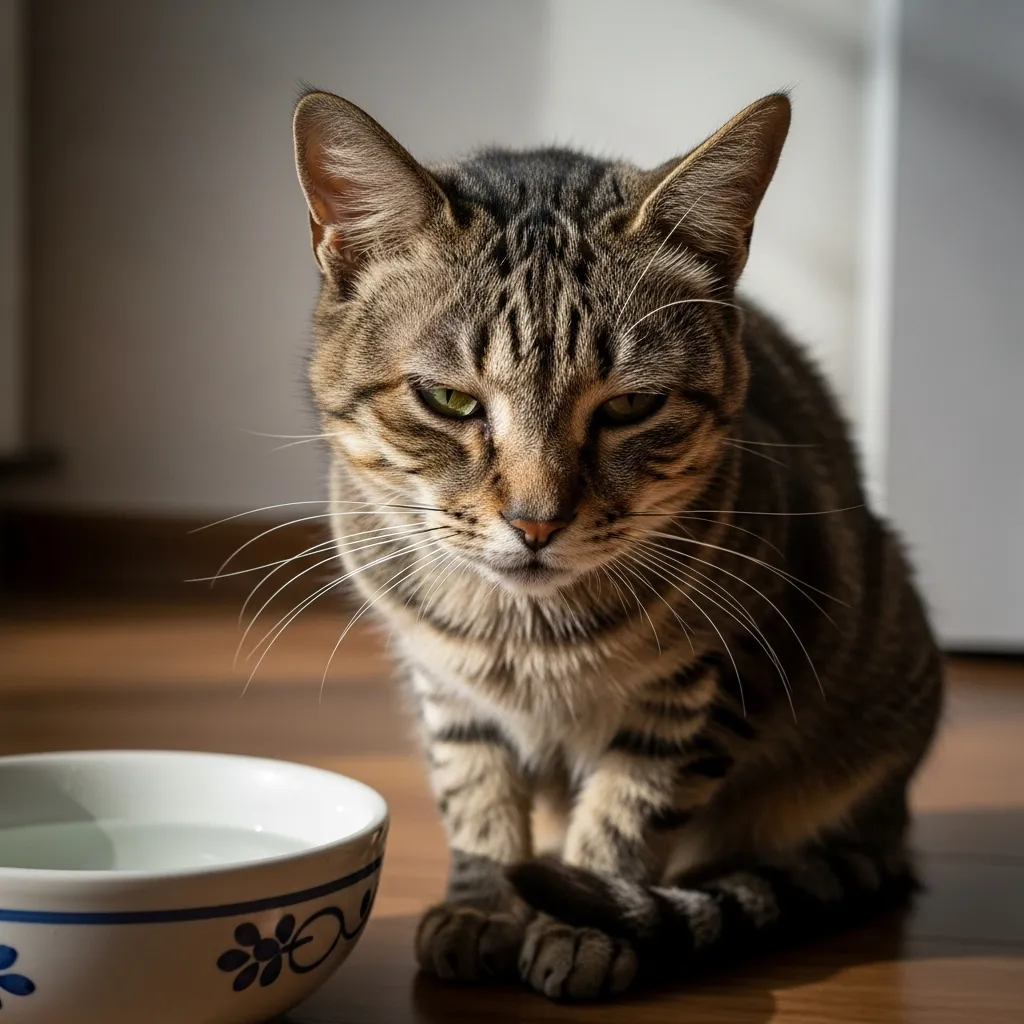
When It’s an Emergency: Cat Urinary Blockage
A cat urinary blockage is a true emergency. If your cat can’t pee at all, toxins build up in the blood, leading to kidney failure or death within hours.
Immediate Actions for a Suspected Blockage
- Observe Closely: Note if your cat is straining with no urine output or showing distress.
- Call Your Vet: Describe symptoms and request an urgent appointment.
- Avoid Home Remedies: Delaying vet care can worsen the situation.
- Monitor Behavior: If your cat is lethargic or vomiting, rush to an emergency vet.
For post-treatment care, check our cat catheter removal recovery guide.
Diagnosing Urinary Issues in Cats
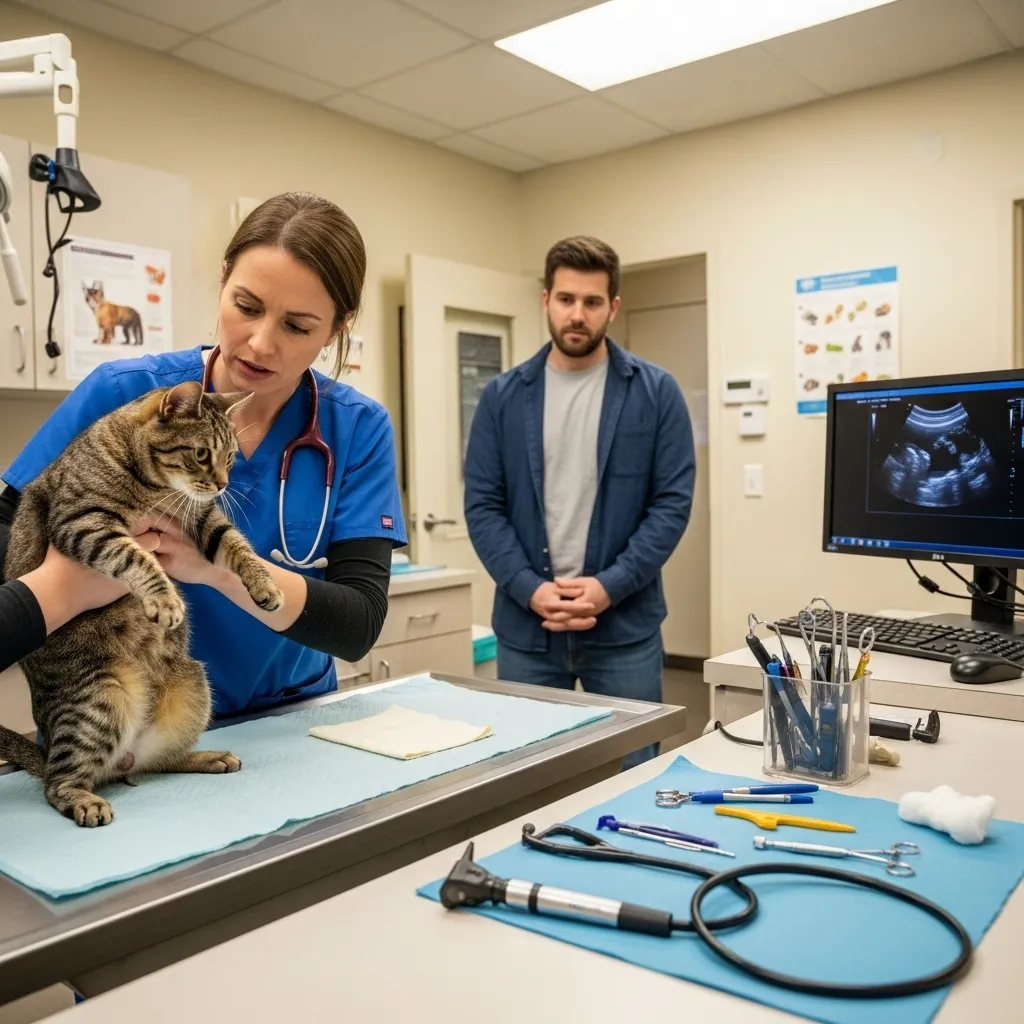
Vets use a combination of tests to pinpoint why your cat can’t pee. Expect:
- Physical Exam: Checking for a distended bladder or pain.
- Urinalysis: Tests for blood, bacteria, or crystals in urine.
- Imaging: X-rays or ultrasounds to detect stones or blockages.
- Bloodwork: Assesses kidney function and overall health.
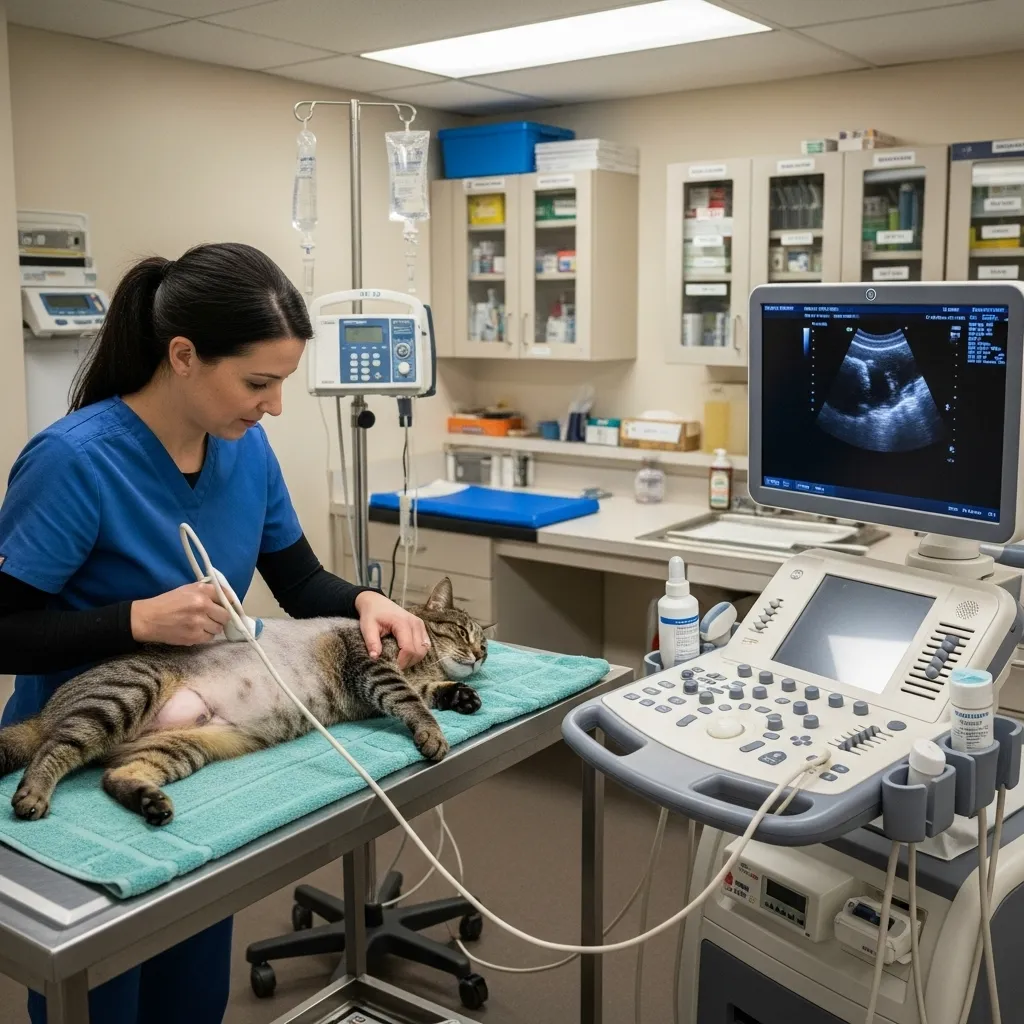
For a smooth vet experience, review our cat vet visit checklist.
Treatment Options for Cat Urinary Issues
Treatment depends on the cause but may include:
- Medications: Antibiotics for UTIs or pain relief for inflammation.
- Dietary Changes: Prescription urinary cat food to dissolve crystals or prevent stones.
- Surgery: For severe blockages or large kidney stones.
- Fluid Therapy: To correct dehydration or flush the bladder.
- Catheterization: To relieve blockages in emergencies.
For dietary advice, explore our guide on choosing cat food.
Preventing Cat Urinary Issues
Prevention is key to keeping your cat’s urinary system healthy. Here are vet-recommended strategies:
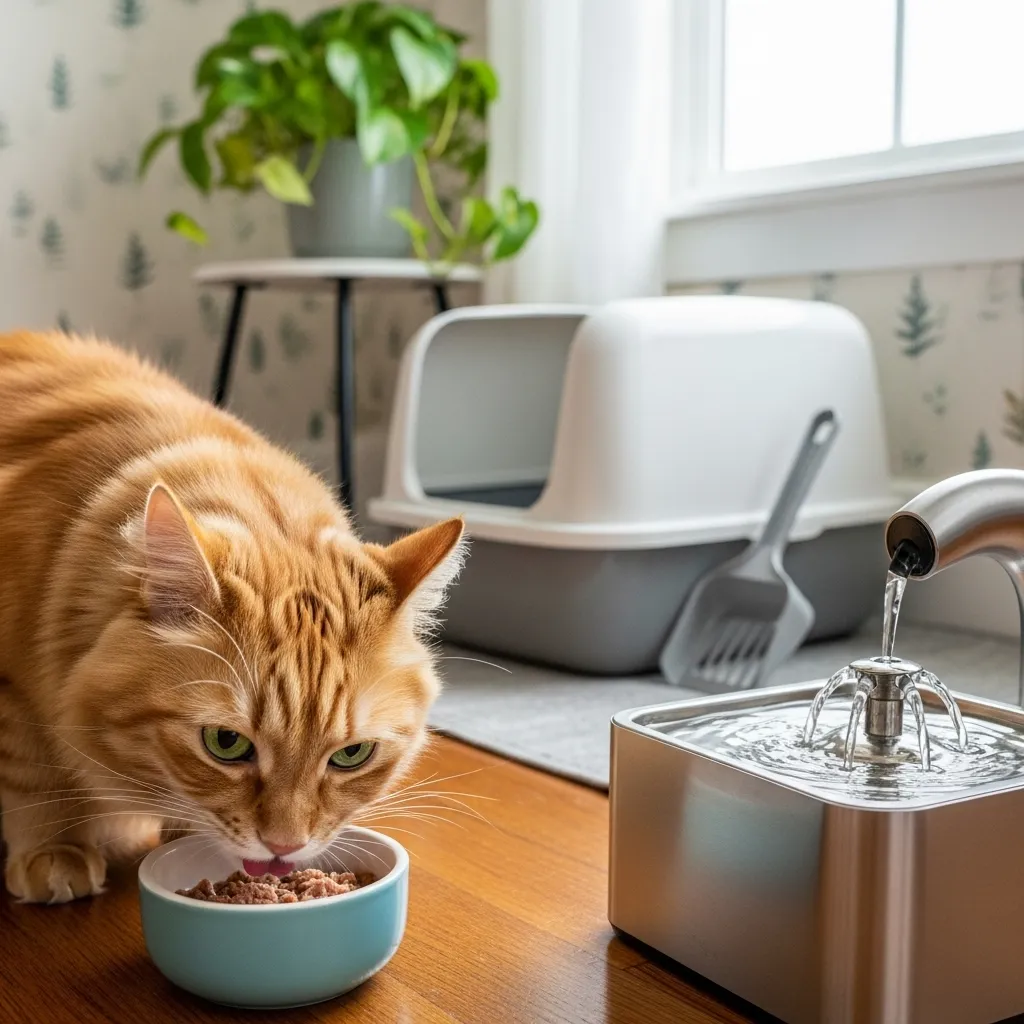
1. Promote Hydration
- Use a pet water fountain to encourage drinking.
- Feed wet food to increase moisture intake.
- Place multiple water bowls around the house.
2. Choose a Urinary-Friendly Diet
- Opt for high-quality wet or prescription urinary cat food.
- Avoid excessive dry food, which can dehydrate cats.
- Consult our cat food nutrition guide for tips.
3. Maintain a Clean Litter Box
- Scoop daily and clean the box weekly to prevent stress-related issues.
- Provide one litter box per cat, plus one extra.
- Learn more in our cat litter training guide.
4. Reduce Stress
- Create a calm environment with hiding spots and perches.
- Avoid sudden changes in routine.
- Check our cat stress signs guide for more.
5. Regular Vet Checkups
- Schedule annual exams to catch issues early.
- Monitor breeds prone to urinary issues, like Munchkins, with our Munchkin cat urinary issues guide.
Cat Urinary Blockage Home Remedies: Proceed with Caution
You may come across online suggestions for home remedies, but most are risky or ineffective. For example:
- Cranberry Juice/Supplements: May help human UTIs but lack evidence for cats and can upset digestion.
- Herbal Remedies: Unregulated and potentially toxic to cats.
- Forcing Water: Can stress your cat without addressing the root cause.
Vet Advice: Always consult a vet before trying home treatments. Delaying professional care can worsen conditions like blockages.
Special Considerations for Male Cats
Male cats are at higher risk for urinary blockages due to their narrow urethras. Neutering can reduce stress-related issues, but blockages remain a concern, especially in breeds like Persians or Siamese. Monitor male cats closely for signs like straining or vocalizing.
For more on male cat health, see our male cat neutering guide.
FAQ: Quick Answers to Common Questions
What could be causing my cat’s inability to urinate?
Causes include FLUTD, urinary blockages, UTIs, kidney stones, or dehydration. Consult a vet for a proper diagnosis.
What is the normal urination frequency for a cat?
Healthy cats urinate 2–4 times daily, depending on diet and water intake.
What signs indicate my cat is having trouble urinating?
Look for straining, small urine amounts, blood in urine, or peeing outside the litter box.
How is feline urinary tract disease diagnosed?
Vets use urinalysis, imaging, and physical exams to diagnose FLUTD or other issues.
What should I do if I suspect my cat has a urinary blockage?
Rush to the vet immediately—blockages are life-threatening within 24–48 hours.
Why is my cat peeing outside the litter box?
Pain, stress, or a dirty litter box can cause this. Check our stop cat peeing everywhere guide.
Could kidney stones be affecting my cat’s ability to pee?
Yes, kidney stones or crystals can block urine flow, requiring vet diagnosis and treatment.
Are male cats more susceptible to urinary blockages?
Yes, male cats have narrower urethras, increasing blockage risk.
How can I prevent urinary issues in my cat?
Encourage hydration, feed a balanced diet, maintain clean litter boxes, and schedule regular vet visits.
For more FAQs, explore our cat health care guide.
Conclusion: Keep Your Cat’s Urinary Health in Check
A cat that can’t pee is facing a serious health issue, whether it’s a urinary blockage, FLUTD, or another condition. By recognizing symptoms early, seeking prompt vet care, and taking preventive steps like proper hydration and diet, you can protect your feline friend from pain and complications. At Cat Bloom Haven, we’re dedicated to helping you understand your cat’s needs and keep them thriving.
Don’t wait if you notice signs like straining or peeing outside the litter box. Schedule a vet visit and explore our detailed guides on cat urinary health, cat hydration tips, and choosing cat food for more expert advice. Your cat’s health is worth it!