How to Remove Cat Hair from Carpet: The Ultimate Guide for Cat Owners
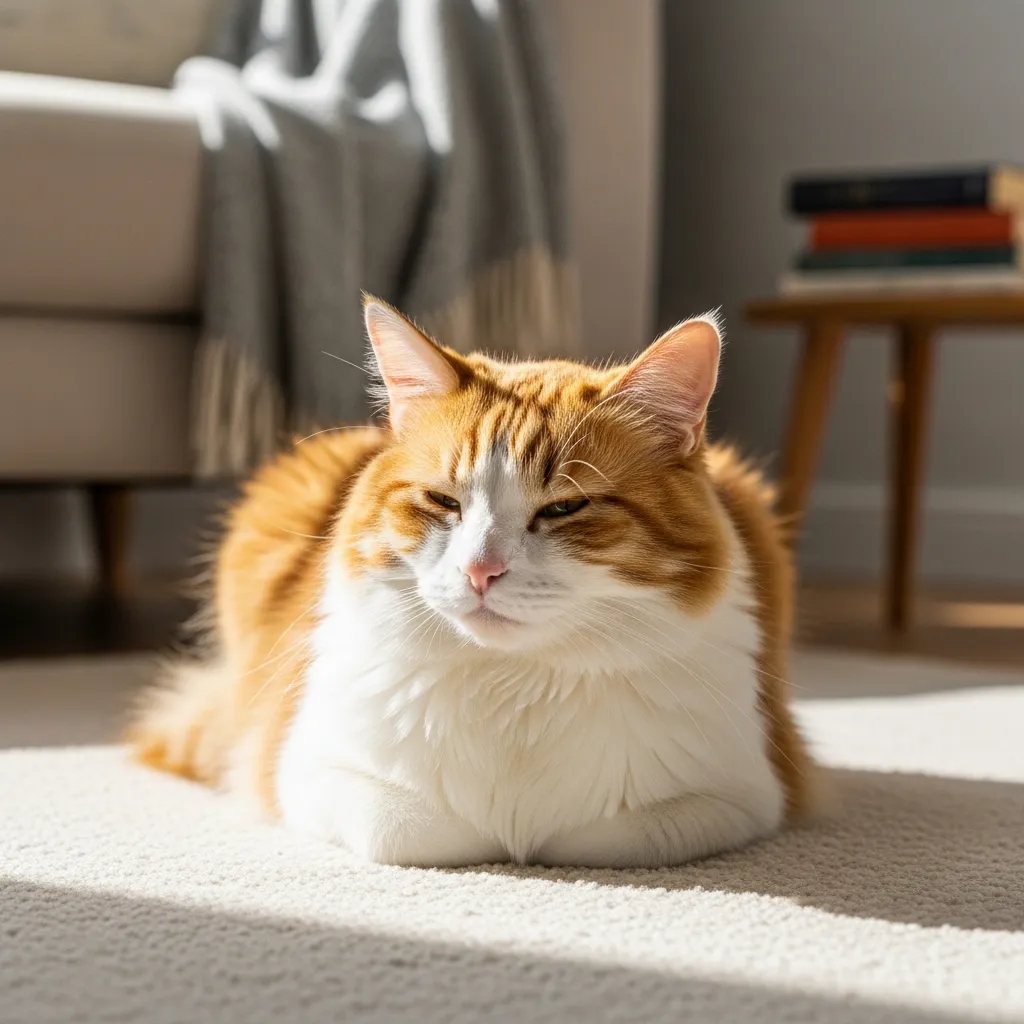
Cat hair on your carpet can feel like an endless battle, especially during shedding season. If you’re a cat owner, you know the struggle: those fluffy tumbleweeds drifting across your floor, clinging to every fiber, and making your home look less than pristine.
But don’t worry removing cat hair from your carpet doesn’t have to be a chore. In this comprehensive guide, we’ll walk you through proven techniques, innovative tools, and expert-backed tips to get cat hair out of your carpet effectively. From quick hacks to long-term solutions, you’ll learn how to keep your carpets fur-free while keeping your feline friend happy and healthy.
Here’s what you’ll discover:
- Why cat hair sticks to carpets and how to tackle it.
- Step-by-step methods for cleaning cat hair from carpets.
- The best tools and products for pet hair removal in 2025.
- Preventative tips to reduce shedding and maintain a clean home.
- Eco-friendly and budget-friendly solutions for every cat owner.
Let’s dive in and make your carpets as clean as your cat’s favorite napping spot!
Key Takeaways for Removing Cat Hair from Carpet
- Understand the problem: Cat hair clings to carpets due to static electricity, oils, and shedding patterns.
- Use the right tools: Vacuums with pet-specific attachments, lint rollers, and squeegees are game-changers.
- Try DIY hacks: Baking soda, fabric softener, and damp gloves can lift hair effectively.
- Prevent buildup: Regular grooming and home maintenance reduce cat hair on carpets.
- Eco-friendly options: Opt for reusable tools and natural cleaning solutions to stay sustainable.
For more cat care insights, check out our guide on cat grooming and shedding to keep your home fur-free.
Why Cat Hair Clings to Carpets (And Why It’s So Hard to Remove)
Cat hair isn’t just a visual nuisance—it’s a scientific challenge. Here’s why it sticks so stubbornly to your carpet:
- Static Electricity: Cat hair carries a slight charge, making it cling to carpet fibers like a magnet. This is especially true in dry environments or during winter months.
- Natural Oils: Cats produce oils in their skin that transfer to their fur, making it stickier and harder to vacuum up.
- Carpet Texture: The rough, fibrous surface of carpets traps hair, especially in high-pile or shag styles.
- Shedding Season: Cats like Bengals or Norwegian Forest Cats shed heavily in spring and fall, leaving more hair to embed in your carpet. Learn more about breed-specific shedding in our Bengal cat guide.
Understanding these factors helps you choose the right cleaning strategy. Let’s explore the best methods to tackle this furry problem.
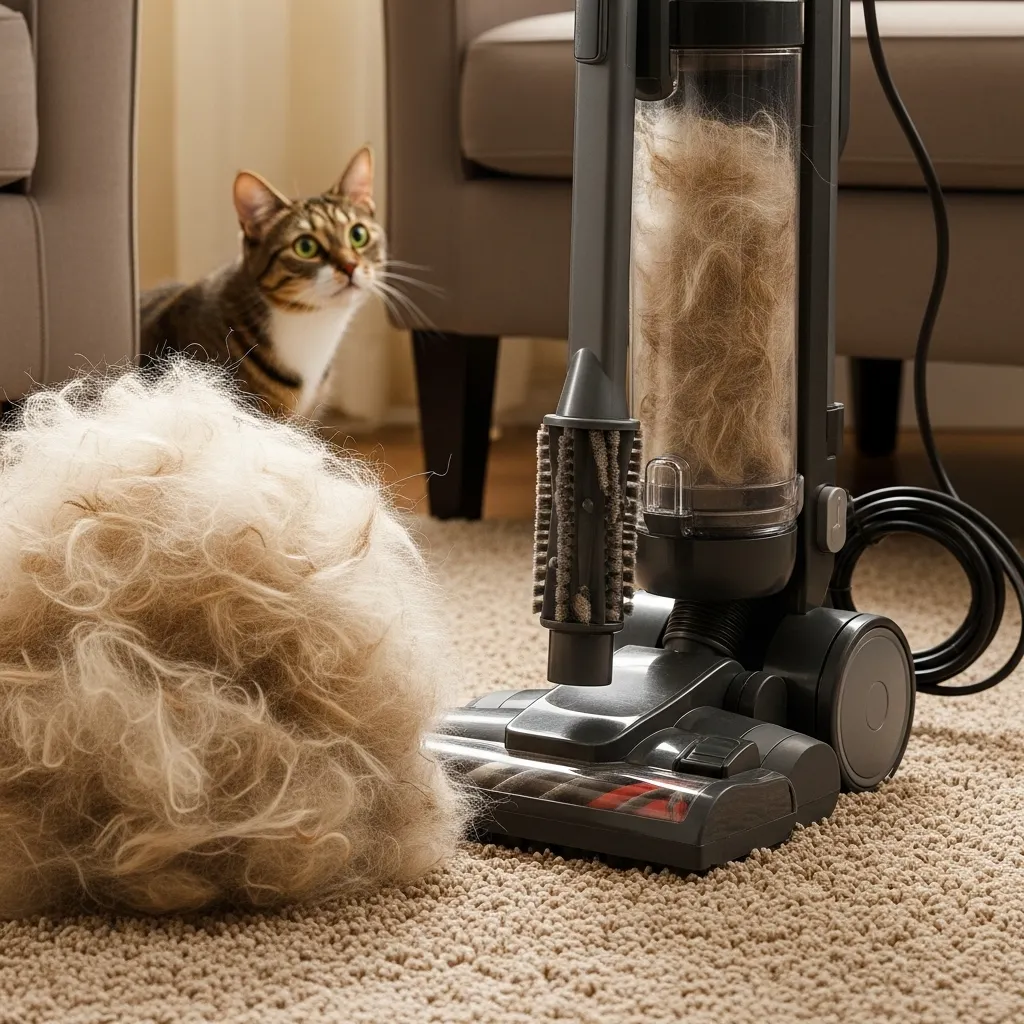
Best Methods to Remove Cat Hair from Carpet
Here are the most effective, vet-approved, and cat-owner-tested techniques for cleaning cat hair from carpets. Each method is practical, budget-friendly, and designed to save you time.
1. Vacuuming: The Go-To Solution for Pet Hair
A high-quality vacuum is your first line of defense. Not all vacuums are created equal, though—pet-specific models make a huge difference.
Steps for Effective Vacuuming:
- Choose the right vacuum: Look for one with a HEPA filter and pet hair attachments, like a turbo brush or upholstery tool.
- Vacuum slowly: Move in multiple directions (back-and-forth and side-to-side) to loosen embedded hair.
- Empty frequently: Pet hair can clog filters, reducing suction power.
- Use attachments: Crevice tools and pet brushes are perfect for stairs and corners.
Recommended Vacuums for 2025:
| Vacuum Model | Key Features | Price Range |
|---|---|---|
| Dyson V15 Detect | Laser dust detection, pet hair screw tool | $600–$800 |
| Shark Pet Pro | Self-cleaning brush roll, anti-allergen seal | $200–$300 |
| Bissell Pet Hair Eraser | Tangle-free brush, pet turbo eraser tool | $150–$250 |
Pro Tip: Vacuum at least twice a week during shedding season. For tips on managing shedding, see our Norwegian Forest cat grooming guide.
2. The Squeegee Method: A TikTok-Famous Hack
A window squeegee isn’t just for glass it’s a surprisingly effective tool for removing cat hair from carpets. The rubber edge grabs hair like magic.
How to Use a Squeegee:
- Choose a clean, dry window squeegee with a rubber blade.
- Drag it across the carpet in short, firm strokes.
- Collect the hair clumps that gather at the edge.
- Vacuum or sweep up the loosened hair.
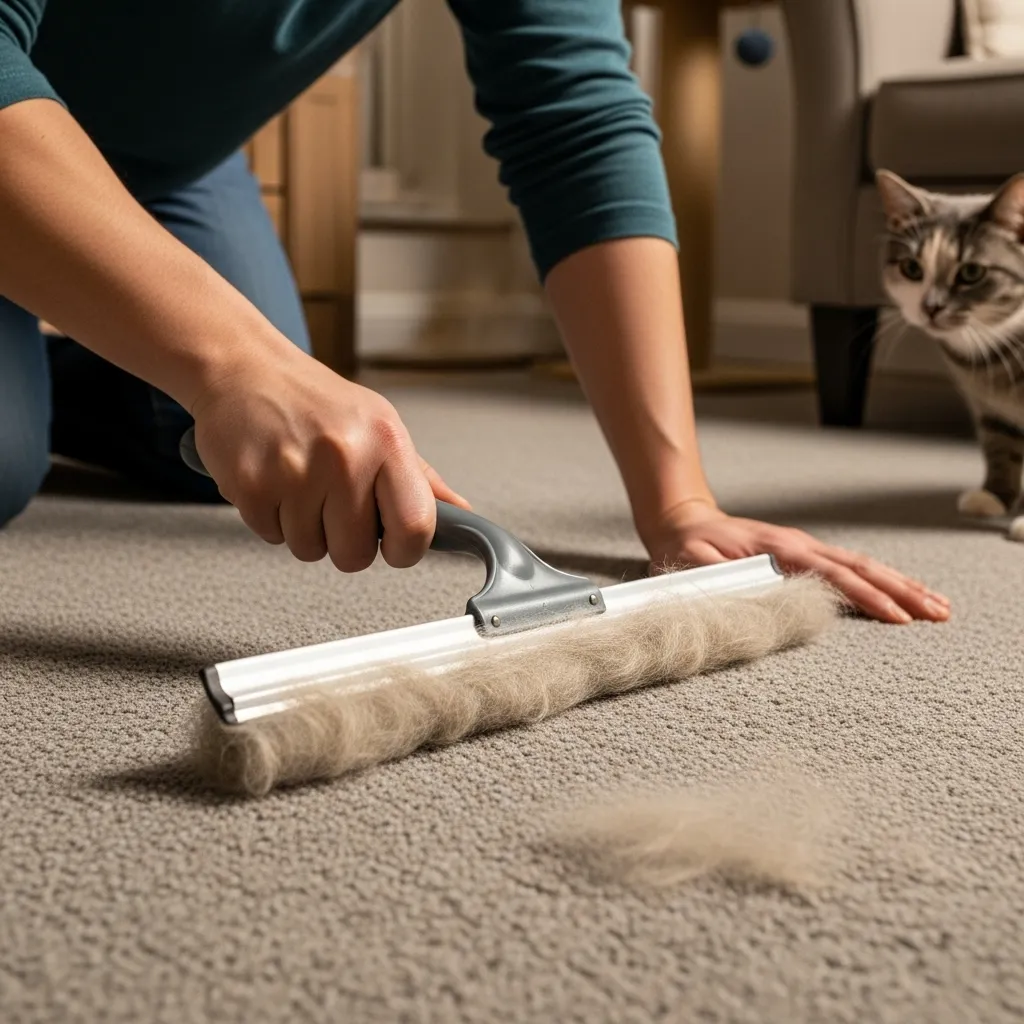
Why It Works: The rubber creates friction, pulling hair out of carpet fibers without damaging them. This method went viral on TikTok in 2024 and remains a favorite in 2025 for its simplicity.
Eco-Friendly Bonus: Squeegees are reusable and chemical-free, making them a sustainable choice.
3. Baking Soda: A Natural Deodorizer and Hair Loosener
Baking soda doesn’t just freshen carpets—it helps loosen cat hair for easier removal.
Steps for Baking Soda Cleaning:
- Sprinkle a thin layer of baking soda over the carpet.
- Let it sit for 15–20 minutes to neutralize odors and break down oils.
- Vacuum thoroughly to remove both the baking soda and loosened hair.
Why It Works: Baking soda absorbs oils and reduces static, making hair less sticky. It’s also safe for homes with cats and kids. For more family-friendly pet care tips, check out Ragdoll cats and kids.
4. Fabric Softener Spray: A Budget-Friendly DIY Trick
Fabric softener can reduce static electricity, making cat hair easier to remove.
How to Make and Use Fabric Softener Spray:
- Mix 1 part liquid fabric softener with 3 parts water in a spray bottle.
- Lightly mist the carpet (don’t soak it).
- Let it sit for 5 minutes, then vacuum or use a lint roller.
Caution: Test a small area first to ensure the solution doesn’t discolor your carpet. Avoid overusing, as residue can attract dirt.
Why It Works: The softener neutralizes static and loosens hair, making it ideal for quick cleanups.
5. Damp Rubber Gloves: A Hands-On Approach
Got a pair of rubber dish gloves? They’re a fantastic tool for grabbing cat hair.
How to Use Rubber Gloves:
- Slightly dampen a pair of clean rubber gloves.
- Run your hands over the carpet in sweeping motions.
- Rinse off the hair clumps as they collect on the gloves.
- Vacuum any remaining loose hair.
Why It Works: The damp rubber creates friction and static, pulling hair out of the carpet. It’s perfect for small areas or spot cleaning.
6. Lint Rollers and Sticky Tape: Quick Fixes for Small Areas
For targeted cleaning, lint rollers or packing tape work wonders.
How to Use:
- Roll a lint roller over the carpet in short strokes.
- For tape, wrap it around your hand (sticky side out) and pat the carpet.
- Replace sheets or tape as they fill with hair.
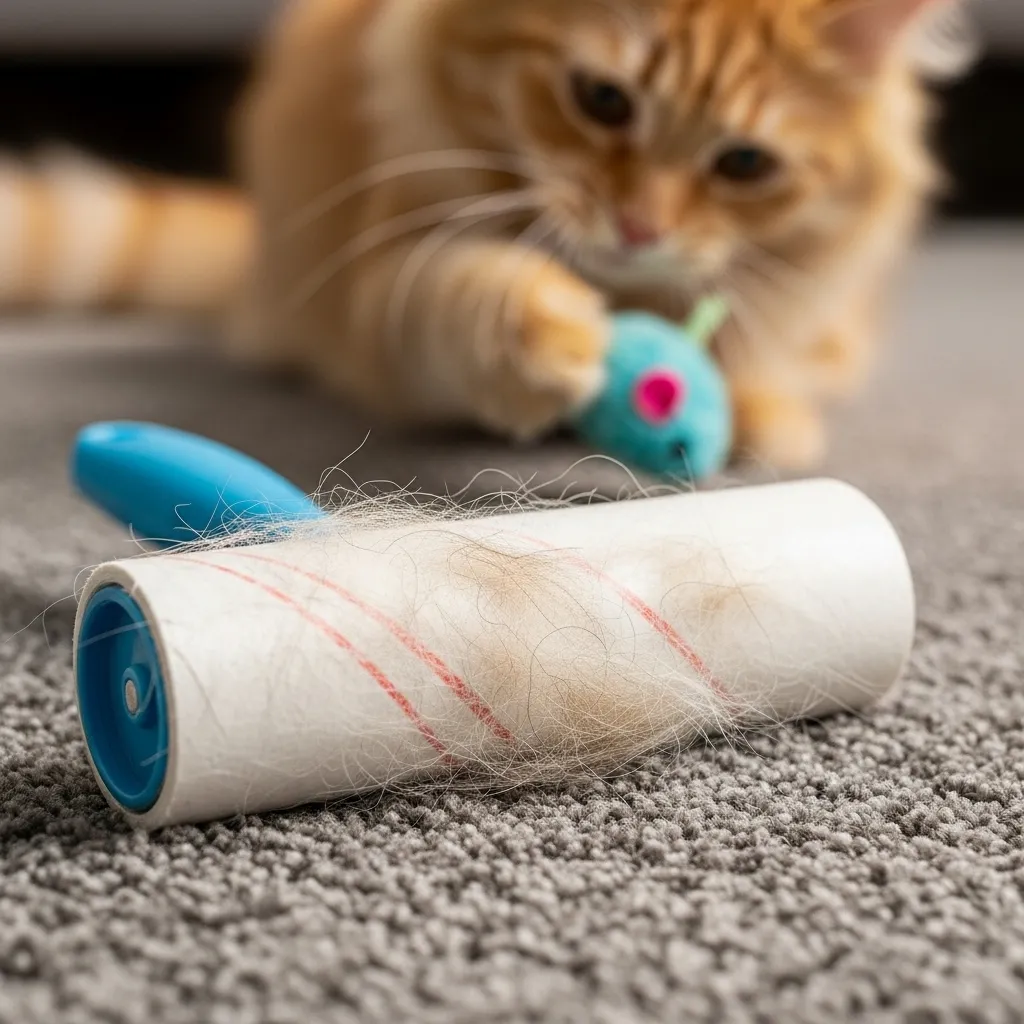
Pro Tip: Keep a lint roller handy for daily touch-ups, especially in high-traffic areas like your cat’s favorite lounging spot.
Best Pet Hair Removal Tools for 2025
Investing in the right tools can save you hours of cleaning. Here are the top cat hair removal tools trending in 2025:
| Tool | Best For | Price | Where to Use |
|---|---|---|---|
| ChomChom Roller | Deep-set hair | $25–$35 | Carpets, furniture |
| Furminator Deshedding Tool | Grooming to reduce shedding | $30–$50 | Directly on cats |
| OXO FurLifter | Portable cleaning | $15–$20 | Small carpet areas |
| Rubber Broom | Large areas, static control | $20–$30 | Carpets, hard floors |
For more on grooming tools, explore our Munchkin cat shedding tips.
Preventing Cat Hair Buildup: Long-Term Strategies
Cleaning is only half the battle—preventing hair buildup is key to maintaining fur-free carpets. Here’s how:
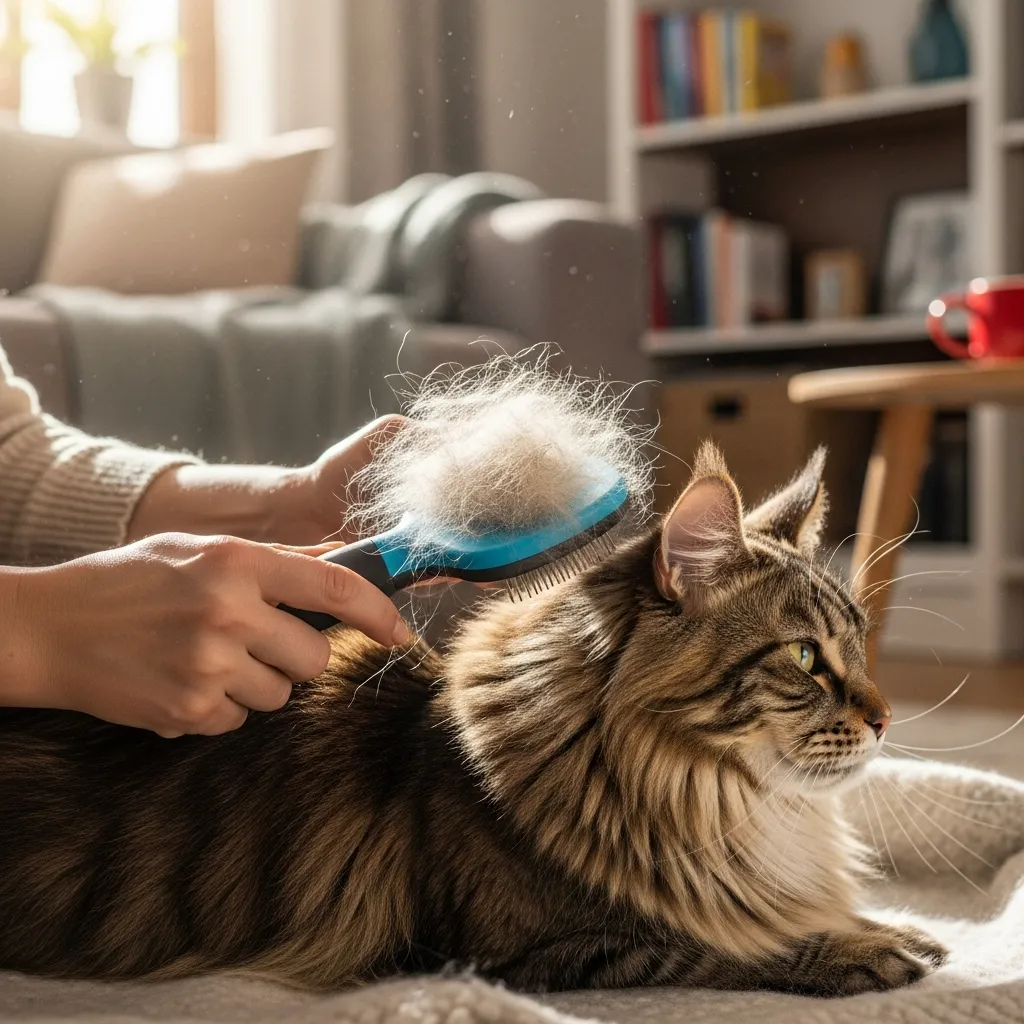
1. Groom Your Cat Regularly
Regular grooming reduces the amount of loose hair your cat leaves behind.
- Brush Daily: Use a deshedding tool like the Furminator for breeds like Maine Coons or Persians, which shed heavily.
- Bathe Sparingly: Baths can reduce oils but should be done carefully. Learn how in our Bengal cat bathing guide.
- Diet Matters: Feed high-quality food to promote healthy skin and reduce excessive shedding. See our best wet cat food guide for recommendations.
2. Control Static Electricity
Static makes hair cling worse. Here’s how to minimize it:
- Use a humidifier to keep indoor humidity at 40–60%.
- Avoid synthetic carpets if possible; natural fibers like wool attract less hair.
- Spray a light mist of water before vacuuming to reduce static.
3. Create Cat-Free Zones
Designate areas where your cat doesn’t roam, like bedrooms, to limit hair spread. Use pet gates or train your cat to stay off certain areas. Check out our cat training behavior guide for tips.
4. Wash Cat Bedding Regularly
Cat beds and blankets are hair magnets. Wash them weekly in hot water to prevent hair from transferring to carpets.
5. Use Carpet-Friendly Cat Litter
Some litters, like clay-based ones, can stick to your cat’s paws and mix with hair on carpets. Opt for low-dust, non-tracking litter. Learn more in our cat litter training guide.
Eco-Friendly Cat Hair Removal Tips
Want to clean sustainably? Try these eco-friendly methods:
- Reusable Tools: Opt for rubber brooms or washable lint rollers over disposable ones.
- Natural Cleaners: Use baking soda or vinegar instead of chemical sprays.
- DIY Solutions: Make your own fabric softener spray with natural ingredients like diluted vinegar.
For more green pet care ideas, check out our cat grass care guide.
Cat Shedding Season Tips
Shedding peaks in spring and fall, making carpet cleaning tougher. Here’s how to stay ahead:
- Increase grooming frequency to twice daily.
- Vacuum daily during peak shedding months (March–May and September–November).
- Use a dehumidifier to control static during dry seasons.
For breed-specific shedding advice, explore our Norwegian Forest cat care guide.
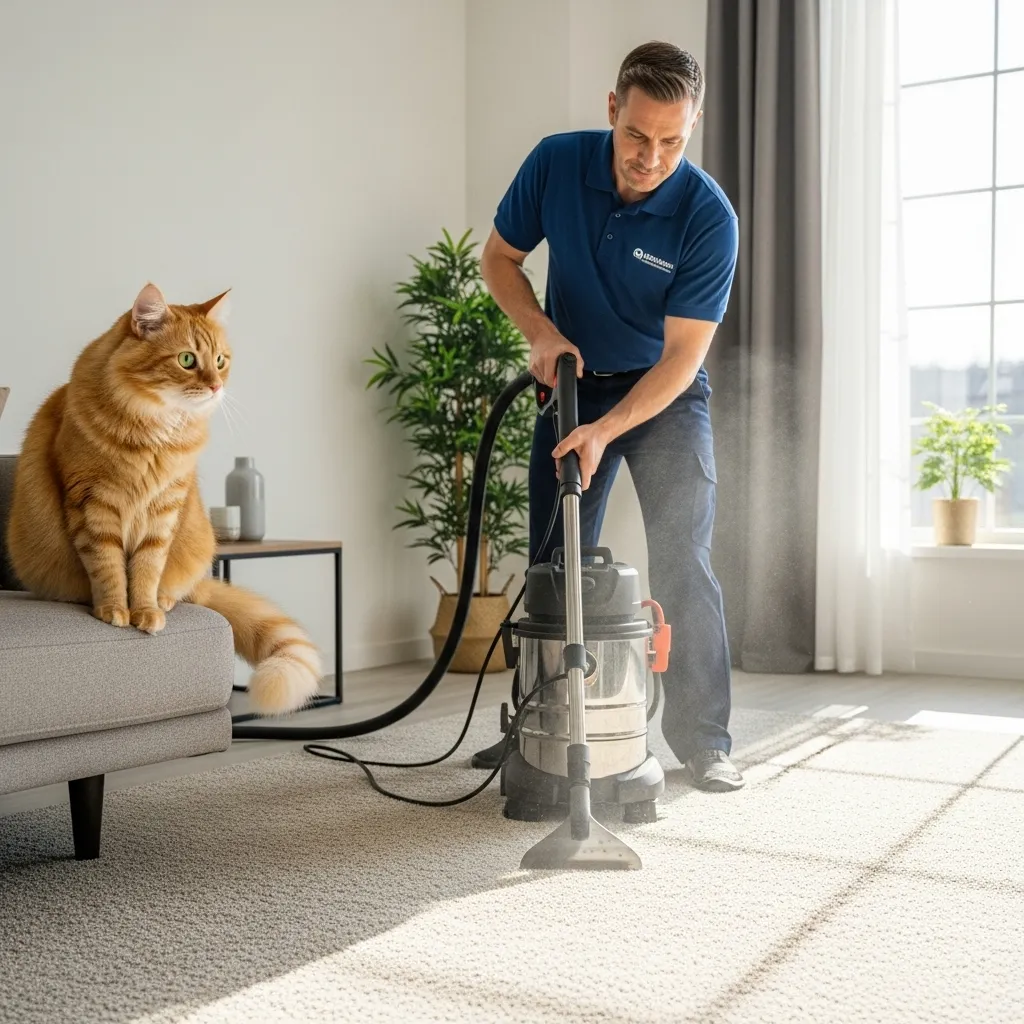
When to Call a Professional
If cat hair is deeply embedded or your carpet smells despite cleaning, it might be time for professional help. Professional carpet cleaners use steam cleaning or hot water extraction to remove hair and odors. Expect to pay $100–$300 depending on room size.
Signs You Need a Pro:
- Persistent pet odors.
- Hair embedded in high-pile carpets.
- Stains or matting from hair and oils.
FAQ: Your Cat Hair Removal Questions Answered
What’s the best way to remove cat hair from carpet?
Vacuuming with a pet-specific vacuum, using a squeegee, or applying baking soda are the most effective methods. Combine them for best results.
Can fabric softener help with cat hair removal?
Yes, a diluted fabric softener spray reduces static, making hair easier to vacuum. Test on a small area first to avoid discoloration.
Why does cat hair stick to carpets?
Static electricity, natural oils, and carpet texture cause hair to cling. Regular grooming and humidity control can help.
What tools are best for cat hair removal from carpet?
Pet vacuums, squeegees, rubber gloves, and lint rollers are top choices. The ChomChom Roller is great for deep-set hair.
How can I prevent cat hair buildup on carpets?
Groom your cat regularly, use a humidifier, and wash pet bedding weekly to minimize loose hair.
Are there eco-friendly ways to clean cat hair from carpets?
Yes, use reusable tools like rubber brooms and natural cleaners like baking soda or vinegar for sustainable cleaning.
For more pet hair solutions, explore our pet hair removal tips.
Conclusion: Keep Your Carpets Fur-Free and Your Cat Happy
Removing cat hair from your carpet doesn’t have to be a daily struggle. With the right tools—like a pet-specific vacuum or a trusty squeegee—and smart prevention strategies, you can keep your home clean and cozy. Regular grooming, eco-friendly hacks, and a little know-how go a long way in managing shedding and maintaining a fur-free carpet.
Ready to take your cat care game to the next level? Explore more expert tips on cat health care or dive into our cat grooming and shedding guide at Cat Bloom Haven. Your cat and your carpets will thank you!