The Ultimate Guide to Cat Fashion Trends: More Than Just Aesthetic, A Reflection of Feline Well-being
Key Takeaways: What This Guide Covers
- The evolution of cat fashion from functional to expressive
- How to choose safe, comfortable fashion items for your cat
- Current trends dominating 2025: sustainable materials, smart accessories, and breed-specific designs
- The psychological impact of clothing on feline behavior
- Practical safety guidelines every cat owner must know
- How to introduce fashion items to resistant cats
- The intersection of fashion, function, and feline health
Introduction: The Rise of Feline Fashion Culture
The cat fashion trend has transformed from occasional novelty costumes to a sophisticated, multi-million dollar industry. What began with simple Halloween outfits has evolved into a thoughtful expression of pet care, personality, and the human-animal bond. Today, dressing our feline companions represents more than aesthetic appeal; it reflects our understanding of their comfort, safety, and individual personality.
At Cat Bloom Haven, we’ve observed this evolution firsthand through our extensive research on cat behavior and wellness. The modern cat fashion trend isn’t about forcing cats into uncomfortable costumes, but rather about enhancing their lives through thoughtfully designed accessories that serve both practical and expressive purposes. This guide will explore how to navigate this trend responsibly while prioritizing your cat’s well-being.
Understanding Your Cat’s Unique Needs First
Before exploring specific cat fashion trends, it’s crucial to understand that not all cats are candidates for clothing. Felines have unique sensory needs, temperature regulation systems, and psychological responses to physical constraints. Some breeds adapt better to clothing than others.
For example, hairless breeds like Sphynx cats often require sweaters for warmth, making fashion functional. Meanwhile, long-haired breeds like Maine Coons might find additional layers uncomfortable in warmer climates. Understanding your cat’s breed-specific needs is essential. You can explore breed characteristics in our comprehensive American Shorthair cats guide and Bengal cat guide for specific insights.

The Safety-First Approach: Non-Negotiable Standards
Material Considerations
The most fashionable item becomes dangerous if made from unsafe materials. Always prioritize:
- Breathable, natural fabrics (cotton, bamboo, wool blends)
- Non-toxic dyes and finishes
- Smooth seams that won’t chafe sensitive skin
- Secure, but not restrictive, fastenings
- No loose threads, beads, or small parts that could be ingested
Proper Fit Guidelines
An ill-fitting garment can cause stress, restricted movement, or even injury. Follow these measurements:
- Neck: One finger should fit comfortably between collar and neck
- Chest: Measure the widest part, then add 1-2 inches
- Length: Should not extend beyond the base of the tail
- Leg openings: Must not restrict shoulder or hip movement
Pro Tip: Observe your cat’s body language for signs of discomfort. If they’re freezing, excessively licking the garment, or trying to remove it, the item likely doesn’t fit properly or they’re not ready for clothing. Learn more about reading feline signals in our guide on what is my cat thinking.
2025 Cat Fashion Trends: What’s Dominating the Market
1. Sustainable and Eco-Conscious Materials
The cat fashion trend for 2025 strongly emphasizes sustainability. Pet owners increasingly seek:
- Organic cotton and hemp blends
- Recycled materials from plastic bottles
- Biodegradable accessories
- Natural dye options
- Locally sourced and manufactured items
This shift aligns with broader environmental consciousness and reflects understanding that our pets’ accessories should minimize ecological impact.
2. Smart Technology Integration
Functional fashion dominates with tech-enhanced items:
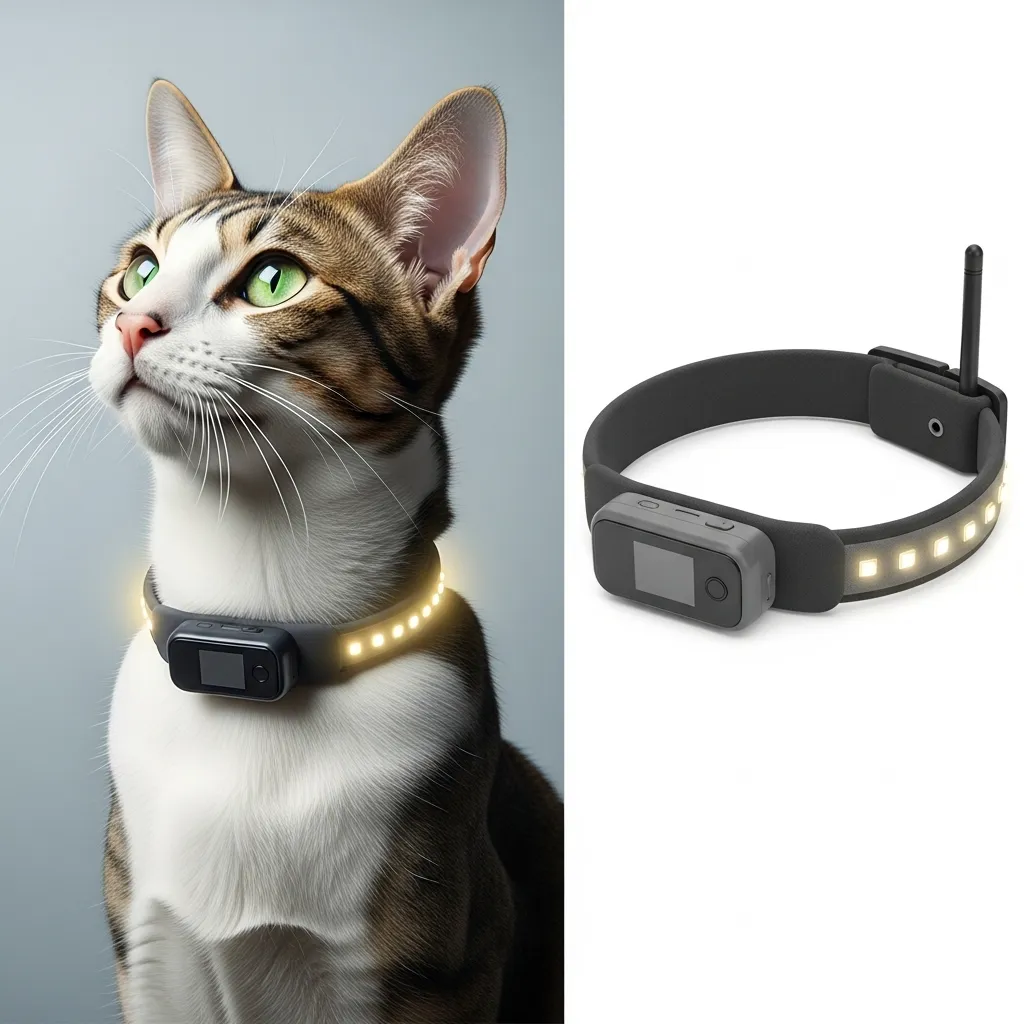
- GPS-enabled collars with sleek designs
- Temperature-regulating fabrics that adapt to environment
- Reflective materials for nighttime visibility
- Health-monitoring vests (tracking heart rate, activity levels)
- LED safety collars with customizable light patterns
3. Breed-Specific and Custom Tailoring
One-size-fits-all approaches are fading. Current trends favor:
- Patterns designed for specific body types (long-torso vs. stocky builds)
- Custom measurements becoming more accessible
- Breed-inspired designs that celebrate unique characteristics
- Adjustable features for growing kittens or weight fluctuations
For breed-specific considerations, explore our resources on Persian cat breed characteristics and Siamese cat personality traits.
4. Therapeutic and Functional Fashion
Beyond aesthetics, many items now serve health purposes:
- Compression vests for anxiety (like Thundershirts)
- Post-surgical recovery suits as alternatives to cones
- UV-protective fabrics for light-sensitive or hairless cats
- Joint-support sweaters with gentle compression
- Allergy-reducing materials for sensitive cats
Learn about managing feline stress in our guide to cat stress signs.
Introducing Fashion to Your Cat: A Step-by-Step Protocol
Phase 1: Preparation and Desensitization (Days 1-7)
- Leave items in their environment without putting them on
- Rub items with familiar scents (your hands, their bedding)
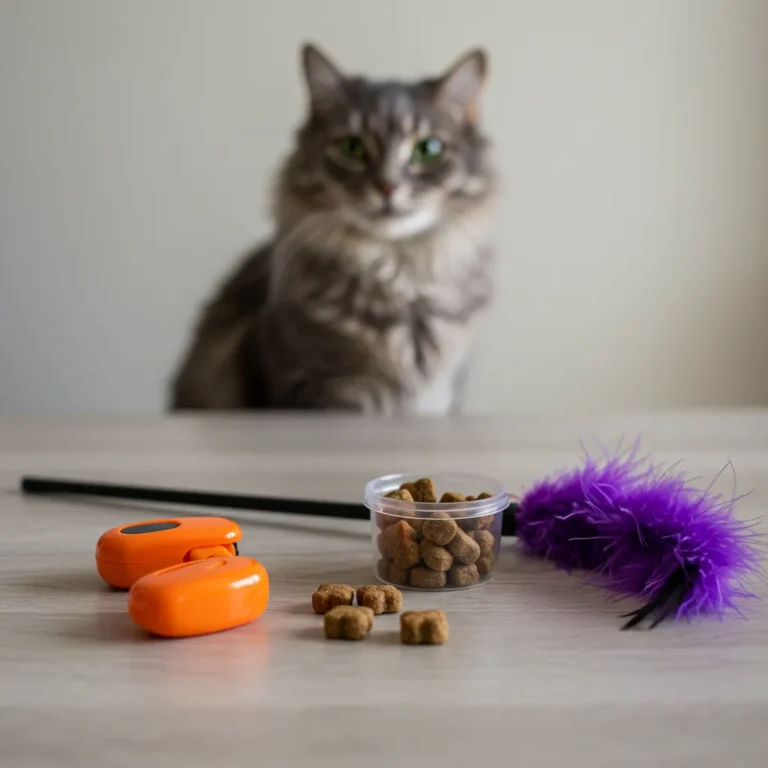
- Use positive association with treats near the items
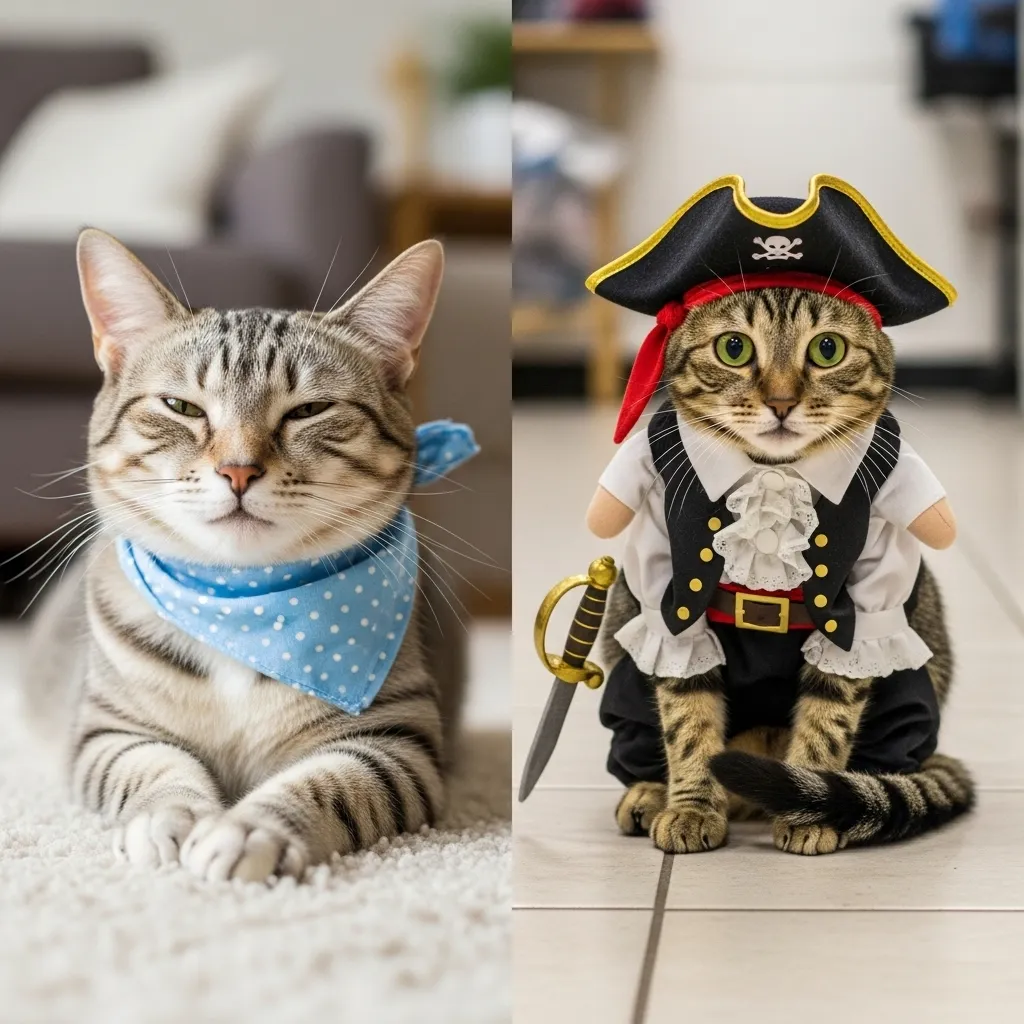
- Start with the least intrusive items (bandanas before full outfits)
Phase 2: Initial Introduction (Days 8-14)
- Brief sessions (30 seconds to 2 minutes maximum)
- Immediate rewards during and after wearing
- Watch for stress signals (ears back, tail flicking, attempts to remove)
- Never force continuation if they show distress
Phase 3: Building Tolerance (Days 15+)
- Gradually increase duration as comfort allows
- Incorporate into routine activities (wear during feeding or play)
- Monitor for overheating or restricted movement
- Respect individual limits – some cats may only tolerate certain items
For cats particularly resistant to new experiences, our article on introducing a Bengal cat to new things offers transferable strategies.
Psychological Considerations: When Fashion Helps or Harms
Positive Impacts
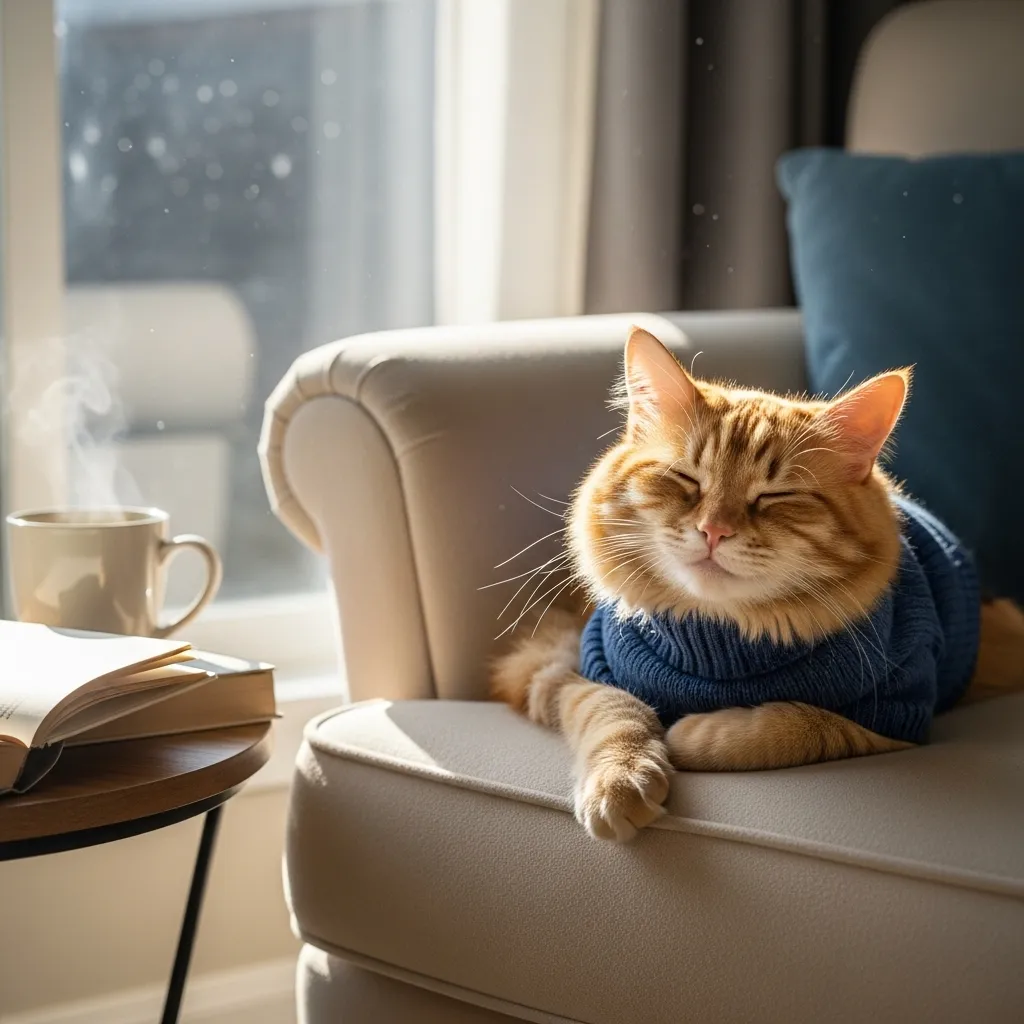
- Security: Some cats enjoy the gentle pressure of fitted clothing
- Bonding: Shared grooming/dressing rituals can strengthen attachment
- Environmental enrichment: New textures and experiences stimulate curiosity
- Medical benefits: Post-surgical garments prevent licking wounds
Potential Stressors
- Sensory overload: Too much texture or restriction
- Overheating: Especially for thick-coated breeds
- Mobility restriction: Impeding natural movement patterns
- Social signaling disruption: Interfering with body language communication
Understanding your cat’s personality is crucial. Our guide to cat personalities by breed can help predict how your feline might respond to fashion items.
Seasonal Fashion Considerations: Adapting to Climate
Summer Fashion Focus
- Lightweight, breathable materials like linen or moisture-wicking blends
- Sun protection for light-colored or hairless cats
- Cooling vests for hot climates
- Paw protection from hot surfaces
- Parasite-repellent accessories with natural oils
Learn about summer care in our Norwegian Forest cat summer guide.
Winter Essentials
- Insulating layers without bulk
- Water-resistant outer layers for outdoor cats
- Paw protection from ice and salt
- Visibility enhancements for shorter daylight hours
- Heated beds as fashion-adjacent comfort items
Explore winter care tips in our cat winter memes and care guide.
DIY Cat Fashion: Balancing Creativity with Safety
For craft-inclined owners, homemade items offer personalization but require careful consideration:
Safe DIY Projects
- Simple bandanas from fabric scraps
- No-sew fleece sweaters
- Crocheted blankets (with tight stitches to prevent claw snagging)
- Upcycled t-shirt modifications
Projects to Avoid
- Items with buttons, beads, or small decorations
- Tight elastic bands
- Materials that fray easily
- Anything requiring adhesives
Discover more DIY ideas in our DIY cat toys guide and DIY cat beds tutorial.
The Ethical Dimension: Consent and Animal Welfare
The cat fashion trend raises important ethical questions. As responsible pet owners, we must consider:
- Prioritizing comfort over aesthetics
- Recognizing and respecting refusal (some cats will never accept clothing)
- Avoiding stressful situations like forcing costumes for social media
- Choosing reputable manufacturers with ethical practices
- Considering the environmental impact of fast fashion for pets
Maintenance and Hygiene: Keeping Fashion Items Safe
Proper care extends item lifespan and ensures safety:
- Regular inspection for wear, loose threads, or damage
- Frequent washing with hypoallergenic detergents
- Proper storage to prevent pest infestation
- Seasonal rotation to maintain item condition
- Retirement of items when they show significant wear
For cats with skin sensitivities, consult our guide to cat allergies.
Frequently Asked Questions About Cat Fashion Trends
Q: Is it cruel to dress up cats?
A: Not inherently, if done correctly. The key is respecting individual preferences, ensuring proper fit, using comfortable materials, and watching for signs of distress. Some cats enjoy clothing, while others don’t.
Q: What types of cats are most receptive to clothing?
A: Hairless breeds, kittens raised with positive clothing experiences, and certain personality types (often more laid-back cats). Individual temperament matters more than breed alone.
Q: How can I tell if my cat likes their outfit?
A: Look for relaxed body language, normal movement, purring, and willingness to engage in regular activities. Signs of dislike include freezing, trying to remove the item, vocalizing distress, or hiding.
Q: Are there health benefits to cat clothing?
A: Yes, therapeutic items can help with anxiety (compression vests), post-surgical recovery, temperature regulation for hairless cats, and skin protection for conditions like allergies.
Q: What should I avoid when choosing cat fashion items?
A: Avoid restrictive fits, non-breathable materials, small detachable parts, items that impede natural functions (eating, using litter box), and anything causing obvious discomfort.
Q: How long can a cat safely wear clothing?
A: Start with brief periods (minutes) and gradually increase based on comfort. Most cats tolerate 1-4 hours maximum. Never leave clothing on unsupervised for extended periods.
Conclusion: Fashion as an Extension of Care
The modern cat fashion trend represents an evolution in how we understand and care for our feline companions. When approached thoughtfully, fashion becomes less about human amusement and more about enhancing feline quality of life through functional items, therapeutic benefits, and expressions of individuality that respect the cat’s comfort and consent.
The most successful integration of fashion into your cat’s life happens gradually, respectfully, and always with their well-being as the priority. By observing your cat’s responses, choosing quality items, and respecting their boundaries, you can explore this trend in ways that potentially benefit both of you.
Remember that a happy, comfortable cat is always more beautiful than any outfit. The true success of the cat fashion trend isn’t measured by how stylish our cats look, but by how content they remain while expressing their (or our) style preferences.
Explore more expert insights on feline behavior, breed-specific care, and cat wellness trends in our comprehensive library at Cat Bloom Haven. From understanding cat behavior quirks to practical care guides like how to groom a cat that hates it, we’re dedicated to helping you build the best possible life with your feline companion.