How to Domesticate a Feral Cat: A Step-by-Step Guide to Turning Fear into Friendship
Imagine spotting a wary pair of eyes glowing from beneath a dumpster hissing, bolting at shadows, surviving on scraps. That’s the reality for millions of feral cats worldwide. But what if you could transform that wild survivor into a purring lap companion? Learning how to domesticate a feral cat isn’t about forcing change; it’s about earning trust through patience, empathy, and proven techniques. In this ultimate guide from Cat Bloom Haven, you’ll discover a realistic, vet-approved roadmap that addresses every stage of feral cat domestication from reading feral cat body language to celebrating the first head bump.
Whether you’re taming a feral cat you’ve spotted in your yard or socializing a feral cat from a rescue, this deep dive delivers actionable steps, real-life success stories, and expert insights you won’t find in generic guides. By the end, you’ll know exactly how to bond with a feral cat, spot signs of trust in cats, and avoid common pitfalls that derail progress.
Key Takeaways:
- Feral vs semi-feral cats: True ferals have zero human contact; semi-ferals may accept food but flee touch.
- Feral cat socialization stages: Progress from avoidance → tolerance → curiosity → affection over weeks/months.
- Core success factors: Safe sanctuary room, non-threatening interactions, food as a trust bridge.
- Age matters: Kittens under 8 weeks tame fastest; adults need 3–12 months (or may stay semi-feral).
- Red flags: Hissing + flattened ears = fear; slow blinks + upright tail = trust.
Ready to begin working with feral cats the right way? Let’s start with understanding who you’re dealing with.
What “Feral” Really Means and Why It Matters for Domestication
The term “feral” gets tossed around loosely, but precision is everything when taming a feral cat. A feral cat is born and raised without human socialization think colony cats fending for themselves since birth. Contrast this with strays (former pets) or semi-feral cats (fed by humans but never handled).
| Type | Human Exposure | Domestication Likelihood |
|---|---|---|
| True Feral | None | Low–Moderate (adults); High (kittens <8 wks) |
| Semi-Feral | Food only | Moderate–High |
| Stray | Former pet | Very High |
Pro Insight: According to the ASPCA, only 2–5% of adult ferals become fully indoor pets, but 75%+ of kittens under 12 weeks succeed. Age is your biggest predictor.
Real-Life Example: Sarah from Texas spent 14 months socializing a feral cat named Shadow. At two years old, Shadow now sleeps on Sarah’s pillow proof that feral cat rehabilitation works with the right timeline.
Step 1: Assess Temperament and Set Realistic Expectations
Before you domesticate a feral cat, evaluate feral cat temperament. Rushing in creates setbacks.
Reading Feral Cat Body Language Like a Pro
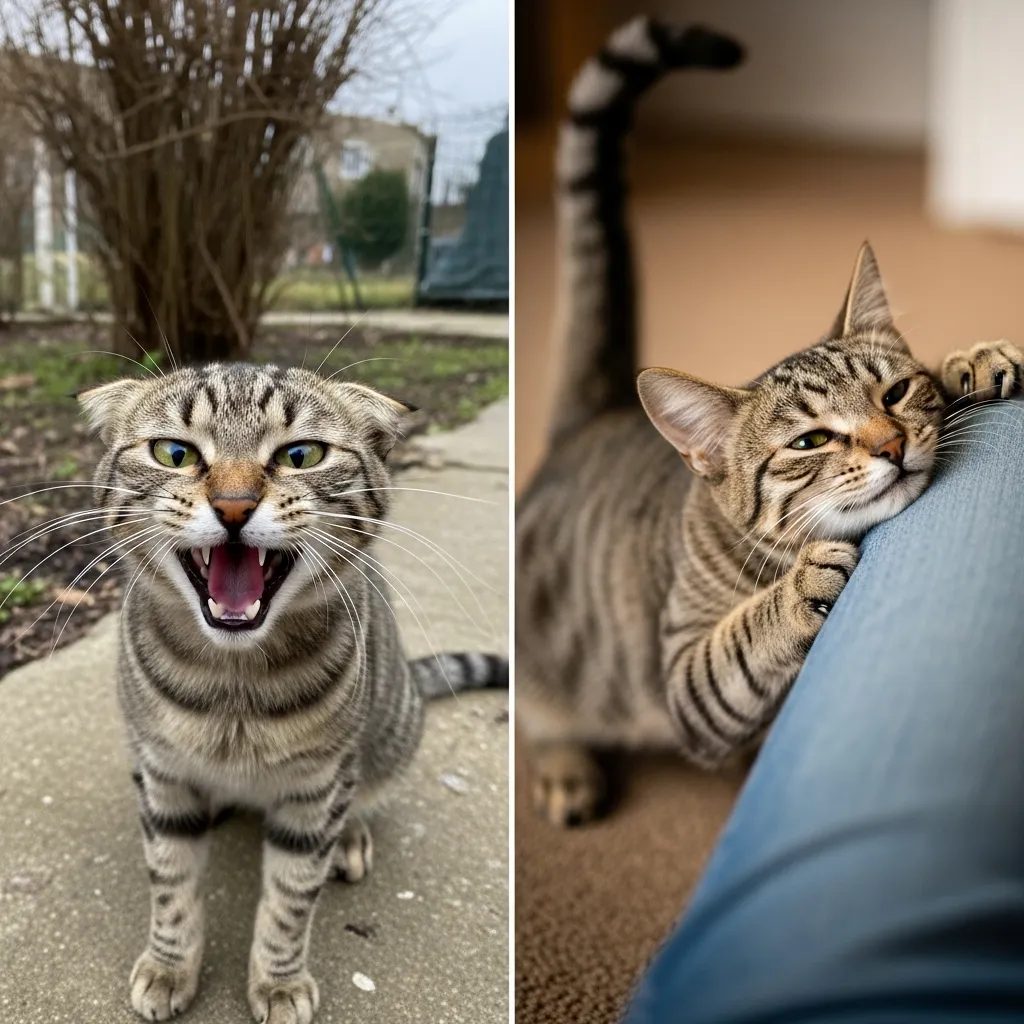
| Signal | Meaning | Action |
|---|---|---|
| Ears forward, tail up | Curious | Speak softly, offer food |
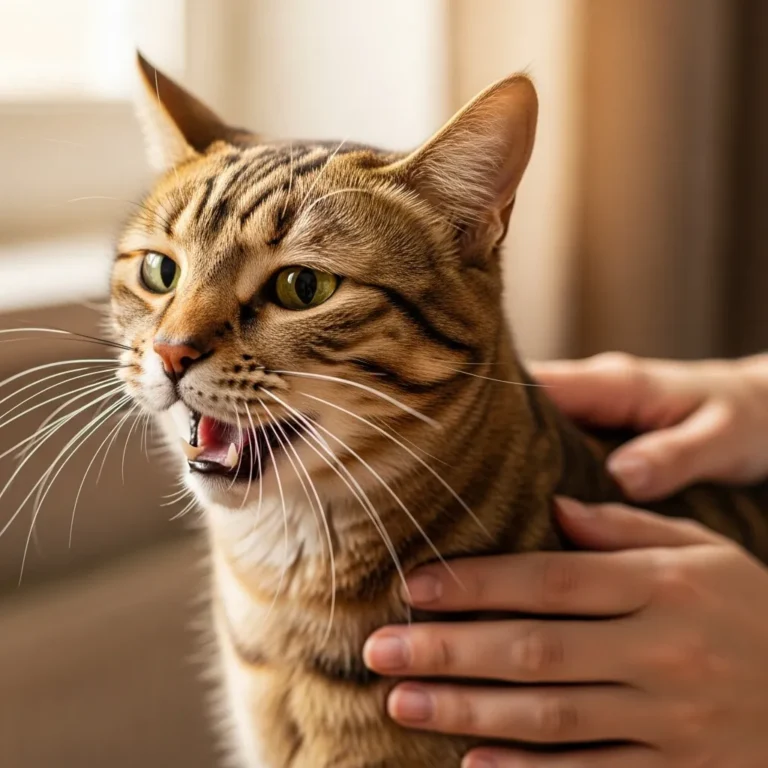
| Ears flat, tail thrashing | Fear/aggression | Back off, try tomorrow |
| Slow blink | Trust | Return blink |
| Crouched, pupils dilated | Terror | No eye contact |
Tip: Use a “fear scale” 1–10. A cat at 8+ needs weeks of distance before touch.
Feral vs Semi-Feral Cats: Quick Field Test
- Place food 20 ft away and sit silently.
- Semi-feral eats while watching you; true feral waits until you leave.
- Repeat daily note approach distance shrinking.
Explore our detailed guide on cat body language and stress signs to decode subtle cues.
Step 2: Create a Cat Sanctuary Room (Your Secret Weapon)
The #1 mistake in feral cat domestication? Skipping isolation. A dedicated cat sanctuary room setup prevents overwhelm.
Essential Sanctuary Room Checklist
- Size: Minimum 8×8 ft (spare bathroom ideal).
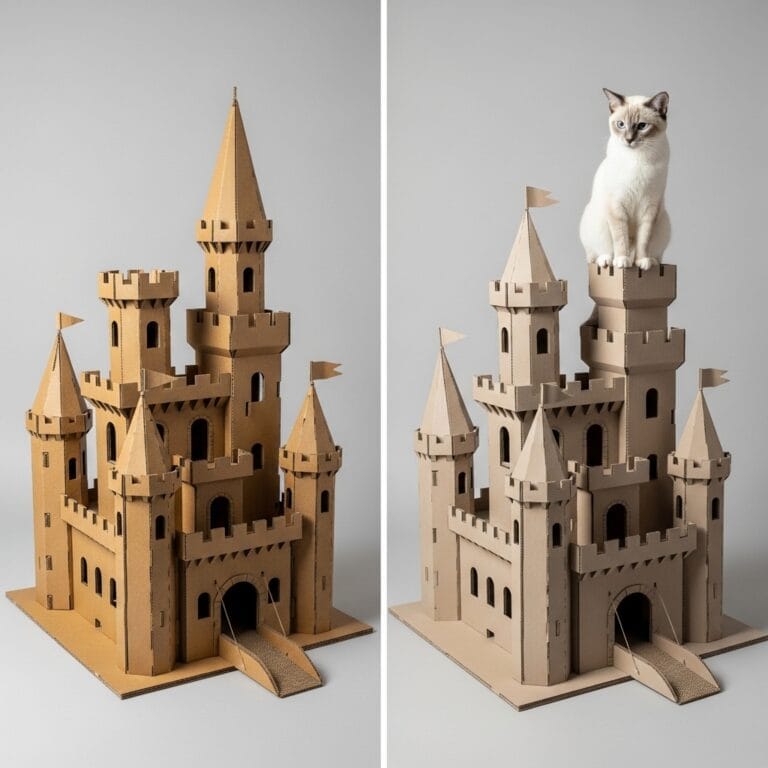
- Hiding spots: Cardboard boxes with two exits, cat tunnels, shelves.
- Litter: Non-clumping clay first (familiar scent); switch later.
- Food/water: Stainless steel bowls 10+ ft from litter.
- Pheromones: Feliway Classic diffuser plugged 24/7.
- No mirrors (causes stress).
Vet-Backed Insight: Dr. Sarah Wooten, DVM, recommends covering 50% of the cage or crate with a blanket to create a “den” effect reduces cortisol by up to 40%.
Discover more cat safe room setup tips for stressed rescues.

Step 3: The Trust-Building Timeline (Weeks 1–12+)
Feral cat socialization stages are non-linear expect two steps forward, one back.
Weeks 1–2: The “Ghost” Phase
- Enter room only to refresh food/water.
- Sit on floor, read aloud (monotone voice desensitizes).
- No eye contact, no reaching.
Pro Move: Use a laser pointer from outside the door crack—curiosity without pressure.
Weeks 3–6: The Food Bridge
- Hand-feed treats through cage bars (Churu or plain boiled chicken).
- Gradually move bowl closer to you while cat eats.
- Goal: Cat eats within 3 ft.
Challenge Alert: If cat stops eating when you move, you’ve pushed too fast. Back up.
Weeks 7–12: Touch Milestone
- Offer a long wand toy let cat investigate.
- Transition to finger under chin (never top of head).
- First voluntary head bump = breakthrough.
Learn cat trust-building techniques that speed bonding without force.
Taming Kittens vs Adult Feral Cats: Tailored Strategies
| Age | Timeline | Success Rate | Key Tactic |
|---|---|---|---|
| <8 weeks | 1–4 weeks | 90%+ | Bottle feeding + daily handling |
| 3–6 months | 4–12 weeks | 70% | Play therapy |
| 1+ years | 3–18 months | 30–50% | Trap-Neuter-Return if indoor fails |
Case Study: A 4-month-old feral kitten named Pickles went from hissing ball of fury to lap cat in 38 days using the “scooping burrito” method (towel wrap + Churu licks).
Nutrition and Health: The Overlooked Domestication Pillar
Helping a scared cat means supporting immunity and calm.
Feeding Schedule
- Kittens: 4–6 small meals.
- Adults: 2 meals + nightly treat session.
Vet Checklist Before Indoor Life
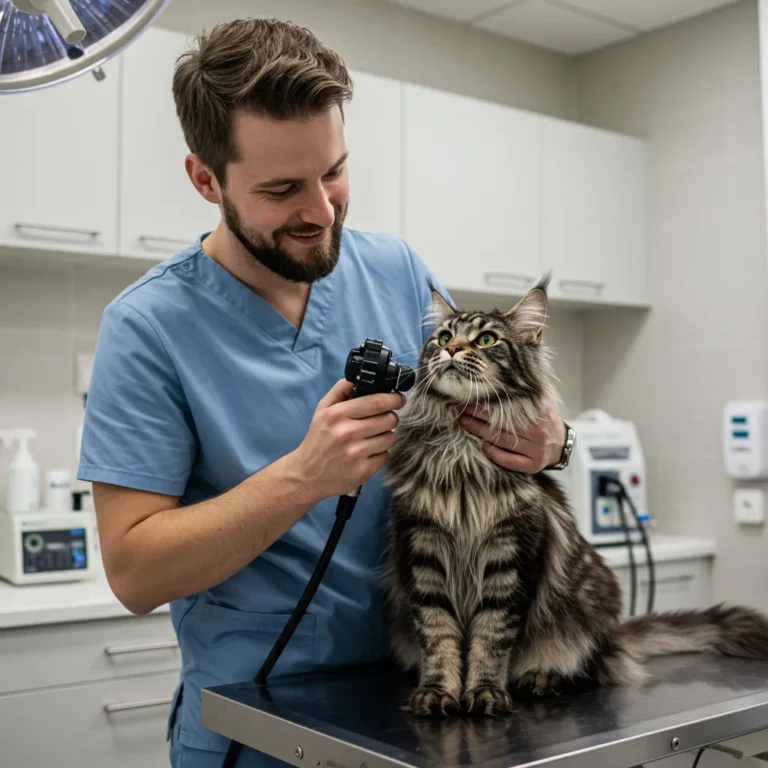
- Combo test (FeLV/FIV).
- Spay/neuter (prevents regression).
- Deworming + flea treatment.
Read our spaying a cat guide for timing and recovery.
Advanced Techniques for Stubborn Cases
Clicker Training for Ferals
- Click → treat when cat enters room center.
- Shape behaviors: sit, target stick, high-five.
Desensitization to Touch
- Start with toothbrush on cheeks → soft brush → bare hands.
Expert Quote: “Touch aversion is learned helplessness reversed through micro-victories.” Jackson Galaxy
Can Feral Cats Become House Pets? The Honest Answer
Yes but with caveats. Some ferals become cuddly; others prefer “office cats” who coexist peacefully. Celebrate bonding with rescue cats at any level.
Success Metrics:
- Eats in your presence ✓
- Uses litter reliably ✓
- Allows petting ✓
- Seeks you out ✓
Challenges in Taming Feral Cats (And How to Solve Them)
| Challenge | Solution |
|---|---|
| Nighttime yowling | White noise + scheduled play |
| Aggression during vet visits | Gabapentin pre-dosing |
| Regression after illness | Restart at Week 1 protocols |
Explore our cat fear and stress signs article for deeper troubleshooting.
FAQ: Your Top Feral Cat Questions Answered
How long does it take to domesticate a feral cat?
Kittens: 2–8 weeks. Adults: 3–12+ months. Patience is non-negotiable.
What’s the difference between taming a feral cat and a stray?
Strays remember human kindness; ferals must learn it from scratch.
Can feral cats ever be fully trusted around kids?
Only after 6+ months of consistent gentle behavior. Supervise always.
Is it cruel to keep a feral cat indoors?
No once socialized, indoor life extends lifespan 12–15 years vs 2–5 outdoors.
What if the cat never warms up?
Consider barn placement or TNR (Trap-Neuter-Return).
Discover more tips for helping rescue cats adapt.
Final Thoughts: Your Feral Cat Journey Starts with One Meal
Domesticating a feral cat is equal parts science, art, and heart. You’re not just providing shelter you’re rewriting a survival story. Every slow blink, every shared meal, every voluntary rub against your leg is a victory.
Start small. Stay consistent. Celebrate progress.
Explore more expert cat care and behavior guides on Cat Bloom Haven from cat behavior training to caring for newly adopted cats, we’ve got your next step covered.
Ready to meet your future lap cat? The journey begins now. 🐾