How Long After Deworming a Cat Are the Worms Gone? A Vet-Backed Timeline & Complete Guide
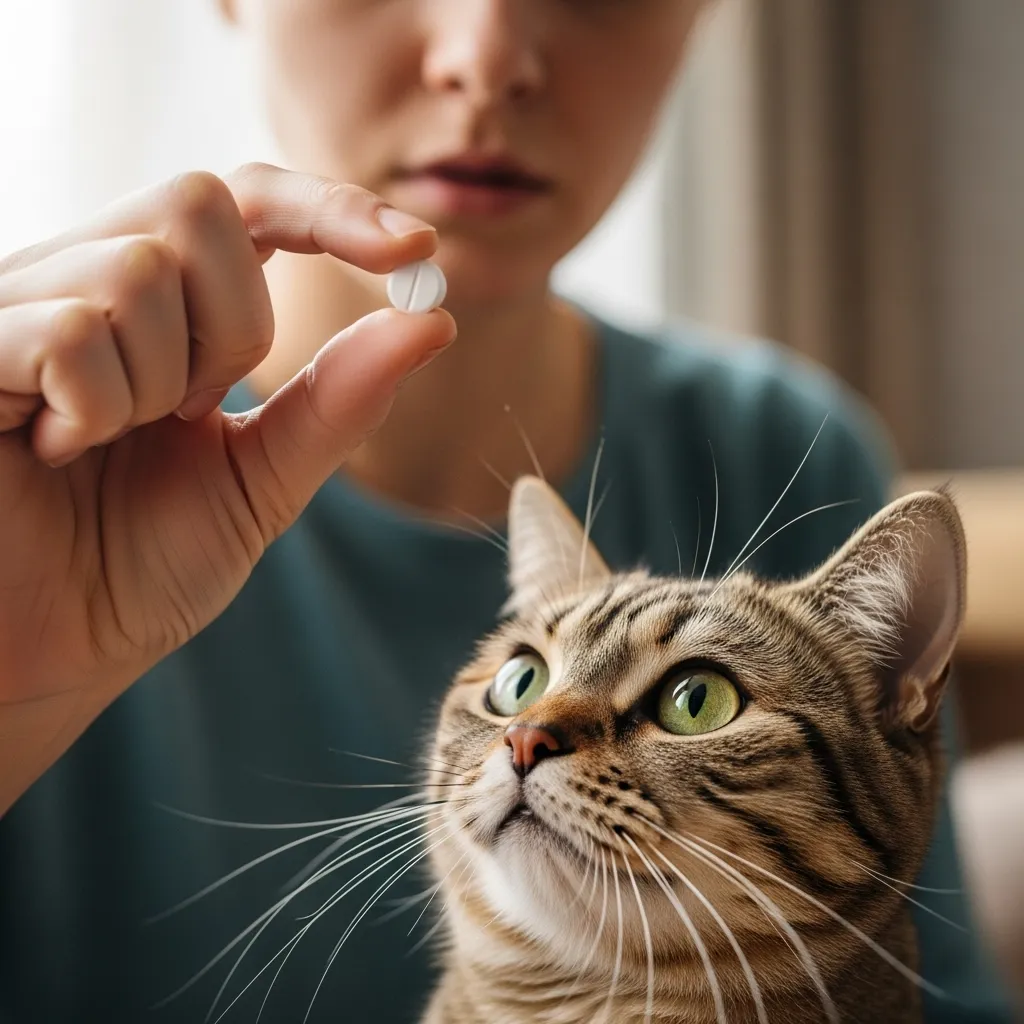
Picture this: You’ve just given your cat their deworming tablet, and now you’re staring at the litter box like a detective, waiting for proof that those sneaky parasites are finally history. If you’re wondering how long after deworming a cat are the worms gone, you’re not alone it’s one of the top questions cat parents search after treatment. The short answer? Most worms start dying within 6–24 hours, but full elimination from your cat’s system can take 2–7 days, depending on the worm type, medication, and infestation severity.
In this ultimate cat deworming guide, we’ll walk you through the exact cat deworming timeline, what happens inside your cat’s body, why you might still see dead worms in cat poop after deworming, and how to ensure the treatment actually works. Plus, we’ll cover preventing worms in cats so you never have to go through this again. Let’s dive in.
Key Takeaways: Your Cat Deworming Timeline at a Glance
| Stage | Timeline | What Happens |
|---|---|---|
| Medication kicks in | 1–6 hours | Dewormer reaches intestines, begins paralyzing or killing worms |
| Worms start dying | 6–24 hours | Parasites detach from intestinal walls, begin to break down |
| Dead worms visible in poop | 24–72 hours | You may see worms visible after deworming this is normal! |
| Full elimination | 3–7 days | All dead worms and eggs flushed out; cat parasite-free |
| Follow-up retest | 2–4 weeks post-treatment | Confirm effectiveness of cat deworming with fecal exam |
Pro Tip: Seeing worms after treatment doesn’t mean the dewormer failed—it means it’s working.
Why Cats Get Worms (And Why It’s More Common Than You Think)
Before we answer how long for worms to die after deworming, let’s understand the enemy. Intestinal parasites in cats are shockingly common studies show up to 45% of cats have had worms at some point, even indoor-only ones.
Most Common Types of Worms in Cats
| Worm Type | Appearance | How Cats Get It | Symptoms of Worms in Cats |
|---|---|---|---|
| Roundworms | Long, spaghetti-like | Ingesting eggs from soil, prey, or mom’s milk | Potbelly, vomiting, diarrhea, poor growth |
| Tapeworms | Rice-like segments in poop/fur | Swallowing infected fleas or rodents | Scooting, weight loss, visible segments |
| Hookworms | Tiny, thread-like (rarely seen) | Skin penetration or ingestion | Anemia, black stool, lethargy |
Real-Life Example: Sarah from Texas noticed rice-like bits stuck to her cat Luna’s fur. A quick vet visit confirmed tapeworms from flea exposure. After one dose of praziquantel, Luna passed segments for 3 days totally normal.
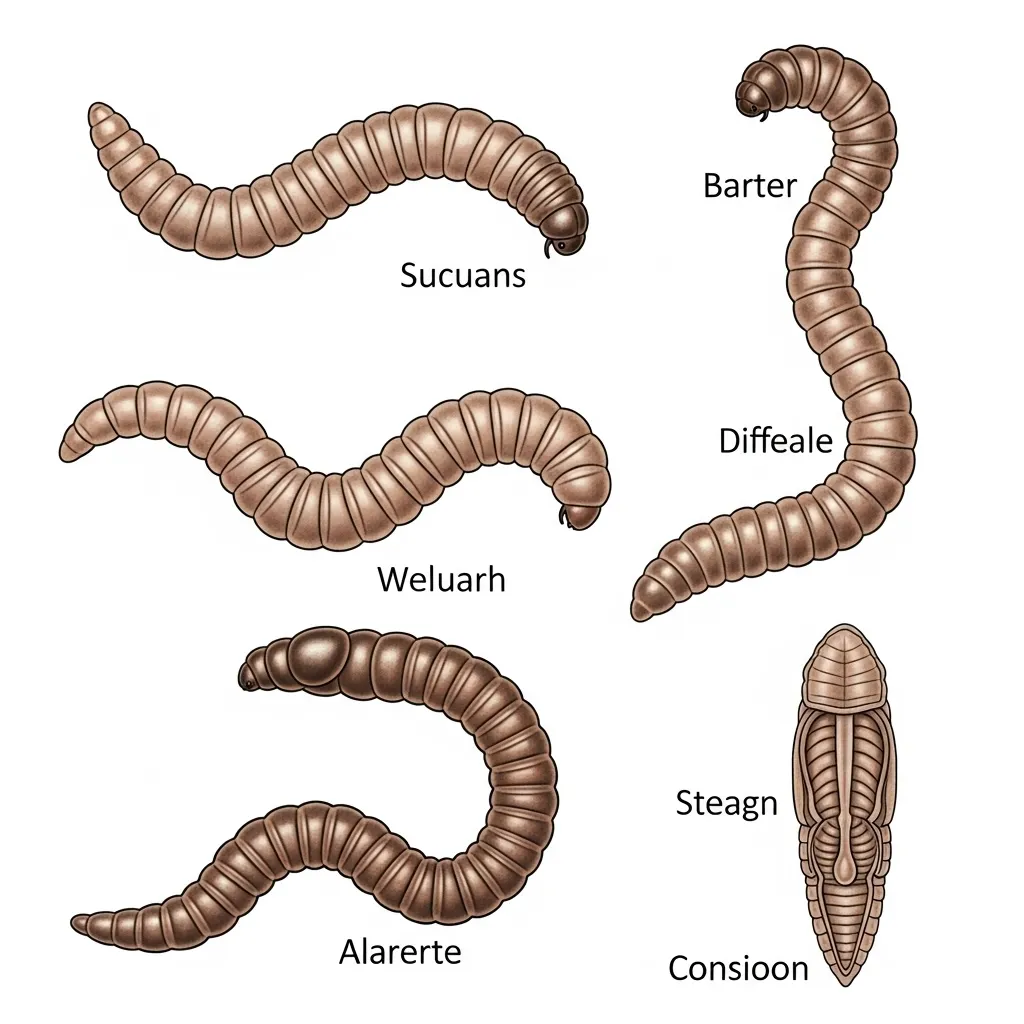
The Deworming Process for Cats: Step-by-Step
Wondering how deworming medicines work? It’s not magic it’s science. Most dewormers fall into two categories:
- Paralytic Agents (e.g., pyrantel): Immobilize worms so they lose grip and get expelled.
- Metabolic Disruptors (e.g., praziquantel, fenbendazole): Interfere with worm energy, causing death.
Common Dewormers & Their Speed
| Medication | Targets | How Fast Do Dewormers Work in Cats? |
|---|---|---|
| Praziquantel | Tapeworms | 6–12 hours |
| Pyrantel Pamoate | Roundworms, hookworms | 12–24 hours |
| Fenbendazole (Panacur) | Roundworms, hookworms, lungworms | 24–72 hours |
Vet Insight: “Combination dewormers like Drontal cover multiple worm types in one dose—perfect for unknown infestations.” – Dr. Emily Chen, DVM
How Long After Deworming Will Worms Be Gone? The Real Timeline
Let’s break down the cat worm treatment duration hour by hour.
Hour 0–6: The Calm Before the Storm
- Dewormer dissolves in the stomach.
- Active ingredients travel to the intestines.
- No visible changes yet your cat may act normal.
Hour 6–24: Worms Start Dying
- Parasites become paralyzed or metabolically stressed.
- They detach from intestinal lining.
- Does deworming work immediately? Not quite this is when the process begins.
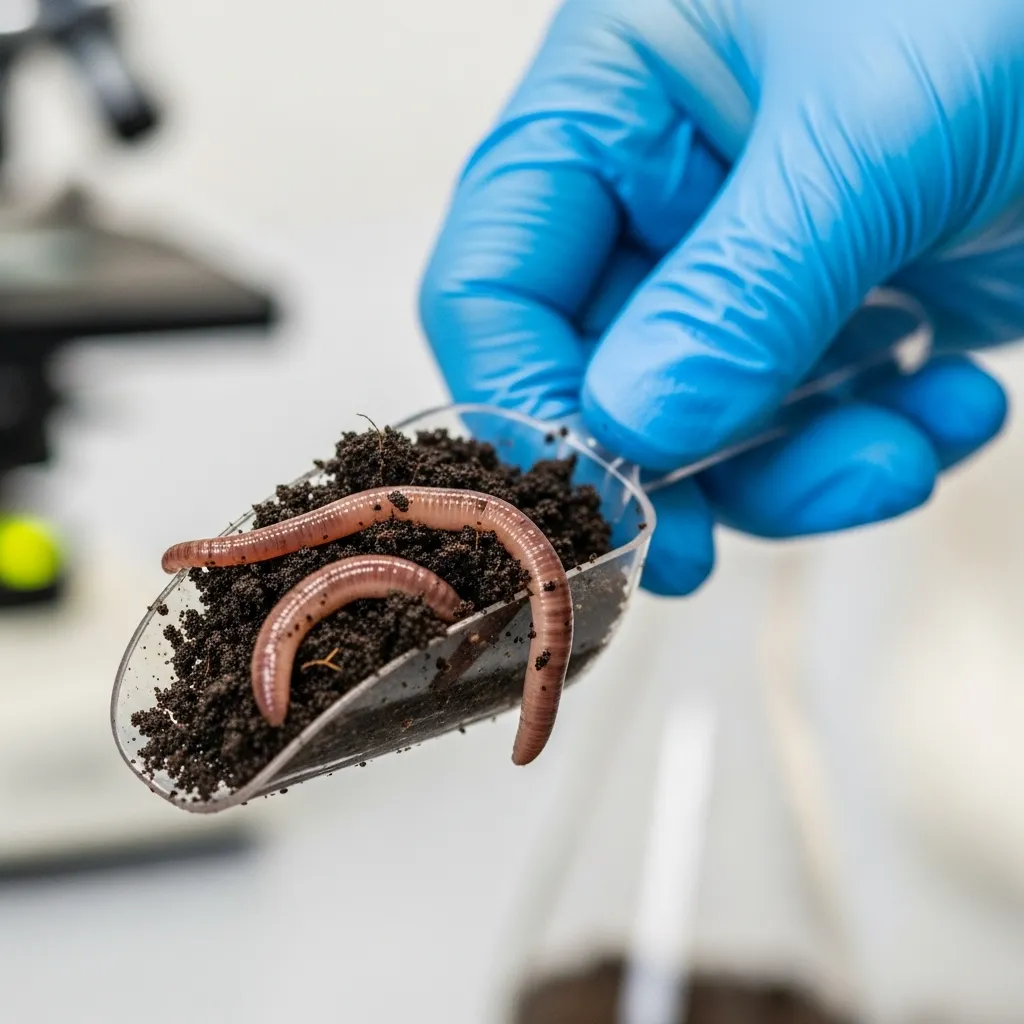
Day 1–3: Dead Worms in Cat Poop After Deworming
- You’ll likely see worms visible after deworming white, wriggling, or segmented.
- This is the peak elimination phase.
- Use gloves when cleaning the litter box!
Day 4–7: Final Flush
- Remaining worm fragments and eggs are expelled.
- Stool should return to normal consistency.
- Cat’s energy and appetite often improve dramatically.
Why My Cat Still Has Worms After Deworming: Common Concerns
If you’re thinking, “I dewormed my cat, but I still see worms!” don’t panic. Here’s why:
| Reason | Explanation |
|---|---|
| Reinfestation | New eggs ingested from environment or fleas |
| Wrong Dewormer | Medication didn’t target the worm type (e.g., praziquantel won’t kill roundworms) |
| Severe Worm Infestation in Cats | Heavy burdens require multiple doses 7–14 days apart |
| Immature Worms | Larvae in tissues migrate later retreatment needed |
Action Step: Always retest 2–3 weeks post-deworming. A fecal float test costs ~$30 and confirms success.
Factors Affecting Deworming Results
Not every cat clears worms at the same speed. Here’s what influences how long does deworming take to work in cats:
- Cat Immune Health and Parasites: Kittens and seniors clear slower.
- Worm Burden: Heavy infestations = longer elimination.
- Medication Compliance: Did your cat spit out half the pill?
- Environmental Contamination: Eggs in carpet, bedding, or yard reinfect.
Post-Deworming Care: What to Watch For
After treatment, your cat needs TLC. Here’s your post-deworming care checklist:
✅ Do This:
- Monitor litter box daily for 5–7 days
- Feed a bland diet (boiled chicken + rice) if diarrhea occurs
- Keep fleas controlled (flea control and parasites are linked!)
- Clean litter box with enzymatic cleaner
⚠️ Watch For (Call Vet If):
- Vomiting >2x in 24 hours
- Bloody diarrhea
- Lethargy lasting >48 hours
- Deworming side effects in cats: drooling, shaking (rare)

Follow-Up After Deworming Cats: Don’t Skip This Step
Even if worms are gone, retesting cats after deworming is critical. Why?
- Some worms (like hookworms) have tissue-migrating stages.
- Eggs can survive in the environment for months.
- Routine fecal exams every 6–12 months prevent recurrence.
Discover more in How to Deworm a Cat: Step-by-Step Vet Guide
Preventing Worms in Cats: Your Long-Term Plan
The best offense? A rock-solid defense. Follow this cat parasite prevention strategy:
1. Routine Deworming for Cats
| Cat Type | Frequency |
|---|---|
| Indoor-only | Every 6 months |
| Outdoor/hunters | Every 3 months |
| Kittens | 2, 4, 6, 8 weeks, then monthly until 6 months |
2. Flea Control = Worm Control
- Use vet-recommended flea preventatives (e.g., Revolution, Advantage)
- Treat all pets in the home
- Wash bedding weekly in hot water
3. Cleaning Environment to Prevent Worms
- Scoop litter daily
- Vacuum carpets and furniture 2x/week
- Wash food/water bowls daily
- Disinfect with bleach solution (1:32 ratio)
Explore our full guide on Cat Health and Wellness
Natural Deworming Remedies for Cats: Do They Work?
You might’ve seen pumpkin seeds or diatomaceous earth online. Here’s the truth:
| Remedy | Effectiveness | Vet Recommendation |
|---|---|---|
| Pumpkin seeds | Minimal | Not reliable |
| Diatomaceous earth (food-grade) | Questionable safety | Avoid—risk of lung irritation |
| Coconut oil | No evidence | Not a substitute |
Bottom Line: Stick to safe deworming medications for cats prescribed by your vet.
Best Over-the-Counter Dewormers for Cats (Vet-Approved Options)
| Product | Targets | Pros | Cons |
|---|---|---|---|
| Bayer Drontal | Tapeworms, roundworms | Broad-spectrum, one dose | Prescription in some states |
| Elanco Tapeworm Dewormer | Tapeworms only | Easy to crush into food | Not for roundworms |
| HomeoPet WRM Clear | Natural alternative | Gentle on stomach | Slower, less reliable |
Always confirm with your vet before using OTC options.
Fast-Acting Dewormers for Cats: When Speed Matters
For severe worm infestation in cats, time is critical. Ask your vet about:
- Profender (topical): Works in 24–48 hours
- Milbemax (tablet): Covers heartworms + intestinal worms
- Droncit injections: Used in clinics for rapid action
FAQ: Your Top Deworming Questions Answered
How long does deworming take to work in cats?
Most dewormers begin killing worms within 6–24 hours, with full elimination in 3–7 days.
How long for worms to die after deworming?
Worms typically die within 24 hours, but you may see them in poop for up to 72 hours.
Does deworming work immediately?
No worms need time to detach and pass. Visible results start at 24 hours.
Why is my cat still scratching after deworming?
Could be fleas (not worms) or skin irritation. Check for flea dirt.
When should I retest my cat after deworming?
2–4 weeks post-treatment with a fecal exam.
Are there side effects of deworming cats?
Rare, but possible: drooling, diarrhea, or lethargy. Contact your vet if severe.
Final Thoughts: Your Cat, Worm-Free and Thriving
Now you know exactly how long after deworming a cat are the worms gone and how to keep them gone. With the right medication, follow-up care, and prevention habits, your cat can stay parasite-free and full of zoomies.
Ready for more expert cat care tips?
Explore more in-depth guides on Cat Bloom Haven from American Shorthair health to funny cat memes to brighten your day.
Your cat’s health starts with knowledge. Keep blooming! 🌿🐾