Is Your Cat’s Wound Infected? A Comprehensive Guide to Cat Wound Care
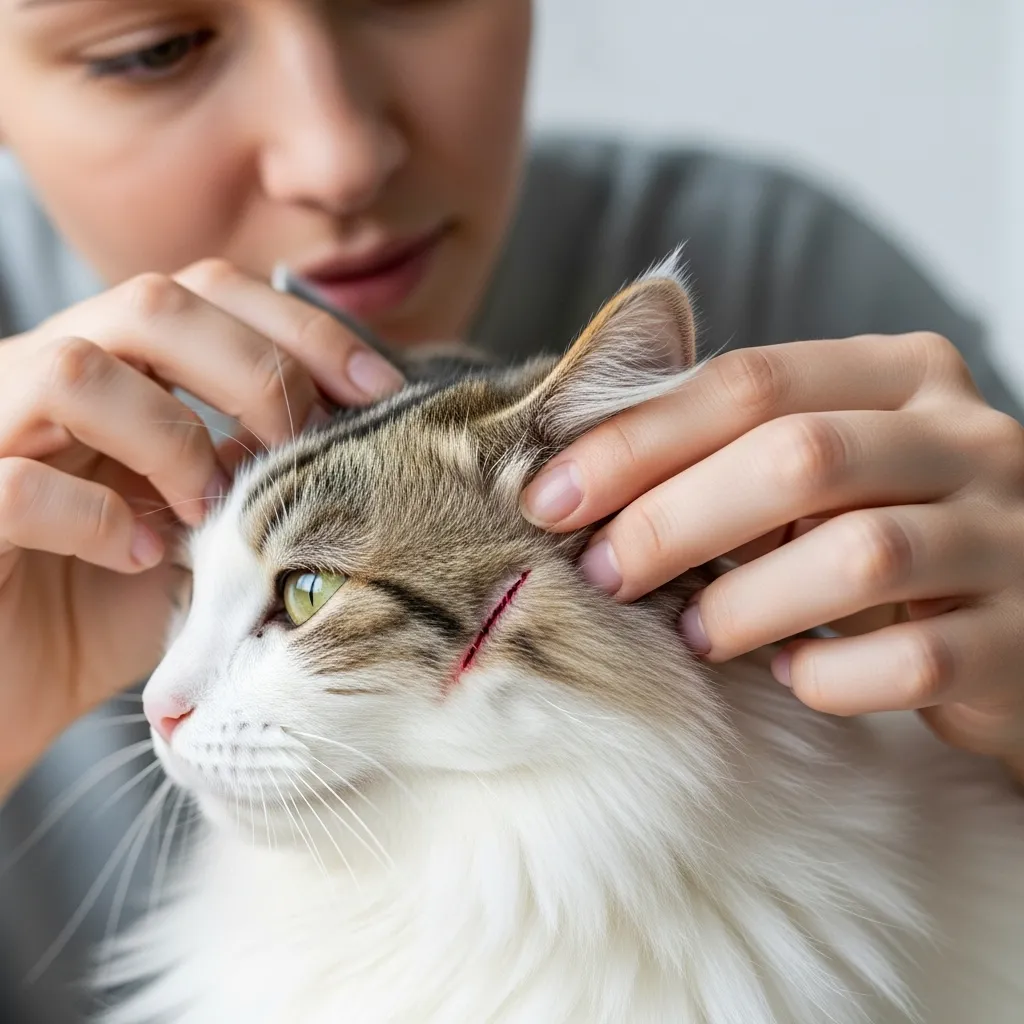
If you’ve noticed a scratch, bite, or gash on your feline friend, you’re probably wondering: Is this a cat wound infection? As a devoted cat parent, spotting the signs of an infected cat wound early can make all the difference in your pet’s health. At Cat Bloom Haven, we know how distressing it can be to see your cat in discomfort.
This guide dives deep into everything you need to know about cat wound care from spotting signs of infection in cat wounds to mastering cat wound treatment at home and knowing when to call the vet. Let’s ensure your cat stays happy, healthy, and purring!
Key Takeaways
- Early Detection Saves Lives: Recognizing symptoms of infected cat wounds like redness, swelling, or discharge can prevent serious complications.
- Prompt Action is Key: Cleaning minor wounds at home and seeking professional care for severe cases ensures faster recovery.
- Prevention is Possible: Regular grooming, vaccinations, and a safe environment reduce the risk of cat wound infections.
- Know When to Act: Behavioral changes or persistent symptoms mean it’s time to consult a vet for professional cat wound care.
- Explore More: Learn about cat health and hygiene to keep your feline friend thriving.
Understanding Cat Wounds: Types, Causes, and Risks
Cats are curious creatures, often finding themselves in scrapes—literally! Understanding the types of cat wounds and their causes helps you act swiftly to prevent infections.
Types of Cat Wounds
Cats can suffer from various wounds, each with unique risks:
- Scratches: Superficial cuts from claws or rough surfaces, common in multi-cat households.
- Bites: Puncture wounds from fights, often deep and prone to infection due to bacteria in saliva.
- Abrasions: Scrapes from rubbing against rough objects, like fences or concrete.
- Lacerations: Deep tears from sharp objects or accidents, which may require stitches.
- Abscesses: Pockets of pus from untreated bites or punctures, a common outcome of cat bite infection signs.

Causes of Cat Wounds
Cats get wounded for many reasons:
- Fights with Other Animals: Outdoor cats often clash with other cats, dogs, or wildlife.
- Accidents: Falls, getting caught in tight spaces, or brushing against sharp objects.
- Self-Inflicted Injuries: Overgrooming or scratching due to fleas, allergies, or stress (learn more about cat allergies).
- Environmental Hazards: Sharp furniture edges, thorns, or rough play with toys.
Why Prompt Treatment Matters
Untreated wounds can escalate quickly. Bacteria like Pasteurella or Staphylococcus thrive in warm, moist environments, turning a minor scratch into a full-blown infected cat wound. Early intervention prevents complications like abscesses, sepsis, or prolonged pain. For tips on keeping your cat safe, check out our cat health and hygiene guide.
Recognizing Signs of Infected Cat Wounds
Knowing how to tell if a cat wound is infected is crucial for timely care. Look for these telltale symptoms of infected cat wounds to act fast.
Physical Signs of Infection
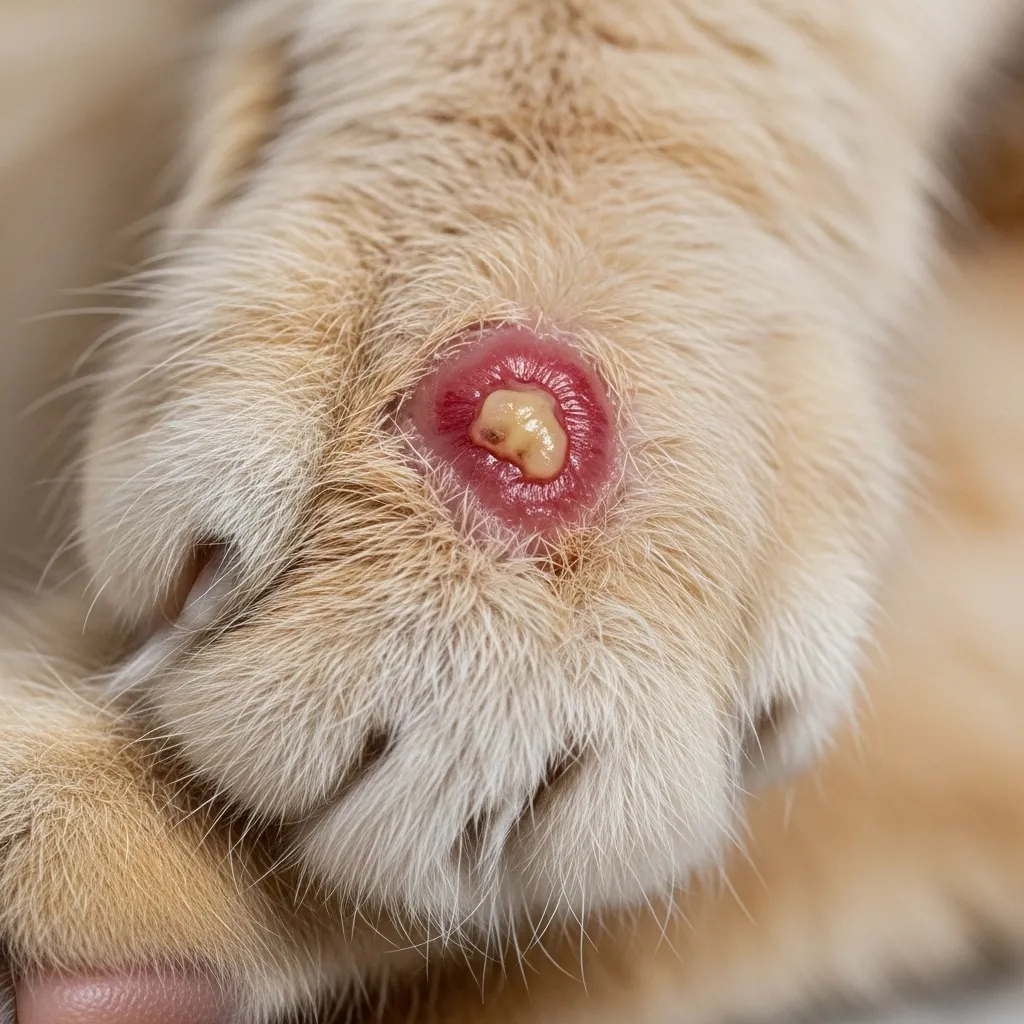
- Cat Wound Redness and Swelling: The area around the wound appears red, warm, or puffy, indicating inflammation.
- Cat Wound Discharge and Smell: Pus (yellow, green, or bloody) or a foul odor signals bacterial growth.
- Heat or Warmth: The wound feels warmer than surrounding skin, a sign of infection or abscess.
- Hair Loss Around the Wound: Excessive licking or irritation may cause bald patches (see why cats lose hair).
Behavioral Changes Indicating Discomfort
Cats are masters at hiding pain, but these behaviors may hint at an infected cat wound:
- Lethargy: Less playful or sleeping more than usual (explore why cats sleep so much).
- Loss of Appetite: Refusing food or eating less, a red flag for discomfort.
- Aggression or Hiding: Growling when touched or retreating to unusual spots (learn about cat hiding behavior).
- Excessive Licking or Scratching: Focusing on the wound, which may worsen irritation.
Cat Wound Healing Stages
Understanding the cat wound healing stages helps you gauge if a wound is progressing normally or becoming infected:
- Inflammation (Days 1–3): Redness and swelling as the body fights bacteria.
- Debridement (Days 3–7): The body removes dead tissue; pus or discharge may appear.
- Repair (Days 7–14): New tissue forms, and the wound closes.
- Maturation (Weeks 2+): Scar tissue strengthens, and healing completes.
If redness, swelling, or discharge persists beyond a few days, it’s a sign of infection. For more on monitoring your cat’s health, see our senior cat care guide.
First Aid for Cat Wounds: What You Can Do at Home
When you spot a wound, immediate cat wound first aid can prevent infection. Here’s how to clean a cat wound safely and when to seek help.
When to Clean a Wound Yourself
Minor, superficial wounds (like shallow scratches or small abrasions) can often be treated at home if:
- The wound is less than 1 cm long and not deep.
- There’s no heavy bleeding, pus, or foul smell.
- Your cat isn’t showing signs of distress or fever (learn about cat fever).
Step-by-Step Guide to Cleaning a Cat Wound
Follow these steps for cat wound care at home:
- Restrain Your Cat Gently: Wrap them in a towel to keep them calm and safe.
- Trim Surrounding Fur: Use blunt scissors to clear hair around the wound for better access.
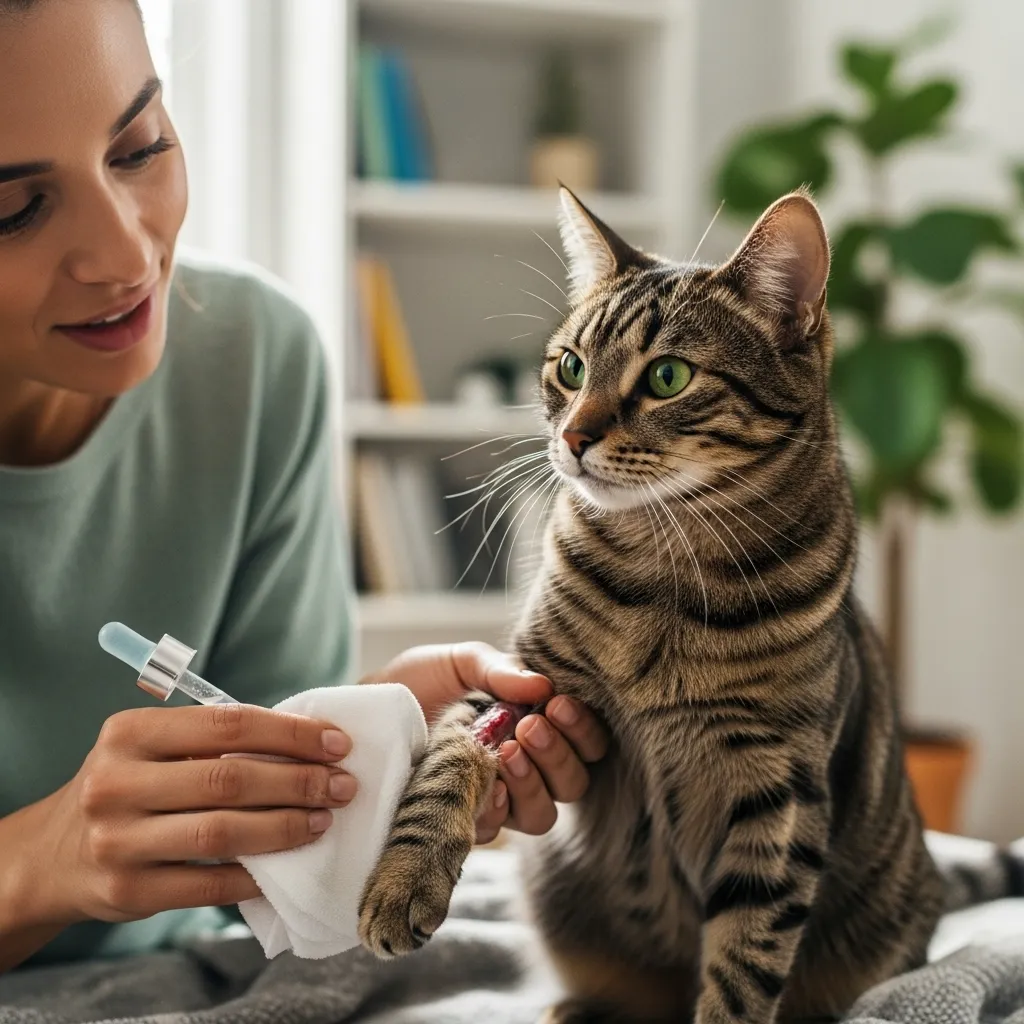
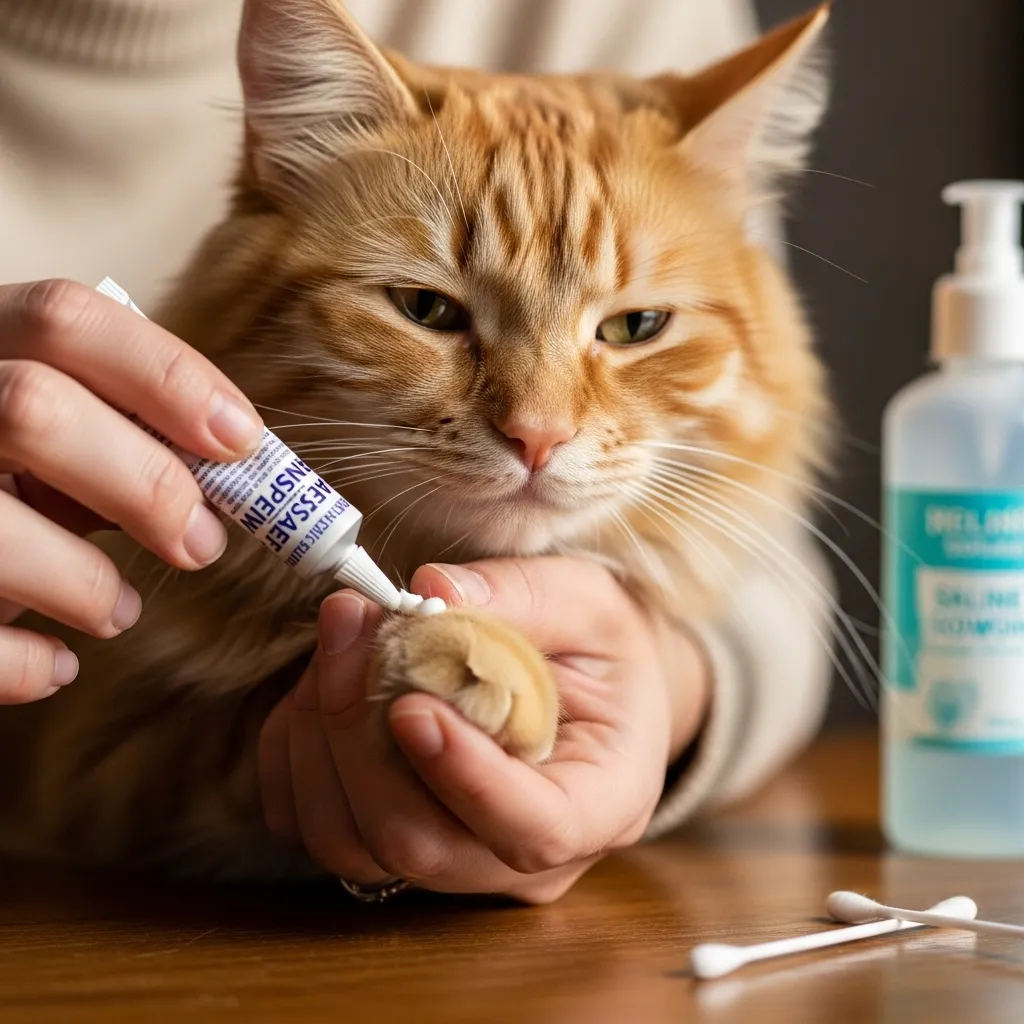
- Clean the Wound: Use a saline solution (1 tsp salt in 1 pint of boiled, cooled water) or a vet-approved antiseptic like chlorhexidine. Gently dab with a clean cloth or gauze—don’t scrub.
- Remove Debris: Rinse away dirt or debris with saline, ensuring no foreign objects remain.
- Apply an Antiseptic Cream: Use a pet-safe product like Vetericyn, avoiding human ointments like Neosporin unless vet-approved.
- Monitor Daily: Check for cat wound redness and swelling or other signs of infection in cat wounds.
Tip: Never use hydrogen peroxide or alcohol—they can damage tissue and delay healing.
When to See a Vet for a Cat Wound
Rush to the vet if you notice:
- Deep or gaping wounds requiring stitches.
- Persistent cat wound discharge and smell or pus.
- Signs of systemic infection like fever, lethargy, or loss of appetite.
- Bite wounds, as they’re highly prone to abscesses (learn about stray cat bite first aid).
For more on choosing a vet, check out our guide on finding the best vet for your cat.
Professional Cat Wound Care: What to Expect
When home care isn’t enough, professional cat wound care ensures your cat gets the treatment they need. Here’s what vets typically do for cat wound treatment.
Veterinary Assessment
- Physical Exam: The vet checks the wound’s depth, size, and infection signs.
- Tests: Swabs for bacterial cultures or blood tests to rule out systemic issues.
- Imaging: X-rays or ultrasounds for deep wounds or suspected abscesses.
Common Treatments
- Antibiotics: Oral or injectable antibiotics like amoxicillin to fight infection (learn about cat antibiotic duration).
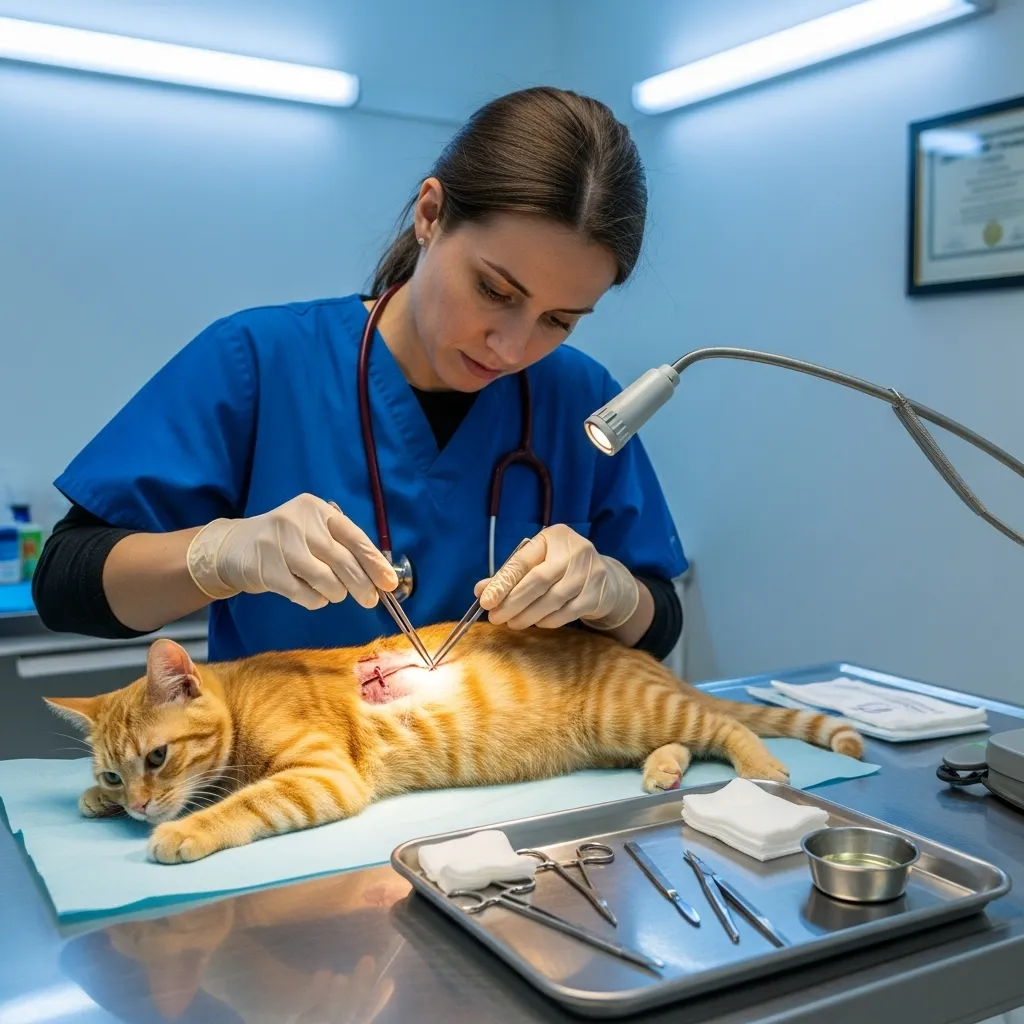
- Wound Cleaning and Debridement: Vets clean and remove dead tissue under sedation.
- Stitches or Drains: For deep lacerations or abscesses, drains may be placed to release pus.
- Pain Management: Medications like buprenorphine to keep your cat comfortable.
- Elizabethan Collar: Prevents licking, which can worsen infections.
Recovery Timeline
Most infected cat wounds heal within 7–14 days with proper care, though abscesses or deep wounds may take longer. Follow your vet’s instructions on wound cleaning, medication, and follow-up visits. For more on recovery, see our cat wound recovery tips.
How to Prevent Cat Wound Infections
Preventing cat wound infections starts with proactive care. Here are practical tips to keep your cat safe and healthy.
Keep Your Cat Safe
- Indoor Living: Reduce fights and accidents by keeping cats indoors (learn how to keep cats indoors).
- Safe Play Areas: Remove sharp objects or hazards from your home or yard.
- Supervised Outdoor Time: Use a leash or catio for safe outdoor adventures (see our ragdoll cat outdoor enclosure guide).
Regular Grooming and Hygiene
- Check for Fleas and Parasites: Fleas can cause scratching and wounds (learn about flea baths for cats).
- Trim Nails: Prevent scratches during play (see how to trim cat nails).
- Groom Regularly: Reduces matting and skin irritation (explore grooming tips).
Cat Vaccination Importance
Vaccinations like FVRCP protect against diseases that weaken immunity, making wounds more prone to infection. Regular check-ups catch issues early. Learn more in our cat vet visit schedule guide.
Home Remedies for Cat Wound Infection: Proceed with Caution
While how to treat cat wound naturally is a trending topic, home remedies should only supplement—not replace—vet care. Here are vet-approved options for infected cat wound treatment at home:
- Saline Rinse: Cleans minor wounds without irritation.
- Manuka Honey: Has natural antibacterial properties but should be vet-approved and pet-safe.
- Aloe Vera: Soothes skin but must be 100% pure and free of additives harmful to cats.
Warning: Avoid essential oils, tea tree oil, or human medications, as they can be toxic to cats (see our guide on cat toxic plant emergencies).
For minor wounds, combine home care with monitoring. If cat bite infection signs or how to tell if a cat scratch is infected symptoms appear, consult a vet immediately.
Real-Life Example: Saving Whiskers from an Abscess
Meet Whiskers, a playful Maine Coon who got into a scuffle with a neighborhood cat. His owner noticed a small puncture on his shoulder but thought it was minor. A few days later, Whiskers was lethargic, and a warm, swollen lump formed—a classic abscess. A quick vet visit, a course of antibiotics, and a drain resolved the issue. Whiskers’ owner learned to check wounds daily and now keeps him indoors. This story underscores why when to see a vet for cat wound is a critical decision. Explore more Maine Coon tips in our Maine Coon cat guide.
FAQ: Quick Answers to Common Cat Wound Questions
How can I tell if my cat’s wound is infected?
Look for cat wound redness and swelling, pus, foul odor, or behavioral changes like lethargy or aggression. Monitor closely and consult a vet if symptoms persist.
What are the signs of an infected cat wound?
Key symptoms of infected cat wounds include swelling, warmth, discharge, bad smell, and your cat acting off—hiding, not eating, or licking excessively.
How do I clean a cat wound at home?
Use a saline solution or vet-approved antiseptic to gently clean the wound. Avoid hydrogen peroxide or alcohol. See our how to clean a cat wound section above.
When should I seek veterinary attention for my cat’s wound?
See a vet for deep wounds, persistent cat wound discharge and smell, or signs of systemic infection like fever or lethargy. Don’t delay with bite wounds.
Can I treat a cat wound naturally?
Minor wounds can be cleaned with saline or treated with vet-approved remedies like Manuka honey. Always consult a vet for infected cat wound treatment at home.
How can I prevent cat wound infections?
Keep your cat indoors, groom regularly, trim nails, and ensure vaccinations are up-to-date. Check out our cat health and hygiene guide for more tips.
Conclusion: Keep Your Cat Safe and Healthy
Caring for your cat’s wounds doesn’t have to be daunting. By recognizing signs of infection in cat wounds, mastering cat wound first aid, and knowing when to see a vet for cat wound issues, you can ensure your feline friend heals quickly and stays healthy. Prevention is just as important—keep your cat’s environment safe, maintain regular vet visits, and stay vigilant for any scratches or bites.
Ready to dive deeper into keeping your cat thriving? Explore more expert cat care and behavior guides on Cat Bloom Haven, including our cat health care guide and first aid for cat wounds. Your cat deserves the best—let’s make it happen!