Cat Hair Loss on Ears: Causes, Treatments, and Prevention for Healthy Feline Ears
Noticing your cat scratching her ears or sporting bald spots? Cat hair loss on the ears can be distressing, but you’re not alone. This comprehensive guide dives into the causes, treatments, and prevention strategies to restore your cat’s ear health, with actionable tips to keep their coat glossy and ears itch-free.
If you’ve ever wondered, “Why is my cat losing hair on her ears?” you’re likely worried about your furry friend’s health. Bald spots, flaky skin, or excessive scratching around the ears can signal anything from minor irritations to serious conditions.
This article is your one-stop resource for understanding cat ear hair loss, diagnosing the issue, and finding effective solutions. Packed with expert insights, practical advice, and natural remedies, we’ll help you get to the root of cat ear bald spots and ensure your cat’s ears stay healthy.
Why Cat Hair Loss on Ears Matters
Cat hair loss on the ears isn’t just a cosmetic issue—it’s often a sign of underlying health problems like cat ear dermatitis, allergies, or cat ear mites hair loss. Ignoring it can lead to discomfort, infections, or chronic issues that affect your cat’s quality of life. Our goal is to empower you with knowledge to spot the signs early, treat effectively, and prevent recurrence, all while keeping your cat purring happily.
Let’s explore the causes, diagnosis, treatment, and prevention of hair loss in cat ears, with tips to boost cat skin and coat health and keep those ears in top shape.
Common Causes of Cat Hair Loss on Ears
Understanding why your cat is losing fur around her ears is the first step to solving the problem. Causes of cat ear hair loss range from parasites to allergies, and each requires a tailored approach. Here’s a detailed breakdown:
1. Ear Mites (Otodectes cynotis)
Ear mites are tiny parasites that love the warm, moist environment of a cat’s ear canal. They cause intense itching, leading to cat ear mites hair loss as your cat scratches or rubs her ears.
- Symptoms: Black, waxy debris in the ears, head shaking, redness, and bald patches around the ears.
- Real-Life Example: Sarah, a cat owner in Abilene, TX, noticed her tabby, Luna, had crusty ears and bald spots. A vet confirmed ear mites, which were treated with a topical solution.
- Prevalence: Common in kittens, strays, or cats in multi-pet households.
2. Allergies (Food, Environmental, or Flea-Related)
Cat allergies hair loss is a frequent culprit. Allergies to food, pollen, dust, or flea bites can cause cat ear dermatitis, leading to hair loss and skin irritation.
- Types of Allergies:
- Food Allergies: Proteins like chicken or dairy can trigger itching and a cat losing fur around the ears.
- Environmental Allergies: Pollen, mold, or dust mites may cause seasonal flare-ups.
- Flea Allergy Dermatitis: Even one flea bite can cause intense reactions in sensitive cats.
- Symptoms: Red, inflamed ears, scabs, and bald spots, often paired with body-wide itching.
- Example: Max, a Siamese, developed cat ear bald spots after switching to a new kibble. A hypoallergenic diet resolved the issue.
3. Fungal Infections (e.g., Ringworm)
Fungal infection in cat’s ears, like ringworm, can cause scaly, bald patches. Ringworm is highly contagious to other pets and humans.
- Symptoms: Circular bald spots, flaky skin, and redness on the ears or body.
- Risk Factors: Common in cats with weakened immune systems or those in humid climates.
- Note: Always wear gloves when handling a cat with suspected ringworm to avoid transmission.
4. Bacterial or Yeast Infections
Secondary infections from scratching can worsen cat ear skin problems, causing hair loss and discomfort.
- Symptoms: Oozing, smelly ears, crusty skin, and bald patches.
- Cause: Often follows untreated allergies or ear mites.
5. Hormonal Imbalances
Conditions like hyperthyroidism or Cushing’s disease can lead to cat hair loss on the ears due to hormonal fluctuations.
- Symptoms: Symmetrical hair loss, thinning coat, and lethargy.
- Rare but Serious: Requires veterinary blood tests for diagnosis.
6. Stress or Over-Grooming
Stress from changes (e.g., moving or new pets) can lead to over-grooming, causing cat losing fur around the ears.
- Symptoms: Bald patches from excessive licking or scratching, often on the ears or face.
- Example: Bella, a rescue cat, developed ear baldness after moving to a new home. Calming pheromones helped reduce her stress.
| Cause | Symptoms | Common Treatments |
|---|---|---|
| Ear Mites | Black debris, itching, bald spots | Topical miticides, ear cleaning |
| Allergies | Redness, scabs, body-wide itching | Hypoallergenic diet, antihistamines |
| Fungal Infections | Scaly, circular bald patches | Antifungal creams, shampoos |
| Bacterial/Yeast | Oozing, smelly ears, crusty skin | Antibiotics, antifungal ear drops |
| Hormonal Imbalances | Symmetrical hair loss, lethargy | Medication, hormonal therapy |
| Stress/Over-Grooming | Bald patches from licking | Calming aids, environmental enrichment |
Diagnosing Cat Ear Hair Loss
To effectively treat cat hair loss on the ears, a proper diagnosis is crucial. Here’s how vets pinpoint the cause:
Step-by-Step Diagnostic Process
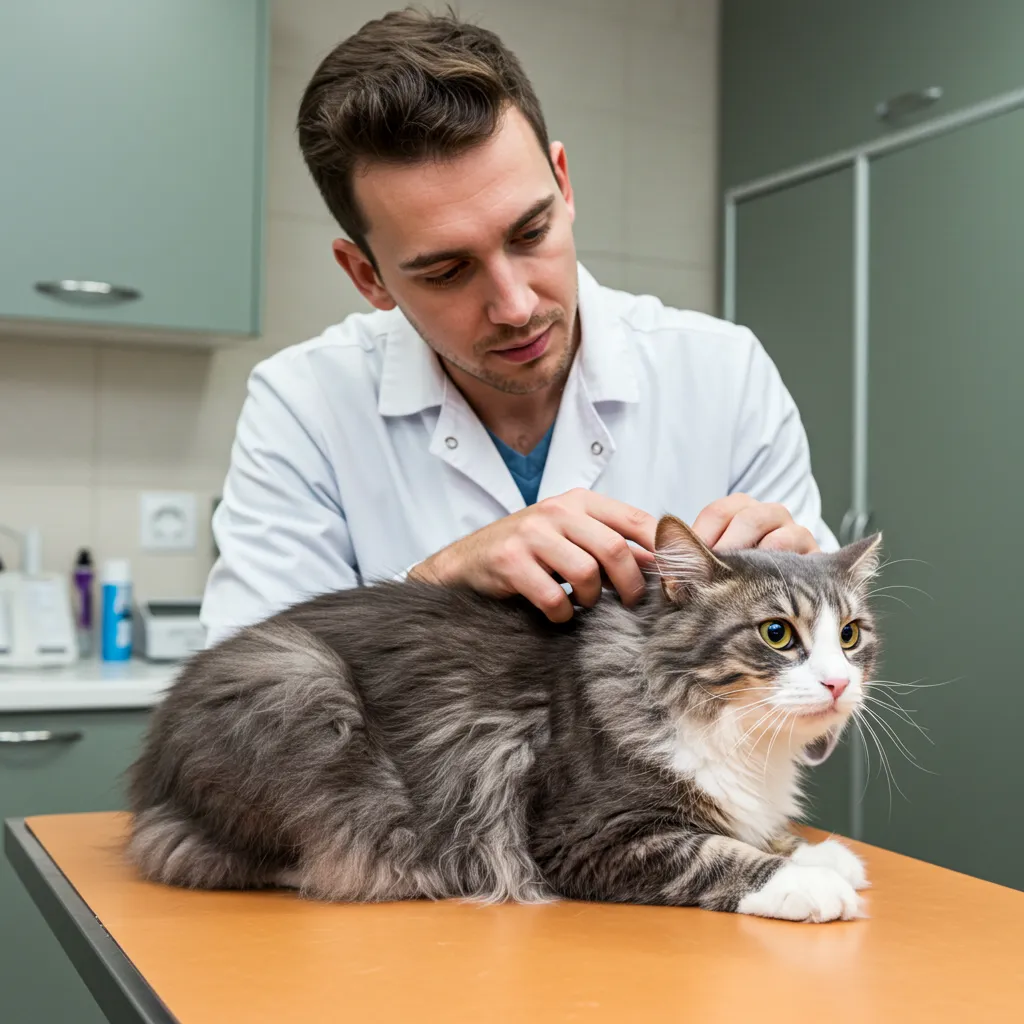
- Physical Exam: The vet checks for cat ear skin problems, redness, or debris.
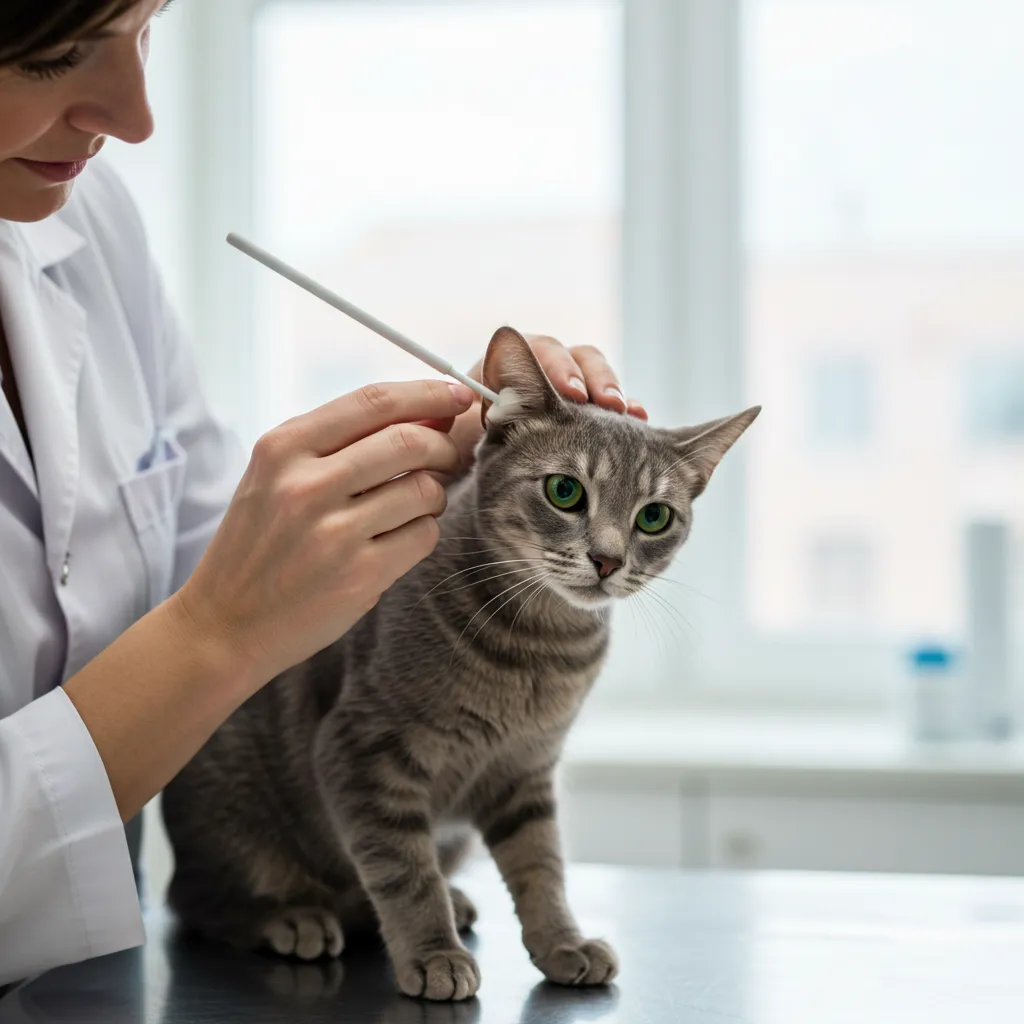
- Ear Swab and Microscopy: Identifies ear mites or yeast/bacterial infections.
- Skin Scraping or Biopsy: Rules out fungal infections like ringworm.
- Allergy Testing: Food trials or skin tests to detect cat allergies, hair loss.
- Blood Tests: Checks for hormonal or systemic issues.
- Flea Comb Test: Confirms flea allergy dermatitis.
When to See a Vet
- Persistent scratching or head shaking.
- Cat ear bald spots that spread or worsen.
- Fungal infection in a cat’s ears symptoms like scaly patches.
- Unpleasant ear odor or discharge.
Pro Tip: Keep a journal of your cat’s symptoms (e.g., when itching started, diet changes) to help your vet narrow down the cause faster.
Treating Cat Ear Hair Loss
Once diagnosed, treating cat hair loss on the ears depends on the cause. Here’s a comprehensive guide to how to treat cat hair loss:
1. Treating Ear Mites
- Veterinary Treatment: Prescription miticides like selamectin (Revolution) or ivermectin drops.
- At-Home Care: Clean ears with a vet-approved solution to remove debris. Avoid Q-tips to prevent injury.
- Cat Mites Treatment at Home: Over-the-counter ear mite treatments can work but consult a vet first to confirm mites.
2. Managing Allergies
- Diet Trials: Switch to hypoallergenic food (e.g., Hill’s z/d) for 8–12 weeks to rule out food allergies.
- Medications: Antihistamines or steroids to reduce itching and cat ear dermatitis.
- Flea Control: Use monthly flea preventatives like Frontline or Advantage.
3. Addressing Fungal Infections
- Antifungal Treatments: Topical creams (e.g., miconazole) or oral medications for ringworm.
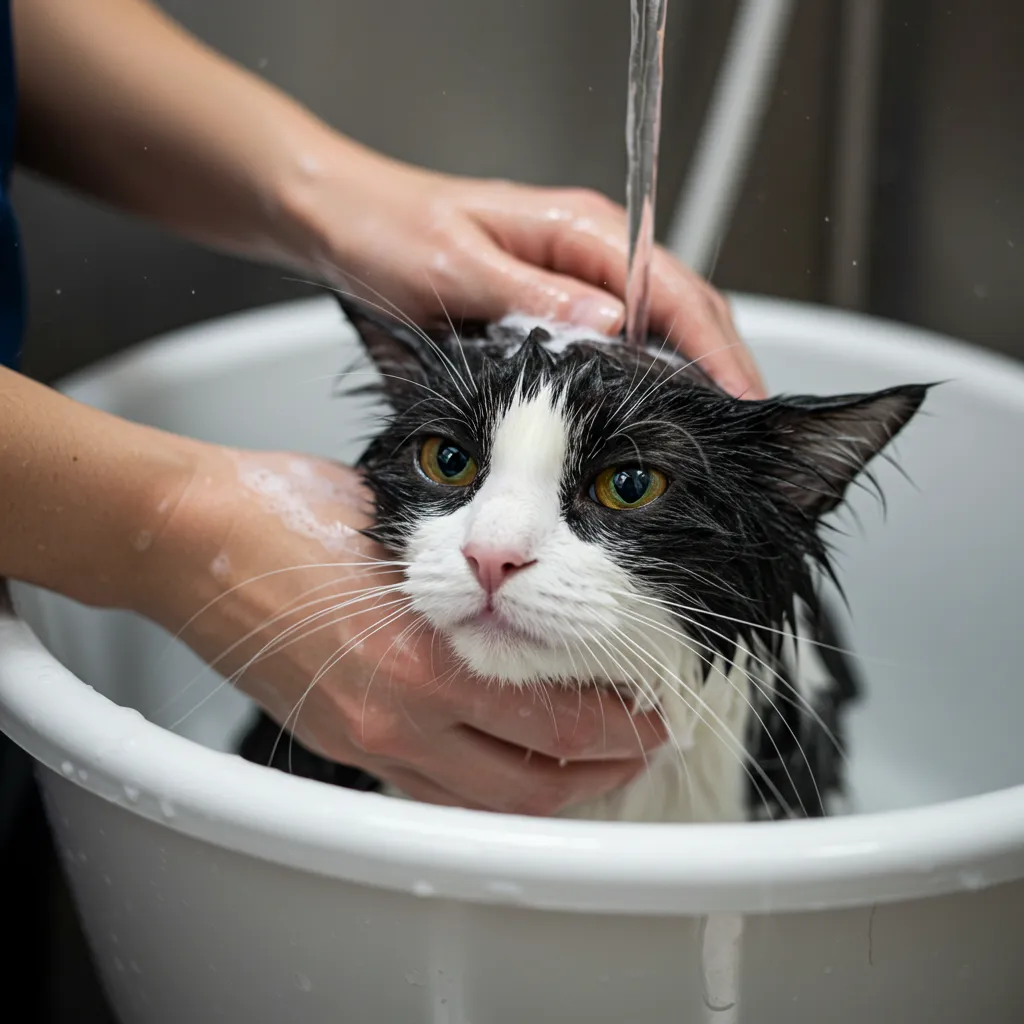
- Best Shampoo for Cat Hair Loss: Medicated shampoos like Malaseb or Douxo Chlorhexidine can help with fungal or bacterial infections.
4. Natural Remedies for Cat Ear Hair Loss
For pet owners seeking natural remedies for cat ear hair loss, try these vet-approved options:
- Coconut Oil: Has antifungal and moisturizing properties. Apply sparingly to soothe irritated skin.
- Aloe Vera: Soothes inflammation but ensure it’s pet-safe and free of additives.
- Omega-3 Supplements: Fish oil supports cat skin and coat health, reducing inflammation from allergies.
Warning: Always consult a vet before using natural remedies, as some can worsen conditions or interact with medications.
5. Stress Reduction
- Calming Aids: Feliway diffusers or calming treats to reduce stress-induced over-grooming.
- Environmental Enrichment: Add scratching posts, toys, or perches to keep your cat engaged.
6. Veterinary Medications
- Antibiotics: For bacterial infections causing cat ear skin problems.
- Steroids: To reduce severe inflammation in cat ear dermatitis.
- Hormonal Therapy: For rare cases of endocrine-related hair loss.
Case Study: Jasper, a Maine Coon, had a cat losing fur around the ears due to a yeast infection. His owner used a vet-prescribed antifungal shampoo and cleaned his ears weekly, restoring his fur in six weeks.
Preventing Cat Ear Hair Loss
Prevention is key to maintaining cat skin and coat health and avoiding cat ear bald spots. Follow these cat ear care tips:
1. Regular Ear Cleaning
- Clean your cat’s ears monthly with a vet-approved solution like Epi-Otic.
- Step-by-Step Guide:
- Gently hold your cat and tilt her head.
- Apply a few drops of cleaner into the ear canal.
- Massage the base of the ear to loosen debris.
- Wipe away debris with a cotton ball (never insert anything deep into the ear).
2. Consistent Flea Prevention
- Use year-round flea control to prevent cat allergies and hair loss from flea bites.
- Product Recommendation: Seresto collars or Bravecto topical for long-lasting protection.
3. Balanced Diet
- Feed high-quality food rich in omega-3s, biotin, and zinc to support cat grooming and hygiene.
- Example: Royal Canin Skin and Coat formula is vet-recommended for sensitive skin.
4. Regular Grooming
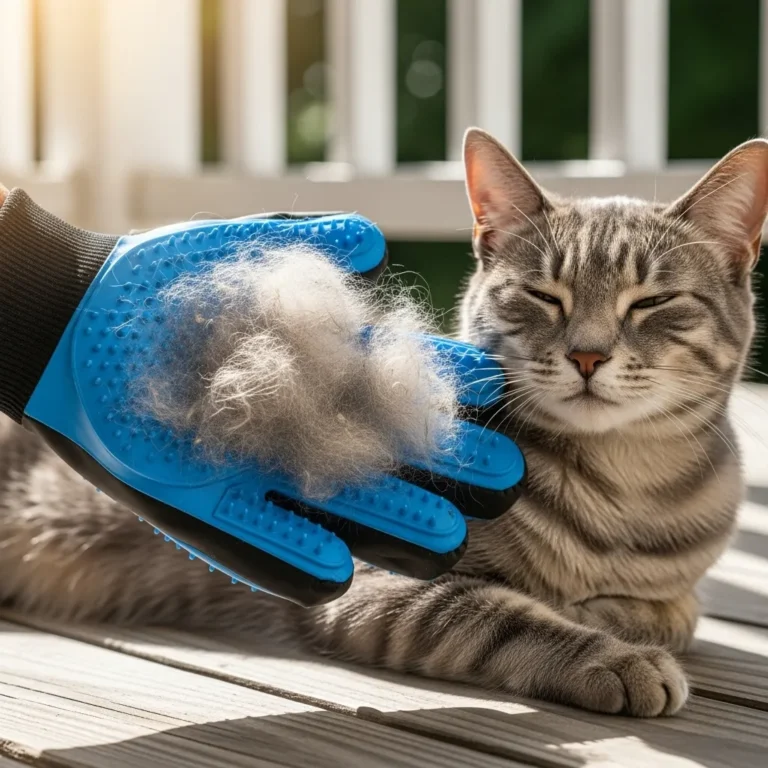
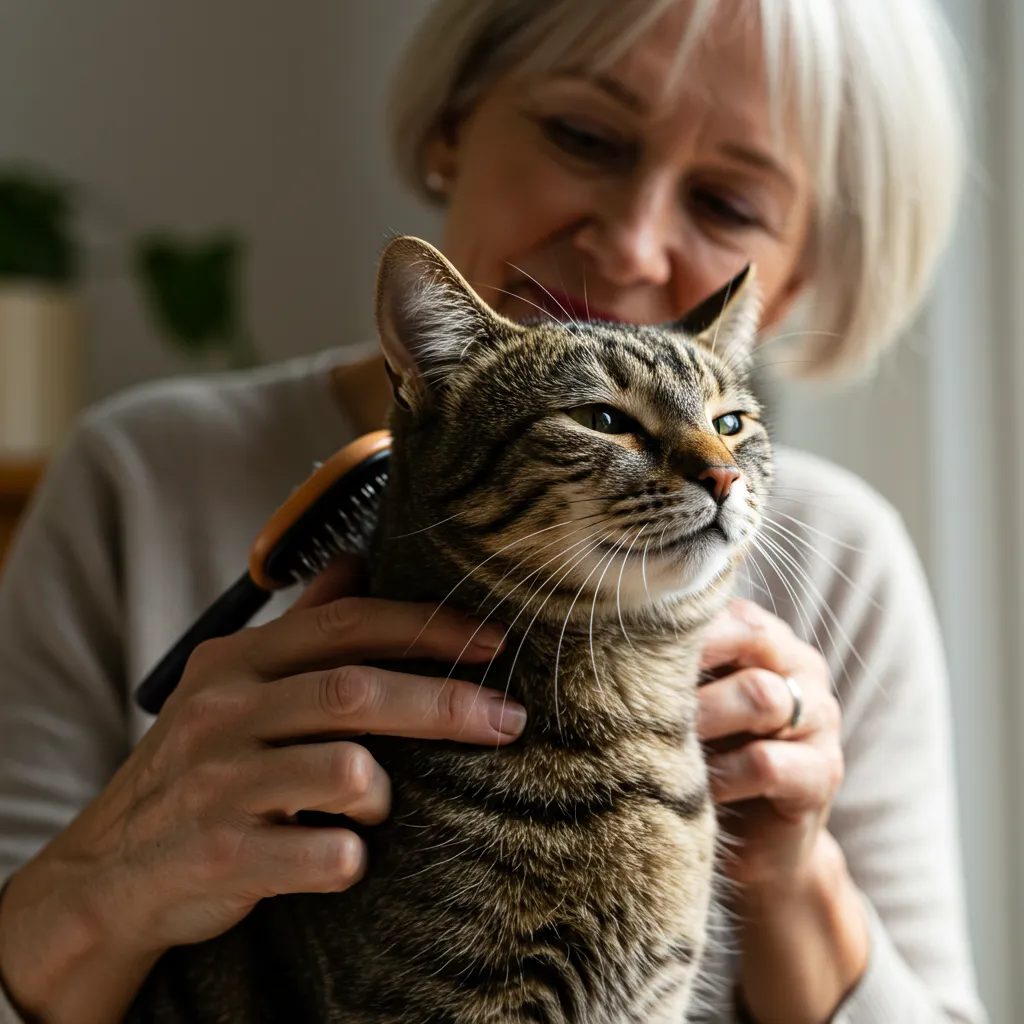
- Brush your cat weekly to distribute natural oils and spot early signs of cat hair loss on the ears.
- Use a soft-bristled brush for short-haired cats or a slicker brush for long-haired breeds.
5. Stress Management
- Maintain a stable environment with consistent routines.
- Provide toys, cat trees, and interaction to prevent stress-related cat losing fur around their ears.
6. Routine Vet Checkups
- Schedule annual exams to catch the causes of cat ear hair loss early.
- Ask your vet about allergy testing if your cat has recurring issues.
| Prevention Tip | Benefit | Frequency |
|---|---|---|
| Ear Cleaning | Removes debris, prevents infections | Monthly |
| Flea Prevention | Avoids flea allergy dermatitis | Monthly/Quarterly |
| Balanced Diet | Supports skin and coat health | Daily |
| Grooming | Detects early skin issues | Weekly |
| Stress Management | Reduces over-grooming | Ongoing |
| Vet Checkups | Early detection of health issues | Annually |
FAQs About Cat Hair Loss on Ears
Why is my cat losing hair on her ears?
Hair loss on a cat’s ears can stem from ear mites, allergies, fungal infections, stress, or hormonal issues. Consult a vet for a precise diagnosis.
What causes hair loss in cat ears?
Common causes include ear mites, flea allergies, ringworm, bacterial/yeast infections, or over-grooming due to stress.
How do you diagnose cat ear hair loss?
Vets use physical exams, ear swabs, skin scrapings, or blood tests to identify the cause, such as cat ear mites, hair los,s or allergies.
What are the treatment options for cat ear hair loss?
Treatments range from miticides for ear mites, antihistamines for allergies, antifungal shampoos for ringworm, to calming aids for stress-related hair loss.
How can I prevent cat ear hair loss?
Regular ear cleaning, flea prevention, a balanced diet, grooming, and stress management are key to preventing cat hair loss.
Are there natural remedies for cat ear hair loss?
Yes, coconut oil, aloe vera, and omega-3 supplements can help, but consult a vet to ensure they’re safe for your cat.
Conclusion
Cat hair loss on ears can be alarming, but with the right knowledge, you can address it effectively. From cat ear mites hair loss to cat allergies hair loss, understanding the causes—ear mites, allergies, fungal infections, or stress—helps you choose the best treatment. Whether it’s using natural remedies for cat ear hair loss like coconut oil or investing in the best shampoo for cat hair loss, this guide equips you with actionable steps to restore your cat’s ear health.