How to Reduce Cat Dander in Your Home: A Complete, Vet-Backed Guide to Breathing Easier With Your Cat
Living with cats when someone in the house has allergies can feel like a constant battle. Sneezing, itchy eyes, and that lingering stuffiness don’t have to mean saying goodbye to your favorite feline. The real culprit isn’t cat hair (surprising, right?). It’s cat dander tiny flakes of dead skin that carry the Fel d 1 protein most people react to. The good news? You can dramatically reduce cat dander in your home and keep allergy symptoms under control without banning kitty from the bedroom.
In this guide, we’ll walk through every proven method – from daily habits to bigger investments – that actually work. Thousands of cat lovers (myself included) have turned miserable, sniffly homes into comfortable, cat-friendly spaces using these exact steps.
Key Takeaways (Read This First)
- Cat dander is microscopic and airborne; hair just carries it around.
- Regular grooming + frequent cleaning can cut airborne allergens by 80-90%.
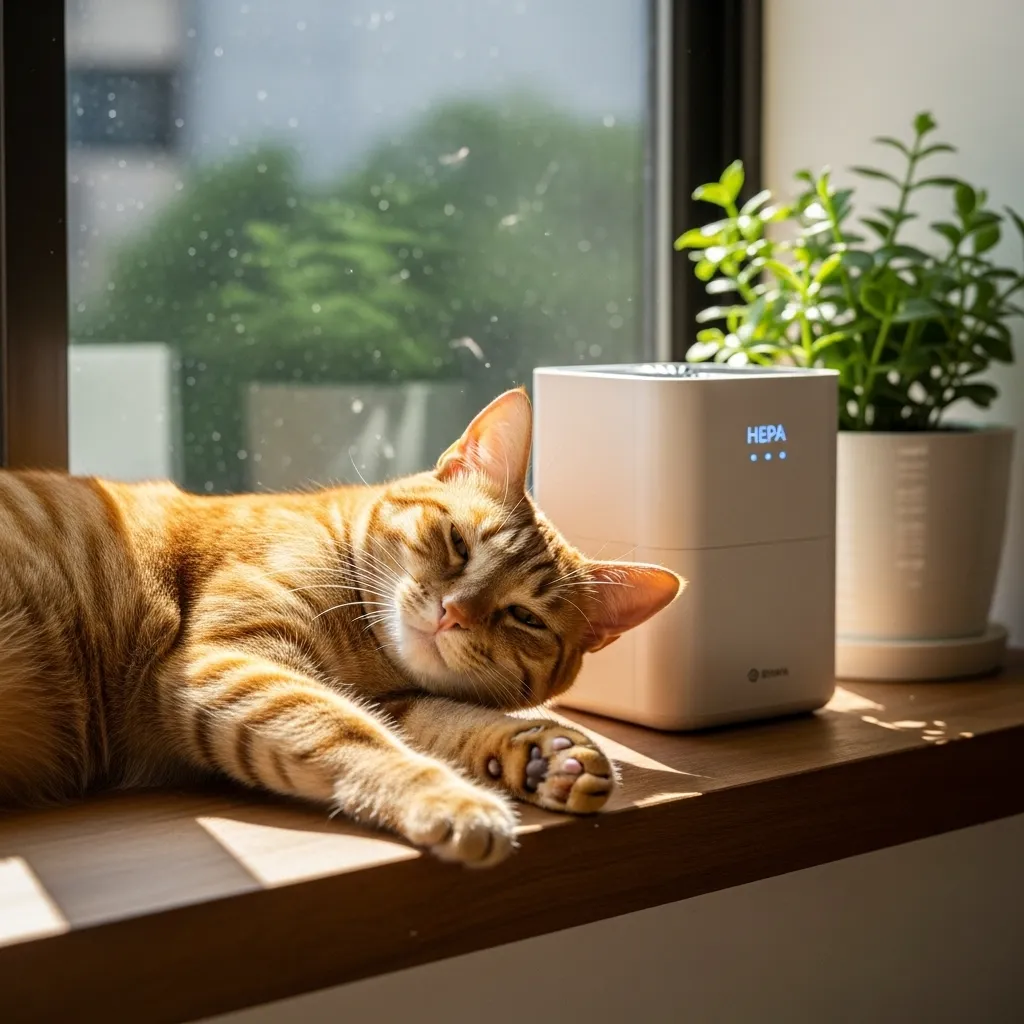
- HEPA air purifiers are the single most effective tool after grooming.
- No cat is truly hypoallergenic, but some breeds produce less Fel d 1.
- You can usually enjoy your cat and keep symptoms minimal with the right routine.
What Is Cat Dander Exactly (And Why It’s So Hard to Escape)
Cat dander is dead skin cells that cats naturally shed, just like humans do. The difference? Cats groom themselves constantly, spreading saliva that contains the Fel d 1 allergen across their coat. When the skin flakes dry, they become light enough to float in the air for hours. Those flakes then stick to furniture, carpets, curtains, and even your clothes.
A single cat produces enough dander to trigger allergies in sensitive people across an entire average-sized home within days. The particles are smaller than dust (usually 2-10 microns), so regular vacuum filters and basic cleaning barely touch them.
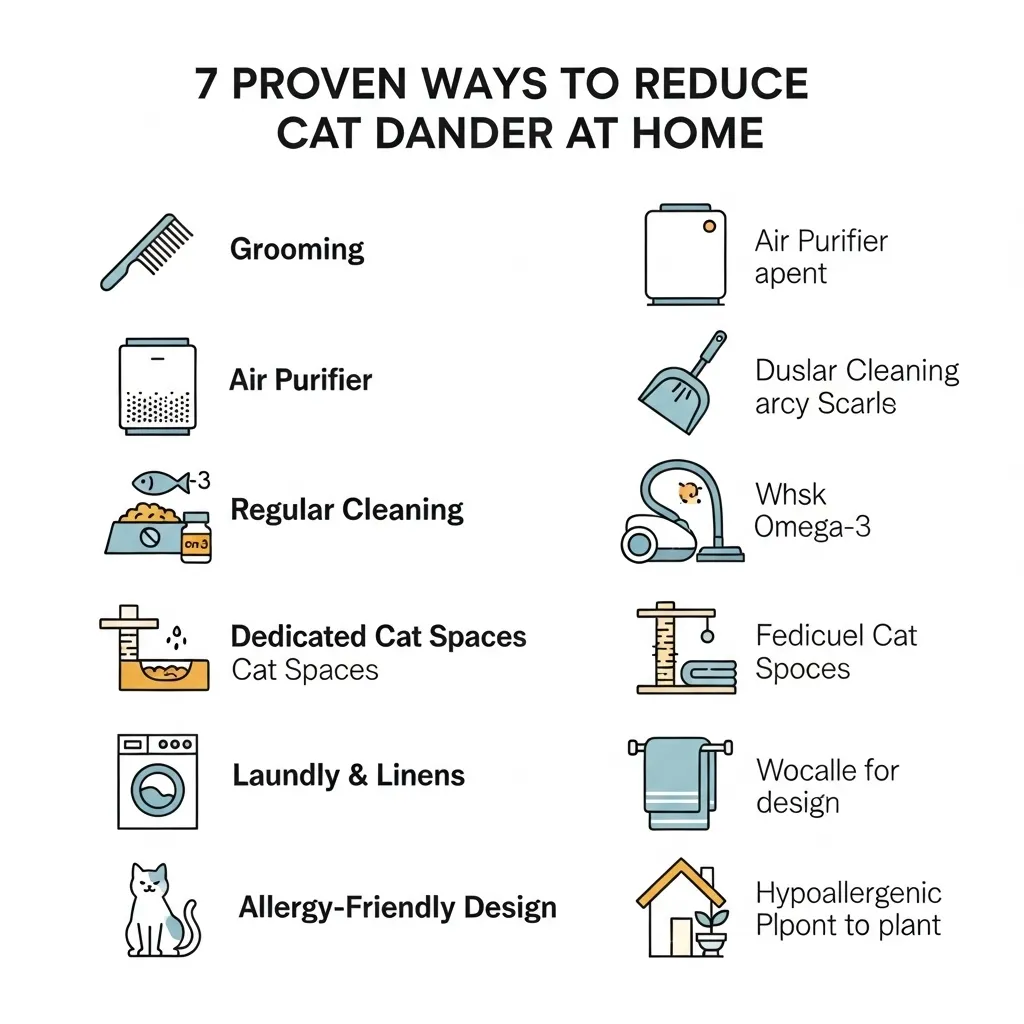
The 7 Most Effective Cat Dander Control Methods (Ranked by Impact)
1. Groom Your Cat the Right Way – The #1 Dander Reducer
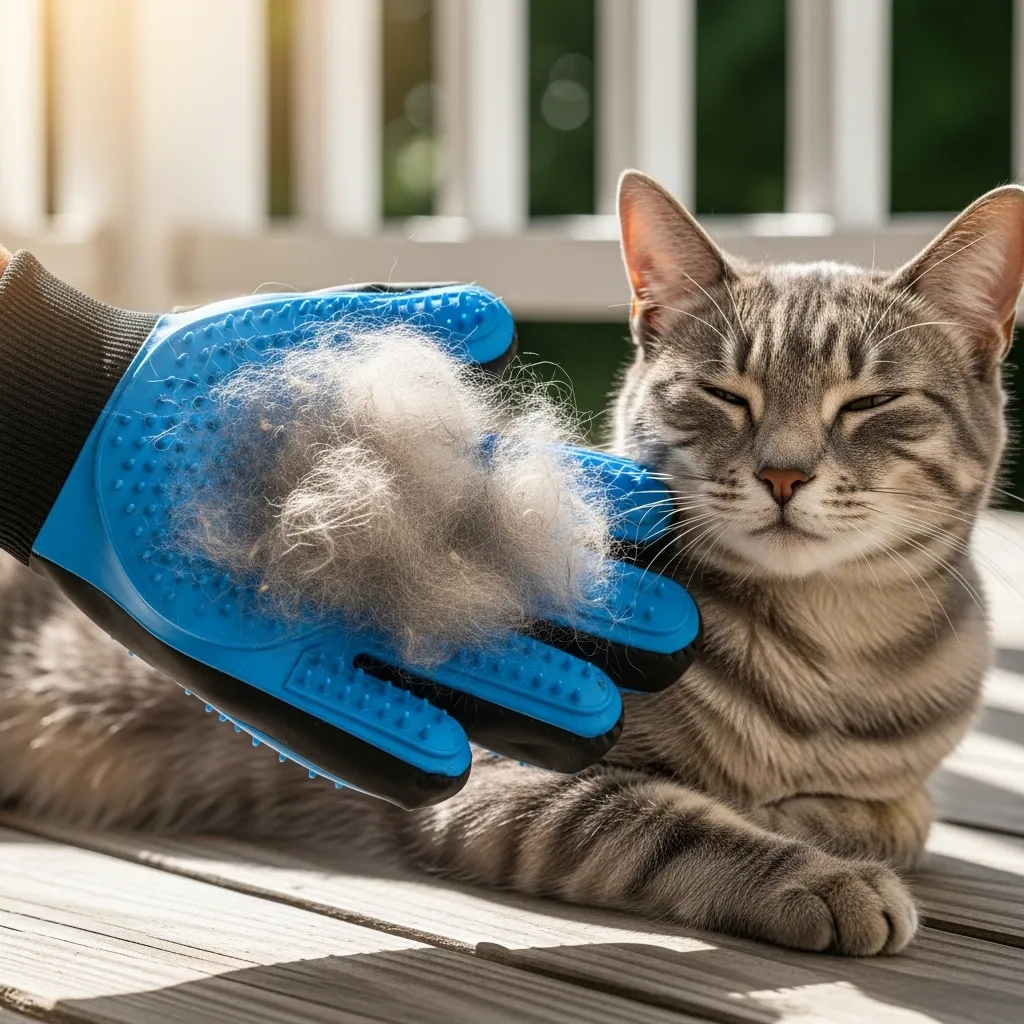
Brushing alone can remove up to 90% of loose dander and hair before it spreads. Do it daily if possible, always outside or in a bathroom you can wipe down immediately.
Best tools:
- Slicker brush or rubber grooming glove for short-haired cats
- Wide-tooth comb + undercoat rake for medium/long-haired breeds
- Follow with a damp microfiber cloth wipe-down to catch remaining flakes
Pro tip: Many cats hate traditional brushes. Try grooming gloves – cats often think they’re just being petted.
2. Invest in a True HEPA Air Purifier (Yes, It’s Worth It)
Studies show quality HEPA purifiers can remove 99.97% of particles as small as 0.3 microns – exactly the size range of cat dander. Place one in the bedroom and another in the main living area.
2025 top performers for cat allergies:
- Levoit Core 600S (quiet, large room coverage)
- Winix 5500-2 (washable pre-filter saves money long-term)
- Rabbit Air MinusA2 (wall-mountable, pet-specific model)
Run them 24/7 on medium or auto mode. Change filters on schedule – a clogged filter just recirculates allergens.
3. Create an Allergen-Trapping Cleaning Routine That Actually Works
Weekly cleaning is non-negotiable. Here’s the exact order that pros use:
Monday & Thursday (quick 10-minute sweep):
- Damp microfiber cloth on all hard surfaces (top-down)
- Vacuum with HEPA-filter vacuum or robot vac
Saturday deep clean:
- Wash all bedding, throws, and curtains in 140°F water
- Steam-clean upholstery and mattresses
- Mop hard floors with hot water (no chemical residue that attracts dander)
Allergen-free flooring choices: Skip carpet entirely if you’re building or renovating. Hardwood, tile, or luxury vinyl plank make a massive difference.
4. Bathe Your Cat – Yes, It’s Possible (and Helpful)
Most cats need bathing only every 4-8 weeks to reduce dander. Use lukewarm water and a cat-specific, fragrance-free shampoo. Focus on the back, neck, and base of tail – where most Fel d 1 concentrates.
Waterless options work too: Hypoallergenic mousses or anti-allergen sprays applied after brushing can cut dander for days.
5. Feed a Diet That Reduces Dander Production
Newer research shows certain foods can lower Fel d 1 levels in saliva and skin:
- Diets with omega-3 fatty acids (fish oil) improve skin health and reduce flaking
- Purina Pro Plan LiveClear is clinically proven to reduce allergens in cat hair and dander by an average of 47% after 3 weeks (it neutralizes Fel d 1 with an egg-based protein)
6. Create “Cat-Limited” Zones (Even If You Hate the Idea)
Keeping your cat out of the bedroom for at least 8 hours a day gives your immune system a critical break. It’s often the single change that finally drops symptoms from daily to occasional.
Use a comfy cat bed in another room and close the door at night. Most cats adapt within a week.
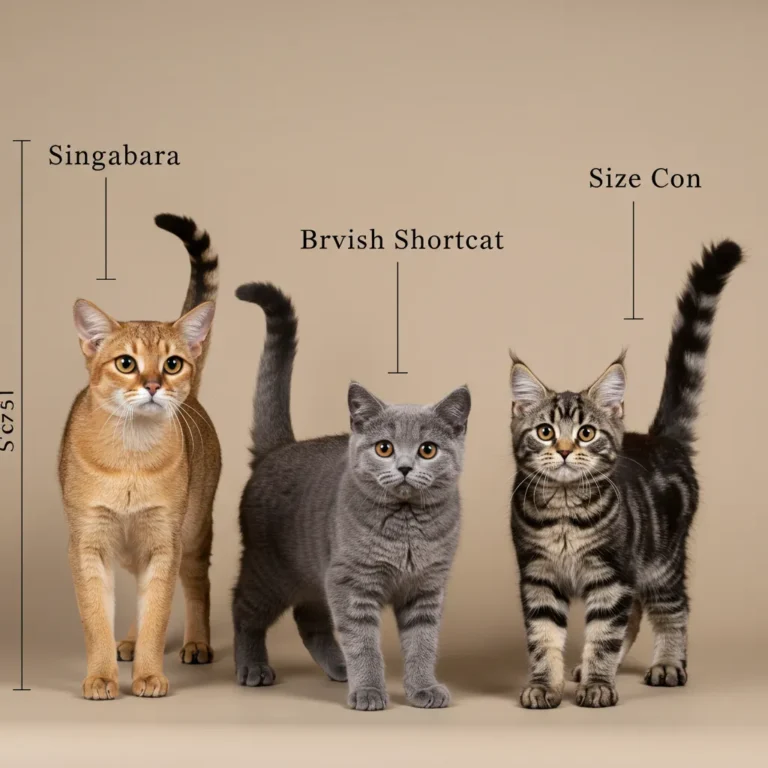
7. Consider Breed Differences (But Don’t Rely on “Hypoallergenic” Marketing)
No cat is 100% hypoallergenic, but some produce less Fel d 1:
- Siberian (often lowest Fel d 1 levels despite long fur)
- Balinese & Russian Blue (moderate producers)
- Bengal & Norwegian Forest Cat (tend to be higher producers)
See our full breakdown: Are Bengal cats hypoallergenic?
Natural Remedies and Quick Wins People Swear By
- Apple cider vinegar rinse (1 cup ACV : 3 cups water) after bathing – changes skin pH slightly and reduces dander adhesion
- Coconut oil rubbed sparingly into the coat once a week – moisturizes skin and reduces flaking
- Allerpet solution wiped on weekly – binds allergens so they don’t go airborne
Common Mistakes That Keep Allergies Bad
- Vacuuming without HEPA (just launches dander back into the air)
- Dry dusting (spreads particles)
- Washing cat bedding in cold water (doesn’t kill allergens)
- Letting the cat sleep on your pillow (guarantees nightly exposure)
FAQ: Your Top Cat Dander Questions Answered
How can I reduce cat dander in my home fast?
Start with daily brushing outside + running a HEPA purifier 24/7. Most people notice improvement within 3-7 days.
Is there a truly hypoallergenic cat breed?
No breed is 100% hypoallergenic, but Siberians and Balinese often cause fewer reactions because they produce less Fel d 1 protein.
Do air purifiers really work for cat allergies?
Yes – multiple studies show true HEPA purifiers reduce airborne cat allergens by 50-90% when run continuously.
How often should I brush my cat to reduce dander?
Daily is ideal. Even 5 minutes removes the majority of loose dander before it spreads.
Can diet reduce cat dander?
Yes. Foods high in omega-3s and specially formulated diets like Purina LiveClear can lower allergen production.
Will hardwood floors solve my cat allergy problem?
They help enormously by removing a major dander reservoir, but you still need grooming and air purification for best results.
Final Thoughts: You Don’t Have to Choose Between Your Cat and Breathing
Reducing cat dander isn’t about perfection – it’s about stacking small, consistent habits that add up to huge relief. Start with the top three (grooming, HEPA purifier, weekly hot-water washing) and add others as you can. Most cat owners find that after 2-4 weeks of the full routine, allergy symptoms drop from daily misery to occasional sniffles or disappear entirely.
Your cat gets to stay. You get to breathe. Win-win.
Ready for more expert cat care tips? Explore our complete guides on everything from American Shorthair grooming to Bengal cat personalities right here on Cat Bloom Haven.