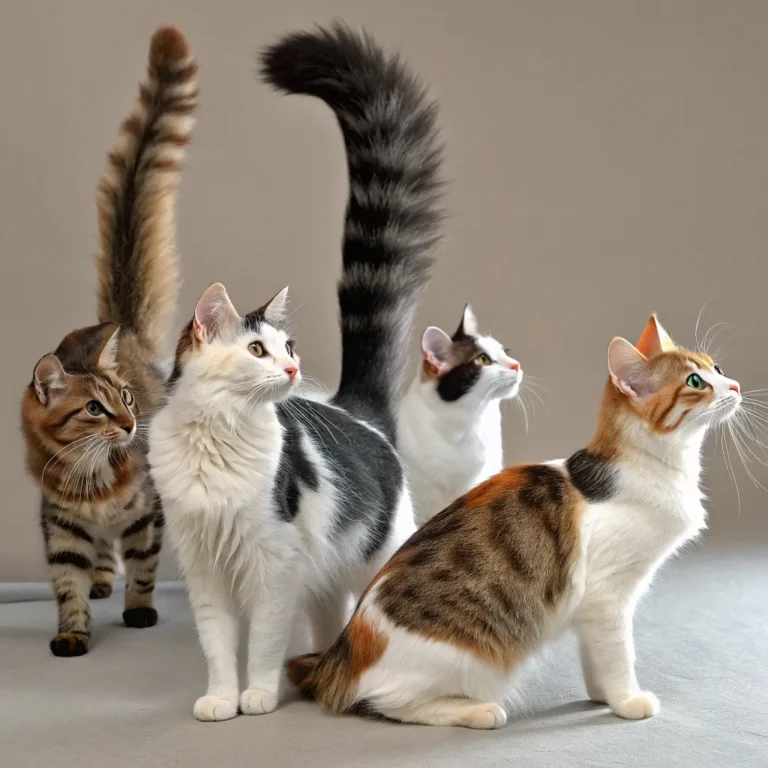
Predicting Cat Size by Tail Length: Unlocking the Secrets to Your Feline’s Future Size
Have you ever looked at your fluffy little kitten, mesmerized by that wiggly tail, and wondered, “How big will my kitten get?” It’s a common puzzle for new cat parents staring at those tiny paws and that surprisingly long (or short) tail, trying to predict if you’ll end up with a petite lap cat or a majestic giant roaming your home. Predicting cat size by tail length has sparked curiosity among pet owners for years, but it’s not as straightforward as it sounds.
While tail length can offer some clues, especially when tied to breed traits and genetics, it’s just one piece of the puzzle. In this ultimate guide, we’ll dive deep into the science, myths, and practical tips to help you gauge your cat’s growth potential. Backed by vet-verified insights and real-world examples, this article is your go-to resource for understanding cat physical development, from kitten to adult cat size. Whether you’re a first-time owner or a seasoned cat enthusiast, you’ll walk away with actionable advice to satisfy that burning question: How big will my cat get?
Cat Growth Stages: The Journey from Tiny Kitten to Full-Grown Feline
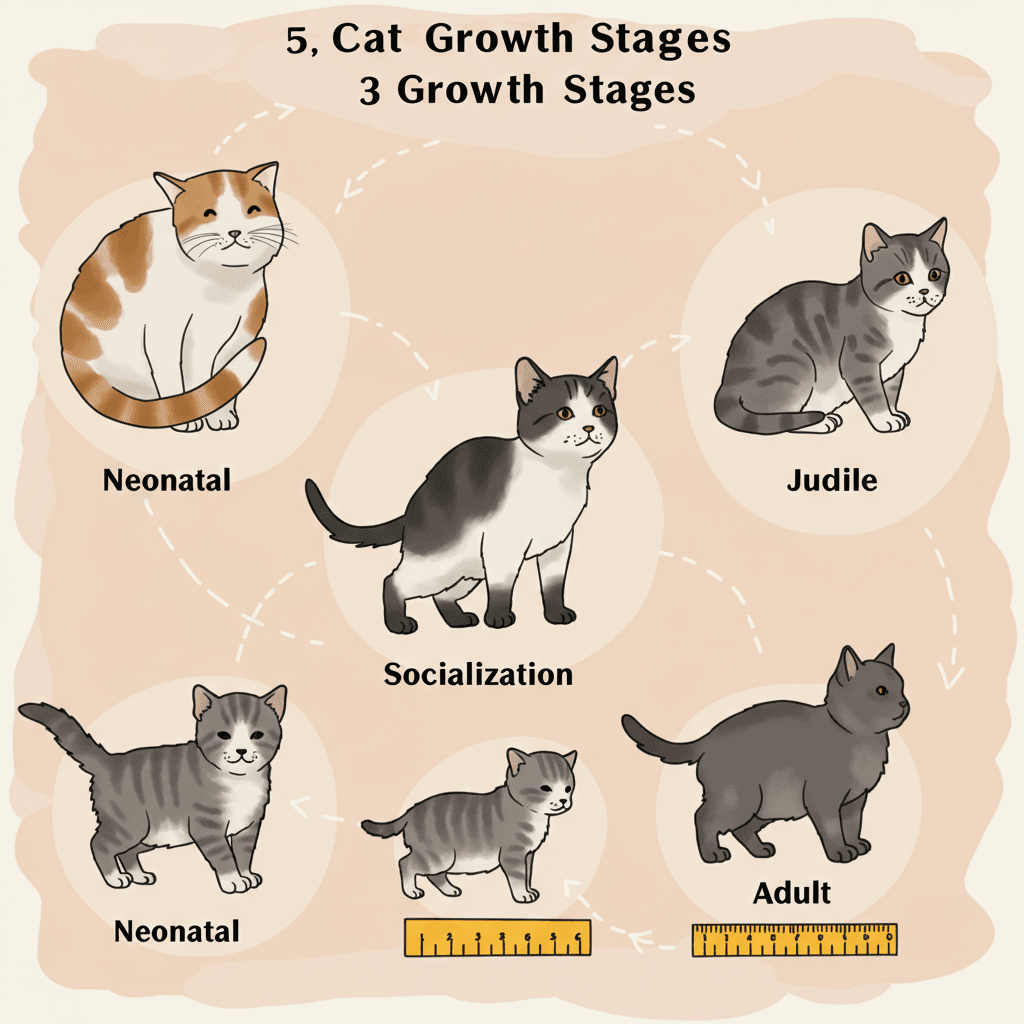
Before we zoom in on tails, let’s set the stage with a clear overview of cat growth stages. Cats don’t grow linearly like humans; their development is rapid in the early months and tapers off as they approach adulthood. Understanding these phases helps contextualize how features like tail length evolve and what they might signal about overall size.
Cats typically go through five main life stages:
- Neonatal Stage (0-2 Weeks): Kittens are born blind, deaf, and utterly dependent. Their tails are short and stubby, often just a few inches long. Weight gain is explosive—doubling in the first week alone. At this point, tail length isn’t a reliable predictor; focus on overall health instead.
- Transitional Stage (2-4 Weeks): Eyes open, ears unfold, and mobility kicks in. Tails start to elongate slightly as the body grows. By week 4, kittens weigh about 1 pound and their tails might reach 3-4 inches.
- Socialization Stage (4-12 Weeks): This is prime playtime! Kittens explore, learn social cues, and grow quickly. Tails become more expressive, aiding balance during those clumsy jumps. Growth rate: About 1 pound per month. Here, a longer tail relative to body size might hint at a larger breed.
- Juvenile Stage (3-6 Months): Adolescence hits—think endless energy and rapid size increases. Most cats reach 50-75% of their adult size by 6 months. Tails stop growing around 4 months in many cases, making this a key window for predictions.
- Adolescent to Adult Stage (6-18 Months): Growth slows, but larger breeds like Maine Coons continue filling out until 2-3 years. Females often mature faster (by 10-12 months), while males might take up to 18 months.
Real-life example: I once fostered a mixed-breed kitten with a tail that seemed comically long at 8 weeks. By 12 months, she grew into a 12-pound beauty—her early tail length was a subtle nod to her larger frame, but it was her broad paws that really gave it away. Pro tip: Track weekly weights using a simple kitchen scale to spot patterns early.
For a visual aid, check out growth charts from reputable sources like the Waltham Kitten Growth Charts (available online for free)—they let you plot your kitten’s progress against healthy averages.
How to Tell How Big Your Kitten Will Get: Beyond Just the Tail
Wondering “how big will my kitten get?” You’re not alone—it’s one of the top searches for cat owners. While predicting cat size by tail length gets attention, experts emphasize a holistic approach. Tail length can be an indicator (more on that below), but combine it with other factors for accuracy.
Key Indicators for Cat Growth Prediction
- Paw and Ear Size: Large paws or ears often mean a bigger adult cat. If your kitten’s paws look oversized, like they’re wearing clown shoes, expect a substantial growth spurt.
- Leg Height: Tall back legs suggest potential for larger size. Measure from paw to shoulder—anything over 6 inches at 3 months could point to a 12+ pound adult.
- Weight Milestones: A rough rule: Double their weight at 4 months for an adult estimate. For example, a 4-pound 4-month-old might top out at 8 pounds.
- Breed Clues: If known, breed is the biggest predictor. Unknown? DNA tests like Basepaws can reveal heritage.
- Gender Differences: Males are typically 10-20% larger than females in the same breed.
Step-by-Step Guide to Estimating Size at Home:
- Weigh your kitten weekly and log it in a journal or app.
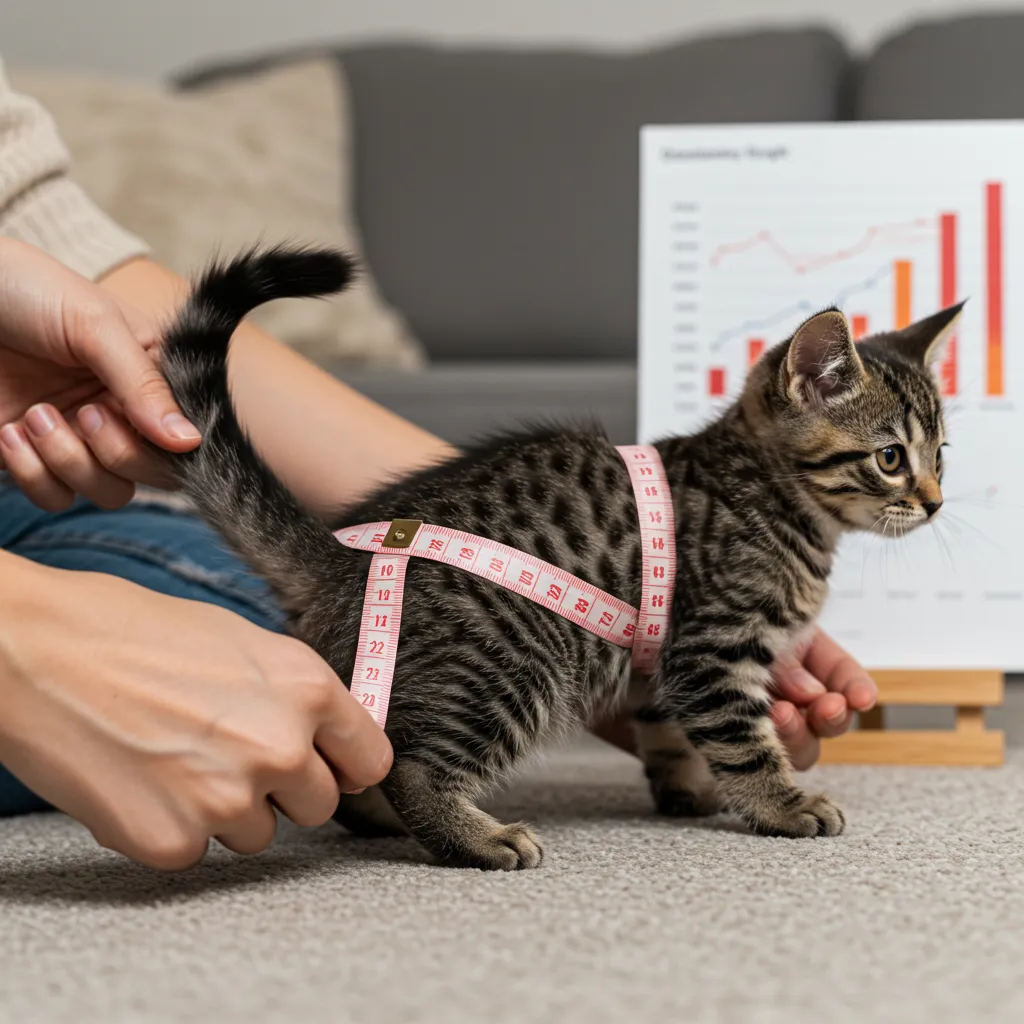
- Measure body length (nose to tail base) and tail separately.
- Compare to online kitten growth calculators (we’ll cover those later).
- Observe build: Stocky bodies often mean medium-large cats; slender ones stay petite.
- Consult a vet for personalized advice—bring measurements!
Remember, nutrition plays a huge role. Feed high-quality kitten food to support healthy growth without overfeeding, which can lead to obesity.
The Role of Tail Length in Cat Growth Prediction
Ah, the main event: Can you really use cat tail length to predict body size? The short answer? It’s a clue, not a crystal ball. Tail length is largely genetic, influenced by the T-gene during embryonic development. In larger breeds, longer tails often correlate with overall size because they provide better balance for bigger bodies.
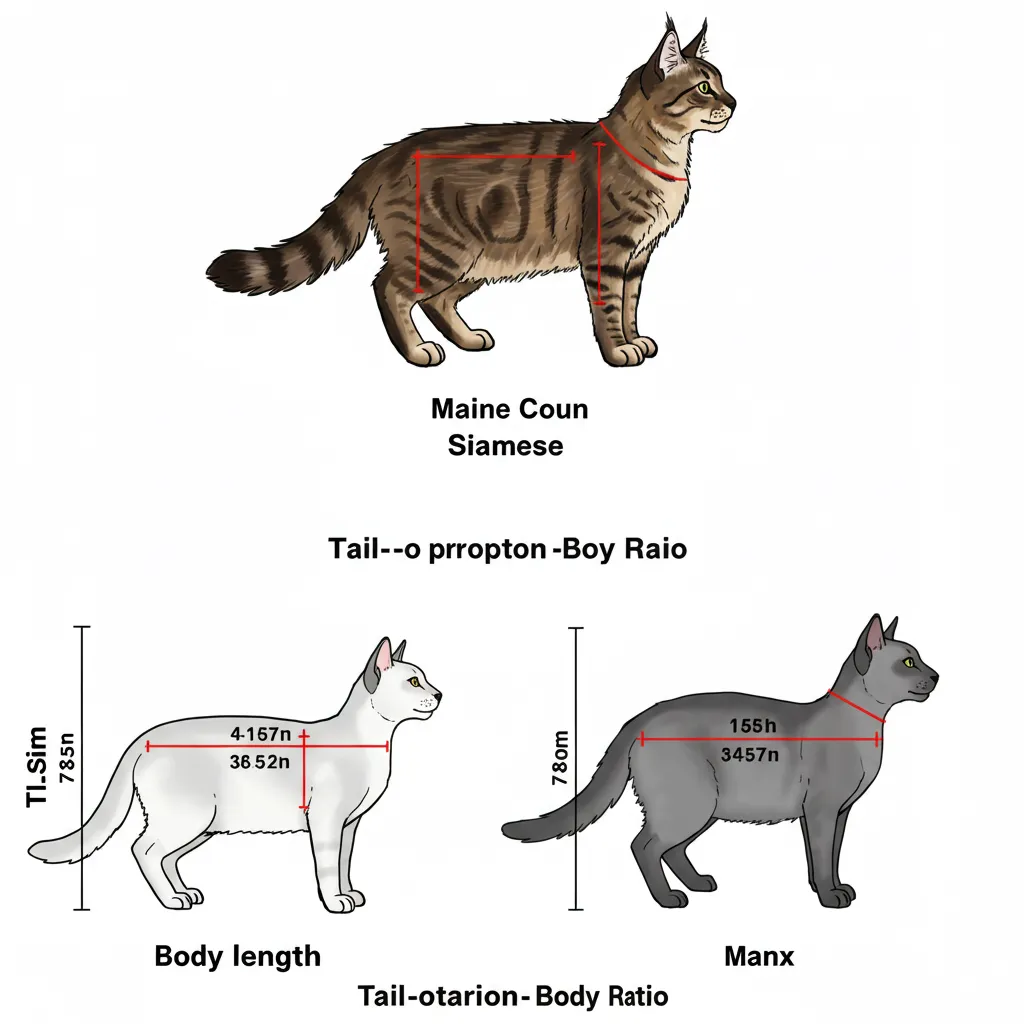
Cat Tail Length to Body Ratio Explained
On average, a cat’s tail is about half the length of its body (from nose to tail base) or 10% of total bone count. For domestic cats:
- Average tail: 9-12 inches.
- Body ratio: Tail often 40-50% of head-to-body length in proportional cats.
If your kitten’s tail-to-body ratio is high (e.g., tail nearly as long as the body at 3 months), it might signal larger growth, especially if paired with other signs. But exceptions abound—Manx cats have short tails yet vary in size.
Pros of Using Tail for Prediction:
- Easy to measure (use a soft tape from base to tip).
- Breed-specific: Maine Coons boast 14-inch tails on 40-inch bodies.
Cons:
- Not scientific; genetics and environment trump it.
- Mutations can shorten tails without affecting size.
Tail Length Meaning in Cats: Beyond size, a long tail aids agility and communication. Short tails? Often breed traits, like in Japanese Bobtails.
Cat Tail Length Chart: Quick Reference for Common Breeds
Here’s a handy cat tail length chart based on averages from vet sources. Remember, individuals vary!
| Breed | Average Tail Length (inches) | Typical Adult Body Length (nose to tail base, inches) | Tail-to-Body Ratio |
|---|---|---|---|
| Domestic Shorthair | 9-11 | 18-20 | ~50% |
| Maine Coon | 12-16 | 19-30 | 40-60% |
| Siamese | 10-12 | 15-20 | ~60% |
| Persian | 8-10 | 14-18 | ~55% |
| Bengal | 10-14 | 16-22 | 50-65% |
| Manx (tailless variant) | 0-4 | 14-18 | N/A |
Use this as a starting point for your cat body size guide. Measure your cat standing straight for best accuracy.
Average Sizes of Cat Breeds: A Detailed Comparison
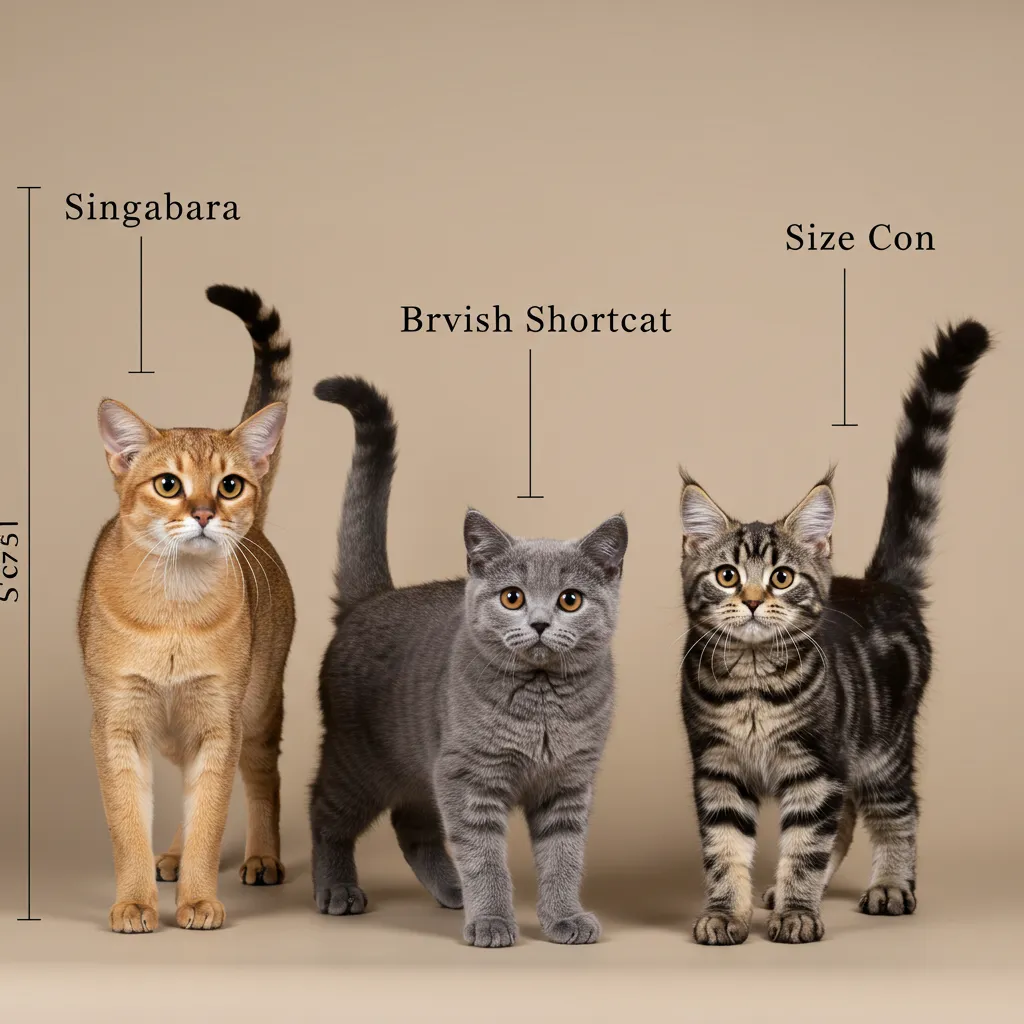
For a cat breed size comparison, let’s break it down. Domestic cat size charts show averages, but genetics play a big role in cat size genetics.
Small Breeds (Under 10 lbs)
- Singapura: 4-8 lbs, 12-14 inches long.
- Devon Rex: 5-10 lbs, curly coat, playful.
Medium Breeds (10-15 lbs)
- Abyssinian: 7-12 lbs, athletic build.
- British Shorthair: 9-18 lbs (males larger), stocky.
Large Breeds (15+ lbs)
- Maine Coon: 10-25 lbs, up to 40 inches total length.
- Ragdoll: 10-20 lbs, floppy and affectionate.
- Savannah: 12-25 lbs, hybrid with wild looks.
Cat Breed Size Comparison Table:
| Breed | Average Weight (lbs) | Height (inches) | Length (inches, including tail) |
|---|---|---|---|
| Singapura | 4-8 | 6-8 | 12-14 |
| Maine Coon | 10-25 | 10-16 | 30-40 |
| Siamese | 8-15 | 8-10 | 20-25 |
| Norwegian Forest Cat | 12-20 | 9-12 | 25-35 |
| Bengal | 8-15 | 8-10 | 22-28 |
Larger breeds often have higher tail-to-body ratios for balance. If your cat’s a mix, expect averages around 8-12 lbs.
Cat Growth Prediction by Tail and Other Tools
For precise estimates, try cat growth calculator online tools. Popular ones include:
- Omni Calculator: Input age and weight for adult prediction.
- YourPaws Kitten Size Calculator: Science-backed, easy to use.
- Kitty Calcs Growth Calculator: Factors in breed if known.
How to Estimate Kitten Size by Tail: Measure tail at 8-12 weeks. If it’s over 6 inches on a small body, lean toward medium-large. But always cross-reference with a cat body measurement guide.
Trending in 2025: AI-powered cat size prediction tools incorporating photos for tail and paw analysis—check apps like PetMD for updates.
Cat Size Genetics and Influencing Factors
Cat size genetics are fascinating—dominated by polygenic traits. Larger parents beget larger kittens, but environment matters. Nutrition: Protein-rich diets support growth. Health: Spay/neuter timing can affect final size. Real example: Undernourished strays often stay small despite genetic potential.
Conclusion: Tail Tales and Beyond—Your Cat’s Size Journey
Predicting cat size by tail length is an intriguing starting point, but true insights come from combining it with growth stages, breed comparisons, and tools like kitten growth calculators. Whether your furball ends up petite or powerhouse, the joy is in the journey.
Armed with this guide, you’re set to monitor their development confidently. Got questions? Comment below, subscribe for more cat tips, or try a growth calculator today. Your cat’s future size might surprise you—but you’ll be ready!

FAQ
Can you tell how big a cat will get by its tail?
Yes, somewhat—longer tails often indicate larger breeds, but it’s not foolproof. Check tail-to-body ratio and other signs like paw size.
How do you tell how big a kitten will get?
Weigh at 4 months and double it for a rough estimate. Factor in breed, genetics, and growth charts for accuracy.
How to tell how big your cat will get?
Use indicators like tall legs, large paws, and online calculators. Most cats reach adult size by 12-18 months.
How big can a cat’s tail get?
Up to 16 inches in breeds like Maine Coons; average is 9-12 inches.
How tall is a cat’s tail compared to its body?
Typically 40-60% of body length, aiding balance and expression.