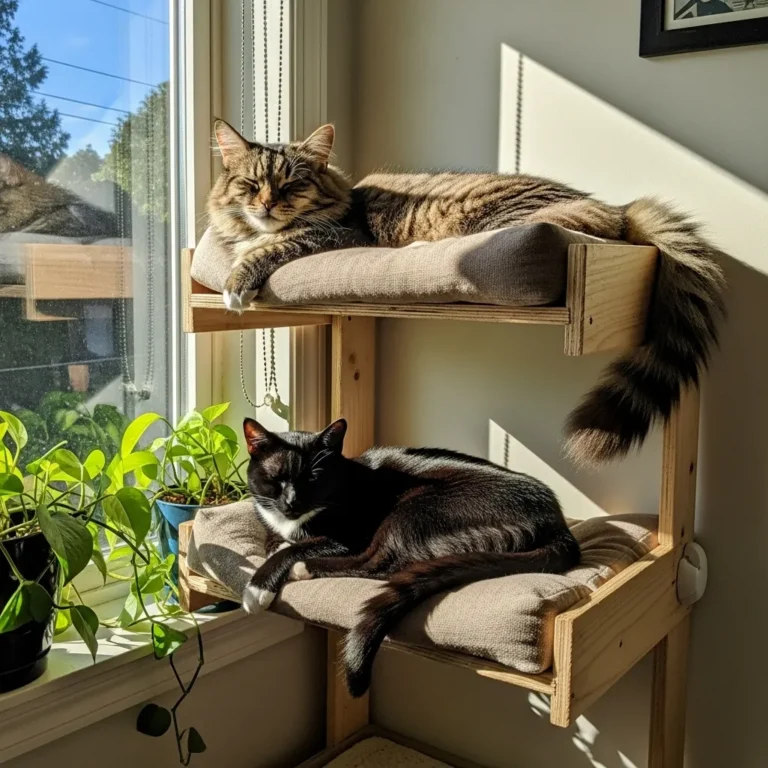
What Does It Mean When a Cat Curls Up Next to You? Unraveling the Secrets of Feline Sleeping Behaviors
Picture this. You settle into bed after a long day, and within moments, your cat hops up, circles once or twice, and curls up right next to you. Their tiny body presses against yours, maybe with a soft purr vibrating through the blankets. It’s one of those heartwarming moments that make cat ownership so rewarding. But have you ever wondered what this behavior truly signifies? Is it just about warmth, or is there something deeper at play?
If you’ve found yourself asking, “Why won’t my cat leave me alone?” especially during sleep time, you’re not alone. Cats are known for their independent streaks, yet many choose to spend their most vulnerable hours glued to their humans. This article dives into the meaning of cat sleeping behavior, focusing on that cozy curl-up position. We’ll cover why cats sleep next to their owners, cat trust signs during sleep, and what your cat’s sleeping position reveals about their feelings. By the end, you’ll have a clearer understanding of your feline friend’s habits, plus practical tips to strengthen your bond.
Key Takeaways
- Curling up next to you often signals trust, affection, and a sense of security; it’s a cat’s way of saying they feel safe in your presence.
- Common cat sleeping positions, like the curled ball or belly-up expose, reveal emotions from contentment to vulnerability.
- Purring during sleep typically means relaxation or happiness, but watch for changes that could indicate health issues.
- Allowing your cat to sleep with you can enhance bonding, but consider hygiene and sleep quality for both of you.
- Sudden shifts in sleeping patterns might point to stress, illness, or environmental changes; consult a vet if needed.
These insights draw from veterinary expertise and behavioral studies, helping you decode your cat’s actions for a stronger relationship.
Understanding Cat Sleeping Positions: A Window into Their World
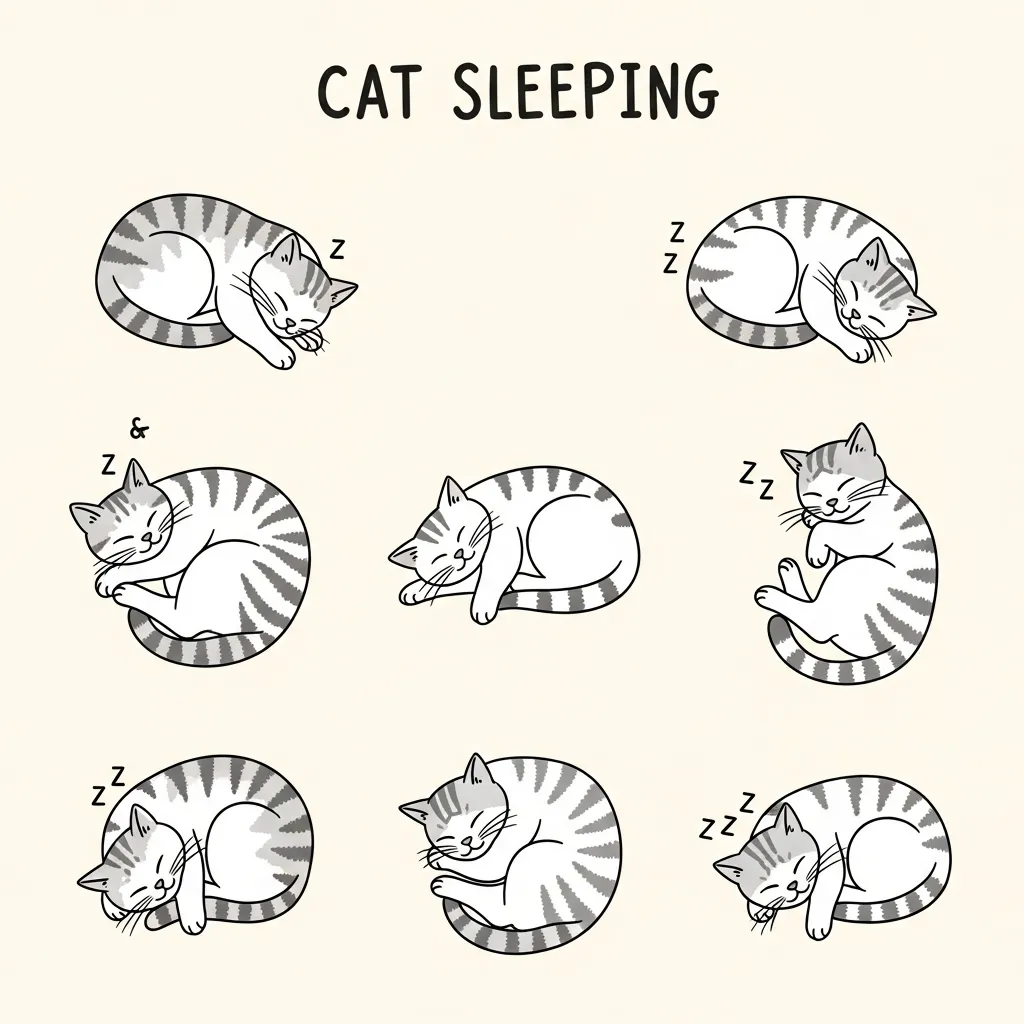
Cats spend up to 16 hours a day sleeping, so their positions aren’t random. Each one offers clues about their mood, health, and relationship with you. Let’s break down some common ones.
The Curled-Up Ball: Protection and Comfort Combined
When your cat tucks into a tight ball, nose to tail, it’s often about conserving heat and shielding vital organs. This position harks back to their wild ancestors, who needed to stay warm and protected from predators. If they’re doing this next to you, it adds a layer of trust; they see you as a safe haven. In colder months, you might notice this more frequently.
The Loaf Position: Relaxed but Alert
Picture your cat sitting upright with paws tucked under, resembling a loaf of bread. This suggests light sleep; they’re relaxed but ready to spring into action. It’s common in familiar environments where they feel secure but not fully vulnerable.
Belly Exposed: The Ultimate Sign of Trust
A cat on their back with belly showing is deeply relaxed and trusts their surroundings completely. The abdomen is a sensitive area, so this position means they feel no threat from you or the environment. If they let you pet their belly in this state, consider it a high compliment.
Side Sleeping: Deep Rest and Contentment
Lying on their side with legs extended indicates deep sleep. Your cat is comfortable and at ease, often in a trusted space like your bed.
| Cat Sleeping Position | Meaning | Common Context |
|---|---|---|
| Curled Ball | Warmth, protection, mild vulnerability | Next to owner for security |
| Loaf | Light rest, alertness | On furniture during day |
| Belly Up | High trust, relaxation | In safe, familiar spots |
| Side Sleeper | Deep sleep, contentment | During night with family |
| Superman (Stretched Out) | Total relaxation, playfulness | Warm floors or sunny areas |
This table summarizes key positions; observing your cat can reveal personal quirks.
Why Cats Sleep Next to Their Owners: Beyond Just Coziness
Ever wonder why your cat ignores the fancy bed you bought and opts for your lap instead? It’s not spite. Several factors drive this choice.
Seeking Warmth and Security
Cats love warmth, and your body heat is a perfect source. Curling up next to you helps regulate their temperature, especially in cooler homes. But it’s more than that. In the wild, cats are both predators and prey, so sleeping near a trusted human provides a sense of protection.
Building Bonds and Showing Affection
Sleeping together strengthens the cat-owner bond. Cats view their favorite humans as family members, and sharing sleep space mimics colony behavior in feral groups. If your cat curls up next to you specifically, it means they’ve chosen you as their safe person.
[Image placement: Here, insert an image of a cat curling up next to owner on bed. Image prompt: A fluffy cat curled up asleep beside a sleeping person under blankets, soft lighting. Alt text: What does it mean when a cat curls up next to you for warmth and trust.]
Territorial Marking and Comfort
Your scent comforts them. By sleeping on or near you, they’re also marking you with their pheromones, claiming you as part of their territory. This is a subtle sign of possession and love.
Real-life example: One cat owner shared on social media how their rescue cat, initially shy, started curling up next to them after a few months. It marked a turning point in trust-building.
Cat Trust Signs During Sleep: How to Spot Deep Affection
Trust doesn’t happen overnight with cats. Sleeping behaviors are key indicators.
Vulnerability as a Compliment
When a cat sleeps pressed against you, they’re at their most vulnerable. Choosing you means they believe you won’t harm them. Look for relaxed body language, like slow breathing or half-closed eyes.
Purring in Sleep: A Symphony of Contentment
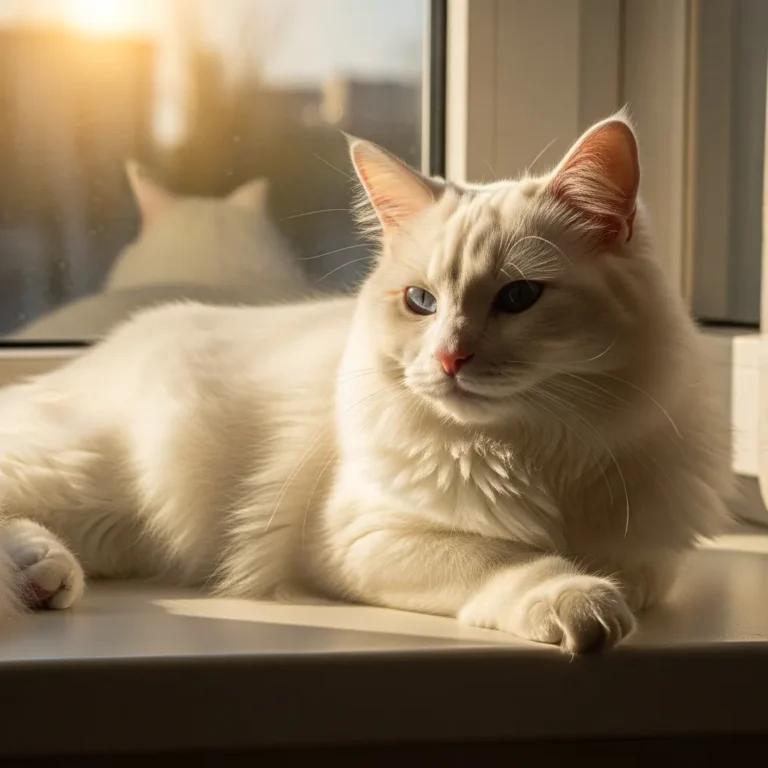
Cat purring in sleep meaning? It’s often pure happiness or self-soothing. If they’re purring while curled next to you, they’re likely dreaming pleasantly or feeling secure. However, persistent loud purring could signal respiratory issues in some cases.
![Cat purring in sleep meaning relaxation and bonding.]](https://catbloomhaven.com/wp-content/uploads/2025/12/Image_fx-2025-12-08T200317.456.webp "What Does It Mean When a Cat Curls Up Next to You 2")
Other Bonding Behaviors
Watch for kneading, headbutting before sleep, or following you to bed. These are cat bonding habits that reinforce emotional ties.
What Your Cat’s Sleeping Position Reveals About Their Feelings
Beyond general positions, specifics like sleeping on your chest or legs tell stories.
Why Cats Sleep on Your Chest or Legs
Chest sleeping often means seeking your heartbeat’s rhythm, reminiscent of kittenhood with their mother. Leg sleeping might be about warmth or guarding you. Both show deep attachment.
[Image placement: Here, insert an image of cat sleeping on owner’s chest. Image prompt: Adorable cat asleep on a person’s chest, eyes closed peacefully. Alt text: Why cats sleep on your chest for comfort and security.]
Do Cats Sleep on You for Warmth?
Yes, partly. But it’s also about emotional warmth. Cats curl up next to humans for the combo of physical heat and psychological safety.
Cat Feeling Safe While Sleeping
Signs include loose limbs, no twitching ears, and choosing exposed positions. If they sleep with eyes open occasionally, it might be a light doze, but persistent cases warrant a vet check.
Reasons Cats Choose Certain Sleeping Positions
Factors influencing positions include temperature, mood, health, and environment.
Cat Body Language While Sleeping
Twitching tails or ears might mean dreaming. Relaxed postures signal comfort.
Cat Comfort and Security Signs
Purring, slow blinks before sleep, and nesting behaviors show they’re at ease.
Sudden Change in Cat Sleep Pattern: When to Worry
Cats are creatures of habit. A sudden shift, like sleeping more or less, could indicate issues.
Potential Causes
Aging, stress from changes like new pets, or health problems like hyperthyroidism. If your cat starts avoiding you or sleeping in odd spots, monitor for other symptoms.
Expert tip: Track sleep patterns for a week. If excessive lethargy or restlessness persists, see a vet. Early detection can make a big difference.
Should I Let My Cat Sleep with Me?
Pros include stronger bonding and mutual comfort. Cons might involve allergies or disrupted sleep.
Tips for Co-Sleeping
Keep bedding clean to minimize dander. If allergies are an issue, consider hypoallergenic options. Learn more in our article on cat allergies guide.
Cat Bed Recommendations: Alternatives for Independent Sleep
Not every cat wants to share your bed. Provide cozy alternatives.
- Self-warming beds for heat-loving cats.
- Elevated perches for security seekers.
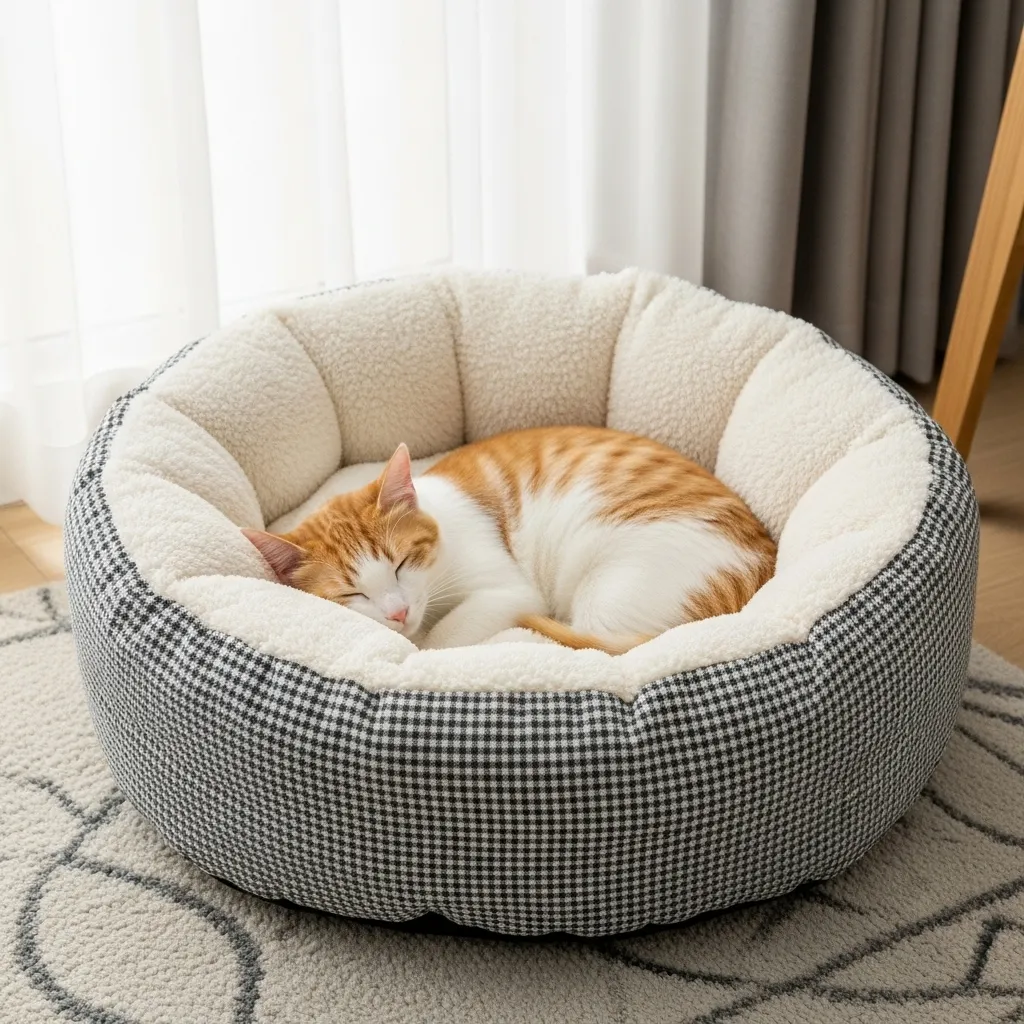
- Donut-shaped beds mimicking the curled position.
Check out our picks in best beds for cats.
Trending Insights: Signs Your Cat Loves You Deeply
Beyond sleep, look for these emotional cues.
- Slow blinking: A cat’s “I love you.”
- Headbutting: Marking you as theirs.
- Grooming you: Treating you like family.
Why cats choose YOU to sleep next to often boils down to imprinting and positive associations.
Hidden Meanings Behind Cat Sleeping Poses
Weird behaviors like sleeping with paws over eyes might block light, while burrowing under blankets seeks darkness and warmth. For more, see our post on why cats burrow under blankets.
Cat Sleeping Psychology: The Emotional Bond
Sleeping together fosters oxytocin release in both you and your cat, deepening the emotional bond between cats and owners. It’s a two-way street of affection.
Cute Cat Sleeping Habits to Appreciate
From zoomies before bed to following you to sleep, these quirks highlight their personality. Embrace them for a happier home.
Frequently Asked Questions
What does it mean when a cat curls up next to you?
It typically means trust, affection, and a desire for warmth. Your cat feels safe and bonded with you.
Why do cats sleep next to their owners?
For security, comfort, and bonding. They see you as a protector and companion.
What are cat trust signs during sleep?
Exposed belly, sleeping nearby, and relaxed postures indicate deep trust.
Cat purring in sleep meaning?
Usually contentment or self-soothing; it can occur during happy dreams.
Should I let my cat sleep with me?
Yes, if it suits both; it boosts bonding but consider allergies or sleep disruption.
Do cats sleep on you for warmth?
Partially yes, but also for emotional security and affection.
What if there’s a sudden change in cat sleep pattern?
It could signal health issues or stress; consult a vet promptly.
Why cats sleep on your chest or legs?
For heartbeat comfort or warmth; it’s a sign of attachment.
Cat sleeping pressed against me meaning?
High trust and bonding; they feel protected by you.
Cats sleeping with eyes open?
Often light sleep, but persistent cases might need vet attention.
Wrapping Up: Cherish Those Cozy Moments
Understanding what it means when a cat curls up next to you transforms everyday interactions into meaningful connections. Whether it’s for warmth, trust, or pure love, these behaviors highlight the unique bond you share. Pay attention to changes, provide comfortable alternatives like quality beds, and enjoy the affection.
For more insights into feline ways, explore our detailed guide on understanding your cat or dive into cat bonding habits. At Cat Bloom Haven, we’re here to help you create a thriving life with your furry friend. What’s your cat’s favorite sleeping spot? Share in the comments below!