What Does It Mean When a Cat Curls Up Next to You? The Hidden Language of Cat Sleeping Positions Fully Explained
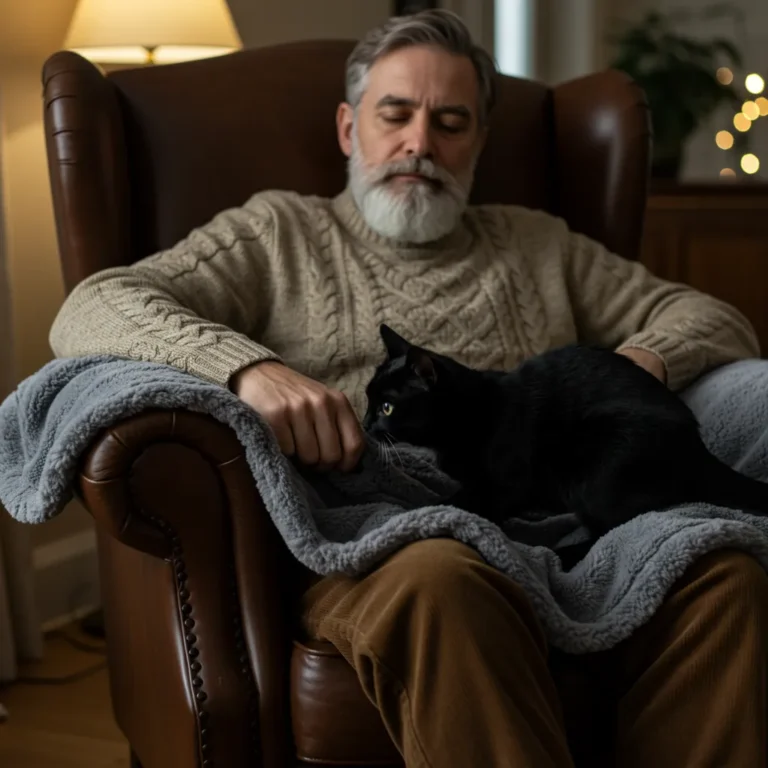
If you’ve ever woken up with a warm, purring furball pressed against your side, your leg, or even your neck, you know the feeling: pure bliss mixed with a little confusion. Why does your cat, who has an entire house full of cozy spots, insist on sleeping glued to you? The short answer is simple: it’s one of the biggest compliments a cat can give. But there’s so much more behind every curl, loaf, and belly-up sprawl.
In this in-depth guide, we’ll decode the most common cat sleeping positions, explain exactly why cats sleep next to their owners, reveal the strongest cat trust signs during sleep, and help you understand what your cat’s sleeping behavior is really trying to tell you. By the end, you’ll know whether your cat sees you as family, heater, protector, or all three.
Key Takeaways (Quick Scan for Busy Cat Parents)
- Curling up next to you or on you = deep trust and affection
- Belly-up or fully stretched out beside you = your cat feels 100 % safe
- Sleeping pressed against you often means warmth + emotional security
- Purring while asleep next to you usually signals contentment (not always pain)
- Sudden changes in sleeping location or position can indicate stress or illness
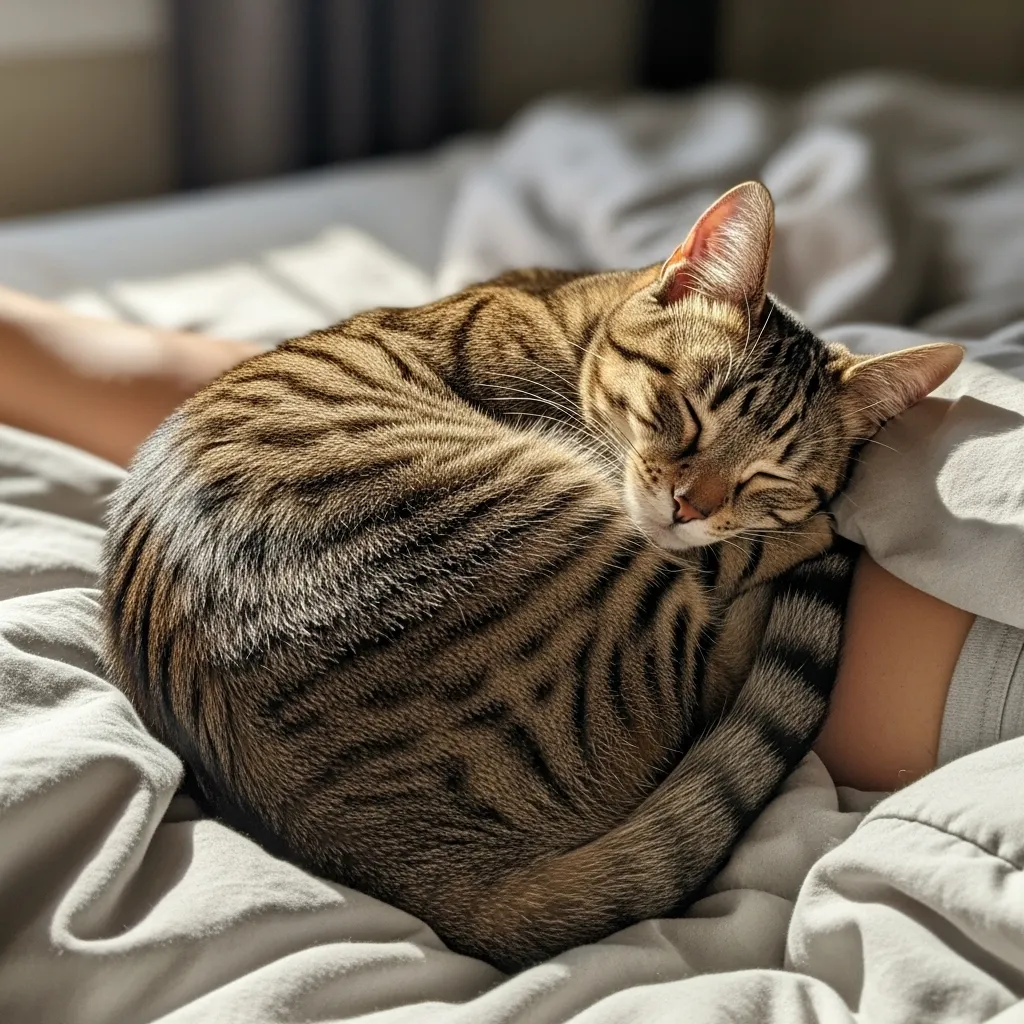
Why Cats Choose to Sleep Next to Their Humans (The Science + The Heart)
Cats sleep 12–18 hours a day. That’s a lot of time to pick the “perfect” spot. When they repeatedly choose you over a $150 orthopedic cat bed, it’s never random.
- Safety and Vulnerability
Cats are both predator and prey in the wild. Sleep is when they’re most vulnerable. Choosing to sleep touching you means they trust you to watch over them. - Warmth (But Not Only Warmth)
Yes, your body is a 98-degree heater, but cats who only want warmth pick radiators or sunny windows. Cats who pick you want warmth plus you. - Scent Exchange and Bonding
Your scent calms them. By sleeping on or beside you, they mix their scent with yours, marking you as “home”. - Emotional Security
Studies from Lincoln University (2019) show cats with secure attachments to their owners actively seek physical closeness during rest periods, exactly like human toddlers do with parents.
Cat Sleeping Positions Explained: The Ultimate Visual Dictionary
The Tight Curl (Classic Donut)
Tail wrapped around body, paws tucked under, nose to tail.
Meaning: Conserving heat and feeling protected. When they do this pressed against your side or leg, they’re saying, “I’m safe because you’re here.”
The Half-Moon or Side-Sleeping Spoon
Cat lies on its side, legs stretched, often touching your body.
Meaning: Relaxed but not fully defenseless. One of the strongest cat trust signs during sleep.
Belly-Up Next to You (The Ultimate Compliment)
Exposed belly while touching you = maximum vulnerability.
Meaning: “I trust you with my life.” Only the most confident, bonded cats show their belly while actually asleep.
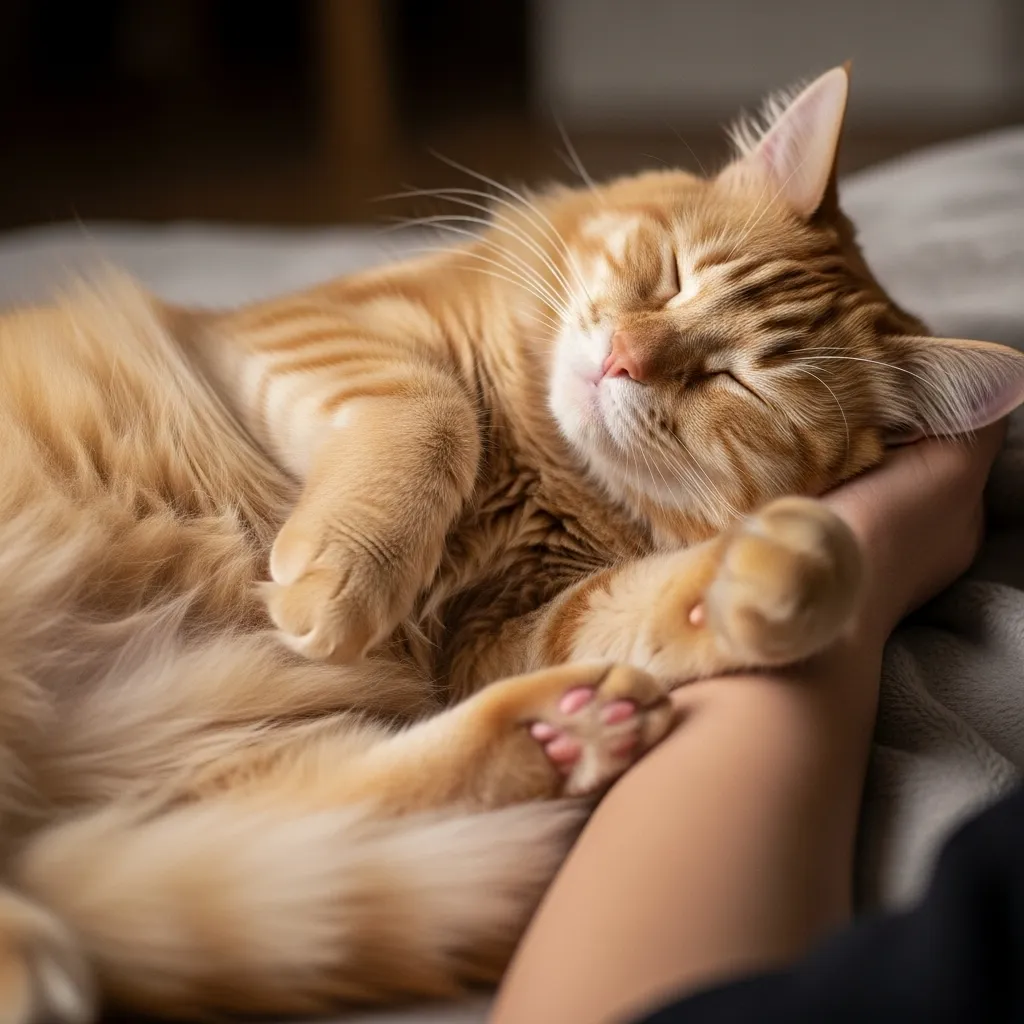
The Head on Your Pillow or Chest
Often with gentle head-butts before settling.
Meaning: They want to be as close to your face and heartbeat as possible. This is peak cat-owner bonding during sleep.
The “Loaf” Against Your Leg or Hip
Paws and tail tucked under, but firmly leaning on you.
Meaning: “You’re my favorite heated rock.”
Sleeping Pressed Against Your Back or Between Your Legs
Common in multi-cat homes or with anxious cats.
Meaning: You’re their shield from the rest of the world.
The Superman (All Four Legs Stretched Out)
Rare, usually only seen in very secure cats.
Meaning: Total relaxation and happiness.
Why Do Cats Purr in Their Sleep Next to You?
Most owners assume purring always equals happiness. That’s usually true during sleep, especially when the purr is soft and steady. Vets and behaviorists note that cats also self-soothe with purring, but when it happens while curled against you, it almost always means contentment and a sense of safety.
Exception: If the purr sounds forced or is paired with tense body language, schedule a vet check.
Do Cats Dream When They Twitch and Purr in Sleep?
Yes. REM sleep studies on cats show whisker twitching, paw paddling, and muffled meows are normal dreaming. If your cat does this while curled on your chest, they’re literally dreaming in the safest place they know.
What Your Cat’s Sleeping Position Reveals About Your Bond
| Sleeping Position | Level of Trust | Emotional Meaning |
|---|---|---|
| Curled tightly away from you | Low–Medium | Still warming up or stressed |
| Curled touching you lightly | Medium–High | Likes you, trusts the environment |
| Stretched out fully against you | Very High | Feels completely safe |
| Belly exposed while touching you | Maximum | Loves and trusts you deeply |
| Head on your pillow or chest | Maximum | Considers you family / parent figure |
Should I Let My Cat Sleep With Me?
Pros:
- Strengthens bond
- Reduces cat stress and yours (mutual comfort hormones)
- Early warning system for nocturnal health issues
Cons:
- Allergies
- Disrupted human sleep
- Risk of accidental kicking (especially with kittens or seniors)
Tip: If allergies are mild, try an air purifier and weekly bedding washes. Most people find the emotional benefit far outweighs the inconvenience.
When “Sleeping Pressed Against Me” Might Be a Red Flag
Most of the time it’s pure love, but watch for sudden changes:
- New clinginess + hiding during day → possible pain or anxiety
- Sleeping only on your head/neck and panting → hyperthyroidism check
- Refusing all other sleeping spots → urinary issues or arthritis making jumping painful
How to Make Your Cat Feel Even Safer at Night
- Provide elevated safe zones (cat shelves, window perches) so they don’t feel forced to sleep with you for security
- Keep bedtime routine predictable – same feeding and playtime
- Use a pheromone diffuser (Feliway Optimum) in the bedroom for anxious cats
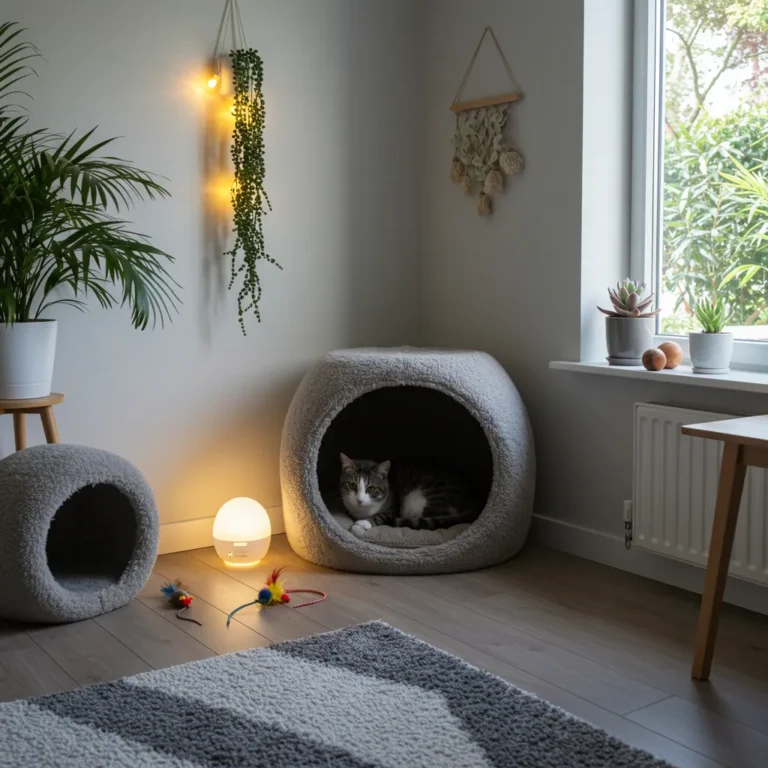
- Offer a warmed bed if you travel or they can’t sleep with you some nights
Check our tested list: Best Beds for Cats That Love to Curl Up (2025)
Cute and Weird Cat Sleeping Habits You Might Notice
- Sleeping with eyes slightly open (common in older cats or very relaxed ones)
- Following you to bed every single night (classic “why cats follow you to bed”)
- Kneading your blanket before curling up (reverting to kittenhood comfort)
- Choosing your dirty laundry over clean blankets – your scent = home
FAQ Your Top Cat Sleeping Questions Answered
Why does my cat sleep on my chest or neck?
They’re listening to your heartbeat. It reminds them of being kittens with mom.
Do cats sleep on you for warmth only?
Warmth is part of it, but bonded cats will choose you even in summer over a cooling mat.
What does it mean when a cat curls up in a ball next to you?
They feel protected and are conserving body heat while staying close.
Is it bad to let my cat sleep under the covers with me?
Generally safe if they can move freely. Just make sure they have an exit.
Why has my cat started sleeping pressed against me all of a sudden?
New home, new pet, loud noises, or illness can trigger increased need for reassurance.
How do cats choose who to sleep next to?
They pick the person who makes them feel safest, feeds them, or smells most familiar.
Final Thought: You’ve Been Chosen
When your cat curls up next to you, stretches out confidently, or flops belly-up against your side, they’re not “just finding a warm spot.” They’re telling you, in the clearest feline language possible, that you are their safe place in a scary world.
Cherish it. Not every cat gives that level of trust, and not every human earns it.
Want to deepen that bond even more? Start with play sessions before bed, keep a consistent routine, and maybe upgrade their solo bed so they always have options.
For more science-backed cat behavior insights, explore these reader favorites on Cat Bloom Haven:
→ Why Cats Sleep Pressed Against You – The Psychology Behind It
→ Best Beds for Cats Who Love Sleeping With Their Humans (Tested 2025)
Sweet dreams with your little shadow. They picked you for a reason.