Cat Wound Care: How to Treat Open Wounds at Home Safely
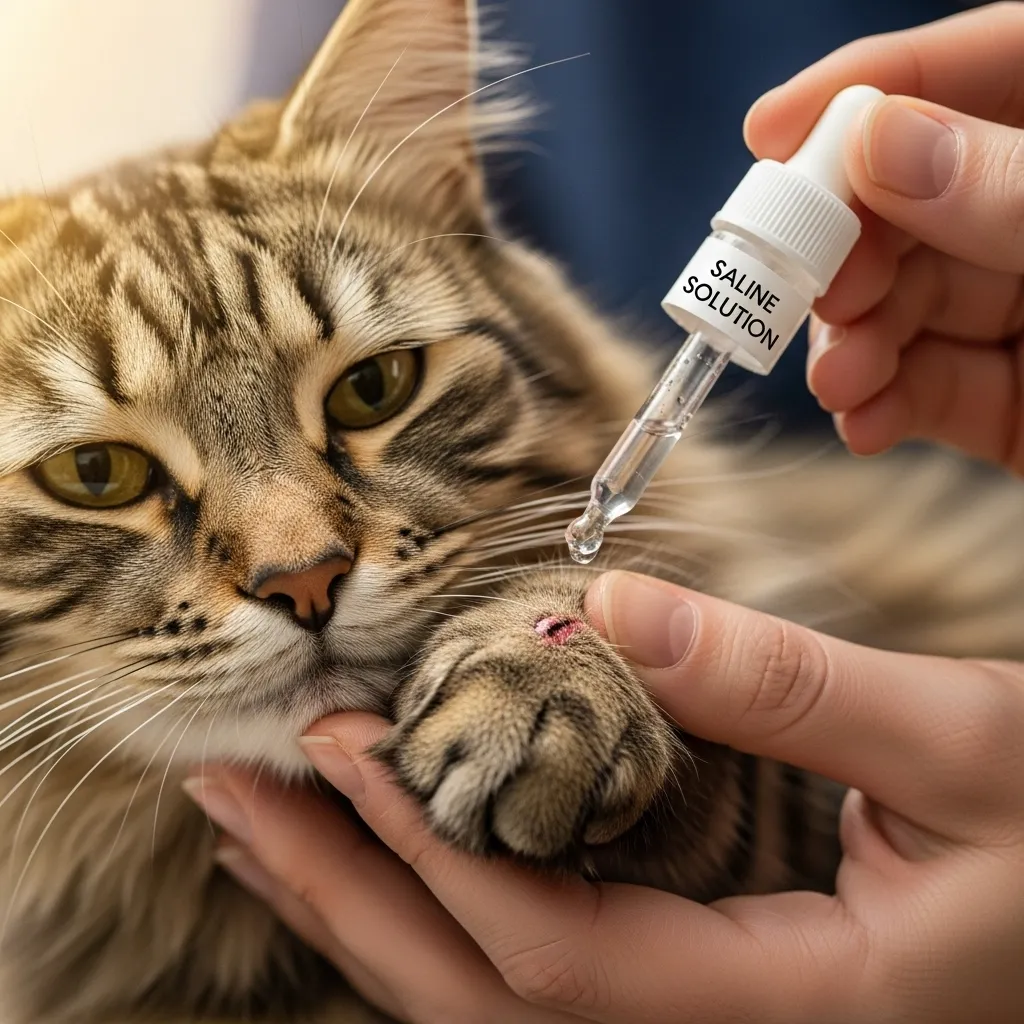
If your cat comes home with a scratch, bite, or scrape, knowing how to treat an open wound at home can make all the difference. Cats are curious creatures, and their adventures whether tussling with another pet or exploring the outdoors—can lead to injuries.
While minor wounds can often be managed at home, improper care risks infection or complications. This comprehensive guide walks you through every step of cat wound care, from cleaning and dressing to recognizing when a trip to the vet is non-negotiable. You’ll learn practical, vet-approved techniques to help your feline friend heal quickly and safely, plus tips to prevent licking and promote recovery.
Key Takeaways
- Act Fast but Stay Calm: Clean minor cat wounds promptly to prevent infection, but always assess severity first.
- Safe Cleaning is Key: Use vet-recommended antiseptics like chlorhexidine or saline for effective wound cleaning.
- Monitor Healing Closely: Watch for signs of infection, like swelling or pus, and know when to seek veterinary care.
- Prevent Licking: Use cones or recovery suits to stop your cat from irritating the wound.
- Know Your Limits: Severe wounds, abscesses, or persistent symptoms require professional attention.
Understanding Cat Wounds: Types, Causes, and Severity
Cats can get wounded in many ways, from playful scuffles to accidents. Recognizing the type and severity of a wound helps you decide whether home care is enough or if a vet visit is urgent.
Types of Cat Wounds
- Scratches and Abrasions: Surface-level scrapes from rough surfaces or claws, often shallow but prone to dirt buildup.
- Puncture Wounds: Deep, narrow injuries from bites or sharp objects, with a high risk of infection due to bacteria trapped inside.
- Lacerations: Clean cuts or tears from sharp objects, which may bleed heavily but are easier to clean.
- Abscesses: Pockets of pus from untreated infections, often from bites, requiring drainage and antibiotics.
- Burns or Chemical Injuries: Rare but serious, caused by heat, chemicals, or electrical sources, needing immediate vet care.

Common Causes of Wounds in Cats
- Fights with Other Animals: Cat fights, especially with strays, often lead to bites or scratches.
- Accidental Injuries: Falls, sharp objects, or getting caught in fences can cause cuts or abrasions.
- Self-Inflicted Wounds: Overgrooming or scratching due to fleas, allergies, or stress can break the skin.
- Environmental Hazards: Rough terrain, thorns, or hot surfaces may injure outdoor cats.
Explore more on cat scratching behavior and prevention to reduce self-inflicted wounds.
Recognizing Wound Severity
Not all wounds are equal. Here’s how to gauge if it’s a DIY fix or a vet emergency:
- Minor Wounds: Small, shallow cuts or scrapes with minimal bleeding and no signs of infection.
- Moderate Wounds: Deeper cuts or punctures with controlled bleeding but no exposed tissue or bone.
- Severe Wounds: Deep lacerations, heavy bleeding, exposed muscle or bone, or wounds near eyes, joints, or the abdomen.
If you notice heavy bleeding, difficulty moving, or lethargy, contact a vet immediately. Learn more in our guide to finding the best vet for your cat.
Step-by-Step Guide to Treating an Open Wound on Your Cat
Treating a cat’s wound at home requires care, patience, and the right supplies. Follow these steps to clean and protect the wound effectively.
Step 1: Prepare Your Supplies
Before touching the wound, gather:
- Sterile saline solution or lukewarm water
- Vet-approved antiseptic (e.g., chlorhexidine or diluted Betadine)
- Clean gauze pads or soft cloths
- Scissors (to trim fur, if needed)
- Pet-safe bandage materials (non-stick pads, vet wrap)
- An Elizabethan collar (cone) or recovery suit
- Treats to keep your cat calm
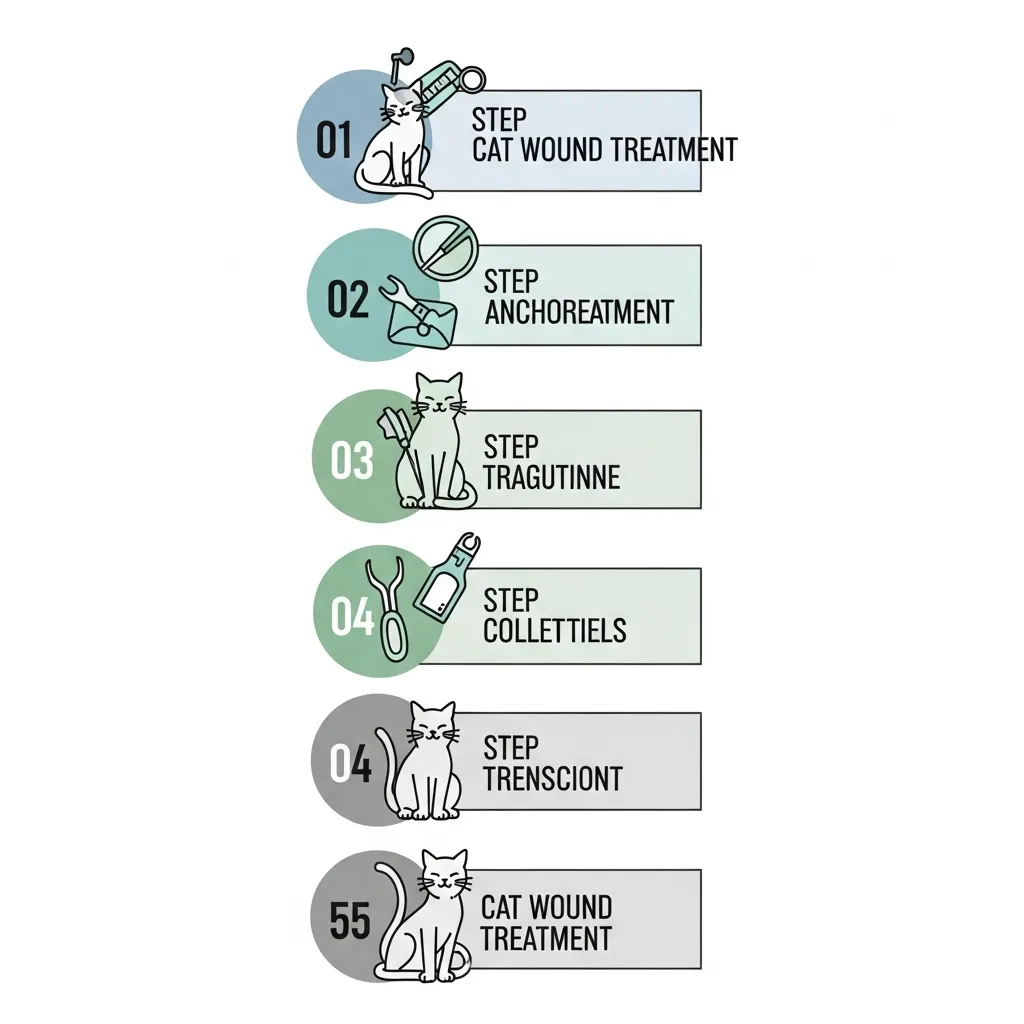
Tip: Keep a cat first aid kit stocked for emergencies.
Step 2: Restrain Your Cat Gently
Cats may resist wound cleaning due to pain or stress. Wrap your cat in a towel (burrito-style) to keep them secure, exposing only the wound area. If they’re too agitated, enlist a helper or postpone until they’re calmer.
Step 3: Clean the Wound
- Trim Surrounding Fur: Use blunt scissors to carefully clip fur around the wound to prevent contamination. Avoid cutting into the skin.
- Flush the Wound: Rinse with saline or lukewarm water to remove dirt, debris, or blood. A syringe (without needle) works well for gentle flushing.
- Apply Antiseptic: Use a vet-safe antiseptic like 2% chlorhexidine or diluted Betadine (1:10 with water). Dab gently with a gauze pad—don’t scrub.
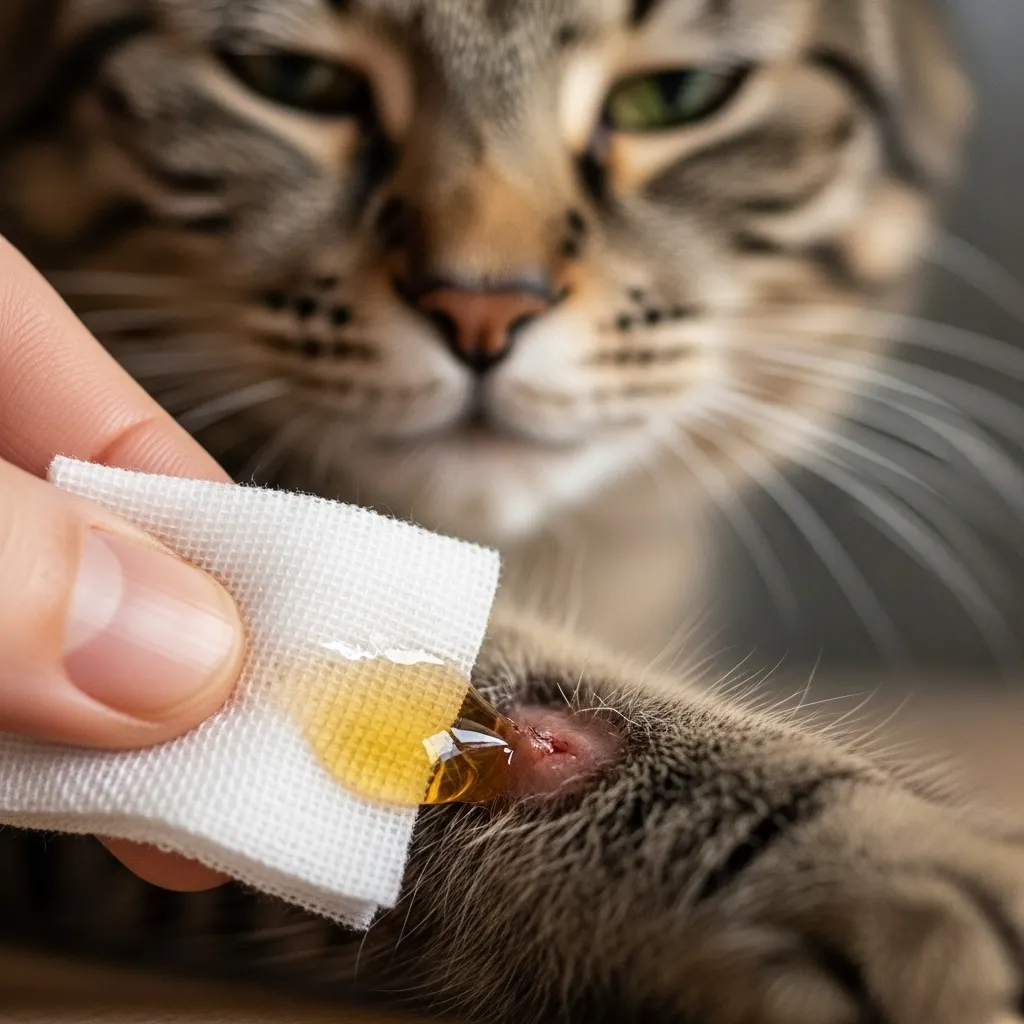
Note: Avoid hydrogen peroxide or alcohol; they can damage tissue and delay healing.
Step 4: Dress the Wound (If Needed)
- When to Bandage: Small, shallow wounds often heal without bandages. Deeper wounds or those in high-movement areas (like legs) may need protection.
- How to Bandage: Place a non-stick gauze pad over the wound, then wrap with vet wrap or self-adhesive bandage. Ensure it’s snug but not tight to avoid cutting off circulation.
- Check Regularly: Change bandages daily or if they get wet or dirty.
Discover more in our cat wound cleaning and bandaging guide.
Step 5: Prevent Licking or Scratching
Cats instinctively lick wounds, which can introduce bacteria or reopen the injury. Use:
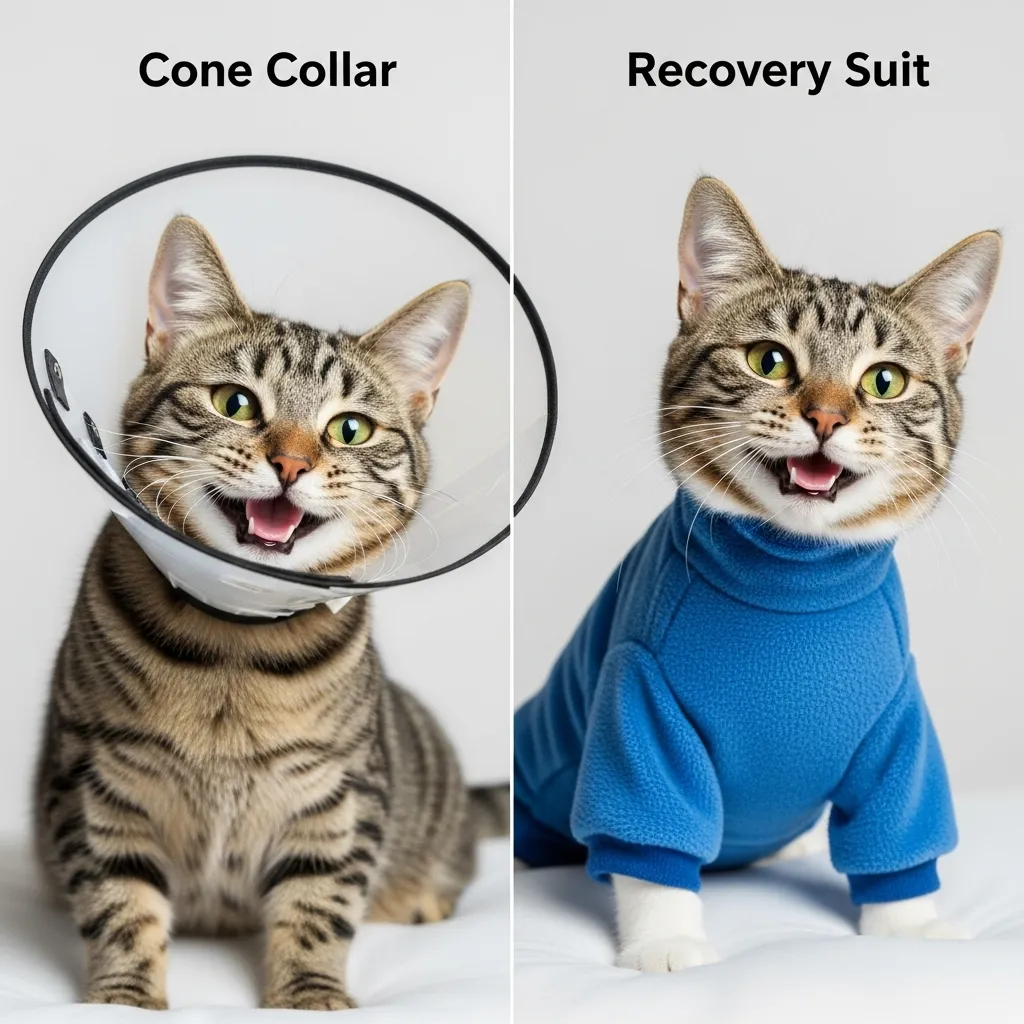
- Elizabethan Collar (Cone): Prevents access to the wound but may stress some cats.
- Recovery Suit: A comfortable alternative that covers the wound while allowing movement.
- Distraction: Offer toys or treats to keep your cat occupied.
Learn more about calming an anxious cat during recovery.
Monitoring the Cat Wound Healing Process
Healing takes time, and close observation ensures your cat recovers without complications.
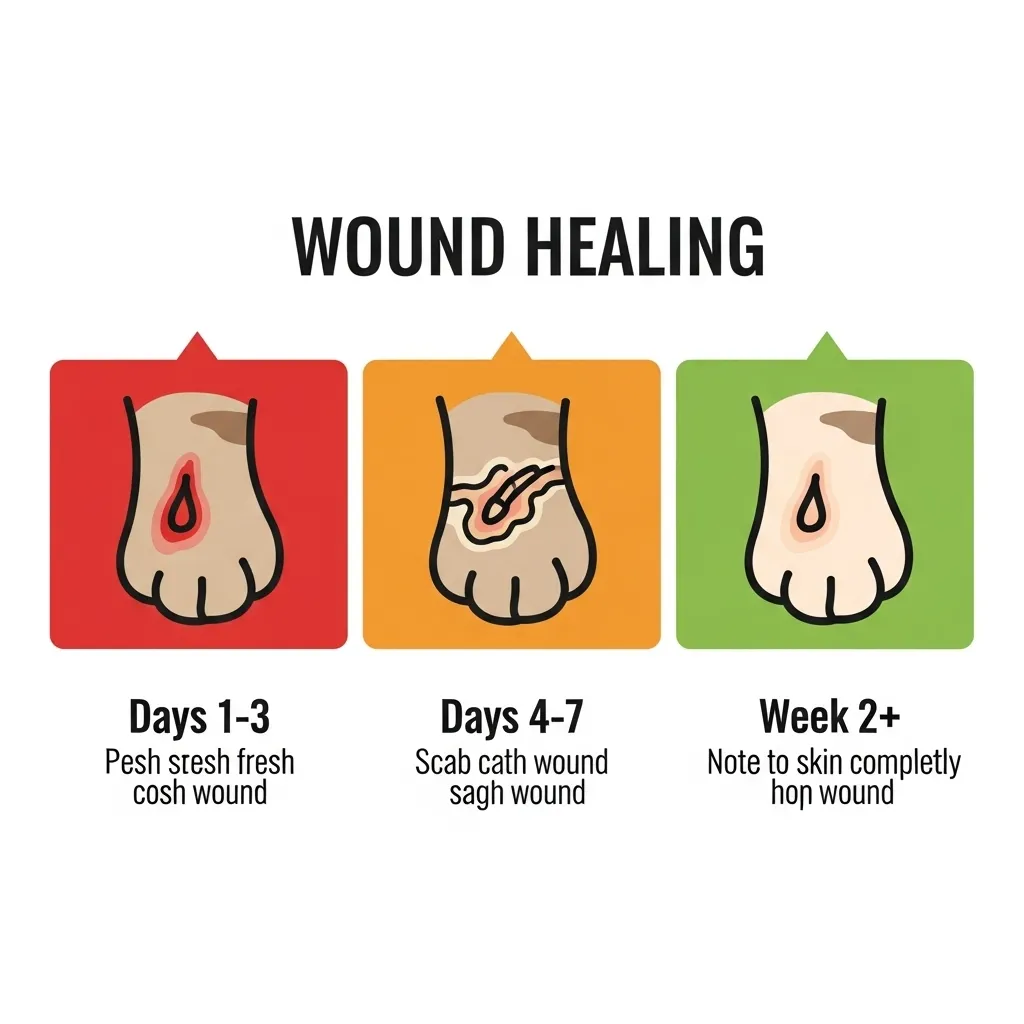
What to Expect During Healing
- Day 1–3: The wound may look red and slightly swollen as the body begins repair.
- Day 4–7: A scab forms, and swelling should decrease. Mild itching is normal.
- Week 2+: The scab falls off, revealing new skin. Full healing may take 2–4 weeks for deeper wounds.
Signs of a Healthy Healing Wound
- Decreasing redness and swelling
- No foul odor or discharge
- Scab formation without excessive crusting
- Cat resumes normal behavior (eating, grooming, playing)
Cat Wound Infection Signs to Watch For
Infections can escalate quickly. Contact a vet if you notice:
- Increased redness, swelling, or warmth
- Pus or foul-smelling discharge
- Fever or lethargy
- Loss of appetite
- Excessive licking or scratching
For more on pet health, check out our cat health care guide.
Home Remedies and Safe Antiseptics for Cat Wounds
While vet care is ideal, some home remedies and products can support minor wound care when used cautiously.
Safe Antiseptics
- Chlorhexidine (2% solution): Dilute with water (1:50) for safe cleaning. Widely recommended by vets.
- Povidone-Iodine (Betadine): Dilute to a weak tea color (1:10 with water) for gentle antisepsis.
- Sterile Saline: Perfect for flushing debris without irritation.
Natural Remedies (Use with Caution)
- Honey (Medical-Grade): Has antibacterial properties but should only be used under vet guidance for minor wounds.
- Aloe Vera: Only use 100% pure, pet-safe aloe gel, and avoid if your cat might lick it.
- Coconut Oil: May soothe skin but isn’t a primary antiseptic. Consult a vet first.
Warning: Never use essential oils, tea tree oil, or human medications (e.g., Neosporin) on cats, as they can be toxic.
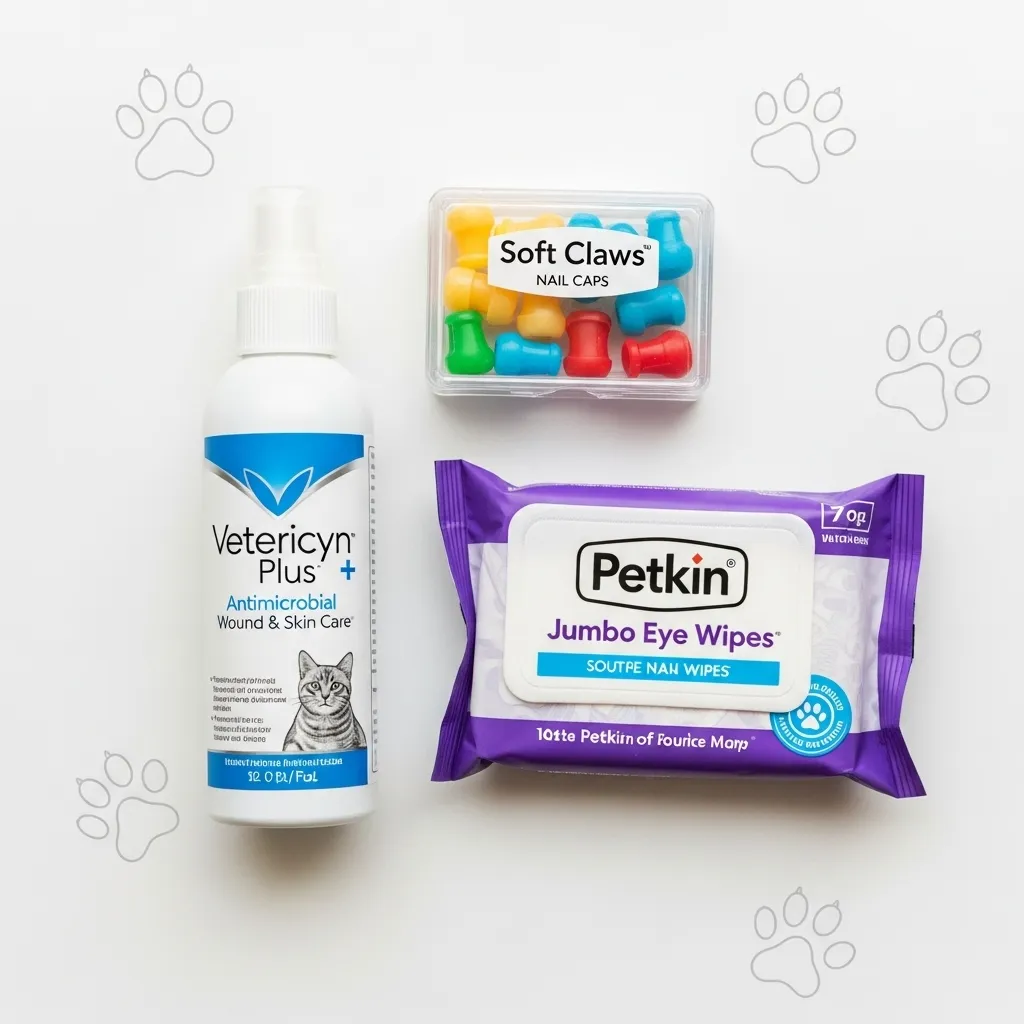
Cat Wound Care Products
- Vetericyn Plus Spray: A pet-safe antimicrobial spray for easy application.
- Petkin Petwipes: Pre-moistened wipes for gentle cleaning.
- Soft Claws Nail Caps: Prevent scratching if the wound is irritated by claws.
Explore more in our guide to cat health products.
Cat Abscess Treatment: A Special Case
Abscesses, often from bite wounds, are common in cats and require specific care.
Recognizing an Abscess
- Soft, swollen lump under the skin
- Pain or sensitivity when touched
- Possible fever or lethargy
- Ruptured abscesses may ooze pus or blood
Home Care for Abscesses
- Clean the Area: If the abscess has burst, flush with saline and apply a vet-safe antiseptic.
- Keep It Draining: Gently press around the wound (if safe) to encourage drainage, but don’t force it.
- Prevent Licking: Use a cone or suit to keep the area clean.
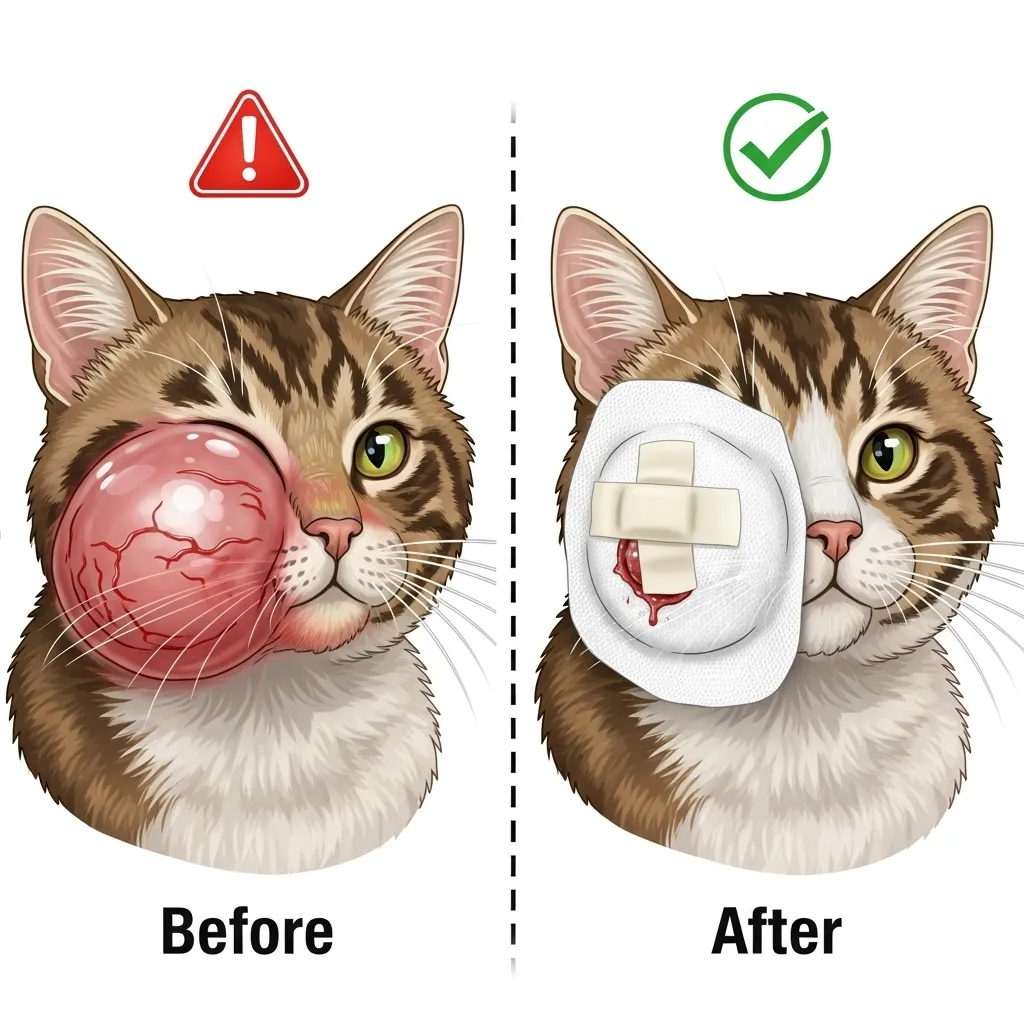
Abscesses often need antibiotics or surgical drainage, so a vet visit is usually required. Learn more in our stray cat bite first aid guide.
When to Take Your Cat to the Vet
Home care isn’t always enough. Seek veterinary help if:
- The wound is deep, near vital areas (eyes, chest, abdomen), or won’t stop bleeding.
- Signs of infection (pus, swelling, odor) appear.
- Your cat shows lethargy, fever, or appetite loss.
- The wound isn’t improving after 3–5 days.
- An abscess is present or suspected.
Find tips on preparing for vet visits in our Siamese cat vet visits guide.
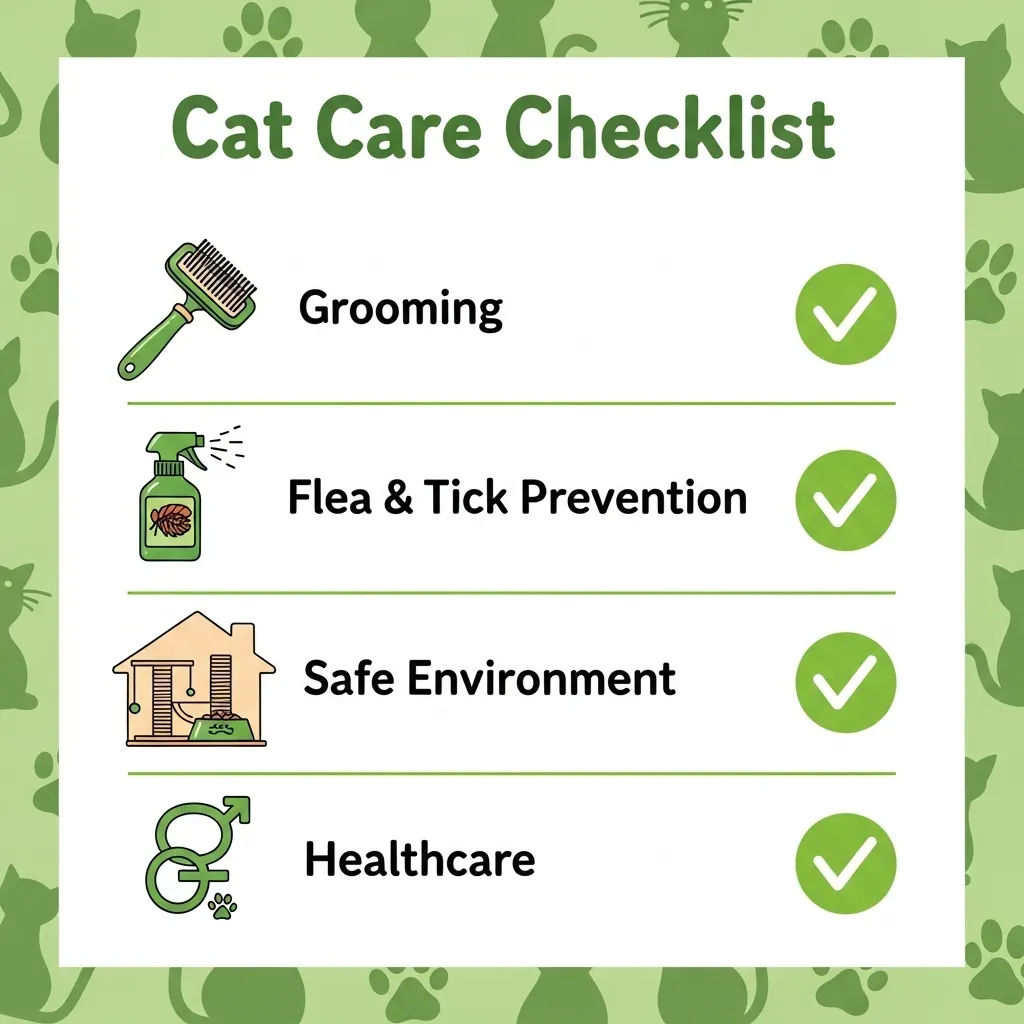
Preventing Cat Wound Complications
Prevention is better than cure. Here’s how to minimize risks:
- Regular Grooming: Check for hidden wounds, especially in long-haired breeds like Persian cats.
- Flea Control: Fleas can cause scratching and wounds. See our flea bath guide.
- Safe Environment: Remove sharp objects and secure outdoor areas.
- Spay/Neuter: Reduces fighting and roaming. Learn more in our cat spaying guide.
DIY Cat Wound Care Tips from Social Media Trends
Social platforms like TikTok and YouTube offer creative ideas, but not all are safe. Here are vetted tips inspired by trends:
- Recovery Suits Over Cones: More comfortable and less stressful for cats.
- DIY Saline Solution: Mix 1 tsp non-iodized salt with 1 pint boiled water (cooled) for a budget-friendly flush.
- Distraction Hacks: Use puzzle feeders or interactive toys to keep your cat from licking.
Always verify social media advice with a vet to avoid risky “hacks.”
Conclusion
Caring for your cat’s wound at home is manageable with the right knowledge and tools, but it starts with quick action and careful monitoring. By cleaning wounds properly, using safe antiseptics, and preventing licking, you can support your cat’s recovery while avoiding complications. For anything beyond minor wounds, don’t hesitate to consult a vet to ensure your furry friend gets the best care.
Explore more expert cat care and behavior guides on Cat Bloom Haven to keep your feline healthy and happy!

FAQ
What should I do first if my cat has an open wound?
Assess the wound’s severity. For minor wounds, clean with saline or lukewarm water and apply a vet-safe antiseptic. For deep or bleeding wounds, contact a vet immediately.
Can I treat my cat’s wound at home?
Yes, minor scratches or abrasions can be treated at home with proper cleaning and monitoring. Severe wounds or abscesses need veterinary care.
What are safe antiseptic solutions for cleaning a cat’s wound?
Use 2% chlorhexidine (diluted), diluted Betadine, or sterile saline. Avoid hydrogen peroxide, alcohol, or human medications.
How do I prevent my cat from licking or biting its wound?
Use an Elizabethan collar, recovery suit, or distract with toys. Ensure the wound is clean to reduce irritation.
What signs indicate my cat’s wound may be infected?
Look for redness, swelling, pus, foul odor, fever, or lethargy. Contact a vet if these appear.
How often should I check and clean my cat’s wound?
Check daily for signs of infection or worsening. Clean minor wounds 1–2 times daily until a scab forms, then monitor without disturbing.
When should I take my cat to the vet for a wound?
Visit a vet for deep wounds, heavy bleeding, suspected abscesses, signs of infection, or if the wound doesn’t improve in 3–5 days.