Cat Hiccups: Causes, Remedies, and How to Help Your Feline Friend
Cat hiccups can be a surprising and sometimes amusing quirk for pet owners, but they might leave you wondering: Why is my cat making those odd little sounds? If your feline friend is experiencing hiccups, you’re not alone in wanting to understand what’s happening and how to help.
Whether it’s a one-off episode or a recurring issue, this guide dives deep into the causes of cat hiccups, how to stop them, and practical ways to prevent them. From home remedies to vet-backed advice, we’ll cover everything you need to know to keep your cat comfortable and healthy. Explore our detailed guide on cat health care for more feline wellness tips.
Key Takeaways
- Cat hiccups are common and often harmless, caused by factors like fast eating, hairballs, or stress.
- Listen for the sound: Cat hiccups are soft, rhythmic “hic” noises, distinct from coughing or sneezing.
- Simple remedies like slow feeding, stress reduction, and grooming can help stop and prevent hiccups.
- Persistent hiccups may signal underlying health issues—consult a vet if they last more than a day.
- Prevention is key: Use slow-feed bowls, regular grooming, and a calm environment to reduce hiccups.
What Are Cat Hiccups and Why Do They Happen?
Cat hiccups occur when the diaphragm, a muscle that helps with breathing, contracts involuntarily, causing a quick intake of air that gets cut off by the closing vocal cords. This creates the classic “hic” sound. While not as common as in humans, can cats get hiccups? Absolutely, and they’re often triggered by everyday behaviors or minor irritations.
Unlike coughing or sneezing, which involve the respiratory system more broadly, hiccups are specific to diaphragm spasms. They’re usually short-lived and benign, but understanding the root causes can help you address them effectively. Let’s explore the main reasons why cats get hiccups and how to spot them.
What Do Cat Hiccups Sound Like?
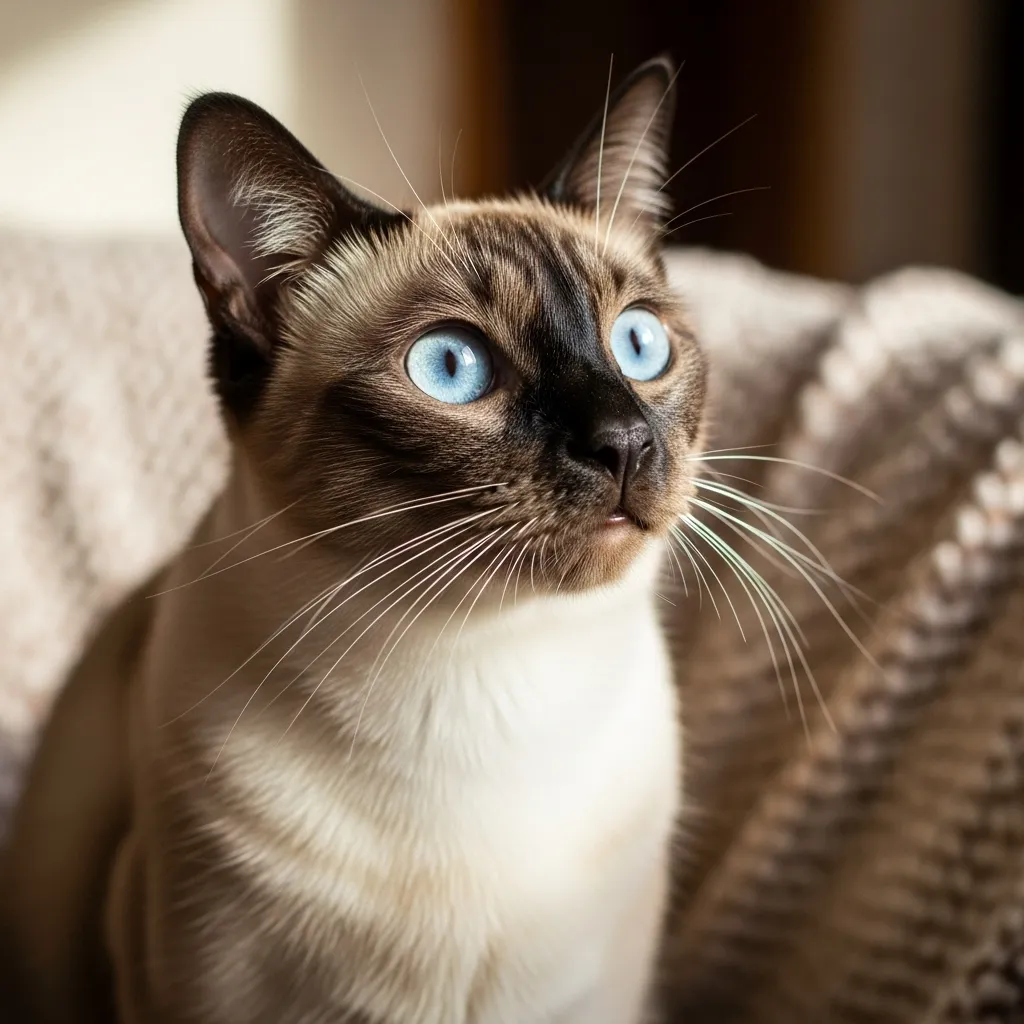
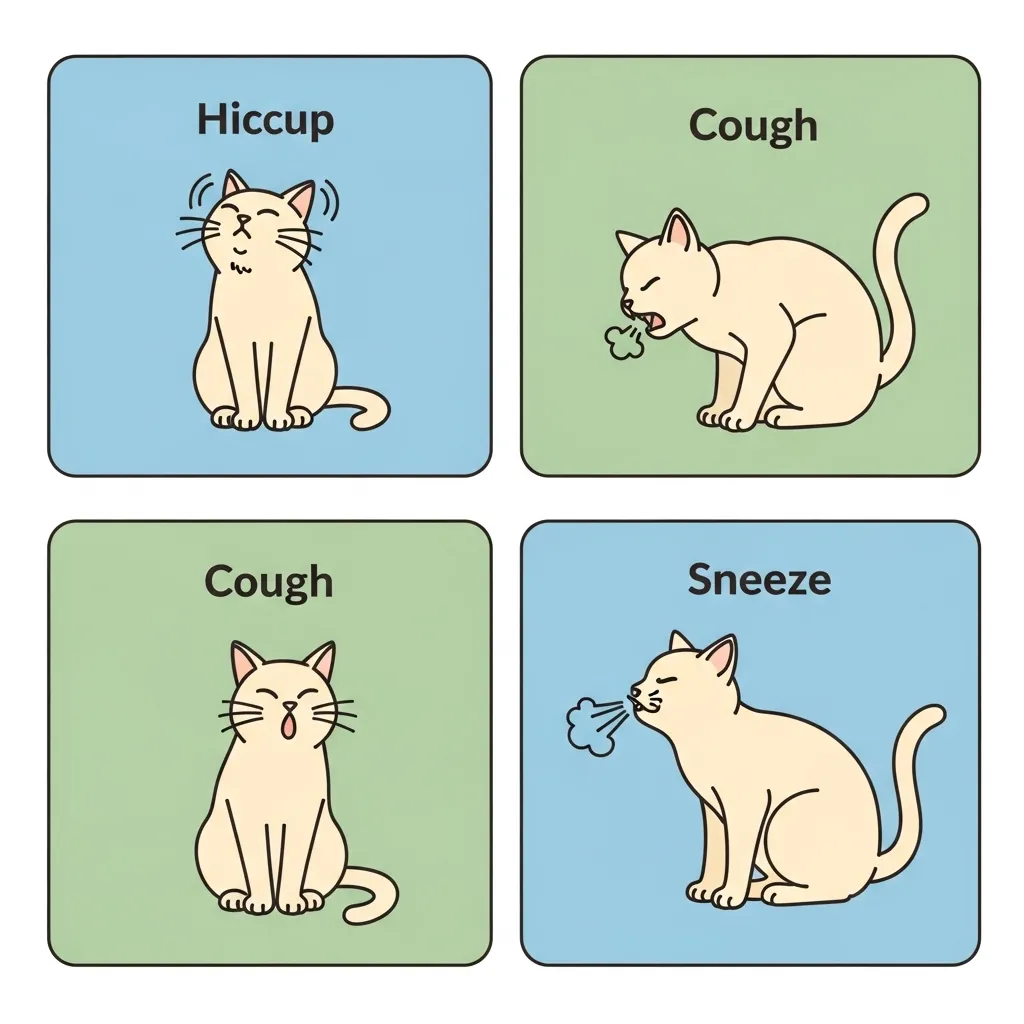
Cat hiccups are often described as soft, repetitive “hic” or “chirp” sounds, sometimes accompanied by a slight body twitch or head bob. They’re quieter than human hiccups and can be mistaken for other noises. For example:
- Hiccups vs. coughing: Coughing is harsher, often with a hacking sound, while hiccups are rhythmic and subtle. Learn more about distinguishing behaviors in our cat coughing guide.
- Hiccups vs. sneezing: Sneezing is explosive and nasal, often with visible spray, whereas hiccups are gentler. Check out our cat sneezing guide for more details.
- Hiccups while purring: Some cats hiccup during purring, creating a quirky “purr-hic” combo that’s both cute and confusing.
If you’re unsure what you’re hearing, recording a funny cat hiccups sound or cute cat hiccups video and showing it to your vet can help clarify. Kitten hiccups, in particular, are common due to their developing systems, so don’t be alarmed if your young feline hiccups occasionally.
Common Causes of Cat Hiccups
Understanding cat hiccups causes is the first step to addressing them. Here are the most common triggers, backed by veterinary insights and practical examples:
1. Fast Eating and Swallowing Air
Cats that gobble their food too quickly can swallow excess air, irritating the diaphragm and triggering hiccups. This is especially common in multi-cat households where competition for food leads to rapid eating. For instance, if your Bengal cat scarfs down meals to beat the family dog to the bowl, cat swallowing air while eating could be the culprit.
- Signs: Hiccups shortly after eating, especially in greedy eaters like Siamese or Munchkin cats.
- Fix: Use a slow-feed bowl to pace eating. Discover more feeding tips in our cat food nutrition guide.
2. Hairballs and Throat Irritation
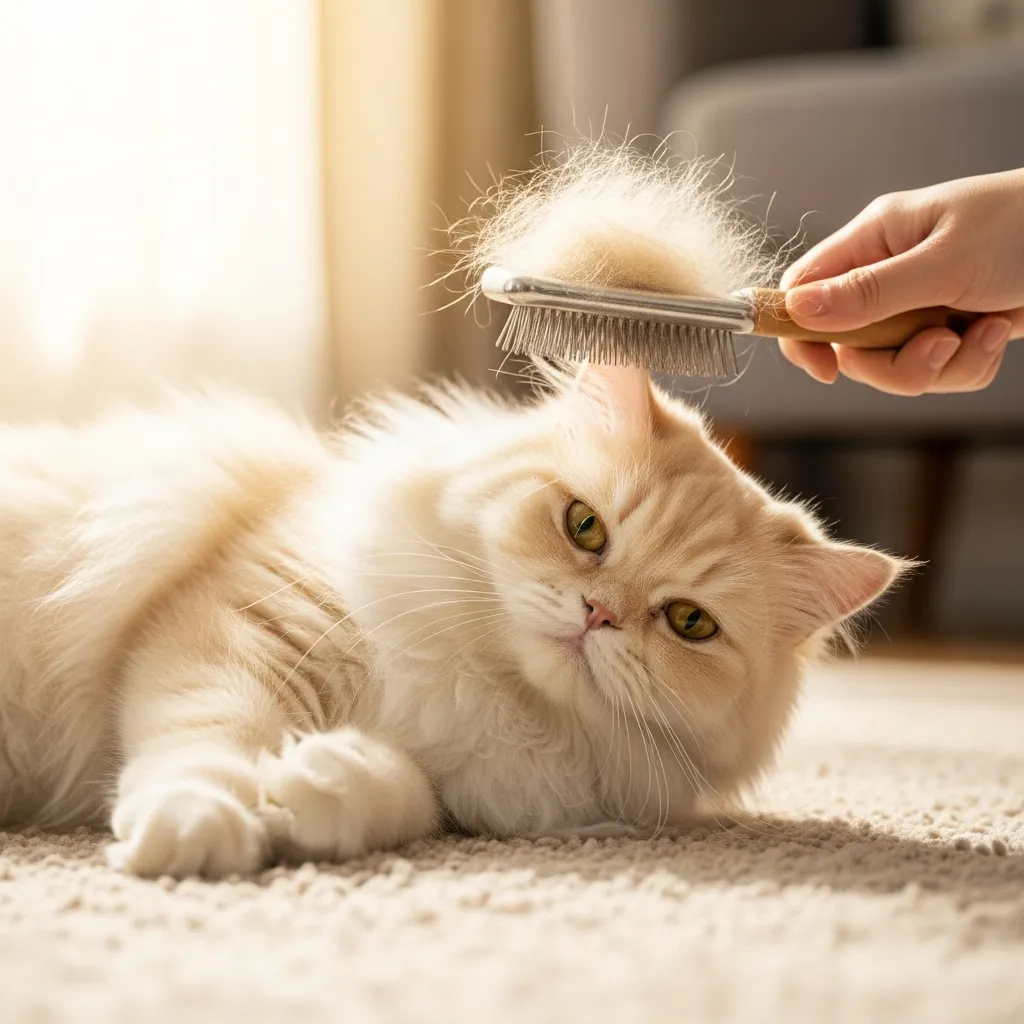
Hairballs causing hiccups in cats is a frequent issue, especially for long-haired breeds like Persians or Norwegian Forest Cats. When grooming, cats swallow hair, which can form hairballs that irritate the throat or stomach, leading to hiccups.
- Signs: Hiccups paired with retching or coughing, often after grooming sessions.
- Fix: Regular brushing and hairball-control diets can help. Explore our hairball management guide for actionable tips.
3. Stress and Anxiety
Stress and cat hiccups go hand in hand. Sudden changes, like moving homes or introducing a new pet, can cause diaphragm spasms. For example, a Ragdoll cat might hiccup during a vet visit due to anxiety.
- Signs: Hiccups during stressful events, paired with hiding or vocalizing.
- Fix: Create a calm environment with familiar toys or bedding. Learn more in our cat stress signs guide.
4. Underlying Health Issues
While rare, persistent hiccups could signal health problems like respiratory issues, gastrointestinal disorders, or even neurological conditions. For instance, cat hiccups after eating might point to acid reflux or an obstruction.
- Signs: Hiccups lasting over 24 hours, paired with vomiting, lethargy, or appetite loss.
- Fix: Consult a vet immediately. Check our finding the best vet guide for tips on choosing a professional.
5. Kitten-Specific Causes
Kitten hiccups are more common because their diaphragms and nervous systems are still developing. Eating too fast or getting overexcited during play can trigger spasms.
- Signs: Frequent, short-lived hiccups in kittens under six months.
- Fix: Monitor feeding and playtime to avoid overstimulation.
How to Stop Cat Hiccups: Practical Remedies
Wondering how to stop cat hiccups? Most cases resolve on their own, but these cat hiccups remedies can help soothe your feline friend and prevent recurrence. Always prioritize gentle, safe methods and consult a vet for persistent issues.
1. Slow Down Mealtime
To address cat hiccups after eating, try these vet-recommended strategies:
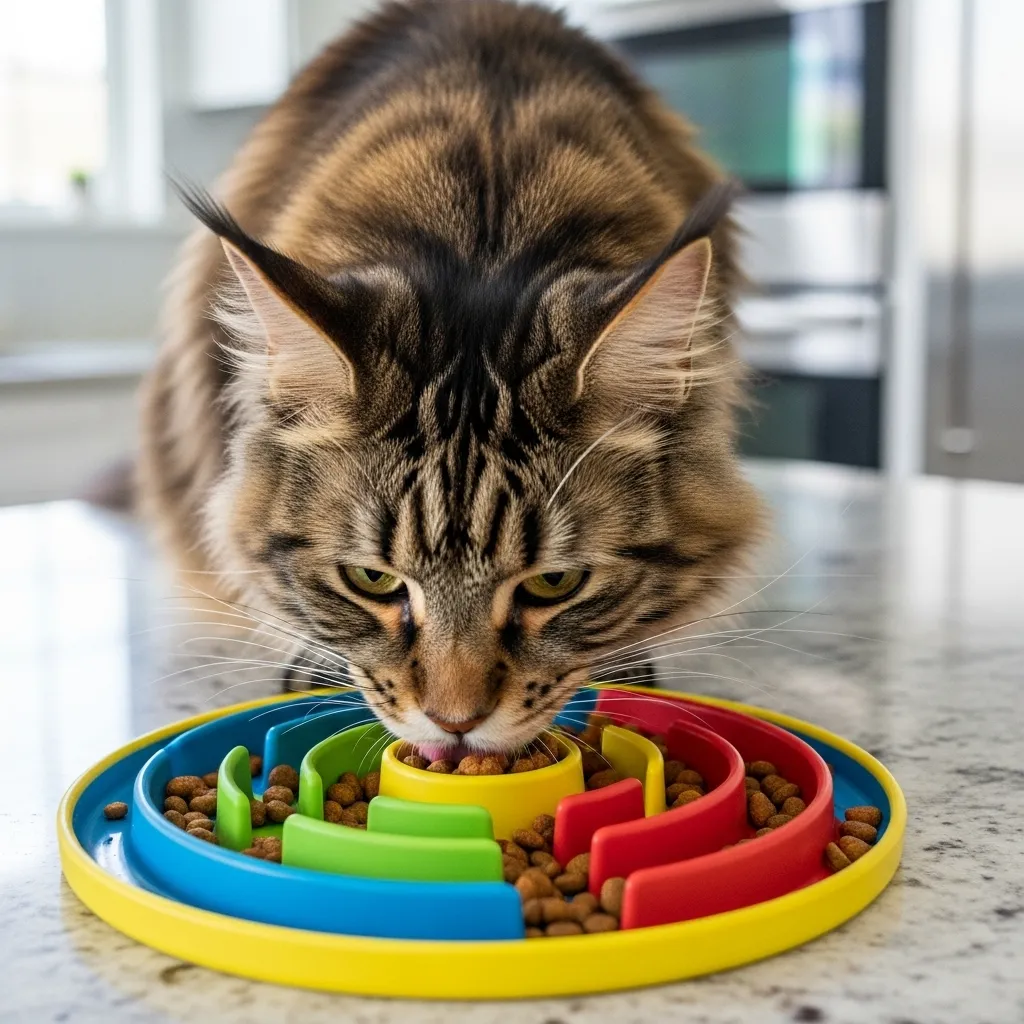
- Use a slow-feed bowl: These bowls have ridges or mazes to slow eating, reducing air intake.
- Feed smaller, frequent meals: Divide daily food into 3–4 portions to prevent gulping.
- Elevate the bowl: Raised feeders can reduce air swallowing, especially for breeds like Maine Coons.
For more on choosing the right feeding setup, see our best wet cat food guide.
2. Manage Hairballs
To tackle hairballs causing hiccups in cats:
- Brush regularly: Daily brushing for long-haired breeds like Ragdolls reduces swallowed hair.
- Offer hairball remedies: Petroleum-based gels or high-fiber cat foods can ease hairball passage.
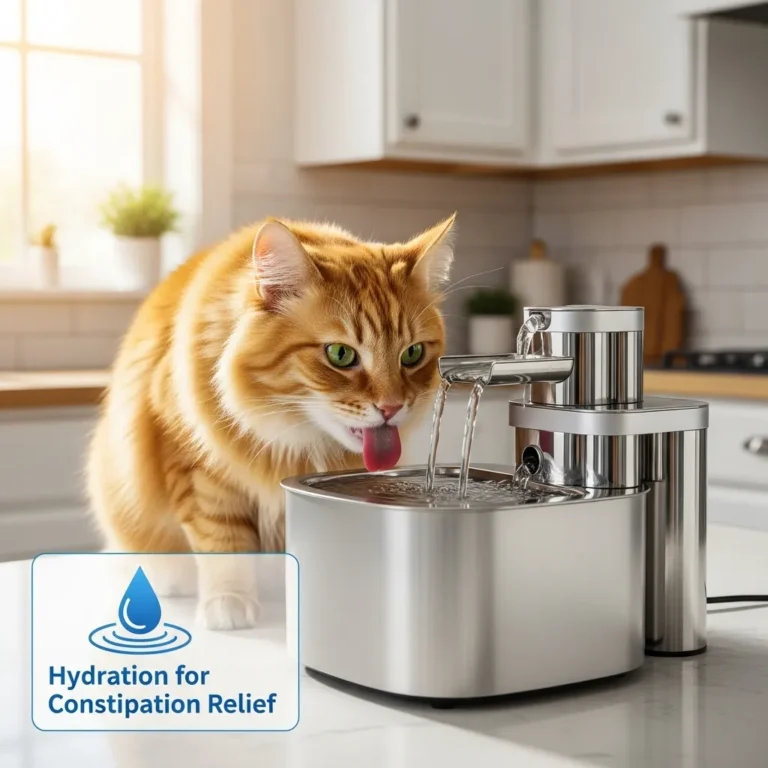
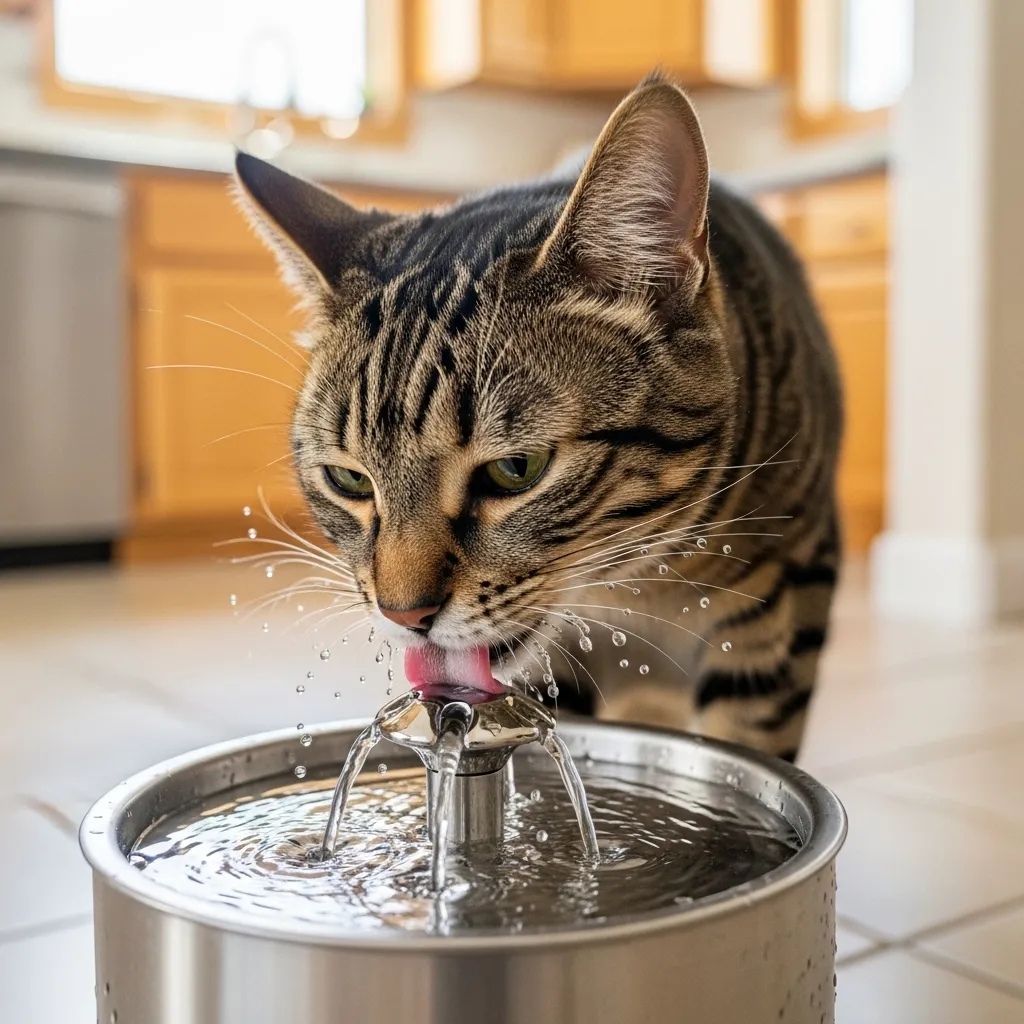
- Encourage hydration: Wet food or a cat fountain keeps the digestive system moving. Learn more in our cat hydration guide.
3. Reduce Stress
To address stress and cat hiccups:
- Create a safe space: Provide a quiet area with a cozy bed or blanket. Check out our best beds for cats for ideas.
- Use calming aids: Pheromone diffusers or calming treats can ease anxiety.
- Maintain routine: Consistent feeding and play schedules reduce stress triggers.
For more tips, explore our cat stress management guide.
4. Gentle Distraction
Sometimes, a simple distraction can reset your cat’s diaphragm:
- Engage in play: A feather toy or laser pointer can shift focus and stop hiccups.
- Offer a treat: A small, easy-to-digest treat can redirect their attention.
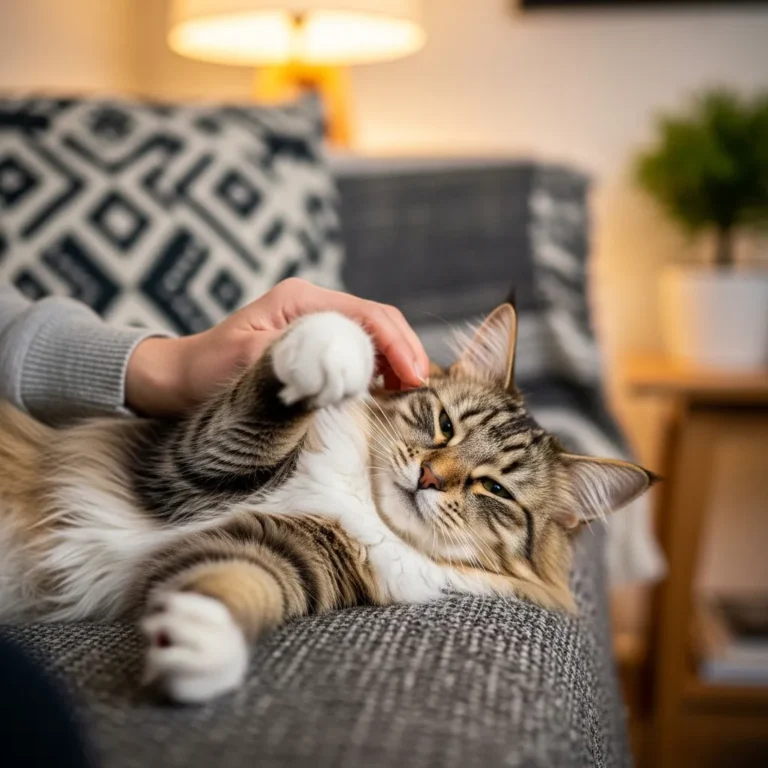
- Massage gently: Lightly stroke your cat’s back to relax the diaphragm, but stop if they seem uncomfortable.
Discover more play ideas in our keep cats entertained guide.
5. Veterinary Care for Persistent Hiccups
If hiccups last more than a day or occur with symptoms like vomiting or lethargy, it’s time for a vet visit. They may:
- Perform a physical exam to rule out respiratory or digestive issues.
- Recommend imaging (e.g., X-rays) to check for obstructions.
- Prescribe medications like antacids for reflux-related hiccups.
For vet visit prep, see our cat vet visit schedule.
Cat Hiccups vs. Other Conditions
It’s easy to confuse hiccups with other feline behaviors. Here’s a quick comparison to clarify cat hiccups vs coughing, cat hiccups vs sneezing, and more:
| Behavior | Sound | Body Movement | Possible Cause |
|---|---|---|---|
| Hiccups | Soft, rhythmic “hic” or chirp | Slight twitch or head bob | Fast eating, hairballs, stress |
| Coughing | Harsh, hacking sound | Hunched posture, forceful exhale | Respiratory issues, allergies |
| Sneezing | Sharp, nasal “achoo” | Head jerk, possible spray | Allergies, infections |
| Reverse Sneezing | Snorting, wheezing sound | Stiff posture, rapid inhales | Nasal irritation, excitement |
If you’re unsure, consult our reverse sneezing in cats guide or cat congestion guide for clarity.
Are Cat Hiccups Bad?
Most cat hiccups are harmless and resolve within minutes. However, are cat hiccups bad if they persist? Prolonged hiccups (over 24 hours) or those paired with symptoms like vomiting, lethargy, or breathing difficulties could indicate:
- Gastrointestinal issues (e.g., reflux, obstructions).
- Respiratory problems (e.g., asthma, infections).
- Neurological conditions (rare but possible).
If you notice these red flags, contact a vet promptly. For more on spotting health issues, check our cat health care guide.
How to Prevent Cat Hiccups
Preventing cat hiccups prevention involves addressing the root causes proactively. Here are vet-backed tips to keep hiccups at bay:
- Feed strategically: Use slow-feed bowls and avoid overfeeding. See our choosing cat food guide for diet tips.
- Groom regularly: Brush your cat weekly (daily for long-haired breeds) to minimize hairballs.
- Minimize stress: Keep a consistent routine and provide enrichment like toys or scratching posts. Explore our cat training and behavior guide.
- Monitor health: Regular vet checkups catch underlying issues early. Learn more in our senior cat care guide.
Cat Hiccups Home Remedies: Safe and Effective Options
Looking for cat hiccups home remedies? Here are safe, vet-approved ideas to try:
- Hydration boost: Offer fresh water or wet food to aid digestion and reduce irritation.
- Calm environment: Dim lights and reduce noise to relax your cat.
- Gentle play: Engage in low-energy play to distract from hiccups without overstimulating.
- Hairball control: Use a vet-recommended hairball remedy or high-fiber treat.
Avoid forcing water or food, as this can worsen hiccups or cause stress. For more home care tips, check our cat wound care guide for general health advice.
FAQ: Quick Answers to Common Cat Hiccup Questions
Can cats get hiccups?
Yes, cats can get hiccups due to diaphragm spasms, often triggered by fast eating, hairballs, or stress.
What do cat hiccups sound like?
They sound like soft, rhythmic “hic” or chirp noises, sometimes with a slight body twitch, distinct from coughing or sneezing.
Why does my cat have hiccups?
Common causes include eating too fast, swallowing air, hairballs, stress, or, rarely, underlying health issues.
How can I stop my cat’s hiccups?
Try slow-feed bowls, regular grooming, stress reduction, or gentle distractions like play. Consult a vet for persistent cases.
Are cat hiccups bad?
Most are harmless and resolve quickly, but hiccups lasting over 24 hours or with other symptoms need veterinary attention.
How can I prevent my cat from getting hiccups?
Use slow-feed bowls, groom regularly, reduce stress, and maintain routine vet checkups.
What remedies exist for cat hiccups?
Safe remedies include encouraging hydration, using hairball-control products, and creating a calm environment.
For more answers to feline quirks, explore our cat behavior guide.
Conclusion: Keep Your Cat Hiccup-Free and Happy
Cat hiccups might seem quirky or even cute (cue the cute cat hiccups video moments), but they can sometimes signal a need for attention whether it’s tweaking feeding habits, reducing stress, or checking for health issues. By understanding why cats get hiccups and using practical remedies like slow-feed bowls, regular grooming, and a calm environment, you can keep your feline friend comfortable and hiccup-free. If hiccups persist or come with concerning symptoms, a vet visit is the best next step.
Ready to dive deeper into feline care? Explore more expert cat care and behavior guides on Cat Bloom Haven to ensure your cat thrives in every way! From hairball solutions to stress management, we’ve got you covered.