Reverse Sneezing in Cats: A Complete Guide to Causes, Signs, and Care
Is your cat making strange snorting or wheezing sounds that leave you worried? If you’ve noticed your feline friend suddenly gasping or honking, you might be witnessing reverse sneezing in cats—a common but often misunderstood behavior. While it can sound alarming, reverse sneezing is usually harmless.
This comprehensive guide from Cat Bloom Haven dives deep into cat respiratory issues, including cat snoring, cat snorting, and other cat breathing problems. We’ll explore causes, when to worry, and practical cat care tips to keep your furry companion healthy and happy.
Key Takeaways
- Reverse sneezing in cats is a reflex caused by irritation in the nasal passages or throat, often mistaken for cat snoring or cat sneezing.
- Common triggers include allergies in cats, nasal mites, or environmental irritants like dust or pollen.
- Cat respiratory health issues like upper respiratory infections in cats or nasal polyps may require vet attention.
- Most cases are benign, but persistent cat coughing, cat wheezing, or cat asthma symptoms warrant a check-up.
- Simple cat wellness tips—like reducing allergens or using a humidifier—can prevent episodes.
- Explore our cat health care guide for more ways to support your cat’s well-being.
What Is Reverse Sneezing in Cats?
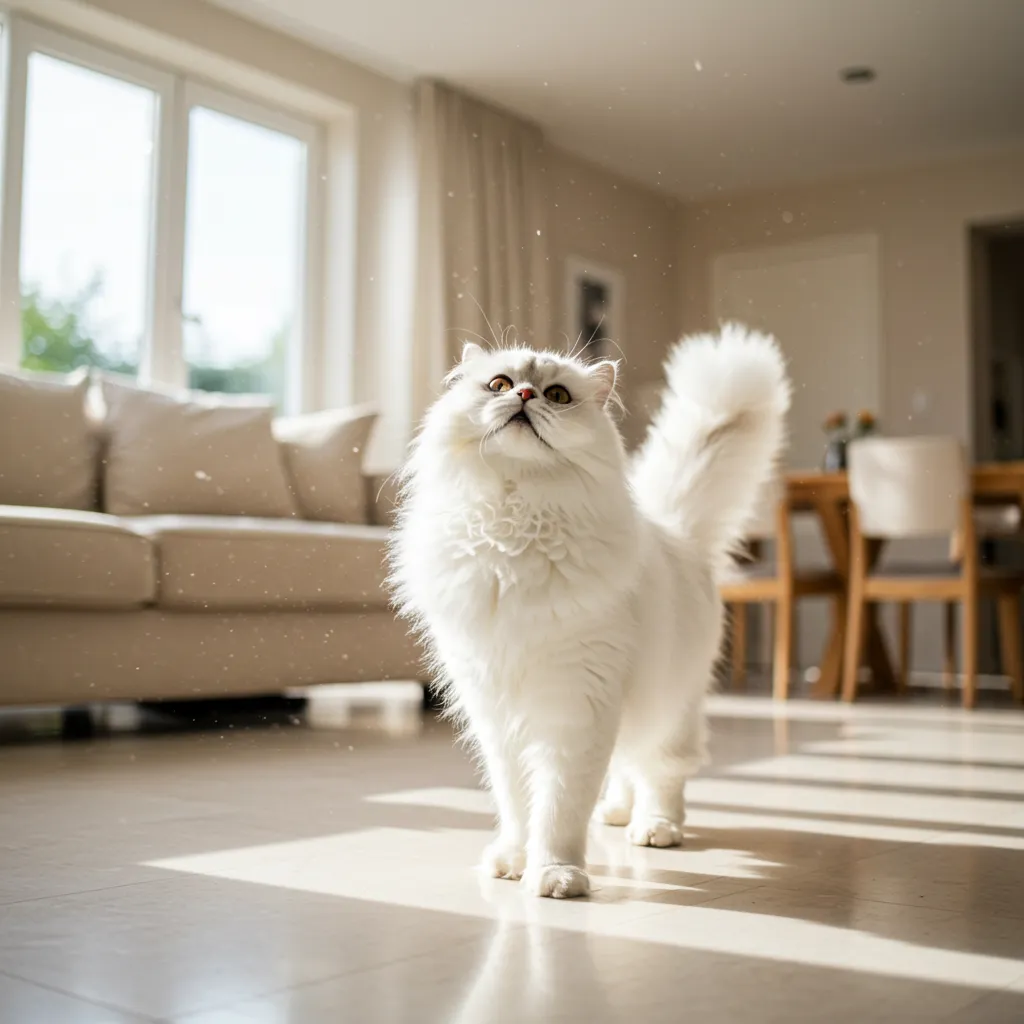
Reverse sneezing, also called inspiratory paroxysmal respiration, is a startling but usually harmless reflex in cats. Unlike a regular sneeze, which pushes air out, a reverse sneeze involves rapid, forceful inhalation through the nose. This creates a loud snorting or honking sound, often mistaken for cat snoring or choking. It’s caused by a temporary spasm of the throat or soft palate, triggered by irritation in the nasal passages or throat.
How It Looks and Sounds
During a reverse sneezing episode, your cat may:
- Stand still with their neck extended.
- Make loud, repetitive snorting or honking noises.
- Appear to struggle to breathe (though they’re not in distress).
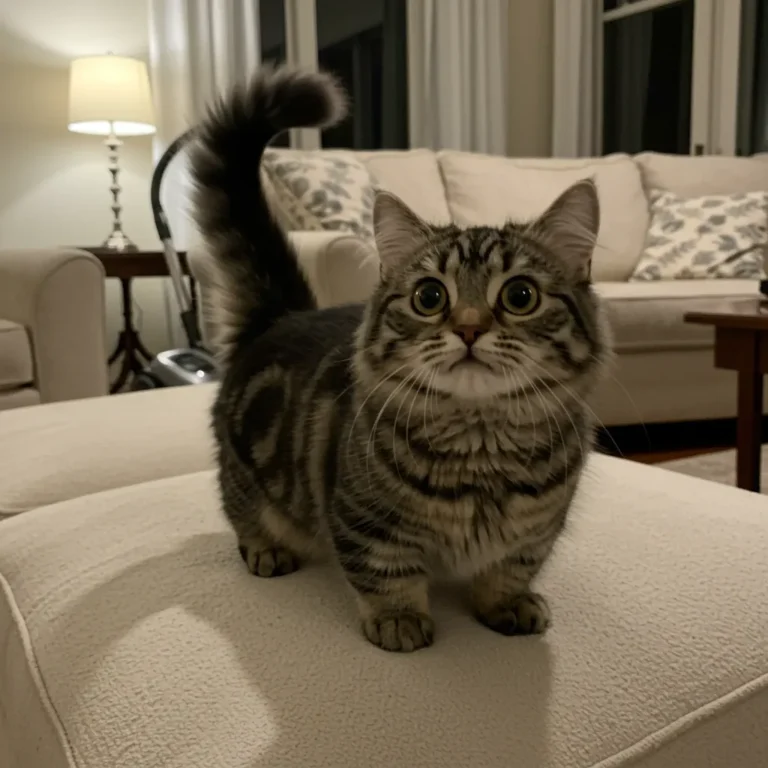
- Have wide eyes or a slightly panicked expression.
Episodes typically last 5–30 seconds and resolve on their own. Unlike cat coughing or cat wheezing, reverse sneezing doesn’t involve forceful exhalation or mucus.
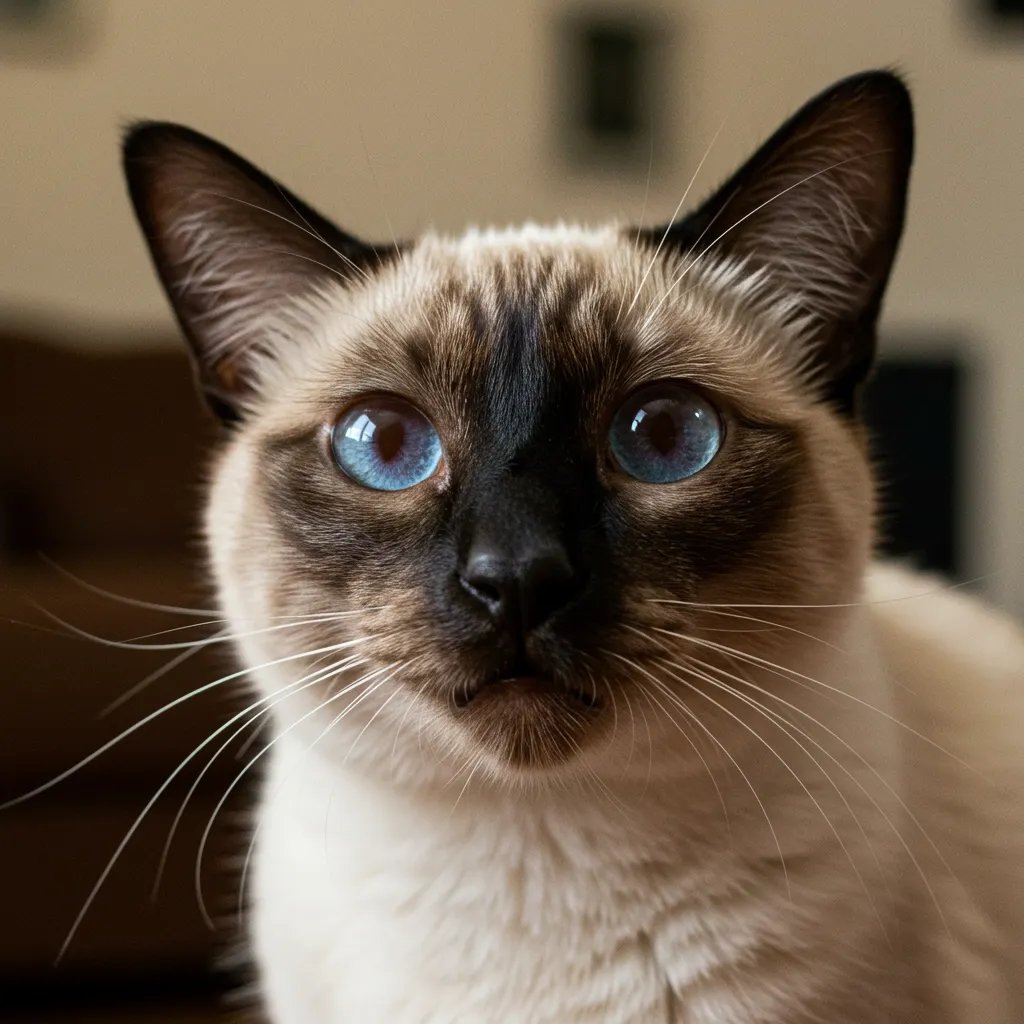
Real-Life Example: Sarah, a cat owner from Seattle, noticed her Siamese cat, Luna, making odd snorting sounds after playing near a dusty bookshelf. After learning about reverse sneezing from her vet, she started vacuuming more frequently to reduce dust, and Luna’s episodes decreased significantly. Check out our Siamese cat guide for breed-specific care tips.
What Causes Reverse Sneezing in Cats?
Understanding reverse sneezing causes in cats is key to managing it. The reflex is triggered when something irritates the nasal passages, throat, or soft palate. Here are the most common culprits:
1. Environmental Irritants
- Dust, pollen, or mold: These can trigger allergies in cats, leading to reverse sneezing.
- Strong odors: Perfumes, cleaning products, or smoke may irritate sensitive feline noses.
- Dry air: Low humidity can dry out nasal passages, especially in winter.
2. Allergies in Cats
Cats can develop cat allergies to pollen, dust mites, or even certain foods, causing nasal irritation. Breeds like brachycephalic cats (e.g., Persians) are more prone due to their short nasal passages. Learn more in our Persian cat breed guide.
3. Nasal Mites in Cats
These tiny parasites live in the nasal passages and can irritate, leading to reverse sneezing or cat sneezing. A vet can diagnose and treat nasal mites in cats with medication.
4. Upper Respiratory Infections in Cats
Viral or bacterial infections, like feline herpesvirus or calicivirus, can inflame the nasal passages, triggering reverse sneezing. Look for symptoms like cat sneezing, discharge, or cat coughing. Our cat health care guide offers tips for managing infections.
5. Nasal Polyps or Foreign Objects
Nasal polyps in cats—benign growths in the nasal cavity—can cause chronic irritation. Foreign objects like grass blades may also lodge in the nose, leading to cat snorting.
6. Brachycephalic Anatomy
Breeds like Persians or Munchkins, with flat faces, have shorter airways, making them prone to cat breathing problems. See our Munchkin cat care tips for breed-specific advice.
7. Excitement or Stress
Sudden excitement, like chasing a toy, or stress from loud noises, can trigger reverse sneezing. Understanding cat behavior can help; check our cat behavior guide.
Table: Common Causes of Reverse Sneezing
| Cause | Symptoms to Watch For | Action to Take |
|---|---|---|
| Allergies | Sneezing, watery eyes, itching | Reduce allergens, consult vet |
| Nasal Mites | Frequent sneezing, head shaking | Vet diagnosis, medication |
| Upper Respiratory Infection | Discharge, coughing, lethargy | Vet visit, possible antibiotics |
| Nasal Polyps | Chronic sneezing, nasal obstruction | Vet exam, possible surgery |
| Brachycephalic Anatomy | Snorting, wheezing, and breathing difficulty | Monitor, vet check for airway issues |
Is Cat Snoring the Same as Reverse Sneezing?
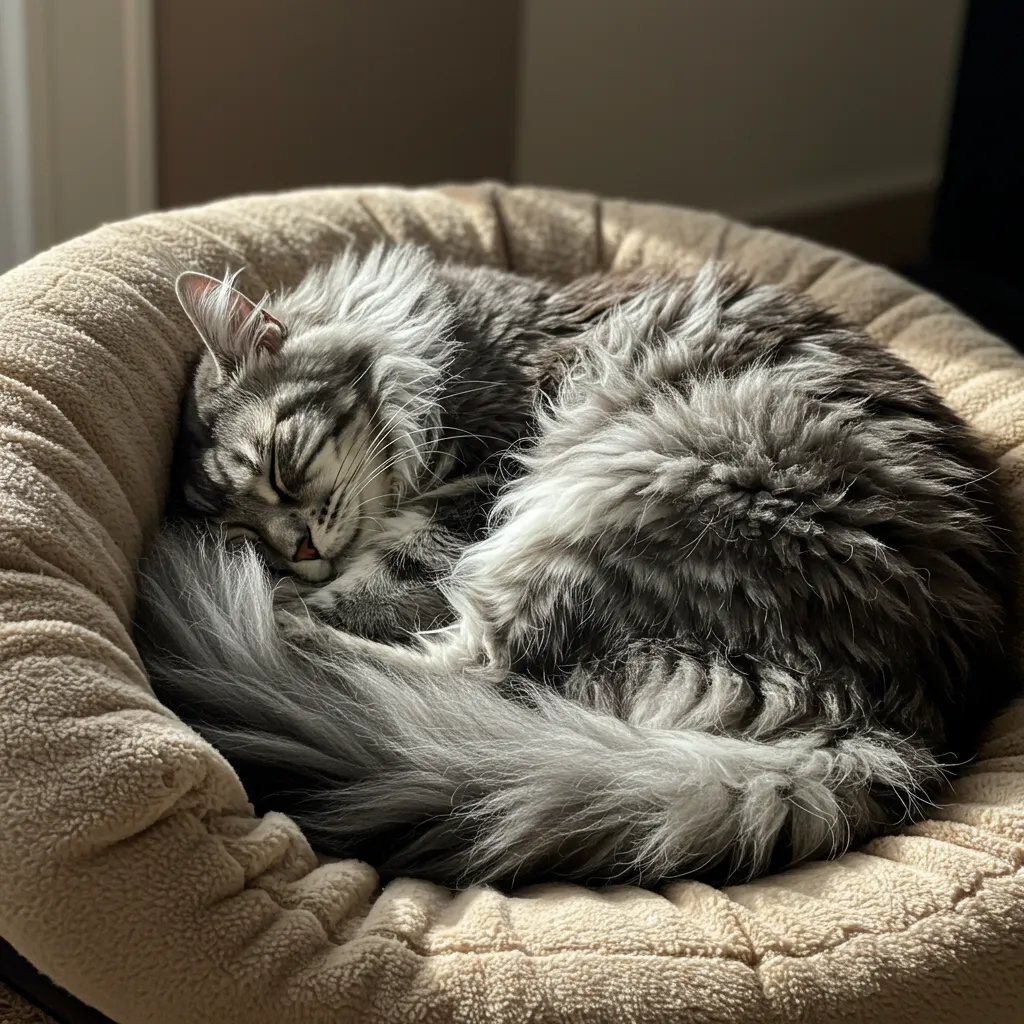
Cat snoring is often confused with reverse sneezing, but they’re distinct. Snoring happens during sleep due to relaxed throat muscles or airway obstruction, especially in brachycephalic cats. Reverse sneezing occurs when the cat is awake and involves active inhalation.
When Snoring Is Normal
- Light snoring: Common in relaxed or overweight cats.
- Positional snoring: May stop if the cat shifts position.
- Breed-specific: Persians or Maine Coons may snore due to anatomy. Explore our Maine Coon cat guide.
When to Worry About Snoring
- Loud, persistent snoring.
- Accompanied by cat wheezing, cat coughing, or lethargy.
- Possible signs of cat asthma or obesity. See our Ragdoll cat obesity guide.
When Should You Be Concerned About Reverse Sneezing or Snorting?
Most reverse sneezing episodes are harmless, but persistent or severe cat respiratory issues require attention. Contact your vet if your cat shows:
- Frequent reverse sneezing (multiple times daily).
- The cat is sneezing with nasal discharge or blood.
- A cat coughing or wheezing that doesn’t resolve.
- Signs of distress, like labored breathing or lethargy.
- Symptoms of upper respiratory infections in cats such as fever or loss of appetite.
Vet Insight: Dr. Emily Carter, a feline specialist, notes, “Occasional reverse sneezing is normal, but if it’s frequent or paired with other symptoms like coughing or weight loss, it could indicate cat asthma or nasal polyps. Always rule out serious conditions.”
For help finding a trusted vet, read our guide on finding the best vet for your cat.
How to Manage and Prevent Reverse Sneezing in Cats
Taking proactive steps can reduce reverse sneezing in cats and improve cat respiratory health. Here are vet-backed cat wellness tips:
1. Reduce Environmental Irritants
- Use air purifiers to remove dust and pollen.
- Avoid strong-smelling cleaners or perfumes near your cat.
- Vacuum regularly to minimize dust. See our cat allergies guide.
2. Maintain Optimal Humidity
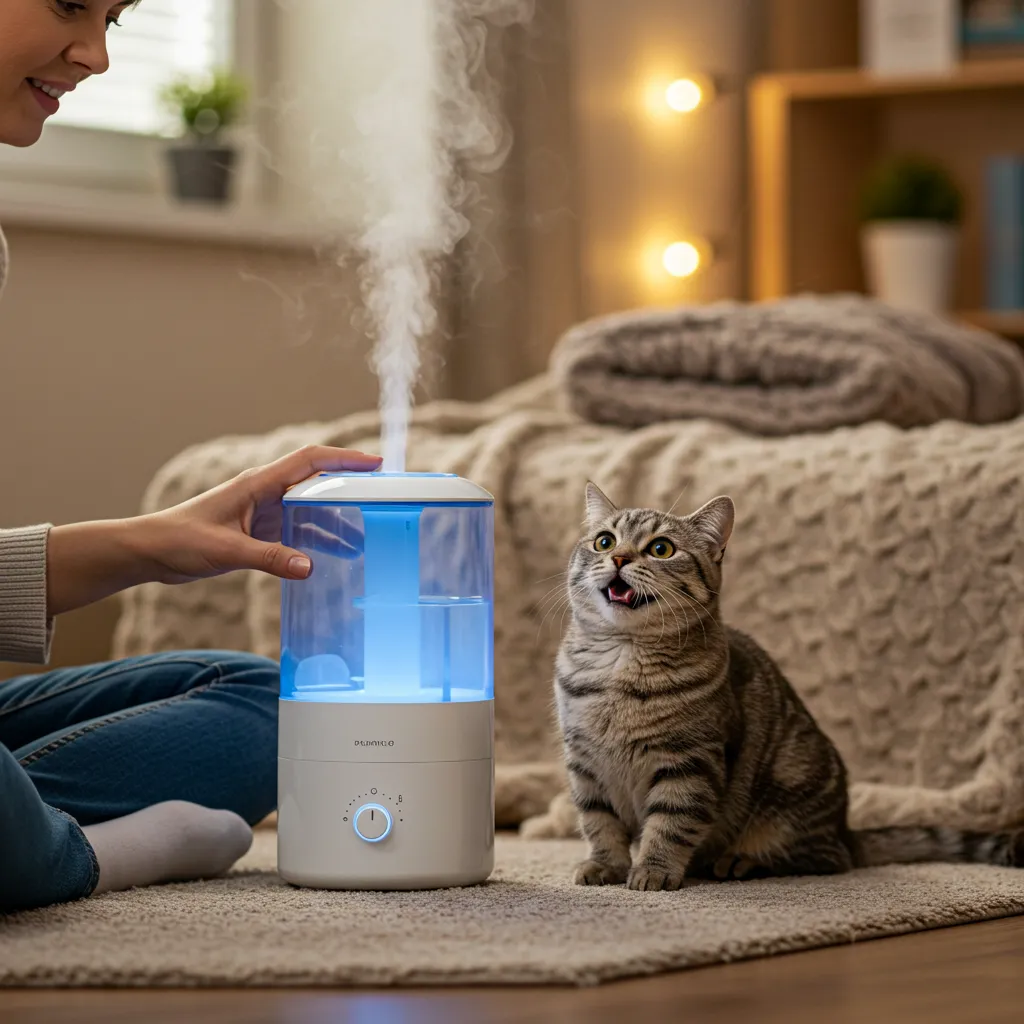
- Use a humidifier in dry climates to keep nasal passages moist.
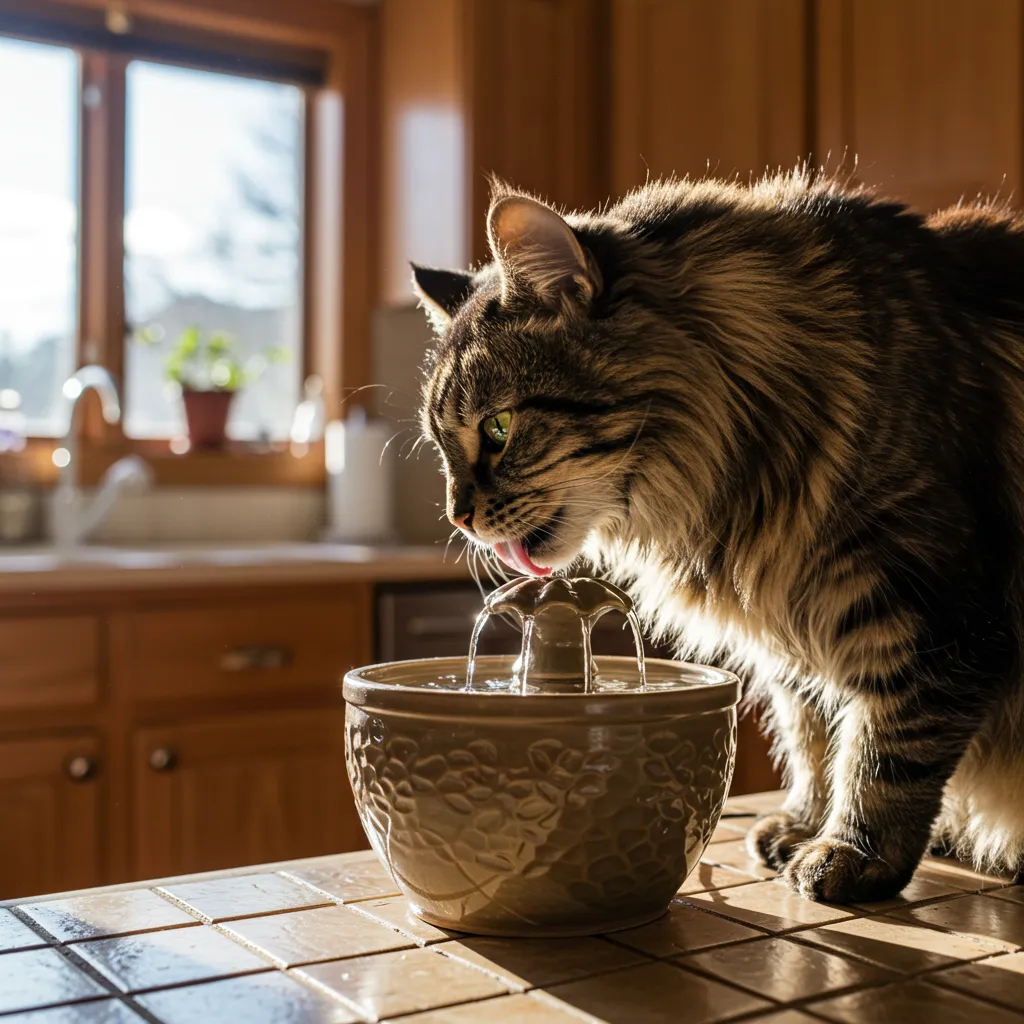
- Place water bowls around the house to encourage hydration. Check our Ragdoll cat hydration tips.
3. Monitor for Allergies
- Watch for signs like cat sneezing, scratching, or cat hair loss. Our Munchkin cat allergies guide has more details.
- Consult a vet for allergy testing or hypoallergenic diets.
4. Regular Vet Check-Ups
- Schedule annual exams to catch nasal polyps or cat asthma early.
- Discuss nasal mites in cats if sneezing persists.
5. Support Brachycephalic Cats
- Keep flat-faced breeds cool and stress-free to reduce cat breathing problems.
- Monitor weight to avoid airway strain. Learn more in our Persian cat breed guide.
6. Stress Management
- Create a calm environment with hiding spots and toys. Our Siamese cat hiding behavior guide offers tips.
- Avoid sudden changes that could trigger cat stress signs.
Understanding Cat Behavior During Respiratory Episodes
Cat behavior can provide clues about cat health. During reverse sneezing, cats may seem startled or uncomfortable but typically recover quickly. Watch for:
- Body language: Extended neck, wide eyes, or rapid breathing.
- Post-episode behavior: If your cat resumes normal activity, it’s likely benign.
- Stress signals: Hiding or aggression may indicate discomfort. Explore our cat stress signs guide.
Owner Tip: Jane, a Ragdoll owner, noticed her cat, Milo, reverse sneezing after playing with a feather toy. By switching to hypoallergenic toys and keeping play areas dust-free, she reduced Milo’s episodes. See our Ragdoll cat care guide for more breed-specific advice.
Cat Wellness Tips for Respiratory Health
Maintaining cat wellness is essential for preventing cat respiratory issues. Here’s a cat care guide to support your feline’s health:
- Nutrition: Feed high-quality, vet-approved food to boost immunity. Check our cat food nutrition guide.
- Hydration: Ensure fresh water is always available to prevent dry nasal passages.
- Grooming: Regular brushing reduces dander and allergens. Learn more in our Norwegian Forest cat grooming guide.
- Exercise: Keep your cat active to maintain a healthy weight and reduce snoring risks.
FAQ: Common Questions About Reverse Sneezing in Cats
Why does my cat snort or reverse sneeze?
Reverse sneezing is caused by irritation in the nasal passages or throat, often from allergies in cats, dust, or nasal mites. It’s usually harmless, but consult a vet if frequent.
Is reverse sneezing in cats dangerous?
Most episodes are benign and resolve in seconds. Persistent sneezing, cat coughing, or cat wheezing may signal cat asthma or upper respiratory infections.
How can I tell if my cat is snoring or reverse sneezing?
Cat snoring occurs during sleep, while reverse sneezing happens when awake, with loud, repetitive snorting sounds.
Can allergies cause reverse sneezing in cats?
Yes, allergies in cats to pollen, dust, or food can trigger reverse sneezing. Reducing allergens and consulting a vet can help.
When should I take my cat to the vet for respiratory issues?
Visit a vet if your cat has frequent reverse sneezing, cat sneezing with discharge, cat wheezing, or signs of distress like lethargy. Learn more in our finding the best vet.
Are brachycephalic cats more prone to respiratory issues?
Yes, breeds like Persians or Munchkins have shorter airways, increasing risks of cat breathing problems. Check our Munchkin cat health issues guide.
Conclusion: Keep Your Cat Healthy and Happy
Reverse sneezing in cats, cat snoring, and other cat respiratory issues can worry any pet parent, but understanding the causes and solutions empowers you to act. Most cases are harmless, triggered by irritants like dust or allergies in cats. By maintaining a clean environment, monitoring cat behavior, and scheduling regular vet visits, you can ensure your cat’s cat wellness. If symptoms persist or worsen, don’t hesitate to consult a professional.
For more expert advice, explore our cat health care guide or dive into breed-specific tips on Cat Bloom Haven. Your feline friend deserves the best—keep them purring with top-notch cat care!