CT Scan Results Timeline for Cats: Your Complete Guide to Understanding the Process

When your cat needs a CT scan, waiting for the results can feel like an eternity, especially when you’re worried about their health. Whether it’s a sudden injury, a mysterious symptom, or a routine checkup for your feline friend, understanding the CT scan results timeline can ease your anxiety and help you prepare for what’s next. At Cat Bloom Haven, we know how much your cat means to you, and we’re here to guide you through every step of this diagnostic process.
In this comprehensive guide, you’ll discover how long it takes to get CT scan results for your cat, what to expect during the procedure, how to prepare, and the benefits and risks involved. We’ll also compare CT scans to other imaging methods like MRIs and X-rays, so you can feel confident about your cat’s care. Let’s dive in!
Key Takeaways: What You’ll Learn About CT Scan Results for Cats
- Timeline for Results: CT scan results for cats typically take 1–3 days, but urgent cases may be faster.
- Procedure Overview: The CT scan process is quick, non-invasive, and usually requires sedation for cats.
- Preparation Tips: Fasting and vet instructions are key to a smooth CT scan experience.
- Benefits vs. Risks: CT scans offer detailed imaging but come with minor risks like radiation exposure.
- Comparison: Learn how CT scans differ from MRIs, X-rays, and other imaging tests for cats.
- Actionable Advice: Vet-backed tips to care for your cat before and after the scan.
Explore more pet health insights in our Cat Health Care Guide.
What Is a CT Scan for Cats?
A CT scan (computed tomography) is a powerful diagnostic imaging tool that uses X-rays to create detailed, cross-sectional images of your cat’s body. Unlike a standard X-ray, which provides a flat image, a CT scan produces 3D images, allowing veterinarians to examine bones, organs, and tissues with precision. This makes it ideal for diagnosing conditions like tumors, fractures, or internal injuries in cats.
Why Cats Need CT Scans
Veterinarians may recommend a CT scan for your cat to:
- Detect tumors or masses (e.g., cancer screening).
- Diagnose bone fractures or joint issues.
- Investigate respiratory or digestive problems.
- Assess brain or spinal conditions.
- Guide surgical planning or treatment.

For example, if your Maine Coon is limping persistently, a CT scan can reveal hidden joint damage. Learn more about Maine Coon health in our Maine Coon Cat Guide.
How Long Does It Take to Get CT Scan Results for Cats?
The CT scan results timeline depends on several factors, including the urgency of the case, the veterinary clinic’s workflow, and whether a radiologist is involved. Here’s a breakdown:
- Standard Timeline: Most CT scan results are available within 1–3 days. The images are reviewed by a veterinarian or a board-certified veterinary radiologist, who compiles a detailed report.
- Urgent Cases: For emergencies, like a suspected brain injury in a Siamese cat, results may be prioritized and available within hours or same-day.
- Specialist Review: If the scan is complex (e.g., a PET/CT scan for cancer staging), it may take up to 3–5 days for a specialist to analyze the images.
- Follow-Up: Your vet will schedule a consultation to discuss the results, which may add a day or two to the process.
Factors Affecting the Timeline
- Clinic Resources: Larger veterinary hospitals with in-house radiologists deliver faster results than smaller clinics that outsource.
- Type of Scan: Contrast-enhanced CT scans or PET/CT scans may require additional analysis time.
- Case Complexity: Detailed scans, like those for Norwegian Forest cats with suspected spinal issues, may take longer to interpret.
Pro Tip: Call your vet after the scan to confirm when results will be ready. If your cat is experiencing symptoms like vomiting, check out our Bengal Cat Vomiting Guide for additional care tips.
Preparing for a CT Scan: What Cat Owners Need to Know
Proper CT scan preparation ensures a smooth procedure and accurate results. Here’s how to get your cat ready:
Before the Scan
- Fasting: Most cats need to fast for 6–12 hours before the scan, especially if sedation or anesthesia is required. Check with your vet for specific instructions.
- Medications: Inform your vet about any medications your cat takes, like those for Munchkin cat urinary issues (see our Munchkin Cat Urinary Issues Guide).
- Comfort: Keep your cat calm at home. A familiar blanket or toy can reduce stress during transport. Explore our Cat Carrier Duration Travel Tips for advice.
- Health History: Provide your vet with a full medical history, including allergies or past reactions to contrast agents.
Day of the Scan
- Arrive early to complete paperwork.
- Ensure your cat is in a secure carrier, like one recommended in our Best Munchkin Cat Carriers Guide.
- Be prepared for sedation, as cats rarely stay still during a CT scan.
After the Scan
- Monitor your cat for side effects like grogginess from sedation.
- Follow any post-scan care instructions, such as hydration tips for Ragdoll cats in our Ragdoll Cat Hydration Guide.
The CT Scan Procedure: What Happens During the Scan?
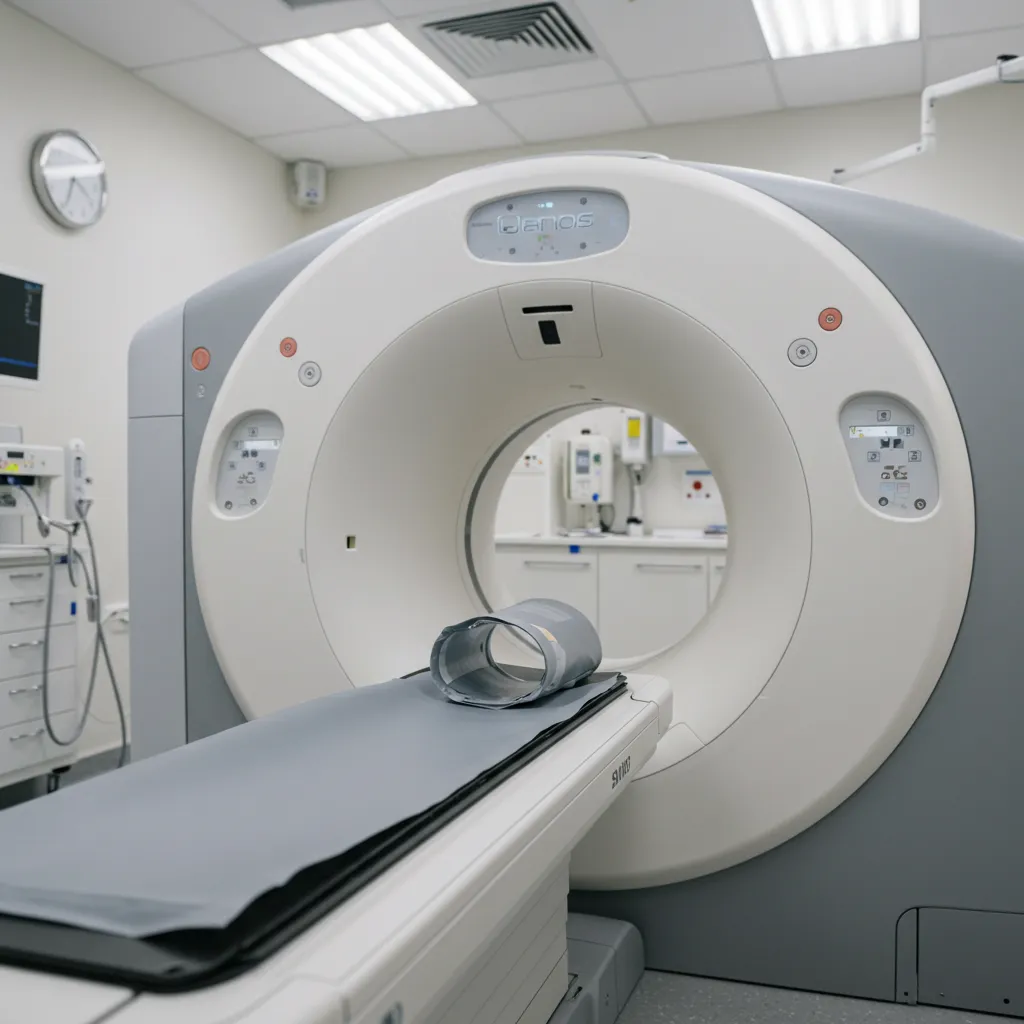
The CT scan procedure is quick, typically lasting 15–30 minutes, but the entire appointment may take 1–2 hours due to prep and recovery. Here’s what to expect:
- Sedation or Anesthesia: Cats are usually sedated or anesthetized to ensure they remain still for clear images. This is safe for most cats, including breeds like Persian cats (see our Persian Cat Breed Guide).
- Positioning: A veterinary technologist positions your cat on the CT scanner table, which slides into a circular machine.
- Scanning: The scanner rotates around your cat, taking multiple X-ray images. For contrast-enhanced CT, a dye may be injected to highlight specific areas.
- Completion: Once the scan is done, your cat is monitored as they wake up from sedation.
Fun Fact: The CT scanner’s hum might remind you of your cat’s purr, but it’s far less soothing! Learn why cats purr in our Why Cats Nose Wet Purring Guide.
Benefits and Risks of CT Scans for Cats
CT scans are a cornerstone of radiology in veterinary medicine, but like any procedure, they come with pros and cons.
Benefits of CT Scans
- High Accuracy: Provides detailed images of bones, organs, and tissues, ideal for diagnosing complex conditions.
- Quick Procedure: Scans are fast, minimizing stress for your cat.
- Versatile: Detects a wide range of issues, from Bengal cat tumors to Ragdoll cat dental problems (see our Ragdoll Cat Bad Breath Guide).
- Guides Treatment: Helps vets plan surgeries or monitor ongoing conditions like cat lymphoma (check our Cat Lymphoma Steroids Lifespan Guide).
Risks of CT Scans
- Radiation Exposure: CT scans involve CT scan radiation exposure, which is low but carries a small CT scan cancer risk over time, especially with repeated scans.
- Sedation Risks: Anesthesia can cause minor side effects like nausea or, rarely, allergic reactions.
- Contrast Dye: Contrast-enhanced CT may cause mild reactions in some cats, though this is rare.
Vet Insight: The benefits of a CT scan often outweigh the risks for serious conditions. Always discuss concerns with your vet. For general vet visit tips, see our Siamese Cat Vet Visits Guide.
CT Scan vs. Other Imaging Tests: What’s the Difference?
Choosing the right medical imaging test for your cat depends on their symptoms and condition. Here’s how CT scans compare to other options:
| Imaging Type | Best For | Pros | Cons | Example Use Case |
|---|---|---|---|---|
| CT Scan | Detailed imaging of bones, organs, and tissues | High-resolution 3D images, quick | Radiation exposure, sedation required | Diagnosing tumors in Norwegian Forest cats |
| MRI Scan | Soft tissue, brain, and spinal imaging | No radiation, detailed soft tissue images | Longer procedure, expensive | Neurological issues in Siamese cats |
| X-Ray | Bone fractures, basic organ views | Quick, affordable, widely available | Less detailed, 2D images only | Checking for fractures in Munchkin cats |
| Ultrasound | Soft tissue, fluid, and organ function | Non-invasive, no radiation | Limited to specific areas, operator-dependent | Assessing digestive issues in Bengal cats |
| PET Scan | Cancer and metabolic activity | Detects functional changes | Expensive, requires specialized facilities | Cancer staging in Ragdoll cats |
CT Scan vs. MRI: Which Is Better?
- CT Scan: Best for bones, lungs, and quick diagnostics. Uses X-ray technology and is faster.
- MRI: Ideal for soft tissues, like the brain or muscles, but takes longer and is pricier.
CT Scan vs. X-Ray
- CT Scan: More detailed, 3D images for complex diagnoses.
- X-Ray: Quick and simple for basic bone or chest imaging.
For more on cat diagnostics, explore our Cat Health Care Guide.
Receiving CT Scan Results: What Happens Next?
Once the CT scan is complete, the images are sent to a veterinarian or radiologist for analysis. Here’s how you’ll receive the results:
- Radiologist Review: A specialist examines the images for abnormalities, creating a detailed report.
- Vet Consultation: Your vet will explain the findings, often using visual aids to show areas of concern.
- Treatment Plan: Based on the results, your vet may recommend surgery, medication, or further tests. For example, if your American Shorthair has a mass, see our American Shorthair Cats Guide.
- Follow-Up: Additional scans or treatments may be scheduled to monitor your cat’s condition.

Pro Tip: Ask your vet to clarify any medical terms or next steps. If your cat is stressed post-scan, check our Cat Stress Signs Guide for calming tips.
Special Considerations: PET/CT Scans and Low-Dose CT Scans
- PET/CT Scan: Combines a CT scan with a PET scan to assess both structure and function, often used for cancer detection. Results may take 2–5 days due to complexity.
- Low-Dose CT Scan: Reduces CT scan radiation exposure, ideal for routine screenings or young cats like Munchkin kittens (see our Munchkin Cat Care Tips).
FAQ: Common Questions About CT Scans for Cats
How long does it take to get CT scan results for a cat?
Results typically take 1–3 days, but urgent cases may be available within hours. Complex scans, like PET/CT scans, may take up to 5 days.
How long does a CT scan take for a cat?
The scan itself takes 15–30 minutes, but the entire appointment, including sedation and recovery, may last 1–2 hours.
Are there preparations required before a CT scan?
Yes, your cat may need to fast for 6–12 hours and avoid certain medications. Follow your vet’s instructions.
Who reviews CT scan images for cats?
A veterinarian or board-certified veterinary radiologist reviews the images and provides a detailed report.
Are CT scans painful for cats?
No, CT scans are painless, but sedation or anesthesia is used to keep your cat still.
Is contrast used in CT scans for cats?
Yes, contrast-enhanced CT scans use a dye to highlight specific areas, but it’s not always required.
What can a CT scan diagnose in cats?
CT scans can detect tumors, fractures, organ issues, and neurological conditions.
How do I prepare my cat for a CT scan?
Fast your cat as instructed, bring their medical history, and use a secure carrier. See our Best Carriers for Norwegian Forest Cats.
Conclusion: Empowering Your Cat’s Health Journey
Understanding the CT scan results timeline and process can make a big difference in managing your cat’s health. From preparation to receiving results, CT scans are a powerful tool in diagnostic imaging, offering clarity for conditions that affect breeds like Bengal cats, Ragdoll cats, and more. By knowing what to expect, you can ensure your feline friend gets the best care possible.
At Cat Bloom Haven, we’re dedicated to helping you navigate pet parenthood with confidence. Explore more expert cat care and behavior guides, like our Cat Adoption Guide or How to Calm an Angry Cat, to keep your cat happy and healthy.
Have questions about your cat’s CT scan or health? Share them with us, and let’s keep your feline friend purring!