Why Is My Bengal Cat Vomiting? Causes, Solutions, and Care Tips
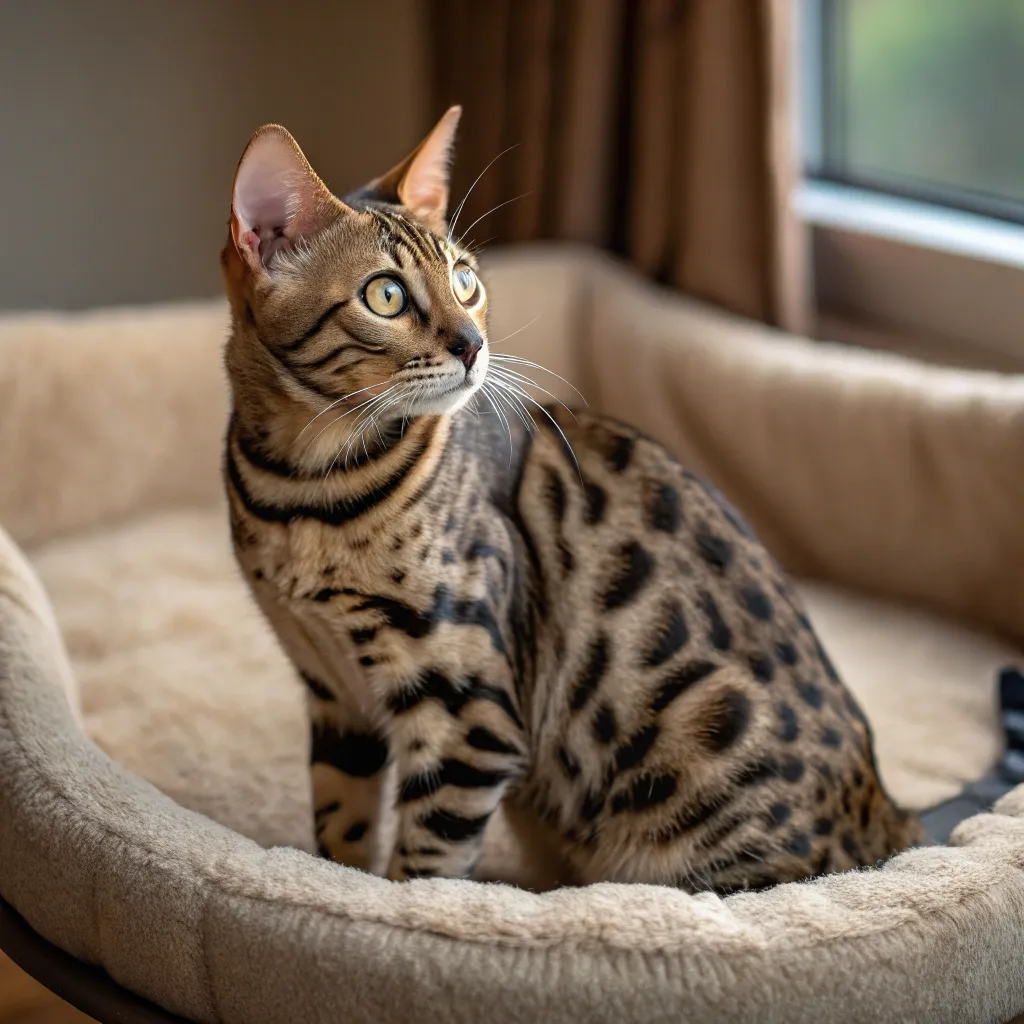
Bengal cats are known for their striking looks and energetic personalities, but when your Bengal cat starts vomiting, it can be a cause for concern. Vomiting in cats, especially Bengals, can stem from various issues, ranging from minor to serious. In this article, we’ll explore the causes of cat vomiting, Bengal cat health issues, and cat vomiting solutions to help you keep your feline friend healthy and happy.
Key Takeaways
- Vomiting in Bengal cats can be caused by hairballs, dietary issues, or underlying medical conditions.
- Identifying the cause is key to finding effective cat vomiting solutions.
- Proper Bengal cat care can prevent many cat digestive problems.
- Consult a vet if vomiting is persistent or accompanied by other symptoms.
Common Causes of Vomiting in Bengal Cats
Understanding why your Bengal cat is throwing up starts with identifying the root cause. Here are the most common causes of cat vomiting:
Hairballs
Bengal cats have short, dense coats that can lead to hairballs, a frequent cause of vomiting in cats. Hairballs form when your cat ingests hair during grooming, which can irritate the stomach.
Dietary Issues
Poor eating habits, food allergies, or eating too quickly can lead to a cat upset stomach. Bengals, with their sensitive digestive systems, may react to low-quality or hard-to-digest foods.
Gastroenteritis
Inflammation of the stomach or intestines, often caused by infections or eating something toxic, can result in cat digestive problems and vomiting.
Understanding Hairballs in Bengal Cats
Hairballs are a significant contributor to Bengal cat vomiting. Here’s why they happen and how to manage them:
Why Hairballs Occur
When your Bengal cat grooms, loose hair can accumulate in the stomach. If not passed through the digestive system, it forms a hairball, leading to vomiting.
How to Prevent Hairballs
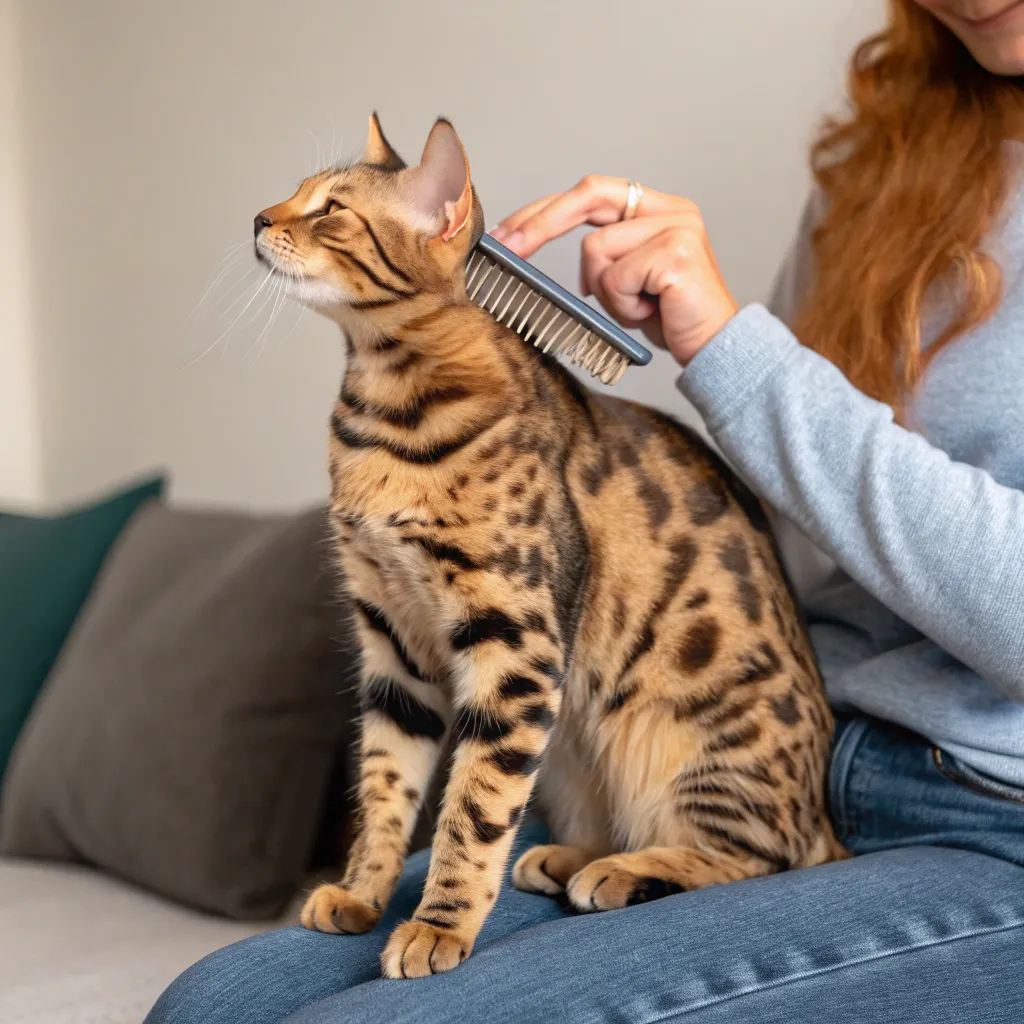
- Regular Grooming: Brush your Bengal daily to reduce loose hair.
- Hairball Remedies: Use vet-approved hairball control treats or gels.
- High-Fiber Diet: Feed foods designed to support digestion and reduce hairball formation.
Dietary Factors Behind Cat Vomiting
Diet plays a huge role in Bengal cat health issues. Here are key dietary factors that may cause your cat to throw up:
Poor Eating Habits
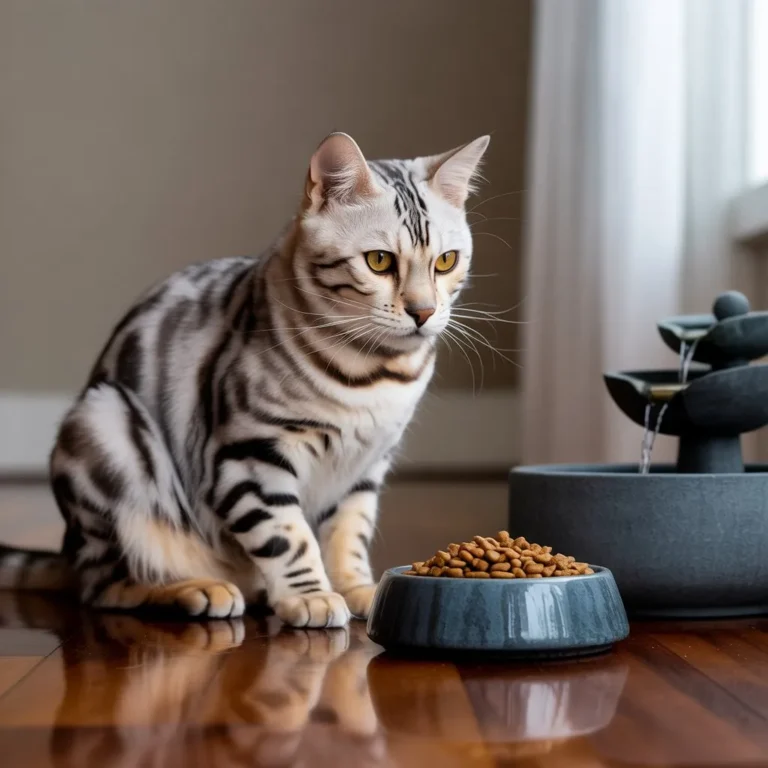
Bengals are notorious for eating too fast, which can lead to cat throwing up undigested food. Slow-feed bowls can help pace their eating.
Food Allergies
Some Bengals may have sensitivities to ingredients like grains or certain proteins, causing a cat upset stomach and vomiting.
Indigestible Foods
Low-quality foods or sudden diet changes can upset your cat’s stomach, leading to cat digestive problems.
Medical Conditions Causing Vomiting in Bengal Cats
Sometimes, vomiting in cats signals a more serious health issue. Common medical conditions include:
Kidney Disease
Chronic kidney issues can cause nausea and vomiting, especially in older Bengals.
Liver Disease
Liver problems can disrupt digestion, leading to Bengal cat vomiting.
Gastrointestinal Disorders
Conditions like inflammatory bowel disease (IBD) can cause persistent cat digestive problems.
Comparative Table of Symptoms
| Condition | Symptoms | Action Needed |
|---|---|---|
| Hairballs | Occasional vomiting, coughing | Grooming, hairball remedies |
| Food Allergies | Vomiting, diarrhea, itching | Switch to hypoallergenic food |
| Kidney Disease | Vomiting, lethargy, weight loss | Vet consultation, tests |
| Gastroenteritis | Vomiting, diarrhea, lethargy | Immediate vet visit |
Effective Cat Vomiting Solutions
Wondering how to stop cat vomiting? Here are practical solutions for Bengal cat care:
Switch to a High-Quality Diet
Choose easily digestible, high-protein foods tailored for Bengals to reduce cat upset stomach issues.
Use Slow-Feed Bowls
These help prevent your cat from eating too quickly, reducing the risk of vomiting.
Hydration is Key
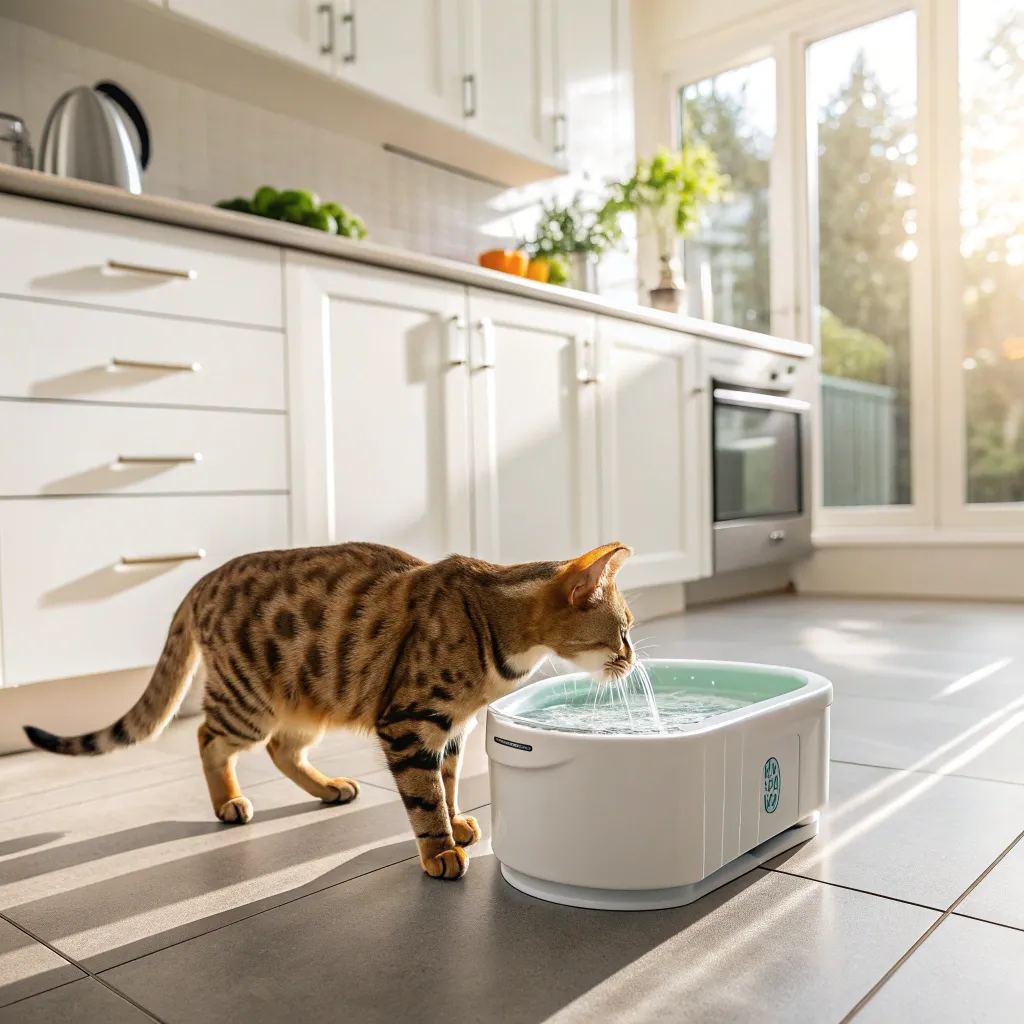
Ensure your Bengal has constant access to fresh water to support digestion and prevent cat digestive problems.
Hairball Control
Incorporate hairball remedies and regular grooming into your Bengal cat care routine.
When to Consult a Vet
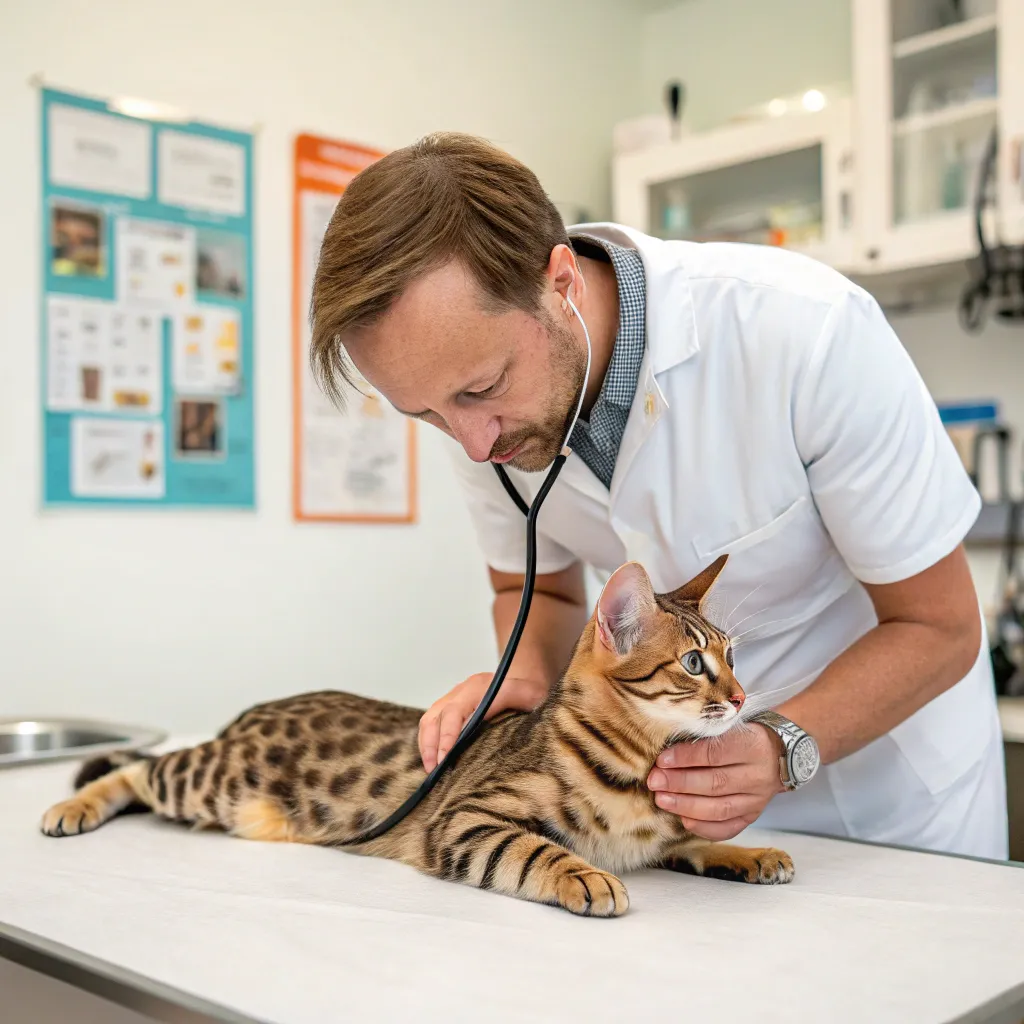
If your Bengal cat’s vomiting is frequent or paired with symptoms like lethargy, diarrhea, or loss of appetite, it’s time to see a vet. Persistent vomiting in cats could indicate serious Bengal cat health issues like kidney or liver disease. Immediate vet attention is crucial if you notice:
- Vomiting multiple times a day.
- Blood in vomit or stool.
- Signs of dehydration or weight loss.
Preventive Measures for Bengal Cat Vomiting
Preventing cat throwing up starts with proactive care. Here’s how to minimize Bengal cat vomiting:
Maintain a Consistent Diet
Stick to a high-quality, Bengal-friendly diet and avoid sudden changes.
Promote Hydration
Encourage drinking with water fountains, as Bengals love running water.
Regular Vet Checkups
Routine vet visits can catch Bengal cat health issues early, preventing complications.
Conclusion
Vomiting in Bengal cats can be distressing, but understanding the causes of cat vomiting and applying the right cat vomiting solutions can make a big difference. From managing hairballs to addressing dietary issues and seeking vet care when needed, proper Bengal cat care ensures your feline stays healthy. Monitor your cat closely, and don’t hesitate to consult a vet for persistent issues.
FAQ
Why is my Bengal cat vomiting?
Your Bengal may be vomiting due to hairballs, dietary issues, or medical conditions like kidney disease.
What are common causes of vomiting in Bengal cats?
Hairballs, food allergies, poor eating habits, and gastroenteritis are frequent culprits.
How can I manage hairballs in my Bengal cat?
Regular grooming, hairball remedies, and a high-fiber diet can help.
What food-related factors cause vomiting in Bengal cats?
Low-quality food, allergies, or eating too fast can lead to a cat upset stomach.
When should I consult a vet for my vomiting Bengal cat?
See a vet if vomiting is frequent, persistent, or accompanied by lethargy, diarrhea, or weight loss.