How Many Teeth Does a Cat Have? The Ultimate Guide to Feline Dental Anatomy, Development, and Lifelong Care
Ever watched your cat crunch a kibble or flash a toothy yawn and wondered exactly what’s going on in that mysterious mouth? You’re not alone. One of the most common questions new (and seasoned) cat parents search is how many teeth does a cat have and the answer changes dramatically depending on whether you’re cuddling a fluffy kitten or a full-grown feline hunter.
In this comprehensive guide from Cat Bloom Haven, we’ll unpack everything: from the cat teeth anatomy that makes your kitty a mini predator to the kitten teeth timeline that turns needle-sharp baby teeth into powerful adult chompers. You’ll discover cat tooth types, spot early signs of dental issues in cats, and master cat dental hygiene tips that keep vet bills low and purrs loud.
Key Takeaways :
- Kittens are born toothless but erupt 26 deciduous (baby) teeth by 6–8 weeks.
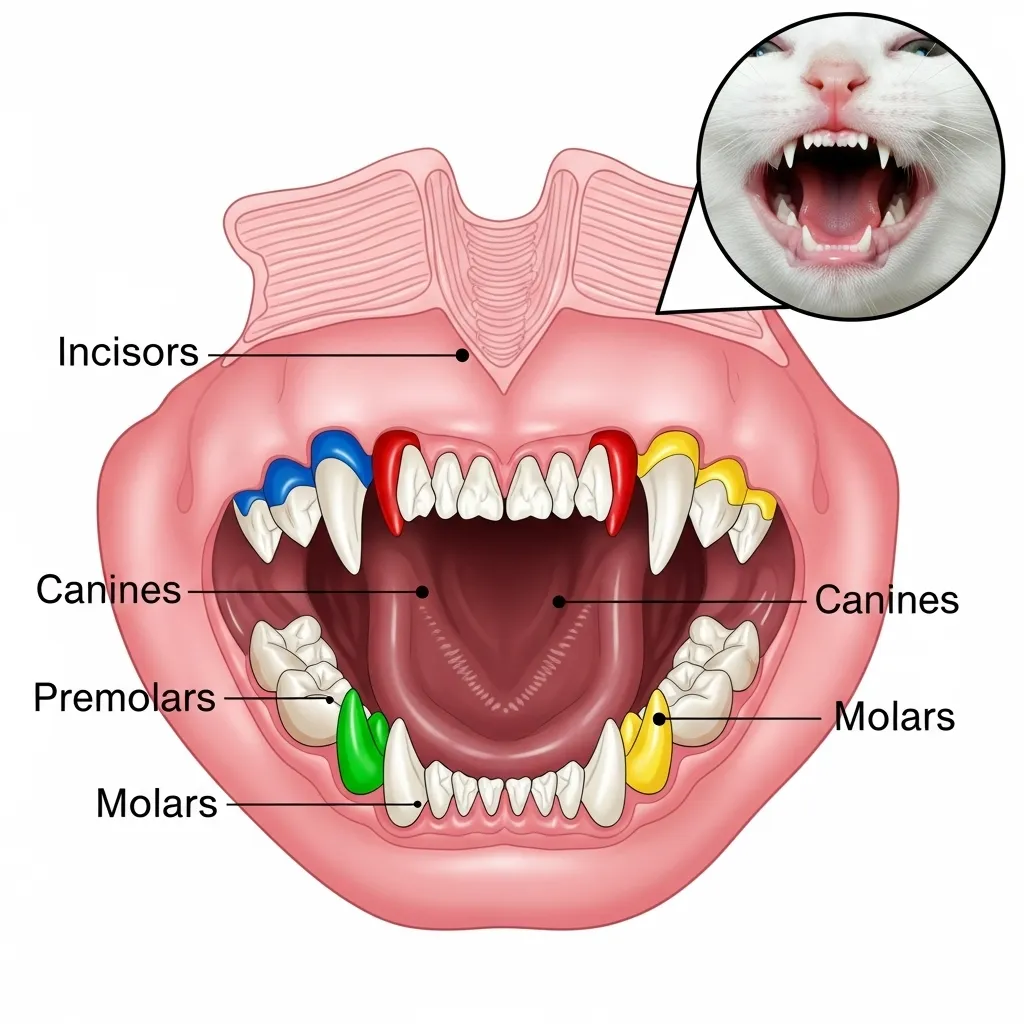
- Adult cats have 30 permanent teeth: 12 incisors, 4 canines, 10 premolars, and 4 molars.
- Dental disease affects 70% of cats by age 3 prevent it with daily habits.
- Bad breath, drooling, or pawing at the mouth? Red flags for cat dental health problems.
- Regular vet dental exams for cats + home cat teeth cleaning = longer, happier lives.
Ready to become your cat’s personal dentist? Let’s dive in.
Cat Teeth Anatomy: Inside Your Feline’s Mini Predator Mouth
Cats aren’t just cute they’re obligate carnivores with a mouth built for tearing meat. Understanding cat mouth structure reveals why dental care is non-negotiable.
The Four Types of Cat Teeth (and What They Do)
| Tooth Type | Count (Adult) | Location | Function |
|---|---|---|---|
| Cat Incisors | 12 (6 top, 6 bottom) | Front of mouth | Grooming, nibbling, picking up objects |
| Cat Canines | 4 (2 top, 2 bottom) | “Fangs” beside incisors | Puncturing prey, defense |
| Cat Premolars | 10 (6 top, 4 bottom) | Sides, behind canines | Shearing meat |
| Cat Molars | 4 (2 top, 2 bottom) | Very back | Grinding (rarely used in modern diets) |
Pro Insight: Unlike dogs, cats lack flat molars for grinding. Their cat tooth types are optimized for carnivory—explaining why kibble size matters for cat plaque and tartar buildup.
Cat Dental Development: From Gummy Grins to Full Fangs
Kitten Teeth Timeline: What to Expect Week by Week
Your kitten’s cat dental development is a whirlwind. Here’s the exact kitten teeth timeline:
| Age | Milestone |
|---|---|
| Birth | Born toothless—gums only |
| 2–3 weeks | First cat incisors erupt (tiny but sharp!) |
| 3–4 weeks | Cat canines appear |
| 4–6 weeks | Cat premolars fill in (26 baby teeth total) |
| 3–4 months | Baby teeth loosen; cat teeth falling out begins |
| 5–7 months | All cat adult teeth in place (30 total) |
Real-Life Example: “My Bengal kitten lost a canine while playing fetch—it rolled under the couch!” – Sarah, Cat Bloom Haven reader.
This is normal! Save fallen teeth for the vet if bleeding persists.
Cat Adult Teeth: The Final 30 and Why They Matter
By 7 months, your cat has 30 permanent teeth fewer than humans (32) but perfectly designed for survival.
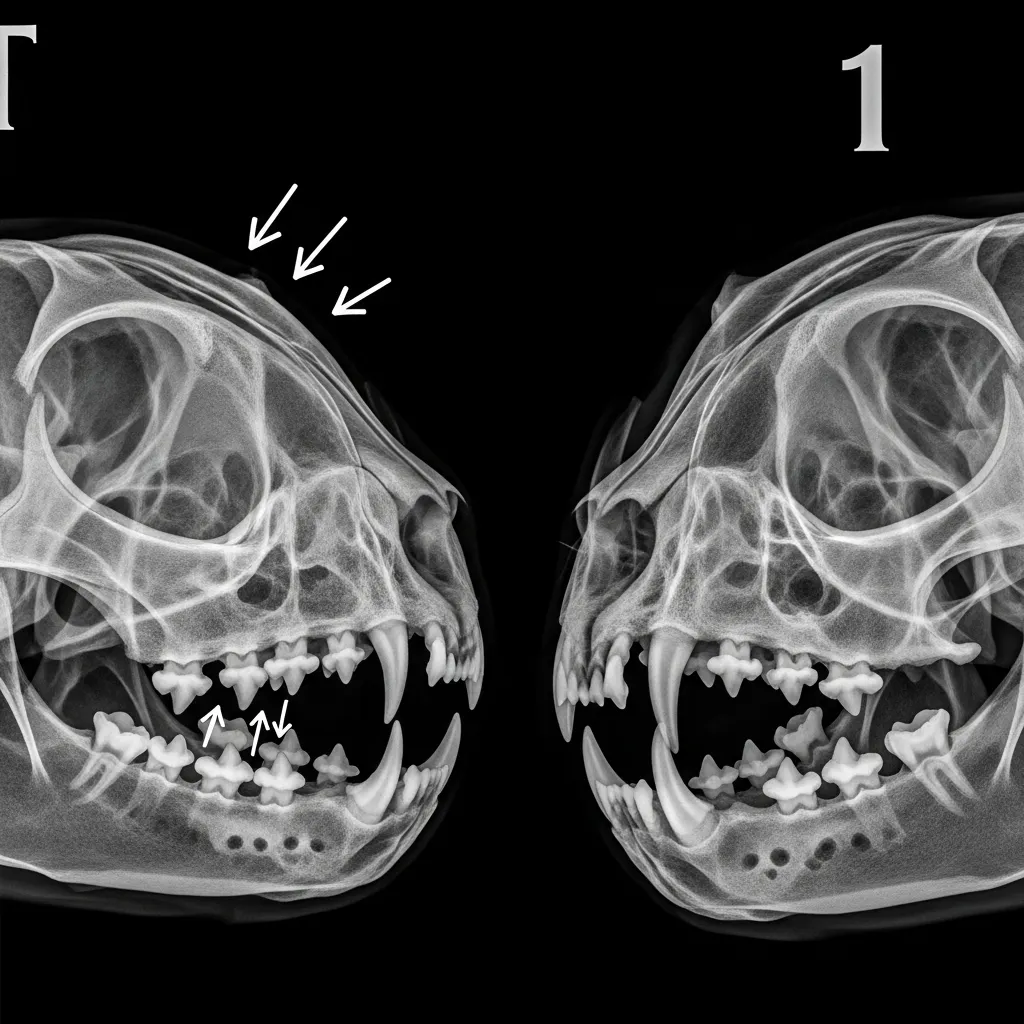
Upper vs. Lower Jaw Breakdown
- Upper Jaw: 16 teeth (6 incisors, 2 canines, 6 premolars, 2 molars)
- Lower Jaw: 14 teeth (6 incisors, 2 canines, 4 premolars, 2 molars)
Vet-Backed Tip: The reduced number of lower premolars is an evolutionary trait cats don’t chew side-to-side like herbivores.
Cat Tooth Types: Functions, Wear Patterns, and Red Flags
Cat Incisors: The Grooming Tools
Tiny but mighty, these 12 front teeth act like combs. Excessive wear? Your cat may be over-grooming due to stress.
Discover more in our guide on cat stress signs
Cat Canines: The Predator’s Fangs
These 4 elongated teeth are prone to fractures from chewing hard toys.
Prevention: Avoid deer antlers; opt for dental-grade nylon.
Cat Premolars & Molars: The Forgotten Grinders
Hidden at the back, these are where cat plaque and tartar love to hide.
Home Check: Gently lift your cat’s lip yellow buildup = time for action.
Cat Dental Care: Your 7-Step Lifelong Plan
Dental disease is the #1 health issue in cats over 3. Here’s how to master cat tooth care:
1. Daily Brushing (Yes, Really)
- Use feline enzymatic toothpaste (chicken flavor works wonders).
- Start with a finger brush; graduate to a soft cat toothbrush.
- Aim for 30 seconds per side, 3–7x/week.
Success Story: “My Siamese went from growling to purring during brushing in 2 weeks!” – Dr. Lena Kim, DVM
[Learn more in our step-by-step guide on how to clean cat teeth at home]
2. Best Cat Dental Treats (2025 Vet-Approved)
| Treat | Benefit | Frequency |
|---|---|---|
| Greenies Feline Dental Treats | VOHC-approved plaque reduction | 1–2 daily |
| Virbac C.E.T. Chews | Enzymatic tartar control | 1 daily |
| Oratene Brushless Gel | Water-additive alternative | As needed |
3. Water Additives & Dental Wipes
Can’t brush? Add a capful of dental water solution daily.
4. Annual (or Bi-Annual) Vet Dental Exams for Cats
- Includes full-mouth X-rays under anesthesia.
- Cat dental cleaning cost: $300–$800 (varies by region).

Cat Dental Health Problems: Spot Trouble Early
70–90% of cats over 3 have some form of cat dental disease. Here’s what to watch for:
Top Signs of Dental Issues in Cats
- Cat bad breath causes: Bacterial overgrowth (not “normal”)
- Drooling or blood-tinged saliva
- Pawing at mouth or face
- Difficulty eating hard food
- Swollen, red gums (preventing cat gum disease starts here)
- Loose or missing teeth (beyond kittenhood)
Common Feline Dental Treatments
| Condition | Symptoms | Treatment |
|---|---|---|
| Gingivitis | Red gums, bad breath | Professional cleaning + antibiotics |
| Periodontal Disease | Loose teeth, pus | Extractions + long-term care |
| Tooth Resorption | Holes in enamel | Extraction (painful if ignored) |
| Stomatitis | Severe inflammation | Full-mouth extraction (life-changing) |
Urgent Note: Cat teeth grinding (bruxism) = pain. See a vet within 24 hours.
Explore our guide on cat stomatitis life expectancy for advanced cases
Natural Cat Dental Care: DIY Solutions That Actually Work
Home Cat Teeth Cleaning Hacks
- Coconut Oil Pull: Rub a pea-sized amount on gums weekly (antimicrobial).
- Raw Chicken Necks: Natural chewing action (supervise; not for kittens).
- Dental Powders: Sprinkle on wet food (kelp + enzymes).
Caution: Avoid human toothpaste fluoride is toxic to cats.
Cat Teething Stages: Surviving the “Shark Mouth” Phase
Kittens hit peak teething at 3–5 months. Expect:
- Excessive chewing (shoes, fingers, cords)
- Mild gum swelling
- Temporary aggression
Solutions:
- Freeze a wet washcloth for soothing.
- Offer chilled dental toys.
- Redirect to appropriate chew items.
Discover more tips in our Munchkin cat dental care guide
FAQ: Your Top Cat Dental Questions Answered
How many teeth does a cat have as an adult?
30 permanent teeth: 12 incisors, 4 canines, 10 premolars, 4 molars.
When do kittens lose their baby teeth?
Between 3–6 months. Cat teeth falling out is normal don’t panic if you find one!
How can I clean my cat’s teeth at home?
Use a soft cat toothbrush + enzymatic toothpaste. Start slow, reward heavily. [Full tutorial here]
Why does my cat have bad breath?
90% of cases = cat plaque and tartar. Diet, genetics, or disease can contribute.
Are cat dental cleanings worth the cost?
Yes. Untreated dental disease shortens lifespan by 1–3 years.
Do indoor cats need dental care?
Absolutely. Processed diets increase cat dental disease risk.
Conclusion: Healthy Teeth = Happy Cat
From the first wobbly cat incisors to the final set of 30 cat adult teeth, your feline’s mouth is a window into their overall health. By understanding cat teeth anatomy, following the kitten teeth timeline, and committing to cat dental care, you’re not just preventing pain you’re adding years to your cat’s life.
Start tonight: lift your cat’s lip, check for tartar, and schedule that vet dental check-up. Your kitty’s smile (and your couch) will thank you.
Explore more expert cat care and behavior guides on Cat Bloom Haven from American Shorthair cat travel tips to[best beds for Munchkin cats, we’ve got your feline family covered.