Why Is My Cat Gagging? A Complete Vet-Backed Guide to Understanding and Stopping It
Nothing jolts a cat parent awake faster than that unmistakable retching sound at 3 a.m. Your cat stretches their neck, opens their mouth wide, and makes a dramatic “hack-hack-hack” noise. Sometimes a hairball lands on the rug. Often, nothing comes up at all. If you’ve ever whispered “why does my cat keep gagging?” into the darkness, you’re not alone. Thousands of owners search this exact question every month.
This guide breaks down every realistic reason behind cat gagging, from the totally normal to the genuinely urgent. You’ll learn how to tell the difference between harmless hairball attempts and serious symptoms, exactly when to call the vet, and proven ways to reduce or eliminate the problem for good.
Key Takeaways (Read This First)
- Most gagging episodes are hairball-related and not emergencies.
- Frequent gagging (more than once a week) or gagging with no hairball deserves a vet visit.
- Cats rarely “cough” the way dogs or humans do; what looks like coughing is usually gagging or reverse sneezing.
- Sudden, violent, or constant gagging in cats can signal choking, asthma, heart disease, or a foreign object.
- Simple diet, grooming, and lifestyle changes stop 80-90 % of non-medical gagging.

What Does “Cat Gagging” Actually Look and Sound Like?
Gagging in cats is a forceful attempt to expel something from the throat or upper esophagus. Typical signs your cat is gagging include:
- Neck stretched forward
- Mouth open wide
- Repeated retching or hacking sounds
- Drooling or foaming at the mouth
- Swallowing hard between attempts
- Pawing at the face (especially if something is stuck)
It’s different from vomiting (which involves abdominal contractions) and different from coughing (which usually comes from deeper in the chest).
Quick comparison table:
| Behavior | Gagging | Coughing | Vomiting |
|---|---|---|---|
| Body position | Neck extended | Hunched, elbows out | Abdominal heaving |
| Sound | Dry retch, hack | Honking or wheezing | Gurgling, productive |
| What comes up | Usually nothing or hairball | Rarely anything | Food, liquid, bile |
| Most common cause | Hairballs, throat irritation | Asthma, allergies, heart disease | Stomach upset |
Cat Gagging Causes: From Harmless to Serious
1. Hairballs – The #1 Reason Cats Gag
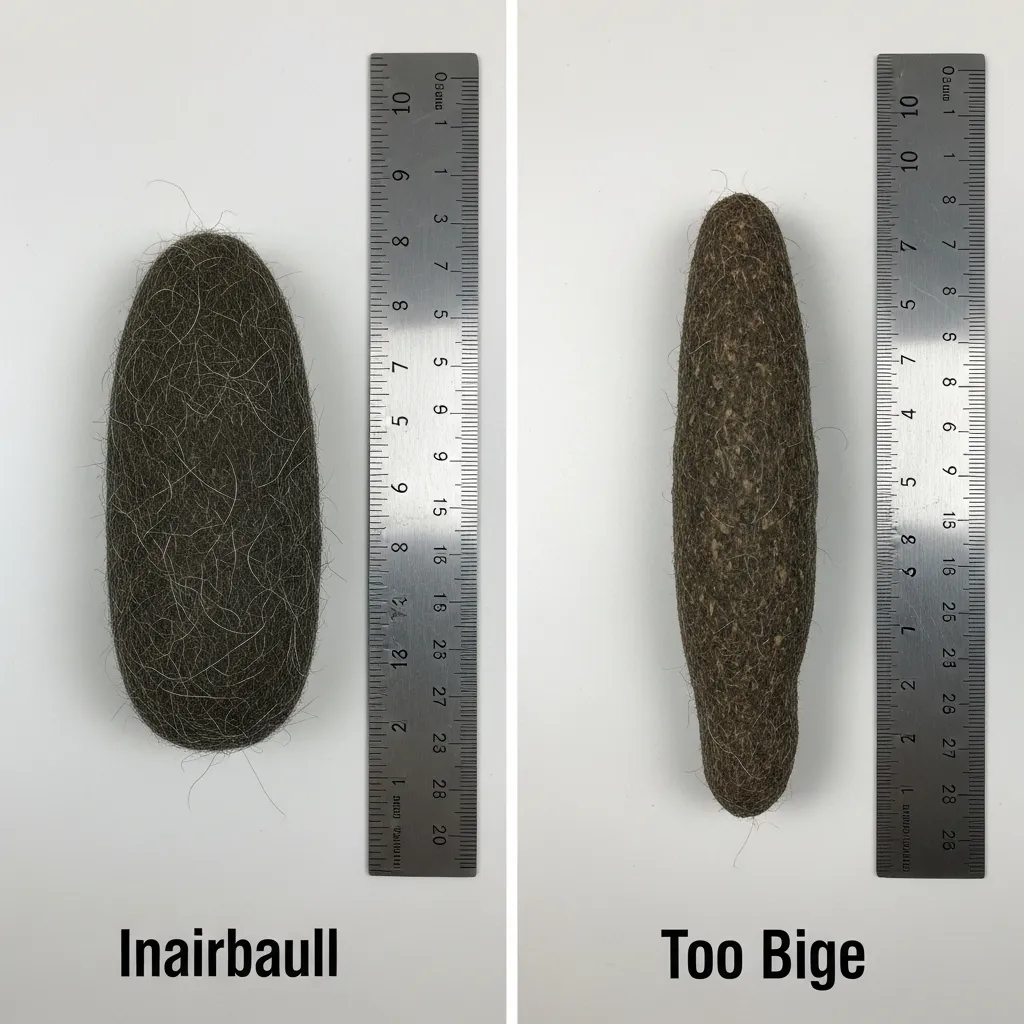
Even short-haired cats swallow hair daily while grooming. Most passes through the digestive tract, but sometimes it balls up in the stomach and triggers gagging.
Classic hairball gagging in cats:
- Happens every few weeks (normal for long-haired breeds)
- Ends with a cigar-shaped hairball
- Cat acts completely fine afterward
When hairballs become a problem: constant gagging in cats with no hairball produced, decreased appetite, or vomiting undigested food.
Pro tip: If your cat keeps gagging but no hairball appears for more than 48 hours, the hairball may be too large to pass or stuck lower in the intestines. See our in-depth guide on American Shorthair hairballs or how to prevent cat hairballs.
2. Eating Too Fast or Food Sensitivity
Many cats inhale their food, swallow air, and gag immediately afterward. Dry kibble is the worst offender.
Cat gagging after eating is common with:
- Grain-heavy diets
- Round bowls that let them gorge
- New foods introduced too quickly
Switching to a best wet cat food or using slow-feeder bowls fixes this in days for most cats.
3. Throat Irritation or Minor Respiratory Infections
Cats explore with their mouths. A blade of grass, piece of plastic, or even dust can scratch the throat and trigger gagging.
Mild upper respiratory infections (the “cat cold”) also cause post-nasal drip that feels like something stuck in the throat.
4. Foreign Object in Cat Throat – True Emergency
String, ribbon, rubber bands, needle-and-thread, plant parts – indoor cats find the wildest things. If the object is lodged in the throat or wrapped around the tongue base, you’ll see sudden, frantic gagging, drooling, and pawing at the mouth.
Cat choking symptoms demand an immediate vet trip. Do NOT wait to “see if it passes.”
5. Asthma and Allergic Bronchitis
Feline asthma often sounds exactly like gagging because cats try to clear their airways the only way they know how – by retching.
Look for:
- Episodes triggered by dust, smoke, or strong scents
- Wheezing or fast breathing after the “gag”
- Gagging in cats symptoms that worsen at night
6. Heart Disease (Yes, Really)
Advanced heart disease in cats causes fluid buildup in or around the lungs. The cat feels short of breath and tries to clear the sensation by gagging or coughing.
Subtle signs of cat heart disease:
- Sleeping more
- Reluctance to jump
- Open-mouth breathing after minimal effort
7. Nausea from Other Illnesses
Kidney disease, hyperthyroidism, inflammatory bowel disease, and cancer can all make cats feel chronically nauseated, leading to frequent dry heaving.
Cat Gagging vs Coughing: How to Tell the Difference in 10 Seconds
Stand behind your cat during an episode. If the neck shoots forward and the mouth opens wide – it’s gagging. If the cat hunches, elbows out, and makes a closed-mouth “huff” from the chest – it’s coughing.
Still unsure? Film the next episode on your phone and show your vet. Video diagnoses are gold.
How to Help a Gagging Cat Right Now (Safe Home Steps)
- Stay calm – panic stresses your cat and makes everything worse.
- Check the mouth gently for string, grass, or toys (only if safe).
- Offer a teaspoon of plain petroleum jelly or a commercial hairball remedy (great for mild hairball gagging in cats).
- Switch to smaller, more frequent meals in a slow-feeder bowl.
- Run a humidifier – moist air soothes irritated throats.
Never give human cough syrup, honey, or butter. Most are toxic or useless for cats.
Cat Gagging Treatment: What Actually Works Long-Term
| Cause | Best Treatment / Prevention |
|---|---|
| Hairballs | Daily brushing + hairball diet or gel + omega-3 supplements |
| Eating too fast | Slow-feeder bowl or puzzle feeder |
| Food sensitivity | Limited-ingredient or hydrolyzed protein diet (see best foods for sensitive stomach) |
| Asthma | Inhaled steroids (Flovent) + allergen reduction |
| Heart disease | Pimobendan, furosemide, and cardiology management |
| Foreign body | Emergency endoscopy or surgery |
When to Call the Vet for Gagging (Red-Flag Checklist)
Take your cat in TODAY if gagging comes with:
- Blue gums or tongue
- Extreme lethargy
- Labored breathing
- Repeated unproductive retching for >12 hours
- Blood in saliva or vomit
- Sudden collapse
Call within 24-48 hours if:
- Gagging more than once a week
- Weight loss
- Decreased appetite
- Change in voice or persistent drooling
Routine vet checkups for cats catch many underlying problems before gagging even starts.
Preventive Care for Cats: Stop Gagging Before It Starts
- Brush daily (or at least 4x/week) removes loose hair before it’s swallowed.
- Feed a high-quality diet formulated for hairball control or sensitive stomachs.
- Keep strings, rubber bands, and holiday tinsel out of reach.
- Schedule annual senior bloodwork starting at age 7 – catches kidney and thyroid issues early.
- Consider pet-safe grass or catnip plants to satisfy the grazing urge.
Frequently Asked Questions
My cat is gagging but no hairball comes out. Is this normal?
Occasional dry retching is common. If it happens more than once a week or lasts longer than 48 hours, see your vet.
Why does my cat keep gagging after grooming?
Excessive grooming = more swallowed hair. Increase brushing and consider a hairball-control diet.
Can stress cause gagging in cats?
Rarely directly, but stress weakens immunity and can trigger asthma flare-ups that feel like gagging.
Is grain-free cat food better for gagging?
Sometimes. Grain sensitivities can cause throat irritation in rare cats, but most benefit more from added fiber or omega-3s than going grain-free.
How can I tell if my cat is choking or just gagging?
Choking cats panic, drool heavily, and paw frantically at their mouth. They cannot meow or swallow. Rush to an emergency vet.
Final Thoughts
Most cases of “why is my cat gagging” are simple hairballs or eating habits you can fix at home in a week. A small percentage, though, are early warnings of serious illness. When in doubt, film the episode and call your vet it’s always better to look cautious than to miss something treatable.
Your cat trusts you to read their signals. Now you have the full playbook.
Want more vet-approved advice? Explore our complete cat health care section or dive deeper into specific issues like cat vomiting vs gagging and feline respiratory issues.
You’ve got this and your cat’s throat thanks you.