The Art of Purr-fect Presence: Slow-Living Lessons We Learn From Cats
In our hyper-connected, productivity-obsessed world, burnout has become a badge of honor and busyness a status symbol. Yet, curled in a sunbeam on your windowsill lies a master of an entirely different philosophy. Your cat isn’t just napping; they are conducting a masterclass in the art of slow, intentional living.
The slow-living lessons we learn from cats are not about laziness, but about a profound recalibration of priorities a return to presence, pleasure, and purposeful rest. This isn’t merely cute behavior; it’s a feline blueprint for well-being that humans have overlooked for centuries. By observing their innate rhythms, we can unlock a quieter, richer, and more contented way of being.
Key Takeaways: The Feline Philosophy at a Glance
Before we delve into the nuances, here are the core slow-living lessons we learn from cats:
- Presence Over Productivity: Cats fully inhabit the moment, whether it’s watching a bird or feeling a breeze.
- Rest as a Requirement: They treat sleep as sacred, non-negotiable maintenance, not a reward for exhaustion.
- Boundaries are Bliss: A cat’s “no” is clear and respected, teaching us the power of intentional limits.
- Simple Pleasures are Enough: A box, a sun patch, a gentle scratch they find deep joy in minimalism.
- Movement with Purpose: Their activity is bursty and intentional, not sustained and draining.
- Authentic Communication: They express needs directly without guilt or over-explanation.
The Feline Foundation: Why Cats Are Natural Slow-Living Gurus
To understand their wisdom, we must first appreciate the feline operating system. Unlike humans, cats are obligate carnivores and crepuscular predators. Their biology is wired for short, intense bursts of hunting (or play) followed by long periods of recovery and digestion. This isn’t inefficiency; it’s peak performance engineered by evolution. Their entire metabolism and psychology are built around energy conservation and strategic deployment.
This fundamental biological truth is the bedrock of their slow-living expertise. They don’t fight their nature; they embody it flawlessly. As we explore cat behavior and cat habits, remember: each purr, stretch, and prolonged stare is part of a coherent philosophy of existence. For a deeper look at the instincts driving your cat, explore our guide on what your cat knows first.
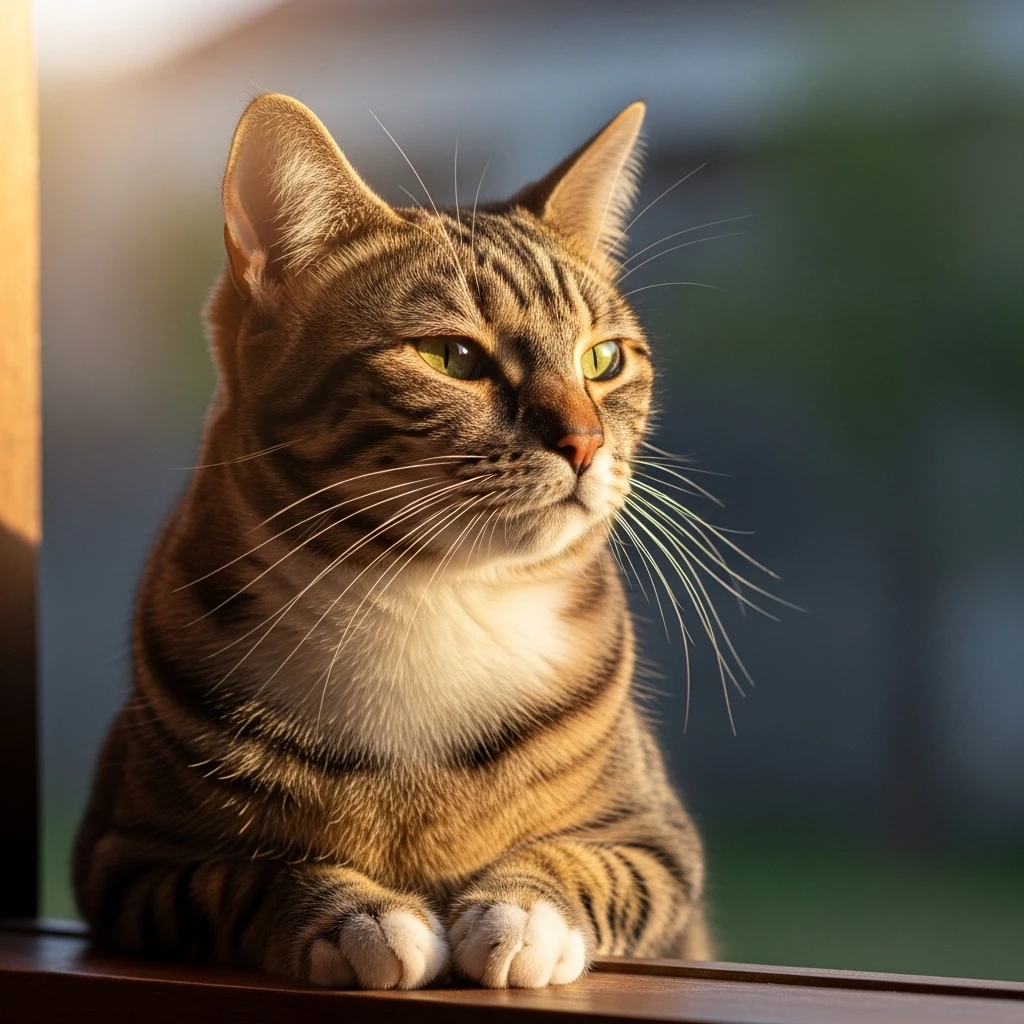
Lesson 1: The Sacred Art of Unapologetic Rest (The Power of the Pause)
Humans wear sleep deprivation like a trophy. Cats treat sleep like a spiritual practice. Averaging 12-16 hours a day, they view rest not as downtime, but as uptime for essential bodily repair, memory consolidation, and energy restoration. They master the spectrum of rest: from the deep, twitching sleep of dream cycles to the light, alert doze where they are still aware of their environment.
The Human Application: We must redefine rest from “doing nothing” to “actively restoring.” This means:
- Scheduled Pauses: Integrate short, 10-minute “cat naps” or quiet moments of closing your eyes into your day.
- Quality Over Quantity: Create a rest-conducive environment dark, quiet, and comfortable much like finding the perfect best beds for American Shorthair cats.
- Listen to Your Body: Instead of pushing through the 3 PM slump with caffeine, acknowledge it as a natural dip in your circadian rhythm. A brief pause can reset your focus more effectively than forced stimulation.
This lesson connects deeply to understanding why cats sleep so much it’s a biological imperative for their health, and a psychological one for ours.
Lesson 2: Deep Presence & Environmental Awareness (The World in a Sunbeam)
Watch a cat watch a dust mote dance in a sunbeam. For those two minutes, that dust mote is the most fascinating thing in the universe. Cats practice a form of meditative attention. They are not worrying about their next meal while eating this one (usually!), or planning their next nap during play. They are wholly in the experience.
The Human Application: This is the essence of mindfulness.
- Single-Tasking: Eat your lunch without screens. Listen to a friend without mentally drafting your reply. Feel the water on your hands while washing dishes.
- Environmental Engagement: Step outside and truly notice: the temperature, the wind direction, the sounds. Cats are masters of their territory; we can reconnect with ours.
- Find Your Sunbeam: Literally and figuratively. Seek out and savor the small, simple pleasures that bring sensory joy.
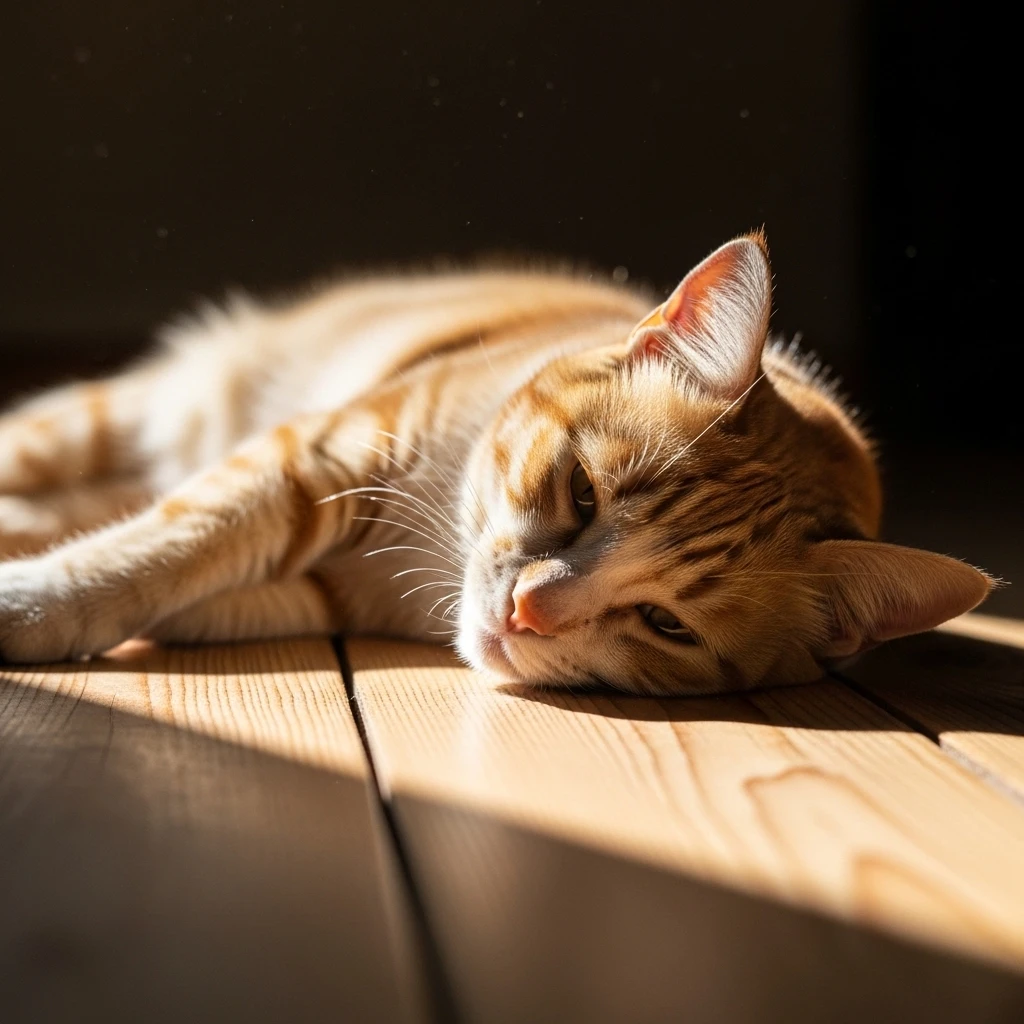
Lesson 3: Setting Boundaries with Grace & Clarity (The Power of a Gentle “No”)
A cat will simply get up and walk away when it’s had enough petting. It communicates discomfort with a flick of the tail, a flattening of the ears, or a soft murmur long before a scratch is necessary. Their boundaries are clear, consistent, and communicated without apology. They understand that their comfort is their responsibility.
The Human Application: We often resent others for overstepping boundaries we never clearly communicated.
- Non-Verbal Cues First: Notice your own discomfort early (your “tail flick”) and address it calmly before reaching frustration.
- Direct, Kind Communication: “I need some quiet time now,” or “I can’t take on another project,” stated plainly, is a form of self-respect.
- Permission to Disengage: It is okay to leave a draining situation, just as a cat leaves a lap when it chooses. Learn more about cat stress signs to understand their boundary signals.
Lesson 4: Purposeful Movement & Play (The Sprint, Not the Marathon)
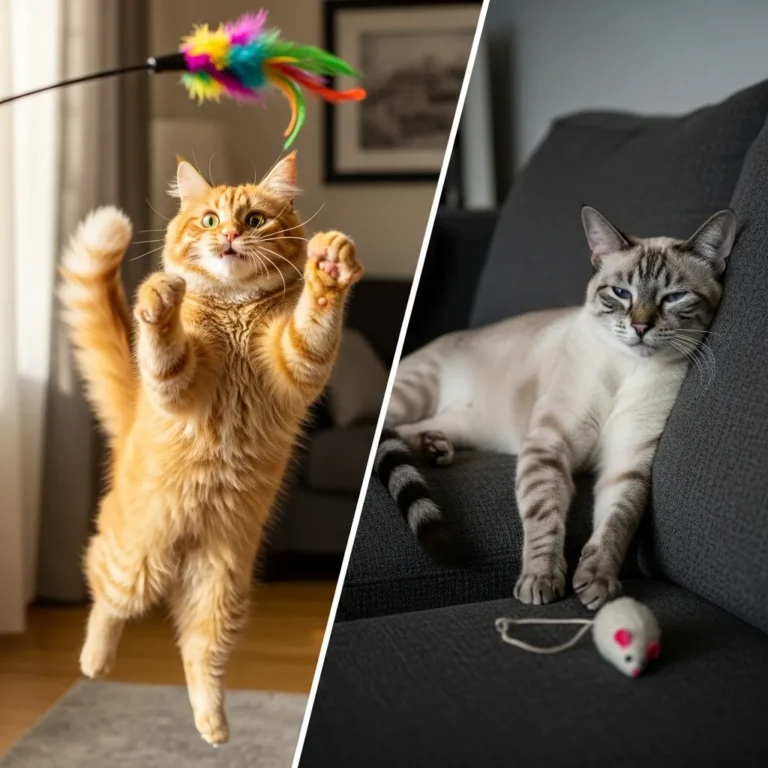
A cat’s day is not a steady grind. It’s a series of short, intense bursts the infamous “zoomies,” a vigorous play session with a wand toy, a climactic pounce followed by calm. This aligns with their predator physiology and prevents burnout. Their movement is joyful and purposeful, not a chore.
The Human Application: Replace prolonged, dreaded gym sessions with shorter, more intense, and more enjoyable movement.
- Incorporate Play: Dance for 10 minutes to your favorite album. Have a quick, silly play-fight. Follow your cat’s lead on cat exercise needs.
- Embrace Natural Bursts: Take the stairs with gusto. Park farther away and enjoy a brisk walk. Make movement an integrated part of life, not a segregated task.
- Rest After Effort: Honor the post-exercise cool-down as much as the activity itself. This is when the body integrates the benefits.
Lesson 5: The Joy of Minimalism & Simple Pleasures
The greatest toy you can buy your cat is often the box it came in. Cats find profound contentment in simplicity: a paper bag, a running faucet, a warm lap, the smell of catnip. They aren’t waiting for the next, better thing to be happy; they are fully happy with what is present and accessible.
The Human Application: Combat the “not enough” culture by practicing feline-inspired minimalism.
- Savor the Sensory: Fully taste your food. Enjoy the texture of a favorite blanket. Appreciate a beautiful view.
- Declutter Your Space: A calm, uncluttered environment reduces stress for you and your cat. Explore ideas for minimalist cat homes.
- Find Your “Cardboard Box”: What simple, low-cost activity brings you pure, uncomplicated joy? Reading? A walk? A cup of tea in silence? Prioritize it.
Lesson 6: Authentic Communication & Emotional Honesty
A cat doesn’t hide its feelings to be polite. It purrs when content, meows when it needs something, and hisses when afraid or angry. This emotional honesty is direct and efficient. While humans need more nuance, we often err by concealing our true needs until we explode.
The Human Application: Strive for clearer, kinder emotional expression.
- Ask Directly: Instead of hoping someone will guess you’re overwhelmed, say, “I’m feeling overwhelmed and need an hour to myself.”
- Express Appreciation Freely: Like a contented purr, vocalize your gratitude and joy in the moment.
- Recognize Non-Verbal Cues: In yourself and others. A sigh, a closed posture, a lack of eye contact are all communications, just like a cat’s tail language.
Integrating the Feline Philosophy: A 7-Day Slow-Living Challenge
Ready to live more like your cat? Try this actionable plan.
| Day | Feline Lesson | Your Challenge |
|---|---|---|
| 1 | Unapologetic Rest | Schedule three 15-minute rest periods. Do nothing but sit, lie down, or gaze out a window. |
| 2 | Deep Presence | Eat one meal without any distractions. Focus solely on the taste, texture, and experience. |
| 3 | Clear Boundaries | Politely decline one request that would overextend you. Use clear, simple language. |
| 4 | Purposeful Movement | Engage in 10 minutes of bursty, joyful movement (dancing, brisk walking, play). |
| 5 | Simple Pleasures | Enjoy a free/cheap pleasure you love. A library book, a homemade meal, a sunset. |
| 6 | Authentic Communication | Express a genuine need or a genuine compliment to someone, clearly and kindly. |
| 7 | Environmental Joy | Create a “sunbeam spot” in your home a cozy, inviting corner for reading or relaxing. Find inspiration in our guide to cozy spaces cats love. |
FAQ: Slow-Living Lessons We Learn From Cats
Q: Is slow living with cats just about being lazy?
A: Absolutely not. It’s about strategic energy management. Cats are highly active and alert in short bursts. Slow living is the intentional balance between focused activity and deep restoration, avoiding chronic, draining busyness.
Q: My life is too busy for this. How can I start?
A: Start microscopically. One “cat nap” (a 10-minute eye-closed break). One mindful cup of coffee. One clear “no” to a small request. The philosophy is built through small, consistent shifts, not a life overhaul. Discover more on small changes for a happier cat (and a happier you).
Q: Don’t cats get bored?
A: Cats are masters of self-directed enrichment when their environment allows it. Boredom often stems from a lack of stimulation or agency. By providing climbing spaces, puzzles, and window access, we support their natural curiosity. The lesson for us is to curate our environments for engagement, not passive consumption.
Q: How does this help with anxiety?
A: Chronic anxiety is often fueled by preoccupation with the future (worry) or past (regret). The feline focus on the present moment is a natural antidote. Their embodiment of secure boundaries and prioritization of rest directly counteract the physiological symptoms of stress.
Q: Can all cat breeds teach these lessons?
A: Yes, the core philosophy is universal to felines. However, the expression may vary. A serene Ragdoll cat might exemplify restful presence, while an energetic Bengal cat might master the lesson of purposeful, joyful bursts. The key is observing your own cat’s unique rhythm.
Conclusion: Your Life, With More Purr
The slow-living lessons we learn from cats offer a gentle, powerful antidote to the frantic pace of modern life. They invite us to trade exhaustion for energy conservation, anxiety for presence, and people-pleasing for self-respect. This isn’t about becoming a cat; it’s about reclaiming the innate, balanced wisdom our own biology possesses but our culture has suppressed.
Look at your feline companion not just as a pet, but as a quiet mentor in the art of living well. They remind us that the richest moments are often the stillest, and that true contentment lies not in having more, but in being fully present for what you already have.
Ready to deepen your understanding of your cat’s serene wisdom and create a harmonious life together? Explore more expert guides on cat behavior, wellness, and creating a calm home at Cat Bloom Haven.