Why Is My Cat So Lazy? Decoding Feline Behavior and Boosting Energy
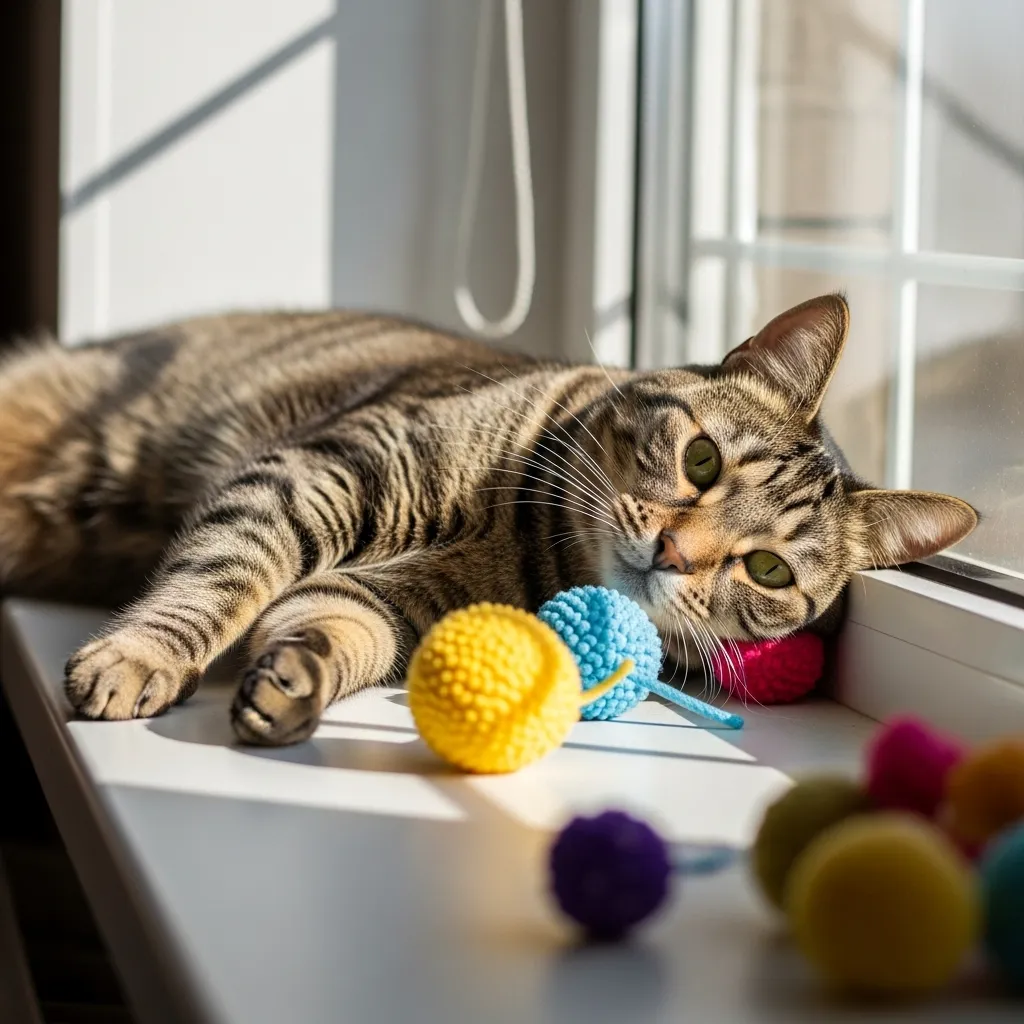
Is your cat sprawled out on the couch all day, barely lifting a paw? If you’re wondering, “Why is my cat so lazy?” you’re not alone. Many cat owners notice their feline friends sleeping for hours, showing little interest in play, or acting like the ultimate couch potato. While cats are naturally inclined to rest, excessive laziness could signal something more boredom, health issues, or simply their unique biology at work.
This guide dives deep into lazy cat behavior, explores cat lethargy versus normal sleepiness, and offers practical, vet-backed tips to keep your cat active and healthy. By the end, you’ll understand your cat’s sleep patterns, spot lethargic cat symptoms, and learn how to spark their energy with fun, enriching activities.
Key Takeaways for Understanding Lazy Cat Behavior
- Normal vs. Concerning: Cats sleep 12–16 hours daily due to their crepuscular behavior, but sudden cat lethargy or disinterest in play may indicate health or behavioral issues.
- Causes of Inactivity: Cat inactivity causes range from natural instincts and aging to boredom, poor diet, or underlying cat health issues.
- Actionable Solutions: Environmental enrichment, interactive toys, and proper nutrition can combat cat boredom and inactivity and reduce sedentary cat lifestyle risks.
- When to Act: Watch for signs of lethargy in cats, like reduced appetite or grooming, and consult a vet if you suspect illness.
- Breed Differences: Some breeds, like the Persian or Ragdoll, may seem lazier due to their laid-back personalities. Explore our detailed guide on cat breeds and personalities for more insights.
What’s Normal for Cat Sleepiness? Understanding Feline Rest Patterns
Cats are masters of napping, often sleeping 12–16 hours a day. This isn’t laziness—it’s biology. Cats are crepuscular, meaning they’re most active at dawn and dusk, a trait rooted in their predatory instincts. Their wild ancestors conserved energy for hunting, and your indoor cat carries those same cat evolutionary traits. But when does normal cat sleeping habits cross into cat lethargy?
Normal Cat Sleepiness
- Kittens and Seniors: Kittens sleep more to support growth, while senior cats conserve energy due to aging. Learn more about senior cat care.
- Breed Variations: Breeds like the Ragdoll or Persian may appear lazier due to their relaxed nature, while Bengals are typically high-energy. Check out our Ragdoll cat guide for breed-specific tips.
- Environment: Indoor cats may sleep more due to a lack of stimulation compared to outdoor cats.
Tired Cat vs. Lethargic Cat: Spotting the Difference
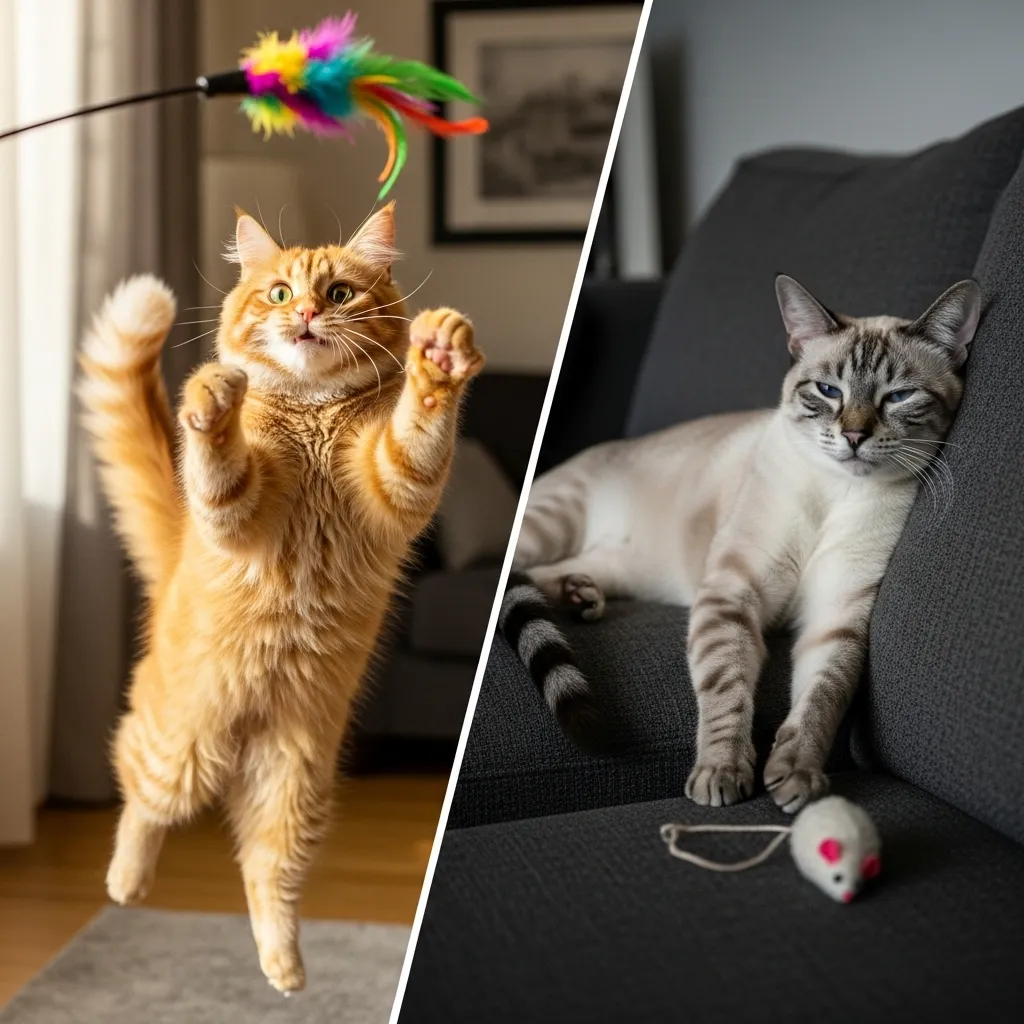
A tired cat might nap after a play session but still engages with toys, food, or you. A lethargic cat, however, shows persistent disinterest, reduced grooming, or changes in appetite. Here’s a quick comparison:
| Behavior | Tired Cat | Lethargic Cat |
|---|---|---|
| Activity Level | Naps but plays when stimulated | Avoids play, moves slowly |
| Appetite | Eats normally | Reduced or no interest in food |
| Grooming | Maintains regular grooming | Stops grooming, looks unkempt |
| Response to Stimuli | Reacts to toys or attention | Ignores toys, people, or environment |
If your cat shows lethargic cat symptoms, it’s time to investigate further. Explore our guide on cat health and wellness for more tips on spotting issues early.
Why Is My Cat So Lazy? Unraveling the Causes of Inactivity
Cat inactivity causes are diverse, ranging from natural tendencies to serious health concerns. Let’s break down the most common reasons your cat might seem lazy.
1. Biological and Evolutionary Factors
Cats are wired to conserve energy. Their predatory instincts mean they rest to save strength for short bursts of activity, like pouncing. Crepuscular behavior in cats also explains why they’re often snoozing during the day and active at twilight. Indoor cats, without prey to chase, may channel this into excessive napping.
- Example: Your Siamese might seem “lazy” during the day but zooms around at 5 a.m. This is normal! Learn more about Siamese cat behavior.
2. Age and Life Stage
- Kittens: High-energy play followed by long naps.
- Adult Cats: Balanced activity, but indoor cats may get bored.
- Senior Cats: Reduced cat energy levels due to aging joints or slower metabolism. Check out senior cat care tips for ways to support older felines.
3. Health-Related Causes of Cat Lethargy
Cat health issues and laziness often go hand-in-hand. If your cat is lethargic but eating, it might not be serious, but persistent symptoms warrant a vet visit. Common health issues include:
- Obesity: Overweight cats move less, creating a cycle of inactivity. See our Ragdoll cat obesity guide for weight management tips.
- Thyroid Issues: Hyperthyroidism or hypothyroidism can sap energy.
- Anemia or Infections: These can cause weakness or fatigue.
- Diabetes: Affects energy and appetite. Learn more in our cat diabetes guide.
- Pain or Arthritis: Especially in older cats, joint pain reduces activity.
Vet Tip: If your cat’s laziness comes with symptoms like vomiting, weight loss, or poor coat condition, schedule a checkup. Our guide on finding the best vet for your cat can help.
4. Behavioral and Environmental Factors
- Boredom: A lack of environmental enrichment for cats can lead to cat boredom and inactivity. Indoor cats need stimulation to avoid a sedentary cat lifestyle.
- Stress or Anxiety: Changes like moving or new pets can make cats withdraw. Explore cat stress signs for more insights.
- Poor Diet: Low-quality food can reduce energy. Check out choosing cat food for nutrition tips.
5. Breed-Specific Tendencies
Some breeds, like the Munchkin or Norwegian Forest Cat, have unique energy levels. For example, Munchkins are playful but may tire quickly due to their short legs. Discover more in our Munchkin cat guide.
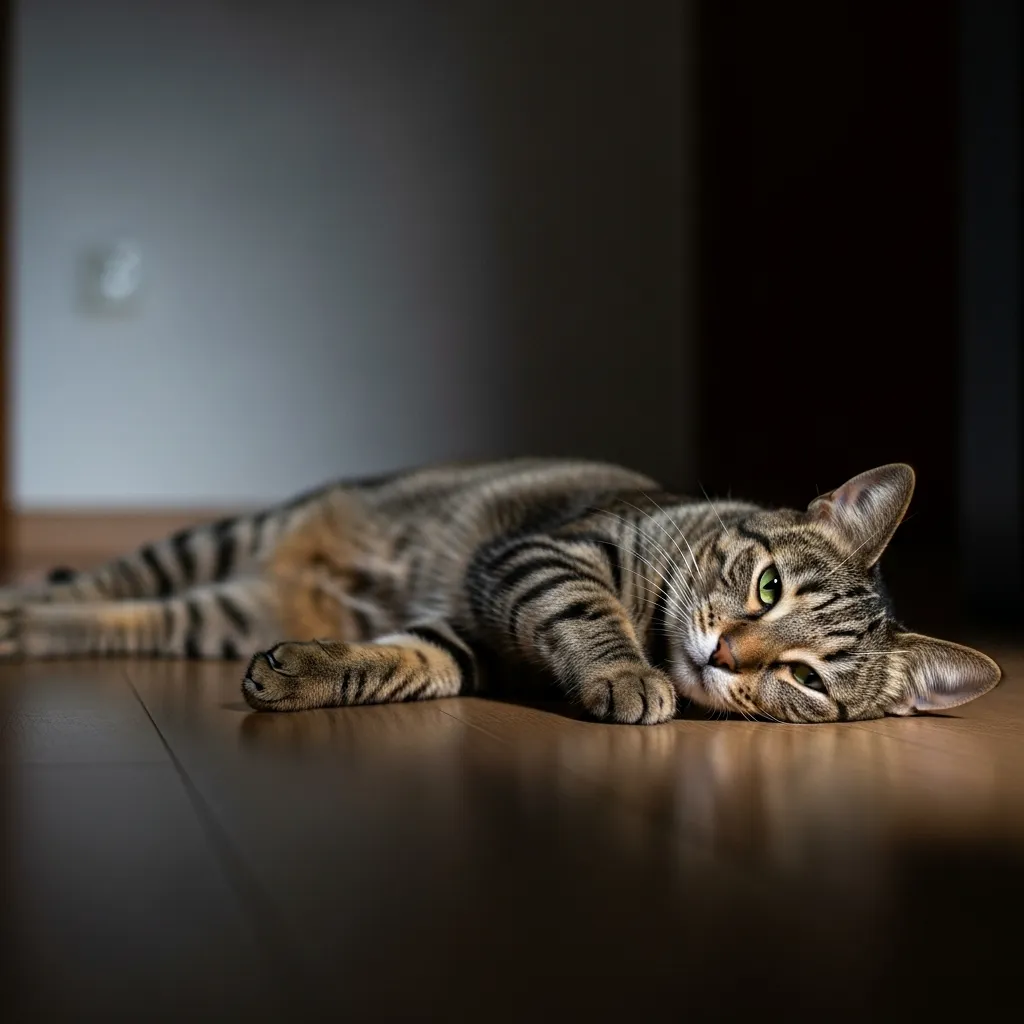
Is My Cat Just Lazy or Is Something Wrong? Spotting Red Flags
Signs of lethargy in cats go beyond normal sleepiness. Watch for these warning signs:
- Sudden Behavioral Changes: A once-playful cat now ignores toys.
- Reduced Appetite: Especially if paired with weight loss. See why cat not eating.
- Poor Grooming: A dull coat or matted fur.
- Hiding or Aggression: Unusual withdrawal or irritability.
- Physical Symptoms: Vomiting, diarrhea, or difficulty moving.
If you notice these, consult a vet immediately. Our cat vet visit schedule offers guidance on when to seek care.
Consequences of a Sedentary Cat Lifestyle
A consistently lazy cat faces risks beyond a few extra naps. Sedentary cat lifestyle risks include:
- Obesity: Leads to diabetes, arthritis, and heart issues. Learn how to manage weight in our help cat gain weight guide (or reverse for weight loss).
- Muscle Loss: Inactivity weakens muscles, especially in seniors.
- Behavioral Issues: Boredom can cause destructive scratching or spraying. Check out stop cat scratching furniture.
- Mental Health: Lack of stimulation leads to stress or depression.
Do lazy cats get fat? Yes, inactivity often leads to weight gain, especially in indoor cats with unlimited food access. Monitor portions and encourage movement.

How to Make Your Lazy Cat Active: Practical Tips
Ready to boost your cat’s energy? Here are vet-approved strategies to combat cat boredom and inactivity and promote indoor cat activity.
1. Enrich Their Environment
Environmental enrichment for cats mimics their natural hunting instincts:
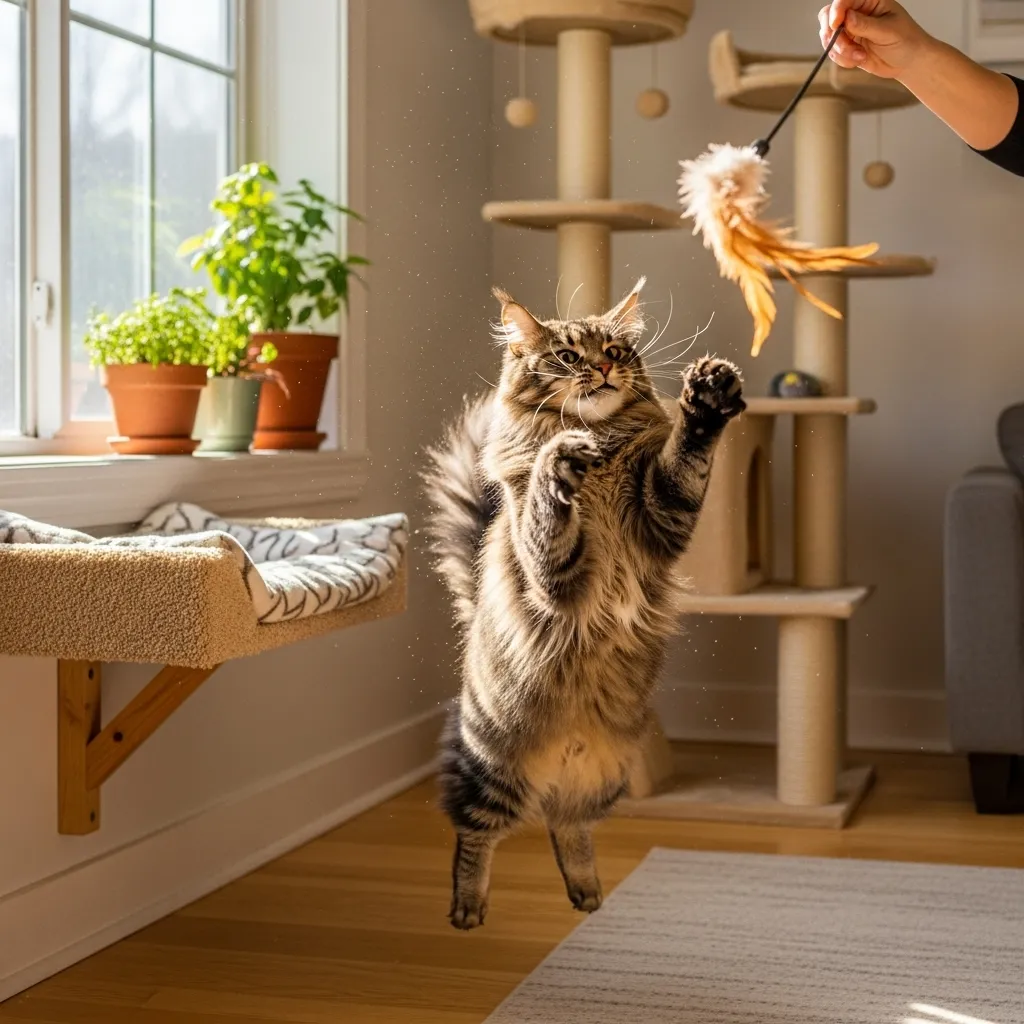
- Interactive Toys: Feather wands, laser pointers, or puzzle feeders. Try training your cat to fetch with our teach cat to fetch guide.
- Climbing Structures: Cat trees or shelves encourage jumping.
- Hiding Spots: Cardboard boxes or tunnels spark curiosity.
2. Playtime Routines
- Short, Frequent Sessions: 10–15 minutes, twice daily, mimicking their crepuscular nature.
- Variety: Rotate toys to keep things fresh. Explore keep Siamese cats entertained for playful ideas.
- Mimic Hunting: Drag a toy like prey to engage their predatory instincts.
3. Optimize Nutrition
- High-Quality Food: Protein-rich diets boost energy. See best wet cat food.
- Portion Control: Avoid overfeeding to prevent obesity.
- Hydration: Wet food or water fountains encourage drinking. Check out our cat hydration guide.
4. Address Health Issues
- Regular vet checkups catch issues early.
- Monitor for cat health issues and laziness like dental problems or arthritis. Our cat dental care guide has tips for breeds like Munchkins.
5. Create a Stimulating Routine
- Window Perches: Let your cat watch birds or squirrels.
- Training: Teach tricks like high-fives to engage their brain.
- Social Interaction: Spend quality time petting or talking to your cat.
Real-Life Example: Sarah noticed her Ragdoll, Luna, slept all day and ignored toys. By adding a cat tree, scheduling 10-minute play sessions at dusk, and switching to a high-protein diet, Luna became more active within weeks. Sarah also checked with her vet to rule out health issues, ensuring Luna’s laziness was just boredom.
Breed-Specific Laziness: Does Your Cat’s Breed Play a Role?
Some breeds are naturally more laid-back, while others are high-energy. Here’s a quick look:
| Breed | Energy Level | Tips for Activity |
|---|---|---|
| Ragdoll | Low, relaxed | Use gentle play with soft toys. See Ragdoll cat care. |
| Siamese | High, vocal | Provide puzzle toys and social interaction. Check Siamese cat guide. |
| Bengal | Very high, athletic | Offer climbing structures and active play. Explore Bengal cat personality. |
| Munchkin | Moderate, playful but tire easily | Short play sessions with low toys. See Munchkin cat playfulness. |
| Norwegian Forest Cat | Moderate, loves climbing | Provide tall cat trees. Check Norwegian Forest Cat care. |
FAQ: Quick Answers to Common Questions
Why is my cat so lazy?
Cats sleep 12–16 hours due to their crepuscular nature and energy-conserving instincts. Laziness could also stem from boredom, poor diet, or health issues like obesity or diabetes.
What does lethargy in cats look like?
Lethargy includes disinterest in play, reduced appetite, poor grooming, or hiding. If these persist, consult a vet.
How can I tell if my cat is just tired or lethargic?
A tired cat naps but responds to stimuli like toys or food. A lethargic cat ignores these and may show other symptoms like weight loss.
Is my indoor cat too lazy?
Indoor cats may seem lazy due to limited stimulation. Add toys, cat trees, and playtime to boost activity. See indoor cat activity tips.
How do I make my lazy cat active?
Use interactive toys, create a stimulating environment, and ensure a balanced diet. Short, frequent play sessions work best.
Do lazy cats get fat?
Yes, inactivity can lead to obesity, increasing risks of diabetes or arthritis. Monitor diet and encourage movement.
Is cat sleeping all day normal?
Yes, 12–16 hours is typical, especially for indoor cats. Sudden increases in sleep or disinterest in play may signal issues.
What health issues cause cat lethargy?
Obesity, diabetes, thyroid issues, anemia, or pain from arthritis can reduce energy. Regular vet visits are key.
Conclusion: Keep Your Cat Happy, Healthy, and Active
Your cat’s laziness might be a natural part of their cat sleeping habits, but it could also signal cat boredom and inactivity or underlying cat health issues. By understanding their crepuscular behavior, monitoring for lethargic cat symptoms, and providing environmental enrichment, you can help your feline friend thrive. Whether it’s adding a cat tree, switching to better food, or scheduling a vet visit, small changes can make a big difference.
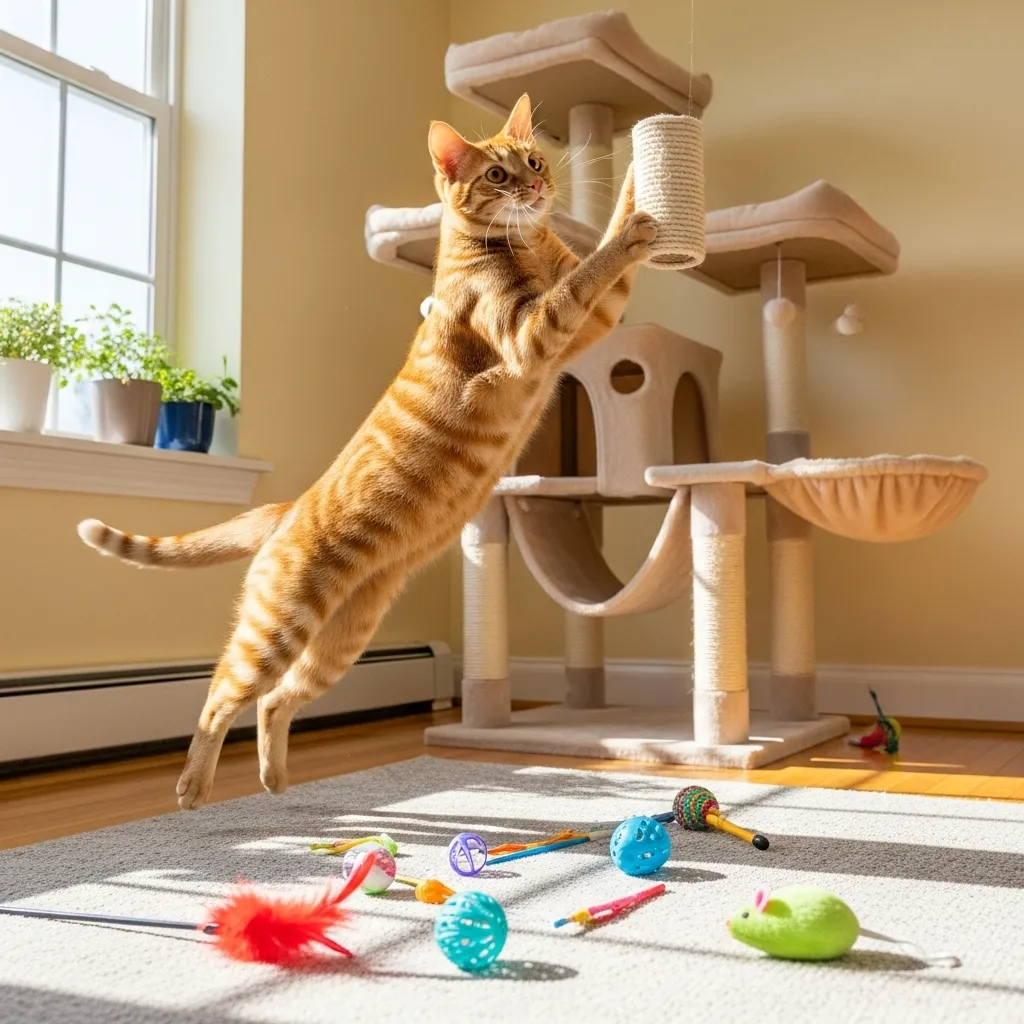
Ready to dive deeper into feline care? Explore more expert tips on cat health and wellness or discover fun ways to keep your cat active with our indoor cat activity guide at Cat Bloom Haven. Your cat’s energy is just a pounce away!