Why Does My Cat Lick My Beard? Decoding Feline Affection and Behavior
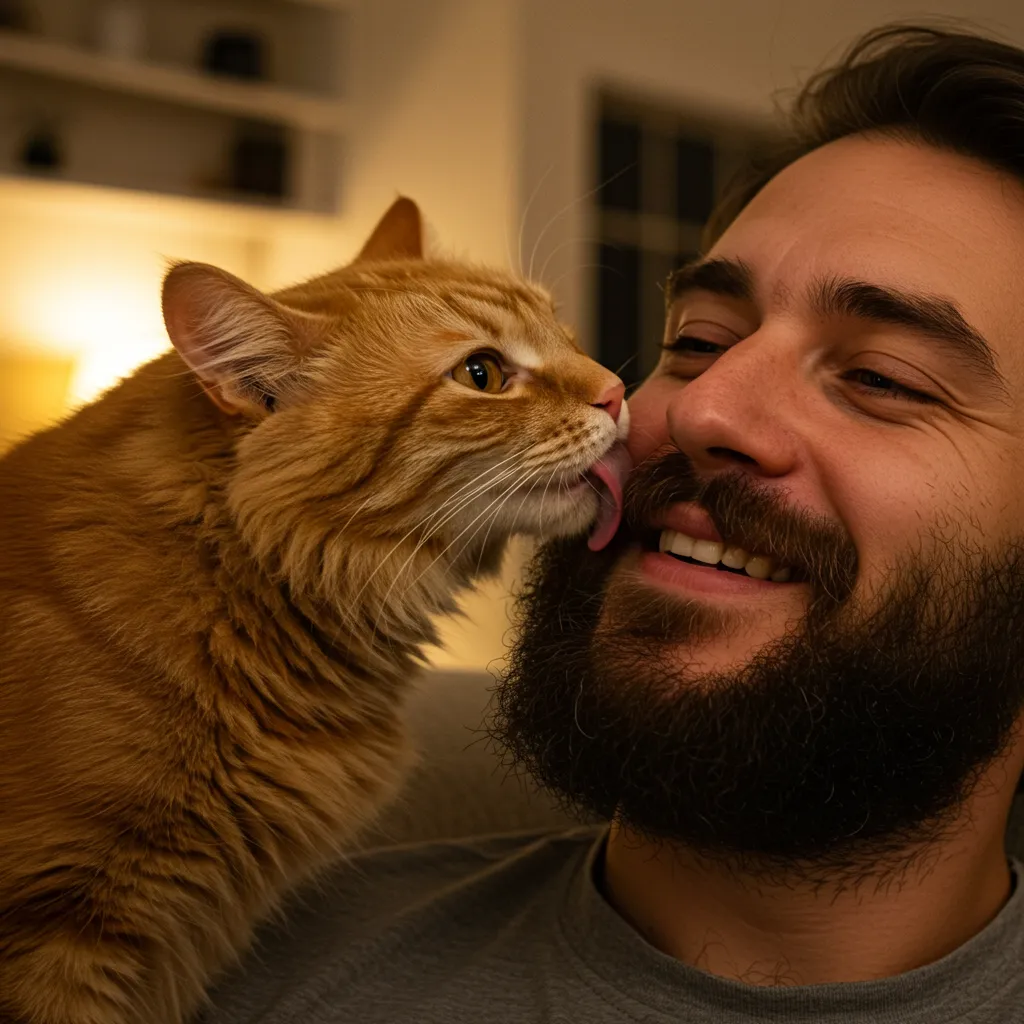
Have you ever felt that sandpaper-like tickle as your cat lovingly licks your beard? It’s a quirky, heartwarming moment that leaves many pet owners wondering, “Why does my cat lick my beard?” This behavior, rooted in cat licking behavior, reveals a fascinating mix of instinct, affection, and communication.
At Cat Bloom Haven, we’re diving deep into the reasons behind this feline habit, offering expert insights to strengthen your cat-human bond while ensuring safe pet hygiene practices. In this comprehensive guide, you’ll uncover the science of cat grooming instincts, learn how to interpret feline affection signs, and discover practical tips to manage cat licking behavior safely.
Key Takeaways
- Cat licking behavior often stems from grooming instincts, affection, or communication.
- Licking your beard may signal trust, bonding, or curiosity about its texture and scent.
- Cat-human bonding is strengthened through licking, mimicking social grooming in feline groups.
- Safe cat hygiene practices are crucial to prevent health risks from licking.
- Understanding cat behavior and bonding helps deepen your relationship with your pet.
- Explore more on cat behavior explained to decode your cat’s actions.
Why Cats Are Drawn to Beards: Unpacking the Fascination
Cats are naturally curious creatures, and your beard is like a sensory playground. The texture, scent, and even taste of your facial hair spark their interest. Here’s why cat licking behavior often targets beards:
- Texture Appeal: Beards, with their coarse or soft strands, mimic the feel of fur or prey, triggering cat grooming instincts. Your cat may see your beard as an extension of their grooming territory.
- Scent Attraction: Beards trap scents from food, skincare products, or your natural odor, which cats find intriguing. Cat communication behaviors often involve scent exploration, making your beard a prime target.
- Affectionate Bonding: Licking your beard is a sign of cat affectionate behavior. Cats groom those they trust, marking you as part of their “family” through cat-human bonding.
- Taste Curiosity: Residual flavors from meals or drinks in your beard can entice a cat to lick, especially if they detect something savory or sweet.
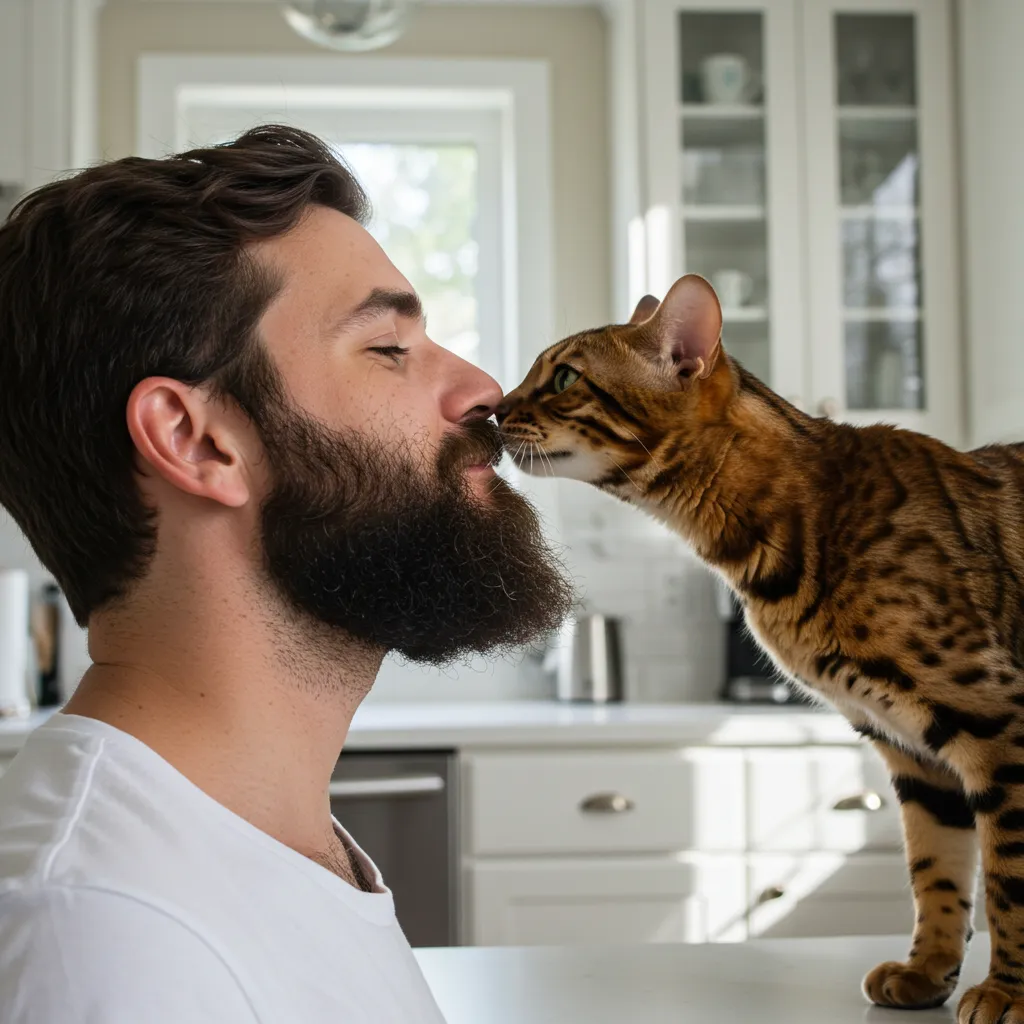
Real Example: Imagine enjoying a burger, and your cat, like a curious Bengal, starts licking your beard. This could be their way of investigating that lingering BBQ sauce scent while showing feline affection signs. Learn more about Bengal cat personality traits to understand breed-specific behaviors.
The Science Behind Cat Licking Behavior
Cat licking behavior is more than a quirky habit—it’s deeply rooted in feline biology and psychology. Cats use licking for multiple purposes, from grooming to communication. Here’s the science behind why your cat licks your beard:
Instinctual Grooming: A Feline Tradition
Cats are meticulous groomers, spending up to 50% of their day cleaning themselves, according to veterinary studies. This cat grooming instinct extends to their environment, including you. When your cat licks your beard, they’re treating you like a fellow feline, engaging in social grooming to reinforce bonds. This behavior is especially common in breeds like the Siamese, known for their social nature.
- Why It Happens: Cats groom to maintain hygiene, remove dirt, and spread natural oils. Licking your beard may be their attempt to “clean” you or mark you with their scent.
- Breed Variations: Breeds like Maine Coons or Norwegian Forest Cats may lick more due to their strong grooming instincts tied to their thick coats.
Bonding Through Licking: A Sign of Trust
Licking is a cornerstone of cat-human bonding. In feline colonies, cats groom each other to strengthen social ties. When your cat licks your beard, they’re saying, “You’re my family.” This cat affectionate behavior is a powerful indicator of trust and love.
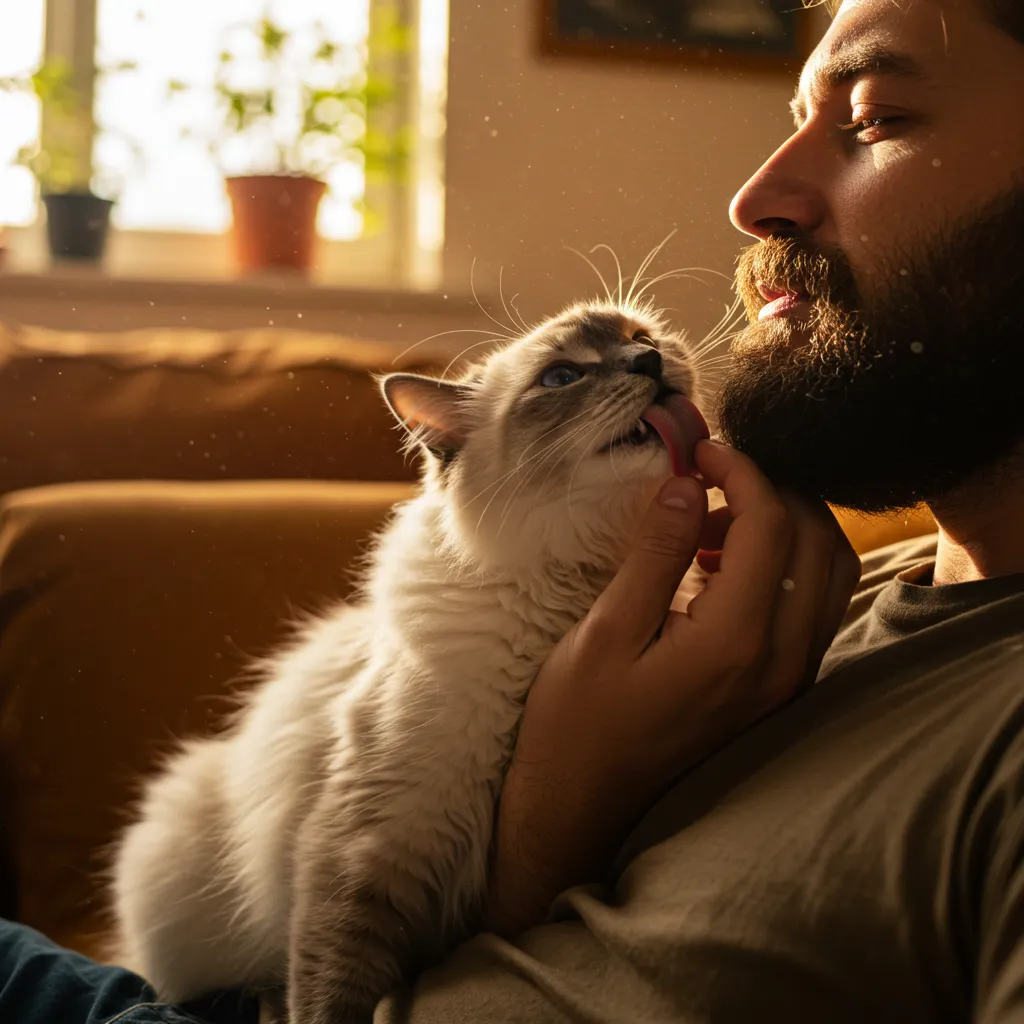
- Emotional Connection: Licking releases endorphins in cats, creating a feel-good experience that reinforces cat emotional bonding behavior.
- Scent Marking: Cats have scent glands in their mouths, so licking your beard leaves their scent, claiming you as part of their territory.
Communication and Curiosity
Cats communicate through actions, and licking is a form of cat communication behaviors. Your beard’s unique texture or scent may prompt exploratory licking as your cat gathers information about you or their environment.
- Investigating Scents: Cats rely on their sense of smell, which is 14 times stronger than a human’s, per the American Veterinary Medical Association. Your beard’s scent profile intrigues them.
- Seeking Attention: Licking can be a way to say, “Hey, pay attention to me!” especially if it prompts you to pet or interact with them.
Discover more about what your cat is thinking to decode these subtle signals.
Is It Safe When My Cat Licks My Beard?
While cat licking behavior is usually harmless and a sign of feline affection explained, there are potential health risks to consider. Cats’ mouths harbor bacteria, and their saliva can transfer germs. Here’s how to ensure cat grooming hygiene tips keep you and your pet safe:
Potential Health Risks
- Bacterial Transfer: Cats can carry bacteria like Pasteurella or Bartonella (linked to cat scratch fever), which may transfer through saliva, especially if you have cuts or sensitive skin.
- Allergens: Cat saliva contains proteins like Fel d 1, a common allergen. If you’re prone to cat allergies, frequent licking may trigger reactions.
- Parasites or Toxins: Outdoor cats may encounter parasites or toxins that linger in their saliva, posing a small risk during licking.
Safe Cat Hygiene Practices
To prevent health risks from cat licking, follow these practical tips:
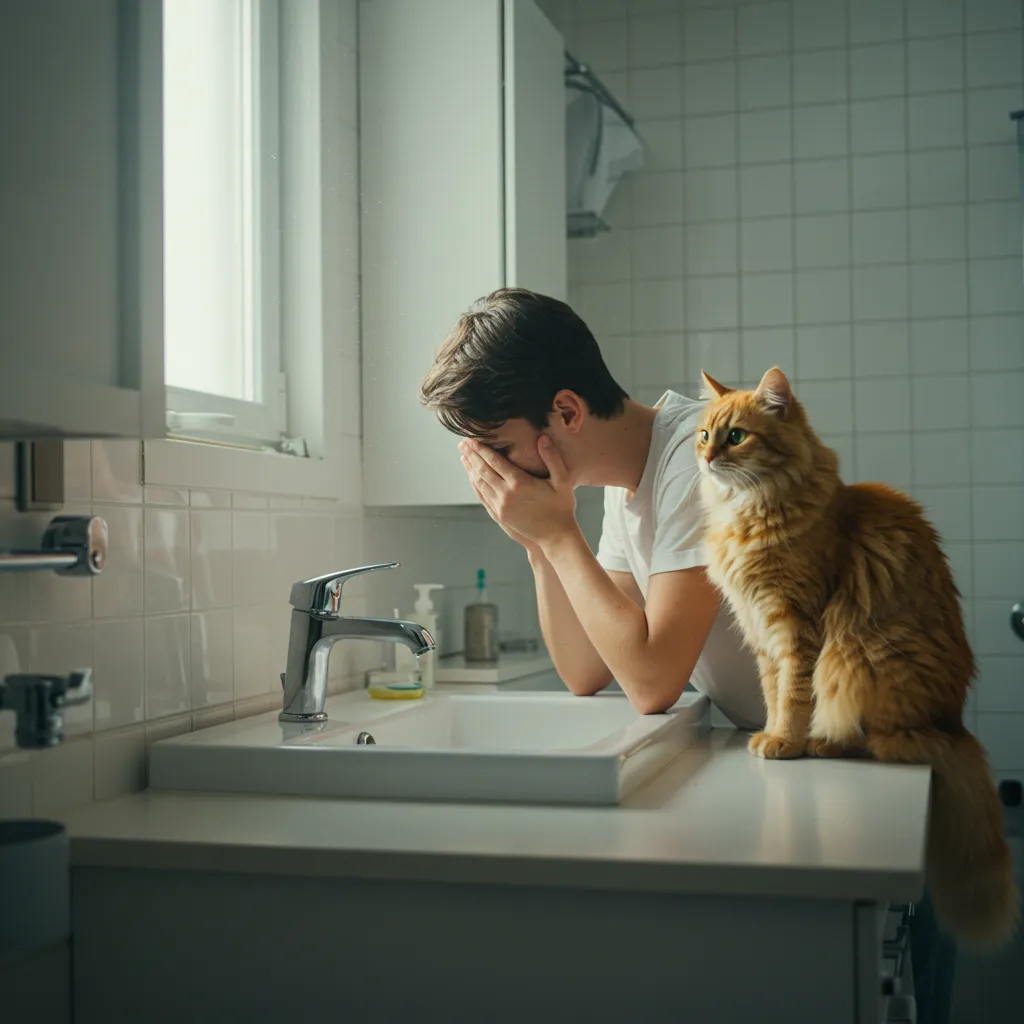
- Wash Your Face: Gently cleanse your beard after licking sessions using a mild soap to remove saliva and reduce bacterial exposure.
- Monitor Your Cat’s Health: Regular vet visits, like those outlined in our vet selection guide, ensure your cat is free of infections or parasites.
- Dental Care: Maintain your cat’s oral health with dental care tips to minimize harmful bacteria.
- Limit Licking: If licking becomes excessive, redirect your cat with toys or treats to reduce contact. Explore training tips for gentle redirection.
- Allergy Precautions: If you’re sensitive, use hypoallergenic skincare products and consult our allergy guide for relief strategies.
Table: Safe Hygiene Practices for Cat Licking
| Action | Purpose | Frequency |
|---|---|---|
| Wash face after licking | Removes saliva and bacteria | After each session |
| Schedule vet checkups | Ensures cat’s health is optimal | Every 6–12 months |
| Brush cat’s teeth | Reduces oral bacteria | Weekly |
| Redirect excessive licking | Limits exposure to saliva | As needed |
How to Strengthen Your Cat-Human Bond Through Licking
Cat licking behavior is a golden opportunity to deepen your cat-human relationship. By understanding and responding to this behavior, you can foster a stronger connection. Here’s how:
Encourage Positive Interactions
- Reciprocate Affection: Respond to licking with gentle petting or verbal praise to reinforce cat affectionate behavior. Cats thrive on mutual affection.
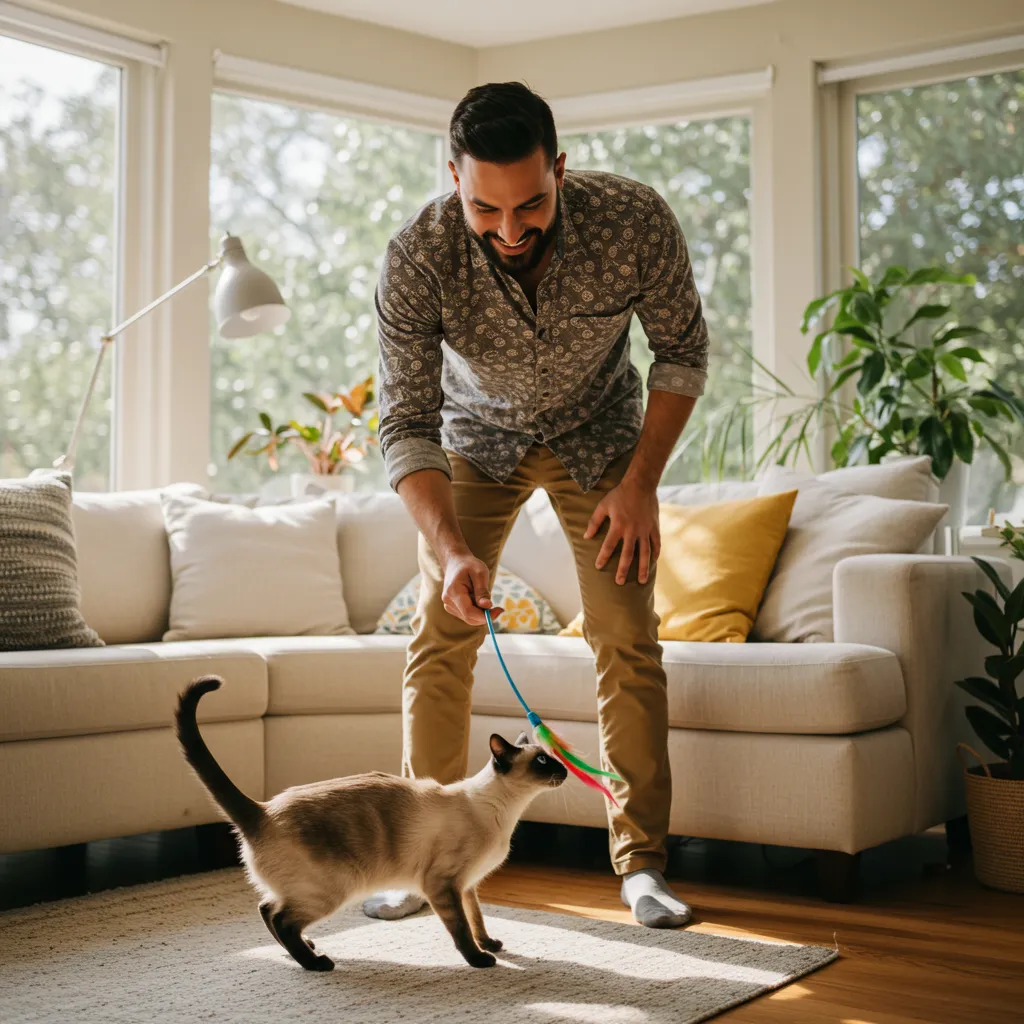
- Playtime Bonding: Engage in interactive play using toys like feather wands to channel your cat’s energy. Check out playful activities for cats for ideas.
- Create a Safe Space: Ensure your cat feels secure with cozy beds or safe zones, like those recommended in our best beds guide.
Understand Breed-Specific Behaviors
Different breeds express feline affection signs uniquely. For example:
- Ragdolls are known for their cuddly, lick-heavy bonding style.
- Siamese cats may pair licking with vocalizations to communicate.
- Norwegian Forest Cats often lick as part of their grooming-heavy routine.
Explore cat breeds and personalities to tailor your bonding approach.
Set Boundaries Without Discouraging Affection
If licking becomes overwhelming, gently redirect without punishing. Offer a toy or treat to shift their focus, preserving the cat-human bond while setting limits. Learn more in our behavior training guide.
When to Be Concerned About Cat Licking Behavior
While cat licking meaning is often positive, excessive or obsessive licking may signal underlying issues. Here’s what to watch for:
- Stress or Anxiety: Excessive licking can indicate stress, especially if paired with behaviors like hiding or aggression. See our cat stress signs guide for insights.
- Medical Issues: Skin conditions, dental problems, or nutritional deficiencies may cause over-grooming. Consult a vet if licking seems compulsive.
- Dietary Needs: Licking non-food items like your beard could signal pica, a condition explored in our cat pica guide.
If you notice these signs, schedule a vet visit and explore cat health care tips for guidance.
Practical Tips for Managing Cat Licking
To balance cat grooming habits with your comfort, try these expert-backed strategies:
- Provide Alternatives: Offer grooming brushes or toys that mimic the texture of your beard to satisfy their licking urge.
- Maintain Hygiene: Regular baths for your cat, as outlined in our bathing guide, reduce saliva bacteria.
- Train Boundaries: Use positive reinforcement to teach when licking is okay. Our training guide offers step-by-step advice.
- Monitor Diet: Ensure your cat’s diet supports healthy grooming, as detailed in our cat food nutrition guide.
Conclusion
When your cat licks your beard, it’s more than a quirky habit—it’s a window into their world of cat licking behavior, cat grooming instincts, and cat-human bonding. By understanding the reasons behind this feline affection sign—from scent curiosity to emotional connection—you can deepen your relationship with your pet while keeping cat hygiene practices in check. Whether it’s a Ragdoll’s cuddly licks or a Siamese’s chatty grooming, your cat is communicating love and trust. Embrace these moments, stay proactive about health, and explore more expert cat care tips at Cat Bloom Haven to keep your feline friend thriving.
Ready to learn more? Discover our detailed guides on cat behavior and bonding or pet hygiene tips to become your cat’s ultimate companion.
FAQ
Why does my cat lick my beard?
Your cat licks your beard due to cat grooming instincts, affection, or curiosity about its texture and scent. It’s a sign of trust and cat-human bonding, as they treat you like family.
Is cat licking behavior a natural instinct?
Yes, cat licking behavior stems from natural cat grooming habits and social bonding instincts. Cats lick to clean, mark territory, or show affection, as seen in feline colonies.
Are there any health concerns with cat licking?
While usually safe, cat licking can transfer bacteria like Pasteurella or allergens. Wash your face after licking and ensure your cat’s health with regular vet visits.
How can I prevent health risks from cat licking?
Prevent health risks from cat licking by washing your face, maintaining your cat’s oral health, scheduling vet checkups, and redirecting excessive licking with toys.
What can I do to strengthen my cat-human bond?
Encourage cat affectionate behavior with playtime, petting, and a safe environment. Explore bond-building tips for breed-specific advice.