Decoding Cat Stress Signs: How to Spot, Understand, and Soothe Your Feline Friend
Have you ever come home to find your cat hiding under the bed, or noticed them suddenly spraying the furniture when they’ve been litter-box perfect for years? These could be classic cat stress signs, and trust me, our furry companions aren’t just being dramatic—they’re trying to tell us something important.
As a cat lover who’s spent years observing and helping felines through tough times, I’ve seen how subtle these signals can be. But ignoring them can lead to bigger issues like health problems or behavioral woes. That’s why this guide is your ultimate resource: we’ll dive deep into recognizing stressed cat behavior, understanding the causes, and exploring effective cat stress relief strategies.
By the end, you’ll be equipped to make your home a zen zone for your kitty, potentially saving trips to the vet and strengthening your bond.
Why Recognizing Cat Stress Signs Matters
Cats are masters of masking discomfort—it’s a survival instinct from their wild ancestors who couldn’t afford to show weakness. But in our homes, chronic stress can manifest in ways that affect our well-being and ours.
According to veterinary experts, prolonged anxiety in cats is linked to issues like urinary tract problems, weakened immune systems, and even aggression. Spotting these signs early isn’t just about preventing scratched furniture; it’s about ensuring your cat lives a happy, healthy life.
In this article, we’ll cover everything from subtle body language cues to actionable relief tips, drawing on insights.
Common Signs of Stress in Cats
Stressed cats don’t always meow loudly or act out dramatically. Often, the clues are quiet changes in routine or appearance. Here’s a breakdown of the most frequent indicators, with real-life examples to help you identify them in your own pet.
Hiding or Running Away
One of the first cat stress signs many owners notice is their feline suddenly vanishing into closets, under couches, or behind curtains. This isn’t just “being shy”—it’s a defensive move when they feel overwhelmed. For instance, if you’ve recently moved or introduced a new pet, your cat might seek solitude to process the change. Watch for prolonged hiding; a quick retreat during a loud party is normal, but days of isolation signal deeper anxiety.
- Why it happens: Cats hide to feel safe from perceived threats, like unfamiliar noises or people.
- What to look for: Ears flattened, wide eyes, or a low tail when they do emerge.
- Real-life example: My neighbor’s cat, Whiskers, started hiding after construction started next door. Once we created a quiet “safe room” with her bed and toys, she gradually came out more.
Spraying or Pooing in Unusual Places
Nothing screams “stressed cat behavior” like finding urine marks on your walls or poop outside the litter box. This isn’t spite—it’s territorial marking triggered by insecurity. Cats spray to reclaim their space when they feel threatened, often due to multi-cat households or environmental changes.
Causes and Solutions for Cat Spraying Indoors
| Cause | Solution |
|---|---|
| New pets or people | Gradual introductions; use pheromone diffusers like Feliway. |
| Litter box issues | Clean daily; provide one box per cat plus one extra. |
| Medical problems | Rule out UTIs with a vet visit—cystitis is common in stressed cats. |
If your cat starts spraying, first check for health issues, then address stressors. One tip: Place scratching posts near marked areas to redirect behavior naturally.
Loss of Appetite in Cats
A cat turning up their nose at dinner? This could be a key cat anxiety symptom. Stress suppresses appetite, leading to weight loss if unchecked. Monitor for other signs like lethargy or vomiting, as these might indicate gastrointestinal upset from anxiety.
- Step-by-step guide to encourage eating:
- Offer small, frequent meals in a quiet spot.
- Warm food slightly to enhance aroma.
- Try puzzle feeders for mental stimulation.
- Consult a vet if it persists beyond 24 hours—dehydration is a risk.
Cat Cystitis Symptoms
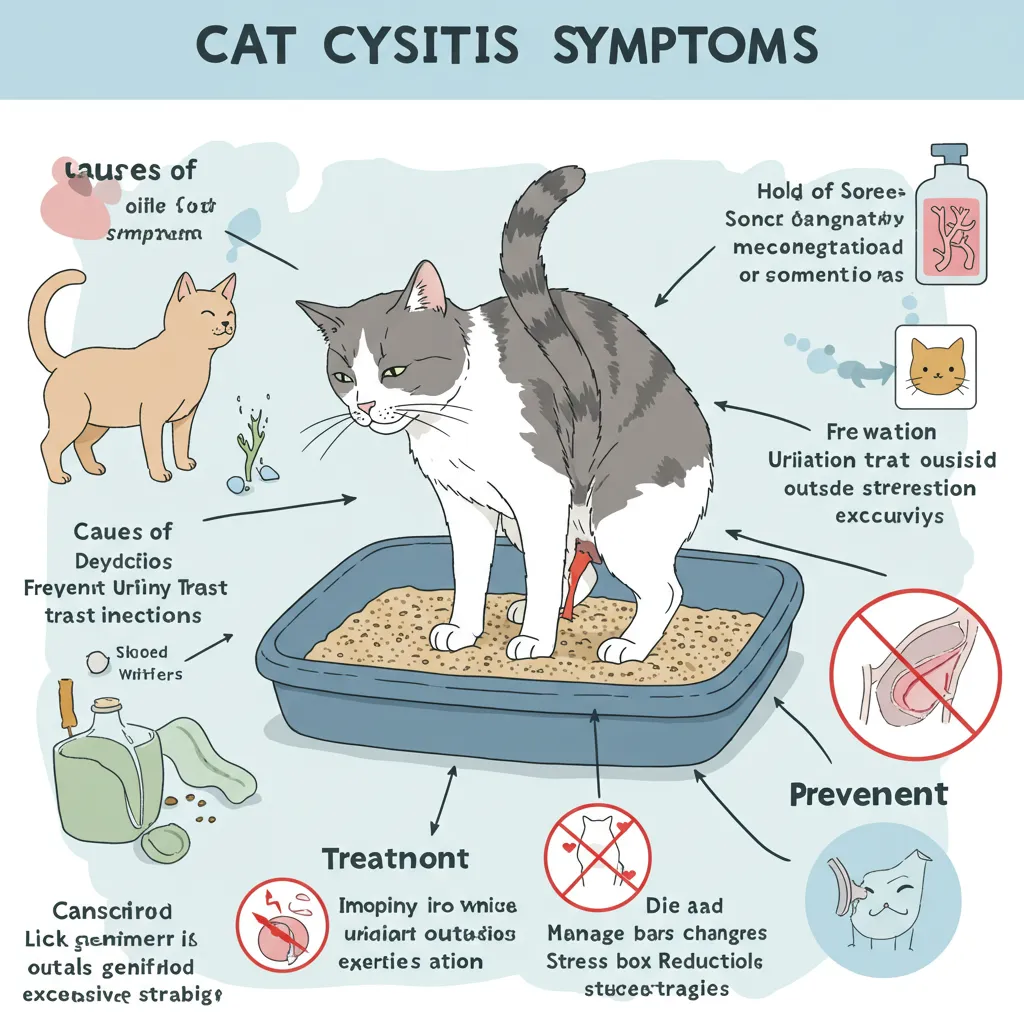
Stress-induced cystitis, or feline lower urinary tract disease (FLUTD), is a painful condition where inflammation affects the bladder. Signs include frequent urination attempts, blood in urine, or straining in the litter box. It’s more common in indoor cats under chronic stress.
Pros of early intervention:
- Prevents blockages, which can be life-threatening in males.
- Reduces recurrence with stress management.
Cons of ignoring: Emergency vet bills and ongoing discomfort for your cat.
Overgrooming Causes
If your cat licks themselves bald in spots, it’s often a self-soothing response to stress, similar to human nail-biting. Overgrooming can lead to skin infections, so note patterns—does it happen after visitors leave?
- Tips to curb overgrooming:
- Increase playtime to redirect energy.
- Use calming collars or supplements.
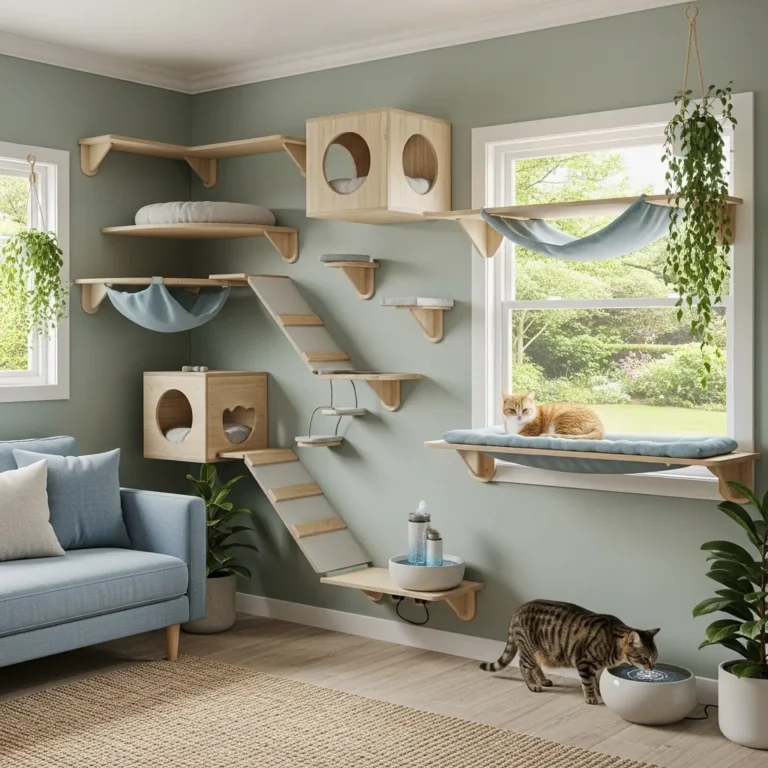
- Environmental enrichment: Add window perches for bird-watching.
Causes of Stress in Cats
Understanding what triggers your cat’s anxiety is key to prevention. Common culprits include:
- Environmental Changes: Moving, renovations, or even rearranging furniture disrupts their territory.
- Social Factors: New pets, babies, or visitors can overwhelm introverted cats.
- Health Issues: Pain from arthritis or infections amplifies stress responses.
- Lack of Resources: Insufficient litter boxes or scratching posts leads to competition and anxiety.
- Routine Disruptions: Travel, vet visits, or altered feeding times unsettle them.
Trending in 2025: With more people working from home post-pandemic, cats accustomed to solitude might stress over constant human presence. Conversely, returning to offices can cause separation anxiety.
How to Tell if My Cat is Stressed: Reading Cat Body Language
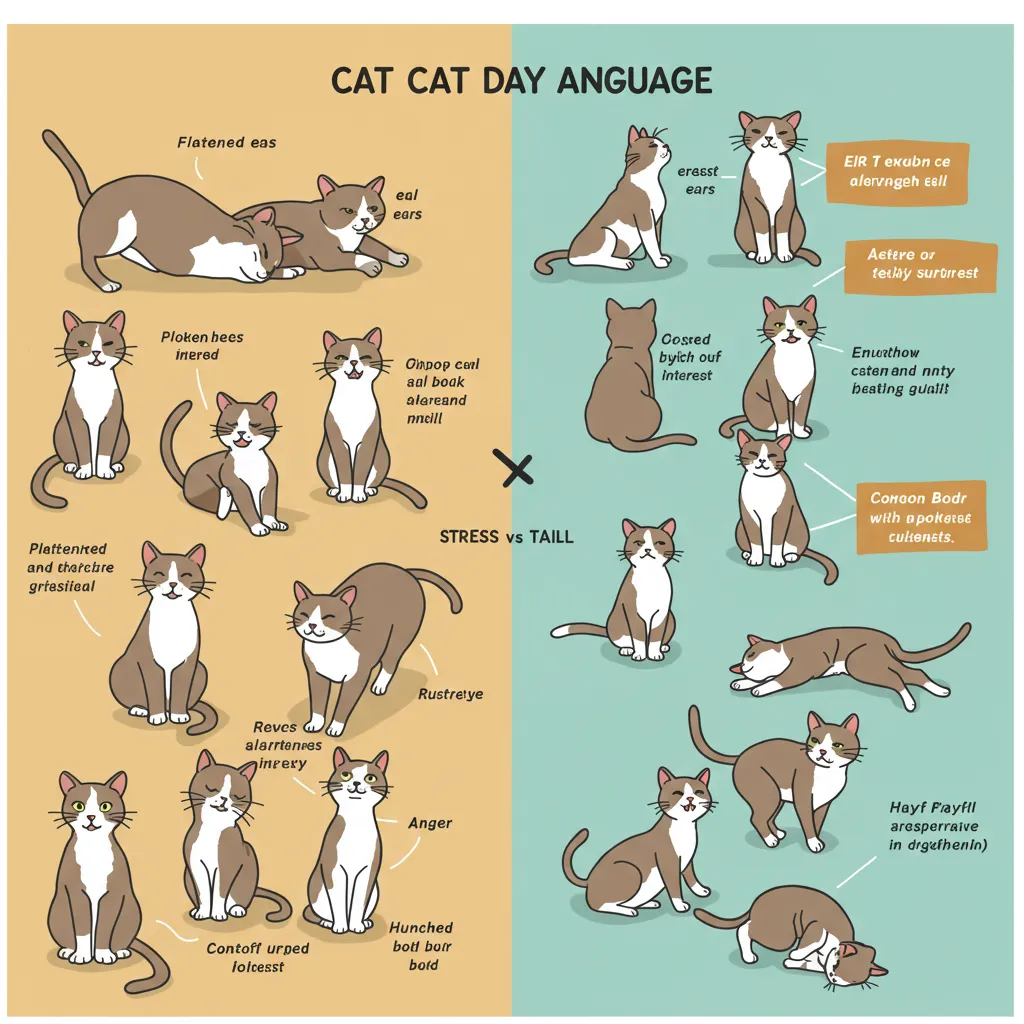
Cats communicate volumes through posture and expressions. Mastering cat body language meaning can help you intervene early.
Key Indicators of Cat Anxiety Symptoms
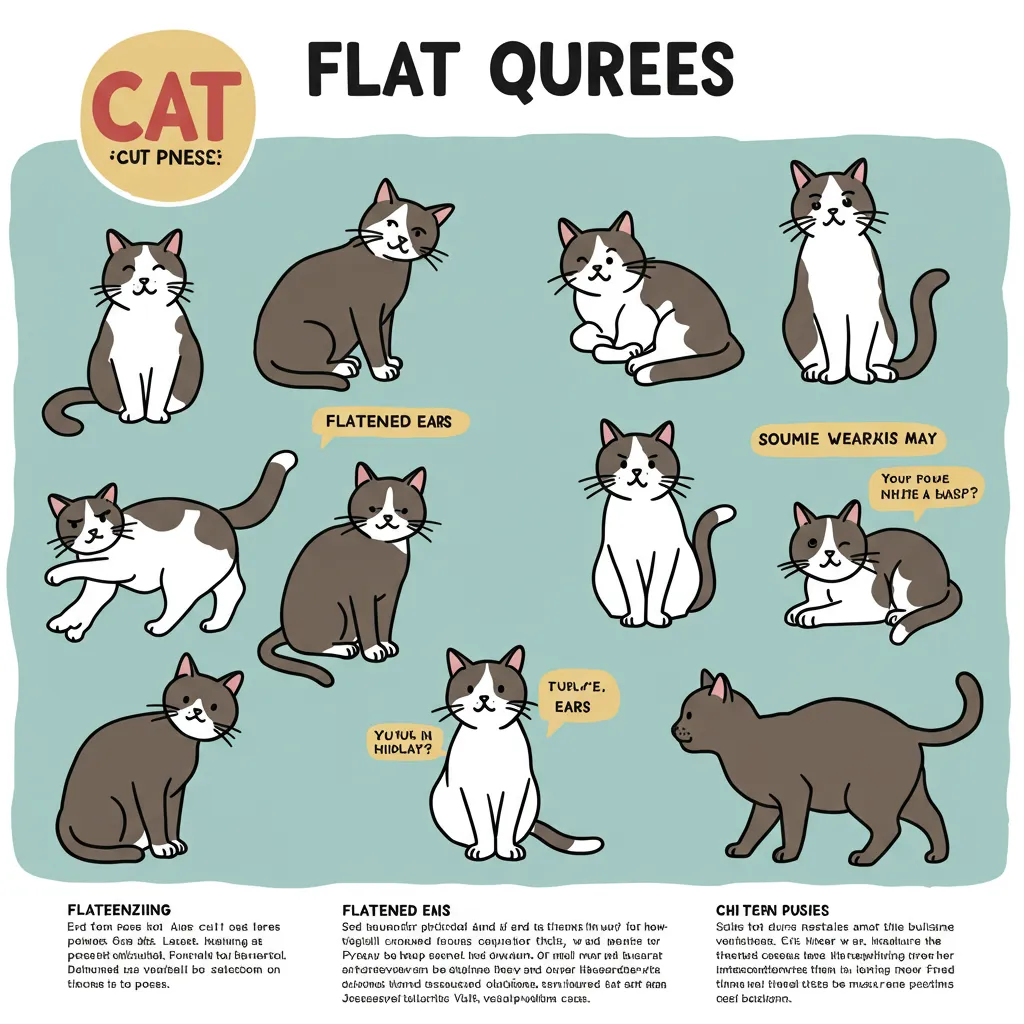
- Ears: Flattened or “airplane” ears signal fear or aggression.
- Eyes: Dilated pupils mean high arousal—could be play or stress.
- Tail: Low or tucked indicates insecurity; thrashing shows irritation.
- Whiskers: Pulled back against the face when anxious.
- Posture: Crouched body, arched back, or piloerection (fur standing up).
For a visual guide, check out this infographic on cat attitudes.
Stressed Cat Behavior: Beyond the Basics
Beyond physical signs, watch for behavioral shifts like increased vocalization, aggression, or restlessness. Cats might pace, yowl, or become clingy when anxious. In multi-cat homes, redirected aggression—where one cat lashes out at another due to external stress—is common.
Real-life example: A friend’s cat started swatting at her dog after the fireworks night. Calming music and a safe perch resolved it within days.
Cat Stress Relief: Strategies to Help a Stressed Cat
Now for the good part—how to calm a stressed cat. These tips blend natural methods with proven products for comprehensive cat anxiety management.
Creating a Safe Home Environment
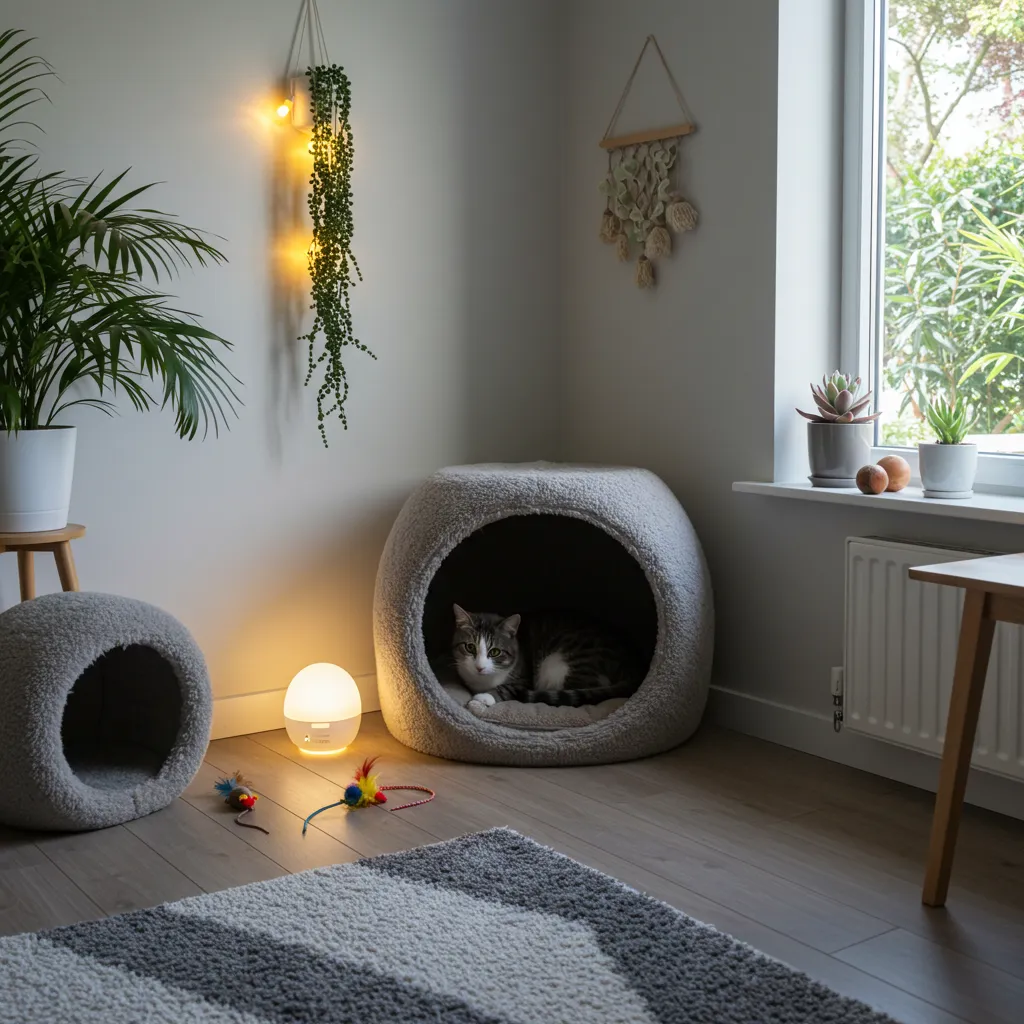
Make your home a sanctuary:
- Provide Hiding Spots: Cardboard boxes, cat tunnels, or elevated perches give escape options.
- Maintain Routines: Consistent feeding and playtimes reduce uncertainty.
- Scent Management: Avoid strong cleaners; use cat-friendly scents.
Natural Ways to Reduce Cat Stress
For those seeking how to calm a stressed cat naturally:
- Play Therapy: Interactive toys mimic hunting, releasing endorphins.
- Herbal Remedies: Catnip or valerian in moderation; consult your vet.
- Massage and Grooming: Gentle brushing soothes like maternal grooming.<grok:render card_id=”cd7f57″ card_type=”citation_card” type=”render_inline_citation”> 29</grok:render>
Trending in 2025: CBD treats for cats are gaining popularity for anxiety relief, but are always vet-approved.
Using Pheromone Products Like Feliway Diffuser for Cats
Feliway mimics maternal pheromones, promoting calm. Plug in diffusers in high-traffic areas for ongoing relief. Users report reduced spraying and hiding within a week.
Pros/Cons Table for Feliway:
| Pros | Cons |
|---|---|
| Drug-free, safe for all ages | Takes time to show effects |
| Covers up to 700 sq ft | Monthly refills needed |
| Vet-recommended | Not a cure-all for severe cases |
Cat Anxiety Relief Tips 2025: Modern Approaches
- Voice Mode Apps: Some apps play soothing sounds tailored for cats.
- Enrichment Toys: Puzzle feeders combat boredom-induced stress.
- Professional Help: For severe cases, consider cat behaviorists or anxiety meds.
When to Seek Cat Stress Treatment
If home remedies fail, vet intervention is crucial. They might prescribe anti-anxiety meds or check for underlying issues like thyroid problems.
Related Posts and Resources
For more on cat care:
FAQ
How can I tell if my cat is stressed?
Look for hiding, spraying, loss of appetite, or overgrooming. Body language like flattened ears or dilated pupils are key clues.
What are the common signs of stress in cats?
Hiding, inappropriate elimination, excessive grooming, aggression, and changes in appetite or vocalization.
Why do cats hide or run away when they are stressed?
It’s a natural instinct to seek safety from perceived threats, reducing exposure to stressors.
Why do cats spray or poo in unusual places when they are stressed?
To mark territory and feel secure in uncertain environments.
Can stress cause a loss of appetite in cats?
Yes, anxiety suppresses hunger, potentially leading to health issues if prolonged.
Can stress lead to cystitis in cats?
Absolutely—stress inflames the bladder, causing painful urination.
Why do cats overgroom when they are stressed?
It’s a self-soothing behavior, but excessive licking can cause skin problems.
How can I help alleviate my cat’s stress?
Create safe spaces, maintain routines, use pheromones, and provide enrichment. Consult a vet for persistent issues.
Conclusion: Empowering You for a Stress-Free Cat Life
Spotting cat stress signs early—like hiding, spraying, or overgrooming—can transform your relationship with your feline. By addressing causes such as environmental changes and using relief strategies like Feliway diffusers or natural play therapy, you’ll help your cat thrive. Remember, a calm cat is a happy cat, and that means fewer vet visits and more purrs for you. If you’ve noticed these behaviors in your pet, try one tip today and watch the difference. Subscribe for more cat care insights, comment your experiences below, or share this with a fellow cat parent. Let’s make 2025 the year of zen kitties!