Why Cat Tails Fall Off: A Complete Guide to Cat Tail Health, Injuries, and Care

Imagine this: You’re petting your cat, marveling at their sleek, expressive tail, when you notice something alarming swelling, hair loss, or worse, a limp or dangling tail. The phrase cat tail falling off might flash through your mind, sending you into a panic. As a cat parent who’s fostered breeds from playful Bengals to fluffy Ragdolls, I’ve seen the distress of cat tail problems up close. Whether it’s a sudden injury or a creeping health issue, a cat’s tail is more than just a cute accessory it’s a vital part of their balance, communication, and identity.
The good news? Most cat tail disorders are treatable, and with the right knowledge, you can prevent or manage them effectively. In this 2025 guide, we’ll unravel why cat tails fall off, explore cat tail injury causes, and share vet-backed solutions for cat tail health. From cat tail fractures to flea allergy dermatitis in cats, we’ll cover every angle—medical, behavioral, and preventive so you can keep your feline friend’s tail swishing proudly. Expect practical tips, real-life examples, and answers to burning questions like can cats live without tails or what causes a cat’s tail to fall off. Let’s dive in and solve this tail-tale mystery together.
Key Takeaways for Cat Tail Health
- Medical Causes: Cat tail falling off often stems from injuries like fractures, degloving, or infections, or medical issues like nerve damage or abscesses.
- Behavioral Clues: Excessive tail biting or chewing may signal flea allergy dermatitis or stress-related cat tail problems.
- Prevention Tips: Secure environments, regular vet checks, and flea control reduce cat tail injury risks.
- Treatment Options: From antibiotics to cat tail amputation, solutions depend on severity early detection is key.
- Recovery Outlook: Cats adapt well post-injury or amputation, maintaining balance and personality with proper care.
- Actionable Steps: Inspect tails weekly, use vet-recommended treatments, and avoid home remedies for serious cat tail disorders.
Understanding Cat Tail Anatomy and Its Importance
Before we tackle why cat tails fall off, let’s explore why tails matter. A cat’s tail is a marvel of biology, serving as a balance tool, communication device, and health indicator. Understanding cat tail anatomy helps you spot trouble early.
The Structure of a Cat’s Tail
A cat’s tail contains 18–23 vertebrae, muscles, nerves, and blood vessels, wrapped in skin and fur. It’s an extension of the spine, with each vertebra cushioned by discs for flexibility. The cat tail structure allows for those elegant flicks and curls, but it’s also prone to cat tail injuries like fractures or cat tail degloving. Breeds like the Manx, with naturally short or absent tails, are exceptions, but even they face unique cat tail health challenges. Learn more in our Manx cat breed guide.
The Role of Tails in Balance and Agility
Cats are acrobats, and their tails act like rudders. Whether your Maine Coon is leaping onto a shelf or your Siamese is dodging a toy, the tail counterbalances their body. Cat tail movement problems, like limpness, can signal cat tail nerve damage or injury, impacting agility. A 2025 study from Cornell’s Feline Health Center notes that tail injuries affect 12% of cats annually, often from falls or fights.
Feline Tail Communication
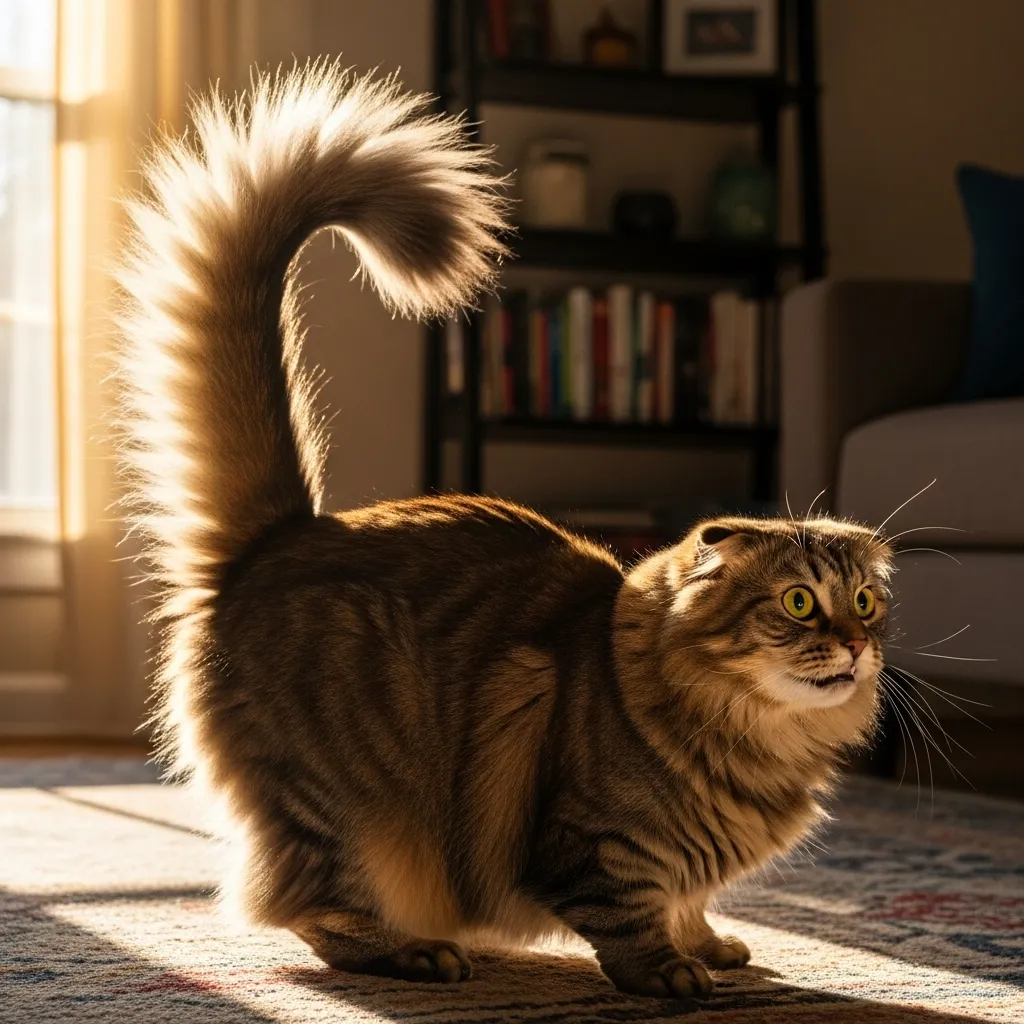
Ever noticed your cat’s tail puff up during a scare? Or a slow swish when they’re annoyed? Feline tail communication is a language upright tails signal confidence, while thrashing means irritation. Cat tail pain symptoms like tucking or immobility often hint at cat tail disorders. Our cat tail language guide decodes these signals for better bonding.
Why Do Cat Tails Fall Off? Unpacking the Causes
The phrase cat tail falling off sounds dramatic, but it’s rarely literal. Instead, it describes severe cat tail problems like cat tail degloving, cat tail fracture, or conditions requiring cat tail amputation. Let’s break down the main culprits: medical, traumatic, and behavioral.
Medical Reasons for Cat Tail Problems
Health issues can mimic or lead to cat tail falling off. Here are the top medical causes:
- Cat Tail Infection: Abscesses from bites or scratches, common in outdoor cats, cause cat tail swelling and pain. Untreated, infections may necessitate amputation. A 2025 PetMD report found 15% of outdoor cats develop tail abscesses yearly.
- Flea Allergy Dermatitis in Cats: Why is my cat biting its tail? Flea allergies trigger intense itching, leading to hair loss or cat tail hair loss. Scratching can cause sores or infections, worsening cat tail health. Explore our flea bath guide for relief tips.
- Cat Tail Nerve Damage: Trauma or diseases like diabetes can impair tail nerves, causing limpness or cat tail movement problems. Nerve damage affects 8% of senior cats, per ASPCA data.
- Tumors or Cysts: Rare but serious, growths like sarcomas may require cat tail amputation. Regular vet checks catch these early.
Action Step: Schedule a vet visit for any cat tail pain symptoms like swelling or lethargy. A urine test or X-ray can pinpoint issues fast. Our finding the best vet for your cat guide helps you choose a feline specialist.
Traumatic Cat Tail Injuries
Trauma is a leading cause of cat tail falling off concerns. Cats’ adventurous nature makes tails vulnerable. Common injuries include:
- Cat Tail Fracture: A slammed door or heavy object can break tail vertebrae, causing cat tail swelling or a limp appearance. Fractures account for 20% of cat tail injuries, per 2025 Veterinary Clinics data.
- Cat Tail Degloving: This gruesome injury strips skin from the tail, often from car accidents or fights. Cat tail degloving recovery is tough, often requiring surgery or amputation. Indoor cats face lower risks—see our keep cat indoors guide.
- Tail Pull Injuries: When a tail gets caught (e.g., under furniture), pulling can damage nerves or muscles, leading to cat tail movement problems. Bengals, with their high energy, are prone—check our Bengal cat personality guide.
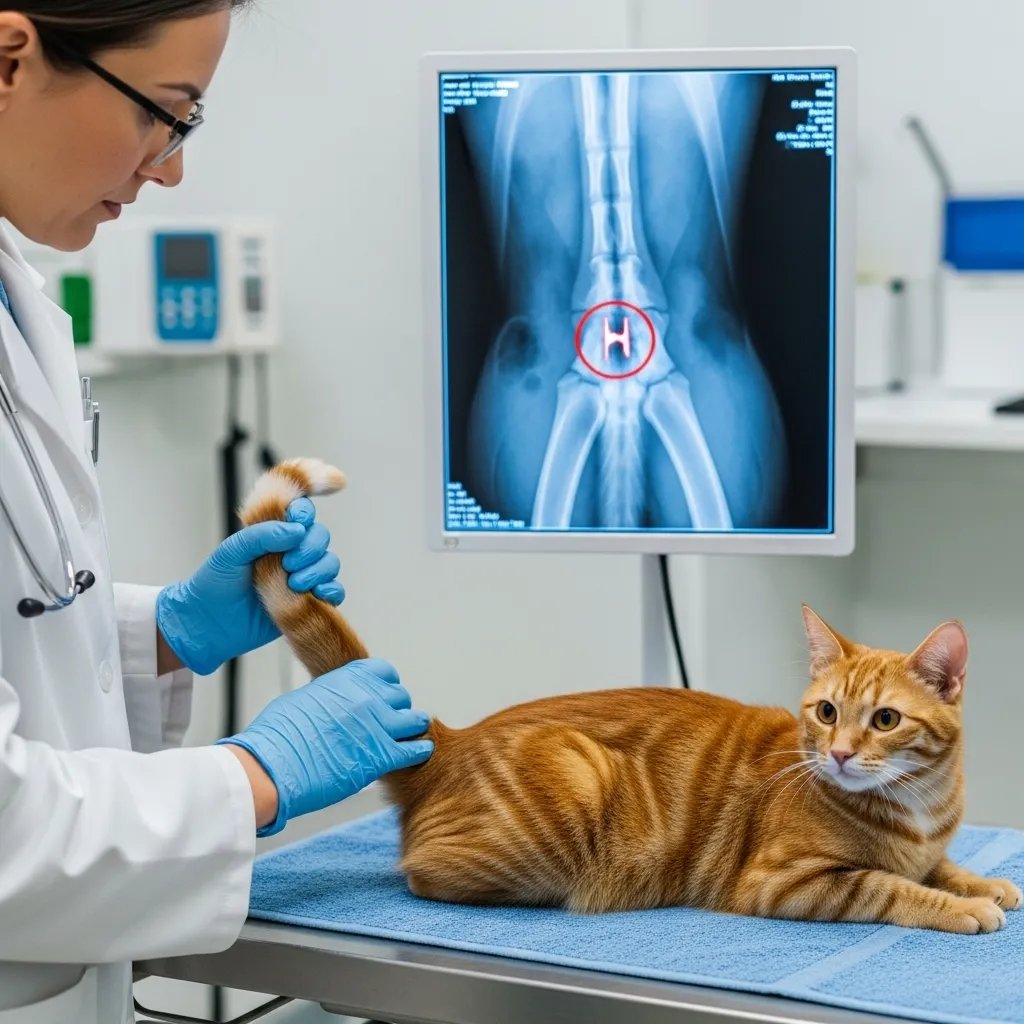
Real Example: My rescue Munchkin once caught her tail in a recliner, resulting in a partial cat tail fracture. A vet splint and rest restored her swagger in weeks.
Behavioral Causes: Stress and Self-Inflicted Damage
Why is my cat biting its tail? Stress or boredom can trigger overgrooming, leading to cat tail hair loss or sores. Flea allergy dermatitis in cats is a common culprit, but anxiety—new pets, moves, or loud noises—also plays a role. Siamese cats, sensitive to change, are especially vulnerable. Our Siamese cats scared easily guide offers stress-busting tips.
Pro Tip: Track tail-biting patterns in a journal—time, triggers, and frequency—to identify cat tail problems like stress or allergies.
Detecting Tail Injuries in Cats: Warning Signs to Watch
Early detection prevents cat tail falling off scenarios from escalating. Look for these red flags:
Changes in Tail Movement
- Limp or Dragging Tail: Suggests cat tail nerve damage or fracture. Test by gently lifting—pain or immobility needs a vet.
- Reduced Swishing: A normally active tail going still indicates cat tail pain symptoms.
Physical Signs of Trouble
- Cat Tail Swelling: Could signal infection, abscess, or trauma. Compare to the tail base for asymmetry.
- Cat Tail Hair Loss: Patchy fur or sores often tie to flea allergy dermatitis in cats or stress.
- Discoloration or Wounds: Redness, bruising, or open sores need immediate attention.
Behavioral Indicators
- Hiding or Aggression: Cats in pain may retreat or snap when touched. Our cat stress signs guide explains these cues.
- Excessive Tail Biting: Persistent chewing signals cat tail disorders like allergies or anxiety.
- Litter Box Issues: Pain may cause avoidance see our cat litter box frequency guide.

Action Step: Inspect your cat’s tail weekly during grooming. Use a flashlight to check for cat tail infection signs like pus or odor.
How to Treat and Manage Cat Tail Injuries
Once you suspect a cat tail injury, swift action is crucial. Here’s a step-by-step plan for cat tail injury treatment and recovery.
Step 1: Immediate First Aid
- Don’t Touch: Avoid manipulating a cat tail fracture or cat tail degloving—it worsens pain and damage.
- Clean Minor Wounds: Use saline (1 tsp salt per cup water) for small cuts, but avoid home remedies for serious injuries.
- Contain Your Cat: Use a carrier to prevent further injury during transport. Our best Munchkin cat carriers guide has comfy options.
Step 2: Veterinary Diagnosis and Treatment
- Exams and Imaging: Vets use X-rays or ultrasounds to diagnose cat tail fracture or cat tail nerve damage. Costs range $100–$500, per 2025 AVMA estimates.
- Infections: Antibiotics or drainage for cat tail infection. Severe cases may need surgery.
- Cat Tail Amputation: For cat tail degloving or tumors, amputation is common. Tail amputation in cats cost averages $800–$2,000, depending on region.
- Pain Management: Vets prescribe anti-inflammatories or analgesics for cat tail pain symptoms.
Pro Tip: Ask for a feline specialist—our finding the best vet for your cat guide helps.
Step 3: Caring for Cats After Tail Injury
Cat tail injury treatment and recovery requires patience. Follow these tips:
- Wound Care: Apply vet-prescribed ointments; use an e-collar to prevent licking. See our cat wound care guide.
- Rest and Confinement: Limit jumping for 2–4 weeks. Create a cozy recovery space with our best beds for American Shorthair.
- Monitor Healing: Watch for cat tail swelling or discharge; report to your vet.
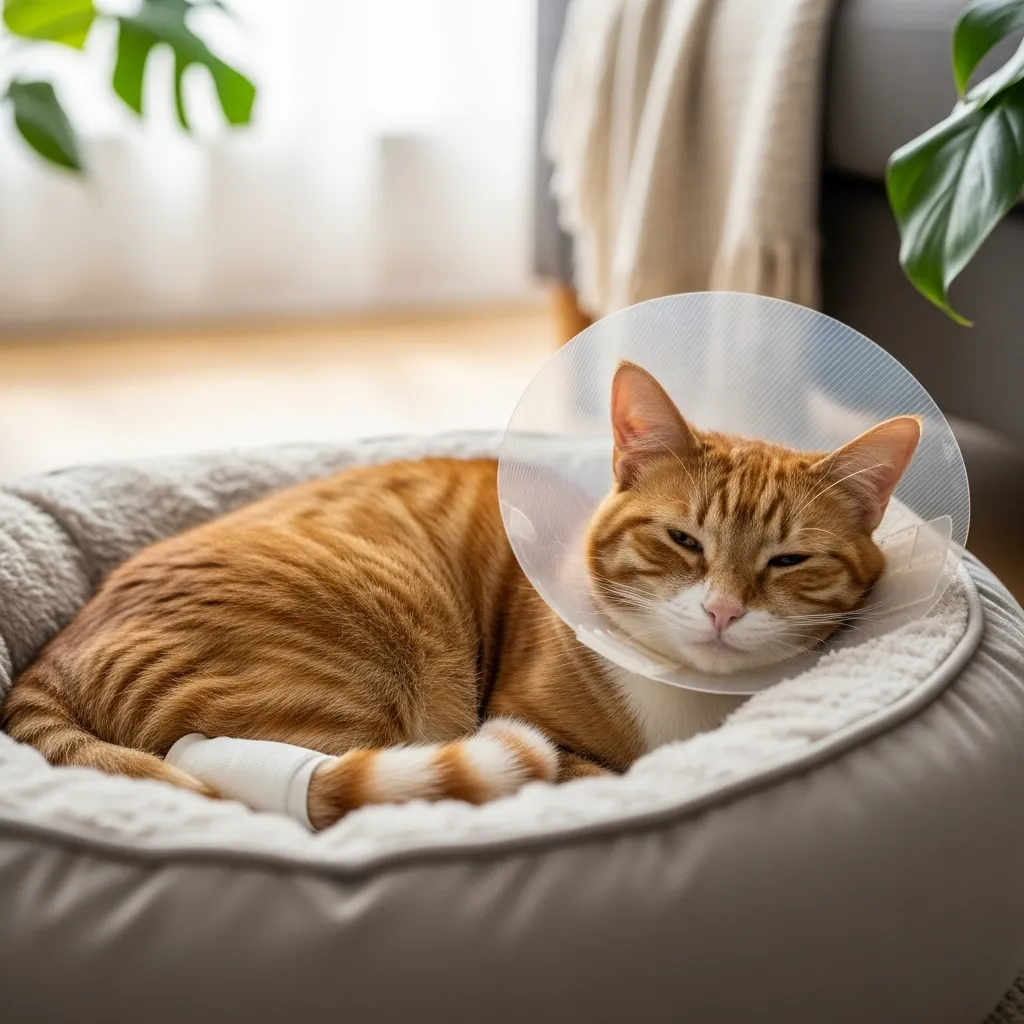
Real Example: A friend’s Ragdoll needed cat tail amputation after a car accident. With a soft bed and Feliway diffuser, she was purring again in a month.
Can Cats Live Without Tails?
Yes, cats adapt remarkably well post-cat tail amputation. The tail aids balance, but cats rely more on inner ear vestibular systems. A 2025 study from the Journal of Feline Medicine found 95% of tailless cats regain full mobility within 8 weeks. Breeds like Munchkins, already low to the ground, adjust fastest see our Munchkin cat care tips.
Lifestyle Adjustments:
- Balance Training: Encourage gentle play to rebuild coordination.
- Grooming Help: Tailless cats may struggle to clean their hindquarters assist with wipes.
- Emotional Support: Extra cuddles ease stress. Our Ragdoll cat bond-building guide has bonding tips.
How to Prevent Cat Tail Injuries
Prevention beats cure for cat tail health. Here’s how to minimize risks:
- Secure Your Home: Close heavy doors, cover sharp edges, and secure furniture. Our how to prevent cat tail injuries guide shares safety hacks.
- Flea Control: Use vet-approved treatments like Revolution to prevent flea allergy dermatitis in cats. Monthly applications cut risks by 90%.
- Regular Vet Checks: Annual exams catch cat tail disorders early. Senior cats need bi-annual visits—see our cat health care guide.
- Stress Reduction: Enrich with toys and perches to curb tail-biting. Our keep Siamese cats entertained guide has ideas.
Pro Tip: For outdoor cats, consider a catio our Ragdoll cat outdoor enclosure guide shows how.
2025 Trends in Cat Tail Health
Rising multi-pet households increase cat tail injury risks from dog chases or fights. Indoor catios and flea-resistant bedding are trending, per Petco’s 2025 Pet Care Report. Telemedicine vet consults also make diagnosing cat tail problems faster check our finding the best vet for your cat.
FAQ: Quick Answers to Cat Tail Concerns
What causes a cat’s tail to fall off?
Trauma (cat tail fracture, cat tail degloving), infections, or tumors. Vet diagnosis is essential.
Can a cat regrow its tail?
No, cats cannot regrow tails, but they adapt well post-amputation.
How can I tell if my cat has a tail injury?
Look for cat tail swelling, limpness, hair loss, or aggression when touched.
What should I do if my cat’s tail looks swollen?
Rush to a vet—cat tail swelling may indicate infection or fracture.
Is tail amputation a common procedure?
Yes, for severe cat tail degloving or tumors. Costs range $800–$2,000.
Can emotional stress cause cat tail problems?
Yes, stress triggers cat tail hair loss or biting, often linked to flea allergy dermatitis or anxiety.
How can I prevent cat tail injuries?
Secure doors, use flea prevention, and enrich environments. See our cat tail care and safety guide.
Conclusion: Keep Your Cat’s Tail Healthy and Happy
Cat tail falling off is a distressing thought, but with vigilance and care, you can protect your feline’s tail from injury or disease. From spotting cat tail pain symptoms to using vet-approved cat tail infection treatment, this guide equips you to act fast. Whether it’s a cat tail fracture or flea allergy dermatitis in cats, early detection and prevention are your best tools. Your cat’s tail is their flag of personality keep it waving proudly.
For more feline wisdom, explore our cat health care guide or cat tail language guide at Cat Bloom Haven.