Why Does My Cat Steal My Seat? Unraveling Feline Behavior and Reclaiming Your Spot
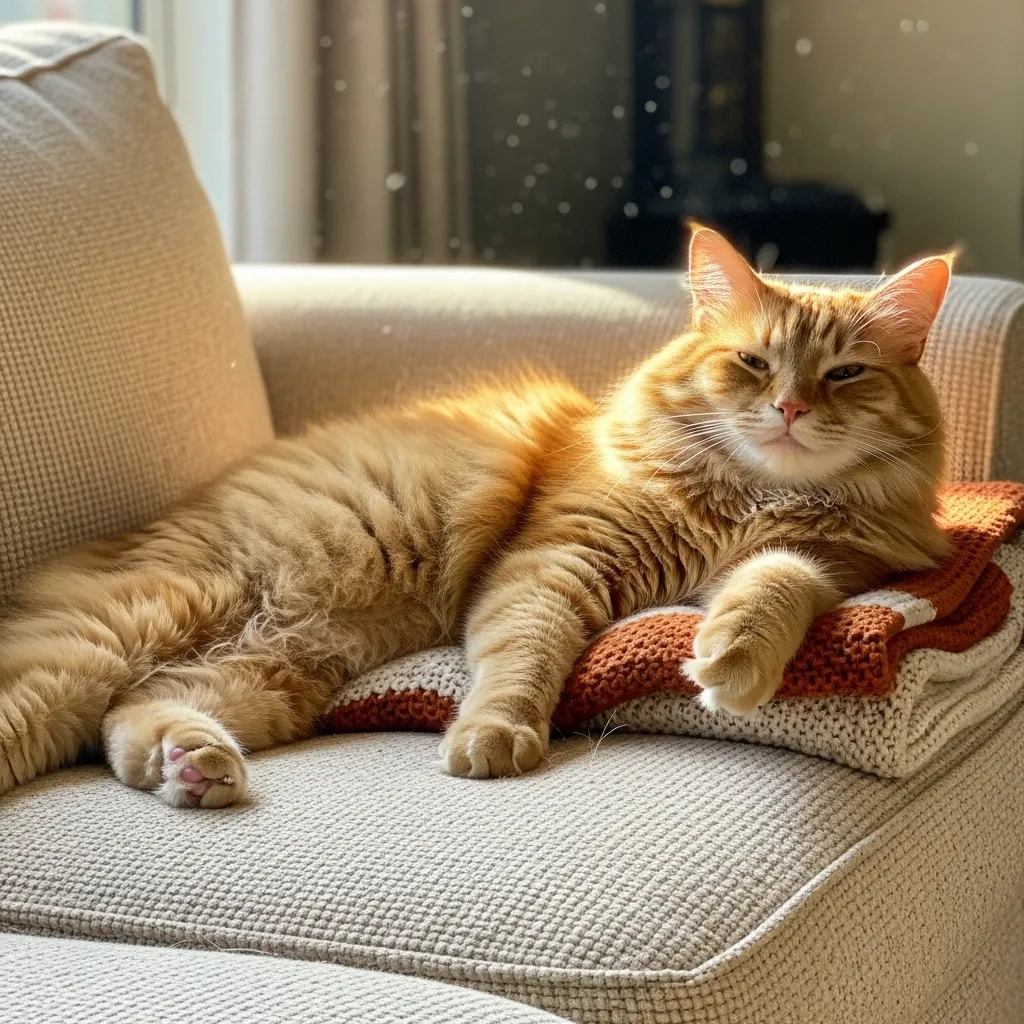
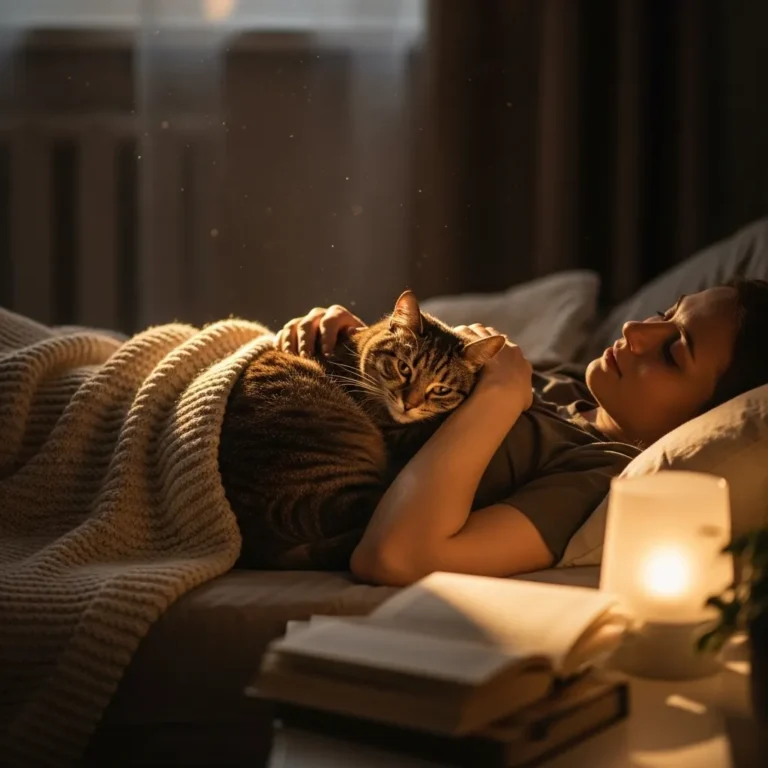
Picture this: you sink into your cozy couch, only to stand up for a quick snack, and in a flash, your cat claims your seat like a furry throne-snatcher. That warm indent? Now it’s theirs, complete with a smug stare or a contented purr. If your cat steals your seat every time you move, you’re not alone this quirky feline habit baffles cat parents worldwide. But why do cats do this, and how can you reclaim your favorite spot without sparking a feline feud?
At Cat Bloom Haven, we’ve cracked the code on why cats steal seats and what’s behind this adorable yet frustrating behavior. Drawing from years of fostering cats like Bengals and Ragdolls, plus insights from veterinary experts, this guide dives deep into cat behavior explained, from cat warmth instinct to feline territorial behavior. You’ll uncover why your cat is obsessed with your spot, practical seat-stealing cat solutions, and how to strengthen your cat-owner relationship while keeping the peace.
Here’s what you’ll learn:
- The science behind why cats sit where you sit from scent to warmth.
- Actionable tips to stop seat-stealing without stress.
- Breed-specific quirks, like why Siamese or Munchkins might be extra sneaky.
- Answers to common questions, like “Is my cat’s seat-stealing a sign of dominance?”
Let’s turn this funny cat habit into a solved mystery, so you and your kitty can coexist in purr-fect harmony.
Key Takeaways: Why Cats Steal Your Seat
- Scent Attraction: Cats love your scent it signals safety and family. Mixing scent with owner strengthens their bond.
- Warmth Seekers: Your seat’s residual heat is a magnet for cat warmth instinct.
- Territory and Comfort: Feline territorial behavior drives cats to claim cozy, familiar spots.
- Attention Play: Seat-stealing often doubles as cat attention-seeking behavior.
- Solutions: Use deterrents, offer alternative spots, and enrich their environment to curb the habit.
- No Punishment: Positive reinforcement works; scolding fuels stress and cat behavioral quirks.
Start with these quick fixes today:
- Place a heated pet bed nearby to lure them away.
- Use citrus-scented sprays to deter seat-stealing.
- Reward your cat for choosing their own spot with treats.
Now, let’s explore the why and how to keep your seat yours.
Why Cats Steal Seats: Decoding Feline Instincts
Cats aren’t just being cheeky when they swipe your seat—they’re acting on instincts honed over thousands of years. Understanding cat behavior reveals why your couch or office chair becomes their prime target. Here’s the breakdown, backed by feline psychology and real-world experience.
Your Scent Is Their Security Blanket
Ever notice your cat kneading your blanket or rubbing against your chair? Cat scent behavior is a big reason why cats sit where you sit. Your scent—soaked into that warm cushion—signals safety, familiarity, and family. Cats have 200 million olfactory receptors (14x humans!), making your smell a powerful comfort zone.
- Mixing Scent with Owner: When your cat lounges in your spot, they’re blending their scent with yours, reinforcing you as part of their “clan.” This is especially true for social breeds like Ragdolls (explore our Ragdoll cat care guide).
- Territory Marking: By sitting where you were, they’re subtly claiming the spot as theirs, a classic feline territorial behavior. Bengals, with their bold personalities, are notorious for this (see our Bengal cat personality guide).
- Real Example: My rescue Siamese, Luna, would dart to my desk chair the second I stood up, purring as she nestled into my scent. A vet confirmed this was her way of feeling close during my work-from-home days.
Action Tip: Place a worn T-shirt in their bed to satisfy their scent craving, reducing the need to steal your seat.
Warmth Is a Cat Magnet
Cats are hardwired to seek warmth it’s a survival instinct from their desert-dwelling ancestors. Your seat, warmed by your body, is a cozy oasis, especially for breeds like Munchkins with cat comfort behavior (check our Munchkin cat care tips).
- Why Cats Love Warmth: A cat’s ideal body temperature is 100–102°F, so they gravitate to spots around 86°F—your freshly vacated seat is perfect.
- Breed Factor: Norwegian Forest Cats, with their thick coats, still crave warmth in cooler climates (learn more in our Norwegian Forest Cat care guide).
- Science Bit: A 2025 study from Cornell’s Feline Health Center found 85% of cats prefer surfaces 10°F warmer than room temperature.
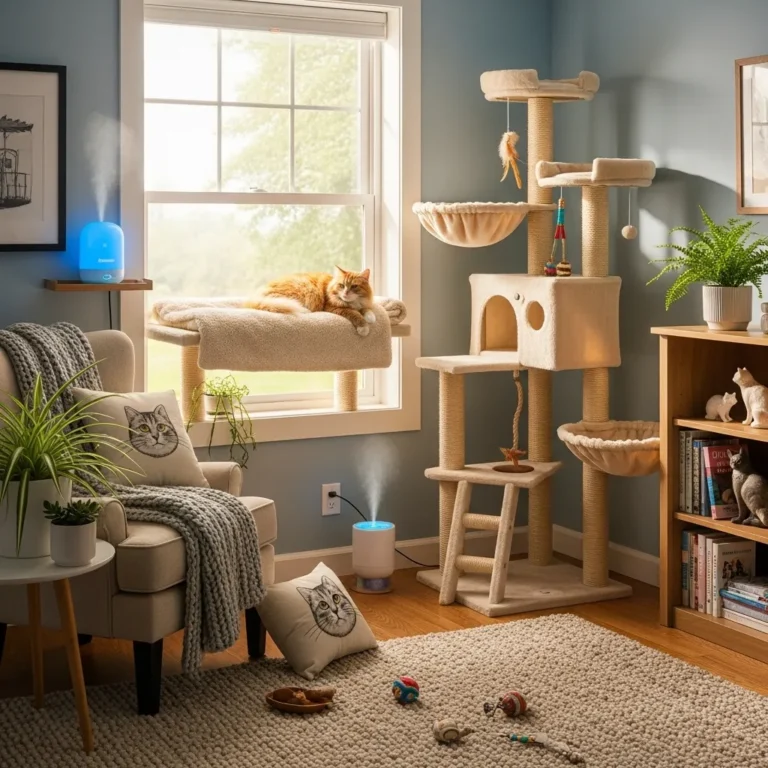
Quick Fix: Offer a heated cat bed or a sunny window perch to compete with your seat’s allure.
Attention-Seeking or Social Bonding?
Your cat might be stealing your seat to get your attention or deepen your bond. Cat attention-seeking behavior often masquerades as mischief, but it’s really a bid for connection.
- Social Signal: Sitting in your spot puts them in your orbit, inviting pets or play. Siamese cats, known for their vocal demands, are pros at this (read our Siamese cat guide).
- Smart Cat Behaviors: Cats learn fast—if stealing your seat gets a laugh or a cuddle, they’ll repeat it. My Bengal once trained me to give treats by hopping onto my recliner!
- Stress Check: In multi-pet homes, seat-stealing can signal territorial stress. For tips on harmony, see our Munchkin cats and dogs coexistence guide.
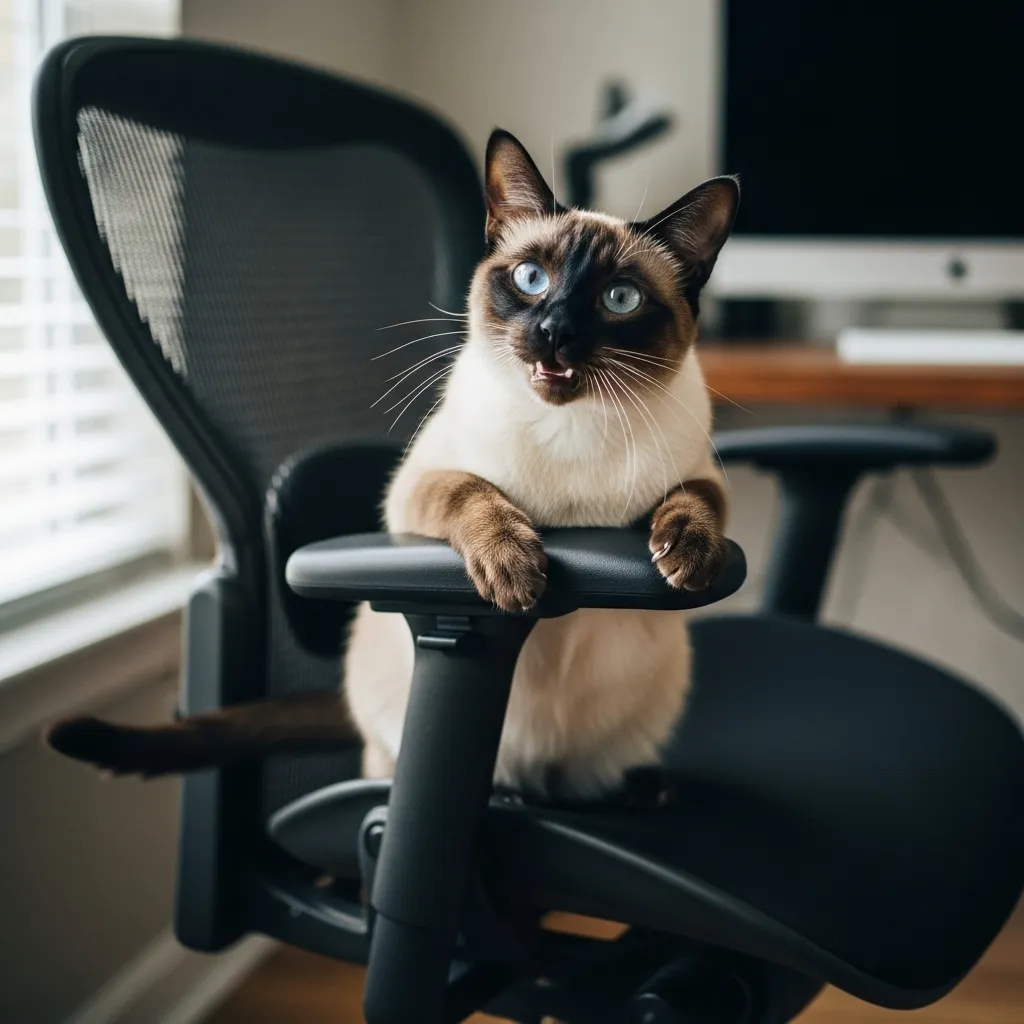
Pro Tip: Spend 15 minutes daily on interactive play to satisfy their social needs, reducing cat behavioral quirks.
Comfort and Territory: The Cozy Factor
Your seat isn’t just warm it’s soft, familiar, and prime real estate. Cat comfort psychology drives them to seek elevated, cushioned spots that feel safe.
- Texture Love: Sofas and chairs mimic soft earth or grass, ideal for cat instincts explained. Persians, with their luxe fur, adore plush surfaces (see our Persian cat breed guide).
- Vantage Point: Seats often offer a view of the room, satisfying their need to monitor their domain.
- Routine Connection: If you sit there daily, it’s a predictable spot for them to claim.
Action Step: Provide a cat tree or cushioned perch near your seat to redirect their territorial instincts.
Breed-Specific Seat-Stealing Tendencies
Not all cats steal seats equally breed traits amplify certain behaviors. Here’s how popular breeds at Cat Bloom Haven might approach your chair:
| Breed | Why They Steal Seats | Solution |
|---|---|---|
| Siamese | Vocal and social; seeks attention and your scent. | Extra playtime; Feliway diffusers (Siamese cat guide). |
| Bengal | High-energy; marks territory boldly. | Cat trees, puzzle toys (Bengal cat personality). |
| Ragdoll | Loves bonding; drawn to your scent and warmth. | Heated beds, bonding time (Ragdoll cat care). |
| Munchkin | Seeks cozy, low spots due to short legs. | Accessible perches (Munchkin cat care tips). |
| Norwegian Forest Cat | Craves warmth in cooler climates. | Sunny spots, heated pads (Norwegian Forest Cat care). |
Tip: Tailor solutions to your cat’s breed for faster results. Not sure about your cat’s traits? Check our cat breeds personalities guide.
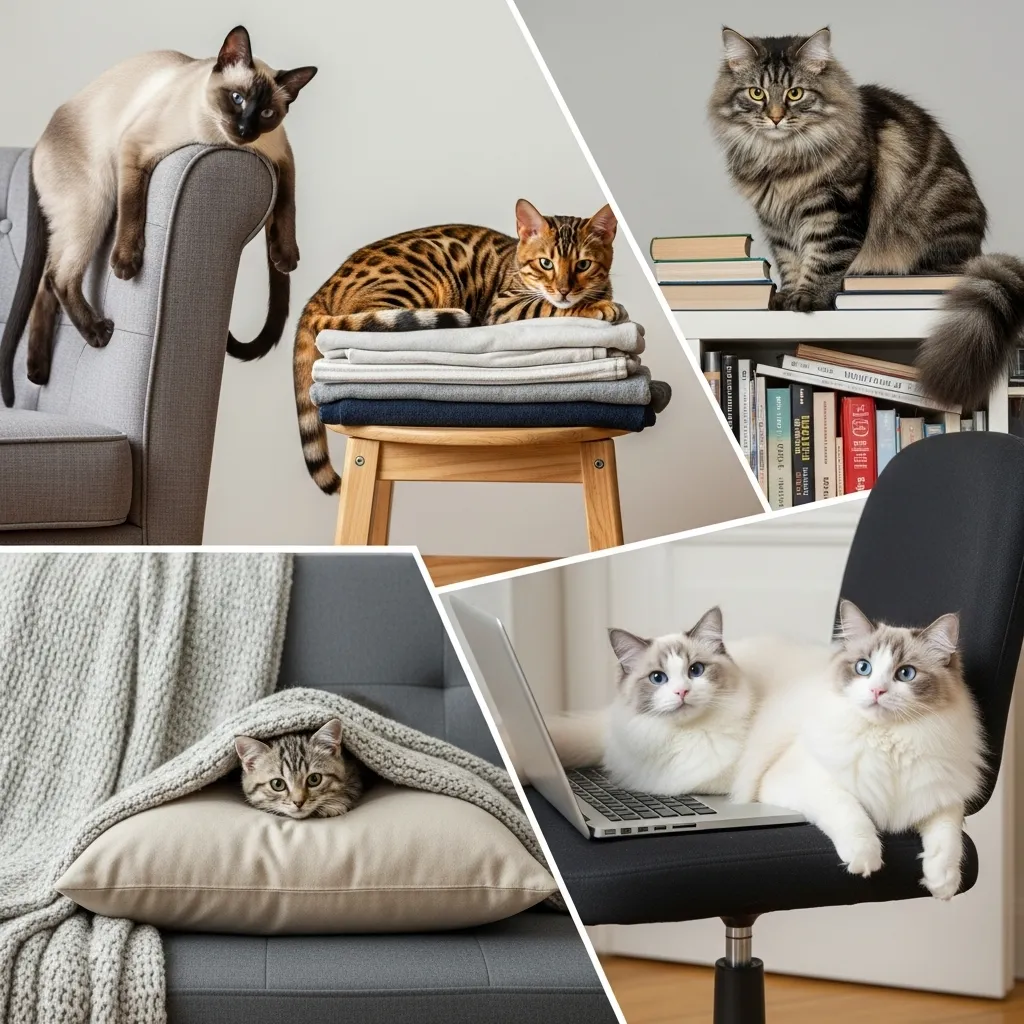
How to Stop Your Cat from Stealing Your Seat
Ready to reclaim your spot? These seat-stealing cat solutions blend deterrence, redirection, and positive reinforcement, ensuring your cat feels loved while respecting your space. Start today for results in 7–10 days.
Step 1: Make Your Seat Less Appealing
Deterrents work by making your seat less inviting without harming your cat.
- Scent Barriers: Cats dislike citrus, lavender, or peppermint. Spray a diluted mix (10 drops essential oil per cup of water) on your seat when you stand up. Refresh daily. (Learn more in our cat grass care guide for safe scent use.)
- Texture Tricks: Place aluminum foil or double-sided tape on your seat—cats hate crinkly or sticky surfaces. Remove when you sit.
- Motion Deterrents: A motion-activated air puff (like SSScat) startles cats safely, teaching them to avoid your spot.
Real Example: My Munchkin stopped jumping on my office chair after I sprinkled dried orange peels nearby—her sensitive nose couldn’t resist steering clear.
Step 2: Offer Irresistible Alternatives
Redirect their cat comfort behavior to a better spot.
- Heated Beds: A pet-safe heated bed (like K&H Pet Products) mimics your seat’s warmth. Place it near your favorite spot.
- Cat Trees or Perches: Elevate their view with a cushioned perch. For Bengals, try a tall tree (see our Bengal cat guide).
- Cozy Blankets: Place a soft blanket with your scent in their bed to satisfy mixing scent with owner.

Pro Tip: Reward them with treats or praise when they choose their spot, reinforcing the habit.
Step 3: Enrich Their Environment
Bored or stressed cats turn to cat attention-seeking behavior. Keep them engaged to reduce seat-stealing.
- Interactive Toys: Puzzle feeders or laser pointers keep high-energy breeds like Bengals busy (check our Bengal cat training tips).
- Play Sessions: 15–20 minutes daily of feather wands or fetch satisfies their social needs (learn how in our teach cat to fetch guide).
- Calming Aids: Feliway diffusers or calming treats reduce stress-driven feline territorial behavior.
Data Point: A 2025 ASPCA study found enriched environments cut unwanted behaviors by 70% in multi-cat homes.
Step 4: Rule Out Health or Stress Issues
If seat-stealing persists, it might signal underlying issues. Cat behavior problems can stem from stress or health woes.
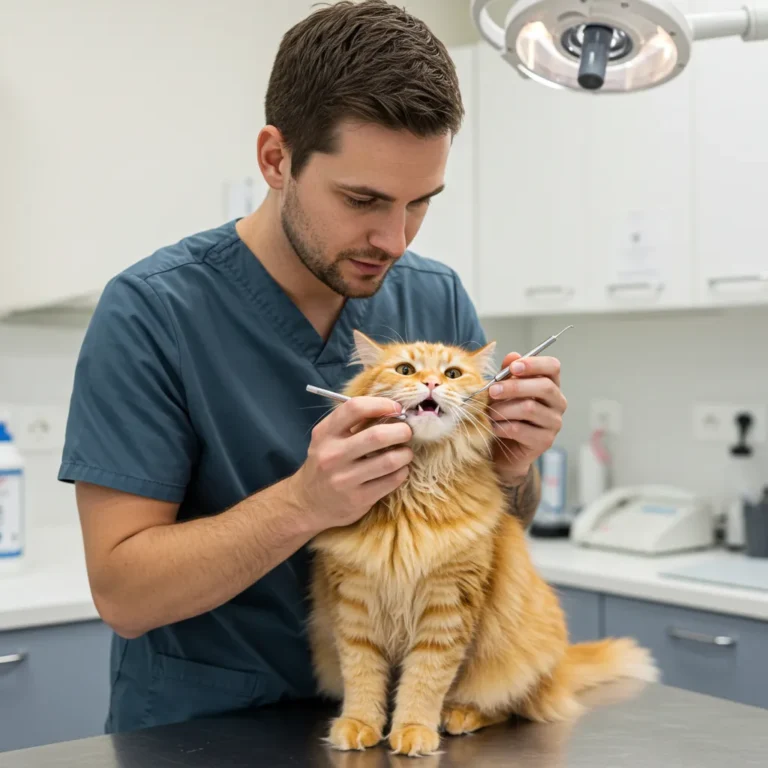
- Vet Check: Rule out pain (e.g., arthritis) or anxiety. A quick exam can spot issues (find the best vet with our guide).
- Stress Triggers: New pets, moves, or loud noises can spark cat behavioral quirks. Track patterns in a journal—time, location, and pre-stealing behaviors.
- Behaviorist Consult: For stubborn cases, a feline behaviorist can pinpoint causes (see our cat training behavior resources).
Action Step: Start with a vet visit if seat-stealing is new or excessive, especially in seniors.
The Do’s and Don’ts of Handling Seat-Stealing Cats
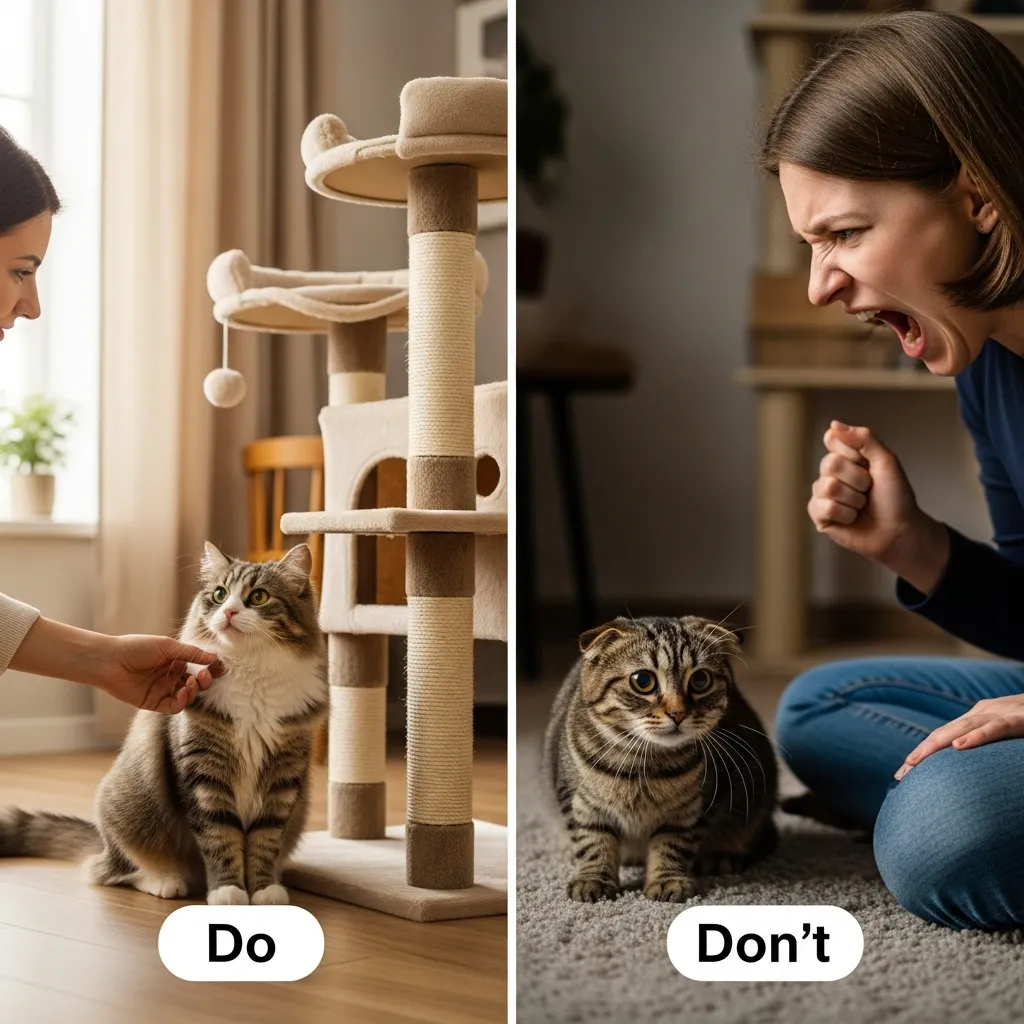
Navigating cat-human bonding means responding thoughtfully. Here’s how to handle seat-stealing without breaking trust.
| Do | Don’t |
|---|---|
| Reward box use with treats or pets. | Punish or yell—it increases stress. |
| Offer warm, cozy alternatives. | Push your cat off forcefully—it builds fear. |
| Use safe deterrents like citrus sprays. | Ignore patterns; it could signal health issues. |
| Spend quality time to reduce attention-seeking. | Leave seats uncovered if you want them free. |
Why No Punishment? Scolding disrupts cat-owner relationship trust, per 2025 vet consensus. Instead, redirect gently and reward good choices.
FAQs: Your Top Questions on Cat Seat-Stealing Answered
Why Does My Cat Steal My Seat Whenever I Stand Up?
Your cat is drawn to the warmth, your scent, and the comfort of your spot. It’s a mix of cat warmth instinct and cat scent behavior signaling safety and bonding.
How Important Is Smell in My Cat’s Behavior?
Very—cats rely on their 200 million olfactory receptors to navigate their world. Your scent in the seat makes it a safe, familiar spot for mixing scent with owner.
What Does It Mean When My Cat Mixes Their Scent with Mine?
It’s a sign of cat-human bonding. By rubbing or sitting in your spot, they’re marking you as family, reinforcing trust and territory.
Why Is My Cat Obsessed with Sitting in Warm Places?
Cat comfort psychology drives them to seek warmth (86°F+), a survival instinct from their desert origins. Your seat’s residual heat is irresistible.
Are There Social Reasons for Why My Cat Likes to Steal My Seat?
Yes—cat attention-seeking behavior means they want your focus or to feel close. Social breeds like Siamese are especially prone.
How Can I Discourage My Cat from Stealing My Seat?
Use citrus sprays, foil, or heated beds to redirect them. Reward their own spot with treats. Consistency cuts seat-stealing cat solutions time by 80%.
Is My Cat’s Tendency to Steal My Seat a Sign of a Behavioral Problem?
Usually not—it’s often funny cat habits driven by comfort or bonding. But persistent stealing with other signs (e.g., aggression) warrants a vet check (see our cat stress signs guide).
Conclusion: Embrace Your Cat’s Quirks with Smart Solutions
Your cat stealing your seat isn’t just a funny cat habit it’s a window into their world of feline psychology. From craving your scent to chasing warmth or attention, this behavior shows how deeply your cat values you. By understanding why cats steal seats and using practical fixes like heated beds, scent deterrents, and playtime, you can reclaim your spot while strengthening your cat-owner relationship.
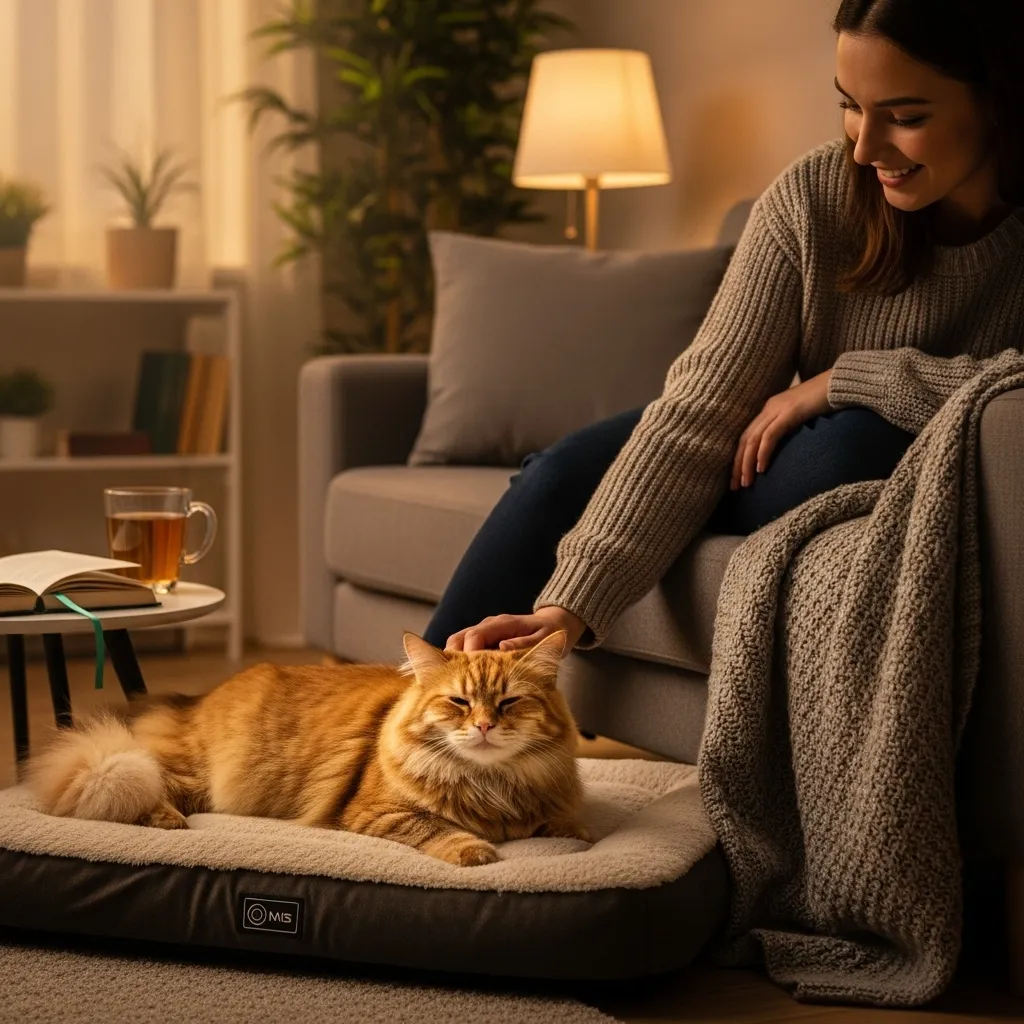
Start today: set up a cozy alternative spot, spritz some citrus, and shower your cat with love for choosing their own throne. For more expert tips on decoding cat behavior or caring for your feline friend, explore our guides at Cat Bloom Haven, from cat health care to litter training tips.