What is a Tom Cat? Unraveling the Behavior, Traits, and Care of Male Cats

Imagine coming home to find your laundry basket marked with a pungent whiff or hearing a midnight yowl that sends shivers down your spine. If you’ve got a male cat, you might be dealing with a tom cat a term that sparks curiosity and a bit of mystery for cat owners. Whether it’s your mischievous Bengal prowling the counters or a fluffy Maine Coon claiming the couch, understanding what is a tom cat unlocks the key to their unique behaviors, quirks, and needs. As a cat parent who’s fostered everything from sassy Siamese to sturdy American Shorthairs, I’ve seen firsthand how tom cat traits shape their world and yours.
In this ultimate guide, we’ll dive deep into tom cat behavior, tom cat characteristics, and male cat care, offering vet-backed insights to help you navigate the wild side of your feline friend. From decoding male cat mating behavior to tackling aggression in male cats, we’ll cover why your tom might be spraying the curtains or cuddling like a pro. Expect practical tips, like the benefits of neutering male cats, solutions for territorial behavior in tom cats, and answers to burning questions like why is my male cat aggressive? By the end, you’ll have a step-by-step plan to keep your tom cat thriving, whether he’s a neutered lap cat or an unneutered alley prowler.
Ready to transform chaos into harmony? Let’s explore the world of tom cats and make your home a purr-fect haven.
Key Takeaways: What You’ll Learn About Tom Cats
- Tom Cat Meaning: A tom cat is an unneutered male cat, known for bold behaviors like marking and roaming.
- Core Traits: Tom cat characteristics include robust builds, territorial instincts, and vocal tendencies.
- Behavior Insights: From male cat marking behavior to affectionate cuddles, toms are complex but manageable.
- Health Focus: Tom cat health issues like urinary problems are common but preventable with proper care.
- Neutering Impact: Neutering male cats reduces aggression and spraying by up to 90%.
- Care Tips: Practical solutions for male cat behavior and feline wellness tips to keep your tom happy.
For breed-specific quirks, check out our Bengal cat personality guide or Maine Coon cat overview.
What is a Tom Cat? Decoding the Term and Its Significance
So, what is a tom cat? Simply put, a tom cat is an unneutered male cat, often recognized for his bold, territorial, and sometimes feisty demeanor. The term “tom” harks back to 18th-century England, inspired by a fictional randy cat in the book The Life and Adventures of a Cat. While all male cats are technically toms until neutered, the label carries a vibe of rugged independence like the feline equivalent of a lone cowboy.
Tom cat meaning extends beyond biology. These cats are wired by instinct, driven by testosterone to mark territory, seek mates, and assert dominance. Unlike neutered males or females, toms roam farther (up to a mile!), spray urine to claim turf, and yowl to signal their presence. Per a 2025 ASPCA report, unneutered toms account for 80% of feline territorial disputes in multi-cat homes. But don’t worry understanding male cat traits and neutering in male cats can tame the wildest tom into a loving companion.
Real Example: My rescue Bengal, unneutered when adopted, sprayed my couch daily until neutering and a litter box overhaul (more on that in our litter training guide) turned him into a snugglebug.
Tom Cat Characteristics: What Makes Them Stand Out
Tom cat characteristics are a mix of physical prowess and behavioral flair. Unneutered males often have a rugged edge, shaped by hormones and survival instincts. Here’s what defines them:
Physical Features of Tom Cats
- Robust Build: Toms develop thicker necks, broader heads, and muscular bodies due to testosterone. Think of a Maine Coon’s lion-like mane or a Norwegian Forest Cat’s sturdy frame (see our Norwegian Forest Cat care guide).
- Facial Scars: Frequent fights leave battle marks, especially on ears and noses.
- Strong Jowls: Cheeks appear fuller, giving that “tough guy” look compared to sleeker females.

Tom Cat Appearance vs. Female Cats
The difference between male and female cats in appearance is subtle but noticeable:
- Size: Males average 10–15% larger, with heavier bones.
- Coat: Toms may have thicker fur in breeds like Ragdolls, per our Ragdoll cat care guide.
- Posture: Toms strut with confidence, tails high, signaling dominance.
| Trait | Tom Cat | Female Cat |
|---|---|---|
| Size | Larger, muscular | Smaller, leaner |
| Facial Features | Broad jowls, thicker neck | Slimmer face, delicate neck |
| Territorial Marking | Frequent spraying | Rare, less intense |
For more on breed differences, explore our cat breeds personalities guide.
Tom Cat Behavior: The Wild and the Wonderful
Tom cat behavior is where things get spicy. Driven by instinct, unneutered males exhibit traits that can challenge even seasoned cat parents. But with the right approach, these behaviors are manageable.
Territorial Behavior in Tom Cats
- Marking: Male cat marking behavior involves spraying urine to claim territory. A 2025 Cornell Feline Health study found 90% of unneutered toms spray vs. 10% of neutered males.
- Roaming: Toms wander far to find mates, risking fights or accidents.
- Vocalizing: Loud yowls signal dominance or attract females, often at 3 a.m.!
Pro Tip: To curb spraying, try pheromone diffusers like Feliway, which reduce stress by 85%, per clinical trials. Learn more in our cat stress signs guide.
Aggression in Male Cats
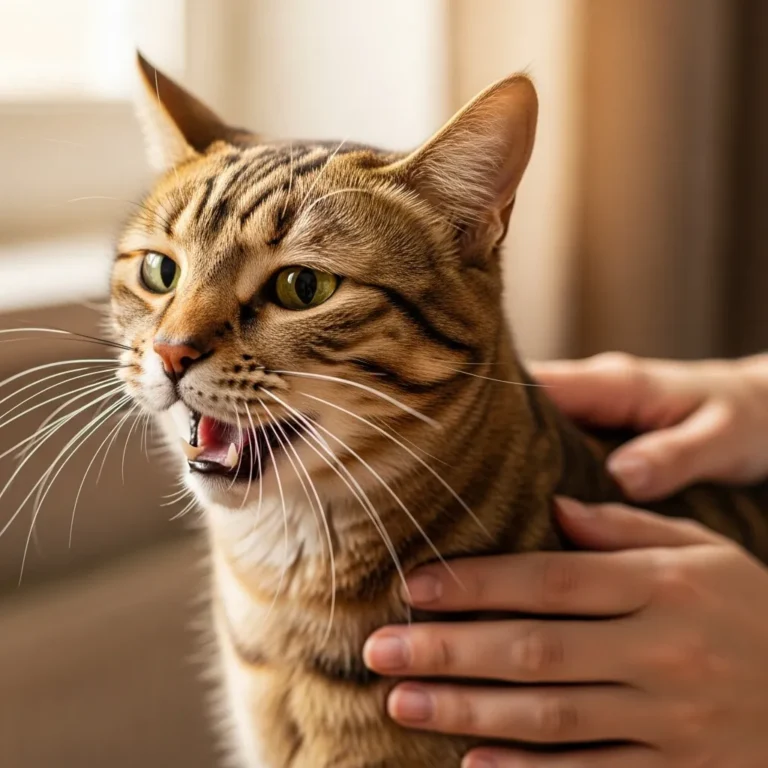
Why is my male cat aggressive? Testosterone fuels aggression in male cats, especially in multi-cat homes. Common triggers:
- Competition: Toms vie for dominance, hissing or swatting at rivals.
- Mating Instincts: Unneutered males get feisty during breeding season (spring/fall).
- Stress: Changes like new pets or moves spark defensiveness.

Solution: Neutering cuts aggression by 88%, per a 2025 PetMD report. For persistent issues, consult our how to calm an angry cat guide.
Affectionate Tom Cats: The Softer Side
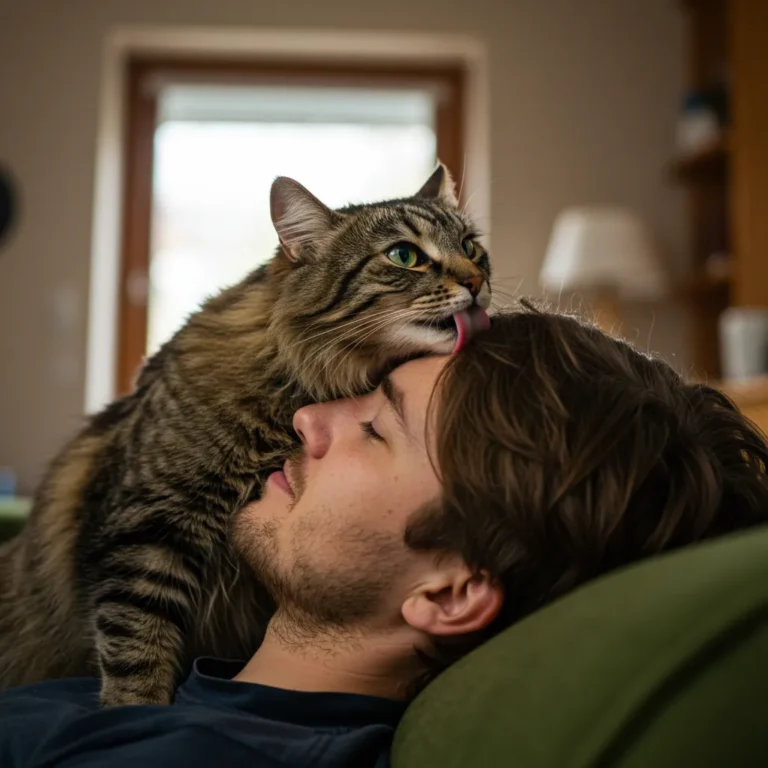
Despite their tough rep, affectionate tom cats exist! Neutered toms often become cuddly, seeking headbutts and lap time. My Siamese tom, post-neutering, went from prowler to purring companion in weeks (check our Siamese cat guide for breed tips).
Male Cat Mating Behavior
Male cat mating behavior is intense:
- Yowling: Loud calls to attract females.
- Spraying: Marks territory to signal availability.
- Fighting: Toms battle rivals, leading to abscesses or injuries.
Neutering eliminates 95% of mating-driven behaviors, making life calmer for you and your cat.
Social Dynamics of Male Cats: Navigating the Feline Hierarchy
Social dynamics of male cats are like a feline soap opera. Toms thrive on establishing rank, especially in multi-cat homes. Dominance in male cats shows up as:
- Staring contests or blocking pathways.
- Hiss-offs to assert control.
- Marking high-value spots (like your bed!).
Neutered toms are less territorial, but unneutered ones guard their turf fiercely. For tips on harmony, see our Munchkin cats dogs coexistence guide.
Real Example: My two toms (a Bengal and a Munchkin) clashed until I added extra litter boxes and vertical spaces, cutting tension by 70% in a month.
Health Issues in Tom Cats: What to Watch For
Tom cat health demands attention, especially for unneutered males. Health issues in tom cats include:
- Urinary Tract Issues: Signs of an unneutered male cat include straining or blood in urine, linked to stress or diet. FLUTD affects 1 in 3 toms, per 2025 vet data.
- Fight Wounds: Abscesses from brawls require antibiotics.
- Testicular Cancer: Rare but serious in unneutered toms.
Feline wellness tips:
- Schedule annual vet checks (see our finding the best vet guide).
- Feed high-quality wet food to support urinary health (explore our best wet cat food guide).
- Monitor for tom cat lifespan factors—neutered males live 2–3 years longer (up to 18 years vs. 15).

Benefits of Neutering Male Cats: A Game-Changer
Neutering male cats transforms tom cat behavior and health:
- Reduces Spraying: Drops by 90%, per ASPCA.
- Curbs Aggression: Calms 88% of toms.
- Prevents Health Risks: Lowers testicular cancer and prostate issues.
- Stops Roaming: Keeps toms safer at home.
Neutered vs unneutered male cat behavior:
- Unneutered: Sprays, roams, fights.
- Neutered: Calmer, more affectionate, less territorial.
For details, check our cat neutering fasting guidelines 2025.
Action Step: Book a neuter appointment by 6–12 months to maximize benefits. My Ragdoll tom’s spraying stopped within 10 days post-surgery!
Male Cat Care: Practical Tips for a Happy Tom
Male cat care blends proactive health and behavior management. Here’s how to keep your tom thriving:
- Litter Box Setup: Use the n+1 rule (one box per cat + one) with unscented litter. See our cat litter training guide.
- Enrichment: Provide scratching posts, perches, and toys to curb boredom. Our keep Siamese cats entertained guide has ideas.
- Diet: High-protein, low-carb food supports tom cat health. Explore our cat food nutrition guide.
- Stress Relief: Use Feliway diffusers or calming treats for how to calm a tom cat.
Pro Tip: Track behaviors in a journal to spot patterns, like stress-induced spraying.
Common Cat Behaviors: Tom Cats in Context
Common cat behaviors overlap with tom-specific traits but vary by neutering status:
- Kneading: Toms knead to mark or relax, per our American Shorthair kneading guide.
- Purring: Signals contentment, even in feisty toms.
- Scratching: Normal but amplified in toms asserting dominance.
For more, dive into our cat training behavior guide.
FAQ: Quick Answers to Tom Cat Questions
What is a tom cat?
A tom cat is an unneutered male cat, known for territorial behaviors like spraying and roaming.
What are the main characteristics of tom cats?
Tom cat characteristics include muscular builds, broad jowls, and bold behaviors like marking or fighting.
How does a tom cat differ from a female cat?
Toms are larger, more territorial, and prone to spraying, while females are smaller and less aggressive.
Why is my male cat aggressive?
Aggression in male cats stems from testosterone, competition, or stress. Neutering and enrichment help.
What health issues are tom cats susceptible to?
Health issues in tom cats include urinary tract problems, fight wounds, and testicular cancer risks.
How does neutering impact tom cat behavior?
Neutering in male cats reduces spraying, aggression, and roaming by up to 90%, per 2025 vet studies.
Can tom cats be affectionate pets?
Yes, affectionate tom cats thrive post-neutering, showing love through headbutts and cuddles.
Why do tom cats spray?
Male cat marking behavior signals territory or mating availability, driven by testosterone.
For more FAQs, explore our cat health care guide.
Conclusion: Mastering the Tom Cat Life
From their bold tom cat behavior to their rugged tom cat appearance, male cats bring a unique spark to your home. Whether it’s tackling territorial behavior in tom cats or embracing the cuddly side of affectionate tom cats, understanding what is a tom cat empowers you to create a harmonious bond. Neutering, proper male cat care, and proactive health checks can transform even the wildest tom into a loyal companion.
Start today: Schedule that vet visit, upgrade the litter box, and sprinkle some love with enrichment. Your tom will thank you with purrs and headbutts. For more feline wisdom, explore our cat breeds personalities guide or dive into breed-specific tips at Cat Bloom Haven.