How Do You Know If Your Cat Is Sick: A Complete Guide to Spotting Early Signs
Your cat curls up in her favorite sunbeam, purring softly. Everything seems normal. Then one day, she skips dinner or hides under the bed. Is it just a mood, or is something wrong? Figuring out how to tell if a cat is unwell can feel tricky. Cats hide pain well; it’s an instinct from their wild ancestors. But the earlier you catch signs your cat is sick, the better the outcome.
This guide breaks down every clue: behavior shifts, physical changes, eating habits, litterbox red flags, and more. You’ll learn exactly what to watch for, why it matters, and when to call the vet. By the end, you’ll feel confident spotting symptoms of a sick cat and acting fast.
Key Takeaways
- Cats mask illness until it’s advanced; subtle changes are your first warning.
- Track appetite, water intake, energy, grooming, and litterbox use daily.
- Any sudden shift lasting more than 24 hours deserves a vet check.
- Early detection saves lives and cuts treatment costs.
Why Cats Hide Illness: The Survival Instinct You Need to Understand
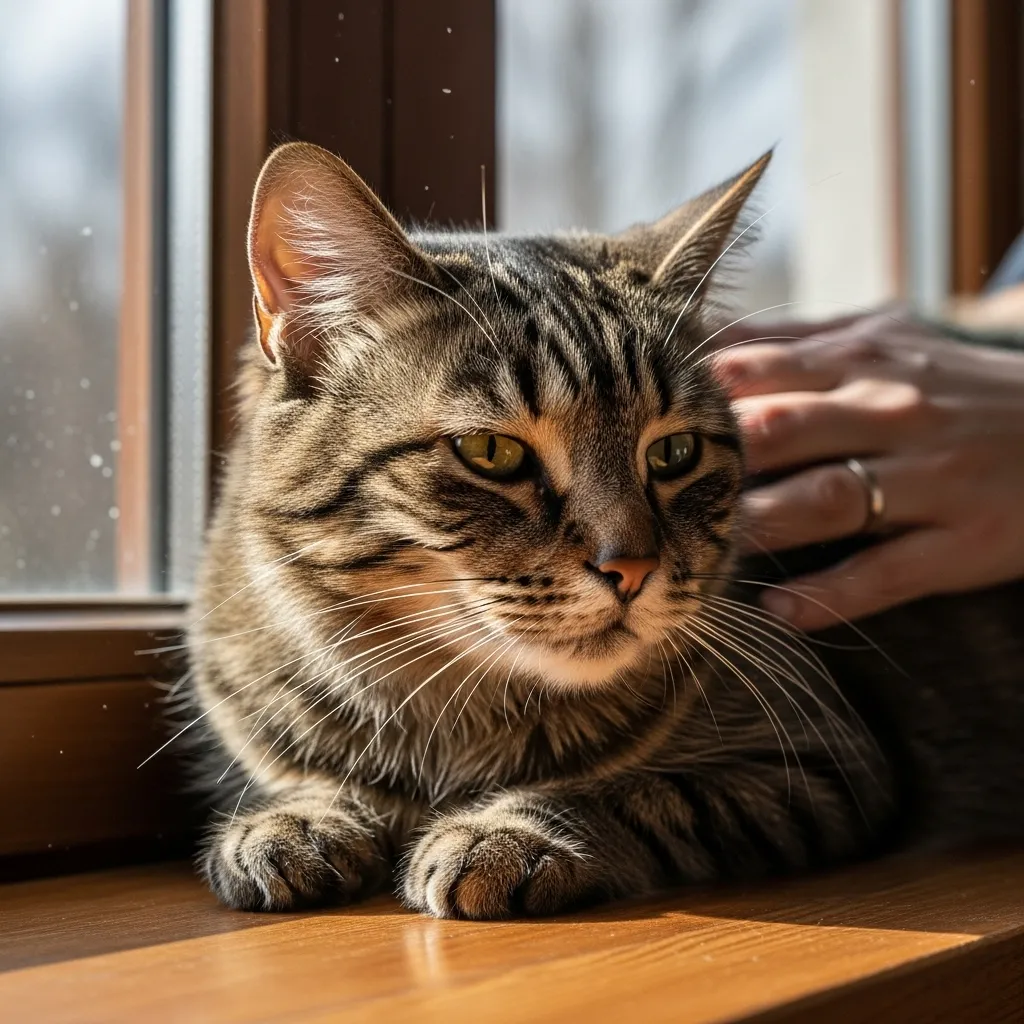
In the wild, a weak animal becomes prey. Domestic cats carry that DNA. They suppress obvious cat illness signs until the disease progresses. A 2023 study in the Journal of Feline Medicine and Surgery found owners miss 70% of early symptoms because cats compensate so well.
That’s why cat behavior changes when sick often look minor: a little less jumping, a slightly messier coat. Train yourself to notice these micro-shifts. Think of it as reading your cat’s secret language.
Behavioral Red Flags: When Personality Shifts Signal Trouble
Cats are creatures of habit. Sudden cat behavior changes usually mean discomfort.
Energy and Activity Drops
A lethargic cat symptoms list starts with less play. Your zoomies champion now naps 20 hours instead of 16? That’s not “just tired.” Is my cat sick or just tired? Check the context:
- Refuses favorite toys
- Hesitates before jumping to counters
- Walks slowly, tail low
Pro tip: Film a 30-second clip of normal play, then compare weekly. Subtle slowing shows up fast on video.
Hiding and Withdrawal
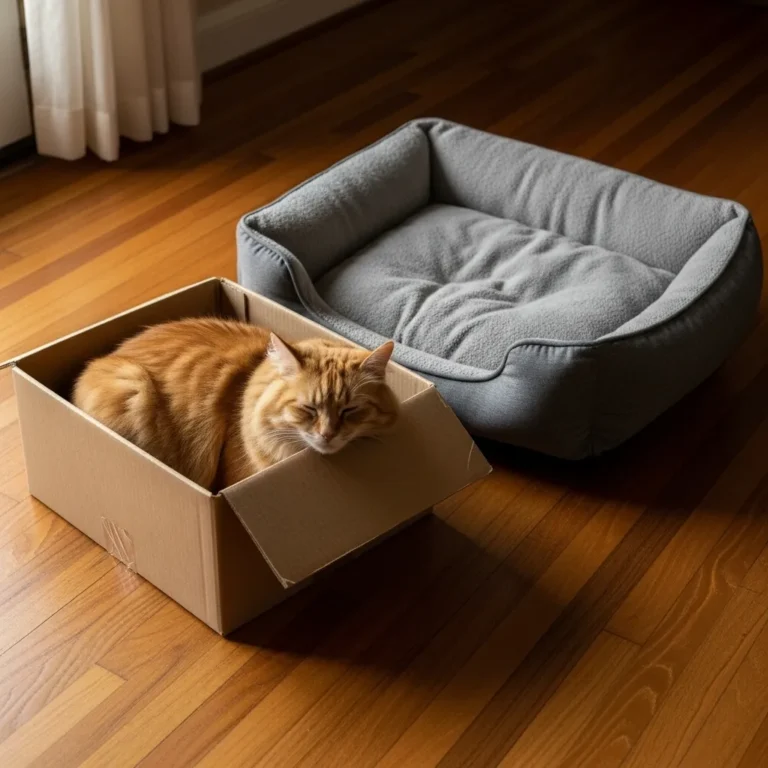
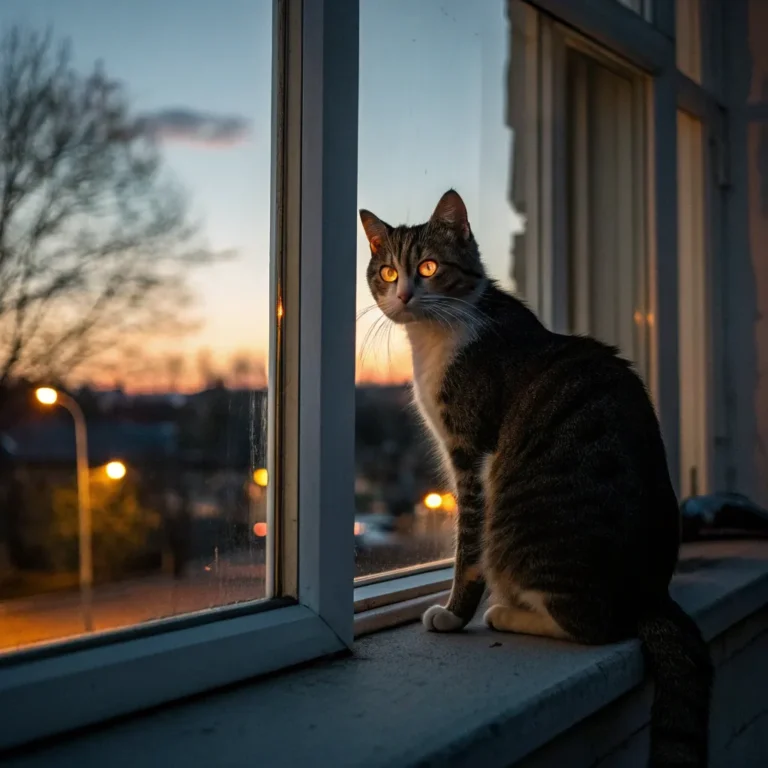
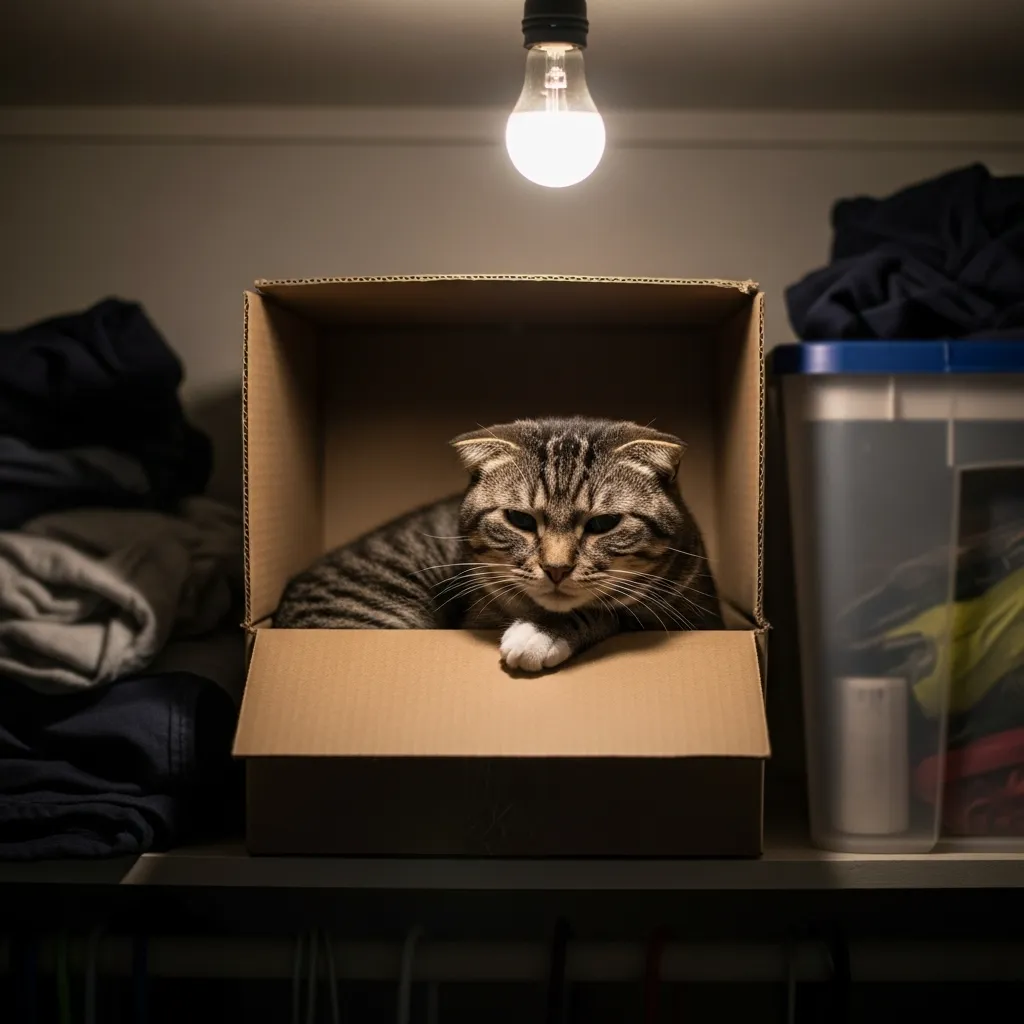
Why cats hide illness ties directly to survival. A sick cat seeks dark, quiet spots: under beds, inside closets, behind furniture. If your social butterfly suddenly avoids family, investigate.
Aggression or Irritability
Pain makes even sweet cats snap. Hissing at gentle petting, swatting when picked up; these are sick cat body language alerts.
Discover more about sudden cat aggression in our guide on dominant cat behaviors.
Excessive Vocalization
Constant meowing, yowling at night, or hoarse cries can indicate pain, especially in seniors.
Physical Symptoms in Cats: What Your Eyes and Hands Reveal
Run a weekly 60-second health check. Early signs of cat sickness appear in coat, eyes, mouth, and weight.
Coat and Grooming Changes
Healthy cats groom multiple times daily. Stopped grooming? Fur looks greasy, dandruff flakes, or mats form. Over-grooming creates bald patches, especially on belly or legs.
Weight Fluctuations
Feel the ribs: you should detect them with slight pressure, but not see them. Sudden weight loss (even 0.5 lb in a 10-lb cat) screams metabolic issues. Use a baby scale monthly.
Eye, Nose, and Ear Clues
- Squinting, tearing, or third eyelid showing
- Crusty or colored discharge
- Head shaking or ear scratching
Breathing and Posture
Open-mouth breathing, wheezing, or “sucking in” belly while resting demands immediate vet care.
Appetite and Thirst: The Silent Alarms Most Owners Miss
Changes in cat appetite top the symptoms of a sick cat list for good reason.
Not Eating or Sudden Picky Phases
Cat not eating causes range from dental pain to kidney failure. One missed meal in an adult warrants concern; two meals means vet now.
Drinking More Water
Polydipsia (excess thirst) pairs with diabetes, hyperthyroidism, or kidney disease. Measure: fill the bowl to a line, note 24-hour drop. Over 50 ml per kg body weight daily is excessive.
Dehydration Test
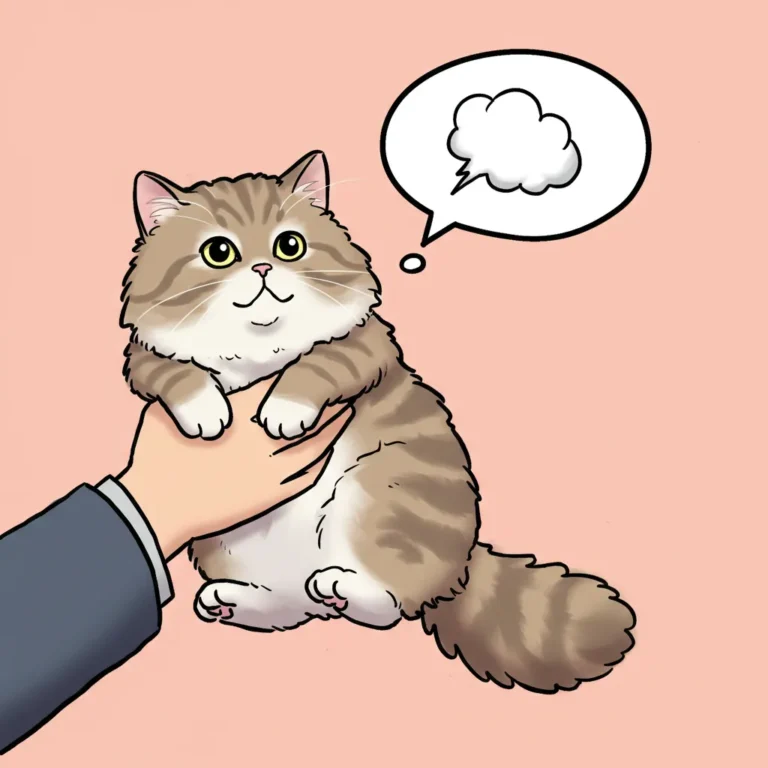
Pinch the scruff gently. Skin should snap back in under one second. Slow return = cat dehydration signs.
Litterbox Habits: Your Daily Health Report Card
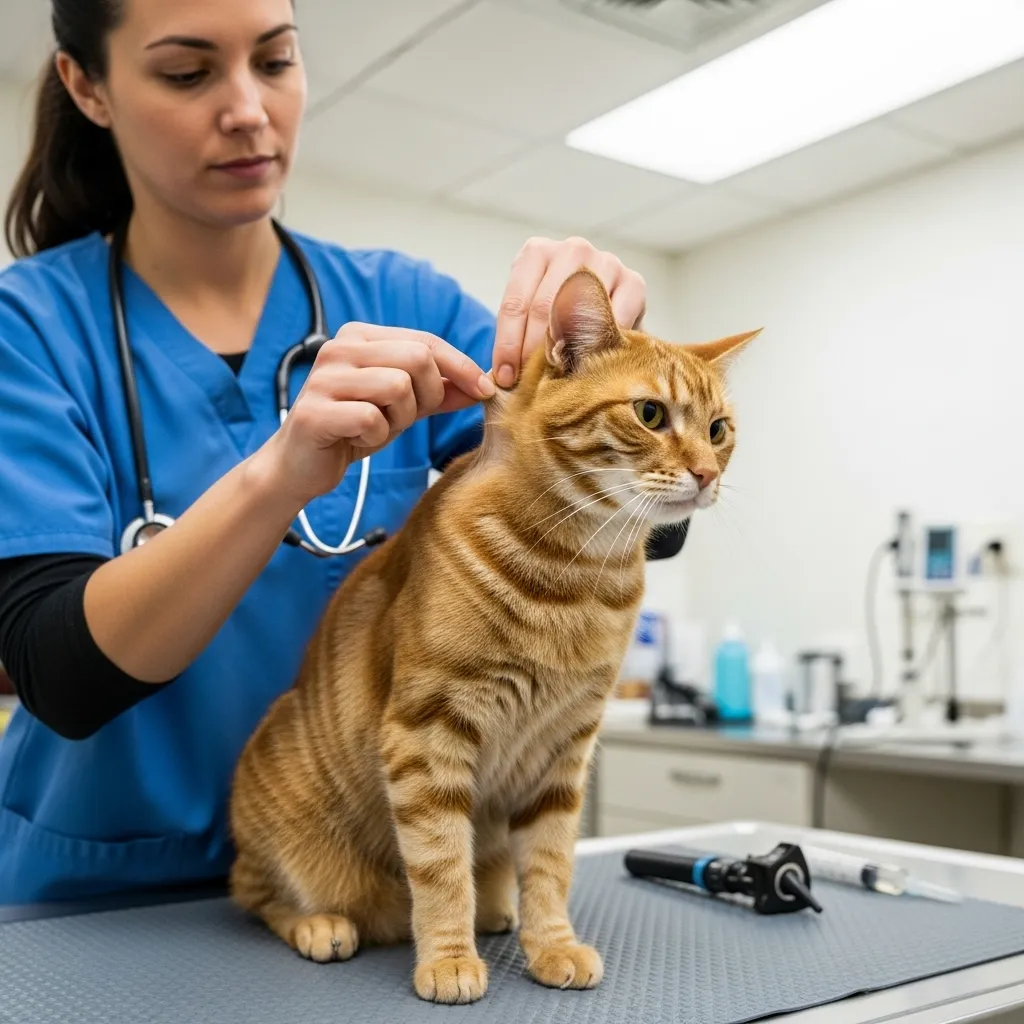
Changes in cat litterbox habits reveal cat urinary problems and cat digestive issues faster than anything else.
| Normal | Red Flag |
|---|---|
| 2–4 poops daily, formed | Diarrhea, constipation, blood, mucus |
| Urinates 2–4 times, steady stream | Straining, frequent tiny puddles, crying in box |
| Covers waste | Pooping outside litterbox |
Urinary Blockage Emergency
Male cats especially: no urine for 12 hours = life-threatening. Rush to ER.
Constipation vs. Obstipation
Three days without poop needs vet intervention. Chronic cases lead to megacolon.
[Internal link: Step-by-step fixes in our cat litterbox problems article.]
Sleeping Pattern Shifts: Normal Laziness or Warning?
Cat sleeping pattern changes confuse owners. Healthy adults sleep 15–18 hours. Sick cats push 20+ or sleep in odd places (cold floors, bathtubs).
Cat sleeping all day normal or sick? Context matters:
- Still eats and grooms → probably fine.
- Skips meals and hides → illness likely.
When to Take Your Cat to the Vet: Decision Checklist
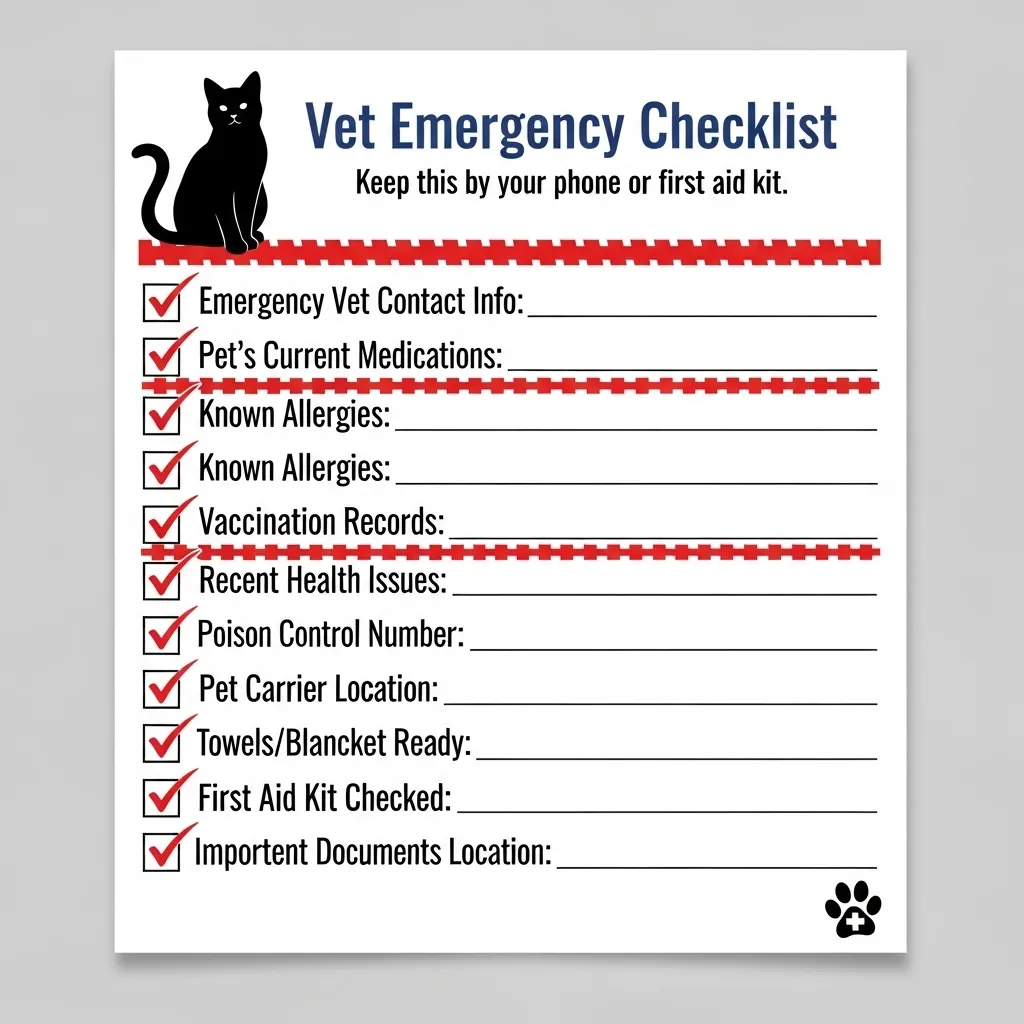
Print this. One “yes” = call vet today.
- [ ] Vomiting >2 times in 24 hours
- [ ] Diarrhea >24 hours or with blood
- [ ] No urine >12 hours
- [ ] Labored breathing
- [ ] Sudden limp or pain cry
- [ ] Temperature <99°F or >103°F (normal 100.5–102.5°F)
- [ ] Gums pale, white, or blue
Prep smarter with our finding the best vet for your cat guide.
Common Cat Diseases and Their Sneaky Early Signs
Dental Disease
Bad breath, drooling, pawing mouth. Affects 70% of cats by age three.
Kidney Disease
Increased thirst/urination, weight loss, vomiting. Bloodwork catches it early.
Hyperthyroidism
Ravenous yet losing weight, hyperactivity, greasy coat.
Diabetes
Drinking/peeing tons, hind-leg weakness, sweet breath.
Cancer
Lumps, non-healing sores, appetite loss.
Dive deeper into senior cat care for age-related risks.
Home Monitoring Tools Every Cat Owner Needs
- Digital baby scale ($25)
- Pet camera for remote behavior checks
- Litterbox log app (free templates online)
- Rectal thermometer + petroleum jelly
Prevention Beats Cure: Daily Cat Health Tips
- Annual wellness exams (twice yearly for seniors)
- Dental cleanings under anesthesia when recommended
- Monthly weight checks
- Fresh water in multiple wide bowls
- High-quality diet matched to life stage
Build the perfect menu with our cat food nutrition guide.
FAQ: Quick Answers to Pressing Questions
Q: What are the first signs my cat needs a vet?
A: Lethargy, appetite drop, or litterbox changes lasting over 24 hours.
Q: Why is my cat acting weird suddenly?
A: Pain, nausea, or neurological issues. Video the behavior and call your vet.
Q: Is cat sleeping all day normal or sick?
A: Normal up to 18 hours if eating and grooming. Over 20 hours plus other signs = concern.
Q: How do cats act when sick?
A: Hide, stop grooming, eat less, become irritable or clingy.
Q: My cat is drinking more water; is that bad?
A: Yes if sudden and paired with weight loss or frequent urination. Test for diabetes or kidney issues.
Final Thoughts: Trust Your Gut, Act Fast
You know your cat’s quirks better than anyone. When something feels off, it probably is. Early signs of cat sickness are whispers; ignore them and they become roars. Keep this guide bookmarked, run weekly checks, and build a rock-solid relationship with your vet.
Explore more expert cat care essentials on Cat Bloom Haven. From breed-specific health to daily wellness routines, we’ve got your feline covered.