Senior Cat Care: Your Comprehensive Guide to Supporting an Aging Feline Friend
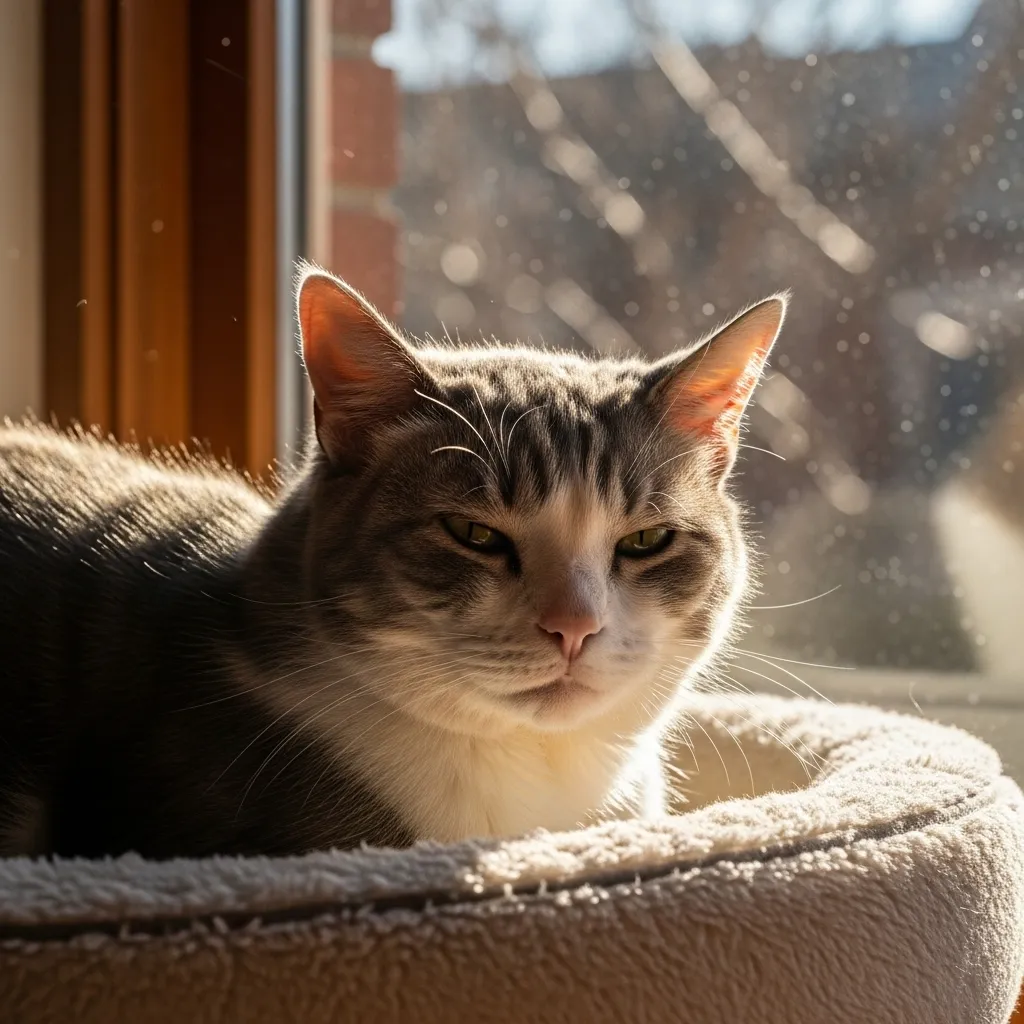
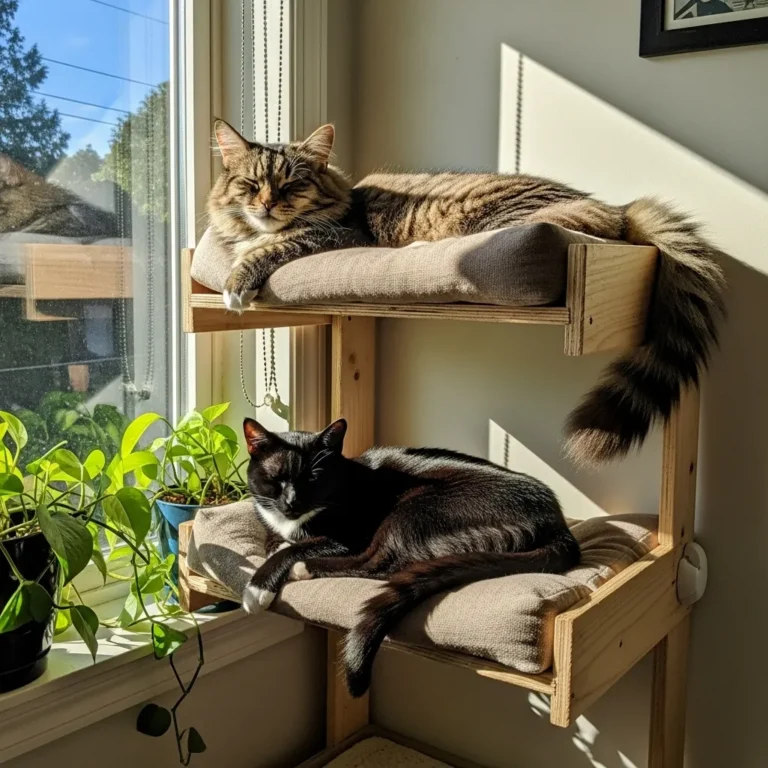
Senior cat lounging comfortably in a sunny window spot, illustrating peaceful aging in a cozy home environment.
Picture this: Your once-playful kitten, who used to chase shadows across the room, now spends more time curled up in sunbeams, moving a bit slower but still purring with contentment. As a devoted cat parent who’s fostered and cared for numerous felines over the years—including rescues with their own quirky aging journeys—I’ve seen firsthand how senior cat care can transform those golden years into a time of comfort and joy. But it’s not always straightforward; subtle changes can signal deeper needs, and without the right approach, small issues can escalate.
If you’re noticing your cat slowing down or wondering how to adapt your home for their evolving needs, you’re in the right place. This guide dives deep into senior cat care, covering everything from when a cat is considered a senior to signs of aging in cats, how to care for an older cat, and specialized elderly cat care strategies. We’ll explore practical, vet-backed tips to address common challenges like mobility issues in senior cats, feline cognitive dysfunction, and the importance of a senior cat wellness exam. By the end, you’ll have actionable insights to enhance your cat’s quality of life, backed by the latest 2025 guidelines from sources like the American Association of Feline Practitioners (AAFP) and Cornell Feline Health Center.
Whether you have a majestic Maine Coon or a cuddly Ragdoll, understanding feline health in these later stages ensures they thrive. Let’s turn those senior moments into cherished memories.
Key Takeaways for Senior Cat Care
Before we delve deeper, here’s a quick overview of the essentials to get you started on optimizing pet health for your senior pets:
- Age Threshold: Cats are generally considered seniors at 10-11 years old, entering “super-senior” status around 15, though this varies by breed and health.
- Common Signs: Look for increased sleeping, weight changes, reduced mobility, dental issues, and behavioral shifts like confusion or altered litter habits.
- Care Basics: Schedule bi-annual vet visits, switch to low-phosphorus senior cat food, provide mobility aids like ramps, and enrich the environment to combat cognitive decline.
- Health Focus: Prioritize preventive care for conditions like kidney disease, arthritis, and feline cognitive dysfunction, which affects up to 50% of cats over 15.
- Nutrition Tip: Opt for diets with controlled phosphorus (under 0.5% dry matter) to support kidney health, paired with hydration boosters.
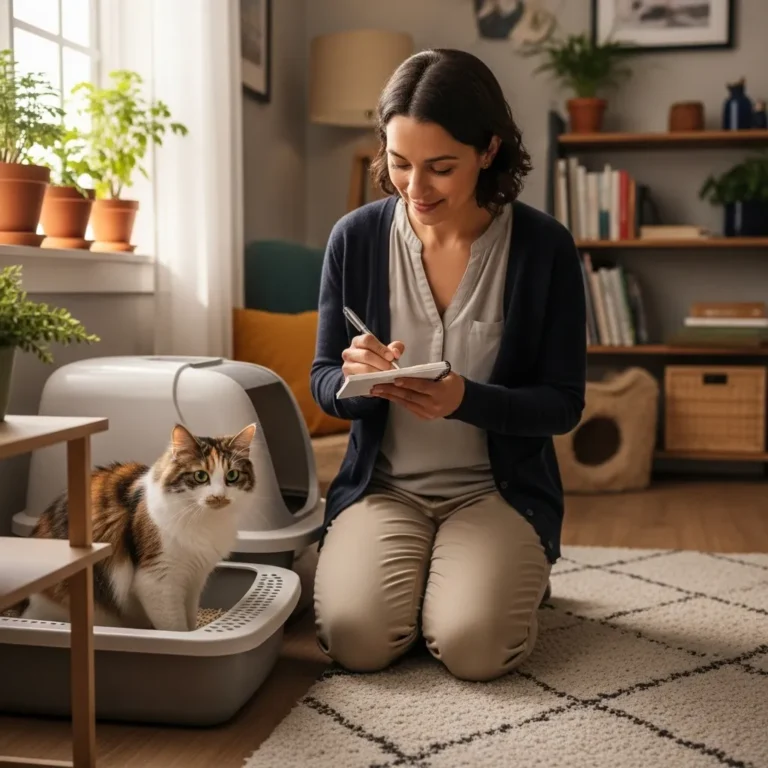
- Pro Tip: Track changes with a simple journal—early detection can add years of comfort.
Implementing these can make a world of difference, as I’ve witnessed with my own senior rescues who regained their spark through tailored adjustments.
When Is a Cat Considered a Senior? Defining Feline Aging Milestones
Understanding cat aging is the foundation of effective senior cat care. Unlike humans, cats age rapidly in their early years but slow down later, making seniority a nuanced phase.
According to the AAFP’s 2025 updated guidelines, cats enter senior status around 10 years old, when age-related changes become more pronounced. This aligns with PetMD’s classification, where 10-15 years is “senior,” and over 15 is “geriatric” or super-senior. However, it’s not one-size-fits-all—indoor cats or certain breeds like Siamese may stay spry longer due to genetics and lifestyle.
Factors Influencing Senior Status
- Breed Variations: Larger breeds like Maine Coons might show signs earlier, around 8-10 years, while smaller ones like Munchkins could hit seniority at 12. Explore our Maine Coon cat guide for breed-specific insights.
- Lifestyle Impact: Indoor cats often live 15-20 years, delaying visible aging compared to outdoor adventurers facing more risks.
- Health History: Chronic conditions like diabetes or obesity can accelerate aging; regular check-ups help mitigate this.
If your cat is approaching 10, start transitioning to senior-focused routines. As one vet I consulted noted, “Treating them as seniors early prevents surprises later.” For more on feline health timelines, check our cat health care resources.
Signs of Aging in Cats: Spotting the Subtle Shifts
Aging in cats isn’t always dramatic—it’s often a gradual fade from kitten-like energy to mellow maturity. Recognizing signs of aging in cats early allows for proactive senior cat care, potentially extending their vibrant years.
From my experience with aging rescues, the first clues are behavioral: a cat who once zoomed around might now hesitate at jumps or sleep more deeply. Here’s a breakdown of key indicators, drawn from Cornell’s Feline Health Center and PetMD insights.
Physical Signs
- Reduced Mobility: Trouble jumping onto counters or beds, limping, or stiffness after naps often due to arthritis affecting 90% of cats over 12.
- Weight Fluctuations: Unexplained loss from decreased appetite or gain from lower activity; monitor closely as it can signal thyroid or kidney issues.
- Coat and Skin Changes: Dull fur, dandruff, or slower grooming, leading to mats common in long-haired breeds like Persians (see our Persian cat breed overview).
- Dental Problems: Bad breath, drooling, or difficulty eating; untreated, this impacts overall health.
Behavioral and Cognitive Signs
- Increased Sleeping: Seniors may sleep 18-20 hours daily, but watch for disorientation upon waking, a hallmark of feline cognitive dysfunction.
- Litter Box Issues: Accidents outside the box due to mobility or confusion— not defiance, but a cry for help.
- Altered Interactions: More vocalization, irritability, or withdrawal; some cats become clingier, seeking reassurance.
| Sign Category | Common Indicators | Potential Causes | Quick Action Tip |
|---|---|---|---|
| Physical | Weight loss/gain, stiff movements | Arthritis, metabolic changes | Add joint supplements like glucosamine; consult vet |
| Sensory | Cloudy eyes, reduced hearing | Age-related degeneration | Soften food, use voice cues more |
| Behavioral | Excessive meowing, hiding | Stress or cognitive decline | Provide quiet spaces; try pheromone diffusers |
| Digestive | Appetite drop, vomiting | Kidney/liver issues | Switch to wet food for hydration |
If these resonate, don’t wait—early intervention is key. For instance, one of my senior Bengals showed litter avoidance, which a vet traced to mild arthritis; simple ramps transformed her routine. Dive into our Bengal cat personality guide for more breed tips.
How to Care for an Older Cat: Practical Strategies for Daily Wellness
Elderly cat care goes beyond basics—it’s about adapting your home and routine to their changing needs. As a cat behavior specialist who’s worked with countless seniors, I emphasize compassion and consistency for the best outcomes.
Nutrition for Senior Cats
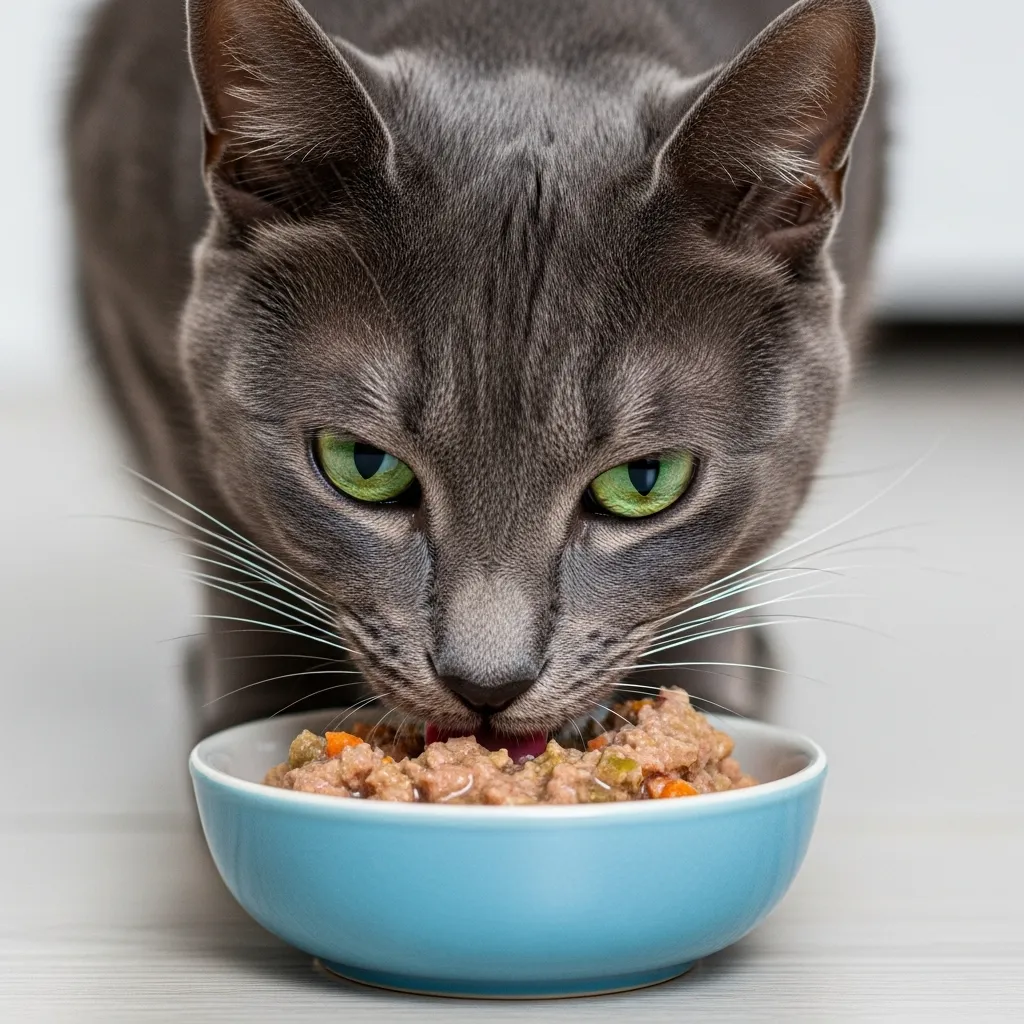
A tailored diet is crucial in senior cat care. Opt for formulas with high-quality protein (30-40% for muscle maintenance), reduced calories to avoid obesity, and antioxidants for immune support. Trending in 2025: Low-phosphorus senior cat food to ease kidney strain, as phosphorus buildup exacerbates chronic kidney disease (CKD), affecting 30-50% of seniors.
Top picks for 2025:
- Royal Canin Aging 12+: Wet loaf with omega-3s for joints; phosphorus at 0.4% dry matter.
- Hill’s Science Diet Senior: Low-phosphorus (0.45%) with added taurine for heart health.
- Weruva Cats in the Kitchen: Grain-free, low-phosphorus options like chicken recipes for picky eaters.
Feed smaller, frequent meals—wet food boosts hydration, vital since seniors drink less. Transition gradually over 7-10 days. For hydration tips, see our Ragdoll cat hydration tips.
Addressing Mobility Issues in Senior Cats
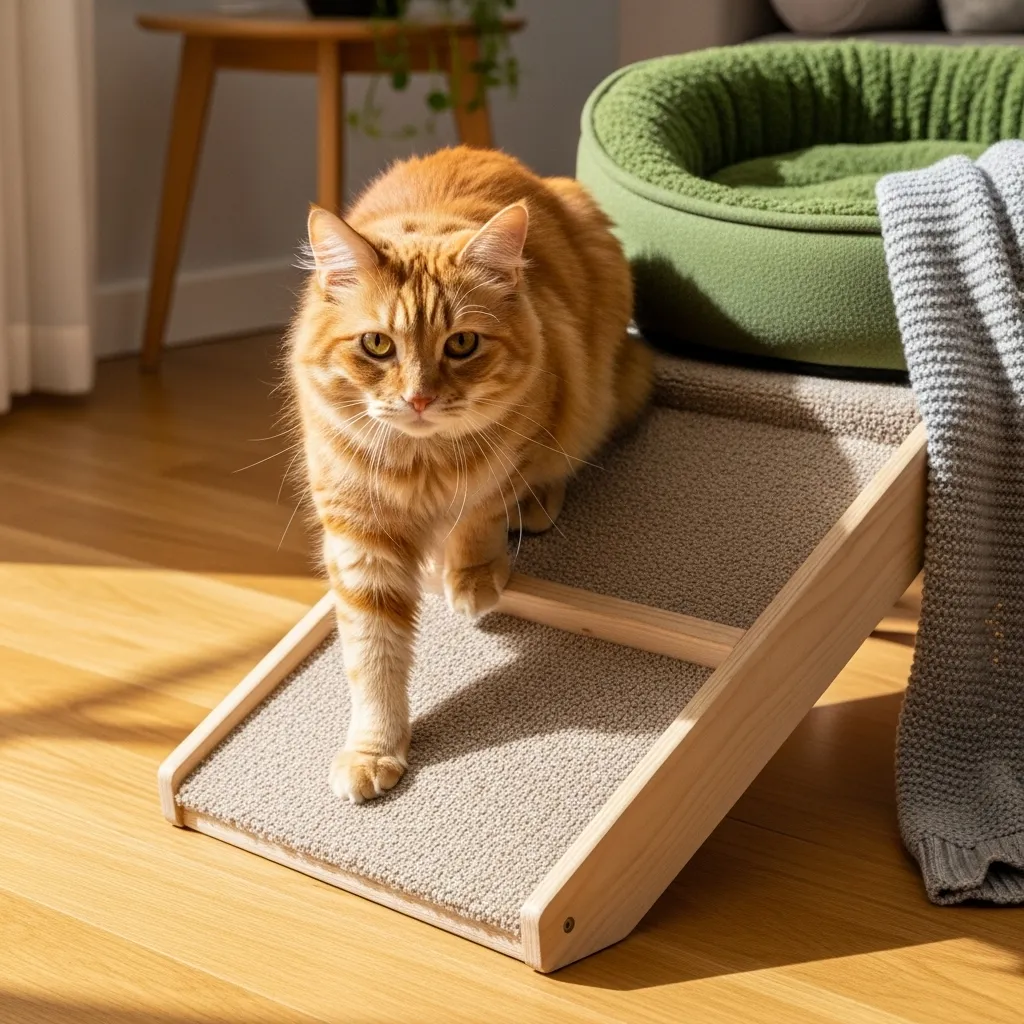
Mobility issues in senior cats, often from osteoarthritis, can limit independence but are manageable with solutions.
- Home Modifications: Install pet ramps or stairs for beds and windowsills; low-sided litter boxes prevent accidents.
- Exercise and Therapy: Gentle play with feather toys; consider hydrotherapy or massage for joint relief.
- Supplements and Meds: Glucosamine/chondroitin for cartilage support; vet-prescribed NSAIDs for pain.
- Weight Management: Keep BMI ideal (around 4-5/9 scale) to reduce joint stress.
Real example: A Munchkin with urinary issues improved dramatically with ramps check our Munchkin cat urinary issues guide.
Managing Feline Cognitive Dysfunction
Feline cognitive dysfunction (FCD), akin to Alzheimer’s, impacts memory and behavior in 28% of 11-14-year-olds and 50% over 15. Symptoms include disorientation (getting “lost” at home), altered sleep cycles, house soiling, and increased vocalization.
Treatment focuses on enrichment:
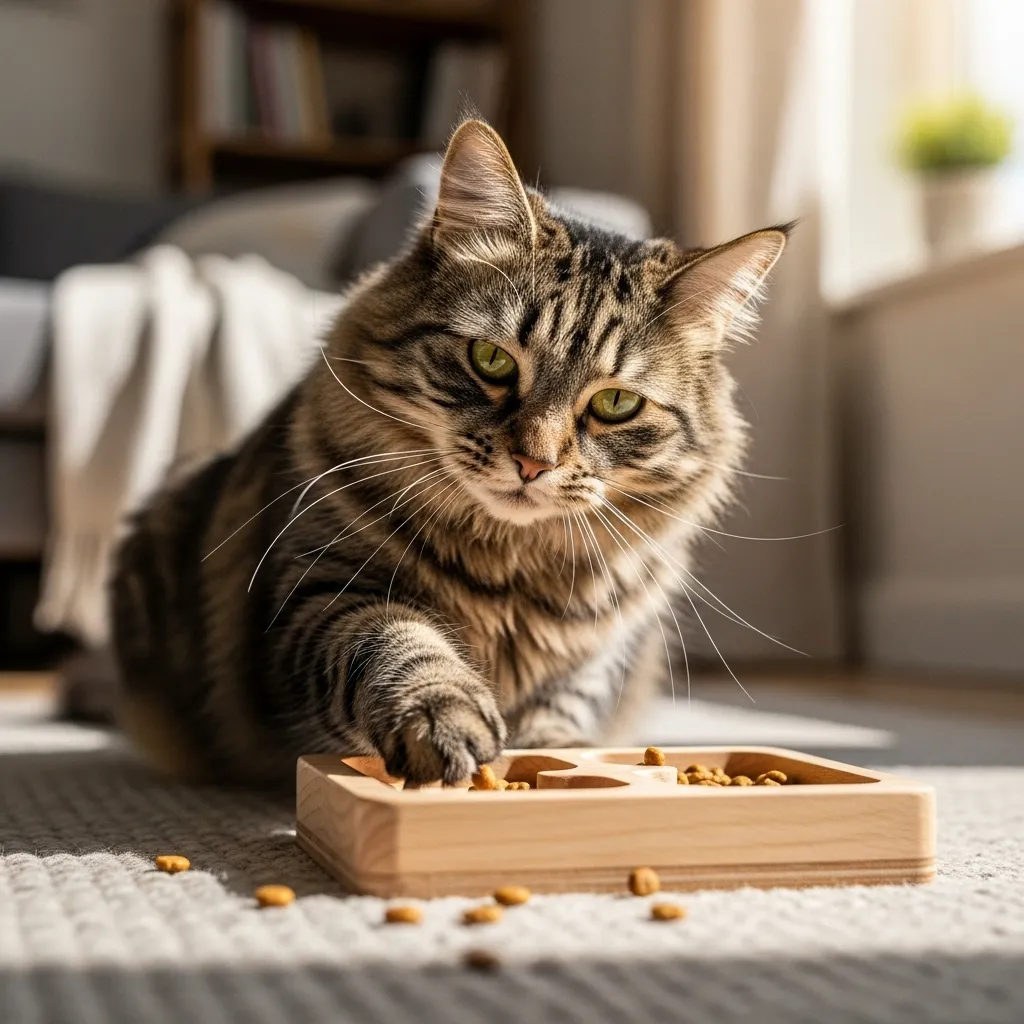
- Environmental Tweaks: Nightlights, consistent routines, and puzzle feeders to stimulate the brain.
- Diet and Supplements: Antioxidant-rich foods; selegiline meds for severe cases.
- Behavioral Support: Feliway diffusers reduce anxiety; interactive play maintains bonds.
If your cat stares blankly or meows at night, a vet can rule out other issues. For stress signs, our cat stress signs guide is invaluable.
The Role of Vet Care: What to Expect in a Senior Cat Wellness Exam
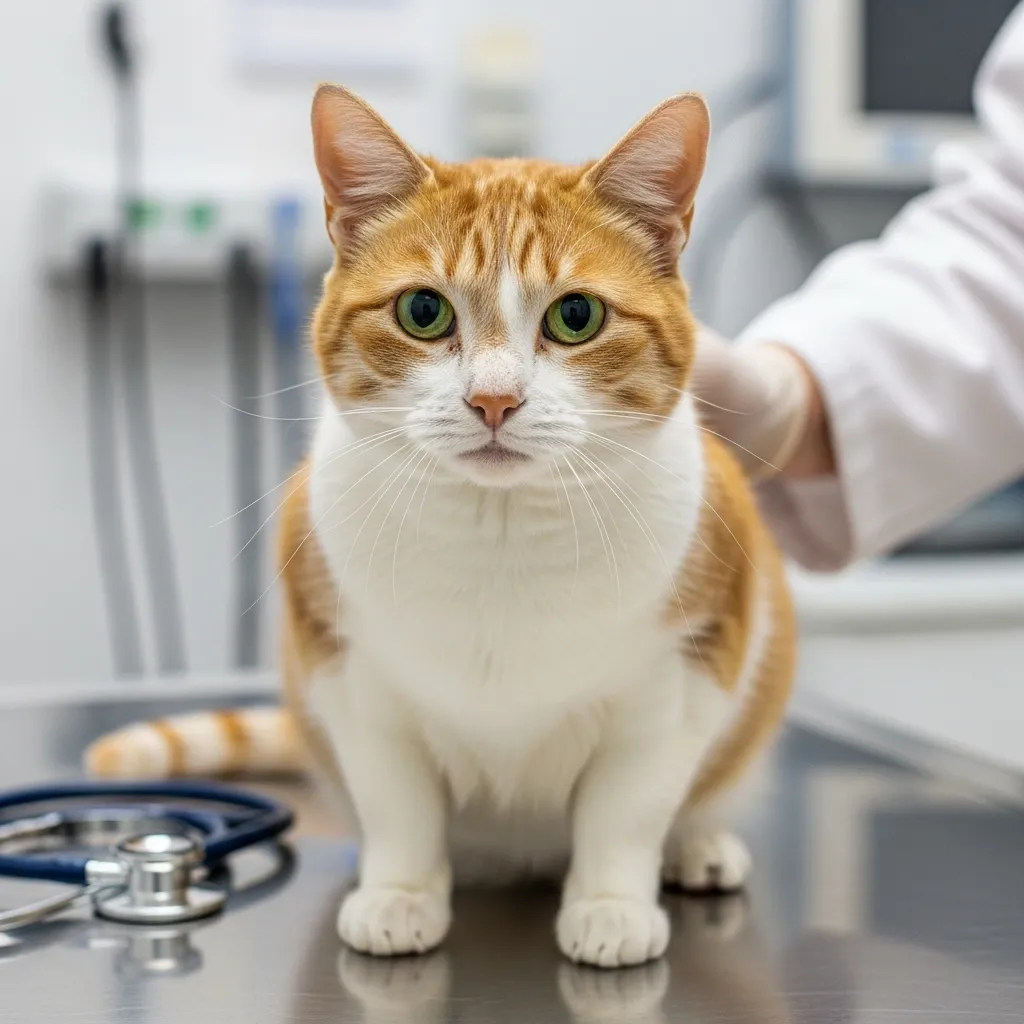
Regular vet visits are non-negotiable in elderly cat care—aim for twice-yearly starting at 7, per AVMA and AAFP. These exams catch issues early, extending life by up to 30%.
What Happens During the Exam
- Physical Check: Nose-to-tail assessment for lumps, joint pain, heart murmurs, and dental health.
- Diagnostics: Bloodwork (CBC, chemistry for kidney/thyroid), urinalysis, blood pressure, and sometimes X-rays.
- Discussions: Nutrition advice, pain management, and vaccine updates based on lifestyle.
Expect a 30-45 minute session; bring notes on behavior changes. For tips on easing visits, see our Siamese cat vet visits guide.
Breed-Specific Elderly Cat Care Insights
While general senior cat care applies universally, breeds have unique needs:
- Ragdolls: Prone to obesity; monitor weight closely (our Ragdoll cat obesity guide helps).
- Bengals: High energy fades slower, but watch for vomiting (see Bengal cat vomiting).
- Norwegian Forest Cats: Thick coats need extra grooming; check our Norwegian Forest cat grooming.
- Munchkins: Short legs amplify mobility woes; best beds for Munchkin cats can ease this.
Tailor care to their traits for optimal feline health.
FAQ: Common Questions on Senior Cat Care
When is a cat considered a senior?
Cats are typically seniors at 10-11 years, per AAFP guidelines, with super-senior status at 15+.
What are the signs of aging in cats?
Look for more sleep, mobility struggles, appetite changes, dental issues, and confusion—early vet checks are essential.
How to care for an older cat?
Focus on bi-annual exams, adapted nutrition, home modifications for mobility, and enrichment to prevent cognitive decline.
What is feline cognitive dysfunction?
A dementia-like condition causing disorientation and behavior changes; manage with diet, environment, and meds.
What low-phosphorus senior cat food is best in 2025?
Options like Royal Canin Aging 12+ or Hill’s Senior, with phosphorus under 0.5% for kidney support.
How to handle mobility issues in senior cats?
Use ramps, supplements, and weight control; consult vets for pain relief.
What happens in a senior cat wellness exam?
Includes physical exam, blood/urine tests, and discussions on diet and health twice yearly recommended.
Embracing the Golden Years: Final Thoughts on Senior Cat Care
Senior cat care isn’t about fighting time it’s about enriching it with love, comfort, and proactive steps. From spotting signs of aging in cats to implementing how to care for an older cat routines, you’ve now got the tools to make your feline’s later years their best. Remember, every adjustment, like a ramp or enzyme-rich meal, adds to their happiness.
Ready for more? Explore our cat health care or spaying a cat guide to keep your kitty thriving. At Cat Bloom Haven, we’re passionate about every stage of cat life—share your senior cat stories in the comments!