Spaying a Cat: Your Complete Guide to the Procedure and Care
Spaying a cat is a common surgical procedure that offers numerous advantages for both felines and their owners. This guide explores everything you need to know about cat spaying, from the procedure itself to recovery and long-term health impacts. Whether you’re considering spaying your kitten or adult cat, understanding the process can help you make informed decisions for your pet’s well-being.

When to Spay a Cat
Timing is key when deciding when to spay a cat. Veterinarians often recommend spaying kittens between 6 and 8 weeks of age, though many prefer waiting until the cat is around 4 to 6 months old, before their first heat cycle. Early spaying can prevent unwanted behaviors like yowling or marking, and it may reduce the risk of certain health issues later in life. For adult cats, spaying can still be performed safely, but consulting with a vet to assess your cat’s health is crucial. The ideal time depends on your cat’s age, health, and lifestyle.
Benefits of Spaying a Cat
Spaying a cat provides significant benefits that enhance their quality of life. It eliminates the risk of uterine infections, such as pyometra, and significantly reduces the chances of mammary gland tumors, especially if done before the first heat cycle. Spaying also prevents unwanted litters, helping to control the pet population and reduce the number of stray cats. Additionally, spayed cats often exhibit fewer behavioral issues, such as aggression or roaming, leading to a calmer and more predictable temperament.
Understanding the Spay Cat Procedure
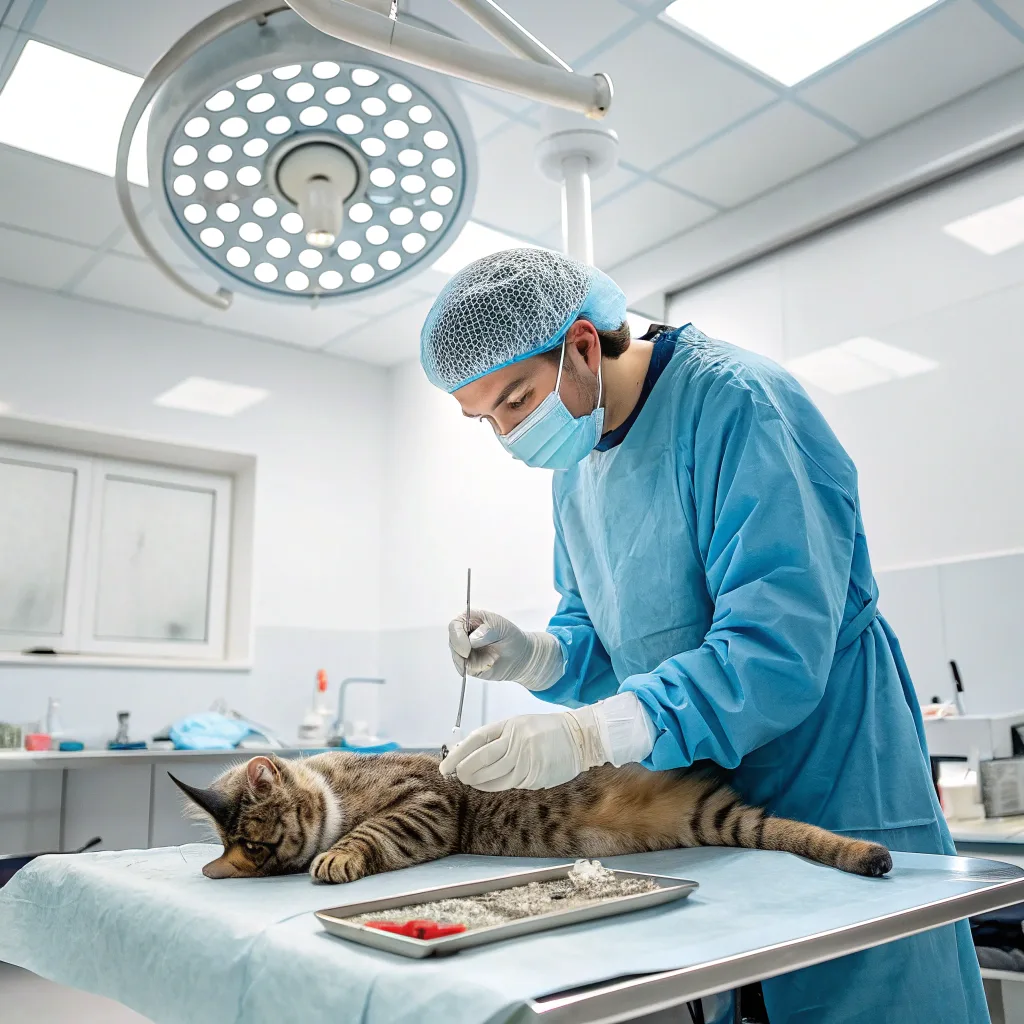
The spay cat procedure, also known as an ovariohysterectomy, involves the removal of a female cat’s ovaries and uterus under general anesthesia. Typically, the surgery takes about 30 to 60 minutes. The veterinarian makes a small incision in the abdomen, removes the reproductive organs, and closes the incision with sutures. Most cats are sent home the same day, though some may require overnight monitoring. Knowing what to expect during the procedure can ease any concerns about your cat’s safety and comfort.
Cat Spaying Recovery: What to Expect
Cat spaying recovery usually takes about 7 to 14 days. During this time, your cat may be groggy or less active for the first day or two due to anesthesia. Keep your cat in a quiet, comfortable space to prevent jumping or rough play, which could strain the incision site. Monitor the incision for signs of redness, swelling, or discharge, and contact your vet if anything seems unusual. Providing proper cat surgery care, such as limiting activity and ensuring they eat and drink normally, is essential for a smooth recovery.

Potential Risks and Side Effects of Spaying
While the spay cat procedure is generally safe, there are potential risks to be aware of. Complications, though rare, may include reactions to anesthesia, infection, or internal bleeding. Some cats may experience temporary side effects like lethargy or mild discomfort post-surgery. Long-term, spayed cats may have a slightly increased risk of weight gain, so monitoring their diet is important. Discussing these risks with your veterinarian can help you weigh the benefits against any concerns.
How to Tell If a Cat Is Spayed
Determining whether a cat is already spayed can be tricky. Look for a small scar on the abdomen, typically near the midline, though it may fade over time. Some spayed cats have an ear notch or tattoo, often done at shelters to indicate the procedure. If you’re unsure, a veterinarian can perform an ultrasound or exploratory surgery to confirm. Knowing your cat’s spay status is important, especially if you’ve adopted a stray or rescue cat.
Cost of Spaying a Cat
The cost of spaying a cat varies depending on factors like location, the vet’s experience, and whether additional services, such as bloodwork or pain medication, are included. On average, spaying costs range from $50 to $300. Low-cost clinics or shelters may offer discounted rates, especially for kittens or adopted cats. While the upfront cost may seem significant, the long-term benefits of spaying, including reduced medical expenses and behavioral issues, often outweigh the initial investment.

Spaying vs Neutering Cats: What’s the Difference?
Spaying and neutering are both sterilization procedures, but they differ based on the cat’s sex. Spaying a cat involves removing the female’s ovaries and uterus, while neutering refers to castrating a male cat by removing the testicles. Both procedures prevent reproduction and offer similar health and behavioral benefits, such as reducing the risk of certain cancers and curbing territorial behaviors. Understanding the distinction helps clarify which procedure is appropriate for your cat.
Cat Health After Spaying
Cat health after spaying generally improves due to the reduced risk of reproductive-related diseases. Spayed cats are less likely to develop mammary tumors or uterine infections, and they often live longer, healthier lives. However, spaying can slow a cat’s metabolism, so maintaining a balanced diet and regular exercise is key to preventing obesity. Regular veterinary checkups ensure your cat stays healthy post-surgery, addressing any concerns early.
Spaying Kittens: Special Considerations
Spaying kittens requires extra care due to their small size and developing bodies. Early-age spaying, often done at shelters, is safe for kittens as young as 6 weeks, provided they weigh at least 2 pounds. The procedure is similar to that for adult cats, but recovery may be faster due to their resilience. Ensure kittens receive proper cat surgery care, including a warm, quiet recovery space and a diet suited to their growth needs.

Post-Spay Care Tips for Cats
Effective post-spay care for cats promotes healing and prevents complications. Keep your cat indoors and restrict activity for at least 7 to 10 days to protect the incision. Use an Elizabethan collar (cone) if your cat tries to lick or scratch the surgical site. Offer small, frequent meals initially to avoid upsetting their stomach, and ensure fresh water is always available. Follow your vet’s instructions for any medications, and schedule a follow-up visit to confirm proper healing.
Frequently Asked Questions
How long does spay surgery take for a cat?
The spay cat procedure typically lasts 30 to 60 minutes, depending on the cat’s size and the veterinarian’s technique. Recovery from anesthesia may take a few hours.
Are there any long-term health benefits to spaying a cat?
Yes, spaying reduces the risk of mammary tumors, uterine infections, and unwanted litters, contributing to a longer, healthier life.
When is the best time to spay a kitten?
Kittens can be spayed as early as 6 to 8 weeks, but many vets recommend 4 to 6 months, before the first heat cycle, for optimal health benefits.
What should I do if my cat’s incision looks red or swollen?
Contact your veterinarian immediately. Redness or swelling could indicate an infection or other complication requiring prompt attention.
Conclusion
Spaying a cat is a responsible choice that enhances your pet’s health, behavior, and longevity while helping control the pet population. From understanding the spay cat procedure to ensuring proper cat spaying recovery, being informed empowers you to provide the best care for your feline friend. Consult with your veterinarian to determine the right timing and approach for your cat, and enjoy the peace of mind that comes with making a positive decision for their future.