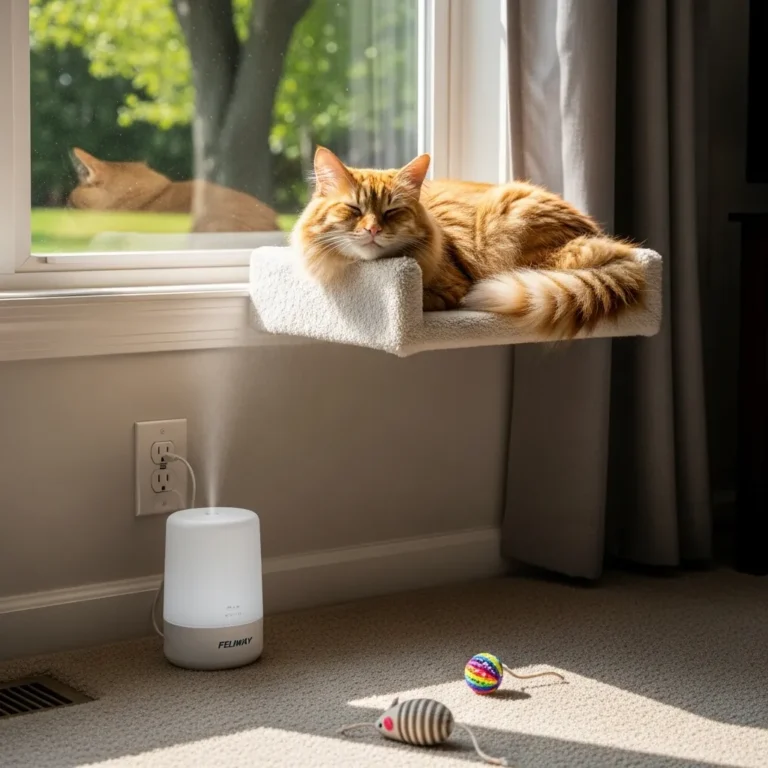
Why Does My Cat Guard My Bedroom Door? 9 Surprising Reasons Explained
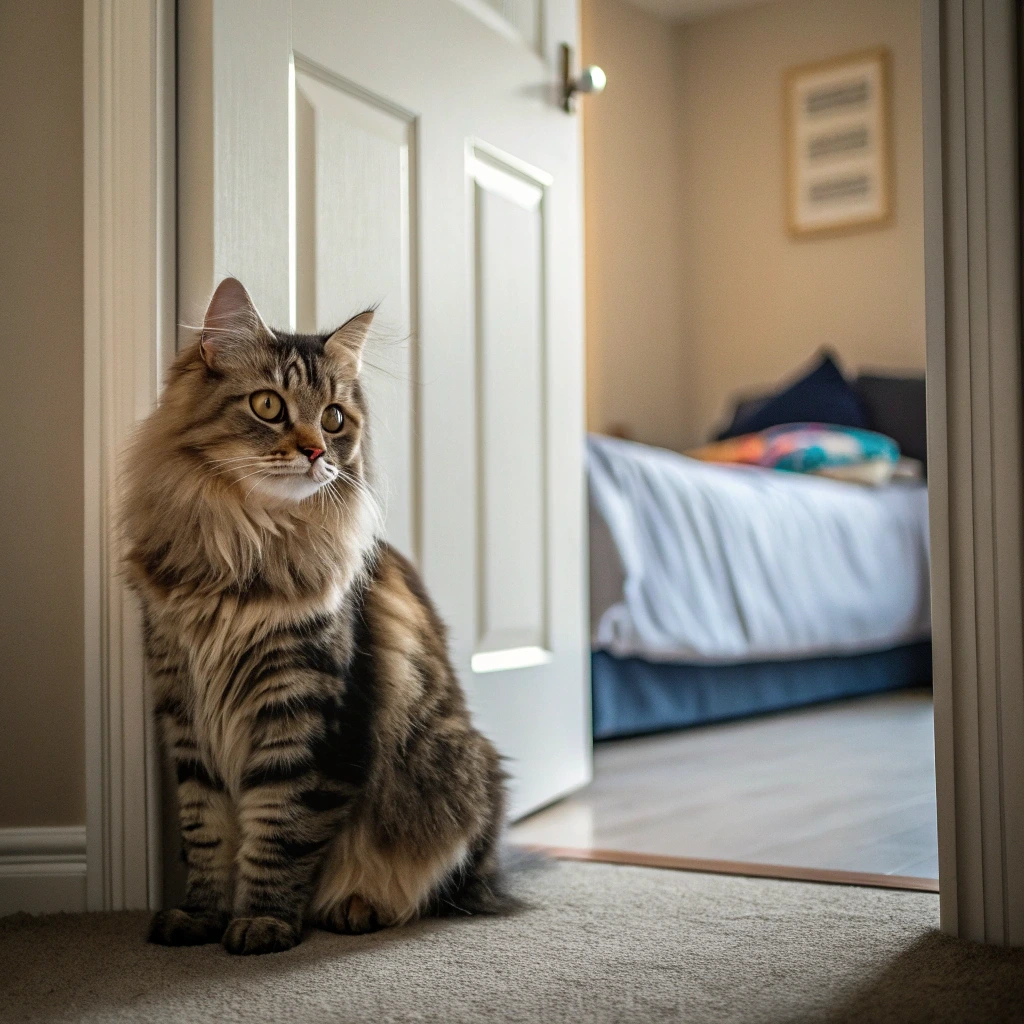
Cats are fascinating creatures with behaviors that often leave us curious. If you’ve noticed your cat guarding your bedroom door, sitting like a furry sentinel or pacing nearby, you’re not alone. This quirky habit can stem from a variety of instincts and emotions. Let’s explore nine common reasons behind cat guarding bedroom door behavior, shedding light on cat psychology and understanding cat behavior.
Why Is My Cat Guarding My Bedroom Door?
When your cat stations itself by your bedroom door, it’s not just being cute or quirky—it’s acting on instinct, emotion, or habit. From cat territorial behavior to cat protective behavior, here are the top reasons your feline friend might be playing gatekeeper.
1. Territorial Instincts at Play
Cats are naturally territorial creatures. Your bedroom, where you spend hours sleeping or relaxing, is likely a core part of their domain. By guarding the door, your cat is staking its claim, ensuring no other pets (or even humans) encroach on this sacred space. This cat territorial behavior is especially common in multi-pet households where your cat may feel the need to assert dominance.

2. Protective Instincts Toward You
Ever feel like your cat is your personal bodyguard? Cat protective behavior can explain why your feline stands watch at your bedroom door. Cats often form strong bonds with their owners, and guarding you while you sleep might be their way of ensuring your safety. If your cat is guarding me (or you!), it’s a sign of loyalty and affection.
3. Seeking Your Attention
Cats are masters at getting what they want, and guarding your bedroom door might be a bid for attention. If your cat knows you’re likely to notice them when entering or leaving the room, they’ll park themselves there, hoping for pets, playtime, or treats. This is especially true if your cat follows you around the house—a classic case of cat following owner.
4. Anxiety or Stress Responses
Sometimes, cat guarding bedroom door behavior stems from anxiety or fear. Changes in the household, like new pets, guests, or loud noises, can make your cat feel unsettled. Guarding the door might be their way of controlling their environment or staying close to you for comfort. Understanding cat psychology can help you identify stress triggers and soothe your feline friend.
5. Establishing a Routine
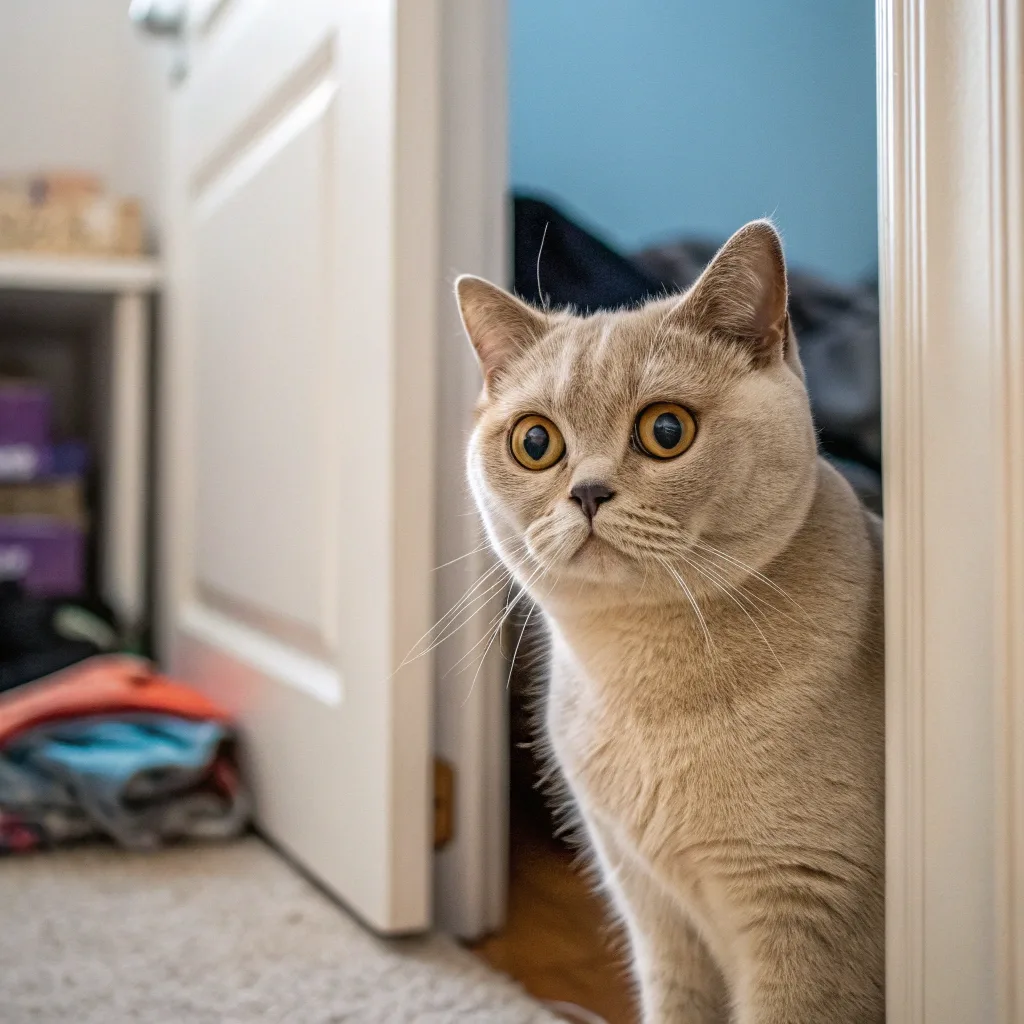
Cats thrive on routine. If your cat has made a habit of sitting by your bedroom door, it could simply be part of their daily rhythm. Maybe they associate the door with you emerging for breakfast or playtime. This cat behavior often becomes a ritual, especially for cats who love predictability.
6. Bonding Through Proximity
Your cat might guard your bedroom door as a way to stay close to you. Cat following owner behavior often reflects their desire to bond. By lingering near your door, they’re ensuring they’re never too far from their favorite human. This is especially common in cats who see you as their primary source of affection and security.
7. Tapping Into Hunting Instincts
Cats are natural hunters, and guarding a doorway can mimic stalking prey. Your bedroom door might be a strategic spot where they can “patrol” or keep an eye on the household. This ties into cat psychology, where their predatory instincts drive them to monitor entrances and exits, ready to pounce if needed.
8. Curiosity About What’s Inside
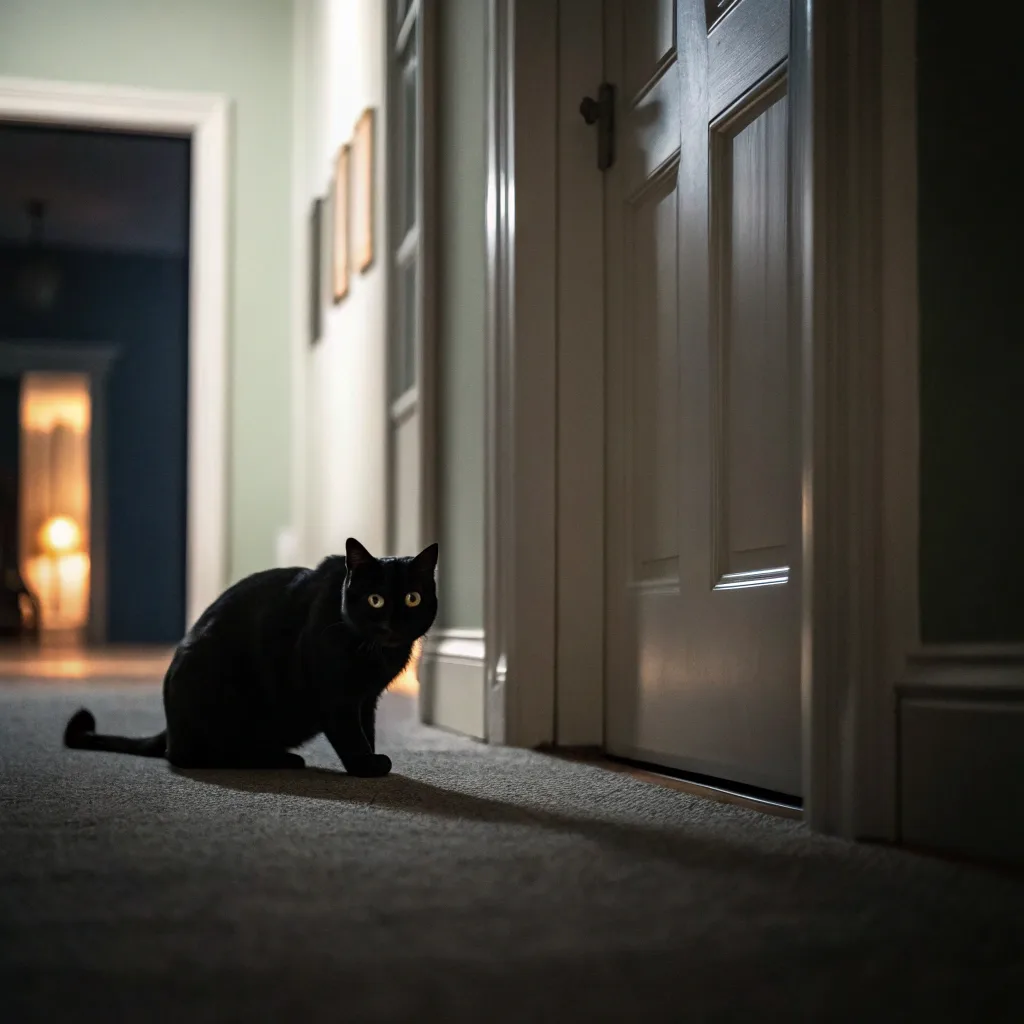
Cats are endlessly curious. If your bedroom door is closed, your cat might guard it out of sheer curiosity about what’s happening on the other side. They may hear sounds, smell scents, or simply want to explore the space. This understanding cat behavior helps explain why they seem so fixated on doors that separate them from you.
9. Claiming Resources
Your bedroom likely holds valuable resources in your cat’s eyes—your bed, your scent, or even their favorite blanket. By guarding the door, they’re ensuring no one else (like another pet) claims these prized possessions. This cat territorial behavior is all about securing what they see as theirs.
How to Respond to Your Cat’s Door-Guarding Behavior
Understanding why your cat guards your bedroom door is the first step. Here are a few tips to manage or encourage this behavior, depending on your goals:
- Provide Enrichment: If curiosity or boredom is the cause, offer toys, scratching posts, or interactive games to keep your cat engaged.
- Create Safe Spaces: For anxious cats, ensure they have quiet areas to retreat to, reducing their need to guard doors out of stress.
- Reinforce Bonding: Spend quality time with your cat to satisfy their need for attention or closeness, reducing cat following owner tendencies.
- Check for Stressors: Look for changes in your home that might trigger cat protective behavior or anxiety, like new pets or loud noises.
- Consult a Vet: If the behavior seems obsessive or is paired with other unusual signs, a vet can rule out health issues influencing cat psychology.

Final Thoughts on Cat Guarding Behavior
Your cat’s habit of guarding your bedroom door is a window into their instincts, emotions, and unique personality. Whether it’s cat territorial behavior, a desire to bond, or simply curiosity, these actions show how deeply cats connect with their environment and their owners. By understanding cat behavior, you can better respond to their needs, creating a happier, more harmonious home for both of you.
Have you noticed your cat guarding other areas of the house? Share your experiences in the comments below, and let’s unravel the mysteries of our feline friends together!
Must-Have Cat Essentials for a Happy Feline
To keep your cat content and reduce door-guarding habits, consider investing in:
- Interactive toys to satisfy hunting instincts.
- Cozy beds for a sense of security.
- Scratching posts to mark their territory.
Contact With Us
Got questions about cat guarding me or other quirky behaviors? Drop a comment or reach out to join our community of cat lovers!