Cat Zoomies: Why Your Feline Suddenly Turns Into a Furry Tornado (And What to Do About It)
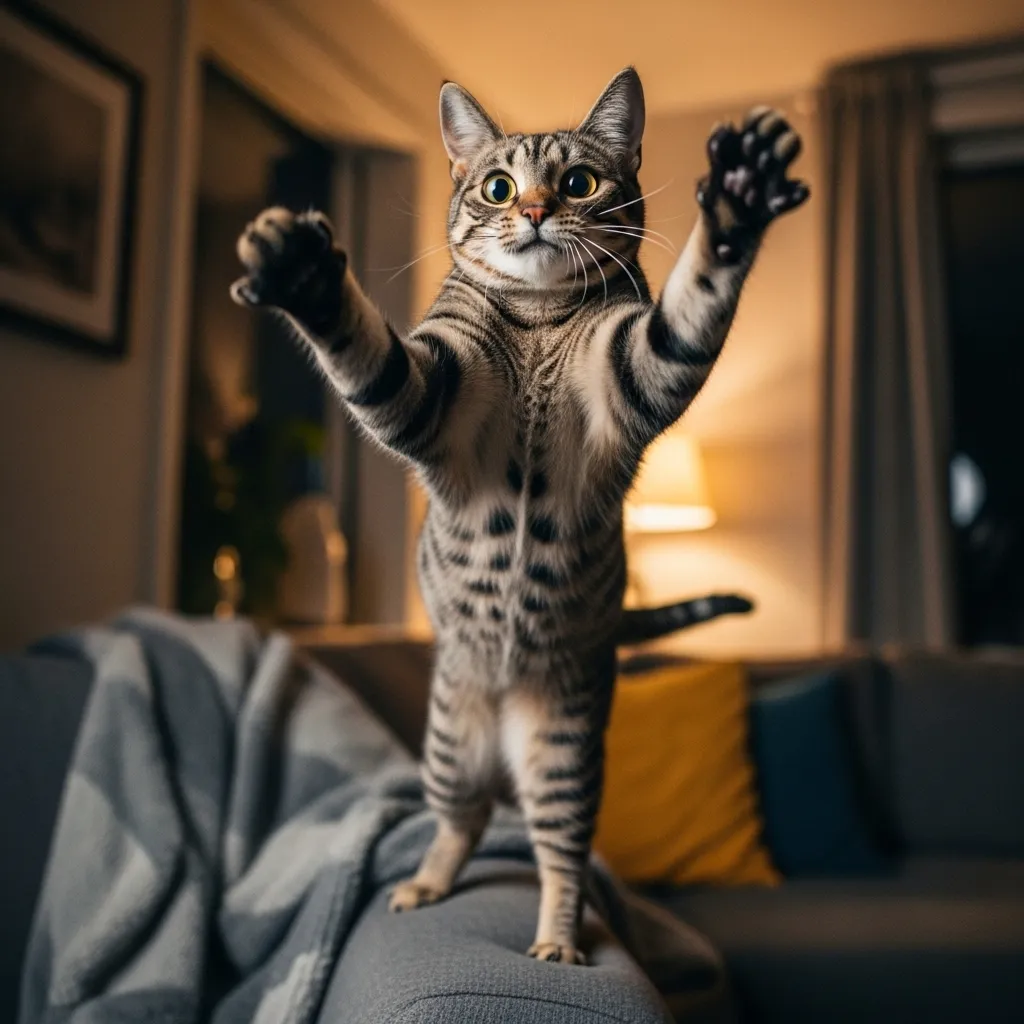
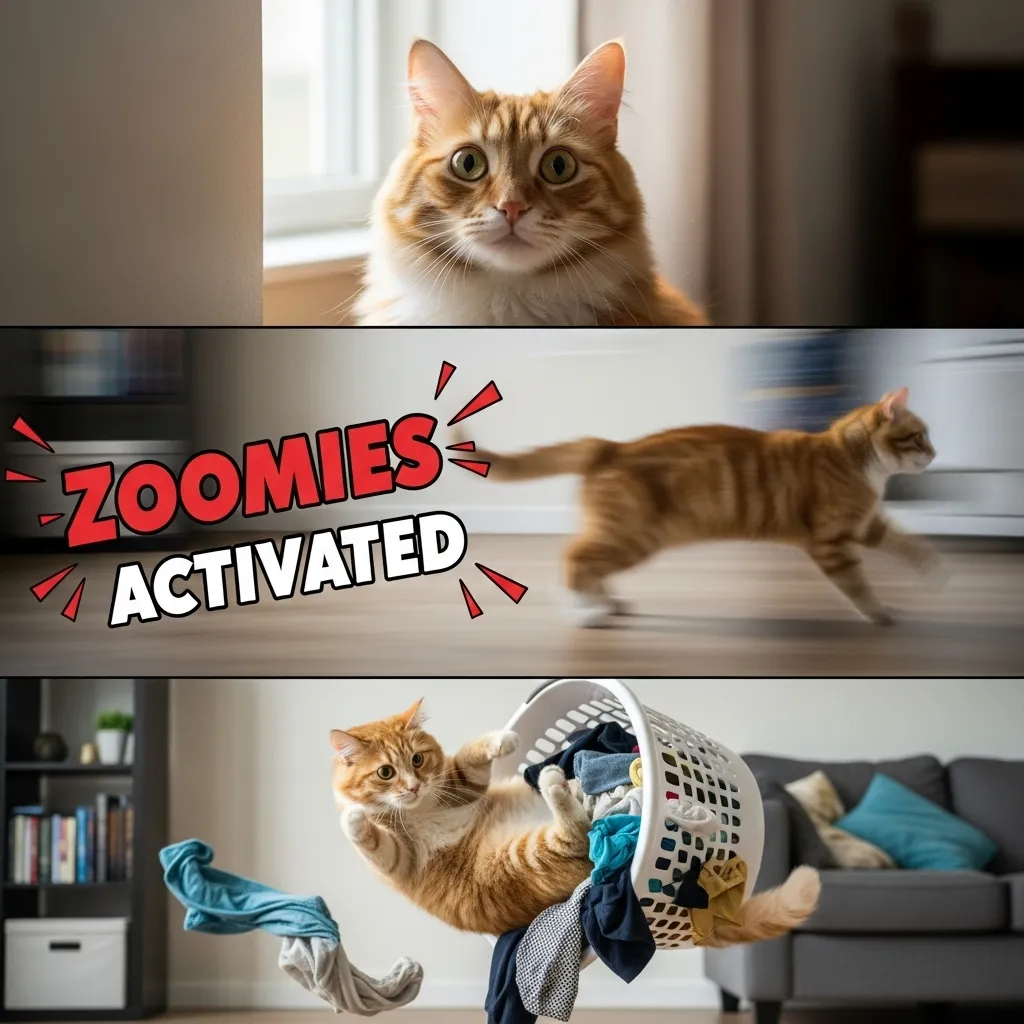
Picture this: It’s 2 a.m., the house is silent, and suddenly thump, thump, THUD your cat rockets across the hallway like a caffeinated missile, ricochets off the couch, and vanishes under the bed in a blur of fur and chaos. You blink, heart racing, wondering, “Why is my cat hyper all of a sudden?” If this scene feels familiar, congratulations you’ve just witnessed the legendary cat zoomies.
Also known as the “midnight crazies,” “feline frenzy,” or that moment your cat decides the laws of physics don’t apply, cat zoomies are one of the most entertaining and sometimes frustrating behaviors in feline life. But here’s the good news: they’re completely normal, deeply rooted in instinct, and usually nothing to worry about.
In this ultimate guide from Cat Bloom Haven, we’re diving deep into everything you need to know about cat zoomies—from the science behind that sudden burst of energy in cats, to why your kitty goes full cat hyper at 3am, to proven ways to channel that energy without losing your sanity (or your sleep).
Key Takeaways (Skip Ahead If You’re in a Hurry):
- Cat zoomies are instinctual energy releases, not signs of distress.
- Most common in young, indoor, or understimulated cats.
- Nighttime zoomies often stem from crepuscular (dawn/dusk) hunting instincts.
- Diet, boredom, and even post-litter box rituals can trigger zoomies.
- Enrichment, routine, and playtime are your best tools for management.
Ready to decode your cat’s inner cheetah? Let’s go.
What Are Cat Zoomies, Anyway?
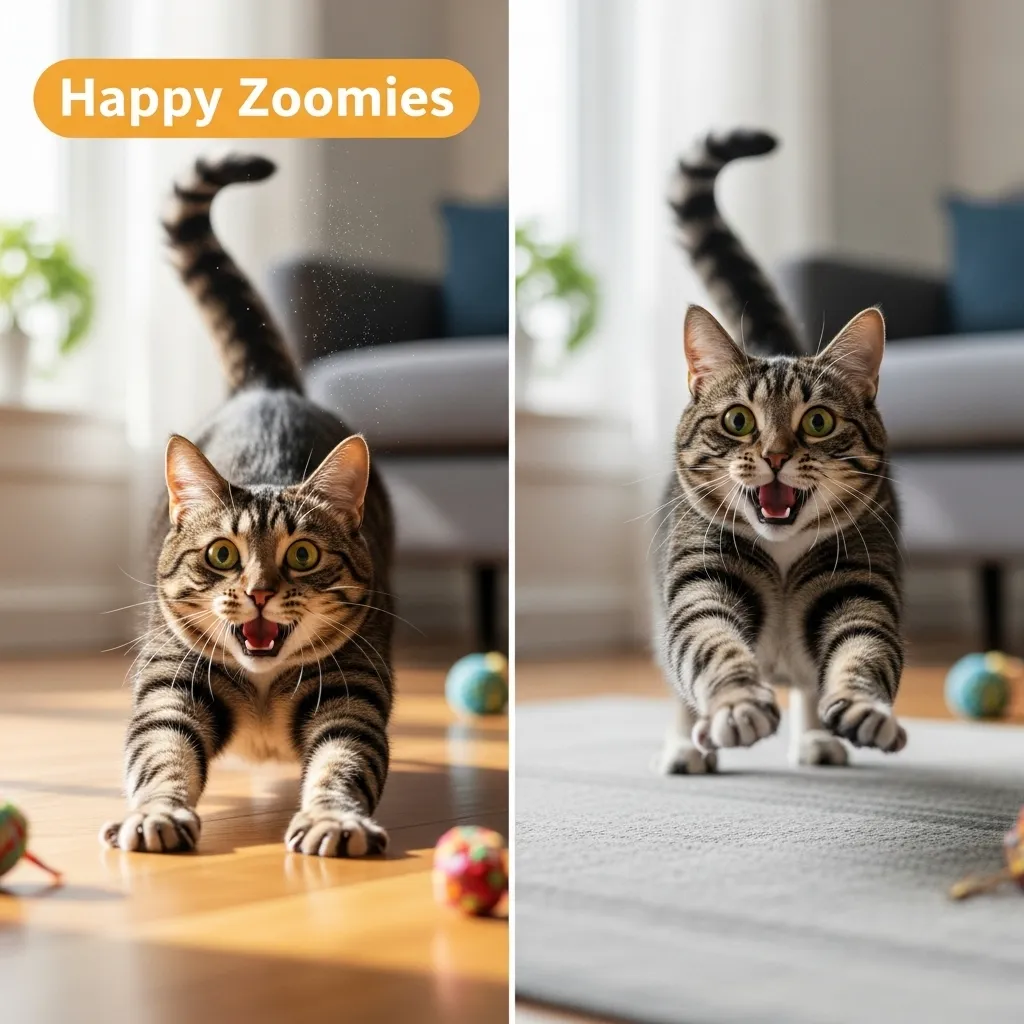
Zoomies meaning in cats: A spontaneous, high-speed burst of running, jumping, leaping, and sometimes vocalizing that seems to come out of nowhere.
Veterinarians and behaviorists call this Feline Random Activity Periods (FRAPs)—a fancy term for what looks like your cat temporarily losing their mind in the best way possible.
“Think of zoomies as your cat’s version of a sprint workout after sitting on the couch all day,” says Dr. Emily Chen, DVM, feline behavior specialist. “It’s not random—it’s biology.”
Unlike dogs, who often get zoomies after baths or during play, cats get zoomies for more subtle, instinct-driven reasons. And yes—do cats get zoomies like dogs? Absolutely. But feline versions tend to be stealthier, faster, and more acrobatic.
Quick Signs Your Cat Is About to Zoom:
- Dilated pupils (even in dim light)
- Ears flicking back and forth
- Tail puffed or twitching rapidly
- Sudden freeze, then explosion of movement
Why Do Cats Get Zoomies? The Top 7 Triggers
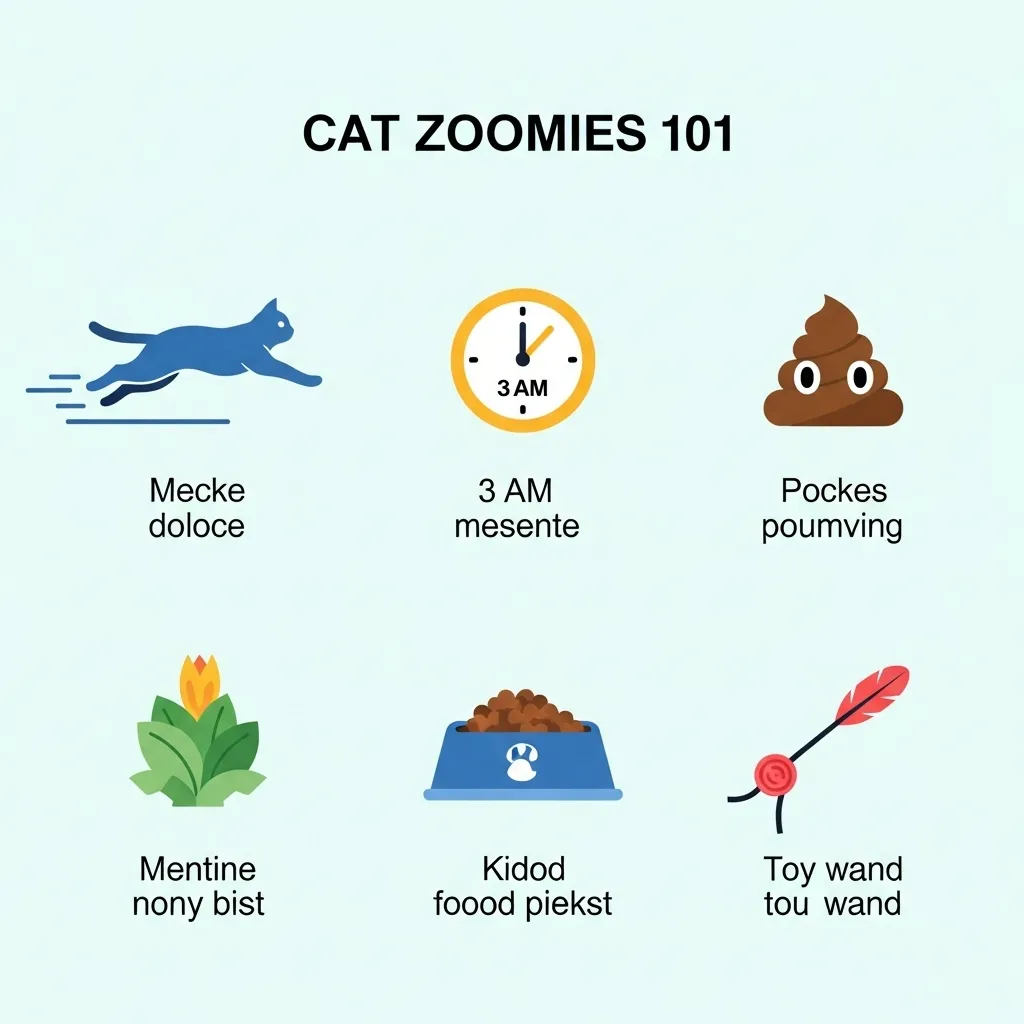
Let’s break down the most common reasons behind cat running around the house like a furry tornado.
1. Pent-Up Energy (The #1 Culprit for Indoor Cats)
Indoor cats sleep 12–16 hours a day—but they’re not lazy. They’re conserving energy for hunting bursts, just like their wild ancestors.
Without enough playtime for indoor cats, that stored energy has to go somewhere. Enter: zoomies.
Pro Tip: A 10-minute interactive play session twice daily can cut zoomies by up to 70%, according to a 2023 study in Journal of Feline Medicine.
Best Toys for Burning Energy:
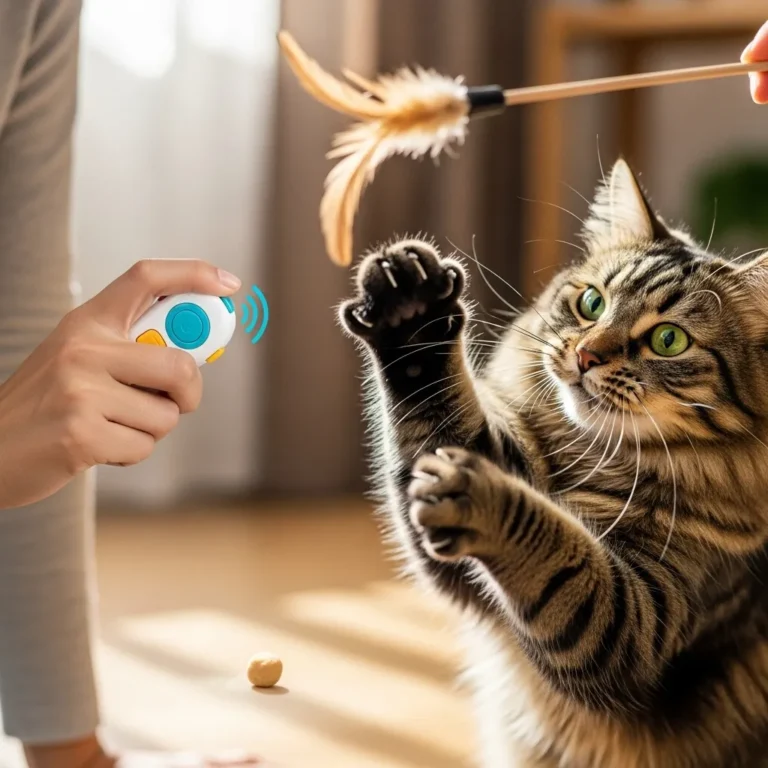
- Wand teasers with feathers or strings
- Laser pointers (used safely—end on a “catch”)
- Motorized mice or balls
- Puzzle feeders that make them “hunt” for kibble
Explore our full guide on cat playtime tips for breed-specific ideas.
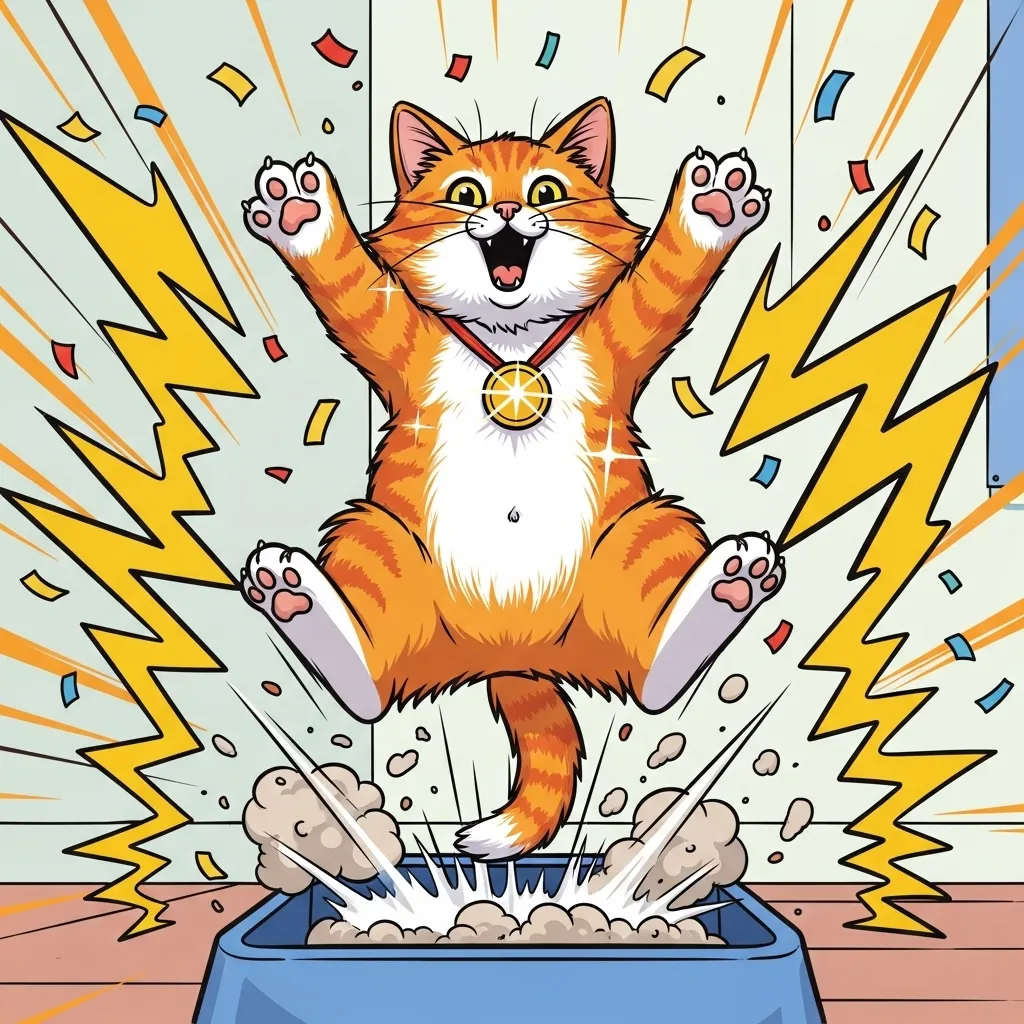
2. Post-Poop Victory Lap (Yes, Really)
Ever notice your cat sprinting out of the litter box like they just won the Olympics?
This is called the post-elimination zoomie—and it’s more common than you think.
Why my cat goes crazy after litter box: Eliminating stimulates the vagus nerve, which triggers a euphoric “I feel amazing!” response. Combine that with the instinct to flee from predators (who might smell their waste), and boom—zoomies.
Fun Fact: Bengal cats are especially prone to this. Learn more in our Bengal cat personality guide.
3. Crepuscular Instincts: Why Cat Zoomies at Night Are So Common
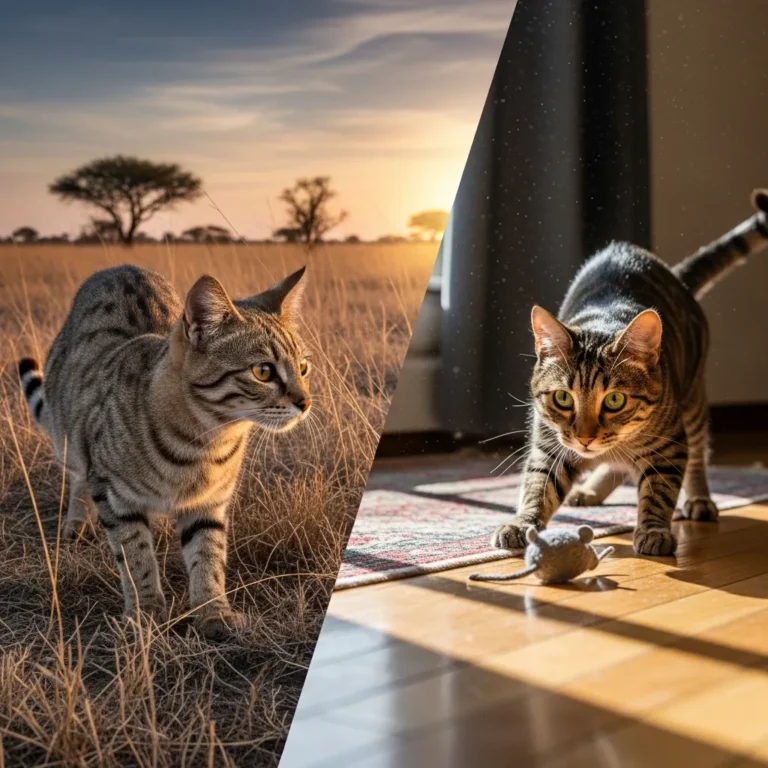
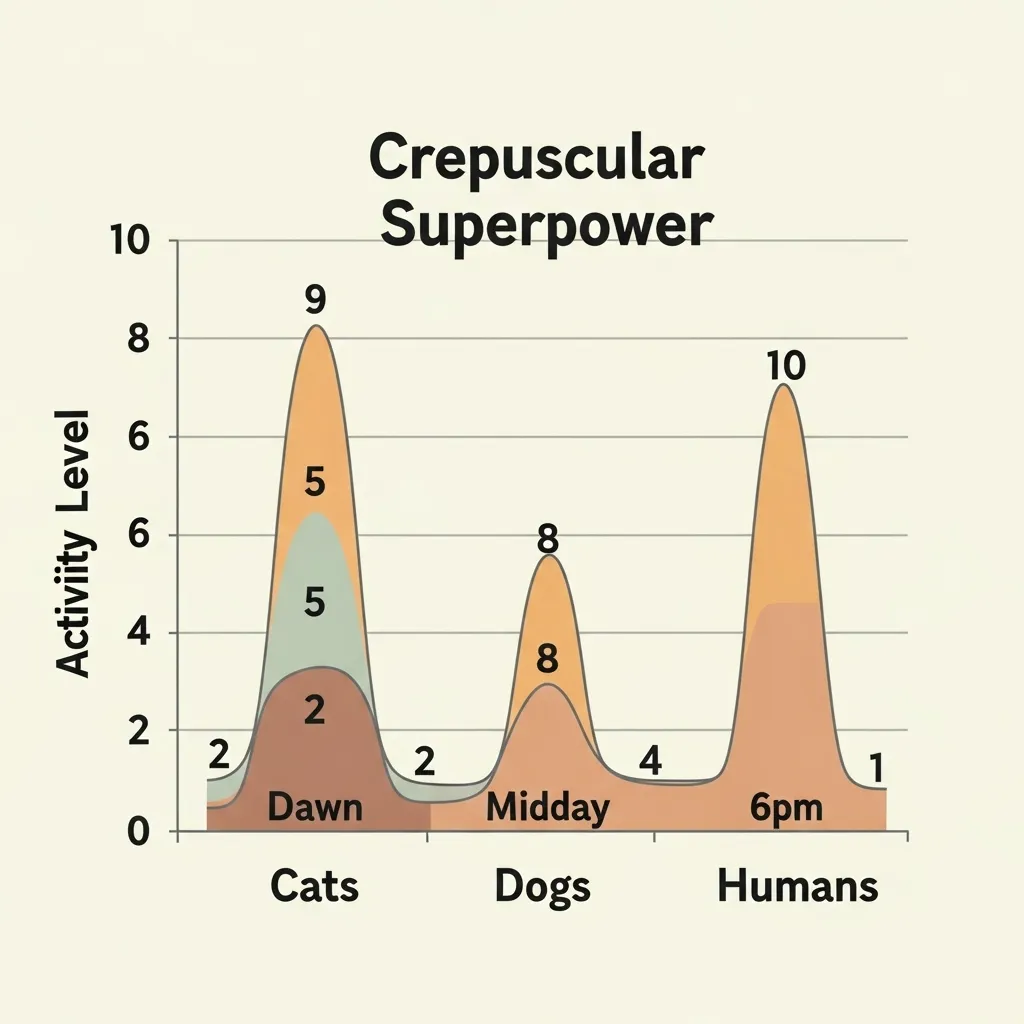
Cats are crepuscular—most active at dawn and dusk. That’s when wild prey (mice, birds) are moving.
Even your pampered house cat has this hardwired clock. So when the sun sets, their inner hunter wakes up—even if dinner was an hour ago.
Cat acting crazy at night? Blame biology, not spite.
How to Shift Their Schedule:
- Feed largest meal 1–2 hours before your bedtime
- Dim lights gradually after 8 p.m.
- Use automatic feeders for a 5 a.m. “breakfast” to reset their clock
4. Diet & Digestion: The Surprising Role of Food
Cat hyper after eating isn’t just excitement—it’s physiology.
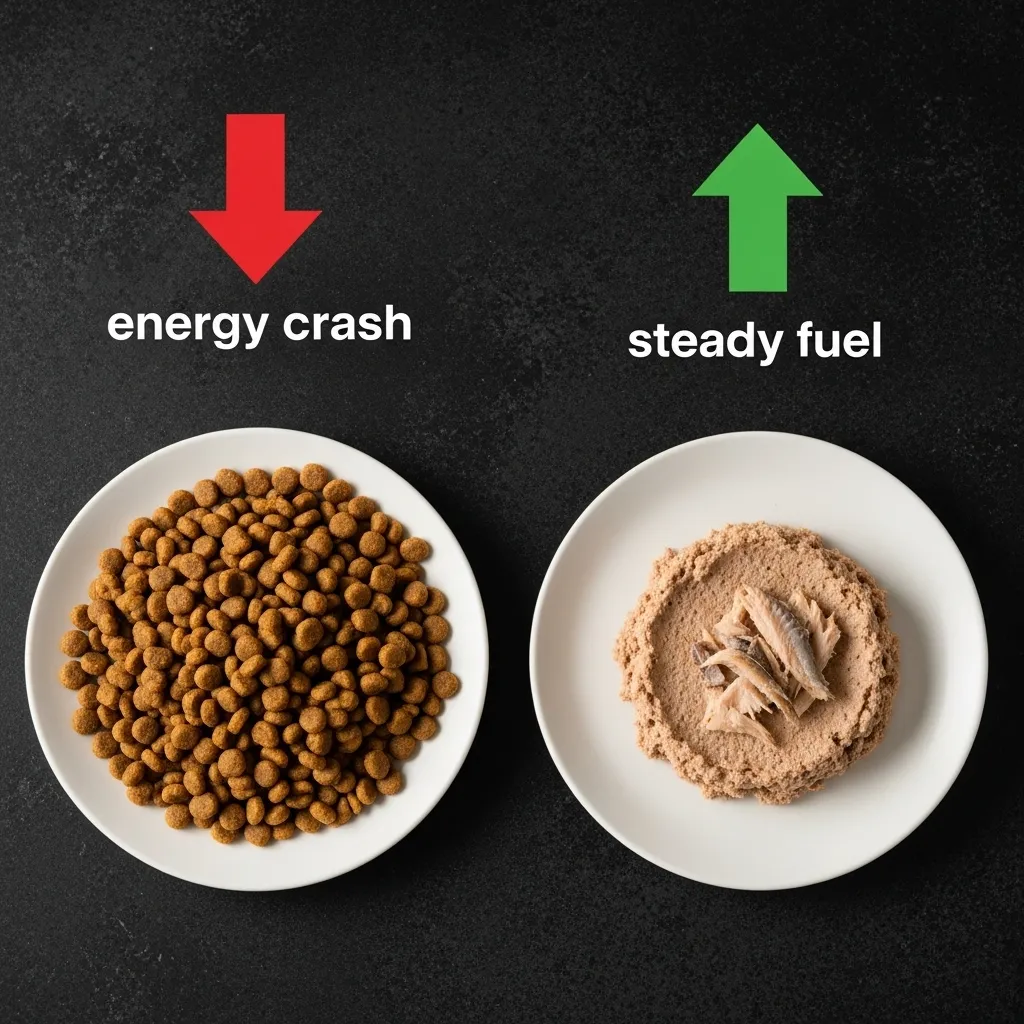
High-carb kibble causes blood sugar spikes, leading to energy crashes and rebounds. Protein-rich meals? Steady energy.
Worst Offenders for Zoomies:
- Dry food with >40% carbs
- Treats high in sugar or grains
- Inconsistent feeding times
Better Choices:
- Wet food with 8–10% carbs
- Scheduled meals (2–3x daily)
- Freeze-dried raw treats as rewards
Check out our best wet cat food recommendations for hyper cats.
5. Boredom & Lack of Mental Stimulation
A bored cat is a zooming cat.
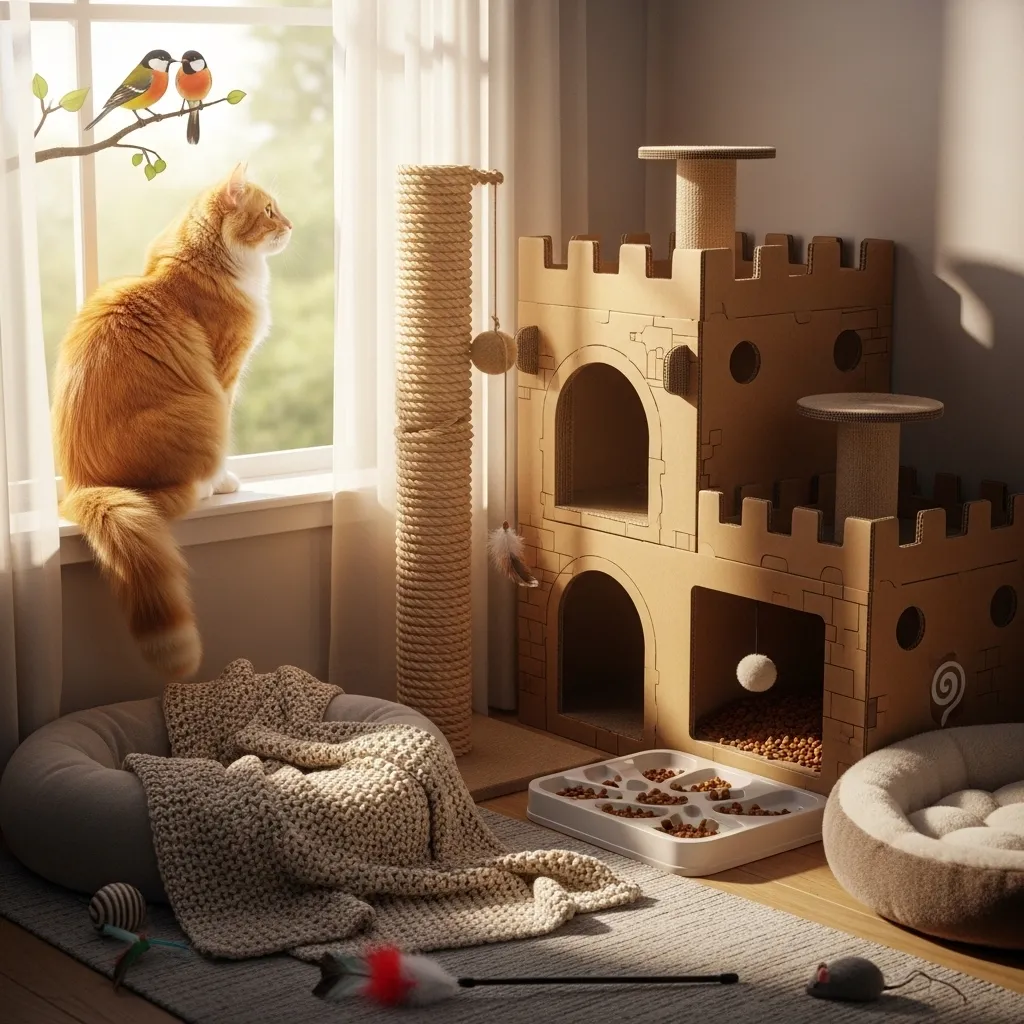
Cat enrichment ideas are your secret weapon:
- Window perches with bird feeders outside
- Cardboard box “forts” rotated weekly
- Food puzzles (beginner to advanced)
- Cat TV (YouTube for cats—yes, it’s a thing)
“Mental stimulation is as critical as physical exercise,” says certified cat behaviorist Sarah Johnson. “A cat solving a puzzle is a cat too busy for 3 a.m. sprints.”
6. Stress, Anxiety, or Overstimulation
Wait—cat zoomies vs anxiety? How can you tell?
Healthy Zoomies:
- Playful body language
- Happens in familiar spaces
- Ends with grooming or napping
Anxiety-Driven Zoomies:
- Tail lashing, ears pinned
- Hiding afterward
- Triggered by loud noises, visitors, or change
Red Flags to Watch For:
- Zoomies + aggression
- Excessive grooming or hair loss
- Avoiding litter box or food
If in doubt, film the behavior and show your vet. Learn how to prep for vet visits.
7. Age, Breed, and Personality Play a Role
Kitten zoomies = expected. Senior cat zoomies = concerning.

Breeds Prone to High Energy:
| Breed | Zoomie Risk | Notes |
|---|---|---|
| Bengal | ★★★★★ | “Zoomies on steroids” |
| Siamese | ★★★★☆ | Vocal + hyper |
| Abyssinian | ★★★★☆ | Curious runners |
| American Shorthair | ★★★☆☆ | Playful but chill see playful personality guide |
How to Calm a Hyper Cat (Without Losing Your Mind)
You can’t stop zoomies entirely—and you shouldn’t want to. But you can manage them.
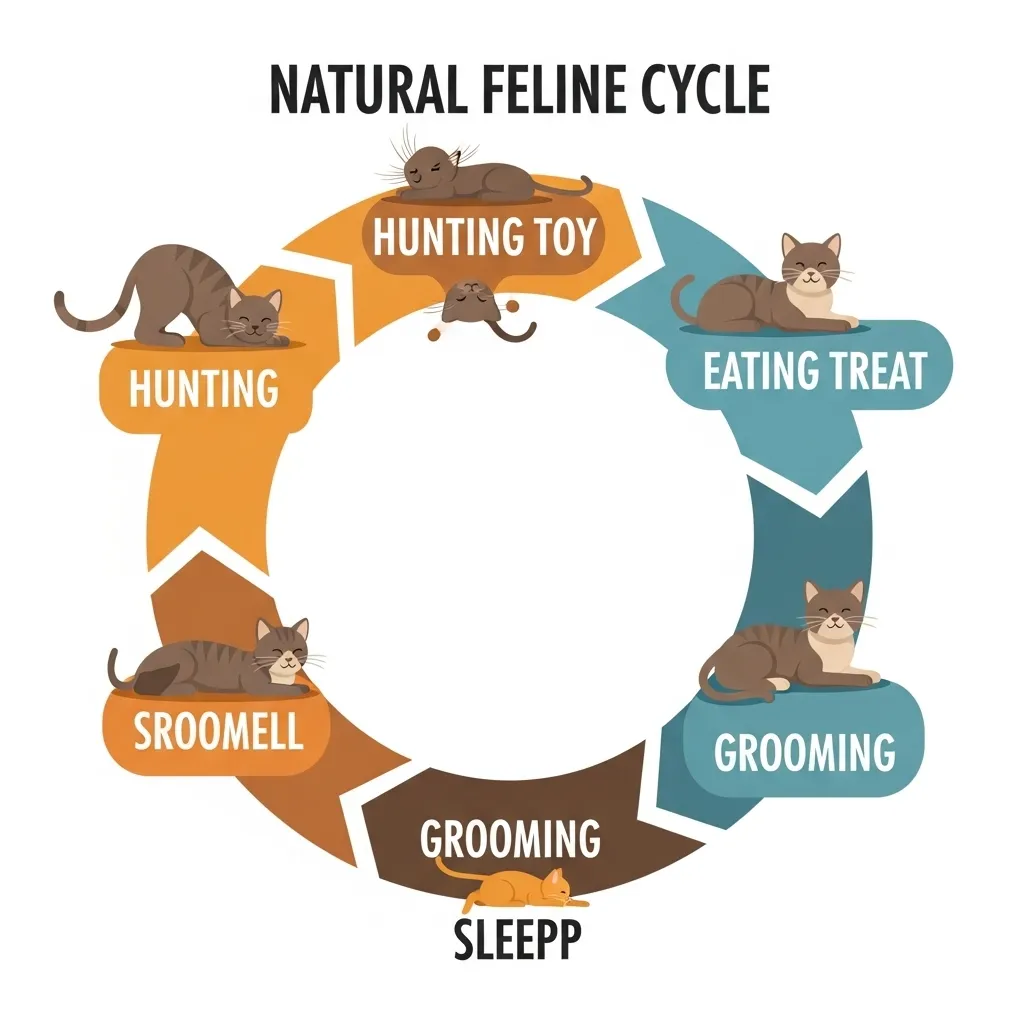
Step 1: Schedule “Hunt, Catch, Kill, Eat, Groom, Sleep”
Mimic the natural feline cycle:
- Hunt: 10-min wand play
- Catch: Let them “win” the toy
- Kill: Offer a small meal or treat
- Groom/Sleep: They’ll crash
Step 2: Create a Zoomie-Friendly Zone
Designate a “race track”:
- Clear hallways of breakables
- Add soft landing zones (rugs, beds)
- Install wall shelves for vertical zoomies
Step 3: Use Calming Tools (When Needed)
| Tool | Best For | Link |
|---|---|---|
| Feliway Diffuser | Anxiety-related zoomies | Cat stress signs guide |
| ThunderShirt | Noise-sensitive cats | — |
| CBD Cat Treats | Occasional use (vet-approved) | — |
When Zoomies Are Not Normal: Red Flags
Sudden hyperactivity in cats can signal health issues.
See a vet if zoomies come with:
- Weight loss
- Vomiting/diarrhea
- Lethargy outside zoomies
- Blood in urine/stool
- Excessive thirst
Common medical causes:
- Hyperthyroidism (especially seniors)
- Fleas or skin irritation
- Pain (arthritis, dental issues)
- Neurological conditions
Use our cat health care checklist to stay proactive.
Cat Zoomies Memes: You’re Not Alone
Let’s be honest—zoomies are hilarious. Here are fan favorites:
- “When the zoomies hit but you remember you’re 16 lbs” → cat faceplants into wall
- “Me: finally asleep. Cat at 3am: IT’S TIME”
- “Zoomies loading… 99%”
(We’ve got more in our hilarious cat memes collection)
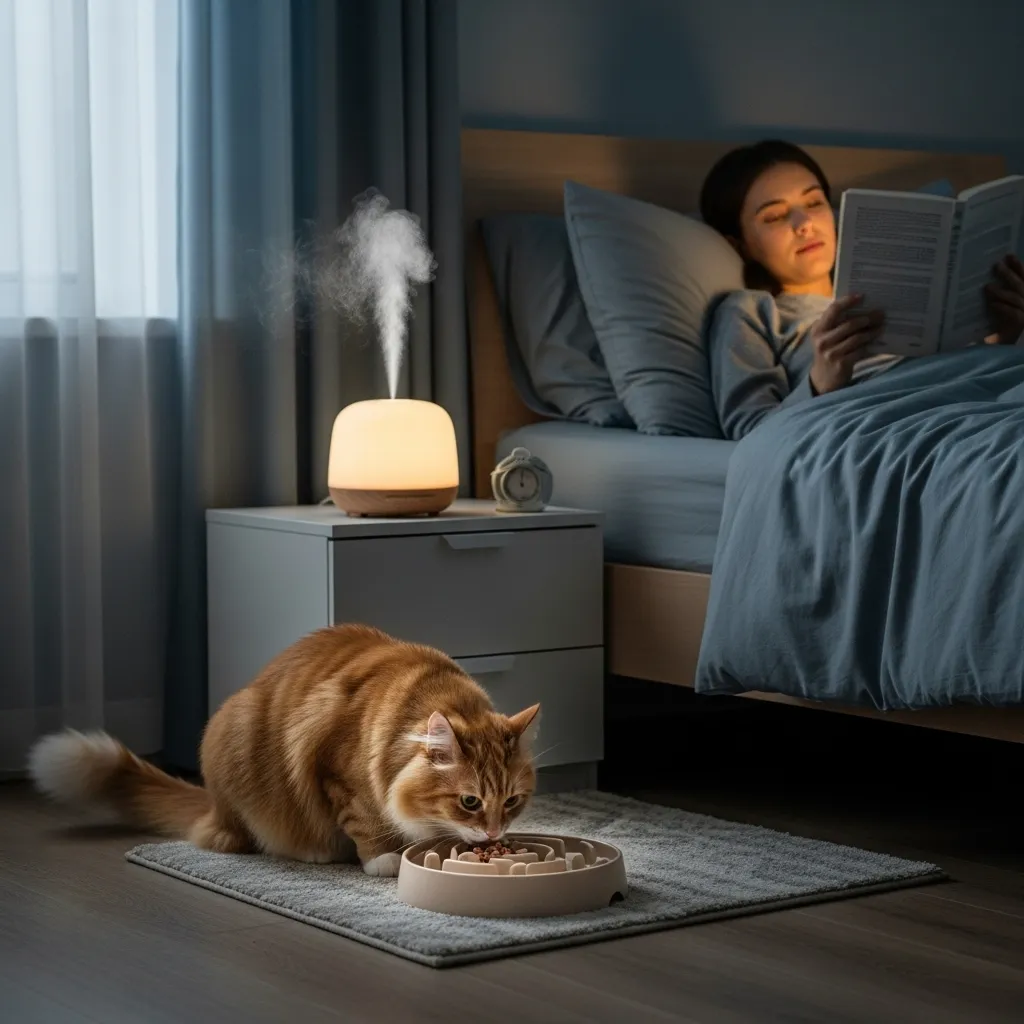
Nighttime Zoomies? How to Stop Cat Zoomies at Night
How to stop cat zoomies at night (without guilt):
- Blackout curtains → blocks moon-triggered hunting
- White noise machine → masks external sounds
- No play after 9 p.m. → signals wind-down
- Bedtime snack → mimics post-hunt meal
- Door closed? Use a hallway scratcher → redirects energy
Struggling with nighttime chaos? Try our cat nighttime behavior solutions.
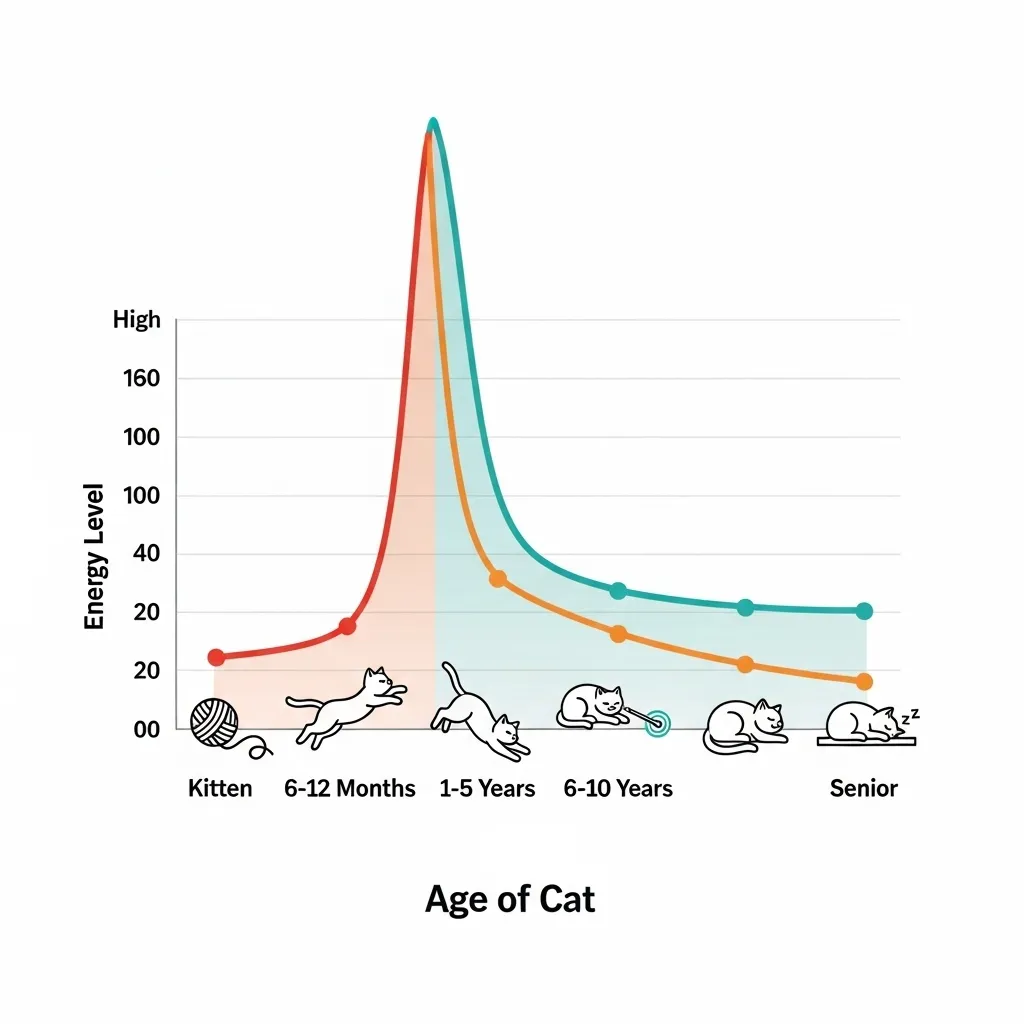
Cat Energy Levels: What’s Normal by Age
| Age | Daily Activity Need | Zoomie Frequency |
|---|---|---|
| Kitten (0–1 yr) | 60–90 min play | 3–5x/day |
| Adult (1–7 yrs) | 30–45 min play | 1–3x/day |
| Senior (8+ yrs) | 15–20 min gentle play | Rare |
FAQ: Your Top Cat Zoomies Questions Answered
What are the zoomies in cats?
Sudden, high-energy sprints driven by instinct, boredom, or biology—not a medical issue in healthy cats.
Why is my cat hyper all of a sudden?
Common causes: pent-up energy, post-poop euphoria, crepuscular instincts, diet, or boredom.
How can I calm a hyper cat?
Scheduled play, puzzle feeders, routine meals, and a stimulating environment. Avoid punishment.
Why do cats get zoomies at night?
They’re crepuscular—wired to hunt at dawn/dusk. Indoor cats express this with zoomies.
Do zoomies mean my cat is happy?
Usually, yes! Playful body language + post-zoomie grooming = content kitty.
Is it normal for cats to get zoomies after eating?
Yes—blood sugar, digestion, and “full belly energy” can trigger sprints.
How to stop cat zoomies at night?
Feed late, dim lights, avoid play after 8 p.m., and use calming tools like Feliway.
Final Thoughts: Embrace the Chaos (But Channel It)
Cat zoomies aren’t a problem—they’re a feature. They’re proof your cat is healthy, energetic, and living their best feline life.
Your job? Give them outlets so the zoomies happen on your terms—not at 3 a.m. on your face.
Quick Action Plan:
- Play 10 min, 2x daily
- Feed protein-rich meals on schedule
- Rotate toys weekly
- Create a “zoomie zone”
- Monitor for health changes
Ready for more feline wisdom? Explore our full library of cat behavior and care guides at Cat Bloom Haven—from understanding feline instincts to indoor cat exercise ideas.
Your cat’s next zoomie is coming. Be ready. 😺