Why Most Cat Training Fails and How to Fix It
Many cat owners give up on training because their efforts seem to go nowhere. Cats appear stubborn or uninterested, leading to frustration on both sides. The truth is, most cat training fails not because cats can’t learn, but because common approaches don’t align with how felines think and respond. With the right methods, you can turn things around and build better behaviors.
In this guide, you’ll discover the main reasons cat training often falls short. You’ll also get practical steps to address them using proven, positive techniques. By the end, you’ll understand how to train effectively, whether it’s stopping furniture scratching, improving litter box habits, or teaching fun tricks. The result: a happier cat and a stronger bond with you.
Key Takeaways
- Avoid punishment: It creates fear and worsens problems.
- Use positive reinforcement: Reward desired behaviors immediately with treats, play, or praise.
- Be patient and consistent: Short sessions and steady rules lead to lasting change.
- Understand cat instincts: Work with natural drives like hunting and territory marking.
- Start small: Build success through tiny steps to keep your cat motivated.
These principles come from cat behavior experts and veterinary sources. They focus on cooperation rather than force.
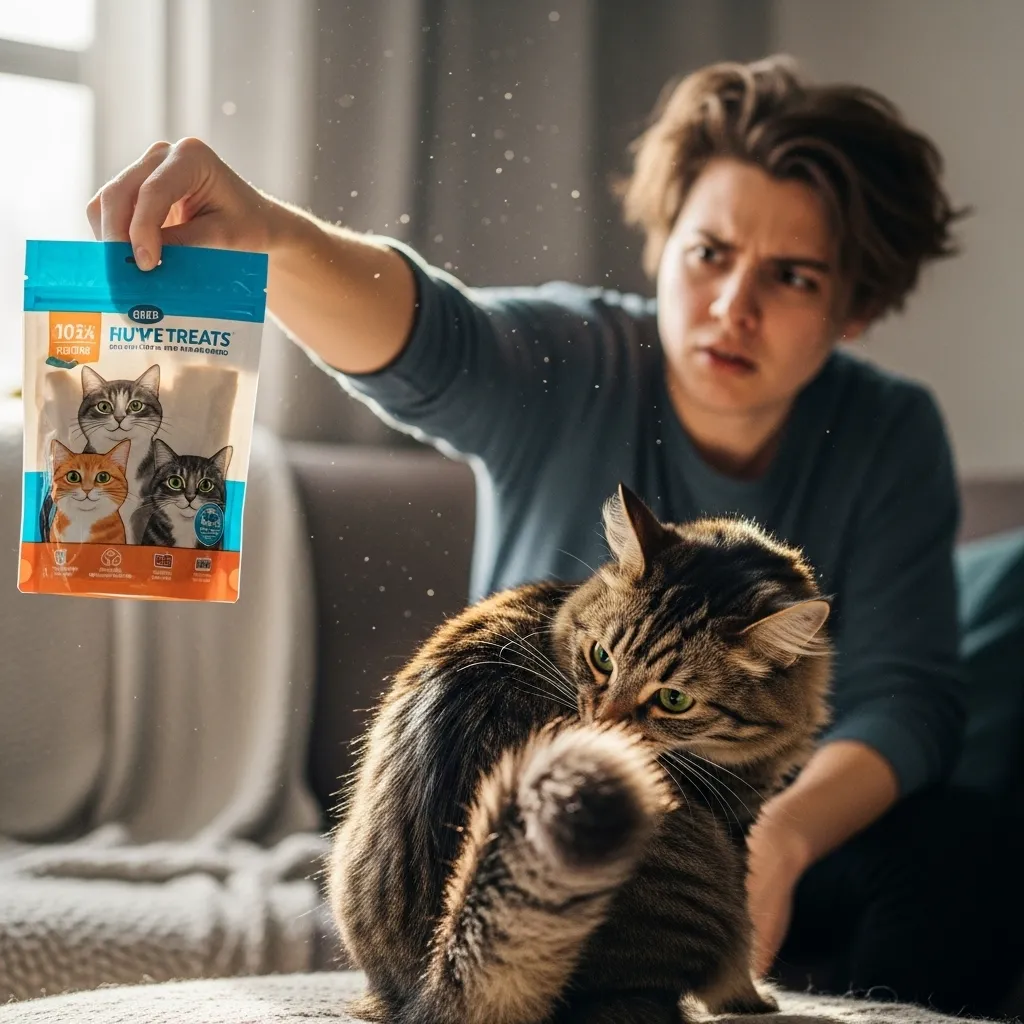
Why Cat Training Often Fails: The Top Mistakes
People treat cats like small dogs. Dogs aim to please; cats prioritize what benefits them. This mismatch causes many failures. Here are the most common pitfalls.
1. Relying on Punishment Instead of Rewards
Yelling, spraying water, or physically correcting a cat rarely works. Cats don’t connect delayed consequences to their actions. Punishment builds fear, leading to hiding, aggression, or more unwanted behaviors like inappropriate elimination.
Experts note that scolding often rewards bad behavior with attention. Your cat learns that scratching the couch gets a reaction from you.
How to fix it: Ignore unwanted actions when possible. Redirect to alternatives and reward good choices heavily.
2. Expecting Too Much Too Soon
Cats lose interest quickly if tasks feel overwhelming. Asking for perfect performance right away leads to quitters on both sides.
How to fix it: Break behaviors into small steps. Reward each tiny progress. This “shaping” method builds confidence and keeps sessions fun.
3. Inconsistency Across the Household
One person allows counter jumping while another scolds it. Mixed signals confuse cats and slow progress.
How to fix it: Agree on rules as a family. Everyone uses the same cues and rewards.
4. Skipping Play and Mental Stimulation
Bored cats act out. Without outlets for hunting instincts, they scratch furniture or zoom at night.
How to fix it: Schedule daily interactive play. Use wand toys to mimic prey. Tired cats focus better during training.
[Suggested image placement: After this section, show interactive play.
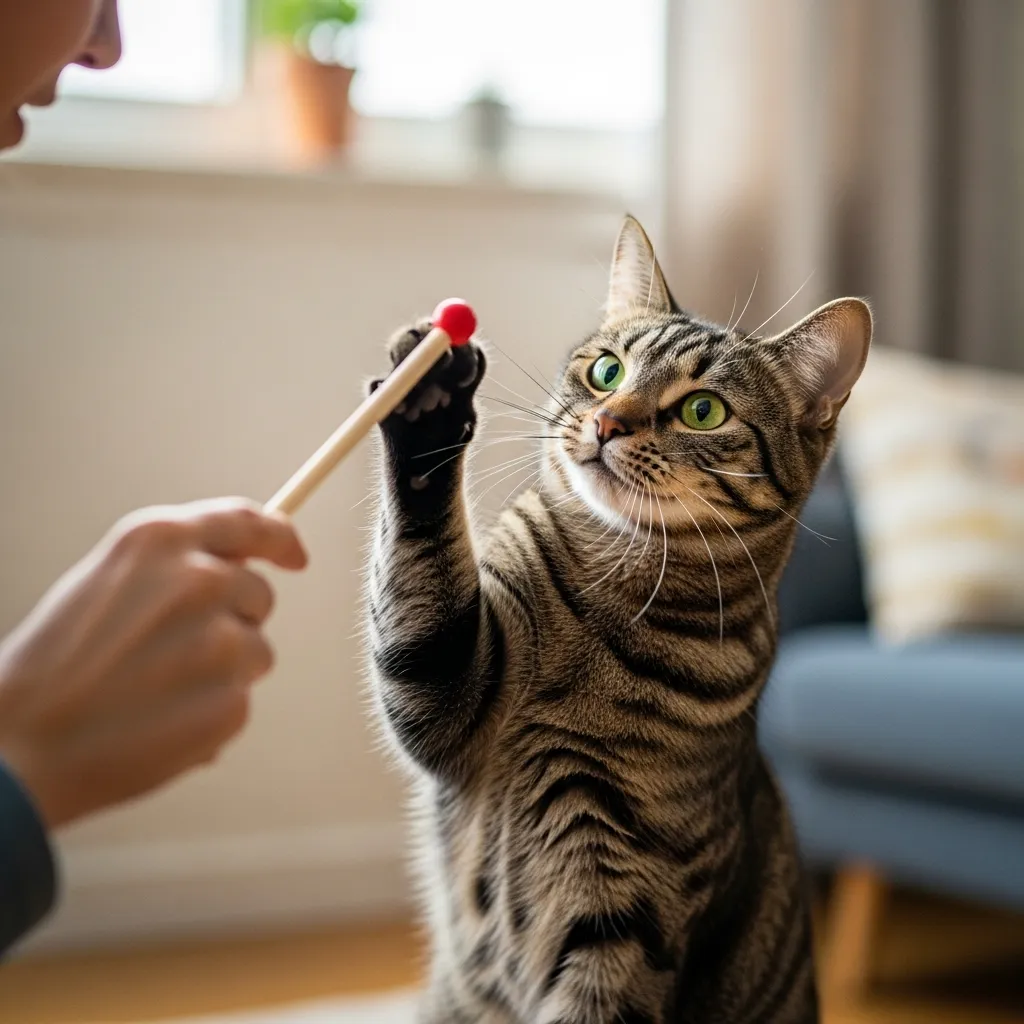
Image prompt: Happy cat chasing a feather wand toy with owner. Alt text: Interactive play session satisfying a cat’s hunting instincts to reduce unwanted behaviors.
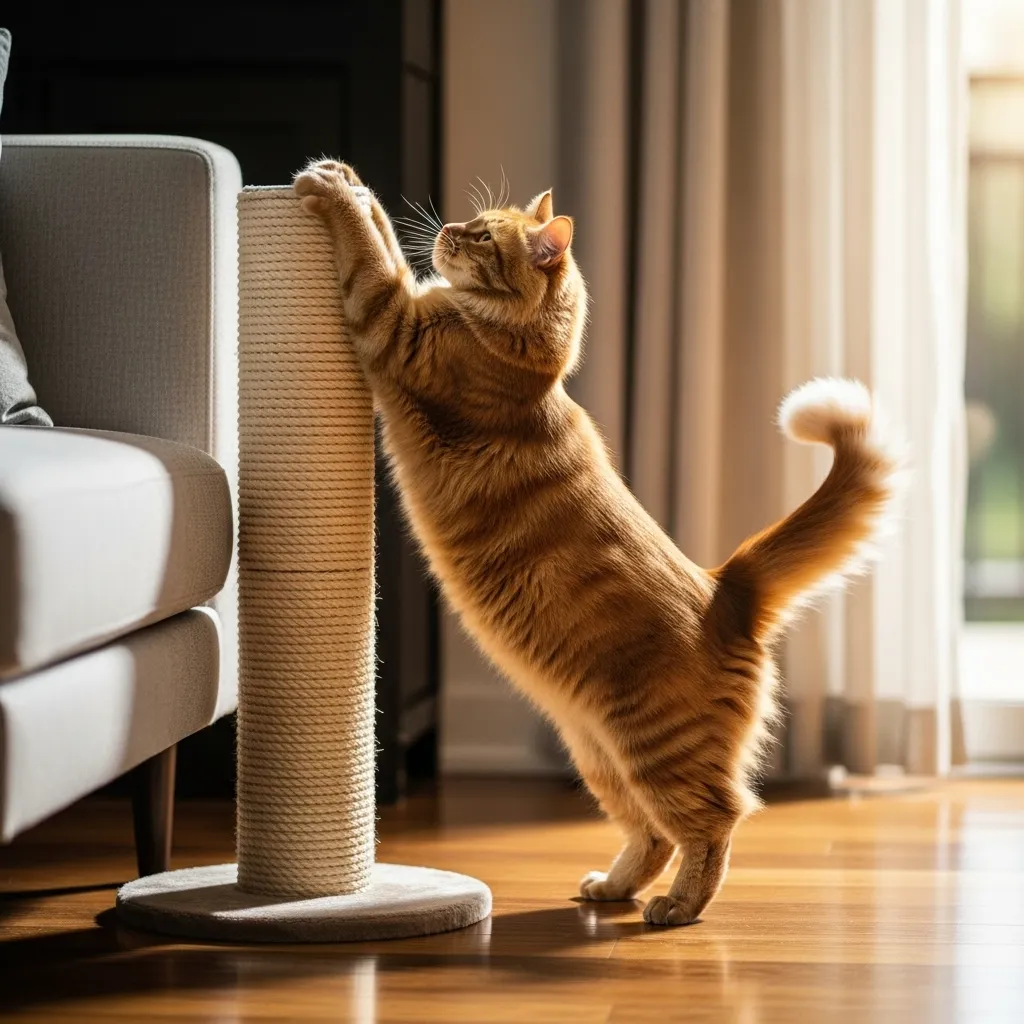
Another image: Cat using scratching post enthusiastically. Alt text: Cat properly using a tall scratching post instead of furniture.]
5. Ignoring Underlying Issues
Sudden behavior changes might stem from health problems like urinary infections or stress from changes.
How to fix it: Rule out medical causes with a vet visit first. Address environmental stressors next.
The Right Way: Positive Reinforcement Training
Positive reinforcement adds something your cat loves (treats, play, praise) right after a desired behavior. This increases repetition. It’s ethical, effective, and strengthens your bond.
Veterinary behaviorists recommend it over aversive methods, which risk fear and aggression.
Getting Started with Tools
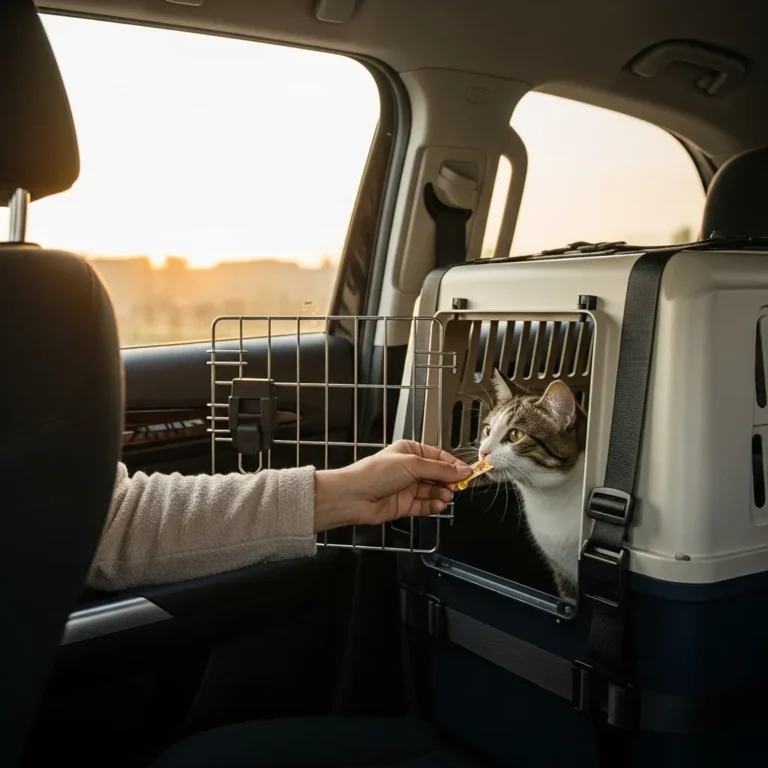
- High-value rewards: Small, soft treats like tuna flakes or commercial training treats. Find what excites your cat most.
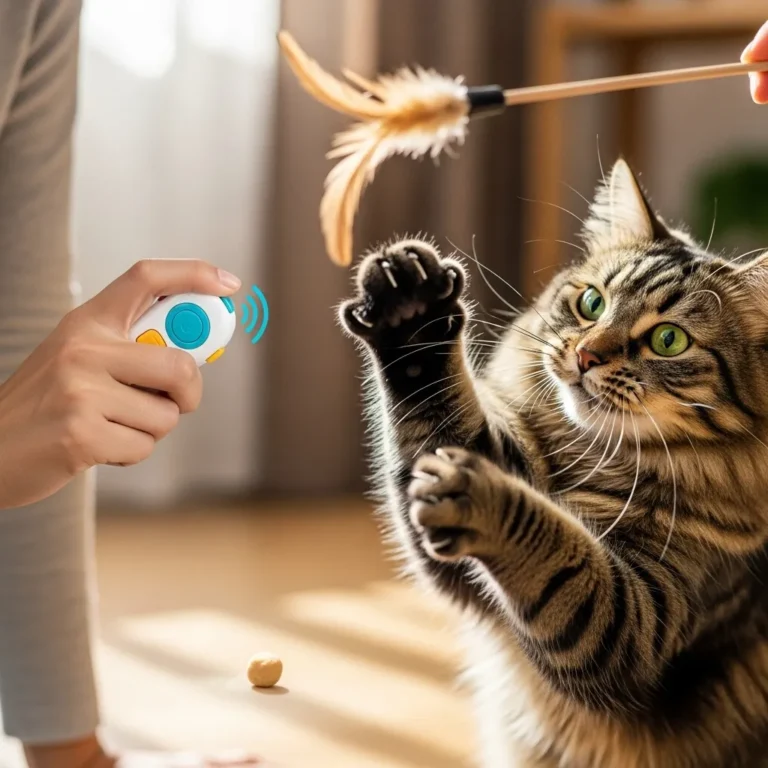
- Clicker (optional but powerful): This marks exact moments of good behavior. “Charge” it by clicking then treating repeatedly until your cat associates the sound with rewards.
Basic Steps for Any Behavior
- Observe what your cat already does naturally.
- Wait for (or gently lure) the behavior.
- Mark it (click or say “yes!”).
- Reward immediately (within 3 seconds).
- Repeat in short sessions (5-10 minutes, 2-3 times daily).
- Add a cue (word or hand signal) once reliable.
- Fade rewards gradually, mixing in praise and life rewards (like access to a favorite spot).
Common Problems and Proven Fixes
Apply these to frequent issues.
Stopping Furniture Scratching
Scratching is normal for marking and nail maintenance.
Fix:
- Provide appealing alternatives: Tall, sturdy posts with sisal (not carpet). Place near scratched furniture.
- Reward scratching the post: Treat when claws hit it.
- Make furniture less attractive: Double-sided tape or covers temporarily.
- Trim nails regularly.
Discover more tips in our guide on stopping cats scratching furniture.
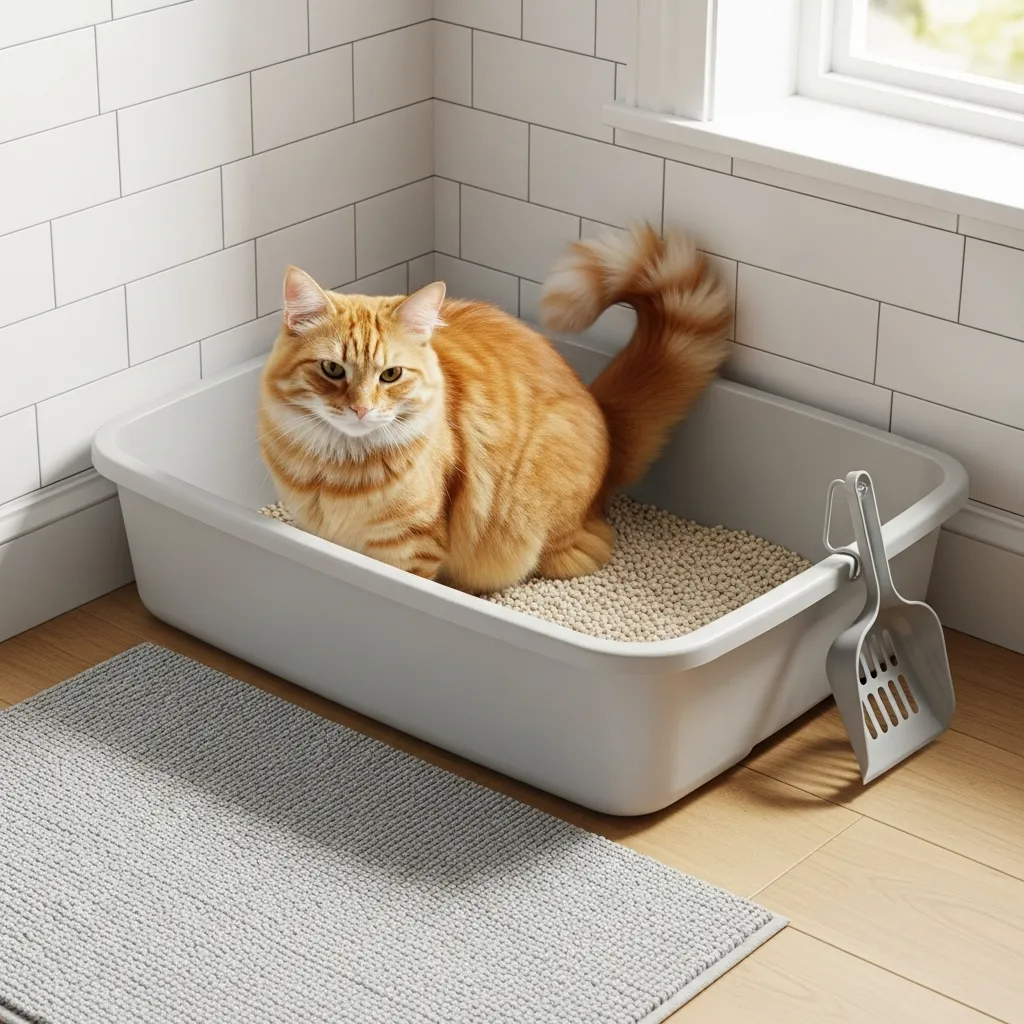
Litter Box Problems
Issues often arise from dirty boxes, poor location, or medical causes.
Fix:
- Follow the n+1 rule (one box per cat plus one extra).
- Scoop daily; change litter weekly.
- Use unscented, clumping litter.
- Reward with praise or treats after proper use.
Explore our detailed cat litter box problems guide.
Reducing Play Aggression or Biting
Rough play stems from unmet hunting needs.
Fix:
- Never use hands as toys.
- Provide daily interactive sessions ending in “capture” (toy “dies”).
- Redirect bites to toys; stop play if it escalates.
- Teach “gentle” by rewarding soft paw touches.
Teaching Tricks for Enrichment
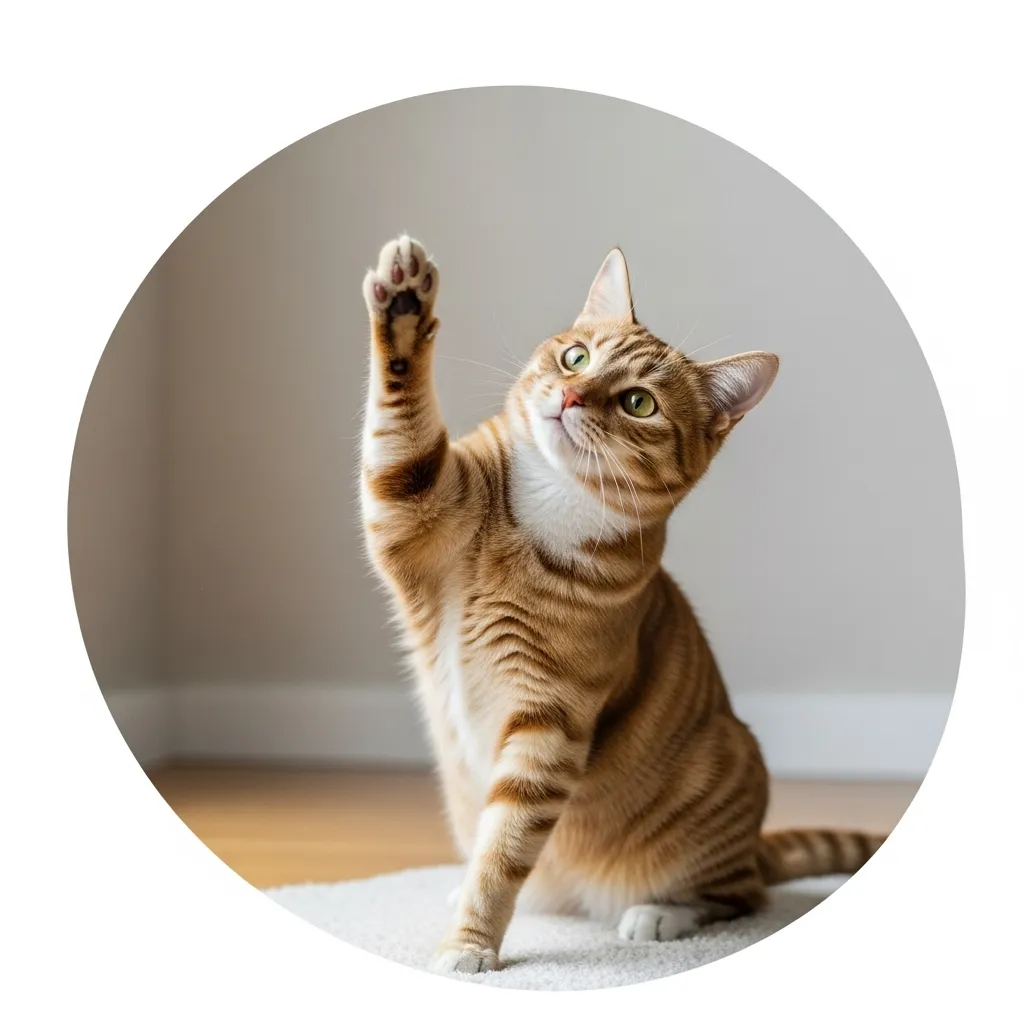
Training isn’t just for fixing problems. Tricks like sit, high-five, or fetch boost confidence and mental stimulation.
Example: Teaching High-Five
- Hold treat above paw level.
- Wait for paw lift; click and treat.
- Raise criteria gradually.
- Add “high-five” cue.
Advanced Tips for Long-Term Success
- Train before meals: Hunger increases motivation.
- Keep sessions positive: End on success; stop if frustration arises.
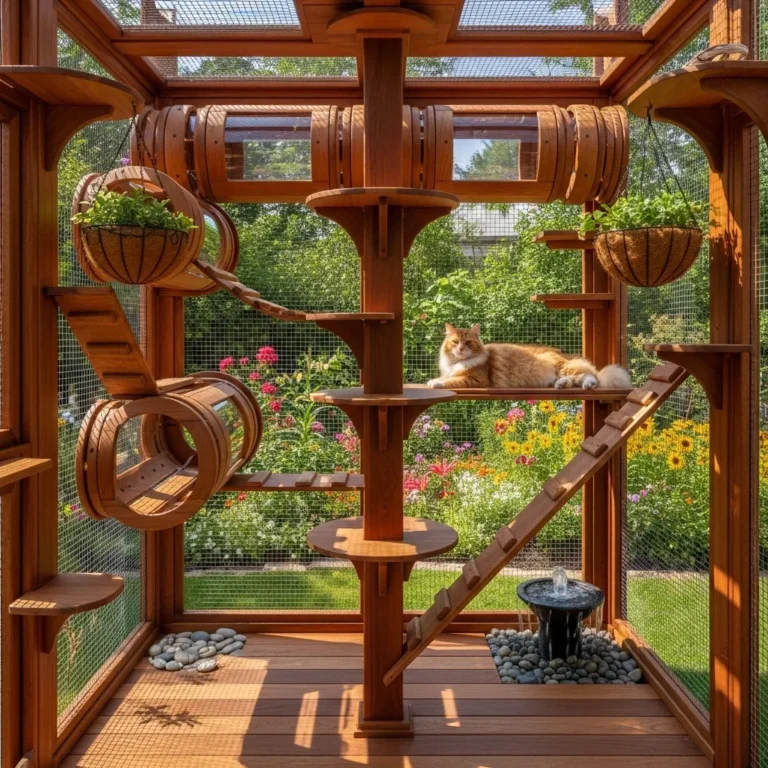
- Enrich the environment: Puzzle feeders, window perches, and catios prevent boredom.
- Monitor progress: Track in a journal to spot patterns.
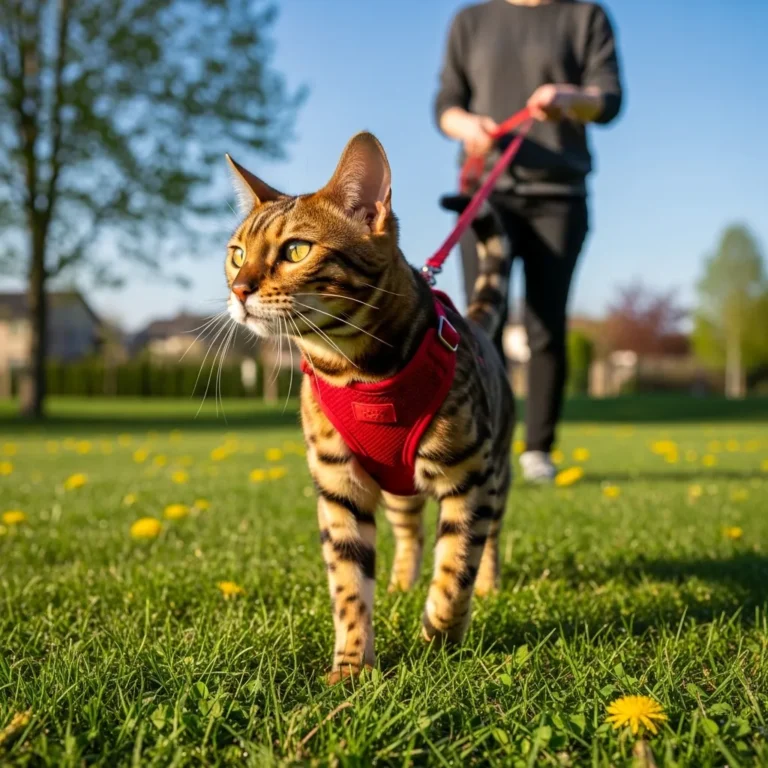
- Breed personalities vary. For instance, Bengals need more activity. Check our Bengal cat personality guide or Siamese cat breed for tailored advice.
For litter training specifics, see our cat litter training guide.
FAQ
Can you really train a cat?
Yes. Cats learn quickly with positive reinforcement. They’re motivated by food, play, and attention, just on their terms.
How long does cat training take?
It varies. Simple behaviors take days to weeks; complex ones months. Consistency matters most.
What if my cat isn’t food-motivated?
Try play (laser or wand) or praise as rewards. Experiment to find preferences.
Is clicker training necessary?
No, but it helps with precise timing. A verbal marker like “yes” works too.
Will training stop all bad behaviors?
It greatly reduces them by teaching alternatives and meeting needs. Some instincts persist, so provide outlets.
At what age should I start training?
Any age. Kittens learn fastest, but adults adapt well with patience.
My cat is aggressive during training. What now?
Stop and consult a vet or behaviorist. Rule out pain or fear first.
Final Thoughts
Why most cat training fails comes down to mismatched expectations and methods. Shift to positive reinforcement, patience, and understanding feline nature, and you’ll see real change. Training isn’t about control; it’s about communication and mutual respect.
Your cat wants to succeed as much as you want them to. With these tools, you’ll unlock that potential.
Explore more expert cat care and behavior guides on Cat Bloom Haven, from breed-specific tips like our American Shorthair cats guide to fun cat memes. Your feline friend will thank you.