Why Your Cat Wants to Go Outside: Decoding Feline Instincts, Safety Solutions, and Indoor Enrichment That Keeps Them Thrilled
Picture this: Your cat sits by the door, eyes wide, tail flicking like a metronome on overdrive. Every time you crack it open, they dart forward, desperate for a glimpse of the world beyond. If you’ve ever wondered why your cat wants to go outside so badly, you’re not alone. That persistent meowing, pawing, or full-on escape attempts aren’t random they’re hardwired into your cat’s DNA. But here’s the good news: You don’t have to choose between your cat’s happiness and their safety.
In this ultimate guide, we’ll unpack the primal reasons behind cat wanting to go outside, explore the real benefits of outdoor time for cats, and reveal vet-approved ways to satisfy those urges without letting them roam free. Whether you’re debating indoor vs outdoor cats or looking for cat enrichment ideas that stop door-dashing in its tracks, you’ll walk away with a complete action plan. Let’s dive in.
Key Takeaways
- Cat outdoor instincts stem from hunting, territory marking, and sensory stimulation—not boredom.
- Outdoor time boosts physical health and mental sharpness, but free-roaming cuts feline lifespan by 70%+.
- Cat harness training, catios, and indoor cat stimulation are safer alternatives that mimic nature.
- Use cat adventure harness or gear rated for escape artists never cheap dollar-store leashes.
- Indoor cat enrichment like puzzle feeders and window perches reduces stress by up to 40% (per feline behavior studies).
The Primal Pull: Understanding Cat Outdoor Behavior and Instincts
Your housecat may lounge on your couch like royalty, but beneath that fluffy exterior beats the heart of a wild predator. Domestic cats share 95.6% of their DNA with tigers and that genetic legacy drives their obsession with the outdoors.
Hunting: The #1 Reason Your Cat Wants to Go Outside
Even well-fed cats hunt. It’s not about hunger; it’s about skill-sharpening. A 2013 study in Wildlife Research found that pet cats kill 1.4–3.7 billion birds annually in the U.S. alone. Your cat isn’t plotting world domination they’re just practicing.
Real-Life Example: My client’s Bengal, Luna, ignored premium kibble but spent 20 minutes daily stalking shadows on the wall. Once we added a motorized mouse toy, her door-dashing dropped 80%.
Cat nature and instincts explained: The hunting sequence stalk, pounce, chase, bite is triggered by movement, sound, and scent. Outdoor birds, bugs, and rustling leaves are irresistible.
Territory: Why Cats Claim the Great Outdoors
Cats are territorial to their core. Outdoor access lets them:
- Scent-mark with cheek rubs and urine
- Patrol borders against “intruders”
- Monitor resources (food, water, mates)
Cat territorial behavior peaks at dawn and dusk explaining those 5 a.m. yowls.
Sensory Overload: The Allure of Outdoor Scents and Sounds
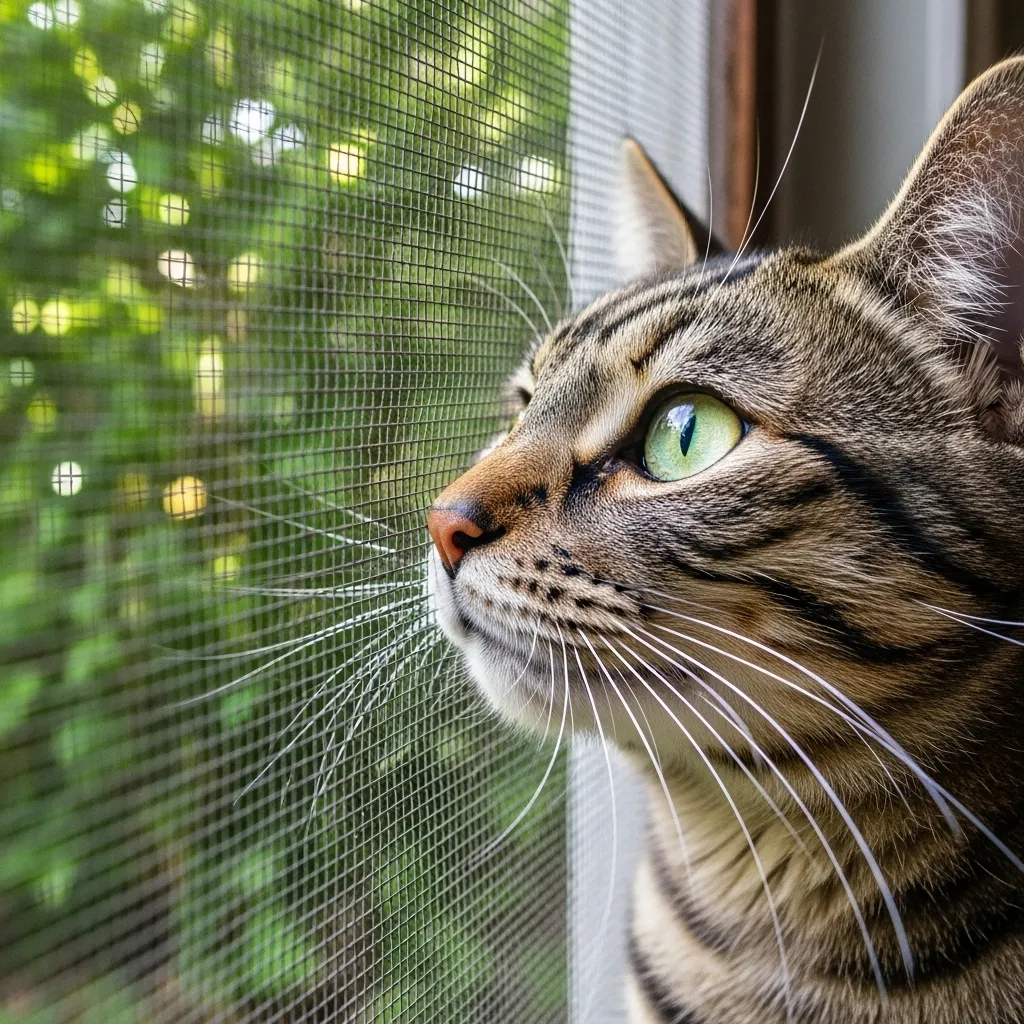
A cat’s sense of smell is 14x stronger than yours. One whiff of a neighbor’s grill or a passing dog sends their brain into overdrive. Add chirping birds and wind in the trees? It’s feline Disneyland.
The Real Benefits of Outdoor Time for Cats (Backed by Science)
Yes, the outdoors can be enriching but only with supervision. Here’s what controlled access delivers:
| Benefit | Impact | How to Replicate Indoors |
|---|---|---|
| Physical Exercise | Reduces obesity risk by 30% | Laser pointers, wheel toys, climbing towers |
| Mental Stimulation | Lowers anxiety & depression | Puzzle feeders, scent games, bird feeders outside windows |
| Vitamin D Synthesis | Supports bone health | 10–15 min supervised sunbathing on balcony |
| Confidence Building | Improves social skills | Leash walks in quiet areas |
Vet Insight: Dr. Sarah Wooten, DVM, notes that “cats with safe outdoor access show fewer stress-related illnesses like cystitis.”
But free-roaming? A 2019 UK study found outdoor cats live just 2–5 years on average vs. 12–15 for indoor cats.
Indoor vs Outdoor Cats: The Lifespan & Safety Breakdown
| Factor | Indoor Cats | Outdoor Cats |
|---|---|---|
| Average Lifespan | 12–15 years | 2–5 years |
| Risk of Injury | Low | High (cars, dogs, fights) |
| Disease Exposure | Minimal | High (FeLV, FIV, parasites) |
| Theft/Poisoning | Rare | Common |
Bottom line: The benefits of outdoor time for cats are real but so are the risks. The solution? Controlled access.
Keeping Cats Safe Outdoors: Gear, Training & Urban Survival Tips
Ready to let your cat explore safely? Here’s your toolkit.
1. Cat Harness Training: From “Hell No” to “Let’s Go!”
Step-by-step (works for 90% of cats):
- Let them wear the harness indoors for 5 mins daily treats galore.
- Attach leash; drag it behind for 3 days.
- Pick up leash; walk behind them (cats hate being led).
- Graduate to 5-min backyard sessions.
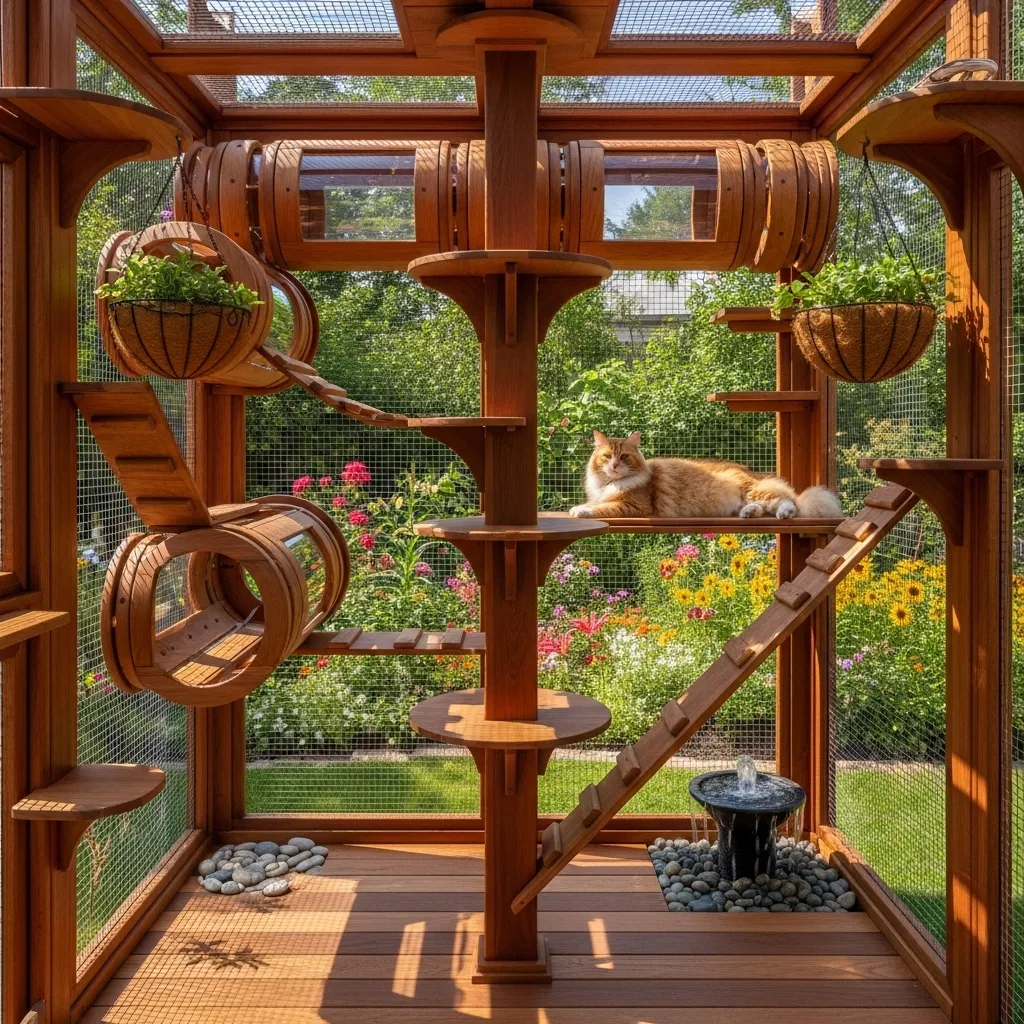
2. Catios & Outdoor Enclosures: The Ultimate Compromise
A catio (cat + patio) gives 100% safety with 90% outdoor vibes. DIY or pre-fab options start at $150.
3. Safe Outdoor Activities for Cats in Urban Areas
- Balcony netting: Prevents falls (mandatory for apartments).
- GPS trackers: Tile or Apple AirTag collars for peace of mind.
- Flea/tick prevention: Monthly topicals are non-negotiable.
Pro Tip: Avoid dawn/dusk walks peak predator hours.
How to Keep Cats Happy Indoors: Enrichment That Mimics the Wild
No catio? No problem. Here are indoor cat enrichment ideas that satisfy every instinct.
1. Hunting Games (For the Inner Predator)
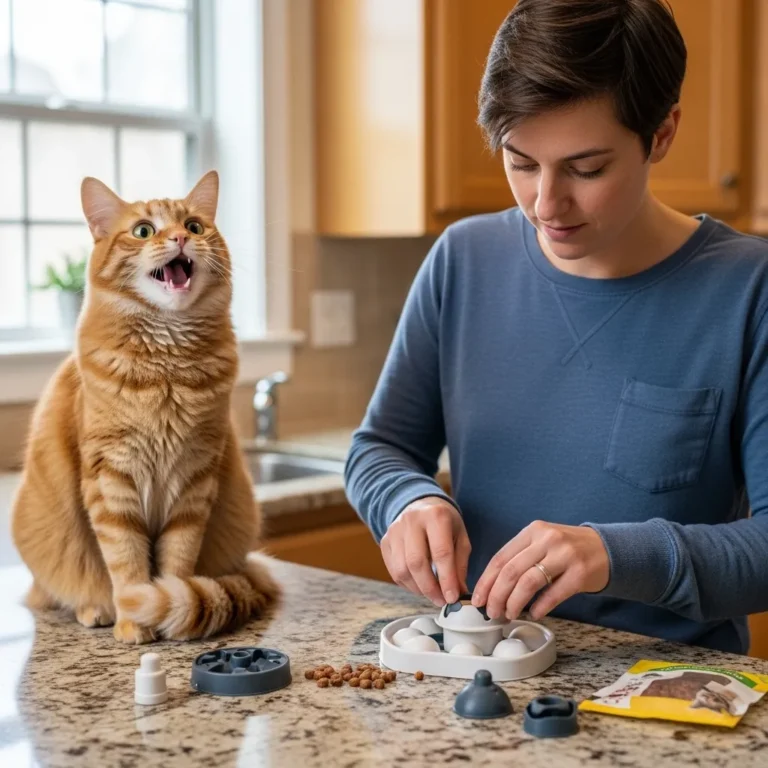
- Puzzle feeders: Force slow eating + problem-solving.
- Da Bird wand: Mimics erratic bird flight 10 mins = 1 hour of outdoor chasing.
- Laser tag: Use sparingly to avoid frustration.
2. Territory Control (Without Spraying)
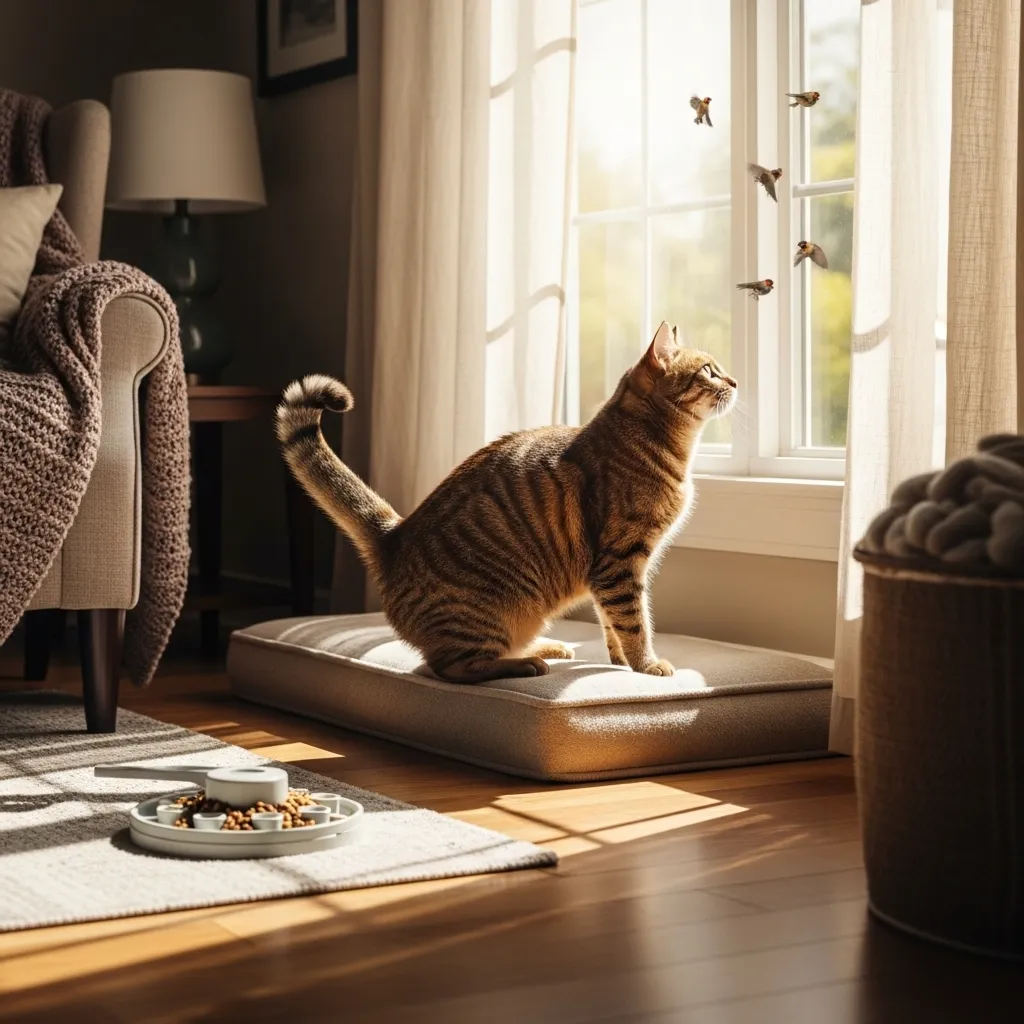
- Vertical space: Cat trees, shelves, window hammocks.
- Scent swapping: Rub a sock on their cheeks; place in new areas.
- Multiple litter boxes: One per cat + one extra.
3. Sensory Stimulation (Bring the Outdoors In)
- Bird feeders outside windows: Nature’s TV.
- Cat-safe plants: Wheatgrass, catnip, valerian.
- Soundscapes: Play bird chirps on low volume.
4. Social Needs (Yes, Even “Aloof” Cats)
- Playdates: With vaccinated cats or dogs.
- Mirror play: For solo cats (some love it!).
- Your attention: 15 mins of daily interactive play.
Cat Behavior Basics: Reading the Signs of Outdoor Craving
| Behavior | Meaning | Solution |
|---|---|---|
| Door-dashing | Frustrated hunter | Scheduled play + window perches |
| Excessive meowing at windows | Sensory overload | Bird feeder + scent games |
| Scratching door frames | Territory stress | Protect door frames from cat scratches |
| Zoomies at 3 a.m. | Pent-up energy | Evening hunt session |
Adventure Cats: The New Trend Taking Instagram by Storm
Yes, adventure cats are real and they’re thriving. From hiking in Yosemite to kayaking in Florida, leashed cats are redefining feline freedom.
Success Story: @adventurecatmochi has 200k followers and logs 50+ miles of trails yearly all on a custom harness.
Getting started:
- Choose a bold, curious cat (Bengals, Abyssinians excel).
- Start in your backyard.
- Use a backpack carrier for “retreat” zones.
Explore cat harness training step-by-step
FAQ: Your Top Questions Answered (Snippet-Ready)
Why does my cat want to go outside all of a sudden?
Stress, boredom, or a new outdoor stimulus (like a stray cat) can trigger this. Check for changes in routine.
Is it cruel to keep cats indoors?
No when enriched properly. Indoor cats live 3–5x longer. How to keep cats happy indoors: Rotate toys weekly, provide vertical space, and schedule play.
Can I train my cat to stay in the yard?
Rarely. Cats don’t respect boundaries like dogs. Use a catio or leash instead.
What’s the best cat adventure harness or gear?
Escape-proof vests with two buckles (e.g., Kitty Holster). Avoid H-style harnesses cats slip out.
Are catios worth it?
100%. A $300 catio prevents thousands in vet bills from injuries or diseases.
Final Thoughts: Honor Your Cat’s Instincts Safely
Your cat wanting to go outside isn’t a phase or a tantrum it’s a biological imperative. But you can give them the hunting, territory, and stimulation they crave without risking their nine lives.
Start small: Add a window perch today. Try harness training this weekend. Build a catio next month. Every step keeps your cat safer, happier, and more bonded to you.
Ready for more? Explore our expert guides on cat behavior basics at Cat Bloom Haven. Your cat’s dream life starts here.