Why Does My Cat Walk Around Meowing? A Complete Guide to Decoding Feline Vocalization
Picture this: it’s 2 a.m., and your cat is weaving between your legs, letting out a string of insistent meows that echo through the quiet house. You’ve checked the food bowl, the litter box, even peeked for intruders, but the cat walking around meowing continues. Sound familiar? If you’re here searching for answers to “why does my cat walk around meowing,” you’re not alone. This behavior drives countless cat owners to distraction, yet it’s one of the clearest windows into your feline friend’s mind and body.
In this in-depth cat behavior guide, we’ll unpack every possible reason behind excessive cat meowing, from the everyday to the urgent. You’ll learn how to read cat communication cues, spot signs of hunger in cats, distinguish attention-seeking cat behavior from medical causes of cat meowing, and know exactly when to visit a vet for meowing. By the end, you’ll have a step-by-step playbook to respond calmly and effectively, strengthening the bond with your cat while keeping your sanity intact.
Key Takeaways
- Cats meow primarily to communicate with humans, not other cats.
- Common triggers include hunger, thirst, stress, boredom, or illness.
- Context matters: note the time, tone, body language, and recent changes.
- Most cases resolve with simple adjustments; persistent or sudden changes warrant a vet check.
- Positive reinforcement and enrichment curb attention-seeking meows long-term.
Understanding Cat Sounds: Why Cats Meow at Owners
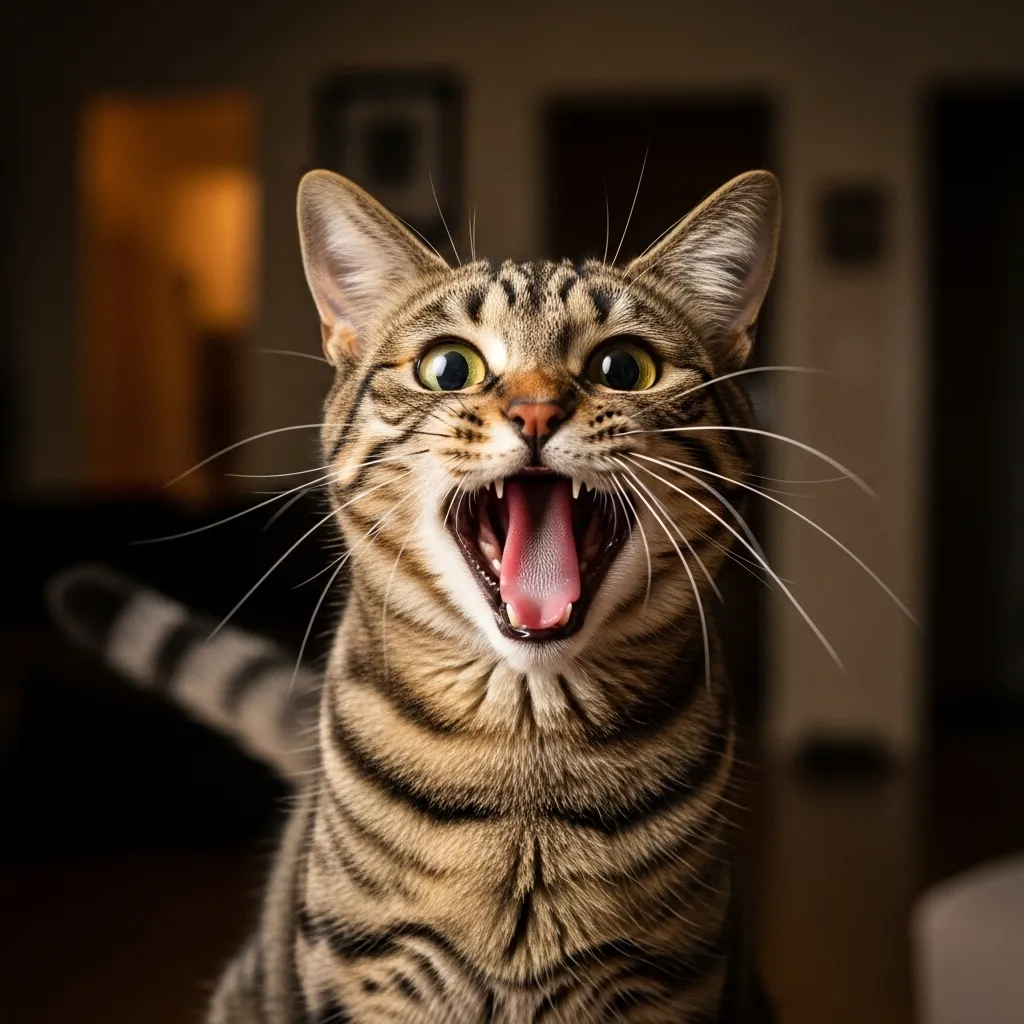
Cats possess a rich vocal repertoire, but the classic meow is reserved almost exclusively for people. Kittens meow to their mothers; adult cats switch to body language with peers. When your cat directs meows at you, they’re speaking your language.
The Evolution of the Meow
Research from the University of Lincoln shows domestic cats developed meows over thousands of years to exploit human responsiveness. High-pitched, urgent tones mimic a human baby’s cry, triggering our caregiving instincts. Lower, drawn-out meows often signal frustration or demand.
Types of Meows and What They Signal
- Short, high chirps – Greeting or excitement.
- Rapid-fire bursts – Impatience, often near an empty bowl.
- Low, prolonged moans – Discomfort or annoyance.
- Trills or murmurs – Friendly requests, common in Siamese breeds.
Listen for patterns. A cat that meows only at dawn likely craves breakfast; one that yowls randomly may feel disoriented.
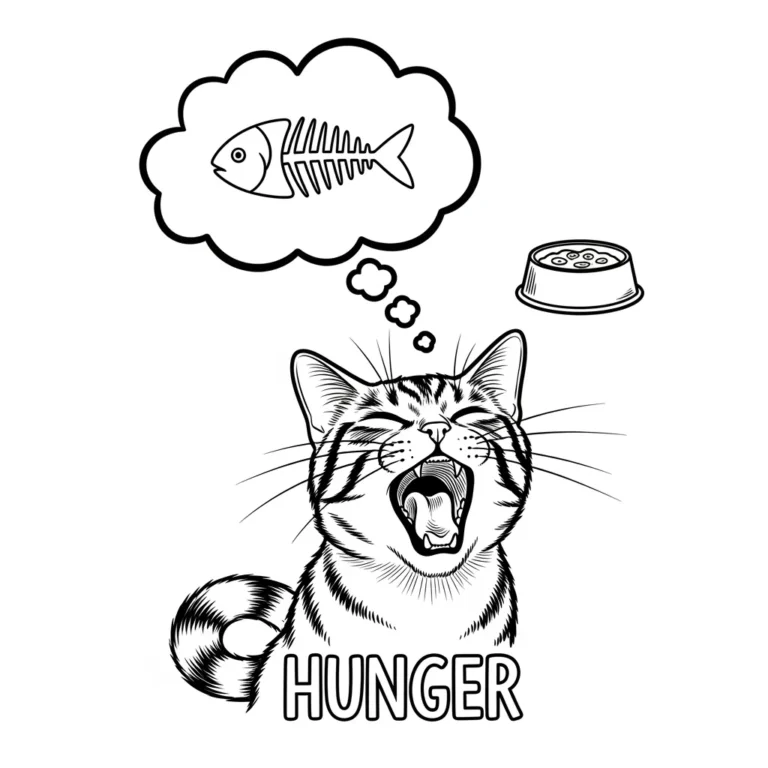
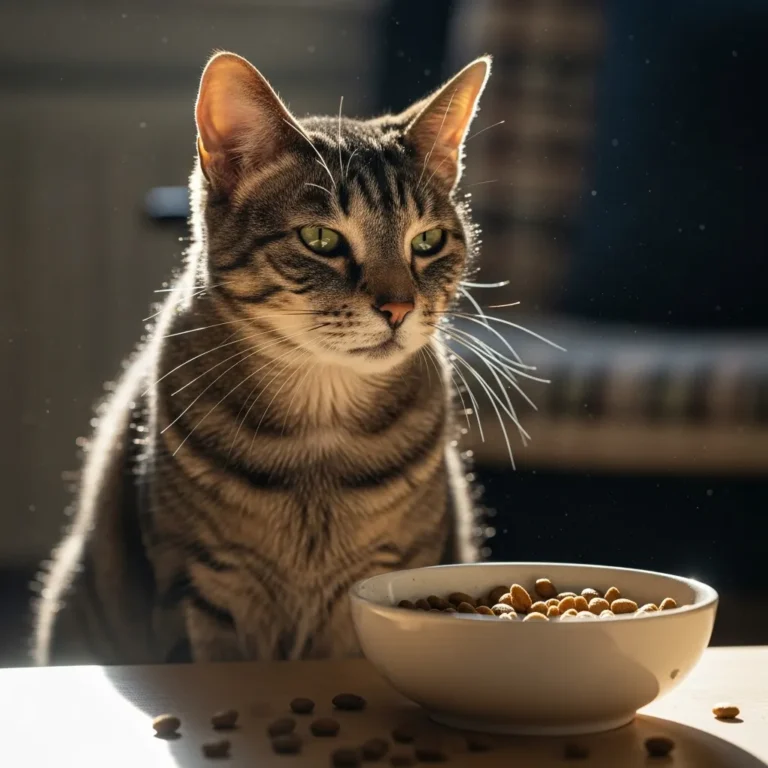
Hunger and Thirst: The Most Obvious Cat Meowing Reasons
Empty bellies top the list of why cats meow at owners. Cats are grazers by nature, but indoor schedules disrupt this rhythm.
Signs of Hunger in Cats
- Meowing intensifies 30–60 minutes before usual feeding time.
- Pawing at cabinets or bowls.
- Leading you to the kitchen with purposeful strides.
Dehydration Signs in Cats
Dry food diets increase thirst. Watch for:
- Sticky gums.
- Sunken eyes.
- Skin tenting (pinch the scruff; slow return signals dehydration).
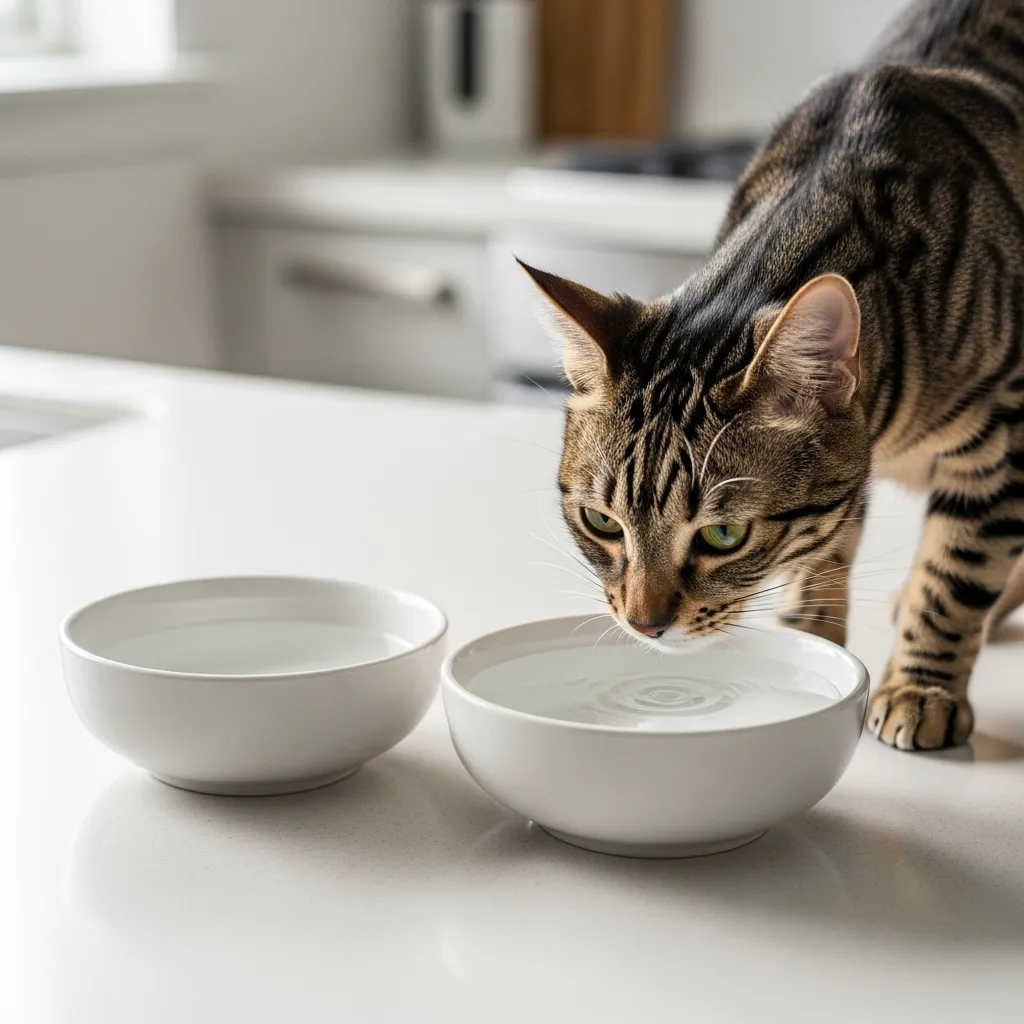
Pro tip: Place multiple water stations away from food. Cats avoid drinking near eating areas due to wild instincts.
Attention-Seeking Cat Behavior: When Boredom Strikes
Modern indoor cats face stimulation deficits. A cat walking around meowing may simply say, “Entertain me.”
Common Triggers
- Owner busy on laptop or phone.
- Recent move or schedule change.
- Lack of vertical territory or interactive toys.
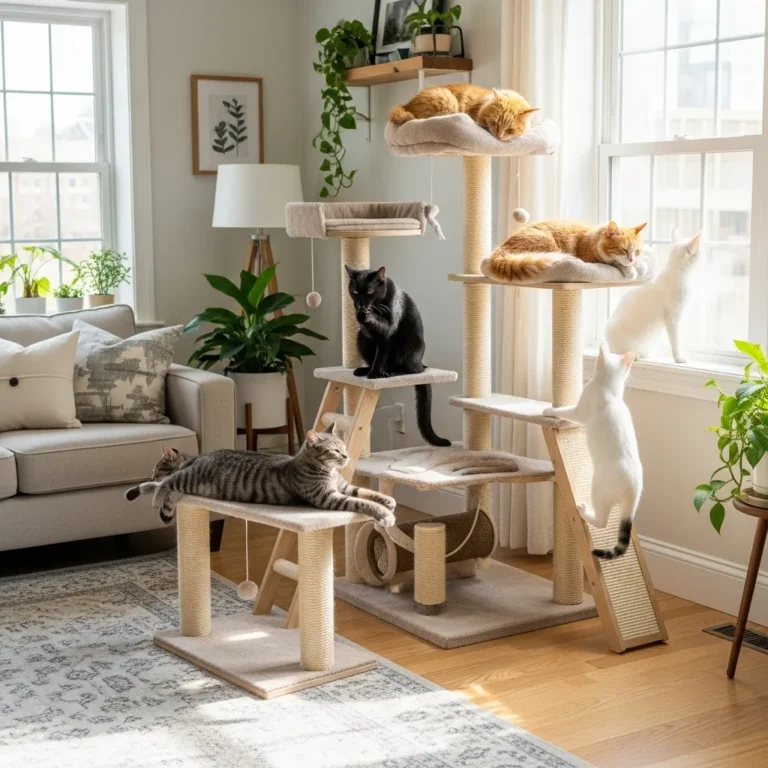
Enrichment for Indoor Cats
- Install window perches for bird-watching.
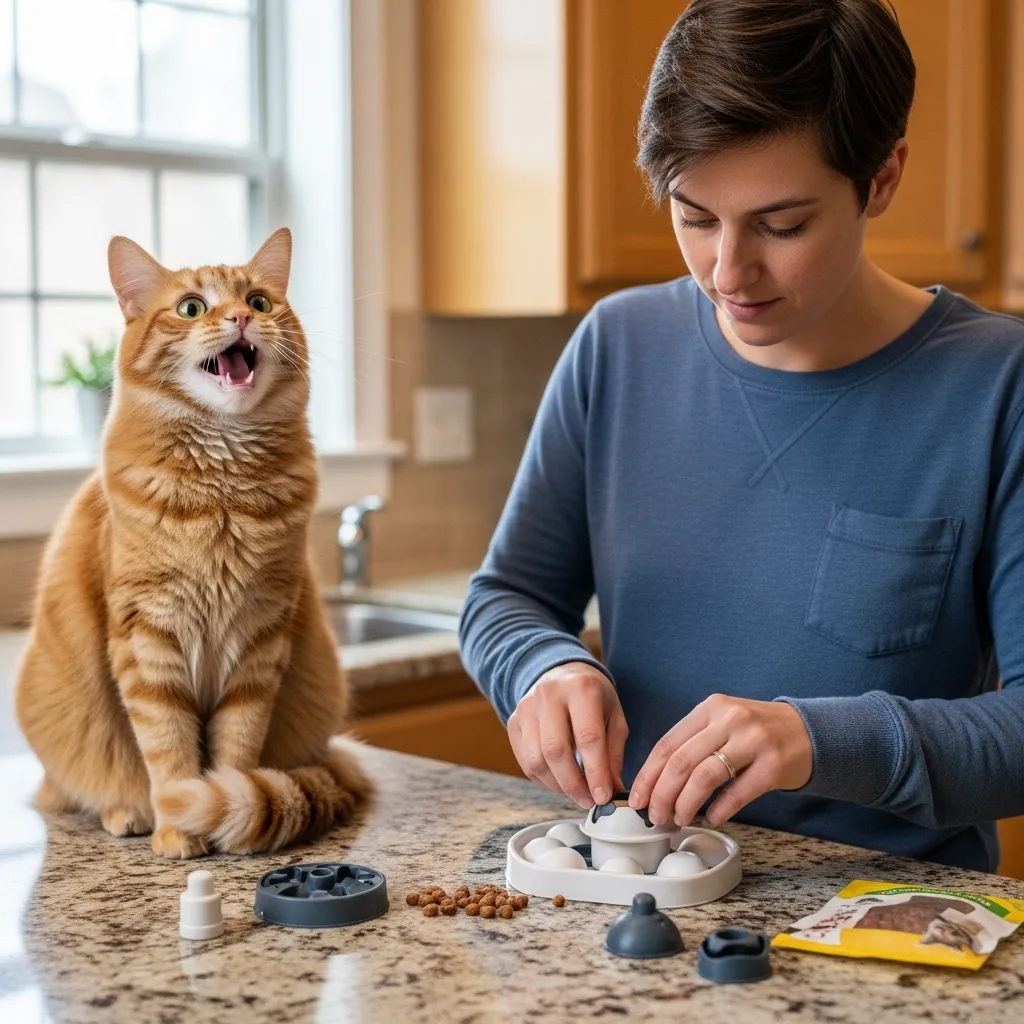
- Rotate puzzle feeders weekly.
- Schedule two 10-minute play sessions daily with wand toys.
One study in Applied Animal Behaviour Science found 15 minutes of daily laser-chase reduced nighttime cat meowing by 60 percent.
Discover budget-friendly play ideas in Teach Cat to Fetch or Keep Siamese Cats Entertained.
Stress-Related Cat Behaviors and Separation Anxiety in Cats
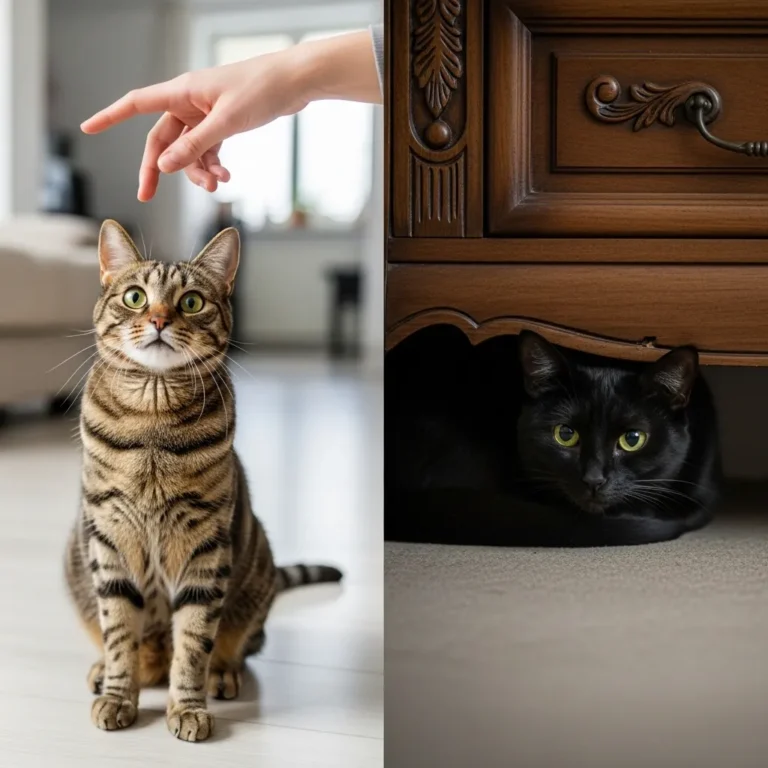
Change unsettles cats. New pets, construction noise, or even rearranged furniture can spark vocal protests.
Cat Anxiety Symptoms
- Excessive grooming.
- Hiding paired with loud meowing when you reappear.
- Inappropriate elimination.
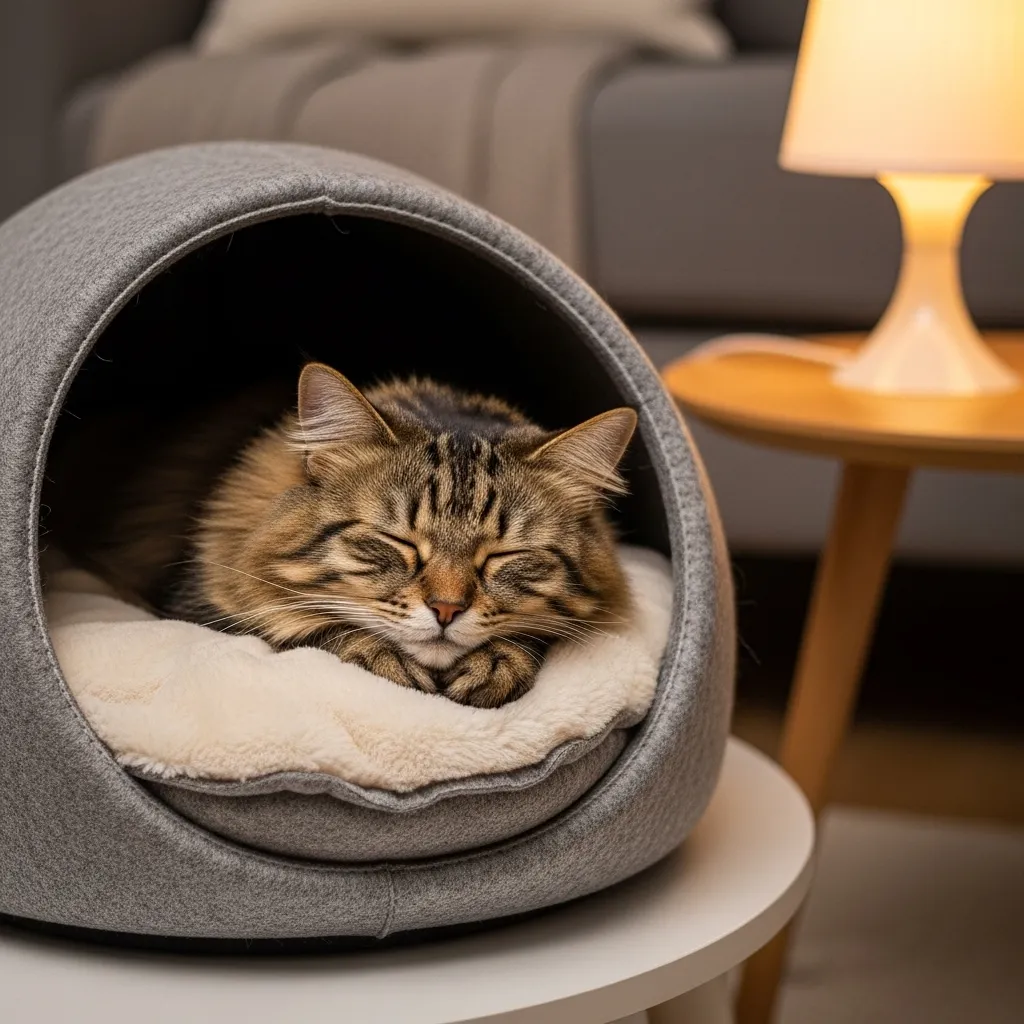
Calming Strategies
- Feliway diffusers release synthetic pheromones.
- Create safe zones with covered beds.
- Maintain predictable routines.
For severe cases, consult a veterinary behaviorist. Medication plus behavior modification works wonders.
Medical Causes of Cat Meowing: Red Flags You Can’t Ignore
Sudden excessive meowing, especially in senior or previously quiet cats, often signals pain or illness.
Common Health Culprits
| Condition | Typical Age | Key Symptoms Beyond Meowing |
|---|---|---|
| Hyperthyroidism | 10+ years | Weight loss, ravenous appetite, vomiting |
| Kidney disease | 7+ years | Increased thirst/urination, lethargy |
| Dental pain | Any | Drooling, pawing at mouth |
| Arthritis | 8+ years | Reluctance to jump, irritability |
| Cognitive decline | 12+ years | Disorientation, night yowling |
Illness Symptoms in Cats
- Change in appetite or water intake.
- Litter box avoidance.
- Unkempt coat.
When to Visit a Vet for Meowing
Book an appointment if meowing:
- Starts abruptly.
- Pairs with hiding or aggression.
- Occurs alongside vomiting, diarrhea, or blood in urine.
Early bloodwork catches issues before they escalate.
Nighttime Cat Meowing: Breaking the Cycle
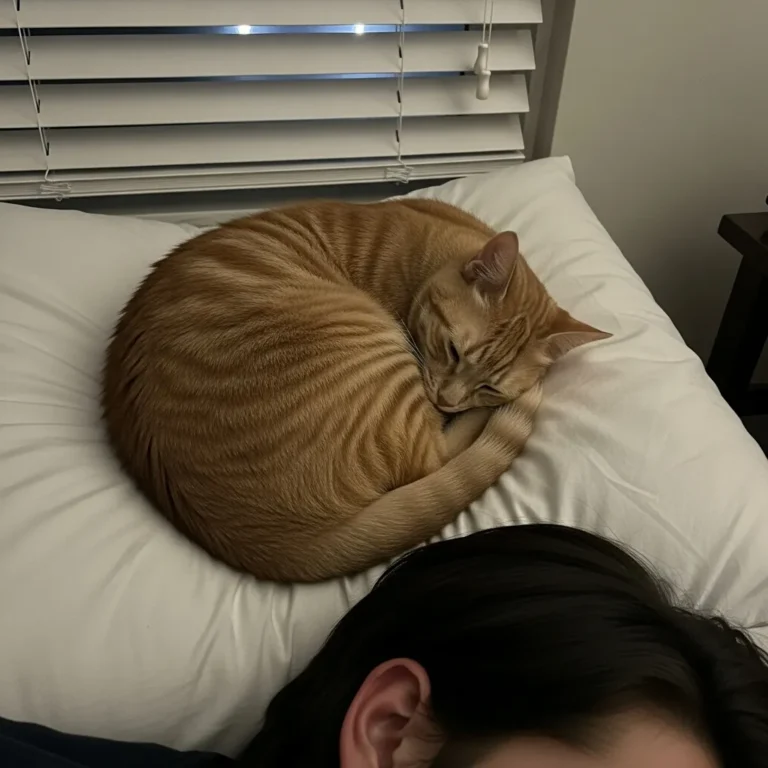
Nocturnal instincts clash with human sleep. Cats sleep 12–16 hours but in short bursts, leaving them energetic at 3 a.m.
Root Causes
- Pent-up energy from daytime naps.
- Hunger if dinner was at 6 p.m.
- Disorientation in older cats.
Solutions
- Feed a small meal 30 minutes before bed.
- Tire them out with evening play.
- Use auto-feeders for 4 a.m. kibble.
One owner reported silence after installing a timed feeder; the cat learned meals arrive without vocal demands.
How to Respond to a Meowing Cat Without Reinforcing Bad Habits
Reward calm behavior, not noise.
Step-by-Step Protocol
- Pause – Wait 10 seconds of silence before reacting.
- Assess – Check food, water, litter, safety.
- Redirect – Offer a toy or puzzle if needs are met.
- Ignore – Turn away from persistent demands; attention reinforces meowing.
Consistency across household members is crucial.
Interpreting Feline Body Language Alongside Vocal Cues
Meows gain meaning with posture.
Quick Reference Table
| Body Signal | Likely Meaning |
|---|---|
| Ears forward, tail up | Friendly request |
| Ears flat, tail lashing | Irritation or pain |
| Rolling expose belly | Trust (but don’t always pet) |
| Piloerection (puffed fur) | Fear or aggression |
Film short clips on your phone. Patterns emerge over a week.
Breed Differences in Feline Vocal Behavior
Some cats are naturally chatty.
- Siamese – Known for loud, frequent conversation.
- Bengal – Yowls when bored.
- Persian – Usually quiet unless distressed.
Adjust expectations accordingly.
Stopping Attention-Seeking Meows Long-Term
Prevention beats reaction.
Daily Checklist
- [ ] Two interactive play sessions.
- [ ] Fresh water in three locations.
- [ ] Clean litter box scooped twice daily.
- [ ] Vertical climbing options.
- [ ] Quiet bedtime routine.
Track progress in a simple notebook. Most cats quiet within 10–14 days of consistent enrichment.
Cat Care Tips to Minimize Excessive Vocalization
Nutrition and Hydration
Feed measured portions to prevent obesity-driven hunger cries. Wet food boosts moisture intake.
Regular Vet Visits
Annual exams for adults; biannual for seniors over 8. Vaccinations, dental cleanings, and blood panels catch silent diseases.
Environmental Enrichment
Rotate toys weekly. Cardboard boxes cost nothing yet delight.
[See “Cat Nutrition and Hydration” or “Best Wet Cat Food” for meal planning.]
FAQ: Quick Answers to Common Cat Meowing Questions
What are the most common cat meowing reasons?
Hunger, thirst, boredom, stress, or a desire for interaction top the list. Context reveals the exact trigger.
How can I tell if my cat is meowing for attention?
The meow stops the moment you engage, then resumes when you stop. Body language stays relaxed.
Is excessive meowing a sign of illness?
Possibly, especially if sudden or paired with appetite loss, lethargy, or litter box changes. Schedule a vet visit.
Why does my senior cat meow at night?
Cognitive dysfunction, pain, or hunger. A late snack and night-light often help.
How do I stop my cat from meowing at the door?
Ignore the noise, reward silence with entry only after quiet. Provide a cozy bed nearby so waiting feels safe.
Do certain breeds meow more?
Yes. Siamese, Bengal, and Oriental breeds are famously vocal.
Can spaying or neutering reduce meowing?
Absolutely. Unspayed females yowl in heat; unneutered males call for mates.
Final Thoughts: Building a Quieter, Happier Home
Your cat’s meows are a gift, a direct line to their needs and emotions. By systematically addressing hunger, boredom, stress, and health, you transform frantic cries into occasional, meaningful conversations. Start tonight: refill water bowls, schedule a play session, and observe patterns for three days. You’ll likely spot the trigger and the fix.
Explore more expert cat care and behavior guides on Cat Bloom Haven. Whether you’re decoding nighttime cat meowing, managing hyperactive cat behavior, or simply enjoying funny cat quotes, we’ve got you covered.
Read our finding the best vet for your cat guide