Cat Litter Training: The Ultimate Guide to a Clean, Happy Home 🐾
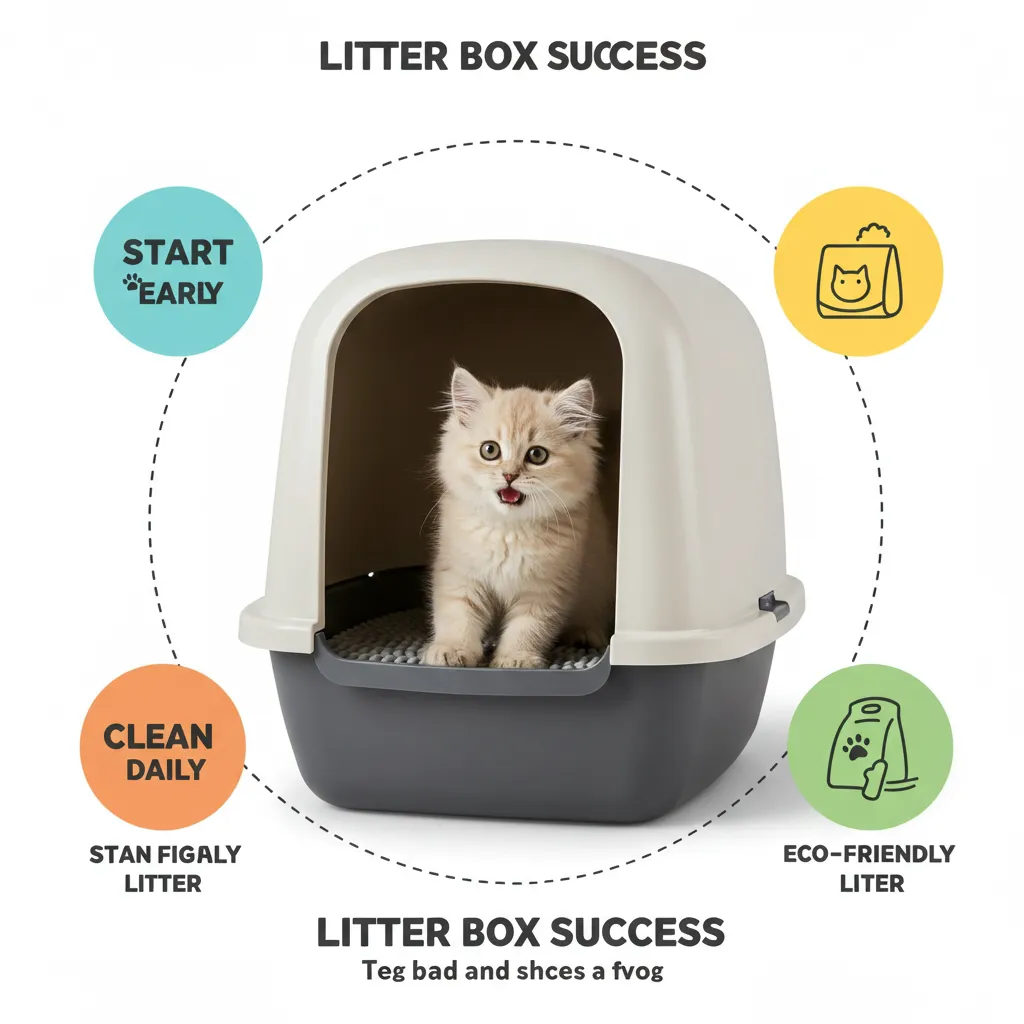
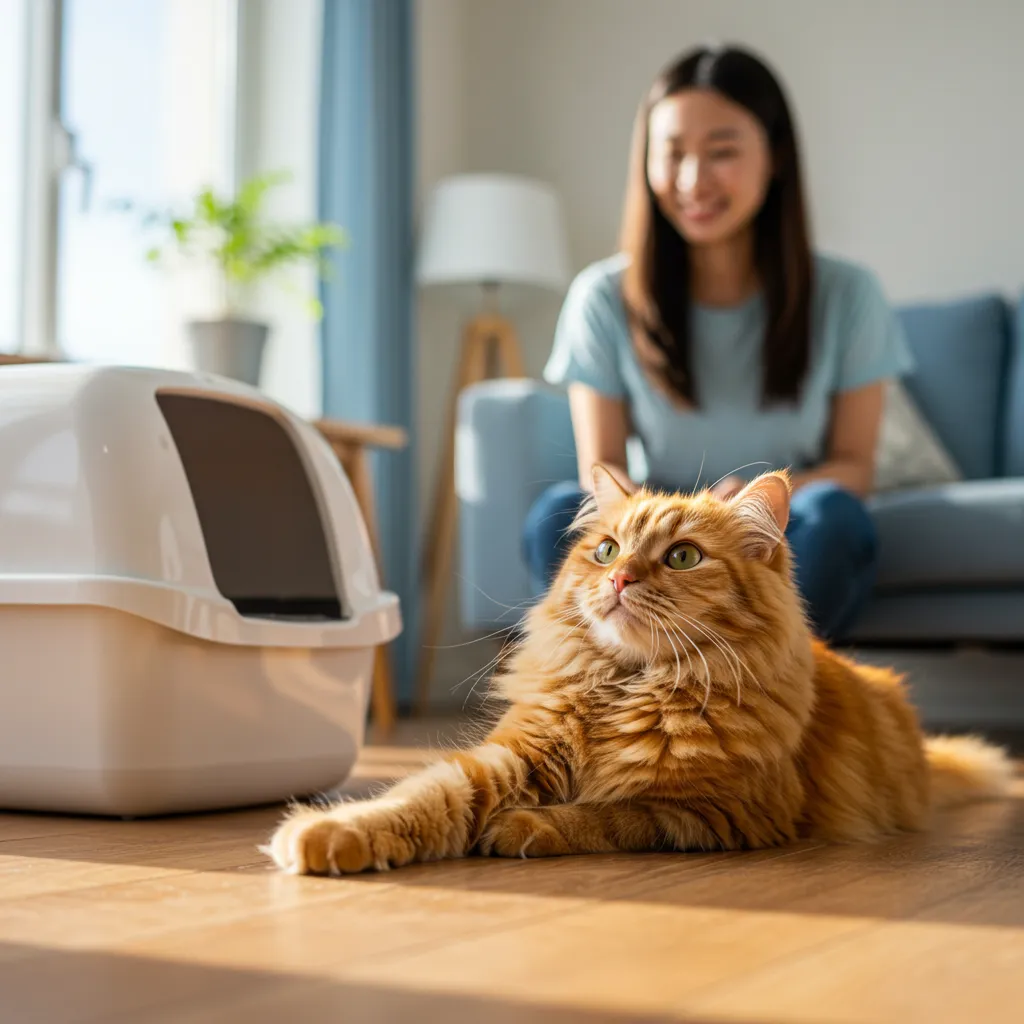
Imagine bringing home a fluffy kitten, all purrs and cuddles, only to find tiny puddles outside the litter box days later. Frustrating? You’re not alone. Cat litter training is the key to a clean home and a happy cat. Whether you’re raising a playful Munchkin or a curious Siamese, this guide from Cat Bloom Haven will teach you how to litter train a kitten, reinforce litter box habits, and avoid common pitfalls. Packed with vet-backed tips, 2025 trends like eco-friendly cat litter, and step-by-step strategies, you’ll turn litter box woes into purr-fect success.
Here’s what you’ll learn:
- Kitten Litter Training Steps: Easy, proven methods for quick results.
- Best Litter Box Setup: Choosing the right box and litter for your cat.
- Litter Box Placement Tips: Where to place boxes to prevent accidents.
- Cat Behavior Fixes: Solutions for litter box issues and stress.
- 2025 Trends: Eco-friendly and self-cleaning litter box options.
Key Takeaways: Your Path to Litter Training Success
- Start Early: Begin litter training kittens at 3–4 weeks for best results.
- Right Setup: Choose a spacious, uncovered litter box and unscented, clumping litter.
- Strategic Placement: Place boxes in quiet, accessible spots—follow the “n+1 rule” (one box per cat plus one).
- Positive Reinforcement: Reward box use with treats; never punish accidents.
- Clean Regularly: Scoop daily, deep-clean weekly to maintain cat hygiene.
- Health Check: Rule out medical issues like UTIs if accidents persist.
- 2025 Trends: Opt for eco-friendly cat litter or self-cleaning boxes for apartments.
Ready to transform your cat’s litter box habits? Let’s dive into why cats need litter training and how to make it stick.
Why Cat Litter Training Matters
Cats are naturally inclined to bury their waste, a survival instinct from their wild ancestors. But domestic life means teaching them where to go your laundry basket isn’t an option (see our guide on stopping cats from peeing in laundry baskets). Proper cat litter training ensures:
- Hygiene: Keeps your home odor-free and sanitary.
- Comfort: Cats feel secure with a reliable, clean bathroom.
- Bonding: Builds trust between you and your feline friend.
- Prevention: Avoids behavioral issues like marking or stress-induced accidents.
Without training, even the sweetest kitten can develop bad habits, leading to frustration for both of you. Let’s start with timing.
When to Start Litter Training Kittens
Kittens are ready for litter training around 3–4 weeks, when they begin exploring beyond nursing. This is the sweet spot: their instincts kick in, but they’re still impressionable. For adopted kittens (check our cat adoption guide), start training the day they arrive to establish routines.
Why Start Early?
- Instinct Alignment: Young kittens naturally dig and cover; training harnesses this.
- Habit Formation: Early success prevents accidents in adulthood.
- Stress Reduction: Familiarity with the box eases transitions in new homes.
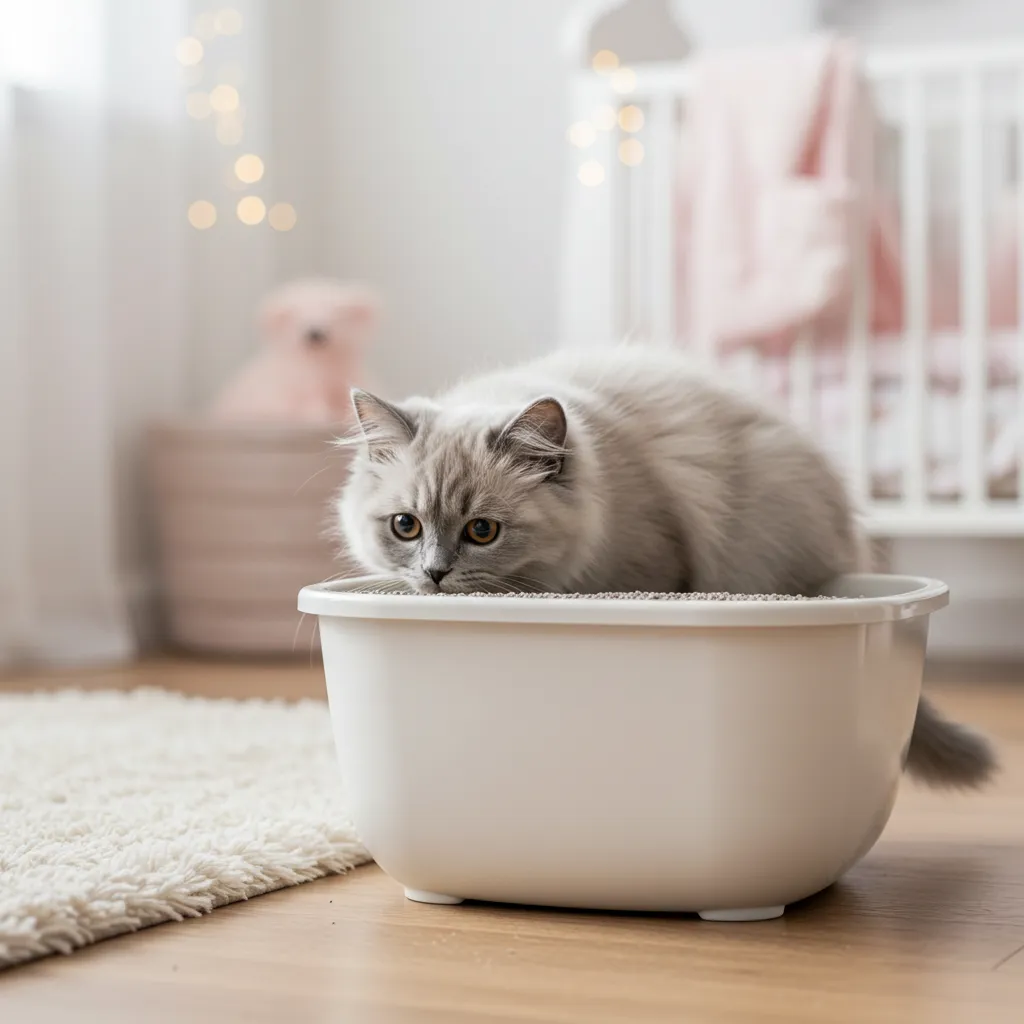
Pro Tip: If fostering a neonatal kitten, stimulate elimination with a warm cloth until they’re ready for litter. Explore our kitten care guide for breed-specific tips.
Preparing for Litter Training
Before you set up, gather supplies and mindset. Cats thrive on consistency, so preparing for litter training sets the stage for success. Here’s what you need:
- Litter Box: Spacious, low-sided for kittens; consider adult needs for growth.
- Litter: Unscented, clumping clay or natural cat litter for sensitive paws.
- Scoop and Mats: For daily maintenance and mess control.
- Treats: For rewarding box use.
- Enzymatic Cleaner: For accidents (see our cat urine health guide).
- Patience: Training takes days to weeks, depending on the cat.
Real Example: When I adopted my Bengal kitten (inspired by our Bengal cat introduction tips), a low-sided box and daily rewards turned her into a litter pro in five days.
Choosing the Right Litter Box
The litter box is the heart of cat toilet training. A poorly chosen box leads to avoidance, while the right one invites use. Here’s how to pick the best litter box for kittens or adults.
Litter Box Size Guide
- Kittens: Low sides (2–3 inches) for easy access; 14×10 inches minimum.
- Adults: At least 1.5x the cat’s length; Maine Coons need jumbo boxes (see our Maine Coon guide).
- Multi-Cat Homes: Follow the n+1 rule to prevent territorial disputes.
Covered vs Uncovered Litter Box
- Uncovered: Preferred for most cats; allows easy entry and less odor trapping.
- Covered: Can feel secure but traps smells, deterring picky cats like Siamese (explore Siamese cat behavior).
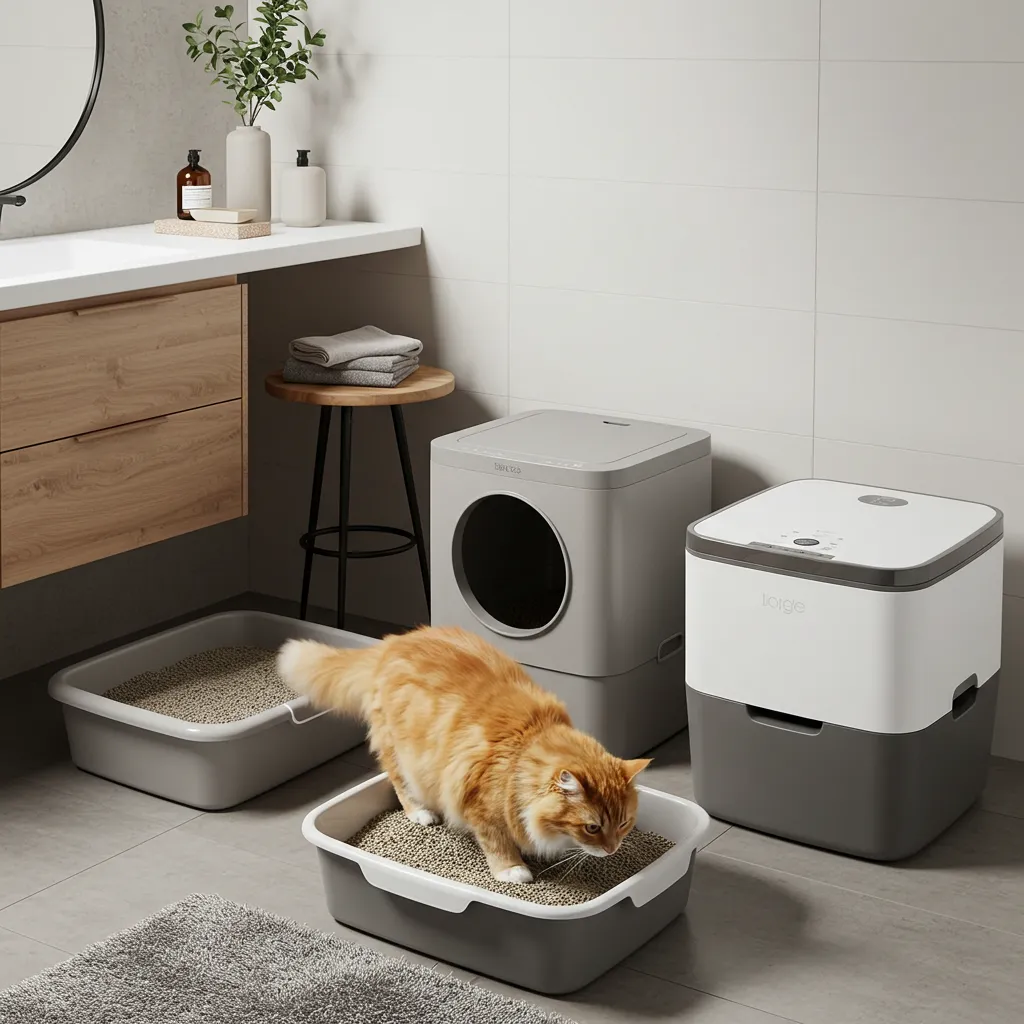
- 2025 Trend: Self-cleaning litter boxes like Litter-Robot are ideal for apartments, reducing maintenance (see best litter box setup for apartments below).
Types of Cat Litter Boxes
| Type | Pros | Cons | Best For |
|---|---|---|---|
| Open Tray | Easy access, affordable | Dust spread, less privacy | Kittens, multi-cat homes |
| Covered Box | Privacy, odor control | Traps smells, harder to clean | Shy cats, small spaces |
| Self-Cleaning | Low maintenance, odor control | Expensive, noisy | Busy owners, apartments |
| Disposable | Eco-friendly, portable | Less durable, frequent replacement | Travel, temporary setups |
Pro Tip: Test one box per cat before investing in multiples. Our Norwegian Forest cat litter training guide recommends open trays for their large frames.
Picking the Right Type of Litter
Litter choice impacts cat litter box setup success. Cats are texture-sensitive, and the wrong litter can lead to rejection. Here’s a breakdown:
- Clumping Clay: Most popular; easy to scoop, odor control. Best for beginners.
- Non-Clumping Clay: Cheaper but less effective; needs frequent changes.
- Natural Cat Litter: Corn, wheat, or pine-based; eco-friendly cat litter for 2025 trends. Gentle on paws but may track more.
- Crystal/Silica: Absorbs well, low dust. Pricey and less natural feel.
- Paper-Based: Soft, great for post-surgery or sensitive paws (ideal for Munchkins; see Munchkin cat care).
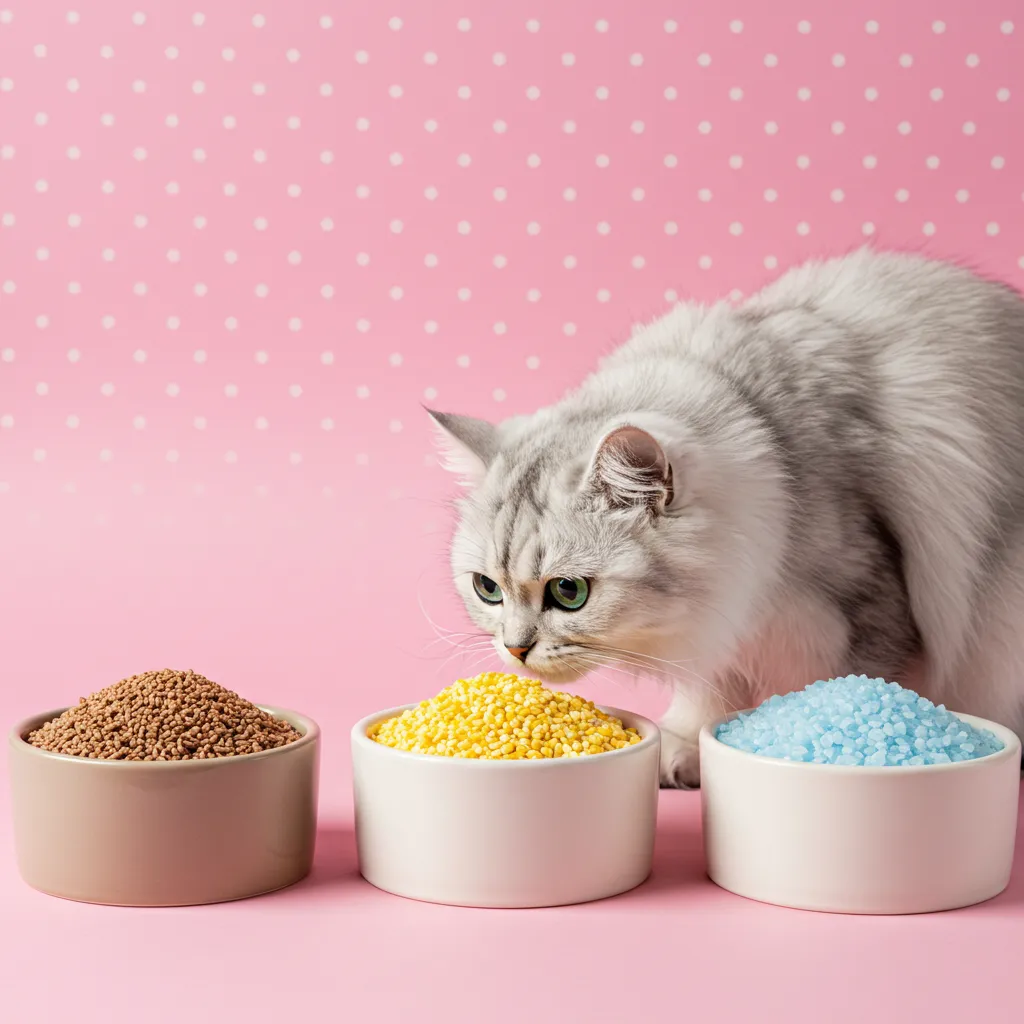
2025 Insight: Sustainable cat products like World’s Best Cat Litter (corn-based) are gaining traction for eco-conscious owners. Avoid scented litters—cats’ 200 million olfactory receptors find them overwhelming.
Litter Box Placement Tips
Where you place the box is as critical as the box itself. Poor placement leads to cat behavior and litter box issues. Follow these litter box placement tips:
- Quiet Zones: Avoid noisy areas like laundry rooms or near appliances.
- Accessibility: Low-traffic, easy-to-reach spots; no high shelves for kittens or seniors.
- Privacy with Visibility: Cats like seclusion but hate feeling trapped.
- Multiple Locations: In multi-story homes, place one box per floor.
- Avoid Food/Water: Cats won’t use boxes near feeding areas.
Checklist:
- Away from loud machines.
- Not in a corner where cats feel trapped.
- Accessible 24/7, no closed doors.
- One box per cat + one extra.
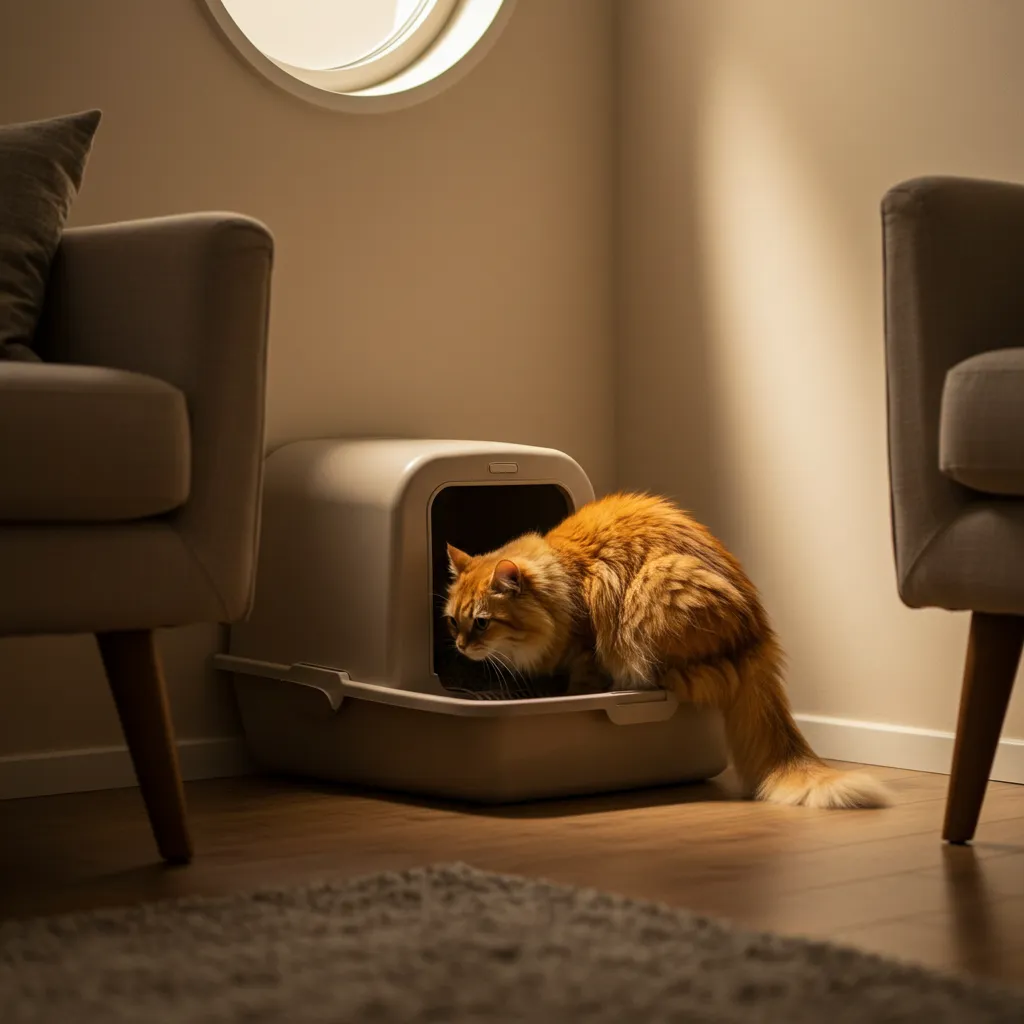
Example: My Ragdoll refused a box near the washer but loved one in a quiet guest room corner (see Ragdoll cat care).
Step-by-Step Kitten Litter Training Steps
Ready to train? Follow these proven steps for how to litter train a kitten or retrain an adult cat.
- Introduce the Box: Place the kitten in the box after meals or naps. Gently scratch the litter to mimic digging.
- Reward Success: Offer a treat or praise when they use it. Positive reinforcement builds habits.
- Monitor Patterns: Cats naturally eliminate post-eating or waking. Guide them to the box during these times.
- Clean Accidents Immediately: Use enzymatic cleaners to erase scents that invite repeat offenses (see cat urine health).
- Be Consistent: Stick to the same box, litter, and location for weeks.
- Gradual Transitions: If changing litter or boxes, mix old with new over 7–10 days.
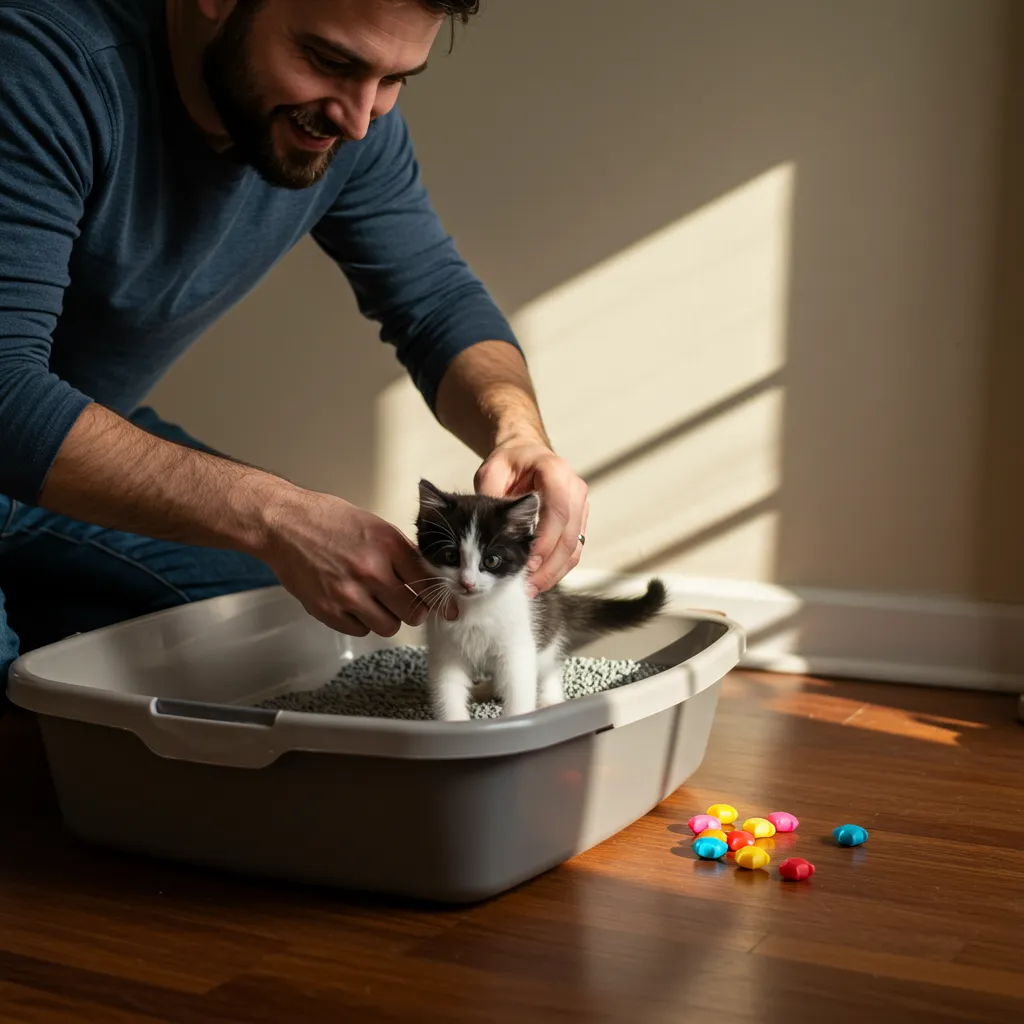
Timeline: Most kittens learn in 3–7 days; adults may take 2 weeks. For breed-specific tips, check our Bengal cat personality guide.
How to Reinforce Litter Box Habits
Consistency is king, but reinforcement seals the deal. Here’s how to reinforce litter box habits:
- Daily Scooping: Removes odor, keeps box inviting.
- Weekly Deep Clean: Wash with mild soap or vinegar; avoid ammonia-based cleaners.
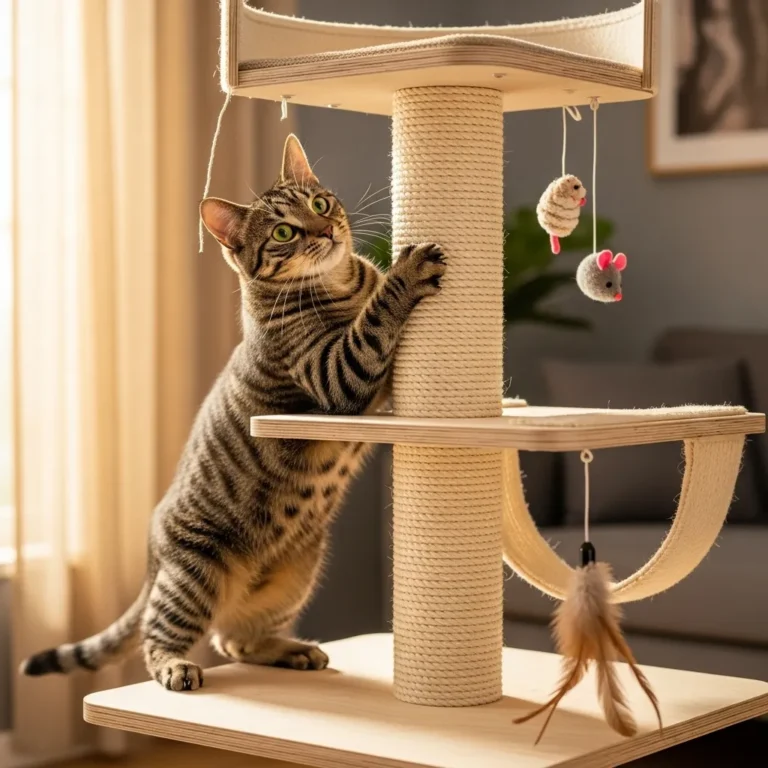
- Enrichment: Scratching posts, toys, and perches reduce stress-related accidents (see cat stress signs).
- Pheromone Diffusers: Feliway calms anxious cats, reducing avoidance by 85% in studies.
- Routine: Feed and play at set times to predict elimination.
Pro Tip: For multi-cat homes, use different litters to identify which cat avoids the box. Our Munchkin cats and dogs coexistence guide helps manage territorial issues.
Common Litter Training Mistakes to Avoid
Even well-meaning owners slip up. Here are common litter training mistakes and how to fix them:
- Punishing Accidents: Scolding increases stress, worsening cat behavior problems. Redirect gently.
- Wrong Box Size: Too small or high-sided boxes deter use. Follow our litter box size guide.
- Scented Litter: Overpowers cats’ senses. Switch to unscented.
- Poor Placement: Busy or cramped spots scare cats away. Relocate to quiet areas.
- Infrequent Cleaning: Dirty boxes lead to rejection. Scoop daily, refresh weekly.
- Ignoring Health: UTIs or arthritis cause avoidance. Schedule a vet visit (see finding the best vet).
Real Example: A friend’s Siamese stopped using the box due to a covered design trapping odors. Switching to an open tray fixed it in days (see Siamese cat behavior).
2025 Trends in Cat Litter Training
Litter training evolves with technology and sustainability. Here’s what’s trending:
- Eco-Friendly Cat Litter: Biodegradable options like walnut or recycled paper reduce environmental impact.
- Self-Cleaning Litter Box: Models like PetSafe ScoopFree save time, ideal for best litter box setup for apartments.
- Odor Control Litter Box: Advanced carbon filters in boxes like Modkat keep smells at bay.
- Smart Monitoring: Apps track box usage, alerting owners to health issues early (pair with cat health care).
- Sustainable Cat Products: From compostable liners to bamboo scoops, green choices are rising.
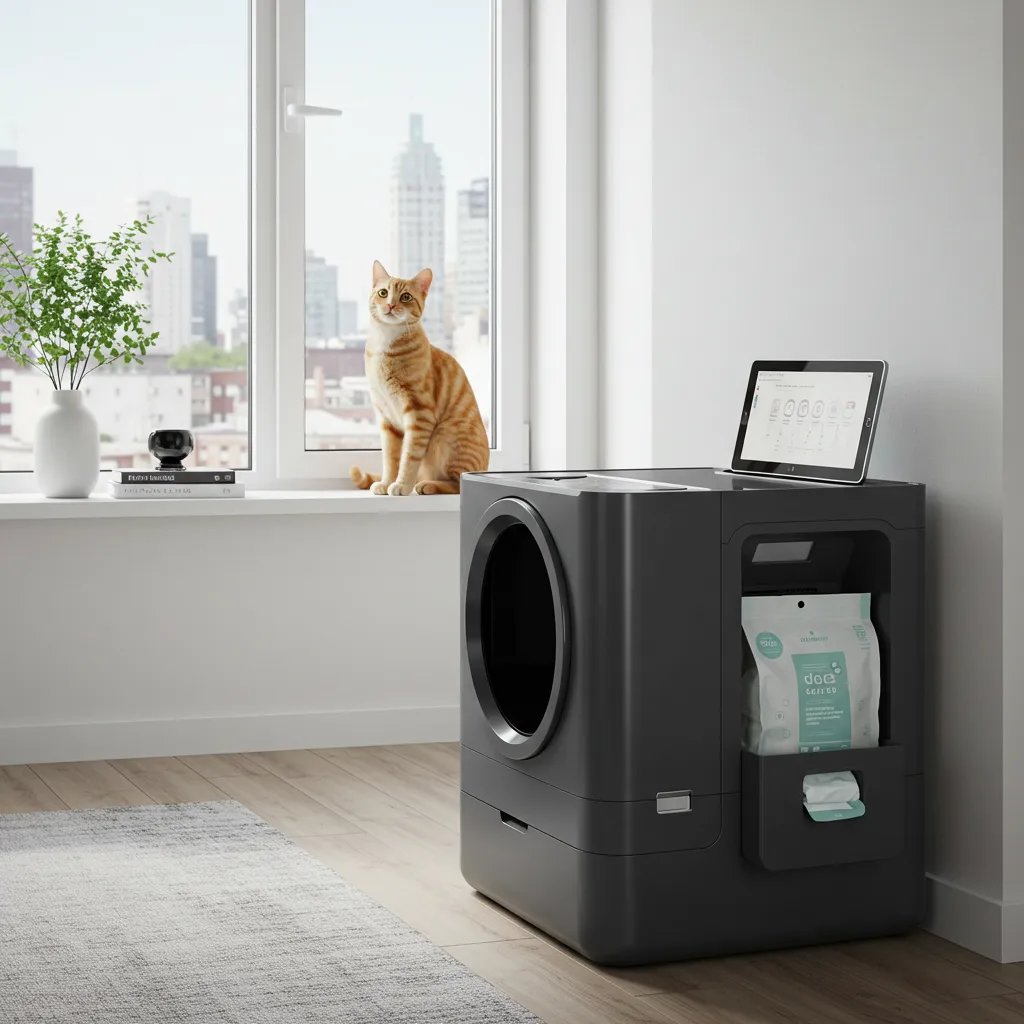
Insight: A 2025 PetMD report notes 60% of owners prefer natural cat litter for its safety and eco-appeal, especially for sensitive breeds like Persians (see Persian cat breed).
Litter Box Maintenance: Keeping It Pristine
Litter box maintenance is non-negotiable for cat hygiene and habit reinforcement. Follow these steps:
- Daily: Scoop waste; check for unusual urine or stool (see cat urinary health).
- Weekly: Empty, wash with mild soap, and refill with fresh litter.
- Monthly: Replace mats or liners; inspect for wear.
- Odor Control: Sprinkle baking soda or use odor control litter box models.
- Health Monitoring: Small clumps or straining? Consult a vet for UTI checks.
Pro Tip: Waterproof liners (like those in our best beds for Munchkin cats) under boxes catch spills.
FAQ: Quick Answers for Cat Litter Training
How do I teach my cat to use the litter box?
Place them in the box after meals, reward use, and keep it clean. Consistency is key.
When should I start litter training kittens?
At 3–4 weeks, when they start exploring. Earlier builds stronger habits.
How do I litter train my kitten?
Use a low-sided box, unscented litter, and guide them post-meal. Reward success, clean accidents fast.
How do I choose a litter box for my cat?
Pick a spacious, uncovered box (1.5x cat’s length). Kittens need low sides; adults need room.
What type of litter should I use for my cat?
Unscented, clumping clay or natural cat litter (corn, pine) works best. Avoid scented varieties.
Where should I place the litter boxes?
Quiet, accessible, low-traffic areas away from food. Use one box per cat + one extra.
How can I reinforce good litter box habits in my cat?
Reward box use, scoop daily, and reduce stress with toys or pheromones.
Why is my cat not using the litter box?
Check for medical issues (UTIs), dirty boxes, or stress. See our cat behavior guide.
Conclusion: A Purr-fectly Trained Cat Awaits
Cat litter training is more than a chore—it’s a gift to your cat and your home. By starting early, choosing the right litter box and litter, and following our kitten litter training steps, you’ll set your feline up for success. Avoid common litter training mistakes, embrace 2025 trends like eco-friendly cat litter, and maintain a clean, inviting setup to keep those litter box habits strong.
Whether you’re training a playful Bengal or a laid-back Ragdoll, consistency and patience are your allies. Explore more expert tips at Cat Bloom Haven, from cat health care to cat stress signs. Got a litter training win? Share it in the comments—we’d love to hear your story!