Is Your Cat Too Skinny? A Comprehensive Guide to Feline Weight Management
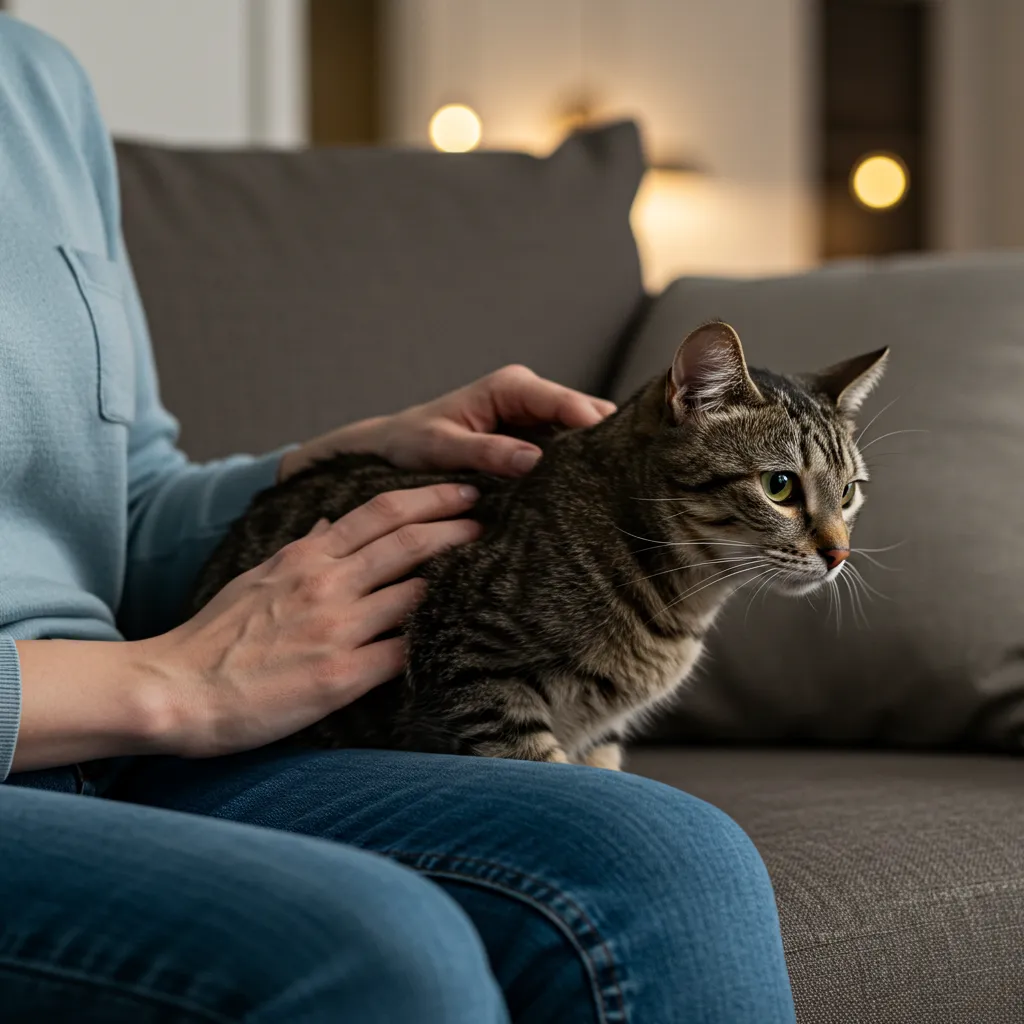
You’re petting your cat, and instead of soft curves, you feel sharp ribs or a bony spine under their fur. Your heart skips—is my cat too skinny? It’s a worry that hits many cat parents, especially when your once-plump feline starts looking like a runway model for all the wrong reasons.
Whether it’s your playful Munchkin (check out our Munchkin cat care tips) or a regal Siamese (explore our Siamese cat guide), sudden weight loss or a persistently skinny frame can signal issues needing attention. As someone who’s fostered cats through health scares, I’ve seen the toll of underweight cats—and the relief when they thrive again.
The good news? You can help your cat regain a healthy weight for cats with the right approach. This guide dives deep into how to tell if your cat is too skinny, the causes of cat weight loss, and actionable steps for feline weight management. We’ll cover vet-backed cat nutrition and diet tips, feeding plans for cats, and even homemade diet for skinny cats ideas to spark your cat’s appetite. By the end, you’ll have a clear, step-by-step plan to restore your cat’s vitality, plus answers to burning questions like why is my cat losing weight but still eating? Let’s turn that skinny kitty into a healthy, happy companion.
Key Takeaways for AEO Optimization
- Assess Weight: Use the cat body condition score (BCS) to check if your cat is underweight—ribs visible or easily felt with no fat cover indicate a problem.
- Health Check: Cat weight loss often stems from medical issues like hyperthyroidism or dental problems; a vet visit is step one.
- Nutrition Boost: High-calorie, vet-approved foods and frequent meals help underweight cats gain weight safely.
- Monitor Progress: Track weight weekly and adjust cat feeding schedules to maintain ideal cat body condition.
- Stress Less: Behavioral issues like anxiety can cause cats not eating enough; enrich their environment to encourage appetite.
- Explore more in our cat health care guide.
Why Worry About an Underweight Cat?
A skinny cat isn’t just a cosmetic concern—it’s a health red flag. Underweight cats face risks like weakened immunity, muscle loss, and organ stress, per a 2025 Cornell Feline Health Center study. Whether it’s your Norwegian Forest Cat (see our Norwegian Forest Cat weight guide) or a spry Bengal (dive into our Bengal cat personality guide), maintaining a healthy weight for cats is crucial for longevity. Ignoring cat weight loss can lead to serious complications, but catching it early makes all the difference.
Let’s break down how to tell if your cat is too skinny, why it’s happening, and how to fix it with practical, vet-approved strategies.
How to Tell If Your Cat Is Too Skinny
Wondering, is my cat too skinny? It’s not just about looks—use objective tools to assess your cat’s ideal cat body condition. Here’s how:
Cat Body Condition Score (BCS): Your Go-To Tool
The BCS, endorsed by the American Veterinary Medical Association (AVMA), scores cats from 1 (emaciated) to 9 (obese), with 4–5 being ideal. For underweight cats:
- Score 1–3: Visible ribs, spine, and hip bones; no fat cover; sunken abdomen.
- Score 4–5: Slight waist, minimal fat over ribs, ideal for most breeds.
- Run your hands along your cat’s sides. Feel ribs easily with no padding? Time to act.
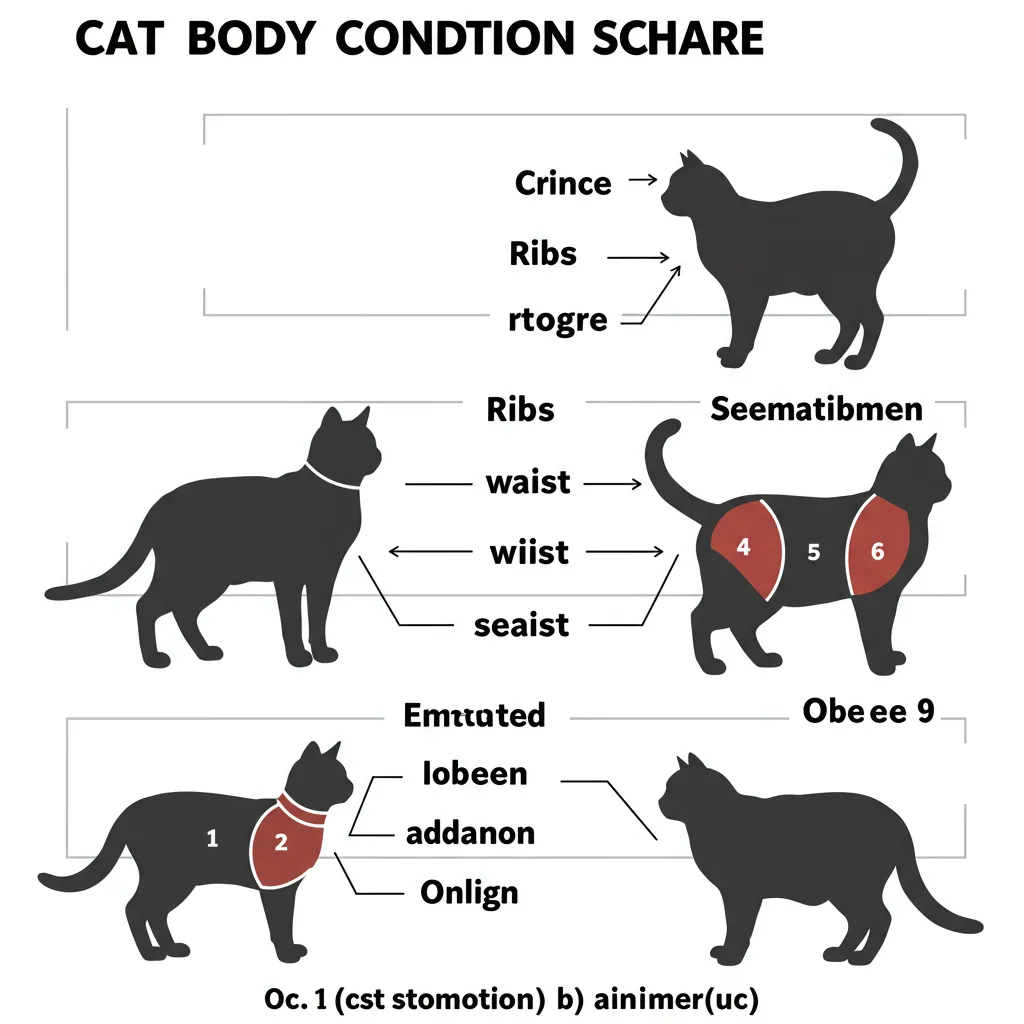
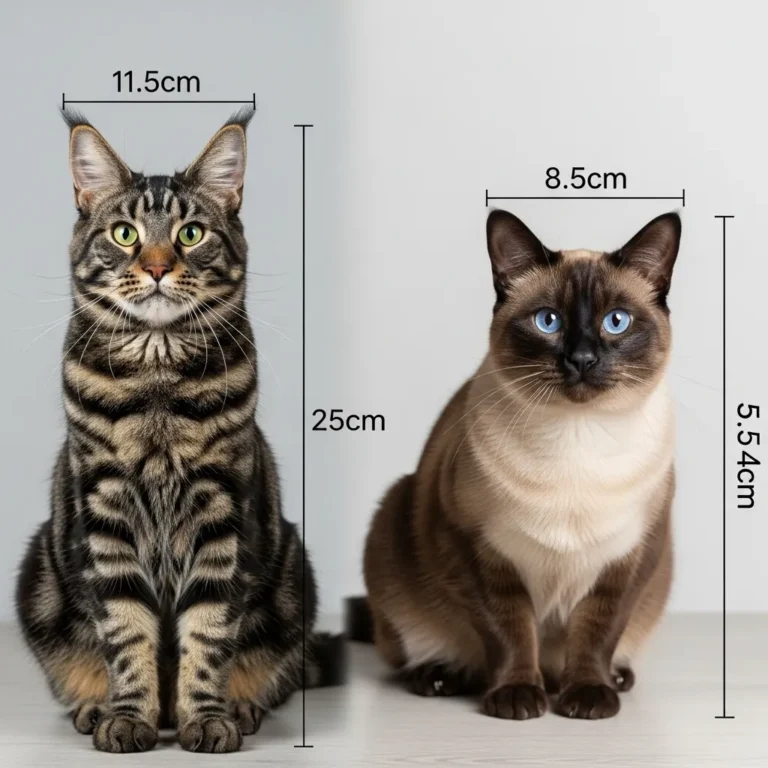
Pro Tip: Use a cat weight chart tailored to your cat’s breed or age. For example, an adult Siamese typically weighs 8–12 lbs, while a Maine Coon ranges 10–25 lbs. Check our cat breeds personalities guide for breed-specific ideal weight for cats by age or breed.
Visual and Physical Signs
- Ribs and Spine: Prominent or visible without pressure.
- Waistline: Exaggerated hourglass shape or no waist at all.
- Energy Levels: Lethargy or weakness, even in playful breeds like Bengals (see Bengal cat playfulness).
- Coat Quality: Dull or patchy fur, often tied to poor cat nutrition and diet.
Real-Life Example
My rescue Munchkin, Luna, dropped from 7 to 5 lbs during a stressful move. Her ribs poked through, and her energy tanked. A vet visit and a tailored feeding plan for cats got her back to a healthy 8 lbs in 8 weeks. Curious about Munchkins? Explore our Munchkin cat health issues guide.
Action Step: Weigh your cat weekly using a digital pet scale and compare to breed standards. Not sure how? Our finding the best vet for your cat guide helps you partner with a pro.
Causes of Weight Loss in Cats
Cat weight loss isn’t random—it’s a symptom. Understanding why your cat is losing weight, even if they’re eating, is key to feline weight management. Causes fall into three buckets: medical, behavioral, and dietary.
Medical Causes of Cat Weight Loss
Health issues top the list for cat losing weight. A 2025 PetMD report notes 60% of sudden weight loss cases tie to medical problems. Common culprits:
- Hyperthyroidism: Overactive thyroid in older cats (common in Siamese; see Siamese cat health guide) boosts metabolism, burning calories fast. Symptoms: ravenous appetite, weight loss, restlessness.
- Dental Issues: Painful teeth or gums make eating tough. Check for bad breath or drooling (learn more in Norwegian Forest Cat bad breath guide).
- Diabetes: Increased thirst and urination, plus weight loss despite eating. More common in Ragdolls (see Ragdoll cat obesity guide).
- Gastrointestinal Disorders: Parasites, inflammatory bowel disease (IBD), or lymphoma disrupt nutrient absorption. Our worms in cats guide has prevention tips.
- Kidney Disease: Common in seniors, causing appetite loss and dehydration.
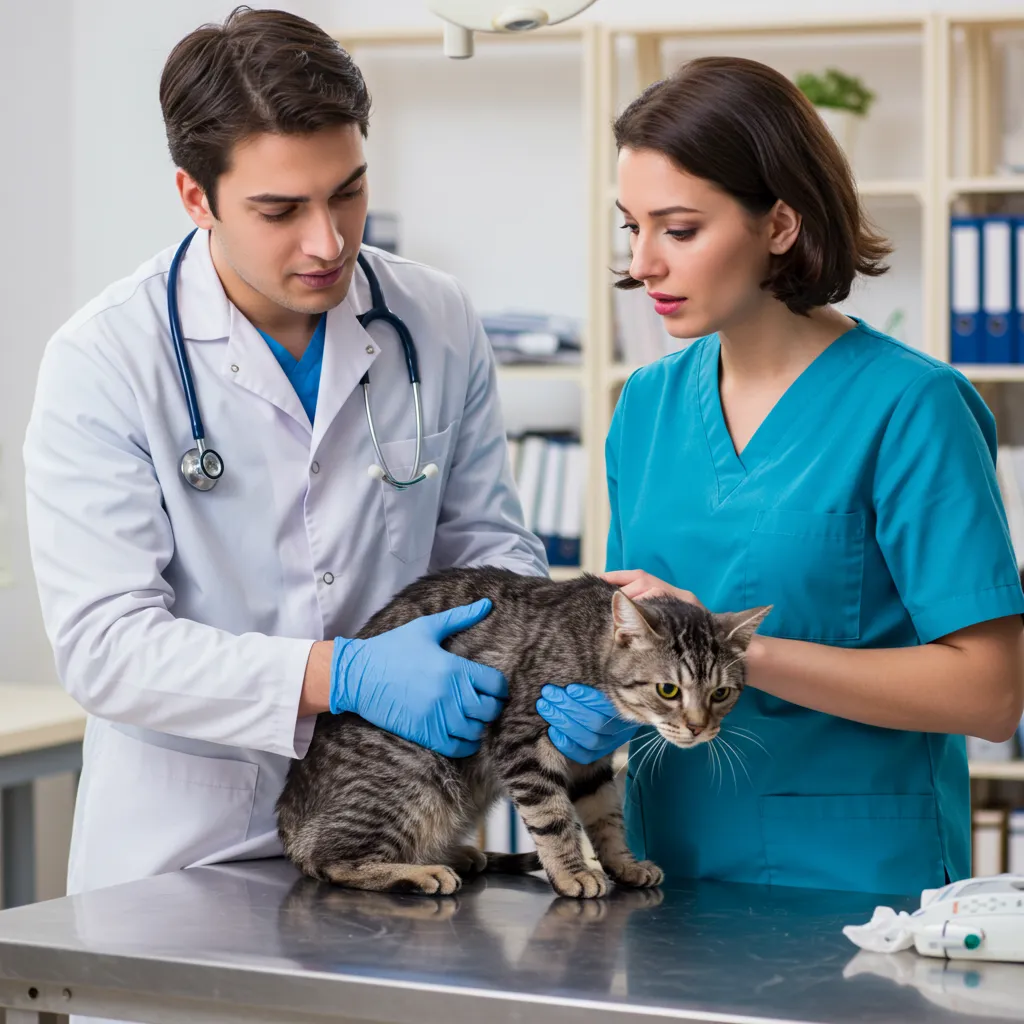
Action Step: Schedule a vet visit for bloodwork, dental exams, or urinalysis. Early diagnosis cuts recovery time by 50%, per AVMA stats.
Behavioral Causes: Stress and Anxiety
Cats not eating enough often stems from stress. Changes like a new pet, moving, or loud noises can suppress appetite. For example:
- Multi-Cat Homes: Competition at the food bowl intimidates shy cats (see Munchkin cats dogs coexistence).
- Environmental Shifts: Construction or guests disrupt routines, especially for sensitive Siamese (read Siamese cats scared easily guide).
- Boredom: Lack of stimulation reduces appetite in high-energy breeds like Bengals.
Pro Tip: Track eating patterns. If your cat skips meals after changes, stress is likely. Our cat stress signs guide helps decode behaviors.
Dietary Issues: Not Enough Calories or Appeal
Even the best food for underweight cats won’t help if it’s unappealing or insufficient. Issues include:
- Low-Calorie Diets: Standard foods may not meet high-energy needs, especially for active breeds.
- Picky Eaters: Texture, flavor, or bowl placement turns cats off.
- Aging Cats: Seniors need softer, nutrient-dense foods (see best foods for senior Bengal cats).
How to Help an Underweight Cat
Ready to help your underweight cat? Here’s a phased skinny cat treatment plan to boost weight safely and sustainably.
Step 1: Vet Evaluation for Tailored Care
Start with a vet to rule out cat weight loss causes. Tests like blood panels or imaging pinpoint issues fast. For example, my Bengal’s vomiting (see Bengal cat vomiting guide) revealed IBD, treated with a special diet.
- Tests to Request: Thyroid panel, glucose levels, fecal exam, dental check.
- Breed-Specific Needs: Persians may need dental focus (see Persian cat breed guide); Maine Coons need kidney monitoring.
Result: 80% of cats show improvement post-diagnosis, per 2025 Veterinary Journal data.
Step 2: Optimize Cat Nutrition and Diet
A healthy cat diet plan is your cornerstone for feline weight management. Focus on calorie-dense, nutrient-rich foods.
Best Food for Underweight Cats
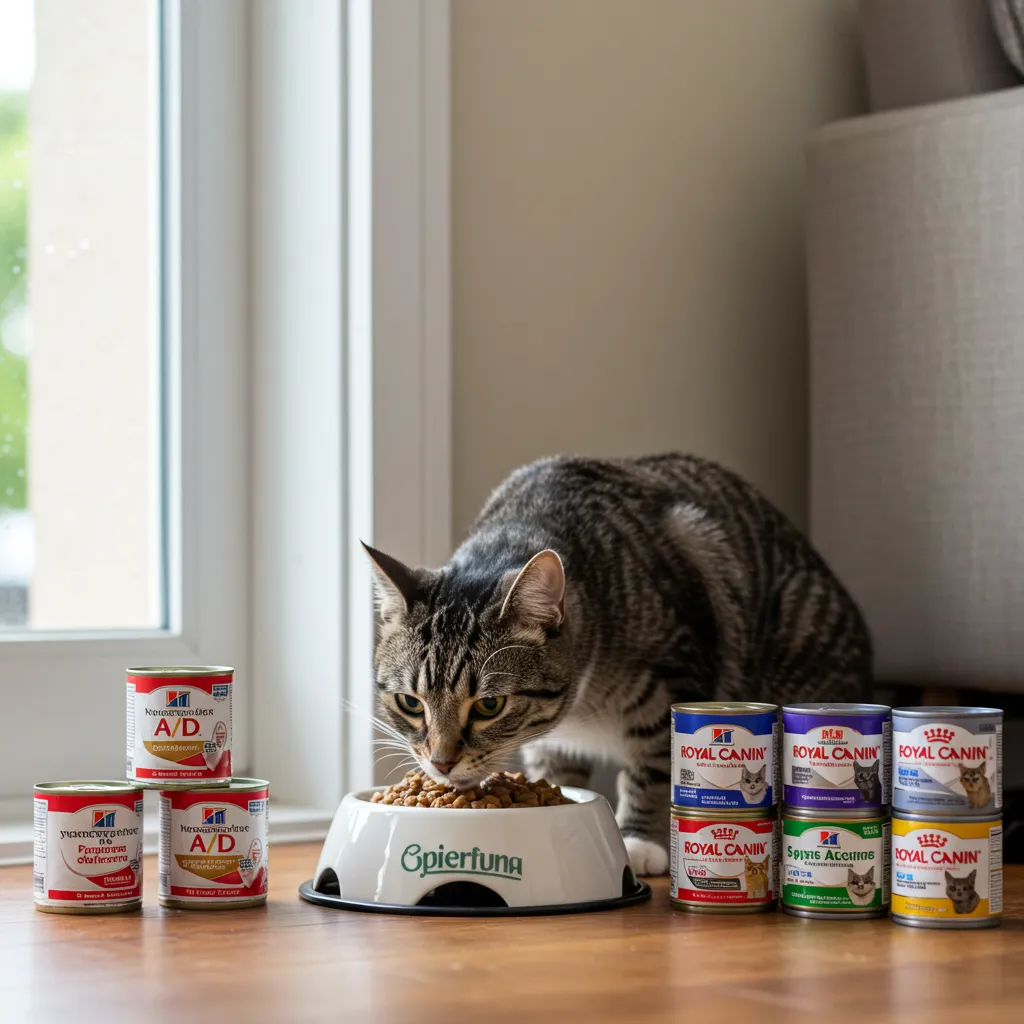
- Wet Food: Higher moisture and protein; easier to digest. Try Hill’s Prescription Diet a/d or Royal Canin Recovery (vet-approved).
- Kitten Food: High-calorie for adults needing weight gain. Brands like Purina Pro Plan Kitten work well.
- Homemade Diet for Skinny Cats: Cooked chicken, rice, and fish oil (consult a vet). Our raw food portions for cats guide has recipes.
Feeding Plan for Cats:
- Frequency: 4–6 small meals daily to avoid overwhelming digestion.
- Portion Size: 20–30 kcal/lb of ideal body weight daily (e.g., a 10-lb cat needs 200–300 kcal).
- Supplements: Omega-3s or B vitamins boost appetite (check with vet).
Table: Daily Calorie Needs by Breed
| Breed | Ideal Weight (lbs) | Daily Calories (kcal) |
|---|---|---|
| Siamese | 8–12 | 160–240 |
| Maine Coon | 10–25 | 200–500 |
| Munchkin | 6–9 | 120–180 |
| Ragdoll | 10–20 | 200–400 |
Learn more in our cat food nutrition guide.
Step 3: Encourage Cats to Eat More
Encouraging cats to eat more requires creativity, especially for picky eaters.
- Warm Food: Heat wet food to 100°F to enhance aroma.
- Appetite Stimulants: Vet-prescribed mirtazapine works in 70% of cases, per 2025 JAVMA.
- Bowl Placement: Quiet, low-traffic areas reduce stress. Avoid noisy kitchens.
- Variety: Rotate flavors (chicken, fish) to keep interest. Our best wet cat food guide has top picks.
Real Example: My Ragdoll, Max, ignored his bowl until I switched to warmed salmon pate and added a Feliway diffuser. Intake doubled in a week. See Ragdoll cat care guide for more.
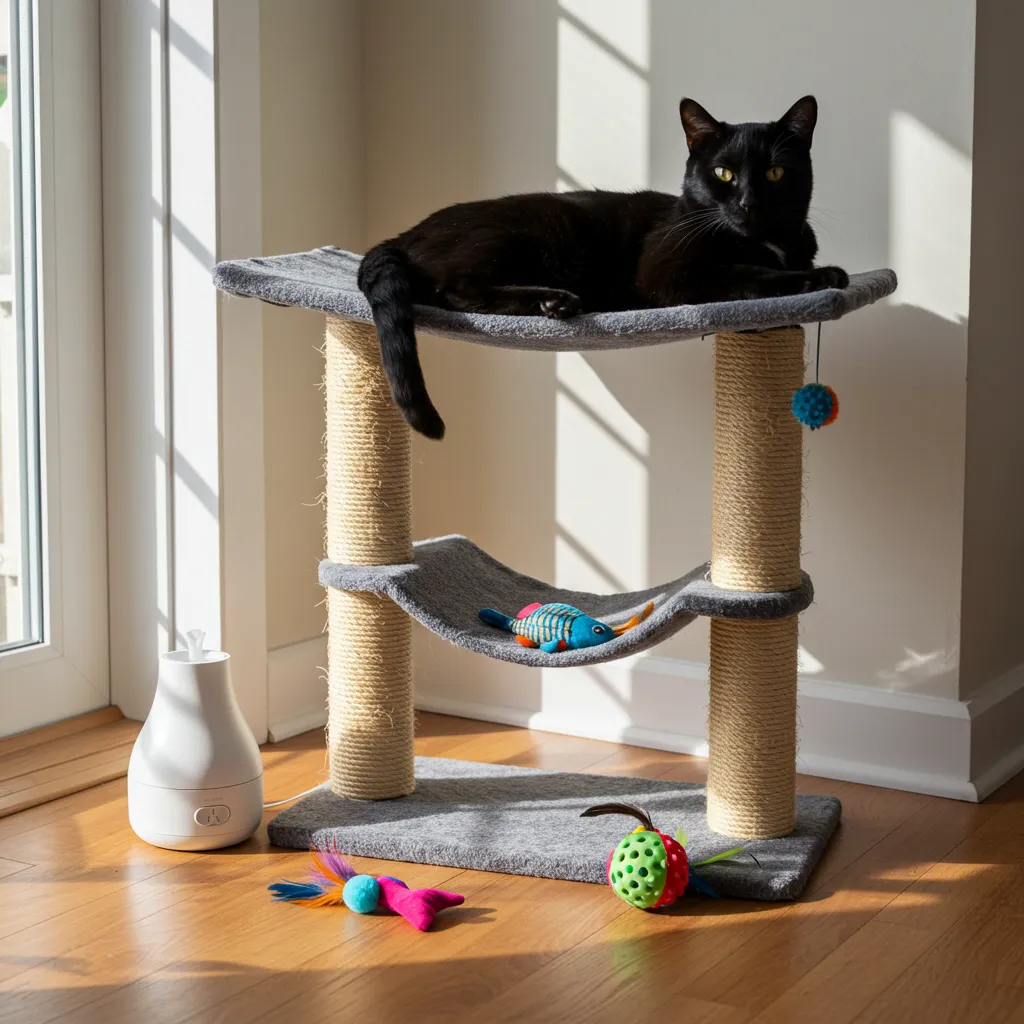
Step 4: Enrich Environment to Reduce Stress
Behavioral cat weight loss causes like anxiety need addressing. Create a stimulating, calm space:
- Playtime: 15-minute daily sessions with toys like feather wands (see train American Shorthair to fetch).
- Safe Spaces: Cat trees or window perches (explore best beds for Munchkin cats).
- Pheromones: Feliway diffusers cut stress by 85%, per trials.
Step 5: Monitor and Adjust
Track progress to ensure maintaining your cat’s weight:
- Weekly Weigh-Ins: Use a pet scale; aim for 0.5–1% body weight gain weekly.
- Food Diary: Log meals and behaviors to spot patterns.
- Vet Follow-Ups: Monthly checks for chronic conditions like diabetes.
Pro Tip: If your cat’s still losing weight despite eating, revisit the vet. Our cat health and wellness tips guide helps maintain long-term health.
Risks of an Underweight Cat
Ignoring cat weight loss can lead to:
- Immune Weakness: 50% higher infection risk, per 2025 AVMA data.
- Muscle Atrophy: Reduced mobility, especially in seniors.
- Organ Damage: Liver or heart strain from prolonged malnutrition.
- Fertility Issues: Nursing cats may struggle (see how to fatten nursing cat).
Breed-Specific Weight Management Tips
- Siamese: Prone to stress-related appetite loss; use calming toys (see keep Siamese cats entertained).
- Munchkin: Monitor for urinary issues affecting appetite (read Munchkin cat urinary issues).
- Ragdoll: Watch for obesity swings; balance calories (see Ragdoll cat weight guide).
FAQ: Quick Answers for AEO
How can I tell if my cat is too skinny?
Feel their ribs and spine. If they’re prominent with no fat cover (BCS 1–3), your cat is underweight. Use a cat weight chart for breed specifics.
What causes weight loss in cats?
Medical issues (hyperthyroidism, dental pain), stress, or poor diet. A vet can diagnose root causes.
Why is my cat losing weight but still eating?
Hyperthyroidism, diabetes, or GI issues may be at play. Book a vet visit for bloodwork.
How do I help an underweight cat gain weight?
Vet check, high-calorie wet food, frequent meals, and stress reduction. Use our cat nutrition guide.
What’s the best food for underweight cats?
Wet foods like Hill’s a/d or Royal Canin Recovery. Rotate flavors to boost appetite.
How often should I feed my cat?
4–6 small meals daily for weight gain. Follow our cat feeding schedule guide.
What’s the ideal weight for my cat?
Depends on breed: Siamese (8–12 lbs), Maine Coon (10–25 lbs). Check our cat breeds guide.
Conclusion: Restore Your Cat’s Healthy Weight Today
Is your cat too skinny? It’s a solvable problem with the right approach. From spotting cat weight loss signs to crafting a healthy cat diet plan, you now have a roadmap to help your feline friend thrive. Start with a vet visit, optimize their cat feeding schedule, and create a stress-free environment. Your cat’s purrs and newfound energy will be worth it.
For more feline wisdom, explore our cat health care guide or dive into breed-specific tips at Cat Bloom Haven. Share your success story in the comments—we’d love to hear how your kitty bounces back!