Why Is My Cat Scratching the Floor? The Complete Guide to This Weird (But Totally Normal) Behavior
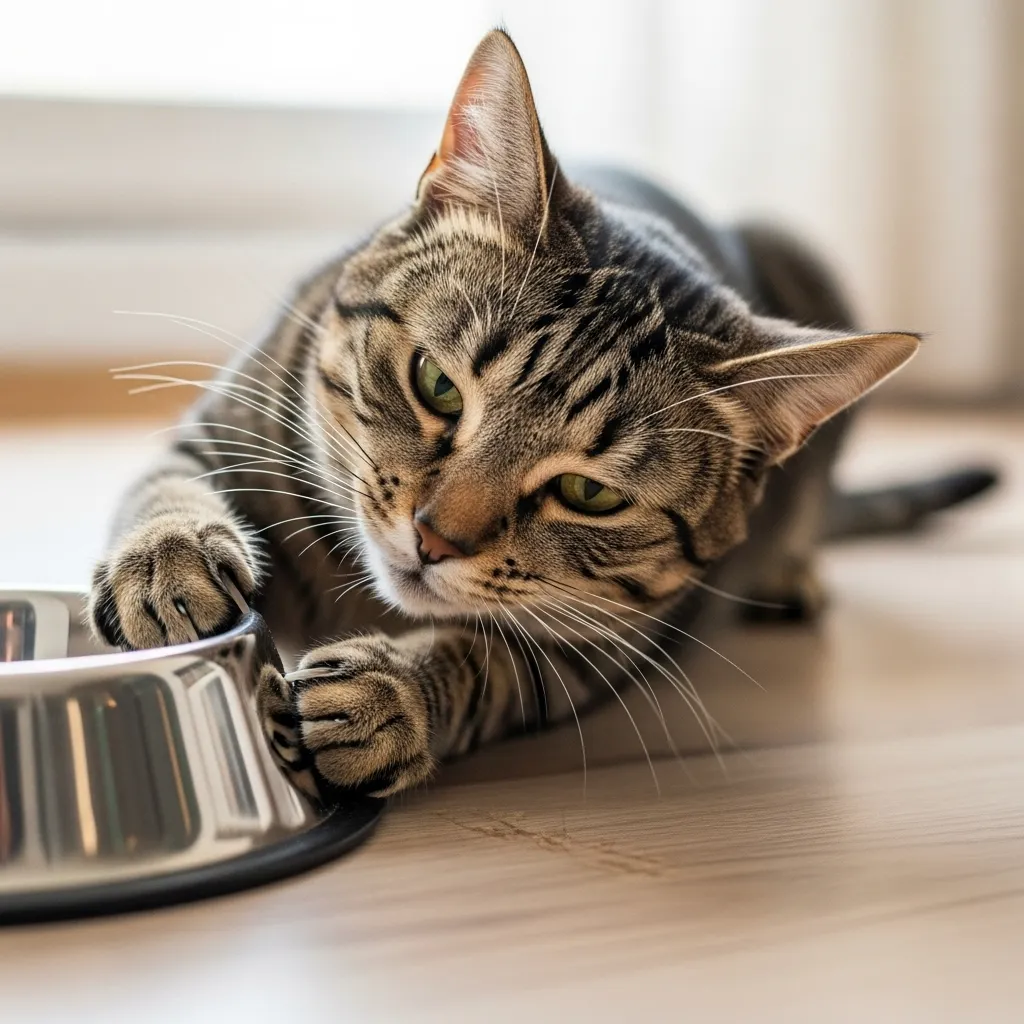
You’ve just filled the food bowl, and instead of diving in, your cat starts frantically pawing at the tile like they’re trying to bury a national secret. Or maybe you walk into the room and find them scratching the hardwood around the water bowl for no apparent reason. If you’ve ever googled “why is my cat scratching the floor” at 2 a.m., you’re not alone. This behavior drives thousands of cat parents crazy every month, but here’s the good news: it’s rarely random, and it’s almost never a sign your cat has lost their mind.
In this guide, we’ll break down every reason cats scratch the floor – from ancient wild instincts to subtle stress signals – and exactly what to do about it. By the end, you’ll know whether your cat is being a drama queen, marking territory, or telling you something important.
Quick Summary (for the impatient):
- 90% of the time, floor-scratching is an instinctive “burying” behavior left over from wild ancestors.
- Common triggers: around food bowls, water bowls, after using the litter box, or even after vomiting.
- Usually harmless, but sudden increases can signal stress, hunger, bowl discomfort, or medical issues.
- Easy fixes exist – no need to rehome your little archaeologist.
Let’s dig in.
Where This Behavior Comes From: Your Housecat Is Still Part Wild
Domestic cats share 95.6% of their DNA with wild felines. One of the strongest leftover instincts? Hiding evidence of their presence. In the wild, big cats scratch earth over urine and feces to hide scent from predators and rivals. Small wild cats like the African wildcat (your tabby’s closest cousin) do the same with leftover food to avoid attracting bigger predators.
Even though your living-room floor isn’t dirt, the hard-wired program still runs: “Eliminated? Ate? Cover tracks now.” That’s why you’ll see the behavior most often in three situations:
- After pooping (cat scratching floor after pooping)
- Around food bowls (cat scratching floor around food)
- Around water bowls (cat scratching floor before drinking)
Think of it as your cat running Windows 95 instincts on a 2025 operating system. The software hasn’t updated.
The Top 7 Reasons Your Cat Is Scratching the Floor (Ranked by How Common They Are)
1. “I’m Trying to Bury This – Help Me Out Here”
The number-one reason by a mile. Cats scratch the floor like litter because they’re attempting to cache (hide) food, water, or waste. You’ll see this most with:
- Cats who don’t love the food you just served
- Picky eaters who want to “save it for later”
- Multi-cat homes where one cat tries to hide food from the others
Real-life example: My friend’s Bengal used to scratch the kitchen tile for five straight minutes after meals. Switched to smaller portions served more often – scratching dropped 80%.
2. Scent-Marking and Territory Claims
Cat paws have scent glands. When they scratch any surface – carpet, couch, or hardwood – they’re leaving “This is mine” messages. Floor-scratching around food or water bowls is often a polite way of saying “This spot belongs to me.” You’ll notice it more in:
- Newly adopted cats
- Homes with recent changes (new pet, new human, moved furniture)
- Intact (unneutered/unspayed) cats
3. The Bowl Itself Is the Problem
Metal bowls can create tiny reflections or static that freak some cats out. Ceramic or elevated bowls sometimes create a slight echo. Result? The cat tries to “fix” the weirdness by scratching around it. Common with nervous or sensitive breeds (Siamese, Bengal, Sphynx).
Quick test: Switch to a wide, shallow ceramic or glass bowl for a week and watch what happens.
4. Stress or Anxiety Around Resources
Cats are control freaks about resources. If they feel food or water might disappear, they’ll try to bury it “just in case.” Triggers include:
- Inconsistent feeding schedule
- Competition from other pets or kids
- Recent diet change
- Moving the bowls to a high-traffic area
Cat scratching floor to mark territory often spikes when a cat feels insecure.
5. Post-Poop Victory Dance (Yes, Really)
Some cats get a burst of energy after successful elimination – the famous “poop zoomies” – and scratching is part of the ritual. It’s like humans washing hands; it just feels right to them.
6. Medical Red Flags (Rare, But Worth Knowing)
A sudden increase in floor-scratching can sometimes signal:
- Gastrointestinal upset (trying to bury vomit or diarrhea)
- Anal gland issues
- Early urinary problems (trying to cover strong-smelling urine outside the box)
- Neurological conditions (very rare)
If the behavior appears overnight or your cat seems distressed, book a vet visit.
7. They’re Just Weird (The Honest Final Category)
Some cats develop quirky habits that don’t hurt anyone. I’ve met cats who scratch the floor only when served chicken-flavored food, or only on Tuesdays. As long as they’re healthy and happy, sometimes you just shrug and keep the broom handy.
When Floor-Scratching Around Food Is Normal vs. When It’s a Cry for Help
| Situation | Probably Normal | Time to Worry / Act |
|---|---|---|
| Scratches occasionally after eating | ✅ Wild instinct | |
| Scratches every single meal | Try smaller portions, puzzle feeders | |
| Only started after you changed food | Switch back or transition slowly | |
| Also hiding, growling, or aggressive | Stress or resource guarding – vet + behaviorist | |
| Scratching + vomiting or diarrhea | Vet visit ASAP |
Cat Floor-Scratching Solutions That Actually Work
1. Switch to Feeding Habits Wild Cats Would Approve Of
- Feed smaller meals 3–5 times a day instead of one or two big ones
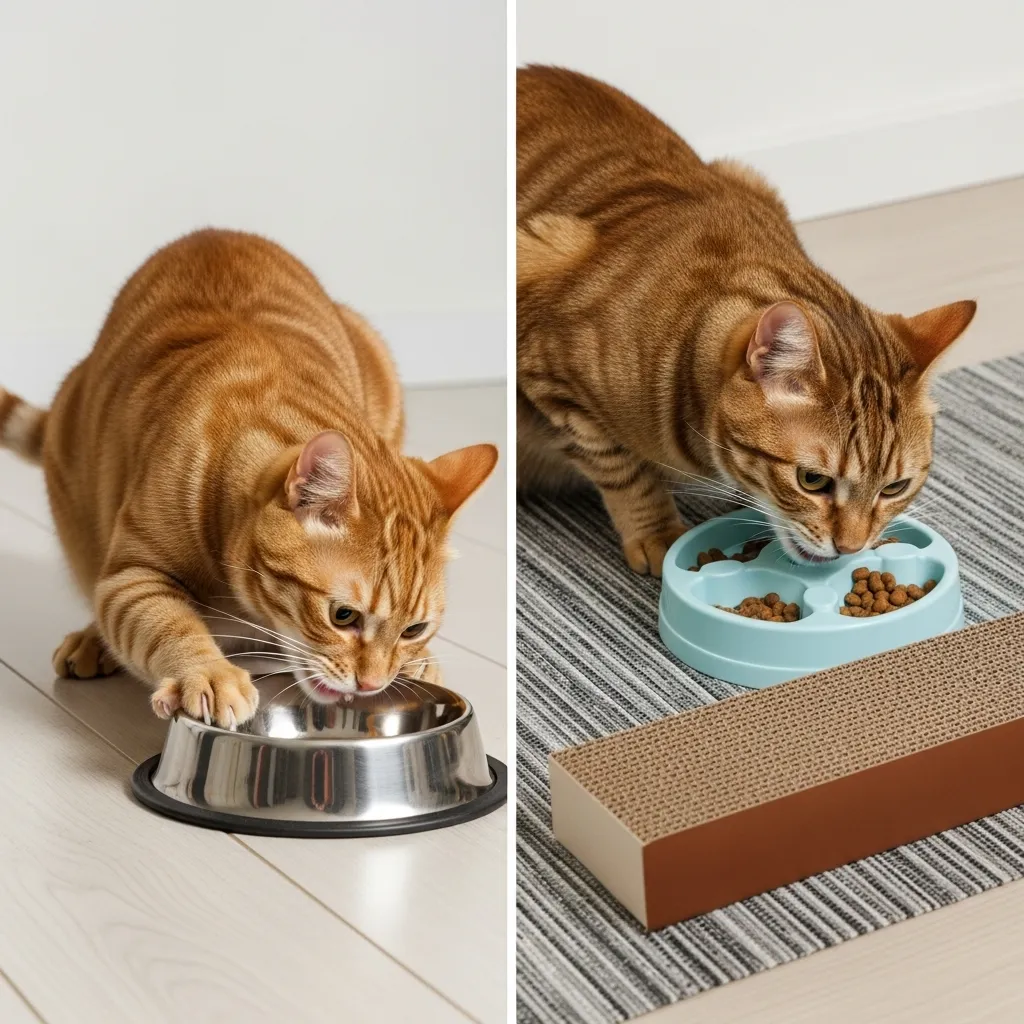
- Use puzzle feeders or food-dispensing toys – satisfies the hunting instinct so they feel less need to cache
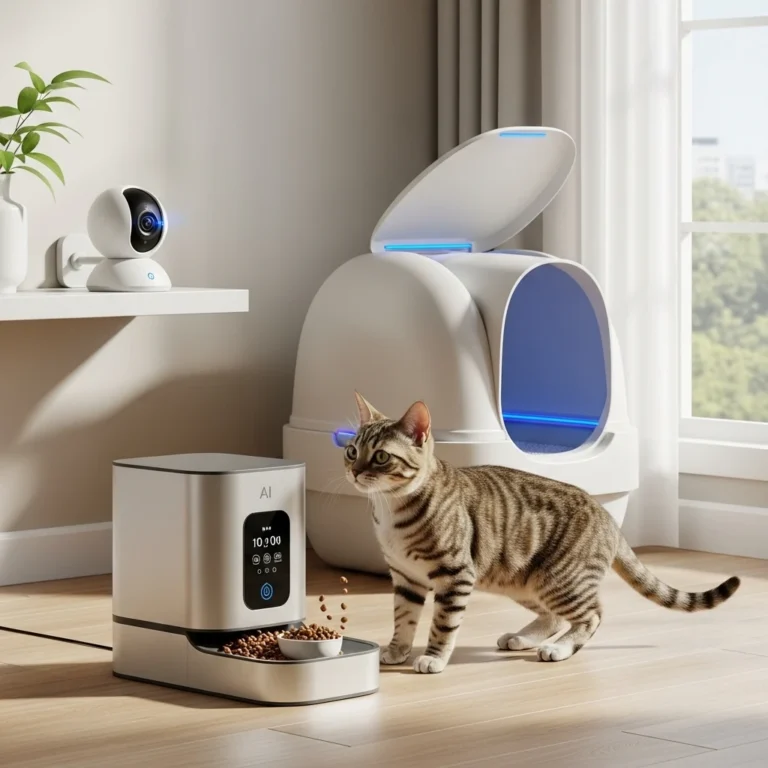
- Try timed automatic feeders for consistency
2. Upgrade the Hardware
- Wide, shallow bowls (whisker-fatigue proof)
- Non-metal materials (ceramic, glass, or stainless with rubber base)
- Elevated feeders for taller cats
- Placemats under bowls – gives them something scratchable that isn’t your floor
3. Give Them Acceptable Scratching Alternatives
Most cats who scratch floors are dying for a proper outlet. Place:
- Horizontal cardboard scratchers right next to the food area
- A dig box (shallow box with playground sand or shredded paper) in a quiet corner
4. Reduce Resource Anxiety
- Multiple food/water stations in different rooms
- Microchip feeders in multi-cat homes
- Keep feeding area quiet and low-traffic
5. Clean With Enzyme Cleaners
Residual scent keeps them coming back. Regular cleaners don’t cut it – use an enzymatic pet odor eliminator weekly.
Special Cases You Asked About
Cat Scratching the Floor After Vomiting
Usually an attempt to hide the mess and the smell. Clean thoroughly with enzyme cleaner and consider a vet check if it’s frequent.
Cat Scratching Around Water Bowl
Less common, but often the same caching instinct. Some cats hate water that smells like food (or vice versa). Try separate locations for food and water fountains.
Litter Box Too Small = More Floor Scratching
Yes, really. If the box feels cramped, some cats “finish the job” outside by scratching the floor. Rule of thumb: box should be 1.5× the cat’s body length.
Cat Scratching Floor But Nothing There
Classic ghost-burying. The neural pathway fires even when there’s nothing to cover. Harmless 99% of the time.
Frequently Asked Questions (Snippet-Ready Answers)
Why does my cat scratch the floor before eating?
It’s an ancestral caching behavior – they’re trying to hide the food from imaginary competitors or save it for later.
Is floor-scratching a sign of anxiety?
Sometimes. Sudden onset or extreme intensity paired with hiding or aggression can indicate stress.
Will my cat ever stop scratching the floor?
Many outgrow it with age, better feeding routines, and proper scratching outlets. Some keep a mild version forever – it’s just who they are.
Should I punish my cat for scratching the floor?
Never. It’s instinctive, and punishment increases stress (which makes the behavior worse).
My cat only does it with dry food – normal?
Very common. Dry kibble is easier to “bury” than wet food, and some cats dislike the smell lingering.
Final Thoughts
Your cat isn’t trying to ruin your floors or audition for an excavation team. They’re running a 10,000-year-old program in a modern house, and sometimes the wires get crossed. In almost every case, a few simple changes – better bowls, puzzle feeders, horizontal scratchers, consistent schedule – will dramatically reduce or eliminate the behavior.
If you’ve tried everything and the scratching is still intense, consult your vet to rule out medical causes, then consider a certified behaviorist. But for the vast majority of cats, floor-scratching is just another reminder that we share our homes with tiny, furry predators who haven’t read the house rules.
Want more practical fixes for quirky cat habits? Explore our guides on why cats knock things over, how to stop unwanted cat behaviors, or understanding cat scratching instincts.
Your floors (and your sanity) will thank you.