The AI-Powered Pet Parent: Smart Tools Cat Owners Are Using for Health, Happiness, and Peace of Mind
Introduction: Welcome to the Future of Feline Care
Imagine knowing exactly what your cat is trying to tell you when they meow in a particular pitch at 3 AM. Picture receiving an alert on your phone that your senior cat hasn’t visited the water fountain in six hours before dehydration becomes a crisis. Envision having a virtual vet assistant available 24/7 to assess whether that new litter box behavior warrants an emergency visit. This isn’t science fiction; this is the reality for modern pet parents who are embracing artificial intelligence tools designed specifically for cat care.
As a cat owner, you’ve probably experienced that moment of anxiety when your feline friend exhibits strange behavior, refuses to eat, or hides for no apparent reason. You scour the internet, compare symptoms, and wonder if you’re overreacting or missing something critical. This uncertainty ends now. AI tools pet owners are using today are transforming guesswork into data-driven insight, offering unprecedented levels of understanding about our cats’ health, behavior, and needs.
In this comprehensive guide, we’ll explore how artificial intelligence is revolutionizing feline care from smart litter boxes that detect early signs of urinary issues to interactive toys that adapt to your cat’s unique play style. Whether you’re a new kitten parent navigating the challenges of litter training or a seasoned cat guardian managing chronic health conditions, these tools offer practical solutions that enhance both your cat’s wellbeing and your peace of mind. Let’s dive into the intelligent future of cat ownership.
Understanding the AI Revolution in Pet Care
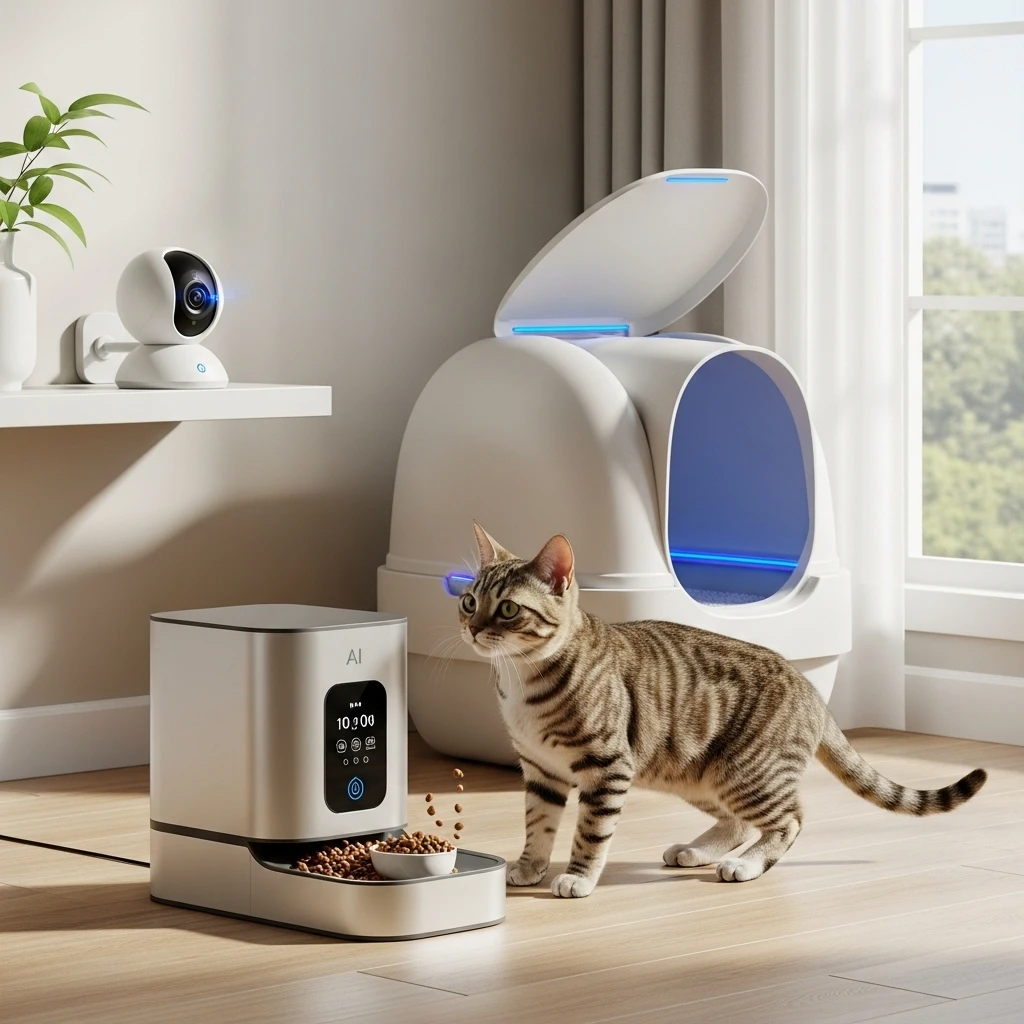
Before we explore specific tools, let’s clarify what we mean by “AI tools” in the context of pet care. Artificial intelligence in this space isn’t about robots replacing human connection; it’s about sophisticated algorithms that analyze patterns, recognize behaviors, and provide insights that would be difficult or impossible for humans to detect consistently.
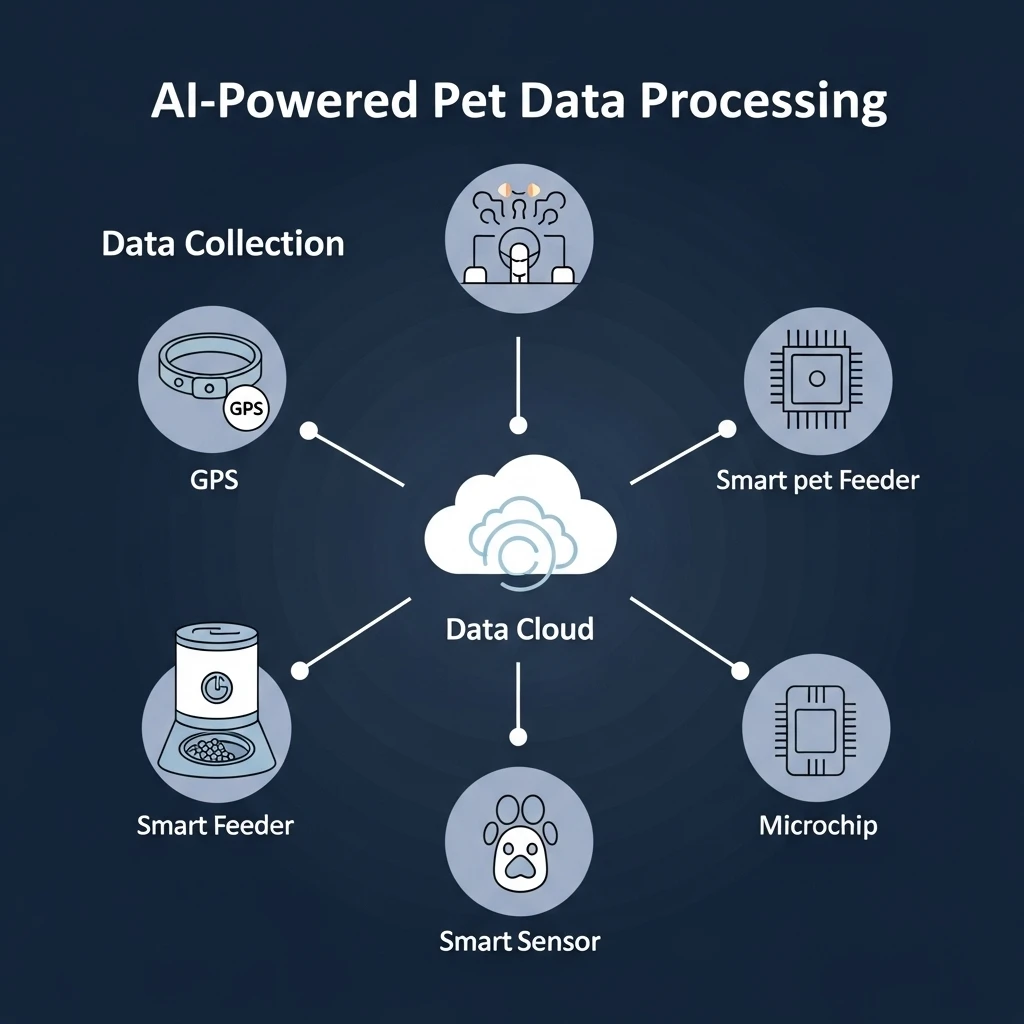
These tools typically work by collecting data through sensors, cameras, or microphones, then processing that information through machine learning models trained on thousands or millions of data points from other pets. The system learns what’s normal for your specific cat, then flags deviations that might indicate health issues, stress, or changing needs. It’s like having a veterinary specialist observing your cat 24/7, noting every subtle change in habits, vocalizations, or movements.
The beauty of these AI tools lies in their personalization. Every cat is unique from the energetic Bengal who needs constant stimulation to the laid-back Ragdoll who prefers quiet cuddles. AI systems adapt to these individual personalities and patterns, providing customized insights rather than one-size-fits-all advice. This personalized approach is particularly valuable for breed-specific tendencies, which we explore extensively in our guides on Bengal cat personality and Ragdoll cat care.
Health Monitoring: Proactive Prevention Through Technology
Smart Litter Boxes: Your First Line of Defense
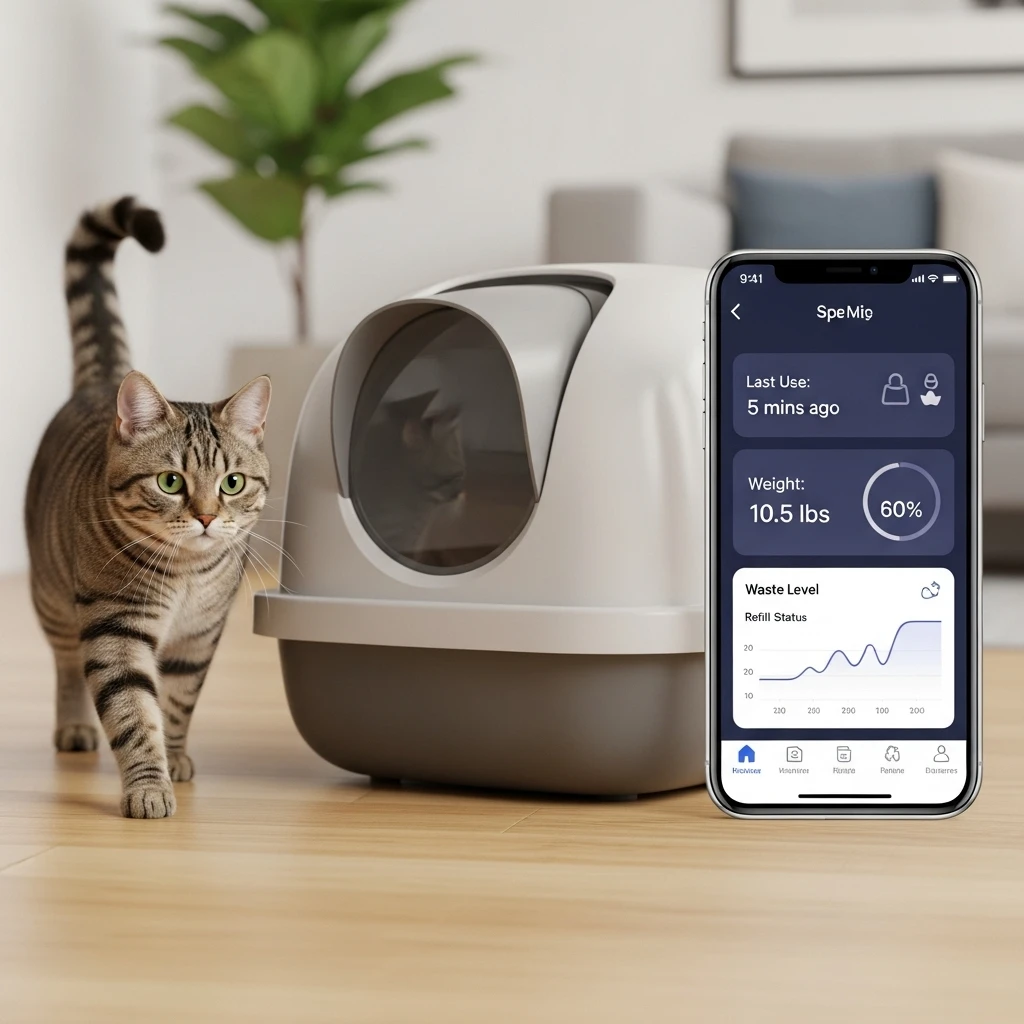
The humble litter box has undergone a technological transformation that would impress even the most discerning cat. Modern smart litter boxes do much more than just self-clean they’re sophisticated health monitoring stations that track frequency, volume, and even the composition of your cat’s waste.
These systems use weight sensors, motion detectors, and sometimes even chemical analysis to monitor urinary and digestive health. They can detect early signs of conditions like:
- Feline Lower Urinary Tract Disease (FLUTD)
- Kidney issues
- Diabetes
- Dehydration
- Digestive disorders
By establishing a baseline of what’s normal for your cat, these systems alert you to changes that might indicate developing problems. For multi-cat households, many systems can distinguish between different cats, providing individual health tracking a game-changer for managing conditions like cat urinary health issues that might affect one cat but not others.
The data collected isn’t just about alerts; many systems provide trends over time that you can share with your veterinarian, creating a comprehensive health history that goes beyond occasional office visits. This longitudinal data is particularly valuable for senior cats or those with chronic conditions, offering insights that even the most observant owner might miss.
AI-Powered Cameras: Behavior as Health Data
Interactive pet cameras have evolved far beyond simple surveillance. Today’s AI-enhanced cameras can distinguish between normal and concerning behaviors, recognize specific cats by their facial features or markings, and even interpret certain vocalizations.
These cameras track patterns like:
- Changes in sleeping habits (increased lethargy or restlessness)
- Altered eating or drinking routines
- Unusual vocalization patterns
- Repetitive behaviors that might indicate stress or cognitive issues
- Social interactions in multi-pet households
For cats with specific health concerns, this behavioral data is invaluable. A cat with hyperthyroidism might show increased activity and vocalization, while a cat developing arthritis might hesitate before jumping onto favorite perches. These subtle changes often happen gradually, making them easy to overlook day-to-day but strikingly clear in data trends over weeks or months.
Many of these systems integrate with other smart home devices, allowing for comprehensive environmental management. If your camera detects your cat seems restless at night, it might trigger a calming pheromone diffuser or play soothing music. This interconnected approach creates a responsive environment that adapts to your cat’s needs in real-time.
Wearable Health Trackers: The Fitbit for Felines
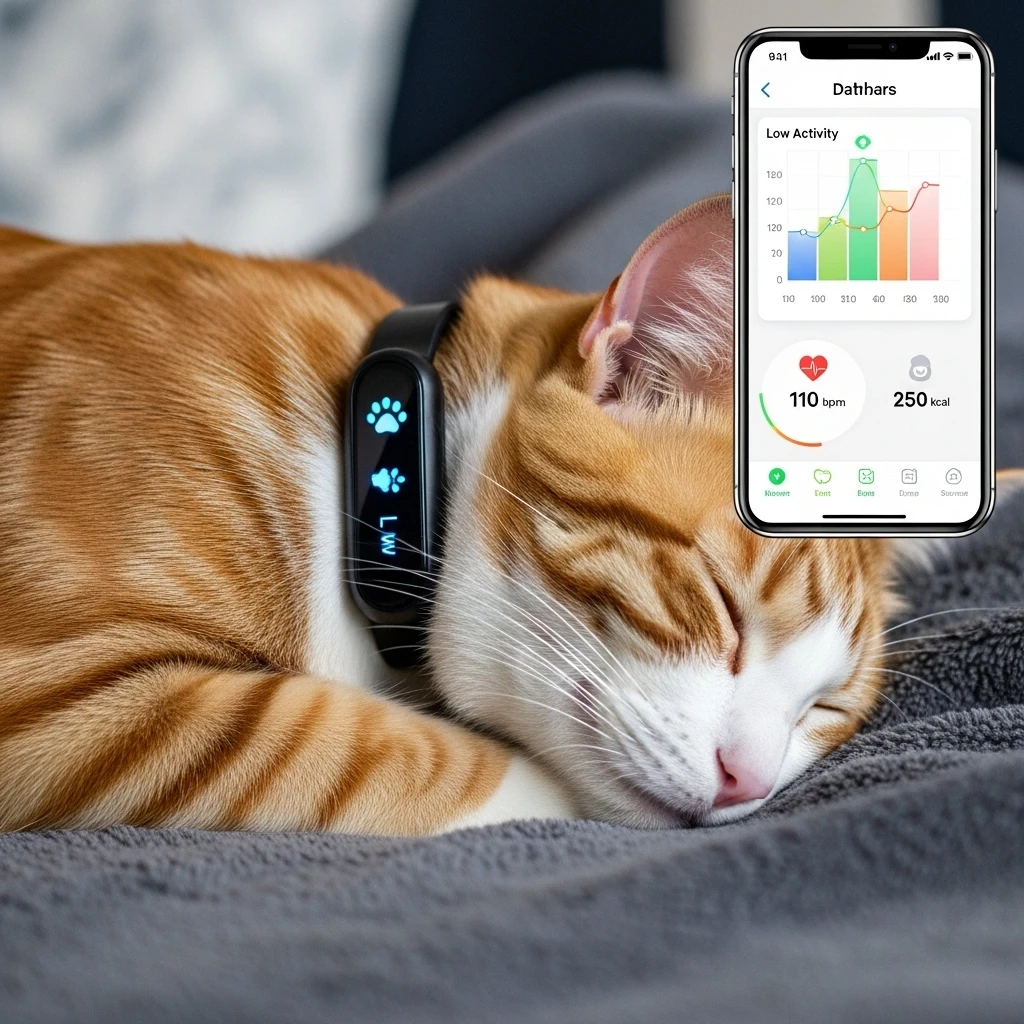
While dogs have embraced wearable tech for years, cats present unique challenges with collars and harnesses. Recent advancements have created cat-safe wearables that monitor activity levels, sleep quality, and even stress indicators through heart rate variability.
These trackers help with:
- Weight management by ensuring adequate activity
- Early detection of pain or mobility issues
- Monitoring recovery after procedures like spaying or neutering
- Identifying stressors in the environment
- Ensuring senior cats maintain healthy activity levels
The most sophisticated models can even detect seizures or fainting episodes, immediately alerting you to emergencies. For breeds prone to specific conditions like Maine Coons and hypertrophic cardiomyopathy, or Persians with breathing issues this constant monitoring provides crucial early warning systems.
It’s important to note that proper fit is essential for safety and accuracy. Our cat collar fit guide offers essential tips for ensuring any wearable rests comfortably without risking injury or escape.
Nutrition and Feeding: Precision Nourishment Through AI
Smart Feeders: Beyond Scheduled Meals
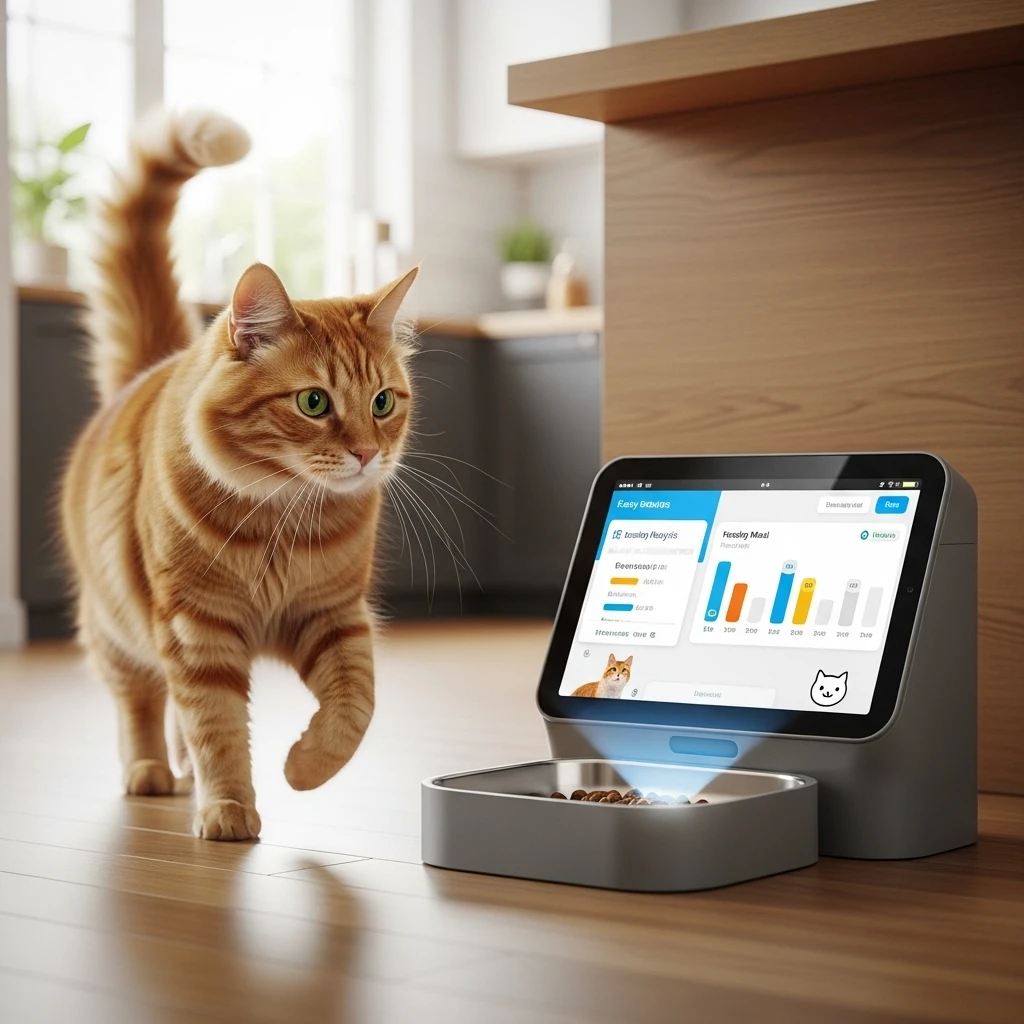
Automated feeders have been around for years, but AI has transformed them from simple portion dispensers to intelligent nutrition management systems. Modern smart feeders can:
- Adjust portions based on activity levels (synced with wearables)
- Slow down fast eaters to prevent digestive issues
- Accommodate special diets with precise portion control
- Monitor eating patterns for early signs of dental issues or illness
- Integrate with veterinarian recommendations for weight management
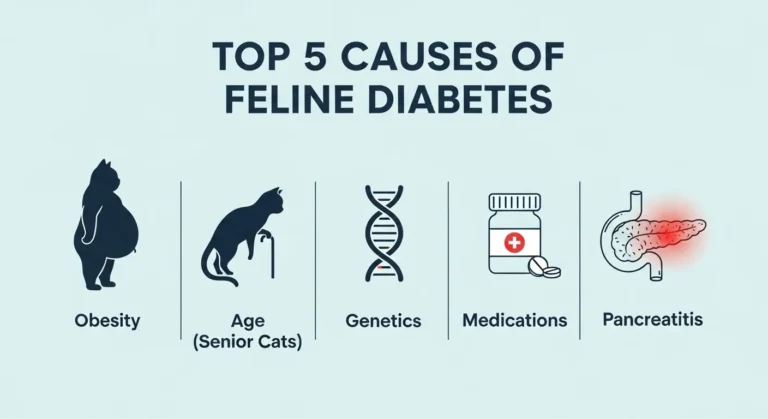
For cats with specific dietary needs such as those with diabetes, kidney disease, or food sensitivities this precision is revolutionary. The system can ensure strict adherence to feeding schedules and portion sizes, which is crucial for managing conditions like feline diabetes where consistency matters.
Many systems also incorporate cameras that use computer vision to confirm which cat is eating (in multi-cat households) and how quickly they’re consuming their food. This helps prevent food stealing between cats, a common issue we address in our article on stopping cats from eating each other’s food.
Hydration Monitoring: Preventing Silent Dehydration
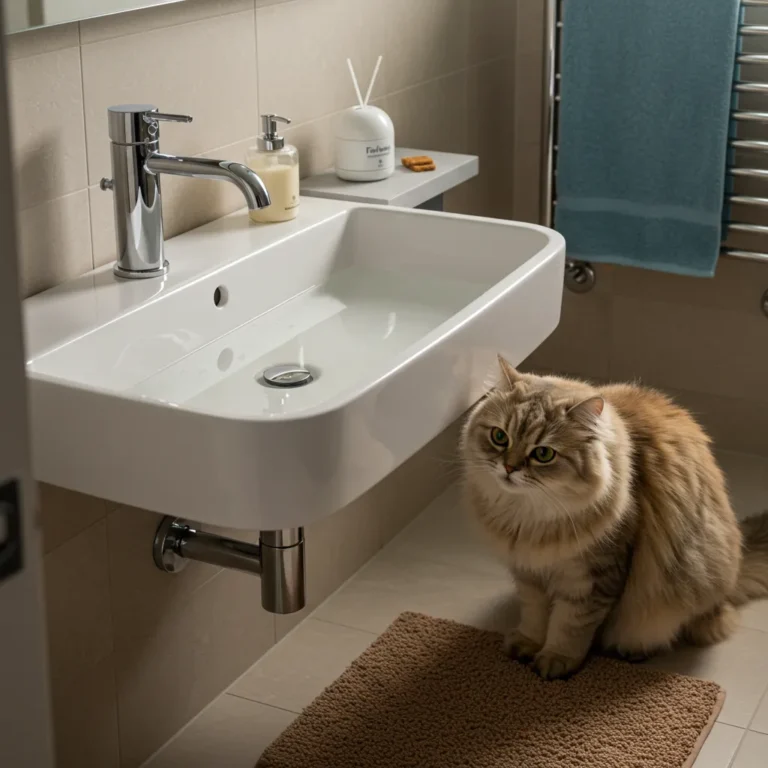
Cats are notoriously poor drinkers, and chronic mild dehydration can contribute to numerous health issues including urinary crystals, kidney disease, and constipation. AI-enhanced water fountains and bowls now track consumption patterns, alerting you to decreases that might indicate illness or simply remind you to encourage drinking.
These systems can:
- Track daily water intake against personalized targets
- Alert to sudden changes in drinking behavior
- Remind you to clean filters or refresh water
- Integrate with smart feeders to suggest wet food meals when hydration is low
- Monitor water temperature to ensure it’s appealing
For cats prone to urinary issues like many male cats this constant hydration monitoring can be preventive medicine. The system might suggest adding water to food or switching to wet food when it detects suboptimal intake, helping prevent painful and dangerous blockages.
Learn more about feline hydration needs in our comprehensive cat hydration guide.
Dietary Analysis and Recommendation Tools
Several platforms now offer AI-powered analysis of your cat’s diet, comparing it against nutritional guidelines for their specific age, weight, activity level, and health conditions. By scanning food labels or logging meals, these tools can:
- Identify nutritional gaps or excesses
- Suggest balanced meal plans
- Flag potential allergens or irritants
- Calculate precise calorie needs
- Recommend specific foods for health conditions
This takes the guesswork out of interpreting complex pet food labels and conflicting online advice. Rather than following generic guidelines, you get personalized recommendations based on your individual cat’s needs whether they’re a growing kitten, an active adult, or a senior with changing requirements.
For help understanding what you’re feeding your cat, our guide to reading cat food labels demystifies the process.
Behavior and Enrichment: Understanding Your Cat’s Mind
Vocalization Analysis: Decoding Meows, Chirps, and Trills
What if you could understand exactly what your cat is trying to communicate? AI voice analysis tools are making this possible by categorizing and interpreting feline vocalizations. These systems learn your cat’s unique “vocabulary” and can distinguish between:
- “I’m hungry” meows
- “Pay attention to me” demands
- “I’m in pain” or distressed vocalizations
- Playful chirps and trills
- Stress-induced yowling
Over time, the system identifies patterns like increased nighttime vocalization that might indicate cognitive changes in senior cats, or specific meows that consistently precede vomiting (helpful for cats with hairball issues).
This technology is particularly valuable for identifying pain-related vocalizations that are often subtle and easily missed. Cats are masters at hiding discomfort, but their voices often betray what their bodies conceal. Early detection of pain patterns can lead to quicker intervention for conditions like arthritis, dental disease, or hidden injuries.
Play and Activity Optimization
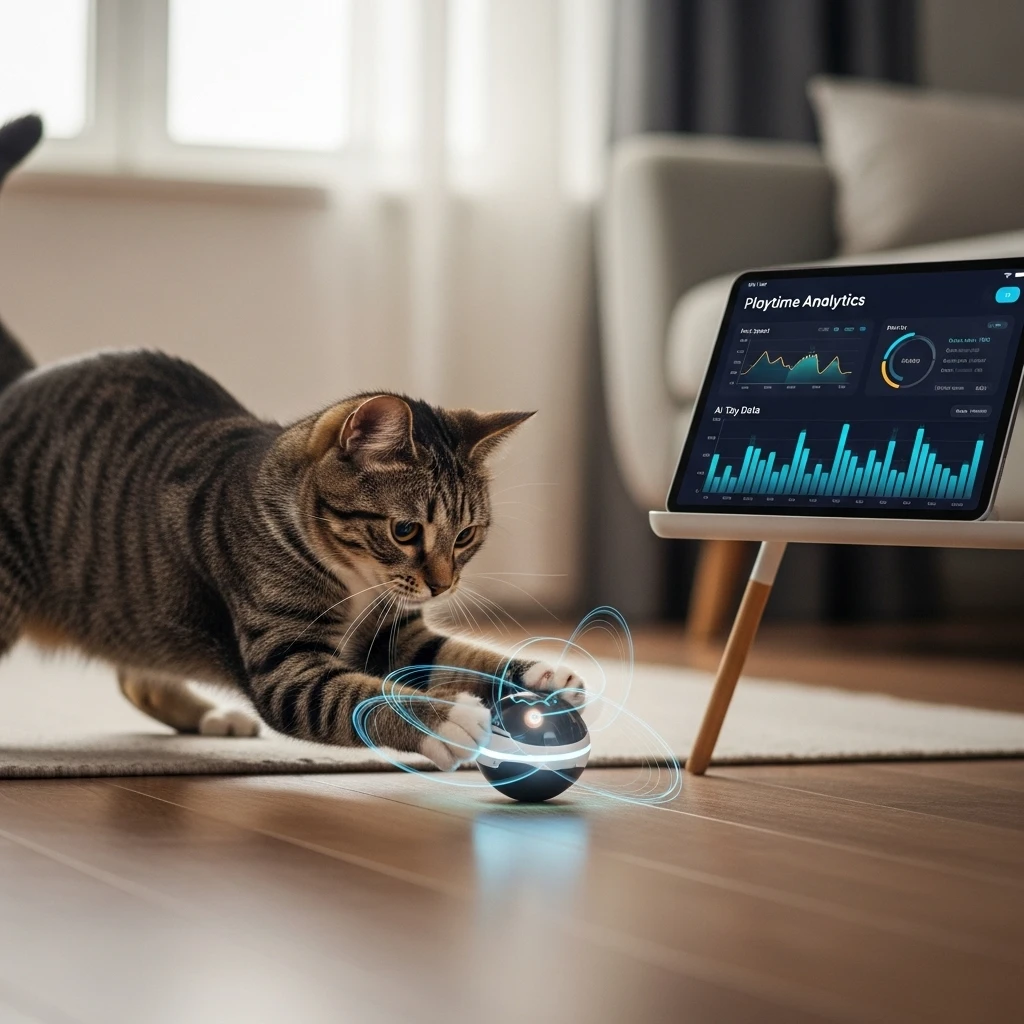
AI-enhanced interactive toys adapt to your cat’s engagement level, play style, and energy patterns. Unlike traditional automated toys that simply repeat patterns, these intelligent systems:
- Learn what movements most engage your specific cat
- Adjust play sessions based on time of day and observed energy levels
- Provide mental stimulation through problem-solving games
- Track engagement to ensure adequate daily activity
- Alternate between high-energy and calming play patterns
This personalized approach is especially beneficial for indoor cats who depend on human-provided enrichment. The system ensures they receive appropriate physical and mental stimulation, preventing obesity and boredom-related behaviors like excessive scratching or inappropriate elimination.
For high-energy breeds like Bengals or Abyssinians, these systems can be the difference between a content cat and one who develops destructive behaviors from under-stimulation. Discover breed-specific play needs in our Bengal cat personality guide.
Stress and Anxiety Detection
Cats express stress in subtle ways that are easy for humans to miss: slight changes in body posture, altered grooming patterns, subtle shifts in daily routines. AI systems monitoring through cameras and environmental sensors can detect these changes and alert you to potential stressors.
These systems might notice:
- Increased hiding behavior
- Changes in litter box usage patterns
- Altered interactions with family members or other pets
- Differences in appetite or eating speed
- Unusual sleeping locations or patterns
By identifying stressors early whether it’s a new piece of furniture, construction noise, tension with another pet, or underlying illness you can intervene before stress escalates into serious behavioral or health issues. The system might suggest environmental modifications, pheromone products, or veterinary consultation based on the patterns it detects.
For cats with anxiety issues, this early detection is invaluable. Learn more about recognizing and reducing feline stress in our comprehensive guide to cat stress signs.
Training and Communication: Building Better Bonds Through Technology
Clicker Training 2.0: AI-Assisted Behavior Shaping
Traditional clicker training requires perfect timing and consistency challenges that AI tools can help overcome. Smart training devices can:
- Deliver treats with perfect timing for desired behaviors
- Track progress on specific training goals
- Suggest next steps in training sequences
- Provide remote training when you’re not home
- Distinguish between different cats for individual training sessions
These systems are particularly helpful for:
- Litter box training (especially for kittens or recently adopted cats)
- Teaching appropriate scratching behavior
- Reducing aggressive play
- Acclimating cats to carriers or car travel
- Preparing cats for veterinary visits
The consistent, patient reinforcement these systems provide can accelerate training while reducing frustration for both cat and owner. For specific training challenges, our guide to training cats without punishment offers humane, effective techniques.
Remote Interaction and Bonding
For cat owners who travel or work long hours, AI-enhanced interaction tools help maintain bonds and prevent separation anxiety. These might include:
- Laser toys you control from your phone with precision movements
- Treat dispensers with two-way audio so you can talk to your cat
- Robotic pets that provide companionship
- Automated grooming devices that mimic petting
The most advanced systems learn what types of interaction your cat prefers some want active play, others prefer gentle “petting” from a grooming device, while others respond best to hearing your voice. This personalized approach ensures your cat receives the type of attention they crave even when you can’t be physically present.
These tools aren’t replacements for human interaction, but they can significantly reduce stress during absences. For cats prone to separation anxiety, this consistent, predictable interaction can prevent destructive behaviors and maintain emotional wellbeing.
Multi-Cat Household Management: AI as Peacekeeper
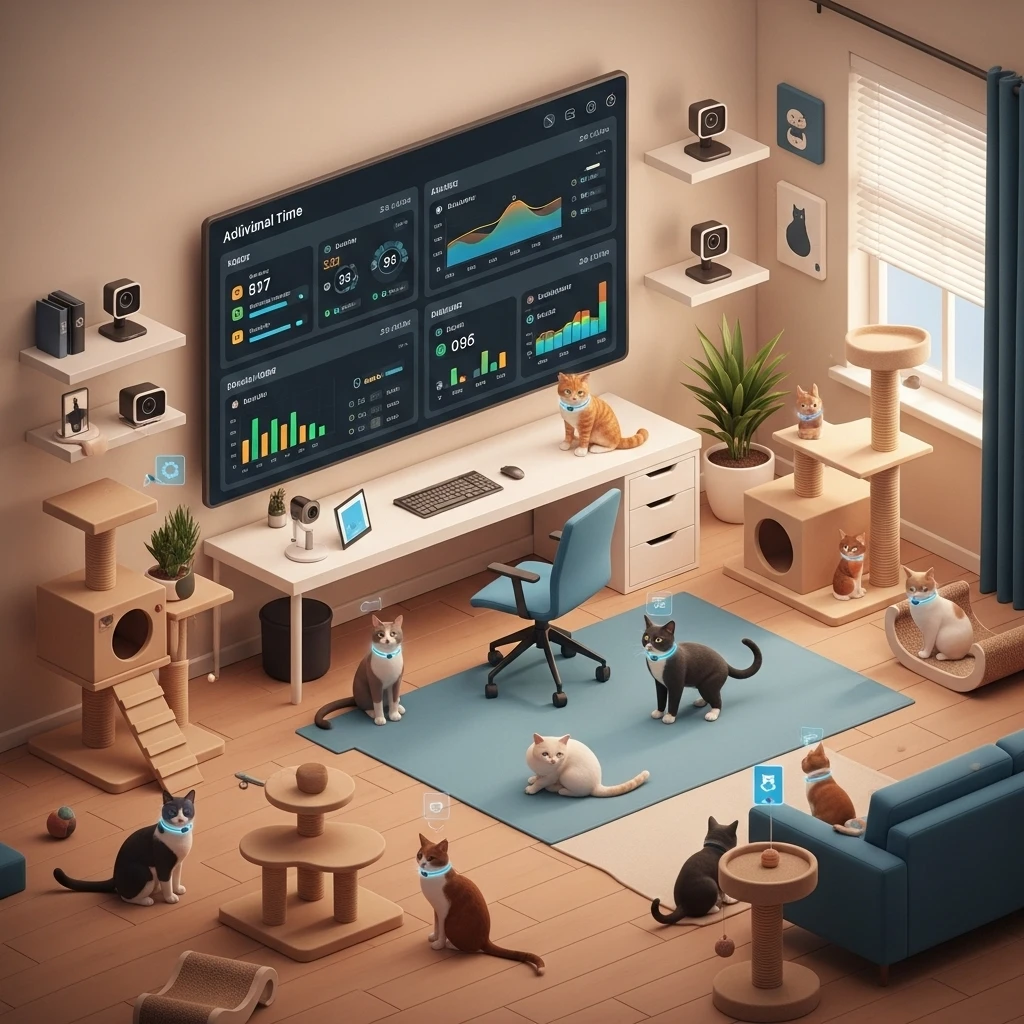
Managing multiple cats presents unique challenges, from ensuring each cat eats appropriate food to identifying subtle social dynamics. AI tools excel in this complex environment by:
- Identifying each cat through facial recognition or microchip scanning
- Tracking individual health metrics despite shared resources
- Monitoring social interactions and identifying tension
- Ensuring each cat receives appropriate nutrition
- Providing individualized enrichment
These systems can detect early signs of conflict like one cat blocking another from resources, or subtle avoidance behaviors allowing intervention before serious fights occur. They can also ensure that cats with different dietary needs (like weight management versus kitten food) only access appropriate meals.
For households introducing new cats, these tools provide invaluable data on the acclimation process. You can track whether cats are eating normally, using litter boxes appropriately, and gradually increasing positive interactions. This data-driven approach takes the guesswork out of introductions, which we cover extensively in our guide to introducing kittens to resident cats.
Senior Cat Care: AI as Geriatric Specialist
Senior cats (typically 11+ years) benefit enormously from AI monitoring, as age-related changes can be gradual and subtle. Specialized senior care features include:
- Mobility tracking to detect arthritis development
- Sleep pattern analysis for cognitive changes
- Appetite and hydration monitoring for early kidney disease detection
- Litter box tracking for constipation or diarrhea patterns
- Social interaction monitoring for depression or anxiety
These systems establish detailed baselines during your cat’s mature adult years, making it easier to identify deviations that signal age-related issues. For example, a slight decrease in jumping height might indicate early arthritis, while changes in sleep-wake cycles could suggest cognitive dysfunction.
Perhaps most importantly, these tools can help determine quality of life through objective metrics rather than emotional guesswork. By tracking pain indicators, engagement levels, and basic functioning, the system can provide data to inform difficult decisions in consultation with your veterinarian.
Our senior cat care guide offers comprehensive advice for supporting aging felines beyond technological tools.
Emergency Detection and Response: AI as First Responder
While we hope never to need them, AI emergency detection systems provide crucial safety nets. These might include:
- Seizure detection through motion sensors and cameras
- Choking or distress detection through sound analysis
- Escape alerts if a cat approaches an open door or window
- Temperature monitoring for overheating or hypothermia risks
- Fall detection for elderly or disabled cats
Many systems integrate with smart home features to respond automatically turning on lights if a senior cat seems disoriented at night, adjusting thermostats if temperature risks are detected, or alerting neighbors or family members if you’re unavailable.
For specific emergencies, immediate knowledge is crucial. Our guides on cat choking emergencies and heat stroke prevention offer essential information every cat owner should know.
Data Privacy and Ethical Considerations
As we embrace these remarkable tools, it’s crucial to consider data privacy and ethical implications. When choosing AI pet care products, consider:
- Who owns the data collected about your cat?
- How is the data secured and protected?
- Is data anonymized in research databases?
- Can you export and delete your data?
- What are the terms of service regarding data usage?
Look for companies with transparent privacy policies that give you control over your pet’s data. Remember that while these tools provide valuable insights, they should complement not replace your relationship with your veterinarian and your own observations of your cat.
Getting Started: Implementing AI Tools in Your Cat Care Routine
If you’re ready to explore AI-enhanced cat care, here’s a practical implementation approach:
- Start with one system that addresses your biggest concern whether that’s health monitoring, nutrition management, or enrichment.
- Allow adequate learning time most AI systems need 2-4 weeks to establish accurate baselines for your cat.
- Integrate gradually introduce new devices slowly to avoid overwhelming your cat.
- Maintain human oversight regularly review the data and compare it with your own observations.
- Share insights with your veterinarian create a partnership between technological data and professional expertise.
- Balance technology with touch ensure AI tools enhance rather than replace hands-on care and bonding time.
Remember that every cat is different. What works beautifully for one might stress another. Watch your cat’s response and be willing to adjust or remove tools that cause anxiety rather than benefit.
For cats particularly sensitive to change, our guide to reducing cat stress offers strategies for smooth transitions.
The Future of AI in Cat Care: What’s Next?
The AI revolution in pet care is just beginning. Emerging developments include:
- Predictive health analytics that can forecast likely health issues based on breed, genetics, and lifestyle factors
- Emotion recognition through advanced facial expression and body language analysis
- Integrated ecosystem approaches where all devices communicate to create perfectly balanced environments
- Genetic analysis integration combining DNA insights with daily monitoring data
- Telehealth integration allowing direct data sharing with veterinary professionals
- Augmented reality training for behavior modification and enrichment
As these technologies evolve, they’ll become increasingly seamless and integrated into our homes and lives. The goal isn’t to create robotic, technology-dependent pets, but to use tools that help us understand our cats more deeply and care for them more effectively.
Conclusion: Embracing Intelligence in Feline Care
The AI tools pet owners are using today represent a fundamental shift in how we understand and care for our feline companions. By transforming subtle patterns into understandable insights, these technologies empower us to be more proactive, preventive, and personalized in our care approaches.
Yet amidst all this innovation, the most important element remains unchanged: the bond between you and your cat. AI tools should enhance this relationship reducing anxiety, solving problems, and creating more space for the joy of companionship. They’re not replacements for observation, intuition, or love, but amplifiers that make your care more informed and effective.
As you explore these technologies, remember that the most sophisticated system is still you the person who knows the exact spot behind your cat’s ears that makes them purr, the particular toy that always elicits play, and the subtle signs that something isn’t quite right. AI tools provide data, but you provide context. Together, they create unprecedented potential for feline health and happiness.
At Cat Bloom Haven, we believe in combining the best of technology with timeless care principles. Whether you’re monitoring your cat’s health with AI or simply enjoying quiet moments together, the goal is the same: a long, healthy, joyful life with your feline friend. Explore more expert insights in our complete collection of cat care guides, from behavior and training to health and nutrition.
Frequently Asked Questions About AI Tools for Cat Owners
Q: Are AI pet care tools safe for cats?
A: When properly designed and used according to instructions, most AI pet tools are safe. Look for products specifically tested with cats, avoid small parts that could be ingested, and ensure any wearables fit properly without restricting movement or posing entanglement risks.
Q: How accurate are AI health monitoring systems?
A: Accuracy varies by product and purpose. Most establish reliability by comparing their alerts with veterinary diagnoses. Look for systems with published accuracy rates and remember they’re screening tools, not diagnostic devices always consult your vet about health concerns.
Q: Will these tools replace veterinary care?
A: No. AI tools complement veterinary care by providing data and early alerts, but they don’t replace professional diagnosis and treatment. They’re best used as part of a comprehensive care approach that includes regular veterinary visits.
Q: Are these systems difficult to set up and use?
A: Modern systems prioritize user-friendliness with intuitive apps and straightforward setup. Most require Wi-Fi connectivity and occasional updates. Technical support varies by company, so consider this when purchasing.
Q: How do multi-cat systems distinguish between different cats?
A: Methods include weight sensors, microchip scanning, facial recognition, and collar tags. Accuracy varies, with microchip-based systems generally being most reliable for critical applications like specialized feeding.
Q: What happens to my cat’s data?
A: This varies by company. Review privacy policies carefully before purchasing. Reputable companies should clearly explain data usage, security measures, and your rights regarding your pet’s information.
Q: Are these tools worth the investment?
A: Value depends on your specific situation. For cats with health conditions, the early detection potential may justify costs. For others, the peace of mind and convenience factors determine value. Consider starting with one tool addressing your primary concern rather than implementing everything at once.
Q: My cat is scared of new things. How do I introduce AI tools?
A: Go slowly. Place devices without activating them first, use treats to create positive associations, and consider feline pheromone products during introduction. Never force interaction. Some cats accept certain tools while rejecting others—respect their comfort levels.
Explore more answers to common cat care questions throughout Cat Bloom Haven’s extensive library of expert guides and articles.