The Modern Indoor Cat: Cultivating a Life of Enrichment, Wellness, and Deep Connection
For decades, the phrase “indoor cat” conjured images of a solitary creature, perched on a windowsill, passively observing a world it could not touch. Their lives were often defined by limitation a safer existence, but one that risked boredom, behavioral issues, and a muted expression of their natural instincts.
Today, that narrative is undergoing a profound transformation. The modern indoor cat lifestyle is not about restriction; it’s about intelligent, compassionate cultivation. It’s a conscious philosophy that reimagines our homes as dynamic ecosystems designed for feline fulfillment. This is no longer merely about keeping a cat inside; it’s about bringing a rich, stimulating, and species-appropriate world in.
This comprehensive guide moves beyond basic care to explore the pillars of a truly thriving indoor life. We’ll dismantle outdated myths and build a new framework focused on environmental enrichment, behavioral harmony, nutritional wisdom, and the subtle art of human-feline connection. Whether you’re a new adopter or a seasoned cat guardian, this is your blueprint for nurturing a cat that is not just safe, but vibrantly, profoundly well.
Key Takeaways: The Pillars of a Modern Indoor Life
Before we dive deep, here’s what every cat owner should know about evolving their cat’s indoor experience:
- Enrichment Over Entertainment: It’s not about constant stimulation, but about providing opportunities for natural behaviors (hunt, climb, scratch, hide) on their terms.
- Environment is Everything: Your home must be viewed as a territory. Vertical space, hiding spots, and scratching surfaces are non-negotiable needs, not luxuries.
- The Human Role is Active: You are not just a feeder, but a curator, a playmate simulating prey, and an observer learning their unique communication.
- Prevention is the Best Medicine: A thoughtfully crafted lifestyle prevents most common behavioral issues (scratching, inappropriate elimination, anxiety) and supports long-term physical health.
- Connection is a Two-Way Street: Bonding is built through respect for feline body language, consistent routines, and trust-based interactions.
From Surviving to Thriving: Redefining the Indoor Territory
Cats are not small dogs content with a daily walk. They are territorial, semi-arboreal predators and prey animals. Their well-being is intrinsically tied to their perception of their environment as a secure, explorable, and resource-rich kingdom.
The Vertical Revolution: Claiming the Third Dimension
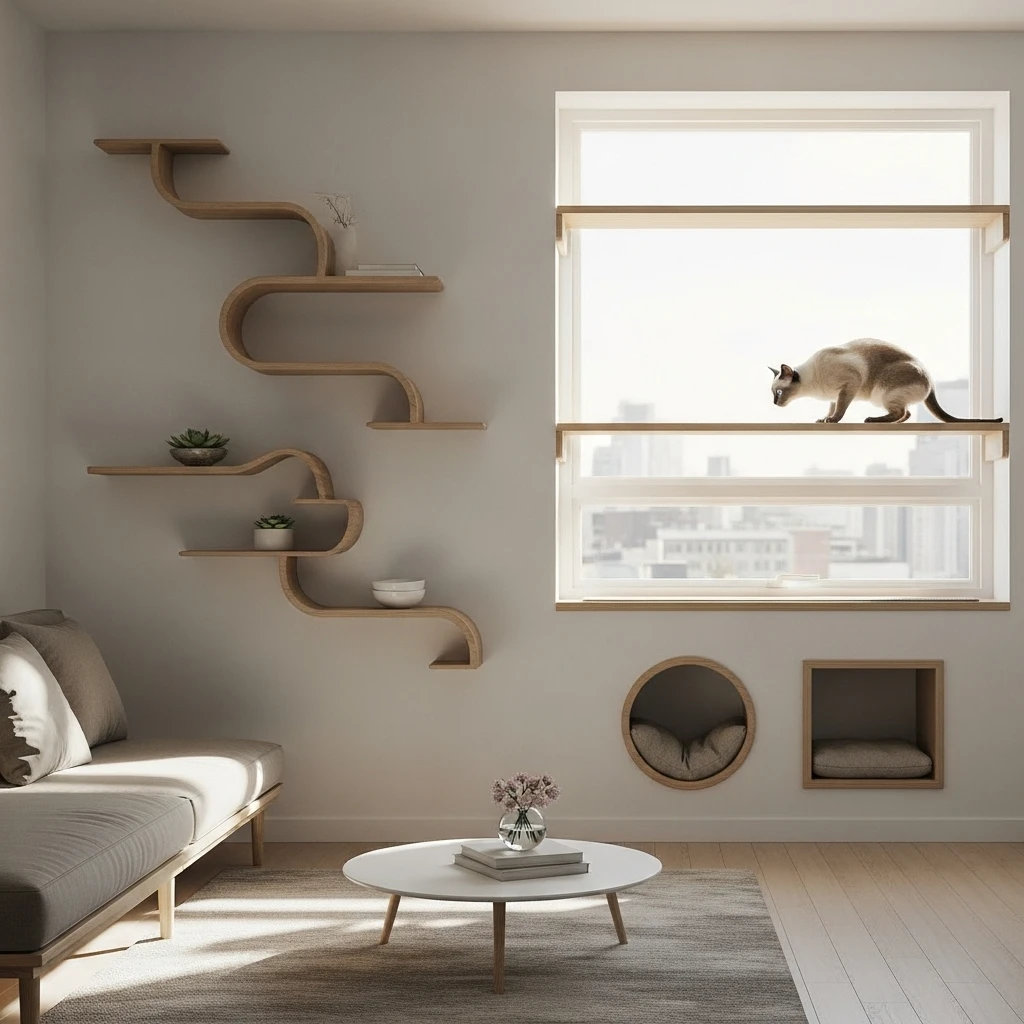
Floor space is just the beginning. To a cat, vertical space is security, exercise, and a vantage point. It reduces stress in multi-pet households and satisfies their instinct to climb.
- Solutions: Invest in sturdy, tall cat trees (over 5 feet), wall-mounted shelves and walkways, and clear window perches. Arrange furniture to create “superhighways” allowing cats to traverse a room without touching the floor. Explore our guide on creating minimalist cat shelves that blend with your decor.
The Sanctuary Principle: The Need to Hide and Observe
A cat that cannot hide is a stressed cat. Hiding is a core coping mechanism, not aloofness.
- Solutions: Provide enclosed beds, cat caves, or even simple cardboard boxes in quiet corners. Ensure they have “hide and watch” spots near family activity, like a perch behind a sofa. For cats who seem anxious, learn about calm and enriching cat home environments.
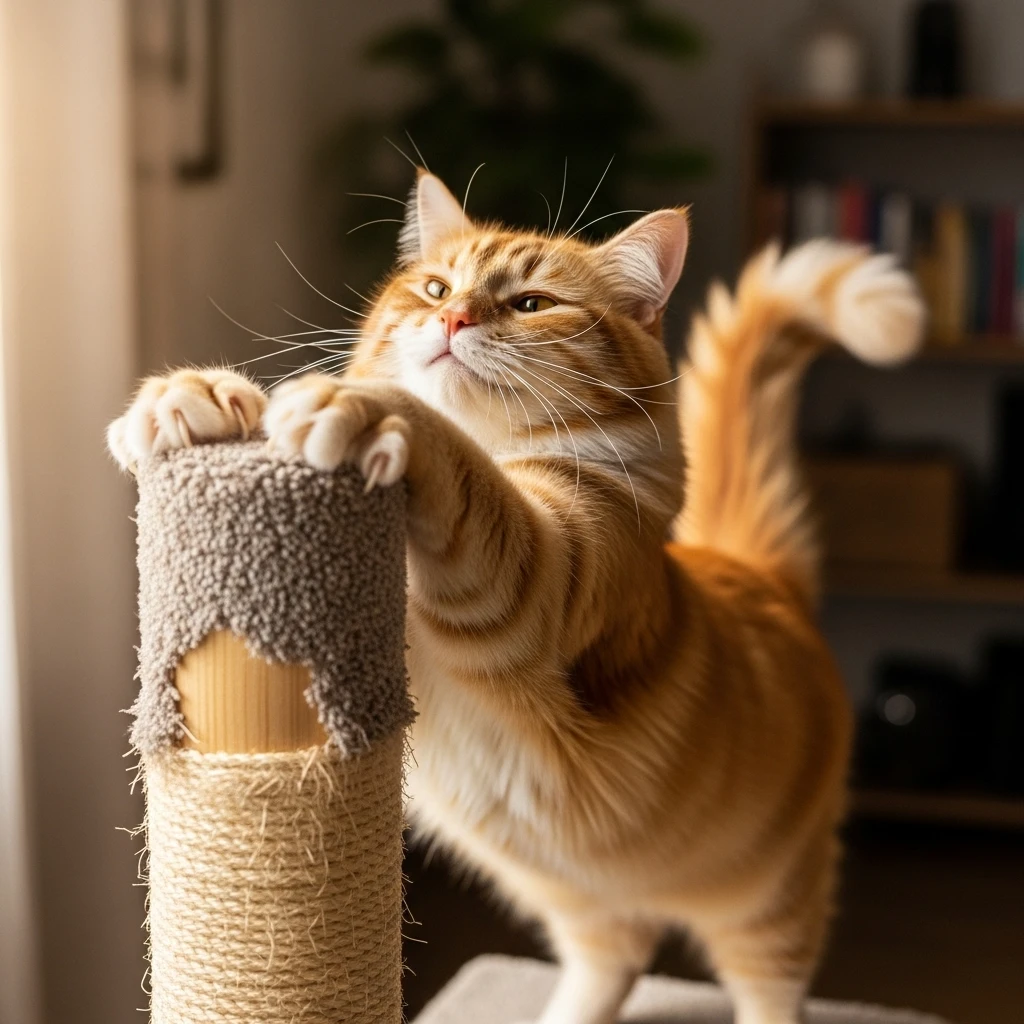
Scratching: A Biological Imperative, Not a Behavior Problem
Scratching marks territory visually and with scent glands in paws, stretches muscles, and maintains claw health. Punishing it is counterproductive.
- Solutions: Offer a variety of scratching posts (sisal, corrugated cardboard, wood) in both horizontal and vertical orientations. Place them near sleeping areas and room entry points. If problems persist, see our targeted advice on how to stop cats from scratching furniture.
The Art of Modern Play: Simulating the Hunt
The single most impactful thing you can do for your cat’s mental and physical health is to engage them in daily, simulated hunting sessions. This is the heart of the modern indoor cat lifestyle.
Mastering the Prey Sequence
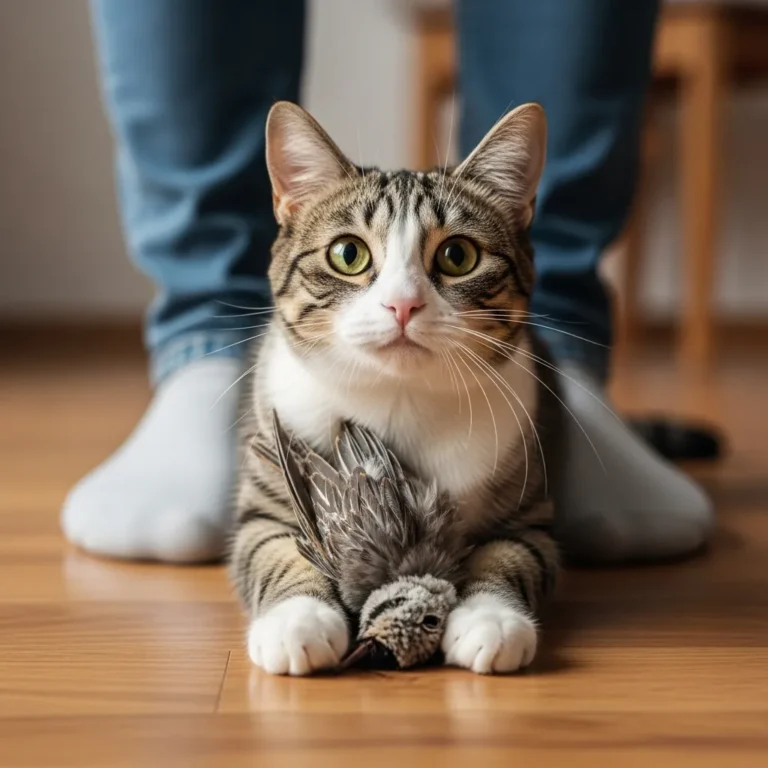
Effective play mimics the hunt: stalk, chase, pounce, capture, kill, and consume.
- The Technique: Use a wand toy (like a “fishing pole” style) to imitate erratic prey movement—darting, fluttering, hiding. Let your cat “catch” and bite the toy periodically. End each session with a satisfying “kill” and immediately offer a small meal or treat. This completes the cycle and reduces anxiety.
- Frequency: Aim for two 10-15 minute sessions daily, adjusting for your cat’s age and energy. A sedentary cat is often a bored cat. Discover more about your cat’s specific cat exercise needs.
Toy Rotation & Intelligence Games
Cats habituate to static toys. Keep a toy library and rotate items weekly to reignite interest.
- Puzzle Feeders: These turn meals into brain games, slowing eating and providing mental stimulation. Start simple and increase difficulty. This taps into their natural foraging instincts and is crucial for cat weight management.
The Cornerstone of Wellness: Nutrition & Hydration for the Indoor Feline
Indoor cats have different caloric and nutritional needs than their outdoor counterparts. Their diet must support a less active life while promoting urinary health, healthy weight, and digestion.
Decoding Dietary Needs
High-quality protein from animal sources should be the foundation. Be wary of fillers and excess carbohydrates, which can contribute to obesity and diabetes.
- Wet vs. Dry: A diet incorporating wet food is highly beneficial. It provides crucial moisture, which is vital for kidney and urinary tract health a common concern for indoor cats. Our deep dive on why cats thrive on wet food explains the science. Dry food can be used sparingly or in puzzles for dental benefit and mental stimulation.
- Portion Control is Critical: Free-feeding is a leading cause of obesity. Follow feeding guidelines and adjust based on your cat’s body condition. Use a measuring cup. For structured guidance, establish a cat feeding schedule.
The Silent Crisis: Feline Dehydration
Cats have a low thirst drive. Chronic, subclinical dehydration can strain kidneys over time.
- Solutions: Provide multiple water stations away from food bowls. Consider a cat water fountain, as many cats prefer moving water. Incorporate wet food into their diet. Learn all the strategies in our essential cat hydration guide.
Behavioral Harmony: Reading the Signals
A harmonious home is built on understanding. The modern indoor cat lifestyle requires us to become fluent in feline communication to prevent and solve problems.
The Litter Box Code
Inappropriate elimination is the top reason cats are surrendered. It’s almost always a signal, not spite.
- The Golden Rules: One box per cat, plus one extra. Place them in quiet, low-traffic, accessible locations. Use unscented, fine-grained clumping litter. Scoop at least daily. For persistent issues, our article on cat litter box problems offers troubleshooting steps.
Stress & Environmental Anxiety
Cats are creatures of habit. Changes in routine, new people, conflict with other pets, or even a new piece of furniture can cause stress.
- Signs to Watch For: Hiding more than usual, decreased appetite, over-grooming, increased vocalization, or sudden aggression. Products like Feliway diffusers (synthetic feline pheromones) can help. For a comprehensive view, recognize the subtle signs your cat feels secure at home.
Introducing a New Cat or Kitten
This must be done slowly over weeks, not days, to ensure long-term peace. It’s a critical process for a happy multi-cat home. Follow our proven step-by-step method for how to introduce a kitten to a cat.

Cultivating the Human-Feline Bond
This relationship is the ultimate reward of the modern approach. It’s built on respect, not dominance.
Consent-Based Interaction
Let the cat initiate and choose the duration of petting. Pay attention to tail flicks, skin twitches, or ear rotations that signal “enough.” Learn what your cat’s cat sitting positions mean to better read their mood.
The Language of Trust: The Slow Blink
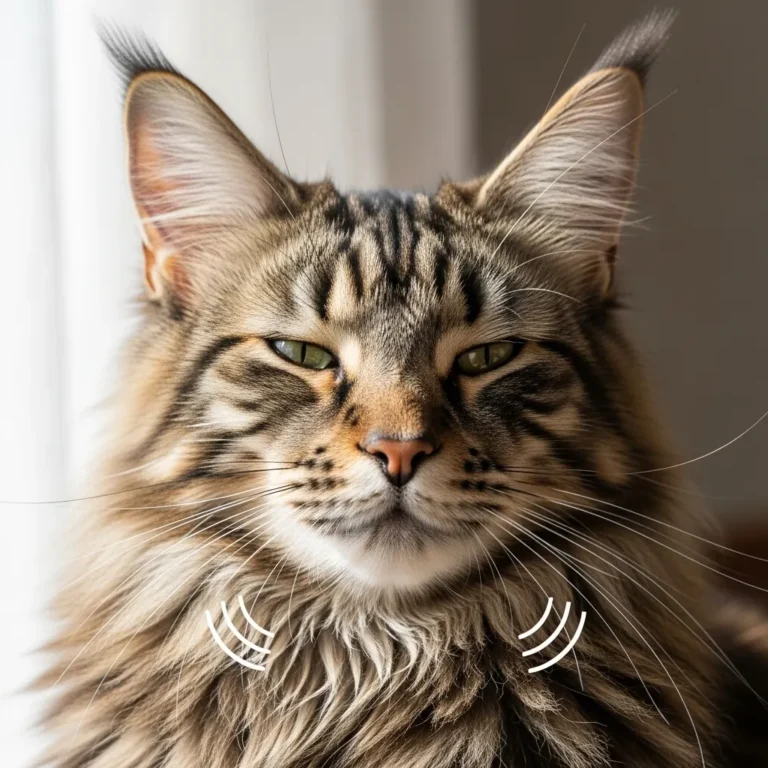
Often called a “cat kiss,” closing your eyes slowly in their presence is a universal signal of trust and non-aggression. Try it; you might get one in return. Understand this and other gestures in our guide to feline emotions.
Routine & Predictability
Cats find comfort in predictability. Feeding, play, and quiet time at consistent hours create a secure environment. This is especially helpful for cats prone to separation anxiety.
Special Considerations Across the Lifespan
The modern indoor cat lifestyle adapts as your cat ages.
- Kittens & Juveniles: This is a critical period for socialization and establishing routines. Channel boundless energy with ample play. Learn the fundamentals of how to raise a kitten for a well-adjusted adult.
- Adults: Maintain enrichment, monitor weight, and be vigilant for small behavioral changes that may indicate health issues. Ensure they get the right nutrition; see our cat nutrition life stages guide.
- Seniors (7+ years): Prioritize comfort and accessibility. Provide steps to favorite perches, orthopedic beds, and more frequent vet checkups. Gentle play and mental stimulation remain vital. Find compassionate advice in our senior cat care resource.
Frequently Asked Questions (FAQ)
Q: Is it cruel to keep a cat strictly indoors?
A: No, when done correctly, it is not cruel but protective. Outdoor cats face significant risks (traffic, predators, disease, toxins). The “cruelty” comes from a barren indoor environment. A thoughtfully enriched home provides safety and fulfillment, which is the core of the modern indoor cat lifestyle.
Q: How can I stop my cat from waking me up at 5 AM?
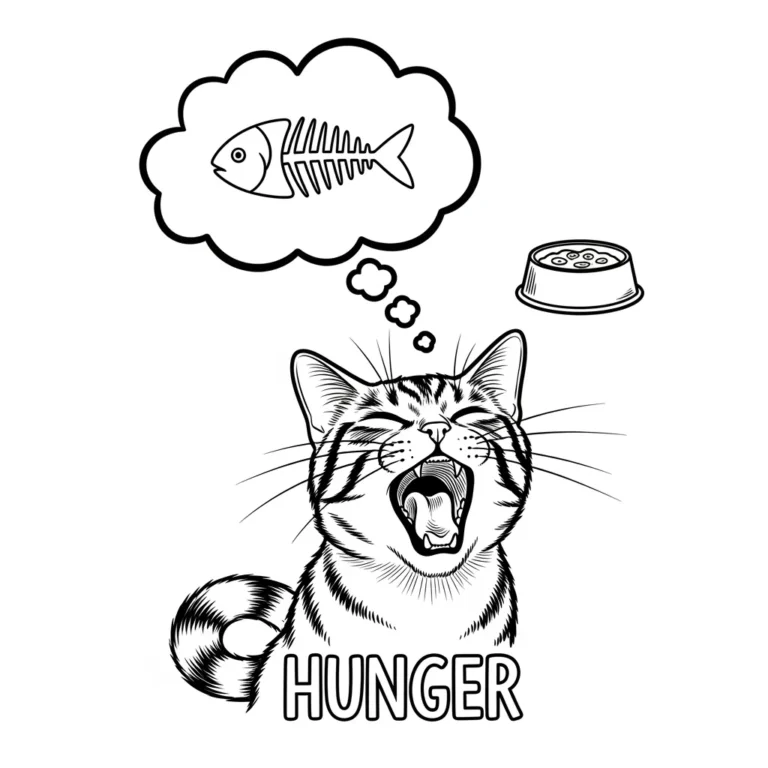
A: This is typically fueled by hunger or boredom. Never feed them when they wake you—it rewards the behavior. Instead, ensure a vigorous play session and a small meal right before your bedtime. Use automated feeders to provide a breakfast at, say, 6 AM, decoupling you from the food delivery. More solutions are in our article on cat howling at night.
Q: My cat seems bored with all their toys. What now?
A: Rotate toys weekly to keep them novel. Most importantly, engage in interactive wand play—the movement is key. Also, explore inexpensive DIY options like cardboard boxes, crumpled paper balls, or a treat hidden under a cup. Cats often prefer simple, owner-engaged play. Discover DIY cat toy ideas.
Q: Do indoor cats need a companion?
A: Not necessarily. Cats are solitary hunters but can be social. It depends on the individual cat’s history, age, and personality. A carefully planned introduction can work well, but forcing a companion on a content solitary cat can cause stress. Assess your cat’s social needs first.
Q: How important is veterinary care for an indoor cat?
A: Critically important. Indoor cats still need annual wellness exams, vaccinations (as recommended by your vet), and dental care. They are susceptible to age-related diseases (kidney, thyroid) and obesity. Regular checkups catch issues early. Establish a cat vet visit schedule.
Conclusion: A Life of Shared Wellbeing
The modern indoor cat lifestyle is a commitment to seeing our homes through feline eyes and actively crafting a world that allows their true nature to flourish. It’s a journey of continuous learning, observation, and small, meaningful adjustments. The payoff is immense: a cat that is physically healthy, mentally stimulated, and emotionally secure. This deep, mutual understanding fosters a bond that goes beyond ownership into the realm of true companionship.
By embracing this holistic approach, you’re not just preventing problems; you’re unlocking a richer, more joyful life for your cat and in doing so, for yourself.
Ready to deepen your journey as a modern cat guardian? Explore our library of expert-backed guides on everything from breed-specific care to behavior solutions and creating the perfect cat-friendly home at Cat Bloom Haven.