The Future of Feline Nutrition: 7 Smart Feeding Trends Transforming Cat Care in 2025
Key Takeaways: What Every Cat Owner Needs to Know About Modern Feeding
Smart feeding isn’t just about automation it’s about intelligence. The latest smart feeding trends for cats are revolutionizing how we approach feline nutrition, combining technology with behavioral science to create personalized, health-focused feeding strategies. From precision portion control that prevents obesity to AI-powered meal planning that addresses individual health needs, these innovations are helping cats live longer, healthier lives.
This comprehensive guide explores how microchip feeders, slow-feeding technology, hydration-focused solutions, and personalized nutrition plans are transforming ordinary mealtimes into powerful tools for preventive healthcare. Whether you’re managing a multi-cat household or addressing specific health concerns, understanding these trends will help you make informed decisions that benefit your cat’s wellbeing for years to come.
Introduction: Why Smart Feeding Matters More Than Ever
If you’ve ever watched your cat inhale their food in seconds only to beg for more, or struggled with maintaining ideal weight across multiple cats with different dietary needs, you’ve experienced the limitations of traditional feeding methods. The quiet revolution in smart feeding trends for cats is addressing these exact challenges, transforming feeding from a routine chore into a cornerstone of preventive healthcare.
The average indoor cat lives significantly longer than their outdoor counterparts, yet obesity rates have reached epidemic proportions affecting approximately 60% of domestic cats in the United States. Simultaneously, urinary tract issues, diabetes, and food sensitivities continue to plague our feline companions. What connects these problems? Often, it’s how, when, and what we feed them.
Modern smart feeding solutions bridge the gap between convenience and optimal nutrition, creating systems that respect feline instincts while promoting long-term health. These aren’t merely gadgets; they’re tools that help us translate veterinary advice into daily practice, prevent common health issues before they develop, and strengthen the bond we share with our cats through thoughtful, responsive care.
Beyond the Bowl: 7 Smart Feeding Trends Redefining Feline Nutrition
1. Microchip-Activated Feeders: The Ultimate Personalized Solution
The multi-cat household dilemma how to feed different diets, control portions for overweight cats, or manage food allergies finds its elegant solution in microchip-activated feeders. These intelligent systems recognize individual cats through their implanted microchips or collar tags, opening only for the designated cat.
How It Works & Why It Matters:
Each feeder connects to identification tags, creating exclusive dining access. This technology prevents food stealing, enables precise medication administration through food, and allows for specialized diets without supervision. For households with cats of varying ages and health needs, it’s transformative.
Real-World Application:
Consider a home with a diabetic cat needing scheduled meals, a kitten requiring frequent small portions, and a senior cat with kidney disease on prescription food. A microchip system manages all three simultaneously, ensuring each cat receives exactly what they need, when they need it.
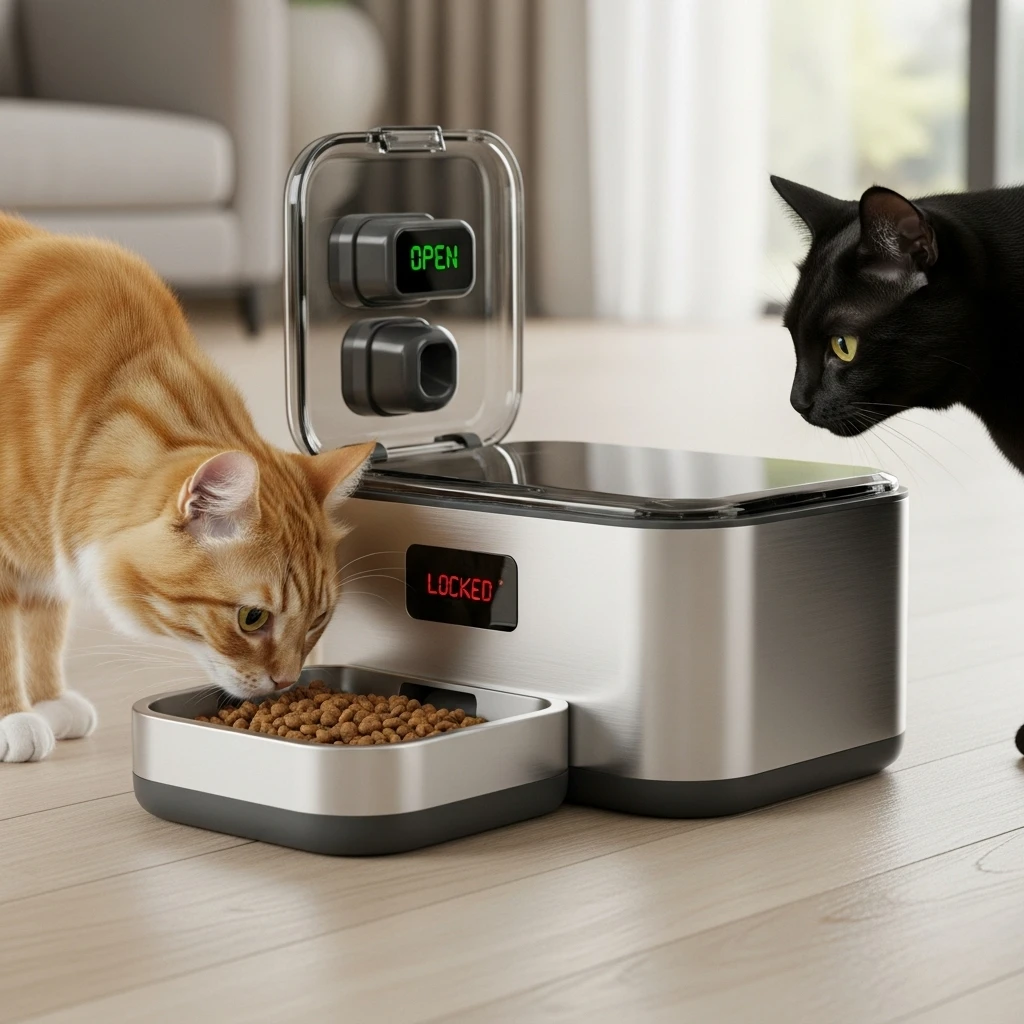
Pro Tip: Start with one feeder for your most needs-driven cat (medication, weight loss), then expand as other cats show interest. The initial investment prevents countless vet bills from obesity-related conditions or mismanaged medications.
2. Precision Portion Control: Data-Driven Weight Management
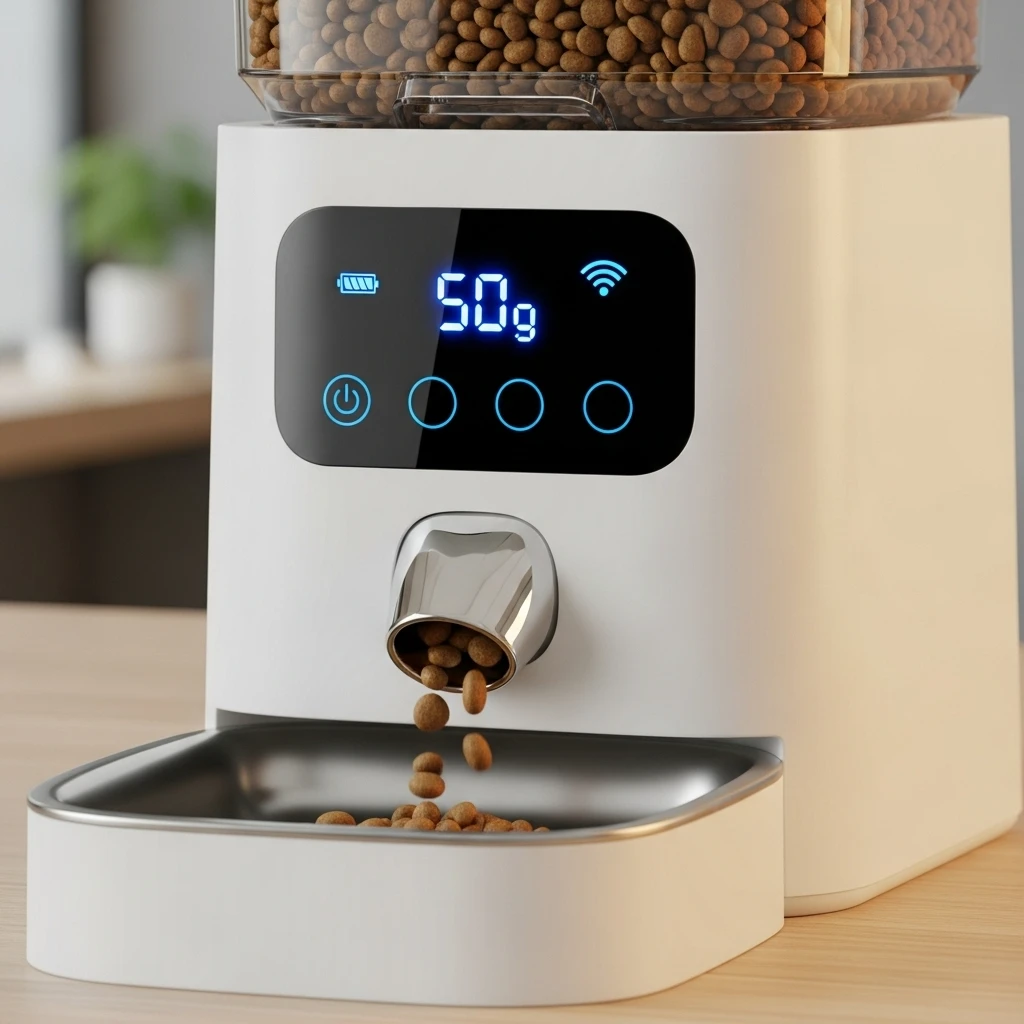
The era of “eyeballing” portions is ending. Smart scales and connected feeders now measure food with pharmaceutical precision, tracking intake down to the gram. These systems sync with apps that calculate ideal portions based on your cat’s age, activity level, target weight, and health conditions.
The Science Behind the Scale:
Research shows that even a 10-gram daily overfeeding can lead to a pound of weight gain per year in average cats. Smart portion control addresses this through:
- Gram-level precision dispensing
- Automatic adjustment based on weight trends
- Integration with veterinary recommendations
Beyond Weight Loss:
These systems help manage conditions where precise nutrition matters: diabetes (consistent carbohydrate intake), kidney disease (controlled protein), and hyperthyroidism (increased calories without bulk).
Discover more tips in our comprehensive guide on cat weight management nutrition and learn about cat obesity guide.
3. Slow Feeding Revolution: Honoring Feline Instincts
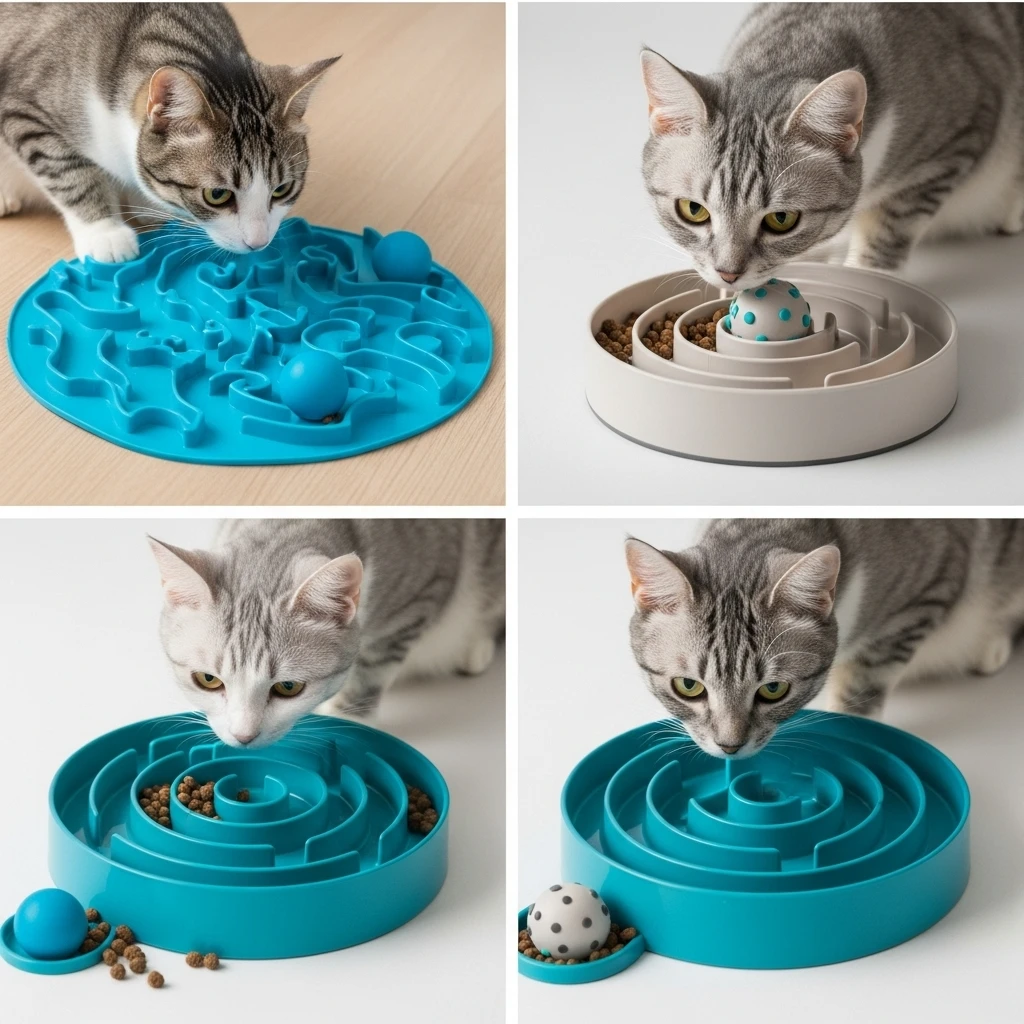
Cats are natural grazers and hunters, yet traditional bowls encourage rapid eating that leads to regurgitation, choking, and poor digestion. The slow feeding movement introduces puzzle feeders, lick mats, and maze bowls that simulate natural foraging behaviors.
Behavioral and Health Benefits:
- Mental Stimulation: Food puzzles reduce boredom and associated destructive behaviors
- Digestive Health: Slower eating improves nutrient absorption
- Dental Benefits: Certain textures help clean teeth
- Anxiety Reduction: Foraging satisfies instinctual needs
Implementation Strategy:
Start with simple puzzle mats for wet food, progress to ball dispensers for dry food, and consider timed feeders that release small amounts throughout the day. Observe your cat’s problem-solving style some are “diggers,” others are “tippers” and choose feeders that match their approach.
Explore our detailed guide on cat enrichment ideas that look expensive for more mental stimulation strategies.
4. Hydration-First Systems: Addressing the Chronic Water Deficit
Cats’ low thirst drive traces back to desert ancestors who obtained moisture from prey. Modern dry diets exacerbate this evolutionary mismatch, contributing to urinary and kidney issues. Smart hydration solutions now integrate water directly into feeding systems.
Innovative Approaches:
- Fountain Feeders: Circulating water sources adjacent to food stations
- Wet Food Hydration Stations: Automated wet food dispensers with water mixing capabilities
- Moisture Monitoring Bowls: Track water intake and alert to changes
Why This Matters:
Adequate hydration can prevent or manage:
- Feline Lower Urinary Tract Disease (FLUTD)
- Chronic kidney disease progression
- Constipation and digestive issues
Image Placement: [Integrated feeding station with water fountain flowing beside food compartment. Alt text: “Combination cat feeder and water fountain promoting increased hydration”]
Learn more about hydration in our cat hydration guide and specific tips for how to get cat drink more water.
5. AI-Powered Meal Planning: The Personalized Nutrition Revolution
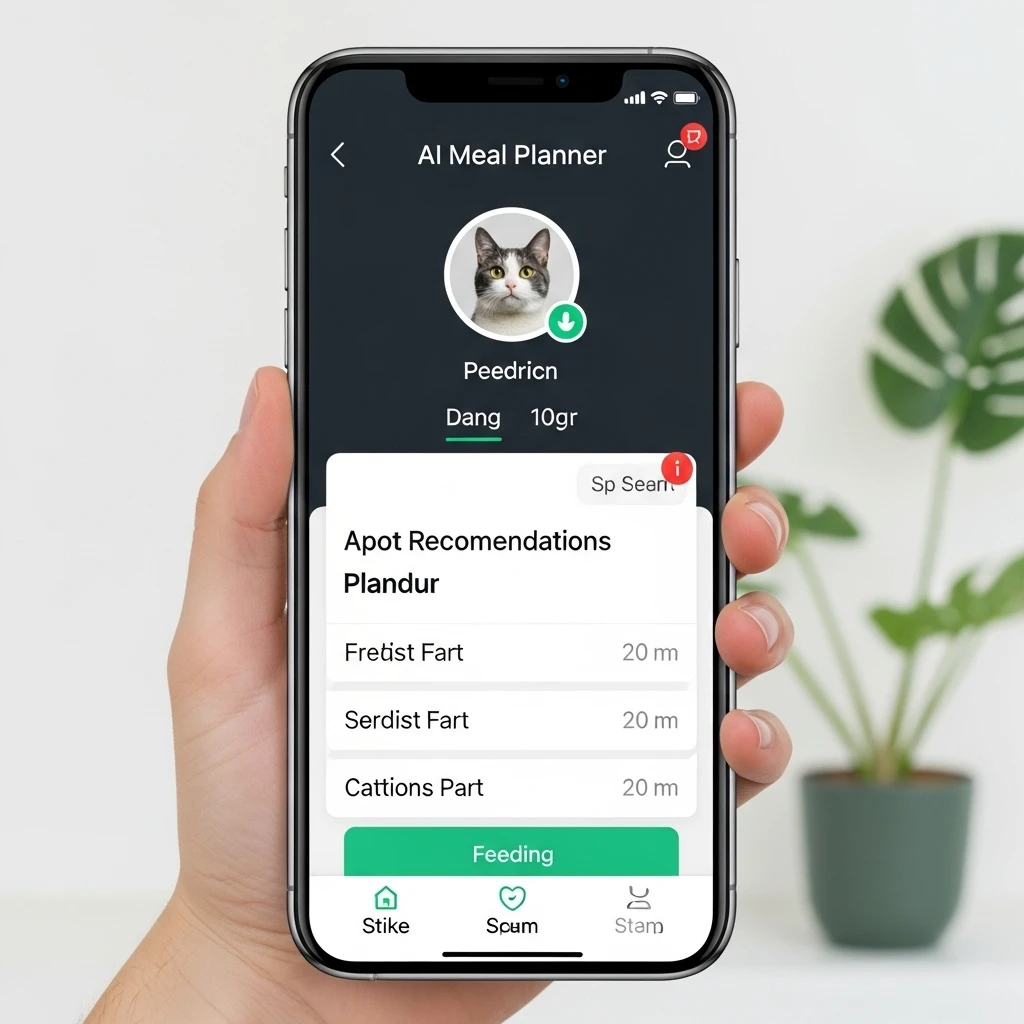
Artificial intelligence now analyzes your cat’s health data age, breed, activity levels, health conditions, and even genetic markers to recommend optimal diets. These systems consider dozens of variables simultaneously, something impossible for even the most dedicated owner.
How AI Nutrition Assistants Work:
- Data Input: Enter your cat’s health profile, preferences, and any medical conditions
- Food Database Cross-Reference: Analyze thousands of commercial and prescription foods
- Recommendation Engine: Suggest optimal products, portions, and feeding schedules
- Progress Tracking: Adjust recommendations based on weight, energy, and health markers
The Future Is Here:
Some systems now integrate with veterinary records, smart litter boxes (monitoring urine pH and output), and activity trackers to create a holistic health picture.
6. Scheduled & Fractional Feeding: Respecting Natural Rhythms
Cats are crepuscular most active at dawn and dusk yet many households feed on human schedules. Smart feeders now accommodate feline chronobiology through:
- Sunrise/Sunset Scheduling: Automatic feeding aligns with natural activity peaks
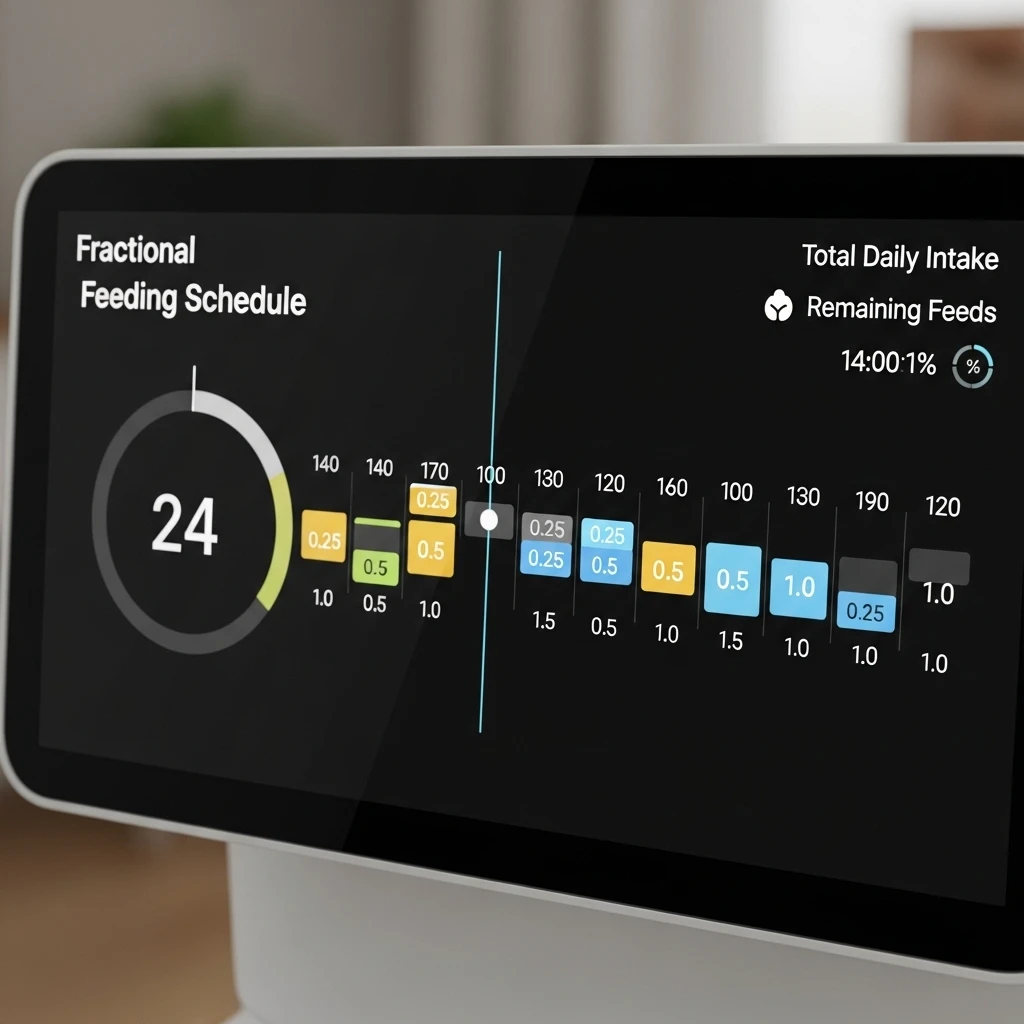
- Fractional Portions: Multiple small meals instead of one or two large ones
- Hunting Simulation: Random timing variations that mimic successful prey capture
Health Benefits of Biological Rhythm Alignment:
- Reduced begging and food anxiety
- Improved energy regulation
- Better weight management
- Enhanced digestive efficiency
Implementation Example:
A fractional schedule might include: 25% at dawn, 15% mid-morning, 15% mid-afternoon, 30% at dusk, and 15% before bed. This mirrors natural hunting patterns while preventing long fasting periods.
Explore more about cat feeding schedules and behavior and how they affect mood.
7. Telehealth Integration: The Connected Care Ecosystem
The most advanced smart feeding trends for cats now integrate with veterinary telehealth platforms. Your feeder can share data directly with your vet, providing unprecedented insight into your cat’s nutritional status and eating patterns.
How Connected Systems Enhance Care:
- Early Detection: Changes in eating patterns flag potential health issues
- Medication Compliance: Confirmation that medicated food was consumed
- Treatment Monitoring: Track response to dietary interventions
- Remote Consultations: Vets review real feeding data during virtual visits
The Data Points That Matter:
Smart feeders track consumption speed, meal duration, preferred feeding times, and pattern deviations all valuable diagnostic information when assessing health concerns.

Discover more about modern cat care in new cat care habits 2025 and future trends in pet tech growth.
Implementing Smart Feeding: A Practical Guide for Every Household
Starting Smart: First Steps for New Adopters
Transitioning to smart feeding requires thoughtful implementation:
- Assess Individual Needs: Consider each cat’s age, health, personality, and dietary requirements
- Start with One Element: Begin with portion control or scheduled feeding before adding complexity
- Gradual Introduction: Allow cats to acclimate to new feeders without pressure
- Monitor and Adjust: Use initial data to refine your approach
Budget-Friendly Entry Points:
Not all smart feeding requires significant investment. Simple timer feeders, DIY puzzle feeders, and manual portion scales provide many benefits at lower cost points.
Multi-Cat Household Strategies
Managing multiple cats presents unique challenges:
The Tiered Approach:
- Identification: Use microchip or tag systems for cats with special needs
- Zoning: Create separate feeding areas for dominant/submissive dynamics
- Monitoring: Ensure each cat accesses appropriate food without stress
Success Indicators:
- Reduced food guarding and aggression
- Stable individual weights
- Decreased vomiting from rapid eating
- More relaxed mealtime behaviors

Learn specialized strategies in our multi-cat homes guide.
Special Needs Considerations
Senior Cats (8+ years):
- Softer food options with hydration integration
- More frequent, smaller meals
- Elevated bowls for arthritic comfort
- Appetite monitoring for early illness detection
Kittens (Under 1 year):
- Frequent scheduled feeding (4-6 times daily)
- Calorie-dense formulations in controlled portions
- Transition monitoring from milk to solid food
Medical Conditions:
- Diabetes: Precise carbohydrate scheduling
- Kidney Disease: Controlled protein with hydration emphasis
- Food Allergies: Absolute prevention of cross-contamination
- Hyperthyroidism: Increased calories without volume increase
Explore our resources on senior cat care and cat life stages nutrition.
Beyond Technology: The Human Element in Smart Feeding
Observational Skills Still Matter
Technology provides data, but your observations provide context. Note:
- Changes in enthusiasm for food puzzles
- Social dynamics during feeding
- Post-meal behaviors (grooming, resting, playing)
- Seasonal appetite variations
The Bonding Opportunity
Smart feeding shouldn’t eliminate interaction. Use:
- Hand-fed treats for positive reinforcement
- Interactive puzzle sessions together
- Grooming or petting during relaxed post-meal periods
- Training sessions using food motivation appropriately
Discover how to strengthen your connection in cat trust guide and cat attachment signs.
Ethical Considerations and Limitations
Balance Technology with Natural Behaviors:
Ensure smart feeding enhances rather than replaces:
- Hunting simulation through play
- Social eating opportunities when appropriate
- Environmental exploration and foraging
Privacy and Data Security:
Understand what data your devices collect and how it’s used. Opt for companies with transparent privacy policies and local data storage when possible.
The Future Horizon: What’s Next in Smart Feeding
Emerging Trends to Watch
- Nutrient Sensing: Real-time analysis of food’s nutritional content
- Biometric Integration: Feeders that adjust based on body condition scoring via camera
- Environmental Adaptation: Systems that modify feeding based on weather, household activity, or stress indicators
- Regenerative Nutrition Focus: Emphasis on gut microbiome support through tailored probiotics and prebiotics
Sustainable Smart Feeding
The next generation considers:
- Eco-Friendly Materials: Biodegradable or reusable components
- Food Waste Reduction: Precise portioning that minimizes waste
- Localized Production: Home-formulated diets with fresh ingredients
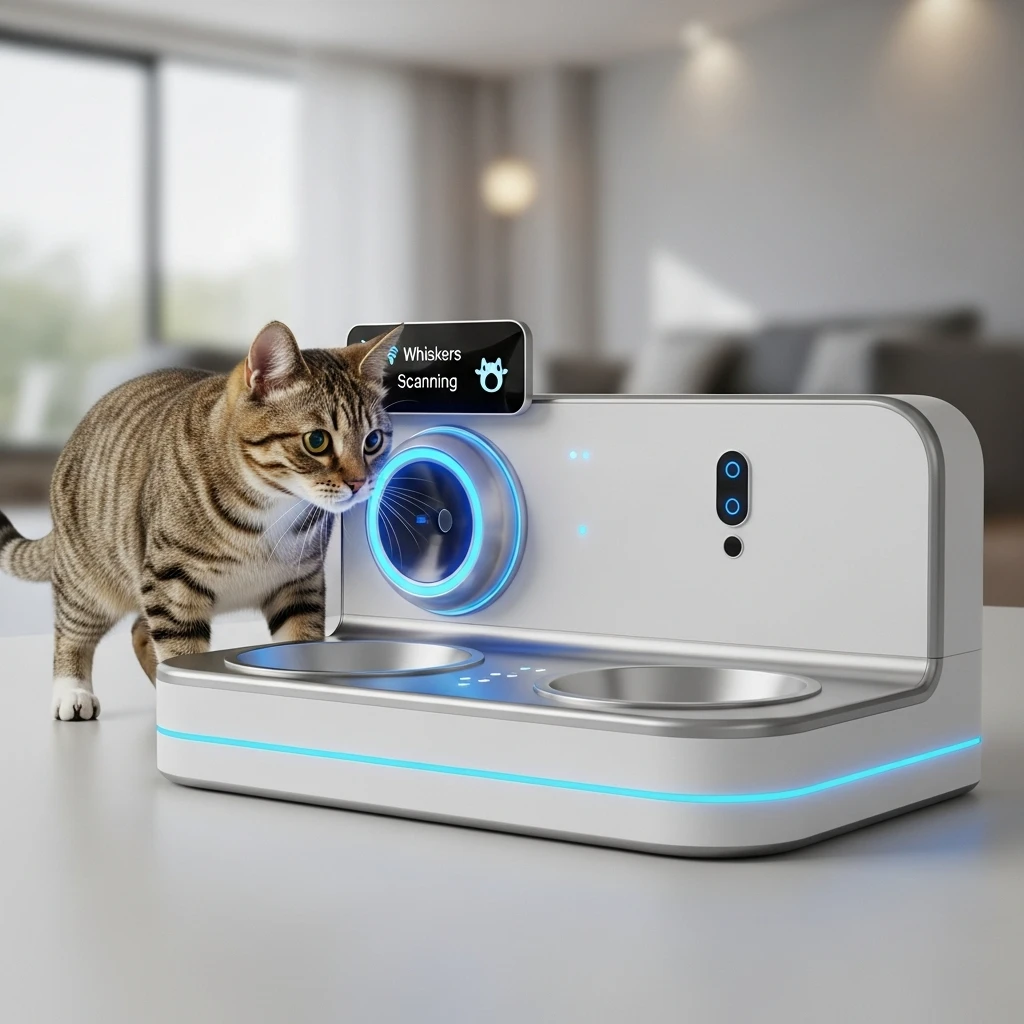
Explore what’s coming in future cat nutrition trends.
Common Challenges and Solutions
Transition Resistance
Some cats resist new feeding methods. Solutions include:
- Gradual Introduction: Place new feeder alongside old bowl
- Positive Association: Use favorite foods or treats initially
- Patience: Allow weeks for adjustment, not days
Technical Issues
Prepare for:
- Power Solutions: Battery backup for electronic feeders
- Manual Overrides: Ensure you can feed manually during outages
- Cleaning Protocols: Regular maintenance prevents mechanical issues
Cost Management
Smart feeding investments pay in health savings. Consider:
- Priority Purchasing: Address most pressing needs first
- Long-Term Value: Preventative care reduces veterinary costs
- Modular Approach: Build systems gradually over time
FAQ: Answering Your Smart Feeding Questions
Q: Are smart feeders safe for all cats?
A: Most cats adapt well, but monitor initial interactions. Kittens, seniors, and anxious cats may need slower introductions. Always ensure manual feeding backup.
Q: How do I choose between wet and dry food in smart feeders?
A: Consider your cat’s hydration needs, dental health, and preferences. Some feeders handle both; others are specialized. Many households use combination approaches.
Q: Can smart feeding help with weight loss?
A: Absolutely. Precision portion control is the most effective weight management tool. Combined with scheduled feeding and slow feeders, results are often dramatic.
Q: What about power outages?
A: Quality feeders have battery backup. Choose models with manual release options and always have a contingency plan.
Q: How much should I invest in smart feeding?
A: Start with your most pressing need. A simple timer feeder or portion scale costs under $50. Complete microchip systems with multiple stations represent larger investments with corresponding benefits.
Q: Do vets recommend smart feeders?
A: Increasingly yes, especially for weight management, multi-cat households, and medical conditions requiring precise nutrition. Many veterinary hospitals now carry or recommend specific models.
Q: Can I use smart feeding with homemade or raw diets?
A: With careful planning. Some feeders accommodate these diets; others don’t. Consider refrigeration needs, texture compatibility, and food safety protocols.
Conclusion: Feeding as an Act of Love and Science
The evolution of smart feeding trends for cats represents more than technological advancement it signifies a deepening understanding of feline needs and a commitment to honoring their biological and psychological requirements. These systems transform feeding from passive provision to active partnership in your cat’s health journey.
As we move forward, the most successful approaches will balance innovation with intuition, data with observation, and convenience with connection. The goal isn’t perfect automation but optimal wellbeing creating feeding experiences that nourish body, mind, and bond.
The quiet revolution in your cat’s bowl is about to make some very beneficial noise in their health, happiness, and longevity. By embracing these smart feeding principles, you’re not just filling a bowl; you’re extending quality time with your feline companion, one thoughtfully considered meal at a time.
Explore more expert cat care, behavior insights, and nutritional guidance in our comprehensive library at Cat Bloom Haven. From breed-specific advice to behavioral understanding, we’re here to support every aspect of your life with cats.