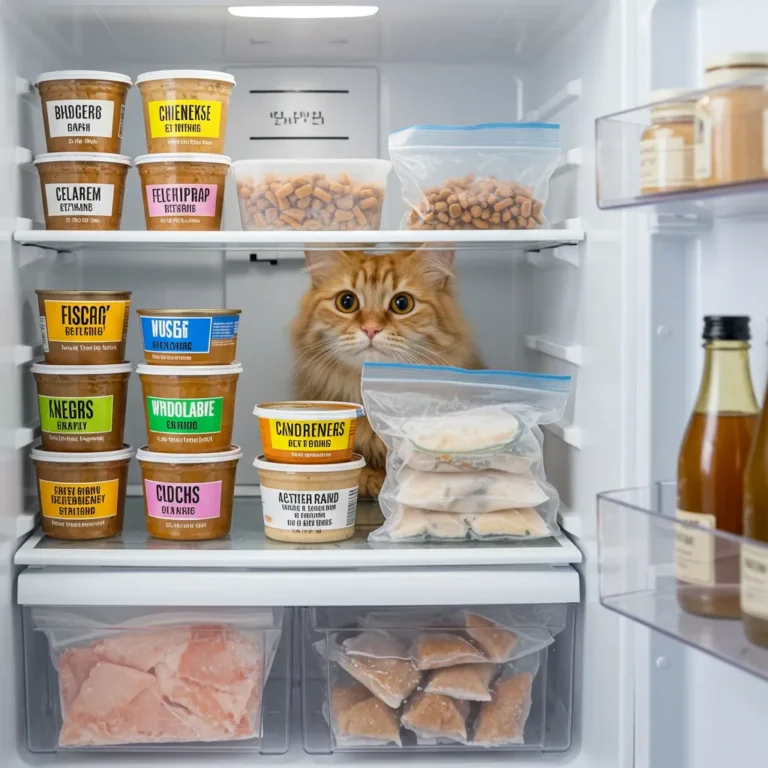
The Future of Cat Nutrition: 2025 and Beyond A Science-Backed Guide to Feeding Your Feline
Key Takeaways
- Hyper-Personalization: DNA testing and gut microbiome analysis will allow for truly individualized cat diets, moving beyond breed-specific formulas to nutrition plans based on your cat’s unique biology.
- Sustainability Meets Health: Insect proteins, lab-grown meats, and algae-based nutrients are emerging as eco-friendly alternatives that also address common feline allergies and sensitivities.
- Smart Feeding Revolution: AI-powered feeders with biometric monitoring will adjust portions in real-time, preventing obesity and catching health issues weeks before symptoms appear.
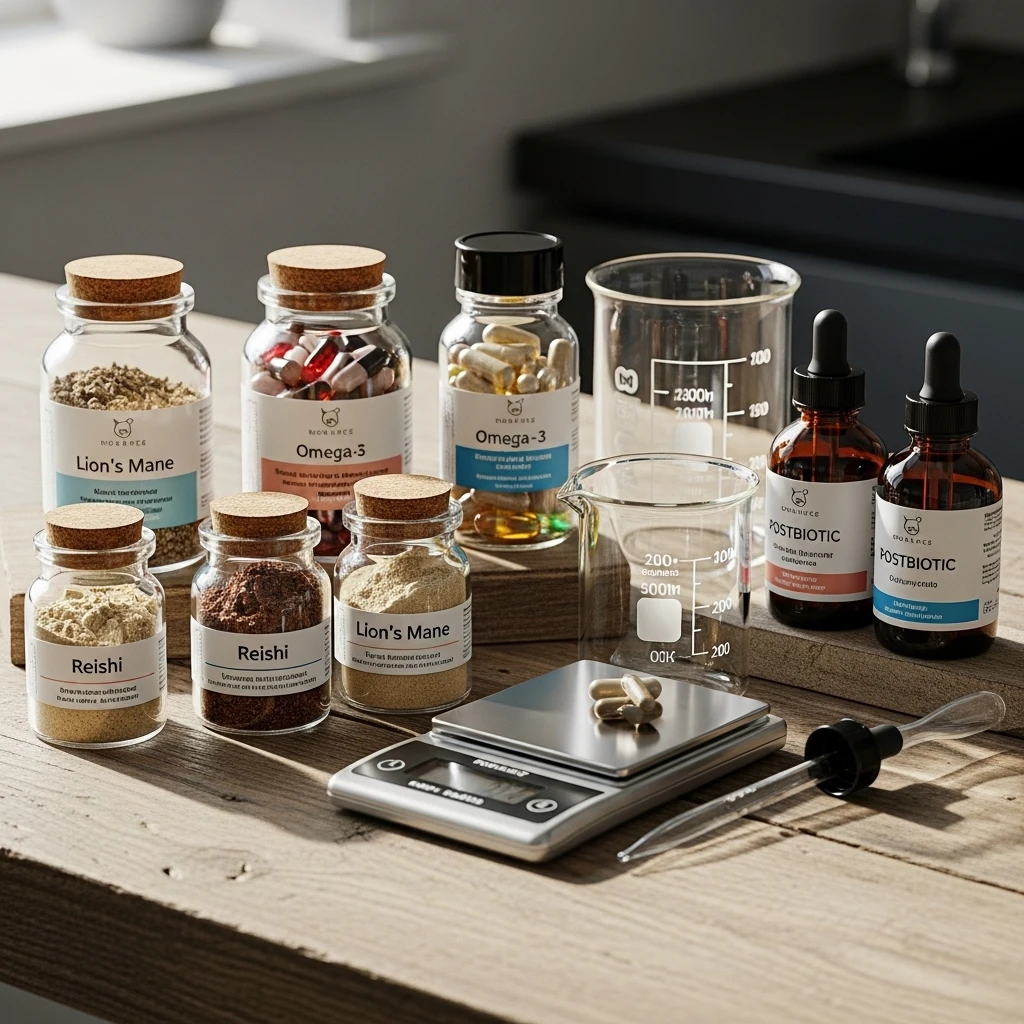
- Precision Supplementation: Targeted nutraceuticals derived from medicinal mushrooms, adaptogens, and postbiotics will support everything from joint health to cognitive function with pharmaceutical-level specificity.
- The Vet-Formulated Shift: Expect tighter collaboration between veterinary nutritionists and pet food companies, with prescription diets becoming more accessible and prevention-focused.
Introduction: Why the Future of Cat Nutrition Demands Your Attention Now
If you’re still choosing your cat’s food based on pretty packaging or brand loyalty, you’re about to be left behind. The landscape of feline nutrition is undergoing the most radical transformation since the invention of kibble itself. What we’re witnessing isn’t just new flavors or marketing gimmicks it’s a complete paradigm shift in how we understand, formulate, and deliver nutrition to our cats.
The driving forces? Breakthroughs in veterinary science, biotechnology, artificial intelligence, and a growing understanding that the “one-size-fits-all” approach has failed many cats. From skyrocketing rates of obesity and diabetes to food sensitivities and chronic kidney disease, our current feeding practices are showing their limitations.
This comprehensive guide will walk you through the seven major trends reshaping cat nutrition, backed by emerging research and expert insights. Whether you have a playful Bengal, a majestic Maine Coon, or a cozy American Shorthair, understanding these developments will empower you to make better choices for your cat’s lifelong health and vitality. Explore more about breed-specific needs in our Bengal Cat Guide.
1. Hyper-Personalized Nutrition: Beyond Breed and Life Stage
The DNA Diet Revolution
We’ve progressed from “kitten” and “senior” formulas to something far more sophisticated: nutrition based on your cat’s genetic blueprint. Companies are now offering at-home DNA test kits that analyze markers for:
- Metabolic rate variations
- Predispositions to specific deficiencies
- Carbohydrate tolerance levels
- Optimal protein sources based on genetic ancestry
- Risk factors for conditions like hypertrophic cardiomyopathy or chronic kidney disease
Practical Impact: Instead of guessing whether your cat needs more taurine or specific antioxidants, you’ll receive a customized supplement blend and food recommendations based on actual genetic markers. This is particularly valuable for purebred cats with known genetic predispositions. For instance, understanding the specific needs of breeds like the Norwegian Forest Cat can be enhanced with genetic insights.
Gut Microbiome Mapping
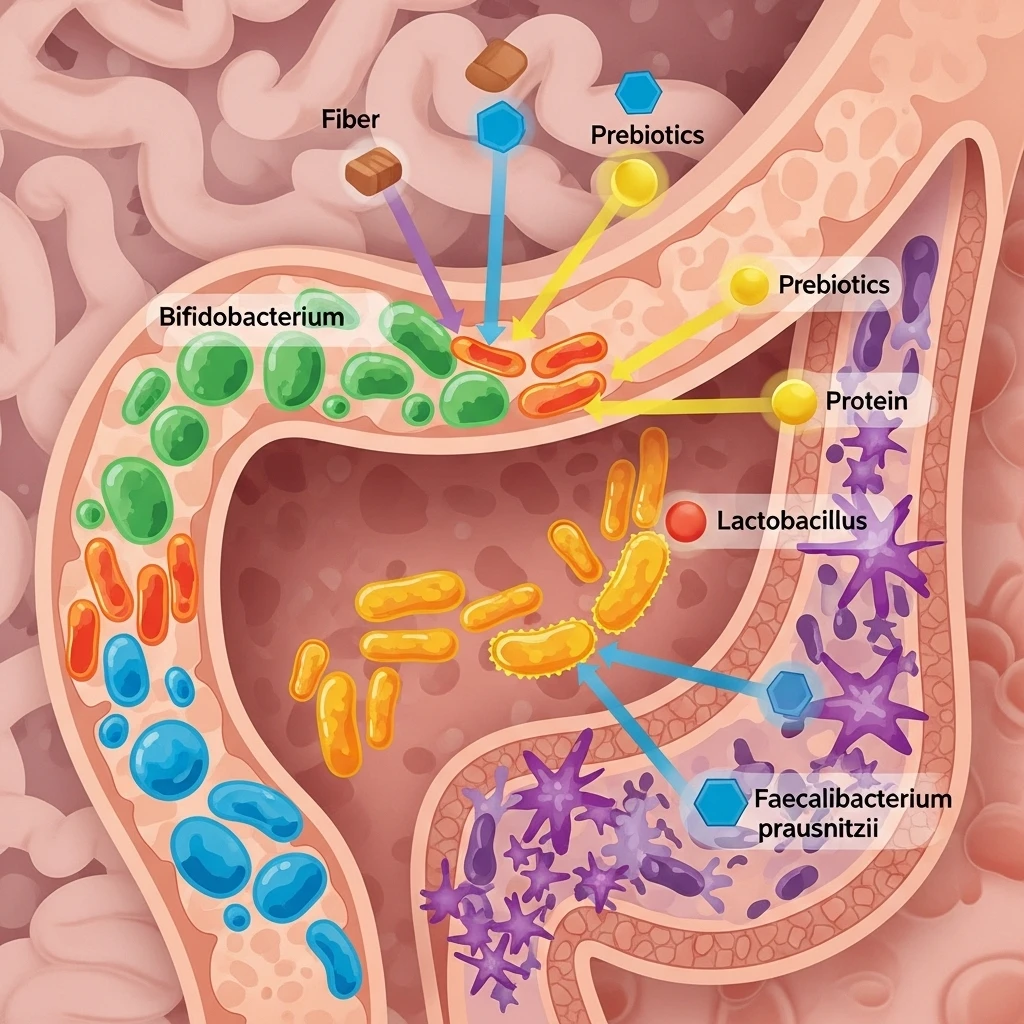
The feline gut microbiome the complex ecosystem of bacteria in your cat’s digestive tract is now recognized as crucial to overall health. Future trends include:
- At-home stool test kits that analyze microbial diversity
- Prebiotic and probiotic formulations tailored to your cat’s specific bacterial profile
- Food recommendations based on what will nourish beneficial strains
- Early detection of inflammation or imbalance before disease manifests
Expert Insight: “We’re finding that cats with optimal microbiome diversity have fewer allergy symptoms, better coat quality, and more efficient nutrient absorption. The goal is to move from ‘probiotics for cats’ to ‘these specific strains for your specific cat.'” Dr. Elena Rodriguez, Veterinary Nutritionist
Continuous Monitoring Integration
Wearable tech for cats is evolving beyond activity trackers. The next generation includes:
- Smart collars that monitor glucose levels through interstitial fluid
- Litter box sensors that analyze urine pH, specific gravity, and metabolites
- Hydration monitors that track water consumption patterns
- Integration with smart feeders for real-time dietary adjustments
2. Sustainable Protein Sources: The Eco-Friendly Feline Diet
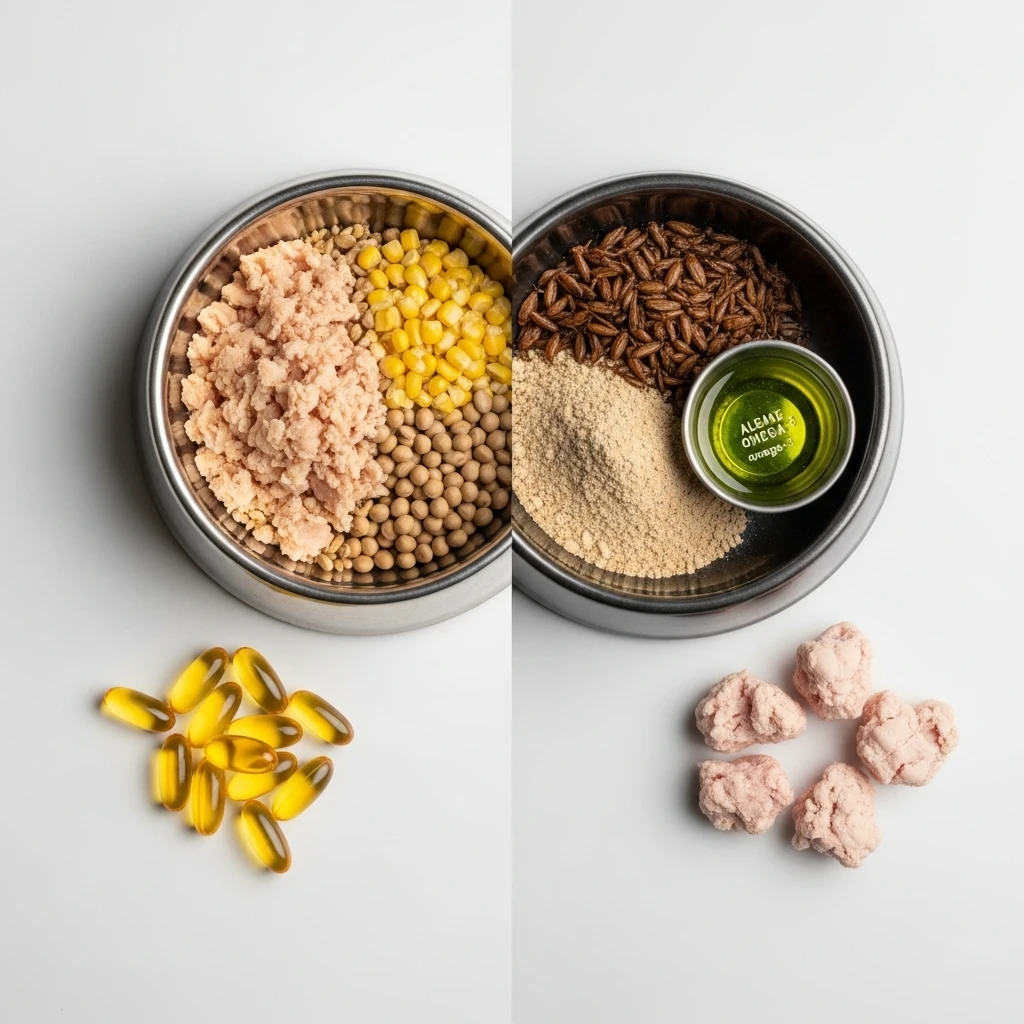
Insect Protein Comes of Age
While still emerging, insect-based proteins (particularly black soldier fly larvae and crickets) offer remarkable benefits:
- Complete amino acid profile comparable to fish meal
- Highly digestible with bioavailability exceeding 90%
- Low allergenicity – ideal for cats with poultry or beef sensitivities
- Environmental footprint requires 1% of the land and water compared to beef
Consumer Education Needed: The “ick factor” remains a barrier, but educational efforts focusing on nutritional benefits rather than sustainability alone show better acceptance.
Lab-Grown (Cultured) Meat
The same technology being developed for human consumption is being adapted for pet food:
- Ethical advantage: No animal slaughter required
- Consistency: Perfect nutritional profile every time
- Safety: Eliminates risk of pathogens like salmonella
- Customization: Specific fat ratios, added nutrients during the culturing process
Timeline: Expect limited commercial availability by 2026, with wider adoption by 2030 as costs decrease.
Algae and Single-Cell Proteins
- Spirulina and chlorella for omega-3s (DHA and EPA) without fish sourcing
- Yeast-based proteins with complete amino acid profiles
- Mycoprotein from fungi as a meat alternative
- Benefits: Carbon-negative production, land-efficient, rich in micronutrients
3. Smart Feeding Systems: AI, IoT, and Precision Nutrition
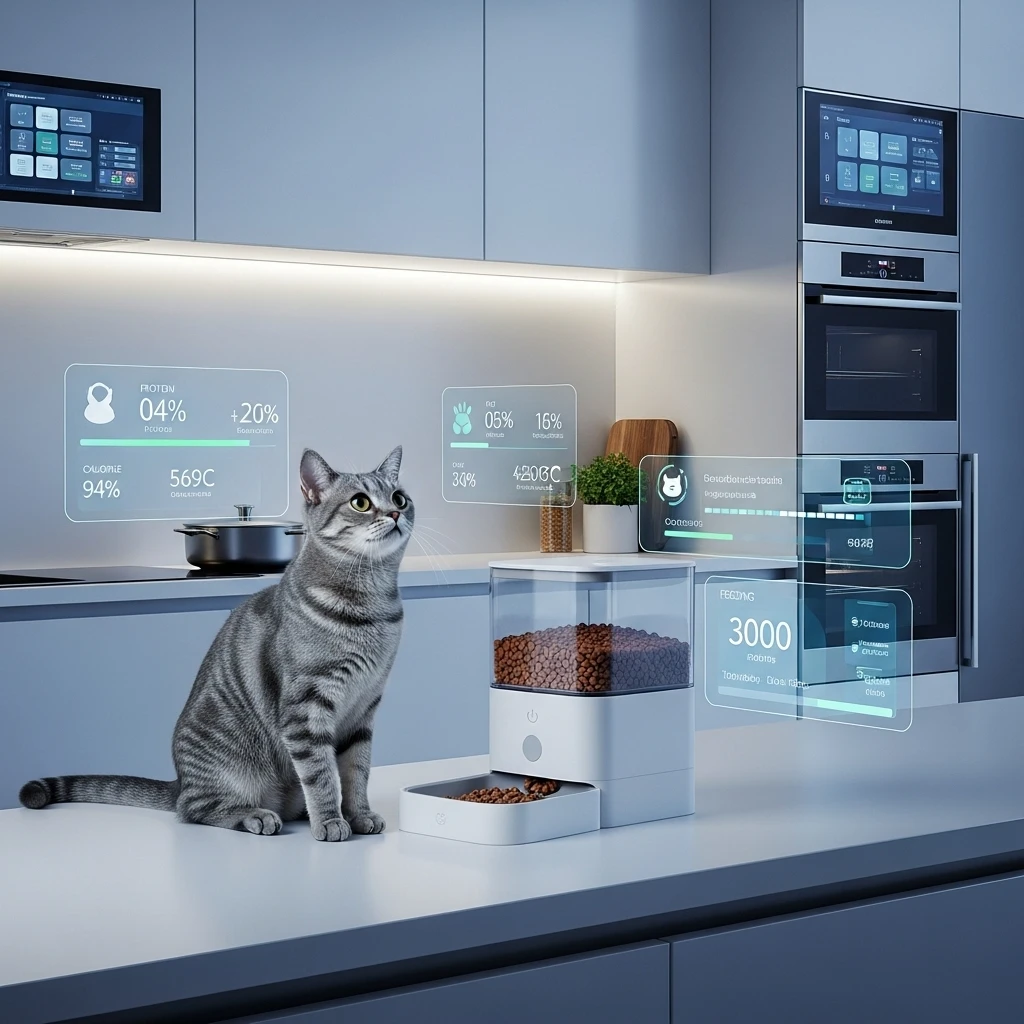
The Next Generation of Smart Feeders
Forget basic timer feeders. The future includes:
- Computer vision that identifies which cat is eating (crucial for multi-cat households)
- Weight sensors that measure consumption to the gram
- Facial recognition to monitor eating speed and chewing patterns
- Integration with veterinary records for medication reminders
- Automatic recipe adjustments based on weather, activity level, or health markers
Predictive Health Analytics
These systems don’t just feed; they analyze:
- Early diabetes detection: Changes in drinking/eating patterns
- Dental issue flags: Reduced chewing time or favoring one side
- Kidney function monitoring: Increased water consumption relative to food
- Behavioral change alerts: First signs of stress or anxiety
Customized Meal Preparation
For those who prefer fresh food but lack time:
- Countertop devices that combine precisely measured supplements with base proteins
- Freeze-dried customization: Add hot water to create meals with fresh-cooked texture
- Supplement injectors: Add oils, probiotics, or medications to any food
- Texture adaptation: Automatically adjust for senior cats with dental issues
Practical Application: If you’re struggling with portion control for specific breeds, like managing Ragdoll cat obesity, smart systems provide precise control.
4. Advanced Nutraceuticals and Functional Foods
Targeted Supplementation
Moving beyond generic “joint support” or “skin and coat” formulas:
| Target Area | Next-Gen Ingredients | Mechanism of Action |
|---|---|---|
| Cognitive Health | Lion’s mane mushroom, phosphatidylserine | Stimulates NGF production, supports neuronal membranes |
| Anxiety Reduction | L-theanine, ashwagandha adaptogens | Modulates GABA receptors without sedation |
| Joint Support | Green-lipped mussel (stabilized), eggshell membrane | Bioavailable glycosaminoglycans, natural collagen |
| Dental Health | Probiotic strains (L. sakei), kelp enzymes | Displaces harmful bacteria, reduces plaque formation |
| Immune Support | Beta-glucans from medicinal mushrooms, bovine colostrum | Trains innate immune system, provides passive immunity |
Postbiotics: The Next Frontier
While probiotics add bacteria and prebiotics feed them, postbiotics are the beneficial compounds produced by bacterial fermentation:
- More stable than live probiotics
- Consistent potency regardless of gut environment
- Specific therapeutic effects: Butyrates for colon health, propionates for metabolism
- Already showing promise in managing feline IBD and chronic diarrhea
Phytonutrient Optimization
Plants aren’t natural cat foods, but specific isolated compounds show benefits:
- Polyphenols from berries: Antioxidant protection, urinary tract health
- Curcumin (turmeric): Anti-inflammatory effects for arthritis
- Flavonoids from green tea: Dental benefits, antiviral properties
- Key consideration: Bioavailability enhancement through nanoencapsulation or piperine addition
5. Veterinary-Formulated Prevention Diets
From Treatment to Prevention
The line between “prescription diet” and “premium commercial food” is blurring:
- Breed-specific prevention: Diets formulated to delay onset of common breed-specific issues
- Life stage precision: Not just “senior” but “early senior” (7-10) vs “geriatric” (11+)
- Weight management 2.0: Metabolic reprogramming rather than just calorie restriction
- Dental disease prevention: Textures and enzymes that genuinely reduce plaque, not just “dental claims”
Direct-to-Consumer Veterinary Nutrition
- Online veterinary consultations leading to customized diet formulations
- Subscription models for therapeutic foods with regular adjustment check-ins
- At-home blood test kits that trigger automatic diet modifications
- Integration with pet insurance for covered nutritional counseling
Evidence-Based Traditional Knowledge
A fascinating convergence: Modern science validating traditional remedies:
- Bone broth: Now studied for collagen, glycine, and mineral bioavailability
- Fermented foods: Natural source of postbiotics and enzymes
- Specific herbs: Milk thistle for liver support, validated with clinical trials
- Application: Incorporating these into commercially stable formats
6. Transparency and Traceability 2.0
Blockchain-Enabled Food Safety
Every batch of cat food will come with:
- QR code tracing to the specific farm, catch, or harvest
- Real-time contaminant screening results (heavy metals, mycotoxins)
- Ingredient provenance: Organic, regenerative, wild-caught certifications
- Carbon footprint calculation for environmentally conscious consumers
Nutritional Density Scoring
Moving beyond guaranteed analysis to:
- ORAC values: Antioxidant capacity measurements
- Protein quality scores: Based on amino acid profile and digestibility
- Inflammation factor: Potential to reduce inflammatory markers
- Microbiome support score: How ingredients feed beneficial bacteria
“Clean Label” Evolution
The future isn’t just about removing artificial preservatives but:
- Regenerative agriculture ingredients: Supporting soil health and biodiversity
- Upcycled components: Using human food production byproducts effectively
- Minimal processing: Techniques that preserve nutrient integrity
- Ethical sourcing audits: Third-party verification of animal welfare standards
7. The Home-Prepared Renaissance (With Scientific Support)
Guided Custom Formulation
Technology-enabled home preparation:
- App-based recipe builders with veterinary oversight
- Nutrient gap analysis using your specific ingredients
- Automatic supplement calculation to achieve complete nutrition
- Regular micronutrient testing to adjust formulations
Safe Raw Feeding 2.0
Addressing the risks while preserving benefits:
- High-pressure processing (HPP): Pathogen elimination without cooking
- Targeted freezing protocols: Parasite destruction while preserving enzymes
- Balanced base mixes: Taking the guesswork out of supplementation
- Regular pathogen testing subscriptions: For continued safety assurance
Hybrid Approaches
Most practical for many households:
- Commercial base + fresh toppers: Nutritional completeness with freshness benefits
- Rotational feeding protocols: Systematic variety to prevent sensitivities
- Partial preparation: Some components homemade, others commercial
- Scheduled professional formulation checks: Annual veterinary nutritionist reviews

Implementation Timeline: What to Expect When
Now Available (2025)
- DNA-based diet recommendations from several companies
- Advanced smart feeders with basic health monitoring
- Insect-protein commercial foods (limited brands)
- Veterinary telehealth with nutrition focus
- Comprehensive microbiome test kits
1-3 Years Out (2026-2028)
- Mainstream insect protein adoption
- First lab-grown meat pet foods
- AI-powered feeding systems with diagnostic capabilities
- Widespread blockchain traceability
- Personalized supplement printers for home use
3-5 Years Out (2028-2030)
- Real-time metabolic adaptation via wearable tech
- Cultured organ meats as superfood toppers
- Gene-edited crops specifically for pet nutrition
- Full integration with veterinary EHR systems
- Predictive disease prevention via dietary algorithms
Frequently Asked Questions
Q: Will these future trends make cat food more expensive?
A: Initially, yes new technology carries premium pricing. However, as with all innovations, costs typically decrease with scale and competition. More importantly, preventive nutrition may reduce long-term veterinary costs significantly. For budget-conscious planning, see our cat food cost breakdown.
Q: How do I know if my cat is a candidate for DNA-based nutrition?
A: Any cat can benefit, but it’s particularly valuable for: purebred cats with known genetic issues, cats with unexplained health problems, picky eaters with suspected sensitivities, and senior cats where prevention is crucial. Consider starting with breeds like Siamese cats which have specific genetic profiles.
Q: Are insect-based proteins nutritionally complete for obligate carnivores?
A: Yes, when properly formulated. Black soldier fly larvae, for example, contain all essential amino acids cats require, with particularly high levels of lauric acid (antiviral, antibacterial) and calcium. The key is proper formulation with taurine and other necessary additions.
Q: How accurate are smart feeder health predictions?
A: Current systems are about 75-85% accurate for basic alerts (reduced eating, changes in patterns). By 2027, with better sensors and AI training, accuracy for specific condition prediction should exceed 90% for conditions like early diabetes or kidney issues.
Q: Should I stop feeding kibble entirely?
A: Not necessarily. The future is about appropriate use of different formats. Kibble serves important functions for dental health and convenience. The key is choosing the right kibble (formulation matters more than format) and possibly combining with wet food, toppers, or fresh elements. Learn more about wet vs. dry food considerations.
Q: How can I prepare my cat for dietary changes?
A: Gradual transition remains crucial. With novel proteins like insects, start with small amounts as toppers. For smart feeders, run them alongside old bowls initially. For any major change, consider a cat hydration guide as water intake often needs monitoring during transitions.
Conclusion: Your Action Plan for Future-Proof Feline Nutrition
The future of cat nutrition isn’t a distant sci-fi scenario it’s unfolding now in laboratories, startups, and progressive veterinary clinics worldwide. While the full vision of perfectly personalized, sustainable, and health-optimizing diets may take years to become mainstream, there are actionable steps you can take today:
- Embrace gradual evolution rather than revolution. Sudden wholesale changes rarely benefit cats.
- Start with knowledge: Consider genetic or microbiome testing to establish a baseline.
- Prioritize prevention: Whether through smart monitoring or preventive supplements.
- Demand transparency: Support companies investing in traceability and research.
- Maintain veterinary partnership: No technology replaces professional oversight.
- Observe your individual cat: The most sophisticated algorithm can’t replace your daily observations.
The goal isn’t to chase every new trend, but to cultivate an informed, adaptable approach to your cat’s nutrition. As these technologies mature, you’ll be prepared to incorporate what genuinely benefits your unique feline companion.
Remember that nutrition is just one pillar of feline wellness. Comprehensive care includes understanding cat behavior, providing proper environmental enrichment, and maintaining regular veterinary care.
The most important trend will always be this: paying attention to what makes your cat thrive as an individual. Technology should enhance that connection, not replace it. Here’s to a future where every cat receives nutrition as unique as their personality—where science supports the bond we share with our feline companions.**
Explore more expert insights on feline health, behavior, and breed-specific care in our comprehensive library of cat care guides at Cat Bloom Haven. From understanding your cat’s mysterious behaviors to creating the perfect home environment, we’re here to support every aspect of your life with cats.